


Family Vacation in Hoi An: Mistakes That Can Turn a Relaxing Holiday Into a Stressful One

A family vacation in Hoi An can become stressful surprisingly quickly. The problem is usually not a lack of family-friendly activities, but an itinerary that asks grandparents, parents and children to follow the same pace from morning until evening.
Too many day trips, long periods in the midday heat, unsuitable accommodation and no time for rest can leave the whole family more tired than expected. This is especially true for multigenerational groups, where walking ability, sleep routines and personal interests may differ significantly. The mistakes below are the ones most likely to disrupt a family vacation in Hoi An, along with practical ways to avoid them and build a trip that remains comfortable for everyone.
Trying to See Too Much in Too Little Time
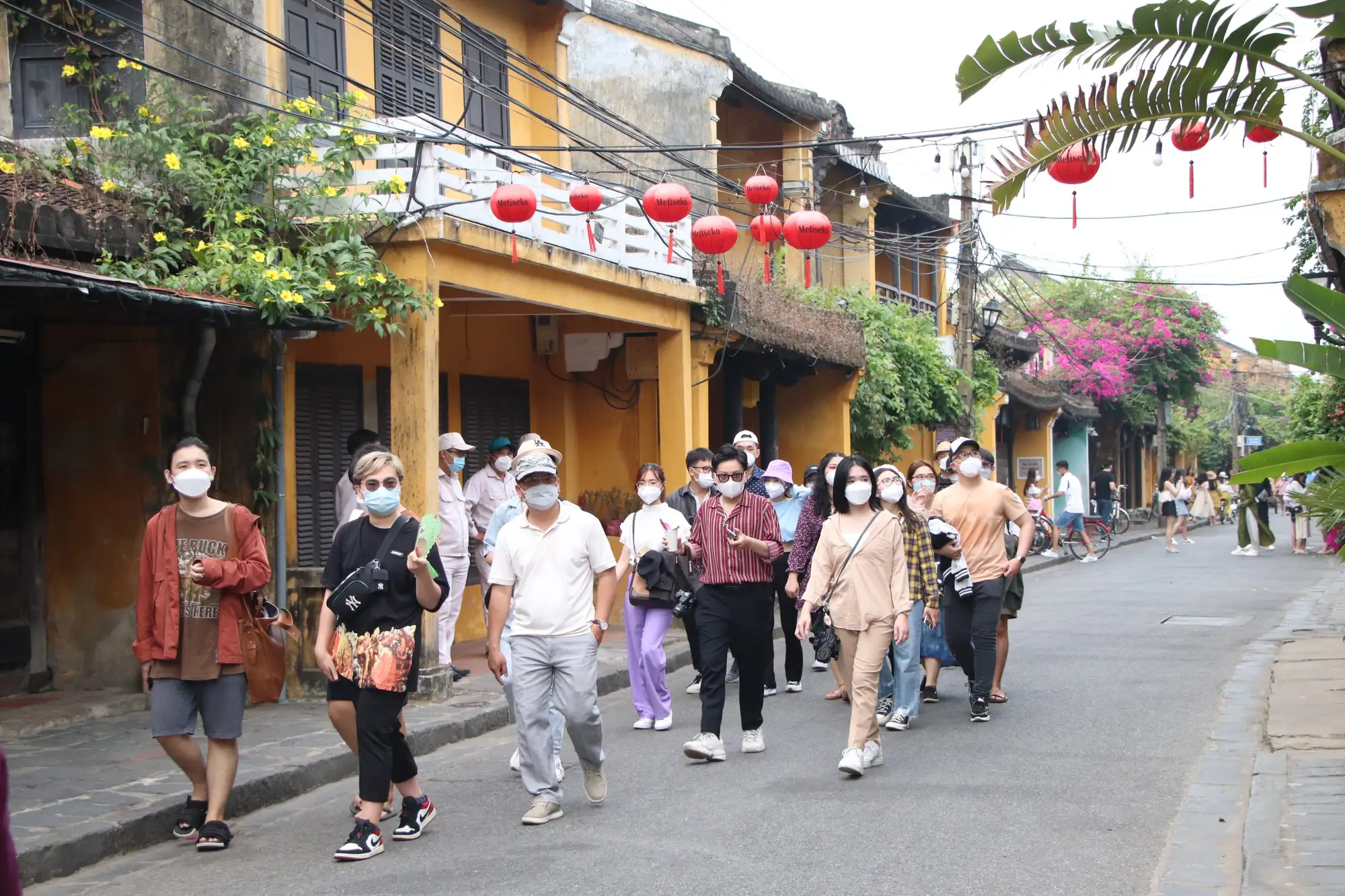
The most common planning mistake is treating every empty space in the itinerary as a problem that needs to be filled. A three-night stay can quickly become a combination of the Ancient Town, Cam Thanh, My Son Sanctuary, a beach morning and a long day trip outside Hoi An. None of these plans is unreasonable on its own. The pressure comes from placing them on consecutive days without considering the time required for breakfast, changing clothes, waiting for transport, toilet stops, meals and rest.
Families should plan according to effort rather than the number of attractions. A morning in the Ancient Town may look like a half-day activity, but it can involve a considerable amount of walking, repeated stops and limited shade. A cultural excursion outside town may require an early departure and a long period in the car. These activities should not automatically be followed by another fixed booking in the afternoon.
A useful rule is to schedule one main commitment per day and treat everything else as optional. If the family visits a heritage site in the morning, the afternoon can remain open for the swimming pool, beach or rest. If the day includes a longer road journey, avoid booking another early departure the following morning. This approach does not mean spending the holiday inside the hotel. It means choosing shorter outings that fit naturally around the family’s energy levels.
Guests staying near Bình Minh Beach, for example, do not need to travel into central Hoi An every time they want a cultural experience. A short morning visit to a local pagoda can provide a quieter look at the area without taking over the entire day.
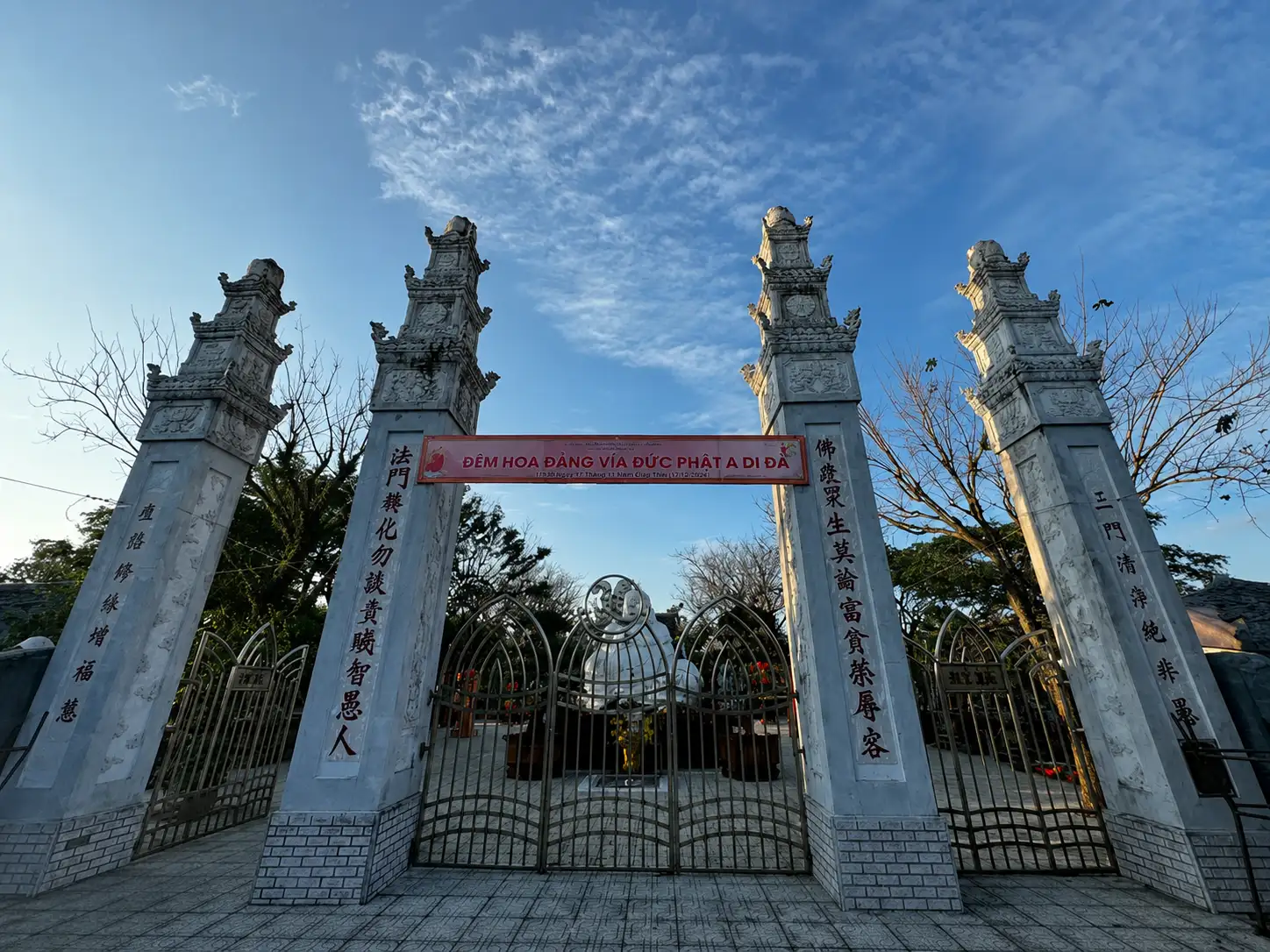
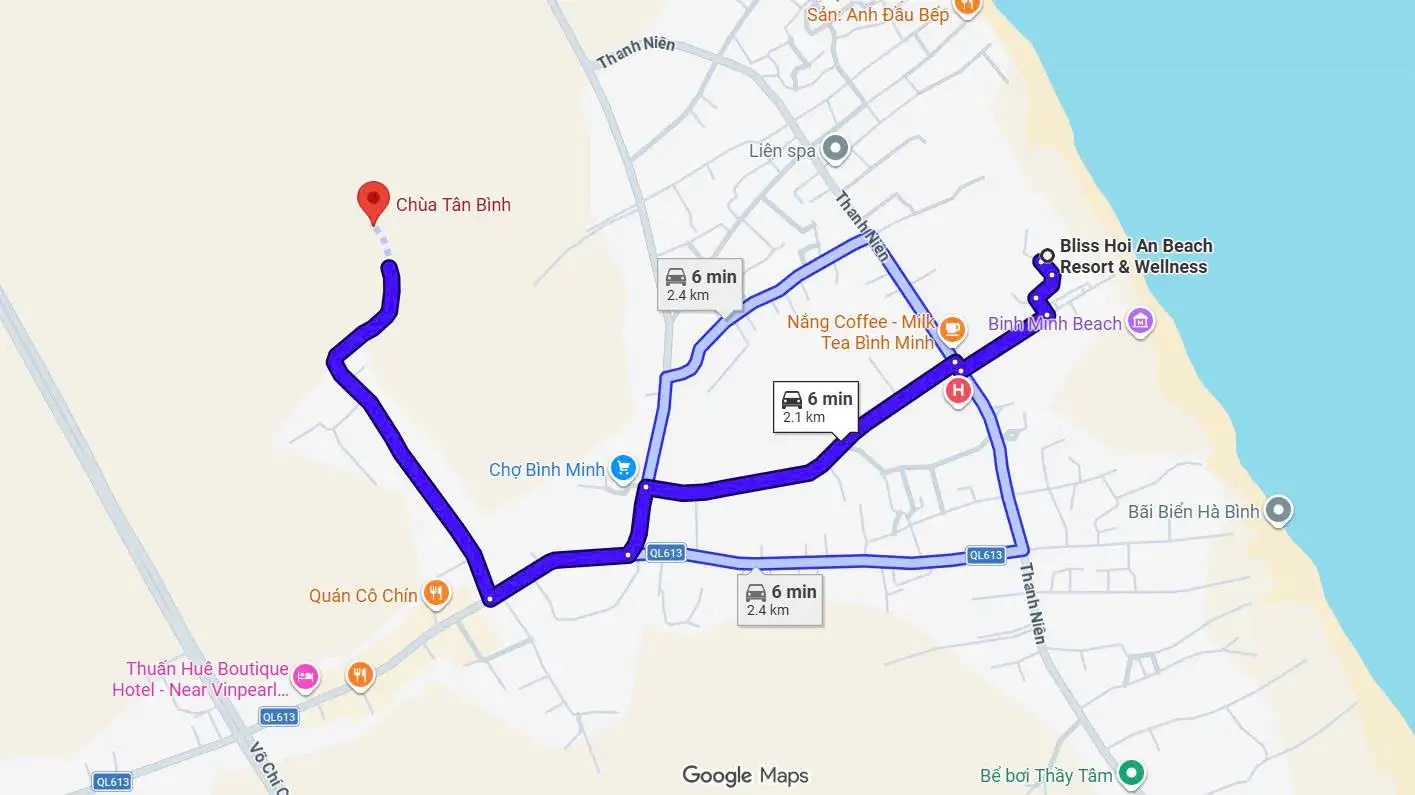
Chùa Tân Bình is a practical example for families staying at Bliss Hoi An. The resort has described the pagoda as approximately a 15-minute walk or five-minute driving. A family can visit after breakfast, spend a short period walking around the grounds and return before the hotter part of the day. This type of outing is especially suitable after a busier sightseeing day. It adds cultural context without creating another long transfer.
Read more: Tan Binh temple in Hoi An: Peaceful pagoda, history & Nearby attractions
Assuming Everyone Wants the Same Activities
Families often begin with the idea that everyone should remain together throughout the holiday. This sounds fair, but it frequently creates frustration. Grandparents may be interested in religious sites, architecture and quiet local roads. Young children may prefer swimming and need a predictable nap. Teenagers may enjoy walking through the Ancient Town in the evening but have little interest in a long morning temple visit. Parents may want cultural activities while also needing time when they are not managing the whole group.

The solution is not to create four separate holidays. It is to identify which parts of the day genuinely need to be shared. Breakfast and dinner can become the two daily anchor points. Between them, family members can follow different plans. One group may take a short trip to a pagoda, while another stays by the pool. Everyone can meet again later without feeling that they have missed the family holiday.
This method also makes last-minute changes easier. If an older traveller wakes up feeling tired, the whole day does not need to be cancelled. If a child wants to continue swimming, another adult can remain at the resort while the rest of the group goes out. For this arrangement to work, the accommodation must provide more than bedrooms. Family members who remain behind should still have access to food, shade, comfortable seating and activities that do not require another car journey.
Before the trip, decide which experiences are non-negotiable for the whole group. Limit these to a small number. Everything else should be open to smaller groups or individual choice.
Booking a Hotel Based Only on Price
The lowest room rate does not always produce the lowest-stress holiday. A hotel may appear inexpensive but require two or three additional taxi journeys each day. A central property may reduce the distance to the Ancient Town but provide little outdoor space for children or few places where older family members can rest outside their rooms. A beach resort may offer more space, but the family needs to understand how transport into town works.
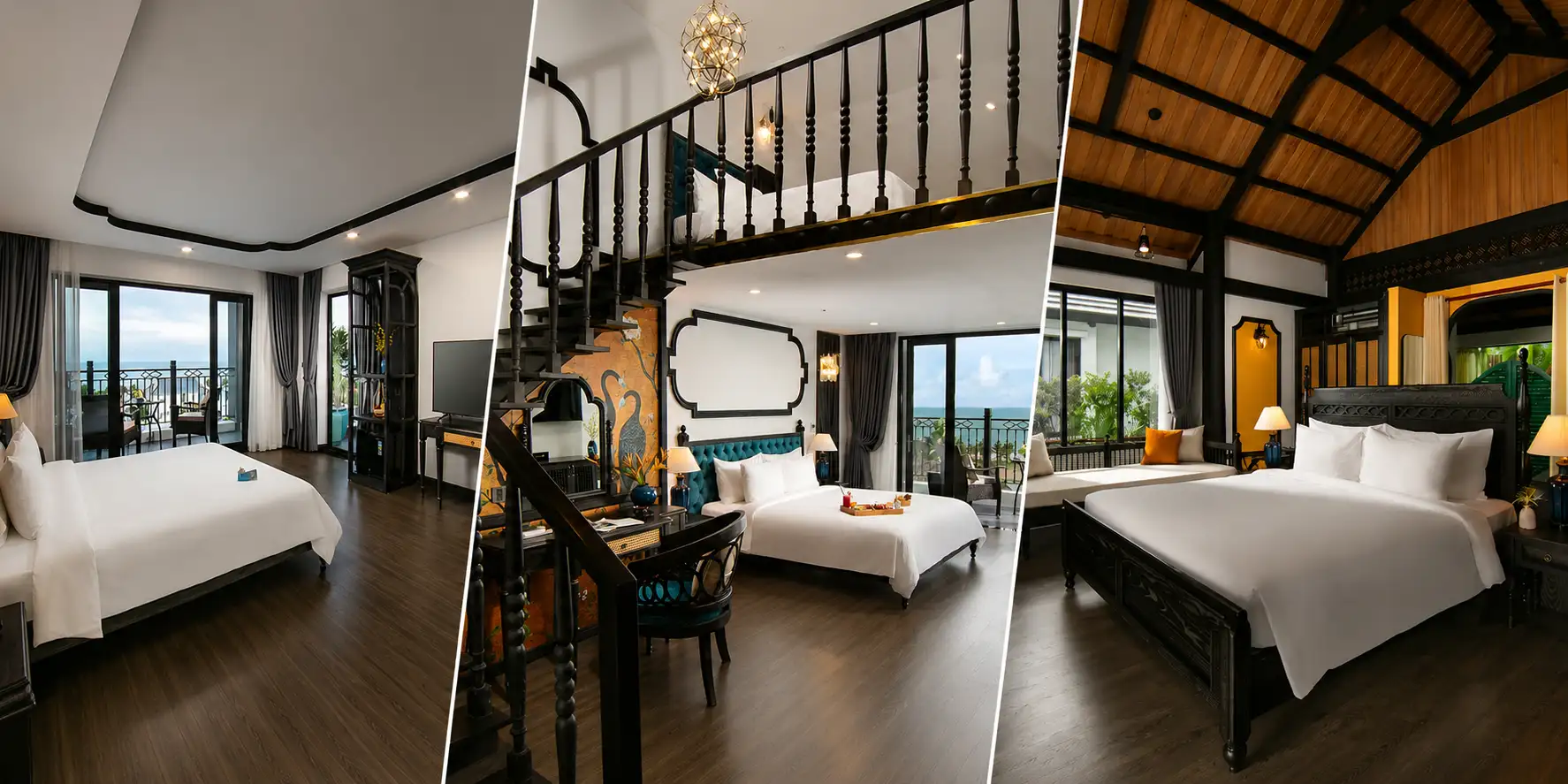
The important question is not simply, “How much does the room cost?” It is, “What will the family need to organise every time someone wants to eat, rest, swim or go sightseeing?” Room configuration is another detail that families often overlook. Two standard rooms may be cheaper than a family suite, but the rooms may be on different floors or in separate buildings. An extra bed may reduce the usable space more than expected. A bathroom layout that suits a couple may be inconvenient for an elderly guest or a parent travelling with two children.
Before booking, confirm five practical points:
- Whether connecting rooms or multi-bedroom accommodation are guaranteed rather than merely requested.
- How far older guests need to walk between the room, restaurant, pool and vehicle drop-off point.
- Whether meals are available on-site when the family does not want to go out.
- What children and non-sightseeing adults can do at the property.
- How transport to the Ancient Town works, including the current shuttle timetable and reservation requirements.
Families choosing between the Ancient Town and the beach should also be honest about how they expect to spend their time. A central hotel suits travellers who want to leave the property several times a day. A quieter beachfront base is usually more practical when the itinerary includes resort days, separate activities for different generations and only selected visits into town.
Ignoring the Midday Heat
A schedule that works in a cool climate may become unrealistic in central Vietnam. The most demanding period is often from late morning to mid-afternoon, particularly when the family is walking on exposed streets or visiting places with limited air conditioning. Children may become irritable before adults recognise that they are overheating. Older travellers may continue walking because they do not want to delay the group, then need a much longer recovery period afterwards.
Families should not plan solely around attraction opening times. They should plan around the weakest traveller’s tolerance for heat. A practical day in Hoi An may begin with an outdoor activity between breakfast and late morning. Lunch can be followed by several hours at the hotel. The family can go out again in the late afternoon, when an evening meal or short walk is less physically demanding.

The midday break should be treated as part of the schedule, not as spare time that can later be filled with another attraction. Parents should also check more than the temperature forecast. Humidity, shade, walking surfaces and access to seating all affect how tiring an outing feels. A route that is comfortable for two adults may not be suitable for a grandparent using a walking stick or a child who still needs a stroller.
When visiting pagodas, families should not assume that every site has ramps, accessible toilets, English information or a vehicle drop-off directly at the entrance. Ask the hotel or driver about steps and walking distances before leaving, particularly when travelling with limited mobility.
Moving Hotels During a Short Family Holiday
Splitting the trip between the Ancient Town, the beach and another nearby destination may appear to offer more variety. During a short family holiday, it often produces more administration than enjoyment. The drive between two hotels may be brief, but moving accommodation involves much more than the journey. Everyone has to pack, check drawers and bathrooms, settle the bill, wait for transport and remain together until the next rooms are ready.
Parents also have to manage medication, children’s belongings, travel documents and items that need to remain accessible during the transfer. Grandparents lose the familiarity they developed with the first property. Children may need time to adjust to another room and sleeping arrangement.

A hotel change is most worthwhile when it creates a genuinely different stage of a longer journey. It is less useful when the family is only moving a short distance to reduce one or two taxi rides. For a four- or five-night family vacation in Hoi An, one well-chosen base is usually easier. Families can visit the Ancient Town on selected days, spend time by the beach and add shorter local outings without repeatedly packing their luggage.
The question should be whether the move improves the holiday enough to justify losing part of a day. If the main benefit is simply a change of scenery, it may be better to stay in one place and arrange a half-day excursion instead.
Treating Every Day Like a Sightseeing Day
A day at the resort is sometimes seen as a day that has not been used properly. This assumption is particularly common when families have travelled a long distance and feel responsible for making the trip “worth it.” As a result, children are asked to leave the swimming pool for another scheduled attraction, while adults continue sightseeing even though they are no longer enjoying it.
A rest day has a practical function. It allows the family to recover before tiredness affects the remaining itinerary. It also creates space for weather-related changes without forcing everyone to abandon a priority activity. Rest days do not need to be completely empty.
A family staying at Bliss Hoi An could begin with a sunrise walk on Bình Minh Beach, have breakfast without a fixed departure time and then divide into smaller groups. Some family members may visit Chùa Tân Bình or another nearby religious site, while others remain at the resort. The afternoon can be used for the pool, spa or sleep, followed by a shared dinner.

This is still a day with a sense of place. It simply avoids turning every cultural experience into a major excursion. Families should consider adding a lighter day after any activity involving a long road journey, an early start or extended walking. Do not wait until everyone is already exhausted before reducing the schedule.
Choosing Attractions That Require Too Much Coordination
A good family activity is not only interesting. It must also be easy enough to organise for the people taking part. Before confirming an excursion, check the departure time, total driving time, access to toilets, meal arrangements, walking distance, shade and cancellation policy. Families with young children should also ask whether they can leave early without affecting the rest of a group tour.
Short independent outings can sometimes work better than organised full-day programmes because the family controls the pace. Two pagodas in the Bình Minh area provide useful alternatives for guests staying on the southern coast.
Chùa Tân Bình is the easiest option from Bliss Hoi An. It is an active local pagoda rather than a heavily developed tourist attraction. This makes the visit quieter, but families should not expect extensive interpretation or visitor services. A short visit of around 30 to 45 minutes is usually enough for a respectful walk around the grounds and worship spaces that are open at the time.

Read more: Temple Tour in Hoi An: A Peaceful Half-Day Itinerary Through Historic Pagodas and Sacred Sites
These sites should not be treated as photo stops. Visitors should wear clothing that covers the shoulders and knees, speak quietly and avoid entering areas that appear closed. Do not photograph monks, worshippers or ceremonies without permission. Families should also confirm access with resort staff before departure because religious activities may affect which areas are available to visitors.
For elderly guests, a car is safer than cycling unless they are already confident riders. Ask the driver where the closest drop-off point is and whether steps are involved. These small checks can determine whether the outing feels calm or difficult.
Forgetting That Rest Means Different Things to Different People
“Rest” does not mean that the whole family must spend the afternoon doing nothing together. Grandparents may want to sit somewhere quiet rather than remain in a room. Children may recover through swimming and play rather than sleep. Teenagers may need time alone. Parents may want a spa treatment, exercise or an uninterrupted meal.
Accommodation should make these different forms of rest possible at the same time. This is one reason a resort-based family holiday can work well for several generations. The family does not need to agree on a single activity every hour. People can separate without complicated transport arrangements and meet again when they are ready.
The key is to protect this time in advance. If rest is only included when nothing else is available, it will usually be replaced by another booking. A simple planning method is to divide activities into three categories: essential, optional and recovery. Essential activities are the experiences the family would genuinely regret missing. Optional plans can be cancelled without disappointment. Recovery periods remain empty and should not be offered to another tour operator simply because the space exists. This method prevents the itinerary from collapsing when one person needs more time than expected.
A Low-Stress Cultural Morning Near Bliss Hoi An

Families staying at Bliss Hoi An can use the surrounding Bình Minh area to create a cultural morning that does not require travelling into the Ancient Town. Begin early with a walk by the beach, followed by breakfast at the resort. At around 8:30 or 9:00, active family members can walk or cycle to Chùa Tân Bình. Older guests and young children can travel by car if required.
Keep the visit short and unhurried. The purpose is not to complete a temple checklist but to observe a local religious space respectfully. Families wanting a second stop can continue by car to Chùa Phước Bình. Before leaving, ask the resort to confirm the most suitable route, whether a ceremony is taking place and how close the vehicle can stop to the entrance.
Return to the resort before lunch and leave the afternoon open. This structure works because the cultural activity takes place during the cooler part of the day and does not prevent the family from resting afterwards. Those who do not want to visit the pagodas can remain at the beach or pool without missing the main shared part of the day.
It also provides an alternative to itineraries that rely entirely on central Hoi An. Families gain a better sense of the coastal community around their accommodation rather than treating the resort only as a place to sleep between distant attractions.
Choosing a Base That Reduces Daily Decisions
The value of family accommodation is not measured only by the room design or sea view. A suitable base reduces the number of decisions the organiser must make each day.
Bliss Hoi An Beach Resort & Wellness can support this slower structure because the family can combine selected visits to the Ancient Town with beach time and short local outings. The resort offers family-oriented room layouts, including family suites and two-bedroom accommodation, as well as an infinity pool with a children’s area, on-site dining and wellness facilities.

Its scheduled shuttle service to Hoi An Ancient Town also allows families to plan specific town visits without placing the entire holiday in a busy central location. The current timetable should be confirmed directly with the resort because shuttle schedules and reservation requirements can change. The location is especially useful when different generations want different experiences. Grandparents may spend a quiet morning at the resort or visit a nearby pagoda. Children can use the pool. Parents can join either group without arranging a full-day programme.
This is the practical reason to consider Bliss Hoi An Beach Resort & Wellness for a family holiday. The resort does not need to be close to every attraction because it provides enough options for days when the family chooses not to travel far. Families who want to walk into the Ancient Town several times every day may still prefer central accommodation. Those prioritising space, beach access, flexible schedules and quieter recovery periods are more likely to benefit from a Bình Minh Beach base.
The difference between a relaxing and stressful family vacation in Hoi An is rarely the number of attractions visited. It depends on whether the itinerary can survive real family needs: a late breakfast, a tired grandparent, a child who needs to sleep or a day when nobody wants another long drive.
Plan one main commitment per day, protect the midday break and allow family members to separate for part of the schedule. Choose accommodation based on how it functions during unscheduled hours, not only on its price or distance from the Ancient Town. Hoi An becomes easier to enjoy when the family stops trying to use it every hour. A short visit to a local pagoda, an afternoon by the pool and an evening meal together may create a better holiday than another day spent rushing between reservations.

Related Posts

Guide to using the Grab app Vietnam when traveling to Hoi An

Teh Dar Show Hoi An: Inside Vietnam’s Bamboo Circus of the Central Highlands

How to get a Hoi An SIM Card: 3 Steps to stay connected
Truong Giang vs Thu Bon: Which river is better for a boat trip?

A month in Hoi An: What a long stay actually looks like