


Tan Binh temple in Hoi An: Peaceful pagoda, history & Nearby attractions
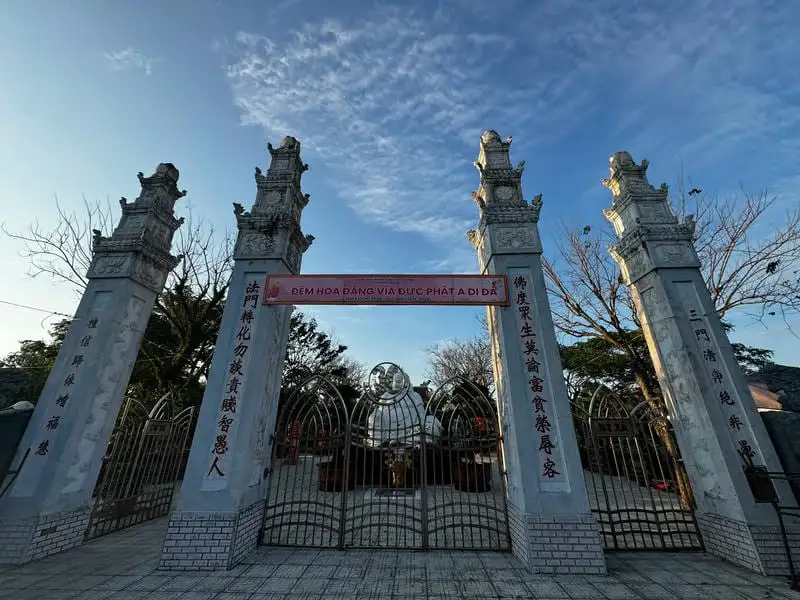
Located just outside the lively center of Hoi An, Tan Binh Temple offers a calming contrast to the city’s bustling ancient town. With its peaceful courtyard, traditional architectural elements, and spiritual ambience, the temple has become a soothing retreat for both locals and travelers looking for a moment of quiet. Beyond its tranquil setting, Tan Binh Temple also serves as an accessible cultural stop, pairing perfectly with sightseeing, cycling, or leisurely walks through the countryside.
Introduction to Tan Binh Temple – A peaceful cultural stop
Tan Binh Temple is a quiet and meaningful spiritual landmark where visitors can slow down and enjoy a moment of calm. Set in a serene atmosphere away from the city’s fast pace, the temple offers a gentle sense of balance for anyone seeking peace and reflection.
Although not grand in scale, the temple stands out through its traditional architecture, harmonious layout, and tranquil surroundings. From the entrance gate to the main hall, every detail reflects cultural values and artistic touches rooted in local heritage.
For both locals and travelers, Tan Binh Temple is a place to appreciate cultural traditions, observe daily rituals, and simply enjoy a peaceful break during the journey. If you’re looking for a calm and refreshing experience, this temple makes a meaningful stop where you can breathe, observe, and take in the quiet beauty of the moment.
Read more: Top 15+ Temple near Hoi An you must visit
How to get to Tan Binh temple?
Tan Binh Temple is located in a quiet neighborhood not too far from Hoi An Ancient Town, making it easy to reach by different modes of transport depending on your schedule and preferences.
If you depart from Bliss Hoi An Beach Resort & Wellness, the temple is particularly close and easy to access. It takes around 15 minutes on foot along small leafy village paths, or 5 minutes by bicycle, offering a relaxed route ideal for those who enjoy light physical activity.
Visiting Tan Binh Temple after days of sightseeing and exploring the Old Town and nearby attractions is also a great option. The temple’s fresh air and tranquil atmosphere provide a sense of balance, helping visitors unwind and recharge before continuing their journey.
For travelers coming from Hoi An Ancient Town, you can choose to:
Bike: about 10–15 minutes along calm village roads and small lanes.
Motorbike or taxi: around 5–7 minutes, depending on traffic conditions.
Walk: approximately 25–35 minutes, suitable for those who prefer a leisurely pace to enjoy the scenery.
The route to the temple is straightforward and many sections are friendly for both pedestrians and cyclists, making it ideal for slow travel experiences. Compared to the lively Old Town, the peaceful surroundings on the way to Tan Binh Temple offer a refreshing contrast and a moment of quiet.
History of Tan Binh Temple
Tan Binh Temple is a Buddhist temple closely connected to the cultural and spiritual life of the residents of Tan An Hamlet. Its origins date back to the 1950s, when local Buddhist followers faced difficulties traveling to distant temples for rituals and ceremonies. To maintain spiritual practice, a group of devotees gathered at private homes within the hamlet to chant sutras and observe Buddhist activities. As the community grew, the need for a permanent place of worship became increasingly evident.
By the late 1960s, the residents of Tan An agreed to establish a temple on a suitable plot of land within the hamlet. The first structure was modest and built with simple local materials, yet it fulfilled an important communal role as a center for Buddhist practice and cultural preservation.
After 1975, due to economic constraints and broader social changes, temple activities slowed for a period of time. However, beginning in the 1980s, as living conditions stabilized, the local Buddhist community gradually resumed practices and contributed to repairs and maintenance, helping restore the temple’s role in community life.
From the 2000s onward, Tan Binh Temple underwent a series of renovations and expansions. These efforts improved the temple’s overall structure and appearance, including the rebuilding of key areas such as the entrance gate, main hall, and auxiliary spaces. The restorations helped preserve the temple’s cultural value while accommodating the increasing number of practitioners and visitors in Tan An Hamlet and nearby areas.
Today, Tan Binh Temple continues to serve as both a religious and cultural site. Through multiple periods of construction, restoration, and community support, the temple has remained an integral part of Tan An Hamlet, reflecting the enduring spiritual traditions and cultural identity of the local people.
Architecture and Highlights of Tan Binh Pagoda
Tan Binh Pagoda reflects traditional Buddhist architecture, harmoniously combined with a peaceful natural environment, creating a calm and contemplative atmosphere for visitors.
Distinctive statue system
Along the main walkway, visitors can admire a row of finely carved wooden Arhat statues, each with a unique posture and facial expression. These statues vividly convey Buddhist philosophy while showcasing the high level of craftsmanship and attention to detail of the artisans.
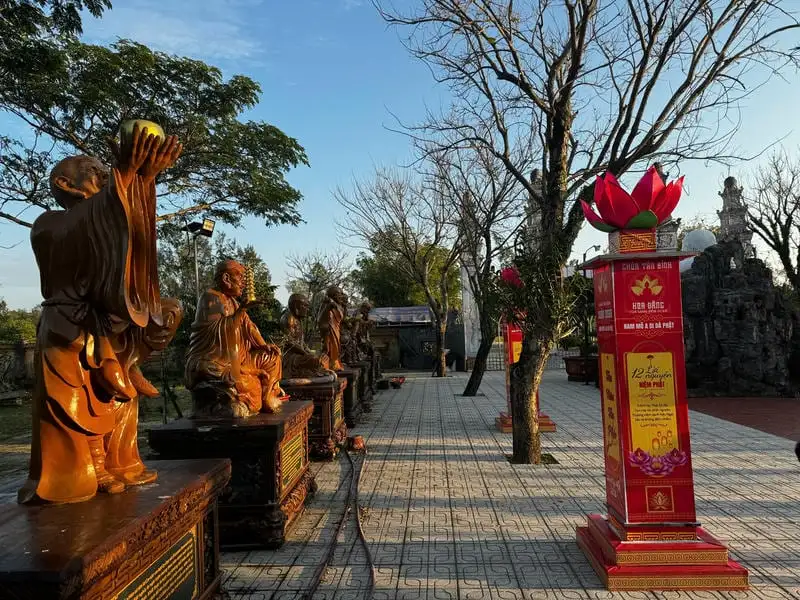
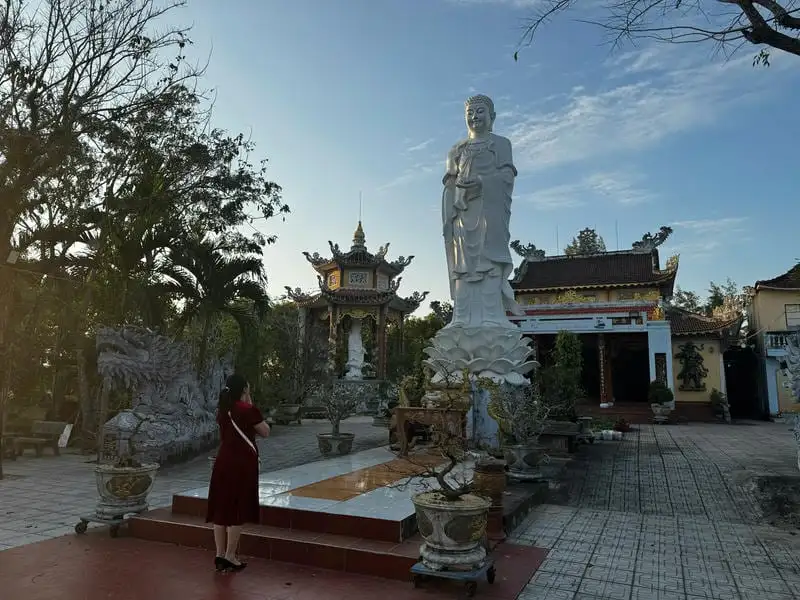
In addition, the pagoda features another large-scale statue of impressive size, placed in a prominent position within the grounds. Together with the large white Buddha statue standing on a lotus pedestal at the center, these statues form powerful visual and spiritual focal points, enhancing the sense of solemnity and reverence throughout the complex.
Harmonious architectural landscape
Surrounding the statues is a thoughtful arrangement of small towers, shrines, and stone landscape elements. These features are carefully integrated with open courtyards and greenery, adding depth to the overall space and creating an ancient, timeless atmosphere typical of traditional Buddhist temples.
A place of peace and reflection
With its balanced layout, gentle colors, and harmonious blend of architecture and nature, Tan Binh Pagoda is not only a place of worship but also an ideal destination for visitors seeking tranquility, reflection, and inner peace in daily life.
What to do at Tan Binh Temple
When visiting Tan Binh Temple, visitors are not only exploring a spiritual site but also experiencing meaningful cultural and contemplative activities.
Sightseeing and worship
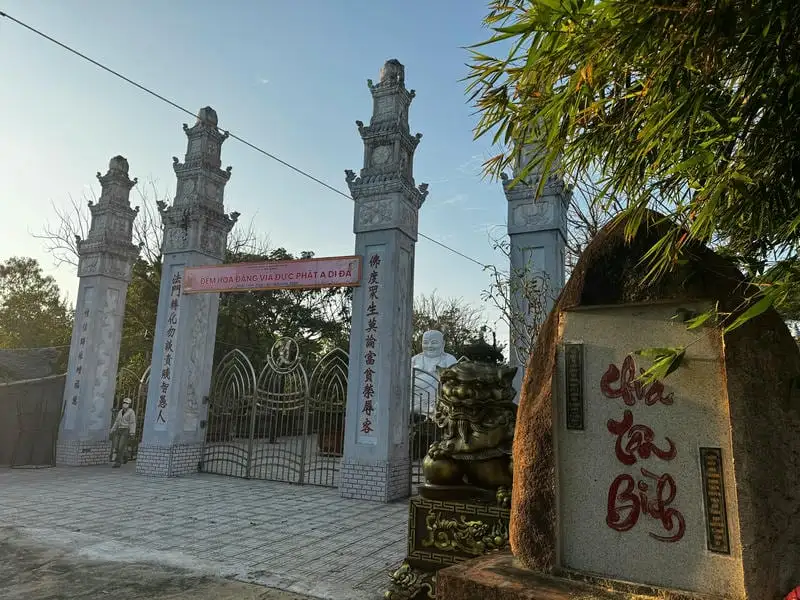
Visitors can take a leisurely walk around the temple grounds to admire the Buddha statues, Arhat statues, as well as small towers and shrines. Each area has its own solemn character, allowing visitors to fully appreciate the peaceful and spiritual atmosphere of the temple.
Praying for peace and well-being
Many worshippers and visitors come to the temple to offer incense and prayers, wishing for health, peace, and good fortune for themselves and their families. The quiet and sacred environment makes it an ideal place for reflection and heartfelt prayers.
Meditation and relaxation
With its open spaces, greenery, and harmonious stone landscaping, Tan Binh Temple is a perfect place to slow down, relax the mind, and reconnect with inner calm away from the busy pace of everyday life.
Photography and cultural exploration
The temple’s traditional architecture, large Buddha statues, and ancient ambiance also make it an appealing spot for photography and learning about Buddhist culture and art. Visitors can gain a deeper understanding of the spiritual values and local beliefs connected to the temple.
Places to visit near Tan Binh temple
After a peaceful visit at Tan Binh Temple, there are plenty of nearby attractions to explore, ranging from cultural heritage sites to beaches and traditional villages.
Hoi An Ancient Town

Located around 2–3 km from the temple, Hoi An Ancient Town is the UNESCO-listed heart of the region and a must-see destination. With its old merchant houses, temples, craft shops, narrow alleyways, and iconic landmarks such as the Japanese Covered Bridge, the town showcases a blend of Vietnamese, Chinese, and Japanese cultural influences. It is ideal for sightseeing, shopping, photography, and enjoying local cuisine.
An Bang Beach
About 15–20 minutes by motorbike from Tan Binh Temple, An Bang Beach offers a refreshing break from the city with soft sand, calm waters, and a laid-back beach atmosphere. It is a great spot to relax after exploring cultural attractions.
Thanh Ha Pottery Village
Near central Hoi An, Thanh Ha Pottery Village preserves over 500 years of pottery and ceramic craftsmanship. Visitors can observe artisans shaping and firing pottery or try making a small piece as a souvenir. The village adds cultural depth to any travel itinerary.
Hoai River & Bach Dang Wharf
The riverside area along the Hoai River, especially around Bach Dang Wharf, is perfect for strolling, dining, or enjoying sunset views over the water. In the evening, lanterns light up the riverside, creating a charming and atmospheric scene.
Tra Que Vegetable Village
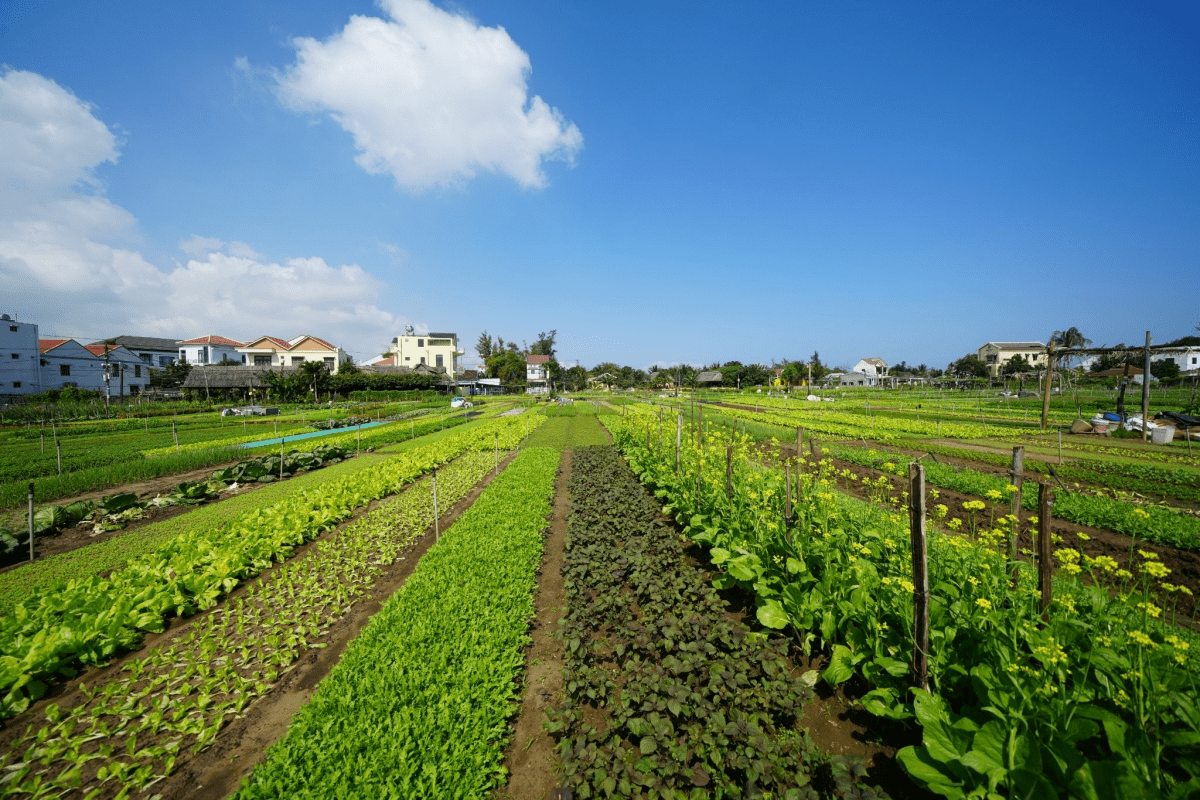
Just outside the town center, Tra Que Vegetable Village offers a glimpse into rural living and traditional farming techniques. Visitors can walk through lush vegetable gardens, learn about herb cultivation, and participate in hands-on farming activities.
Read more: Tra Que Vegetable village Hoi An: An ultimate travel guide
Hoi An Impression Theme Park
Combining cultural storytelling with art installations and photo-friendly spaces, Hoi An Impression Theme Park is a modern attraction that appeals to visitors interested in both culture and contemporary travel experiences.
Whether you’re seeking cultural insight, a quiet place to reflect, or simply a meaningful pause amid your Hoi An itinerary, Tan Binh Temple provides a gentle and authentic experience. Its convenient location, local charm, and proximity to major attractions make it easy to include in both short visits and longer explorations. For travelers wanting to balance the energy of the ancient town with moments of serenity, Tan Binh Temple is a destination well worth adding to the journey.

Related Posts

Is fine dining Hoi An really worth the price? What are travelers paying for?
Cau Bong Festival in Hoi An: Inside Tra Que’s Agricultural New Year Tradition

Top 8 things to consider for a wedding in Hoi An with 20 guests

Top 7 things to avoid when choosing the best beach resort in Hoi An

4 Hoi An wedding packages compared: Which one is right for you?