


Is a holiday in Hoi An worth it? 7 reasons to visit
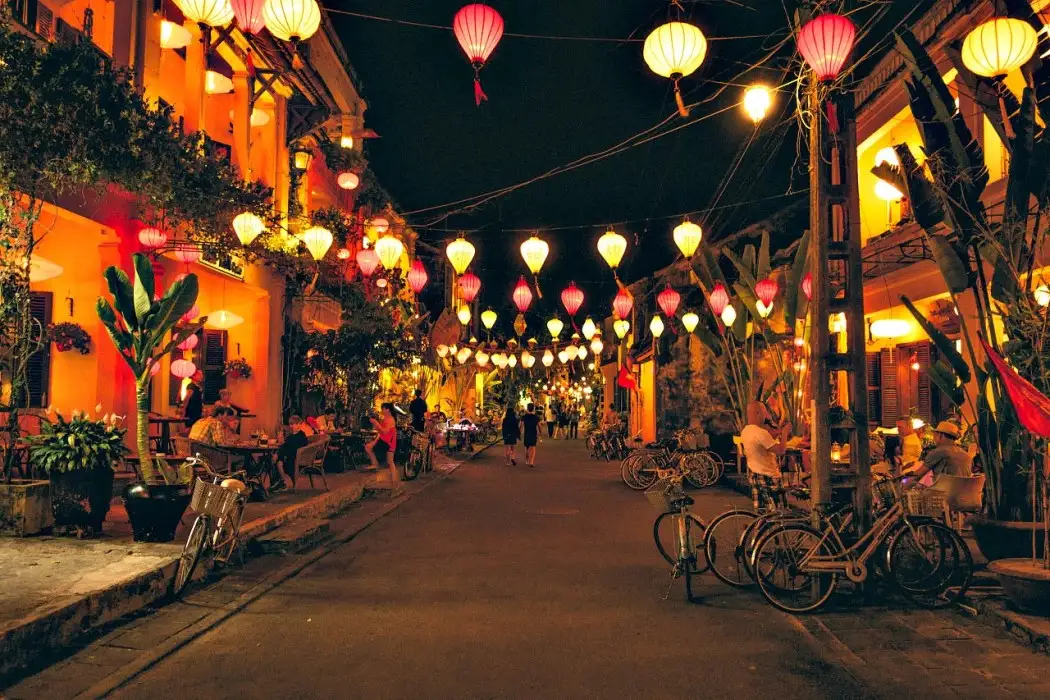
A holiday in Hoi An is worth it if you want a slower pace than Hanoi or Ho Chi Minh City, a beach and an Old Town in the same trip, and real numbers instead of guesswork. I spent seven nights there in 2026, based at a beach resort on Binh Minh Beach, and these are the seven specific reasons a Hoi An holiday paid off – ranked by what mattered most, including the one thing I’d change.

A holiday in Hoi An runs at a slower pace than the rest of Vietnam
Hanoi and Ho Chi Minh City run on traffic and noise. Hoi An doesn’t. The moment my taxi turned onto Binh Minh Beach road, the traffic thinned out and the loudest sound left was the tide.
This pace shift is the real difference behind a Hoi An holiday, more than any single sight. Days build around meals, tides, and golden hour instead of Grab bikes and traffic lights, and mornings start on a balcony instead of a scramble to beat the crowds.
Budget one full day for your body to register the slowdown, especially if you’re arriving straight from Hanoi or Saigon. I didn’t check my phone for two mornings straight, which hasn’t happened on a trip in years.

A holiday in Hoi An means beach and Old Town in one trip
Most guides treat Hoi An as an Old Town destination and stop there. It’s also a genuine beach town, and you don’t have to choose. I stayed at Bliss Hoi An Beach Resort & Wellness on Binh Minh Beach and used the free shuttle into the ancient town whenever I wanted lanterns instead of sea air.

On a typical Vietnam itinerary, beach time and culture time mean two cities and two check-ins. Here, a sunrise swim and a walk past century-old merchant houses happened on the same morning, no suitcase involved.
Room choice matters for this to work. I’d book an Ocean Deluxe Room or a Beachside Bungalow specifically, since not every category faces the water.
What a holiday in Hoi An actually costs per day
Here’s what I actually paid, per person, in VND, tracked over five days in 2026 – not rack rates.
| Item | Typical cost (VND) | Notes |
| Street food lunch (cao lau or banh mi) | 30,000 – 45,000 | Cheaper at local stalls |
| Sit-down dinner, mid-range restaurant | 150,000 – 250,000 | Higher with seafood or wine |
| Grab bike into Old Town (from Binh Minh Beach) | 40,000 – 60,000 | Resort shuttle is free |
| Old Town heritage ticket | 120,000 | Covers a set number of sites |
| Basket boat tour | 150,000 – 200,000 | Negotiable in low season |
| Half-day countryside cycling tour | 400,000 – 600,000 | Higher with a private guide |
Plan on 800,000 – 1,200,000 VND per day for food, local transport, and one paid activity, excluding accommodation. Transport was my biggest variable, mostly from paying for Grab bikes out of impatience instead of waiting for the shuttle.
Spa treatments and à la carte dining at Binh Minh Restaurant pushed the daily average up, but replaced a full evening out, so it balanced.

Day trips from Hoi An without the 5 a.m. alarm
Most day trips out of Hoi An are pitched with brutal early starts. Several aren’t necessary. I booked the countryside vespa tour for 9 a.m. and still had the rice paddies to myself.
The crowds at Tra Que vegetable village and Cam Thanh coconut forest peak around midday tour-bus arrivals, not sunrise, so a mid-morning start avoids both the alarm and the crowd. I ran the street food tour in the late afternoon for the same reason.
My Son Sanctuary is the exception – go early to beat the heat. Everything within 20 minutes of town gives you more flexibility than standard itineraries suggest. (Source: https://disanvanhoamyson.vn/

Wellness becomes part of a holiday in Hoi An, not an add-on
I expected one spa session on the last day, the usual travel-trip treat. With a wellness center a five-minute walk from my room, it turned into something I did every second or third day by default.
The 7 a.m. yoga sessions overlooking the pool made the bigger difference, more than the massages. Doing one before the heat set in changed how the rest of each day went, and I skipped extra trips into town on those mornings without missing them.
Book ahead in peak months – the better time slots fill fast. Current sessions and treatments are listed on the wellness page.

The truth about Hoi An weather before you book
Every article makes Hoi An sound uniformly golden. I traveled in October and got two days of steady rain that flooded part of the riverside walkway.
Central Vietnam’s rainy season runs roughly September through December, with October and November carrying the highest flood risk in Hoi An specifically, since the town sits low along the Thu Bon River. February through July is more reliable if you want guaranteed lantern-lit evenings without ankle-deep water on Nguyen Thai Hoc Street.
One rained-out afternoon at the resort’s indoor spa turned into a trip highlighted by accident. If your dates are flexible, move them outside October and November on purpose.
A holiday in Hoi An works well for families
I traveled with my sister’s two kids, ages seven and nine. Hoi An’s Old Town is a pedestrian zone – no cars, few motorbikes – so they moved around without a hand gripped at every corner.
That one detail set the pace for the whole trip. We stopped at lantern stalls, watched a woodcarver, wandered side alleys, with none of the traffic stress we’d have faced in any other Vietnamese city center.
The resort helped too – a shallow pool section, a calm stretch of Binh Minh Beach, and a Family Suite that gave everyone real separate space. For families weighing Hoi An against other Vietnam bases, this walkability is worth more than it looks on paper.

FAQs
How many days in Hoi An is enough for a first visit?
→ Four to five days covers the Old Town, one beach day, and one countryside or My Son day trip without rushing. Seven days, which is what I took, adds room for a rained-out day and unhurried wellness time without cutting anything from the itinerary.
What is the best time to visit Hoi An for good weather?
→ February through July is the most reliable stretch, with low rain risk and consistent lantern-lit evenings. Avoid October and November specifically – that’s peak flood season along the Thu Bon River, which runs right through the Old Town.
Is Hoi An expensive compared to Hanoi or Da Nang?
→ Day-to-day costs are similar to Da Nang and slightly higher than Hanoi for food, since Hoi An’s Old Town restaurants cater heavily to tourists. Budgeting 800,000 – 1,200,000 VND per person per day for food, local transport, and one activity holds true regardless of which central Vietnam city you’re comparing it to.
Is Hoi An a good holiday destination for families with young kids?
→ Yes, the Old Town’s car-free streets and Hoi An’s calmer beaches make it easier to manage young children than almost any other Vietnamese city center.
Do you need to book a Hoi An holiday around the Lantern Festival?
→ No. The full moon Lantern Festival is worth timing a trip around if you specifically want it, but everyday Hoi An already has lanterns lit nightly across the Old Town.
Is a holiday in Hoi An worth it?
Yes – for the pace, the beach-and-Old-Town combination, the real daily costs, and a wellness routine and kid-friendly walkability that both fit into the same week without compromise.
Base yourself somewhere that lets you do both the beach and the Old Town without repacking – that choice matters more than it looks on a map. Current room categories and rates are listed on Bliss Hoi An Beach Resort & Wellness’s reservation page, and the travel desk builds day trips around your actual pace, not the one every itinerary assumes.

Related Posts

Cau Bong Festival in Hoi An: Inside Tra Que’s Agricultural New Year Tradition

Top 8 things to consider for a wedding in Hoi An with 20 guests

Best Beach Resort in Hoi An: Top 7 things to avoid when choosing to stay

4 Hoi An wedding packages compared: Which one is right for you?

5 mistakes to avoid when self-driving from Hoi An to Quang Ngai in a day