

What Is Hoi An Famous For Beyond Lantern Streets?
What is Hoi An famous for and why does the ancient city continue appearing across travel magazines, TikTok videos, and bucket-list itineraries worldwide? After spending several days exploring lantern-lit streets, riverside cafés, local markets, and nearby beaches, it becomes easy to understand why Hoi An remains one of Vietnam’s most beloved destinations.
Why Hoi An continues attracting travelers worldwide?
What is Hoi An famous for when compared with other destinations in Southeast Asia? Many travelers describe the city as one of Vietnam’s most atmospheric places because every street feels cinematic during both daytime and evening hours. Yellow heritage buildings, colorful lanterns, and riverside scenery create a relaxing environment that contrasts beautifully with larger urban destinations nearby. Slow living, cultural immersion, and aesthetic travel experiences blend naturally throughout the city.
The destination also attracts different travel styles ranging from backpacking adventures to luxury wellness vacations. Couples often choose Hoi An for romantic getaways filled with beach sunsets and lantern-lit dinners. Digital nomads appreciate the café culture and peaceful daily rhythm around the Ancient Town. Travelers seeking stylish tropical escapes continue sharing Hoi An experiences across social media platforms.
The magical beauty of the Ancient Town
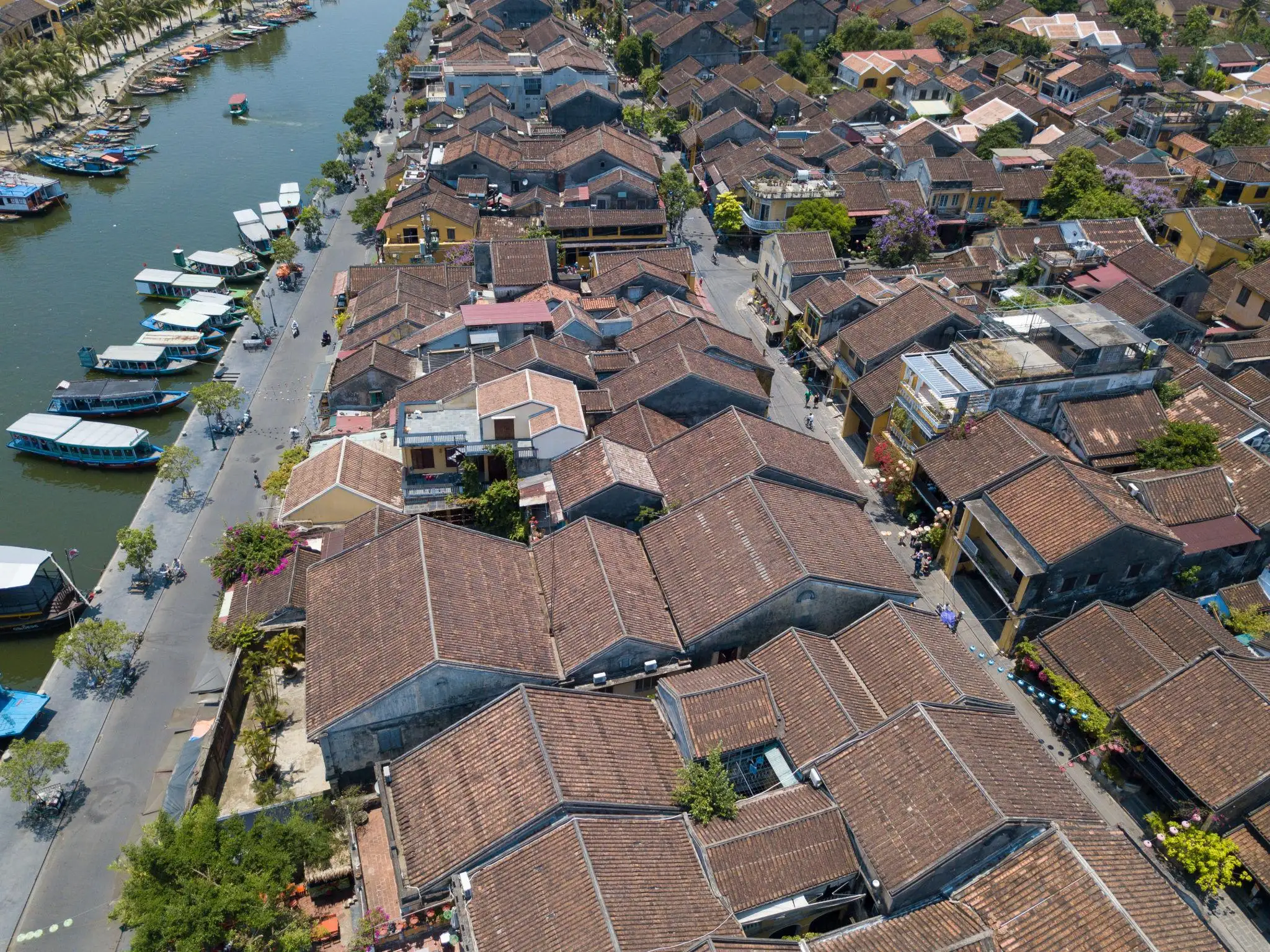
Hoi An Ancient Town remains one of Vietnam’s most recognizable travel landmarks because of its preserved architecture and vibrant lantern culture. Walking through narrow streets lined with mustard-yellow walls creates a timeless atmosphere filled with vintage charm and artistic energy. Japanese, Chinese, and Vietnamese influences appear throughout centuries-old buildings and decorative details. Evening lantern lights transform riverside streets into one of Southeast Asia’s most photogenic destinations.
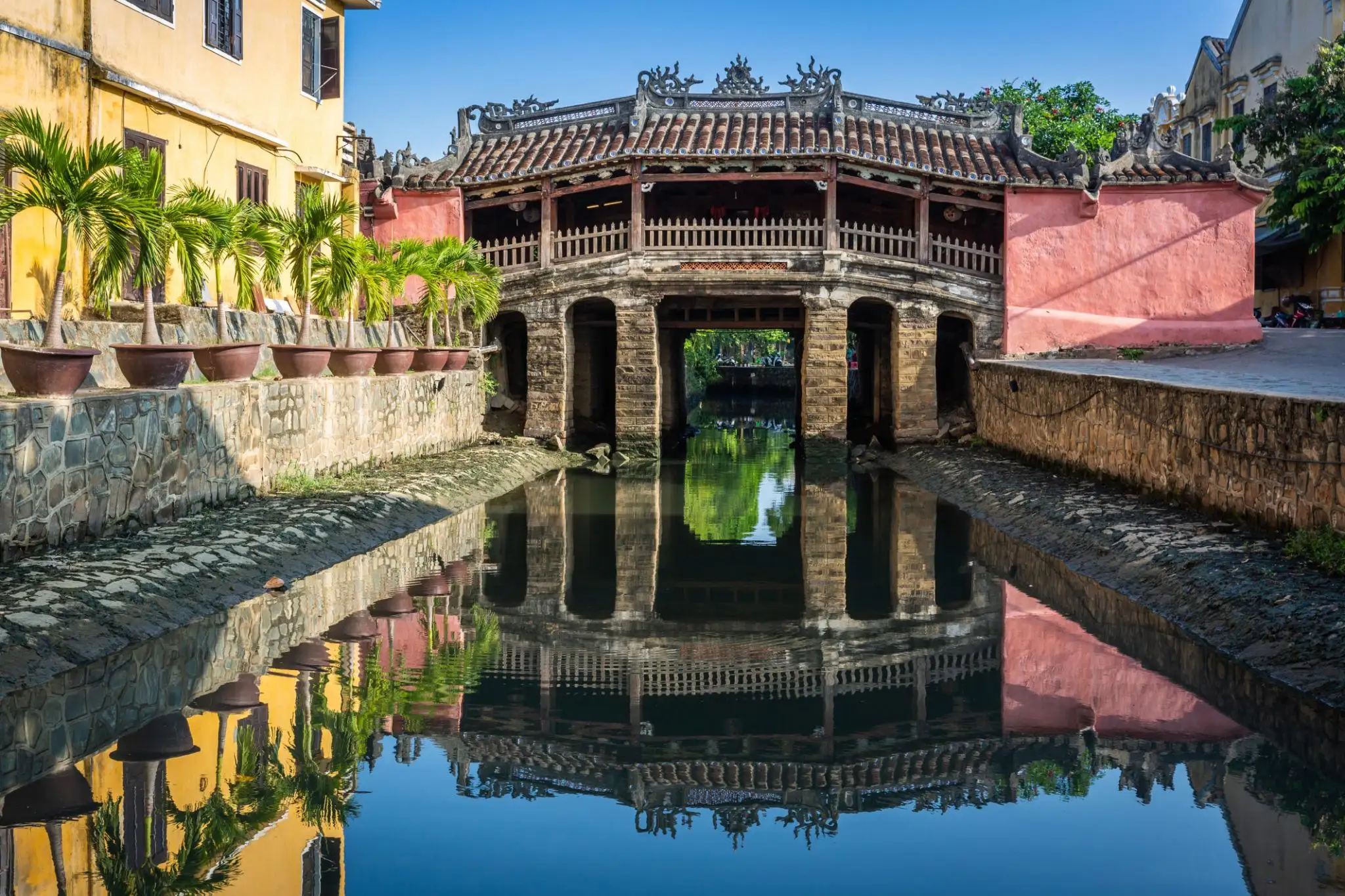
Visitors frequently spend hours exploring hidden alleys, riverside cafés, handmade craft stores, and traditional tea houses. Photography lovers especially enjoy capturing colorful lantern reflections across the Thu Bon River during sunset hours. Quiet mornings introduce a softer atmosphere with fewer crowds and warm natural lighting. Travelers searching online for “what is Hoi An famous for” often discover iconic lantern imagery before booking flights to Vietnam.
For photographers, small lanes around Nguyen Thai Hoc Street and the area near the Japanese Covered Bridge often provide some of the most atmospheric photo opportunities, especially between 6:00 – 7:30 a.m. when visitor numbers remain low.
A peaceful atmosphere beside the river
Unlike many busy tourism hubs across Asia, Hoi An delivers a slower and more relaxing rhythm throughout daily life. Riverside walks, cycling routes, and quiet cafés create a calm environment perfect for travelers wanting a break from crowded cities. Lantern boats drifting along the water during evening hours add a romantic mood to the overall atmosphere. Every corner feels intentionally peaceful rather than chaotic.
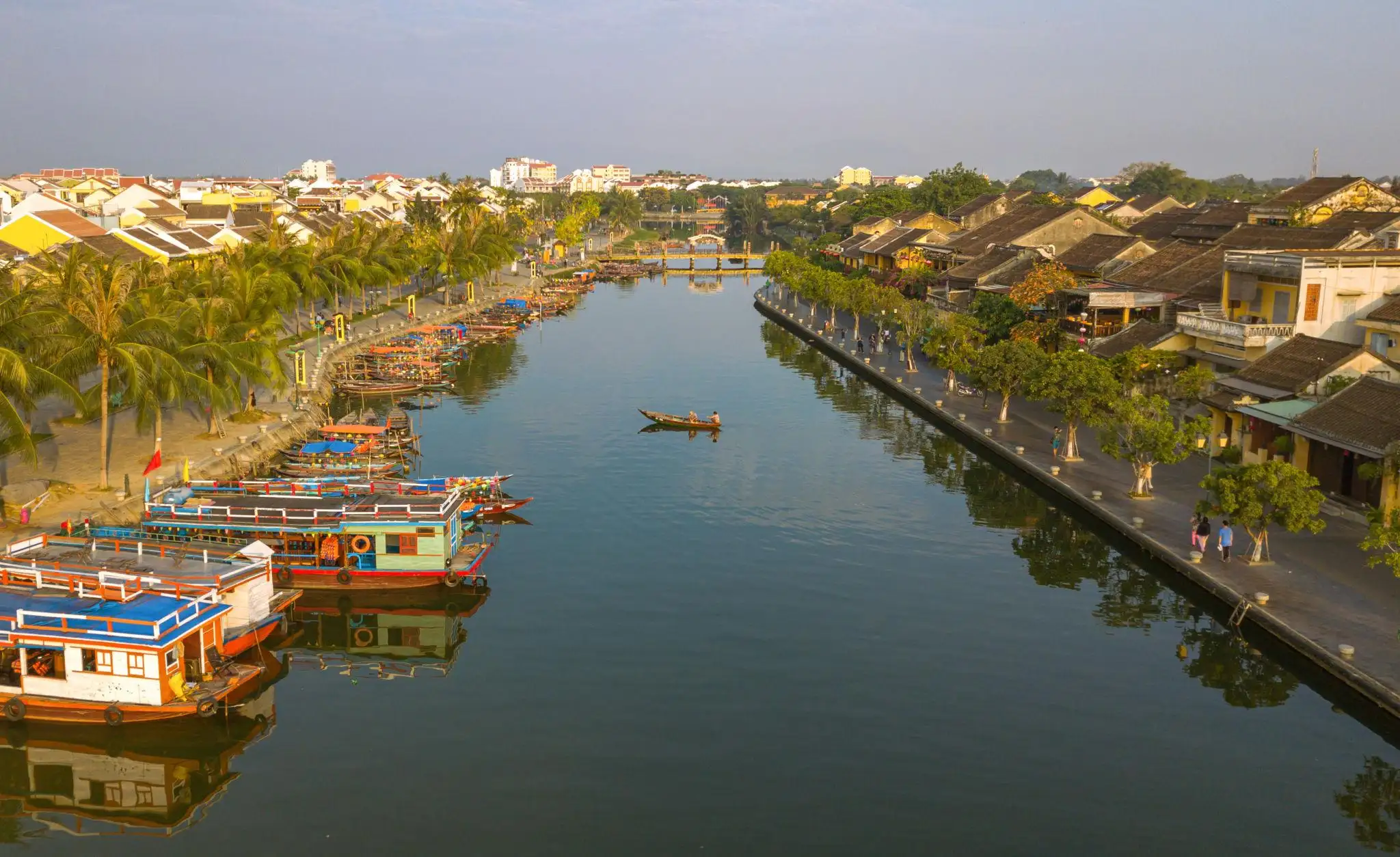
The Thu Bon River also shapes many cultural experiences around the city. Floating lantern activities, riverside dining, and sunset photography sessions attract visitors throughout the year. Travelers often spend entire afternoons relaxing beside the river while enjoying Vietnamese coffee or tropical drinks. That balance between cultural energy and peaceful scenery continues strengthening Hoi An’s global reputation.
Read more: Fishing Experience Hoi An: Discover Local Fishing Villages Beyond the Ancient Town
A destination filled with aesthetic experiences
Modern travelers increasingly choose destinations based on atmosphere, visual identity, and memorable lifestyle moments. Hoi An fits perfectly within that trend thanks to colorful streets, tropical cafés, vintage architecture, and beachside scenery. Social media creators frequently highlight lantern festivals, bicycle rides, and local food experiences through aesthetic travel content. The city naturally supports storytelling through photography and short-form videos.
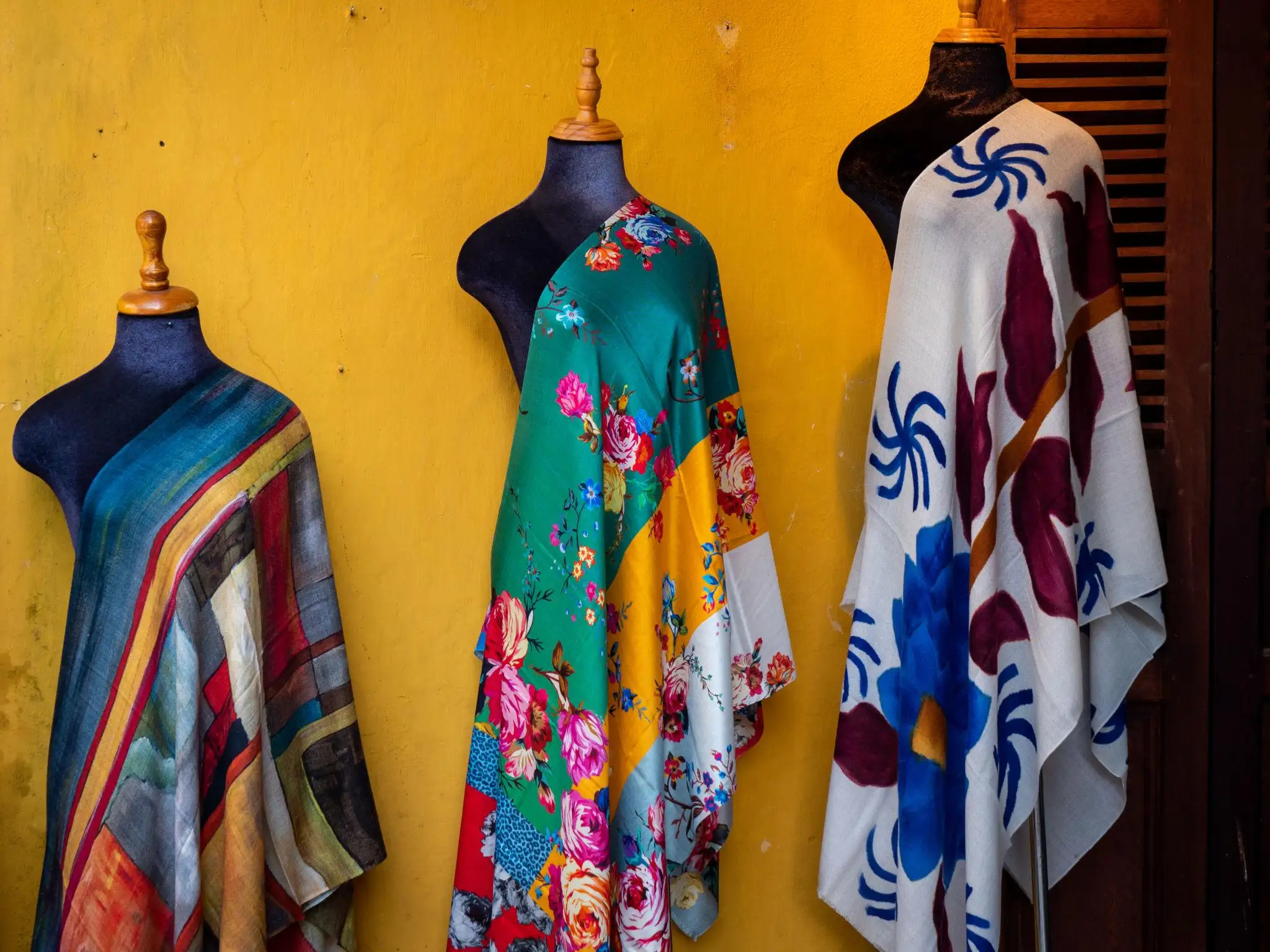
Fashion lovers also appreciate Hoi An because tailor shops create custom clothing within short production times. Linen outfits, handmade leather goods, and tropical resort fashion remain popular among international visitors. Stylish cafés with artistic interiors continue appearing across newer neighborhoods around the Ancient Town. Hoi An creates an immersive travel aesthetic that feels both traditional and modern simultaneously.
Unlike many destinations that rely heavily on staged photo locations, Hoi An’s visual appeal comes naturally from its preserved architecture, yellow facades, and daily local life, making it easier to capture authentic travel photography.
Signature dishes every visitor should try
Food culture plays a massive role in shaping Hoi An’s international popularity among global travelers. Local dishes combine regional Vietnamese flavors with influences from Chinese and Japanese trading communities connected historically with the Ancient Town. Fresh herbs, handmade noodles, seafood, and flavorful broths appear frequently across traditional recipes. Culinary exploration becomes one of the most memorable parts of any Hoi An journey.
Many travelers researching “what is Hoi An famous for” quickly discover that local cuisine stands beside lantern streets as one of the city’s strongest attractions. Street food vendors, riverside restaurants, and cooking classes introduce visitors to authentic Vietnamese flavors in highly accessible ways. Dining experiences range from affordable market meals to elevated beachfront restaurants. Every neighborhood introduces unique culinary experiences worth exploring.
Cao Lau and traditional noodle dishes
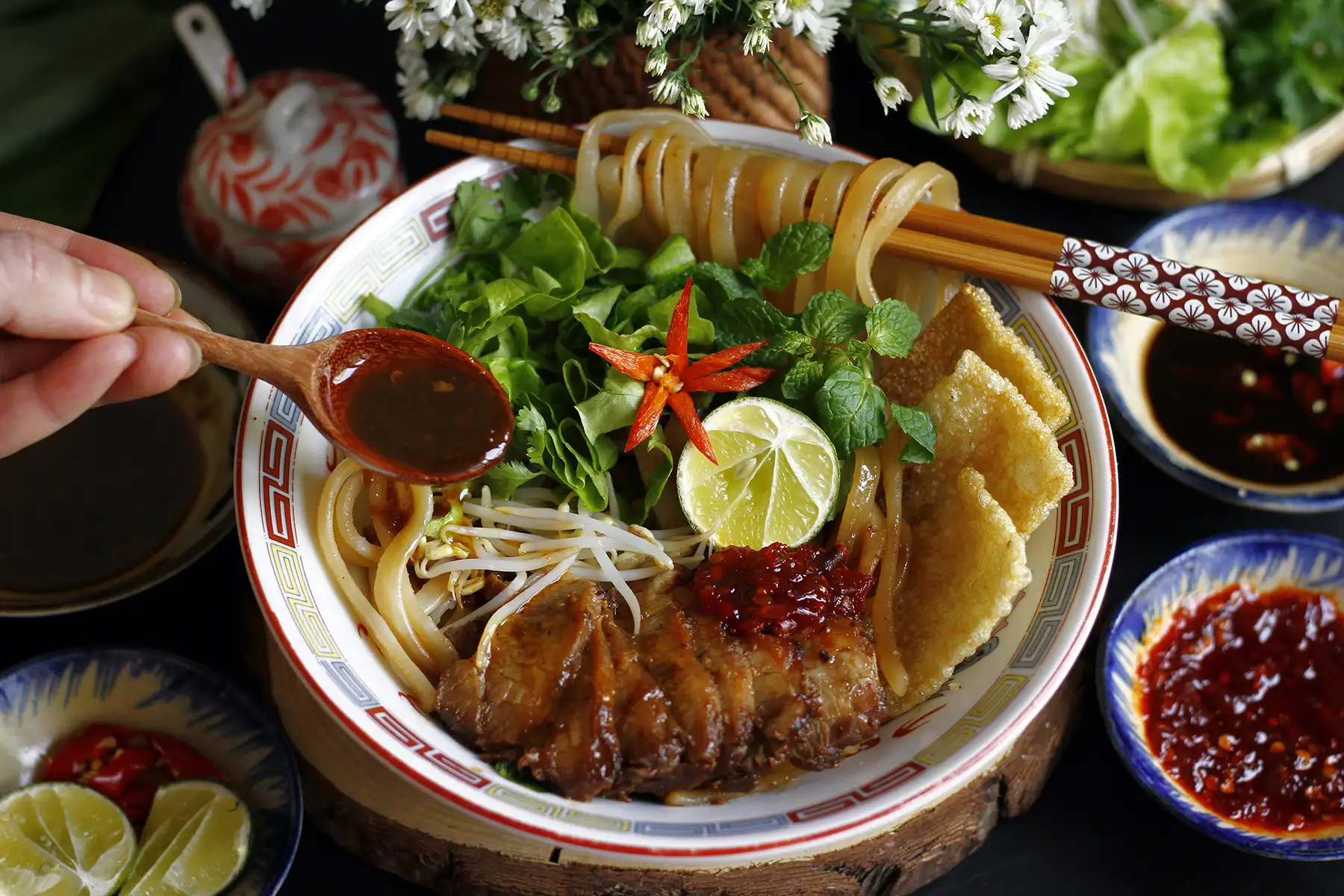
Cao Lau remains the most iconic dish associated with Hoi An cuisine because of its thick noodles, roasted pork, fresh herbs, and savory broth. Traditional recipes require specific local water sources and preparation methods linked deeply with regional culinary heritage. The texture differs significantly from pho or other Vietnamese noodle dishes found elsewhere in the country. Travelers often search specifically for authentic Cao Lau restaurants during visits.
Mi Quang also attracts food lovers searching for rich flavors and colorful presentation. Turmeric noodles, shrimp, peanuts, and herbs create a balanced dish filled with texture and freshness. Local restaurants frequently serve both specialties alongside homemade chili sauces and crispy rice crackers. Culinary experiences around Hoi An feel highly personal because many recipes remain connected with family traditions.
Street food and riverside dining culture
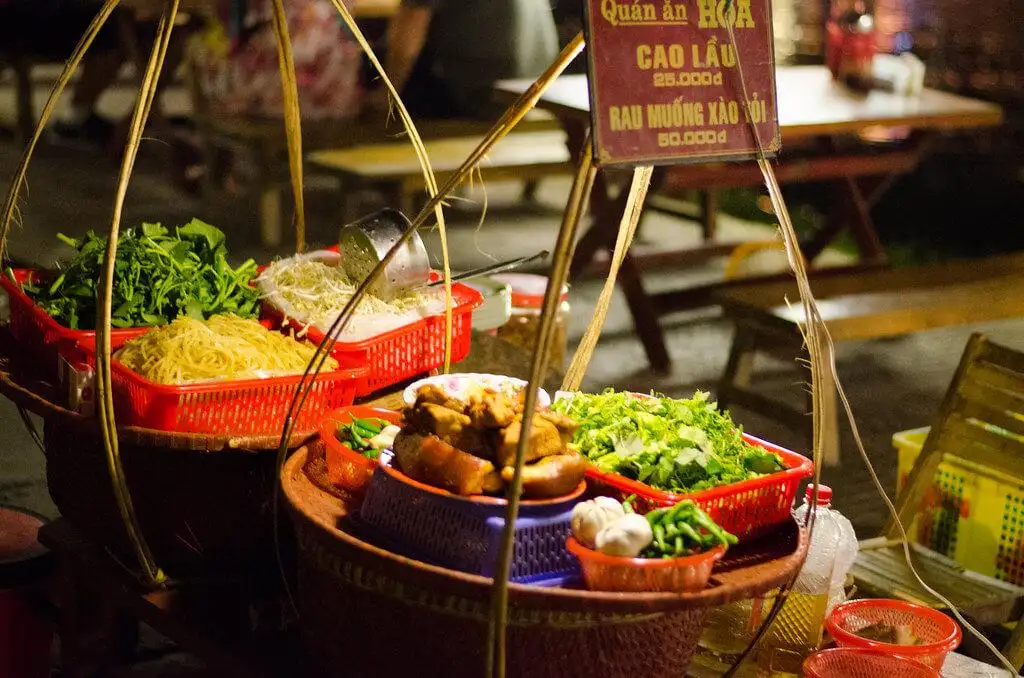
Night markets and lantern streets introduce endless opportunities for street food exploration throughout Hoi An. Grilled seafood, banh mi sandwiches, sweet desserts, and tropical snacks appear across lively evening stalls beside the river. Travelers often enjoy tasting multiple dishes during casual walking tours around the Ancient Town. Affordable prices also encourage spontaneous culinary experiences.
Riverside dining creates a completely different atmosphere focused on relaxation and scenic views. Candlelit restaurants beside the water attract couples and luxury travelers searching for romantic evenings after sunset. Seafood platters, Vietnamese tasting menus, and fusion cuisine remain widely available throughout the city. The combination of lantern lights and local flavors creates unforgettable dinner experiences.
Cooking classes and local food experiences
Cooking classes continue growing in popularity because travelers increasingly seek hands-on cultural experiences during vacations. Local chefs guide visitors through market tours, ingredient selection, and traditional Vietnamese recipes using fresh local produce. Interactive workshops create memorable opportunities to understand regional culinary culture more deeply. Many classes also include basket boat rides or countryside tours before cooking sessions begin.
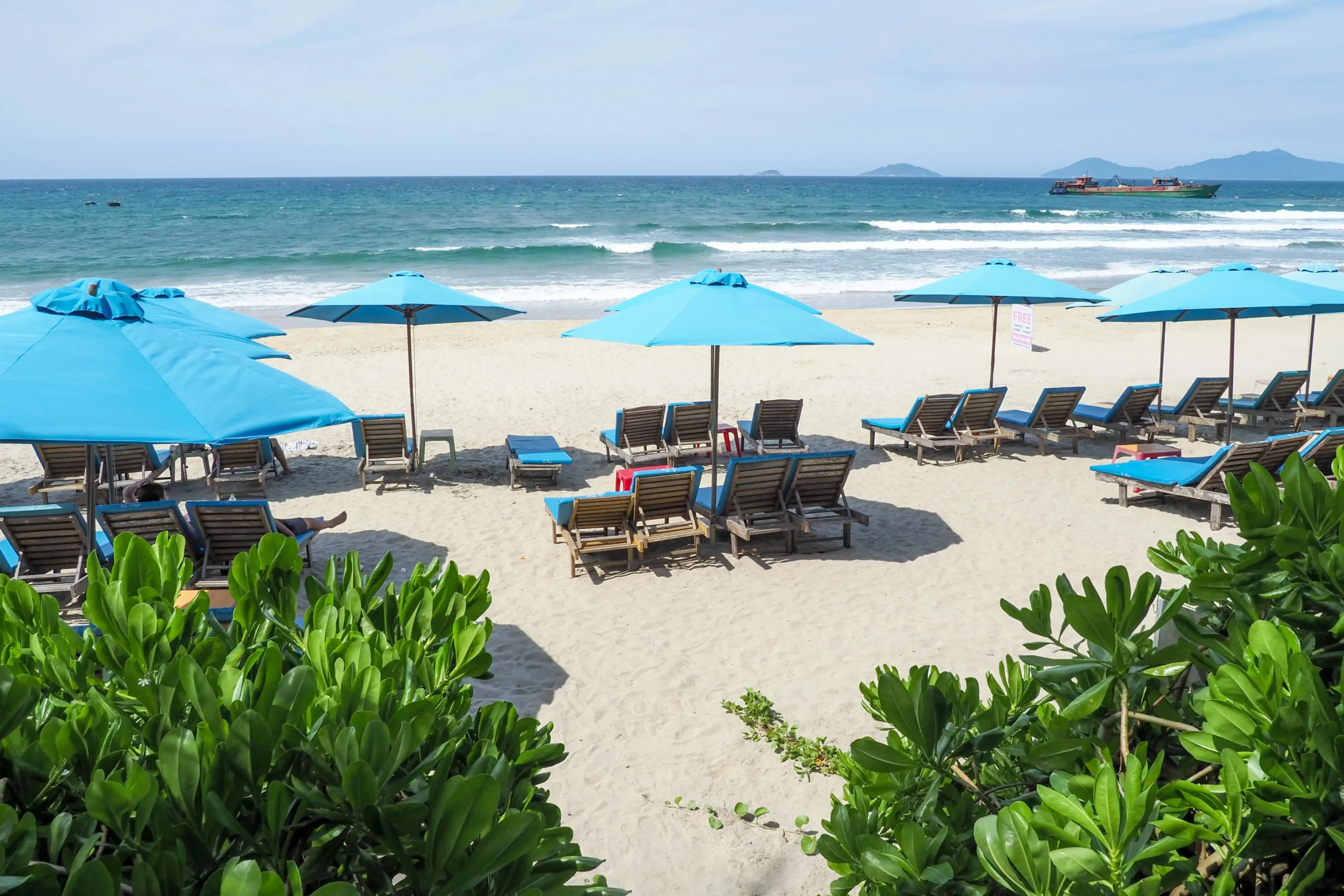
Travelers staying at beachfront properties such as Bliss Hoi An Beach Resort & Wellness often combine luxury accommodation with curated local dining experiences and wellness-focused cuisine. Resort restaurants near Binh Minh Beach introduce Vietnamese seafood dishes alongside international menus within peaceful coastal settings. Wellness travelers especially appreciate healthy tropical ingredients and relaxing dining atmospheres. Culinary exploration around Hoi An extends far beyond simple sightseeing.
Cultural traditions that define Hoi An
According to UNESCO World Heritage Centre, Hoi An Ancient Town is an exceptionally well-preserved example of a Southeast Asian trading port dating from the 15th to the 19th centuries. Its unique urban layout reflects a remarkable fusion of indigenous and foreign influences, including Vietnamese, Chinese, Japanese, and European cultures that shaped the town’s development over several centuries. Today, visitors can still explore historic merchant houses, assembly halls, temples, and traditional streets that have retained much of their original character. This commitment to cultural preservation continues to strengthen Hoi An’s reputation as one of Vietnam’s most significant heritage destinations.
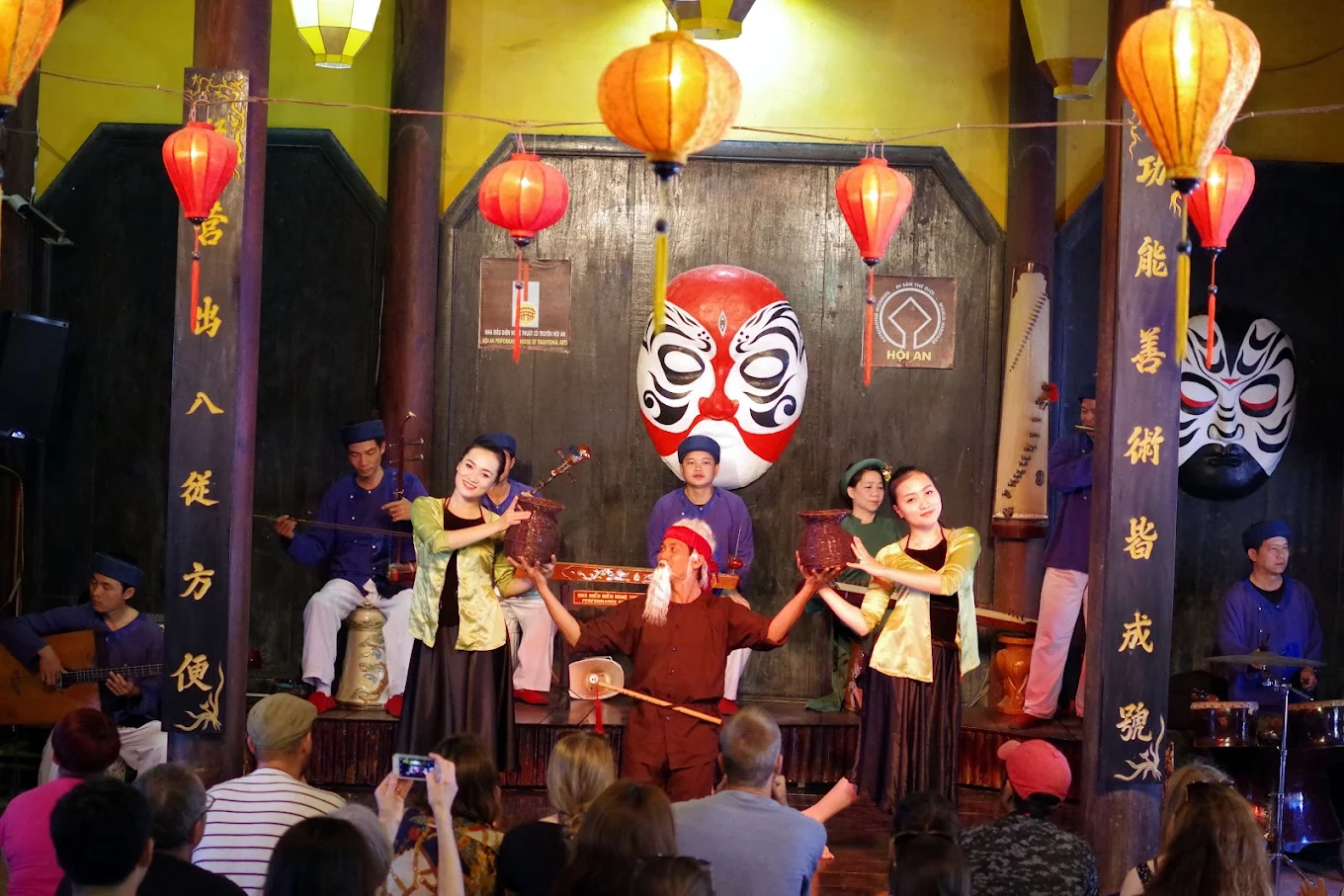
The destination also supports interactive activities rather than passive sightseeing alone. Lantern-making workshops, tailoring experiences, and local art galleries encourage travelers to engage directly with Vietnamese craftsmanship. Traditional culture feels alive throughout the city instead of appearing staged purely for tourism. Authentic interactions continue attracting travelers searching for meaningful cultural immersion.
Lantern festivals and nighttime traditions
According to the Hoi An World Heritage Office, the Hoi An Lantern Festival is held on the 14th day of each lunar month, when electric lights in parts of the Ancient Town are reduced and traditional lanterns illuminate the streets, historic buildings, and riverfront areas. During the celebration, visitors can enjoy folk performances, traditional cultural activities, and the popular custom of releasing floating lanterns onto the Hoai River. The event reflects Hoi An’s commitment to preserving its cultural identity while creating an immersive experience for both domestic and international travelers.
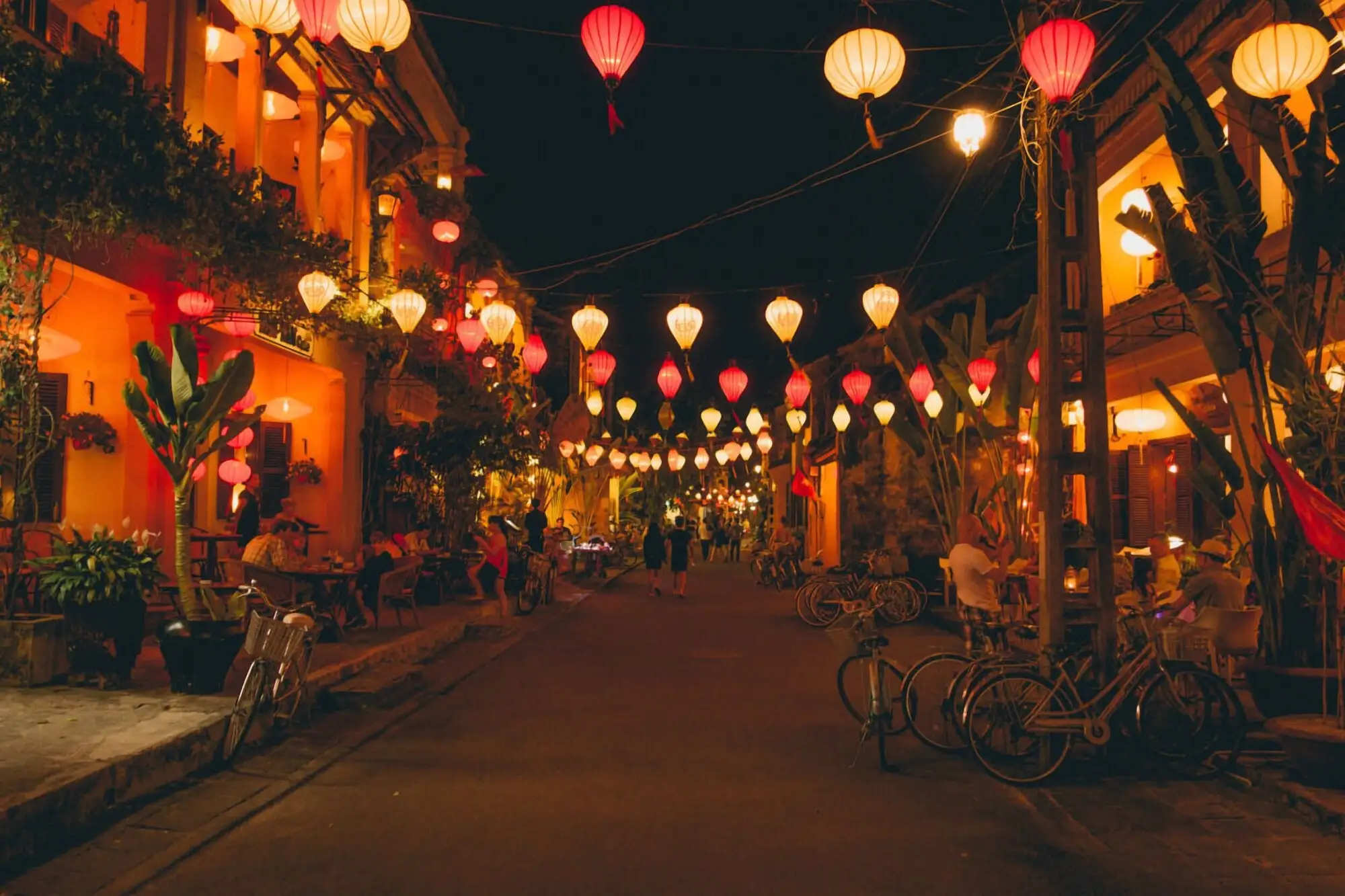
Festival evenings also coincide with some of the city’s liveliest pedestrian and market activities. The nearby night market attracts visitors with handcrafted souvenirs, traditional lanterns, local street food, and cultural performances. Combined with the illuminated architecture of the UNESCO-listed Ancient Town, the festival creates one of the most photographed and widely shared travel experiences in Central Vietnam. Additional information about cultural events and visitor experiences can be found through the UNESCO World Heritage Centre – Hoi An Ancient Town.
Many visitors also pair festival nights with riverside dining and relaxing resort stays near the coastline. Warm lantern lights, traditional performances, and local street food continue shaping unforgettable memories throughout every season. That magical nighttime atmosphere remains one of the strongest reasons global travelers return repeatedly to Hoi An.
What is Hoi An famous for becomes far more meaningful once travelers experience the city through lantern festivals, local cuisine, riverside cafés, tropical beaches, and peaceful cultural moments across the Ancient Town. Every neighborhood introduces a different layer of heritage, creativity, relaxation, and visual beauty that continues attracting global visitors year after year. Start planning a Hoi An journey today and discover why the destination remains one of Vietnam’s most unforgettable travel experiences.

Related Posts
Is fine dining Hoi An really worth the price? What are travelers paying for?
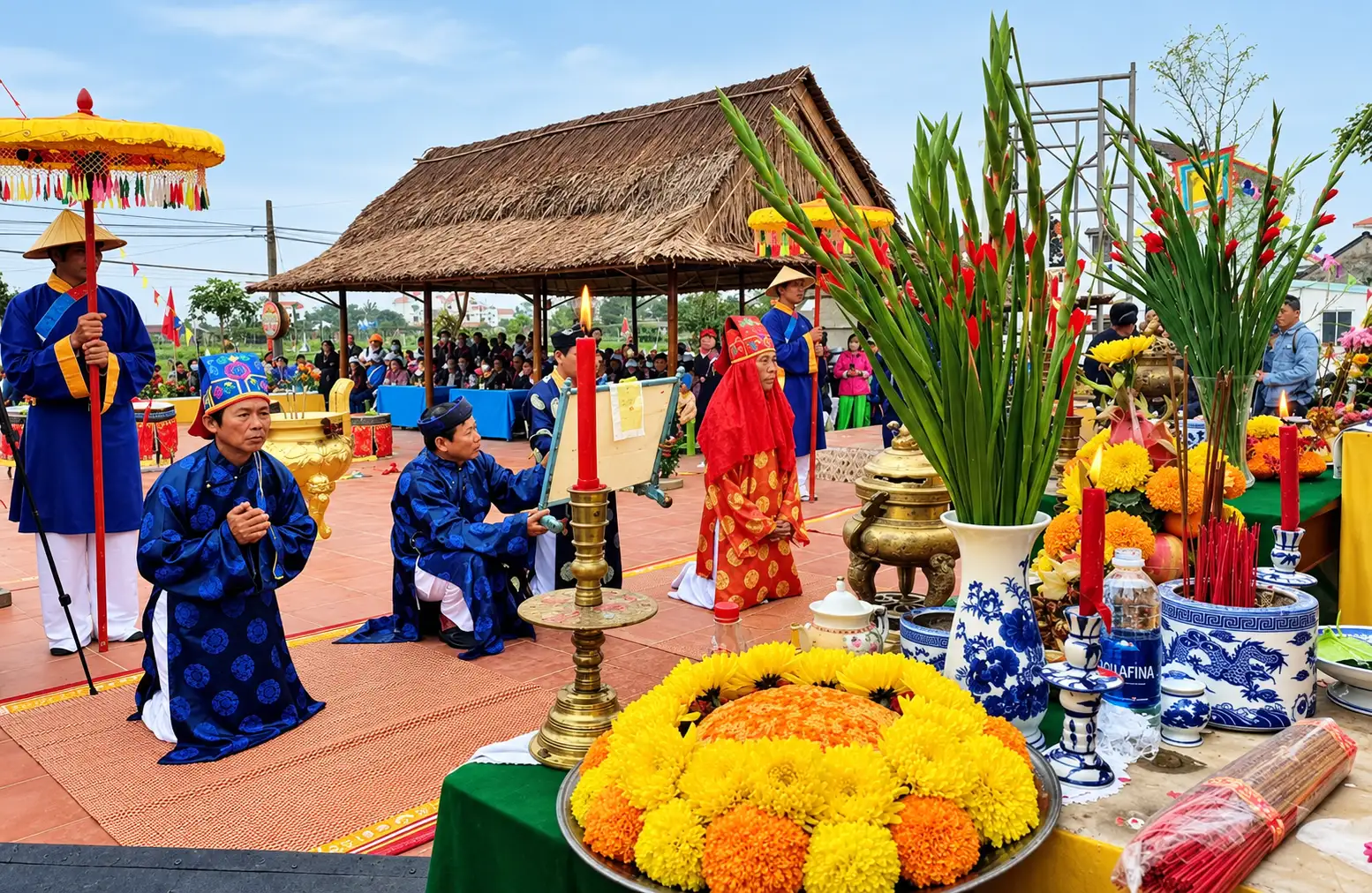
Cau Bong Festival in Hoi An: Inside Tra Que’s Agricultural New Year Tradition
Top 8 things to consider for a wedding in Hoi An with 20 guests
Top 7 things to avoid when choosing the best beach resort in Hoi An
4 Hoi An wedding packages compared: Which one is right for you?