

Fishing Experience Hoi An: Discover Local Fishing Villages Beyond the Ancient Town
Most travelers know Hoi An for its lantern-lit streets, historic architecture, and riverside charm. Yet beyond the UNESCO-listed Ancient Town lies another side of the destination shaped by fishing communities, coastal traditions, and life on the water.
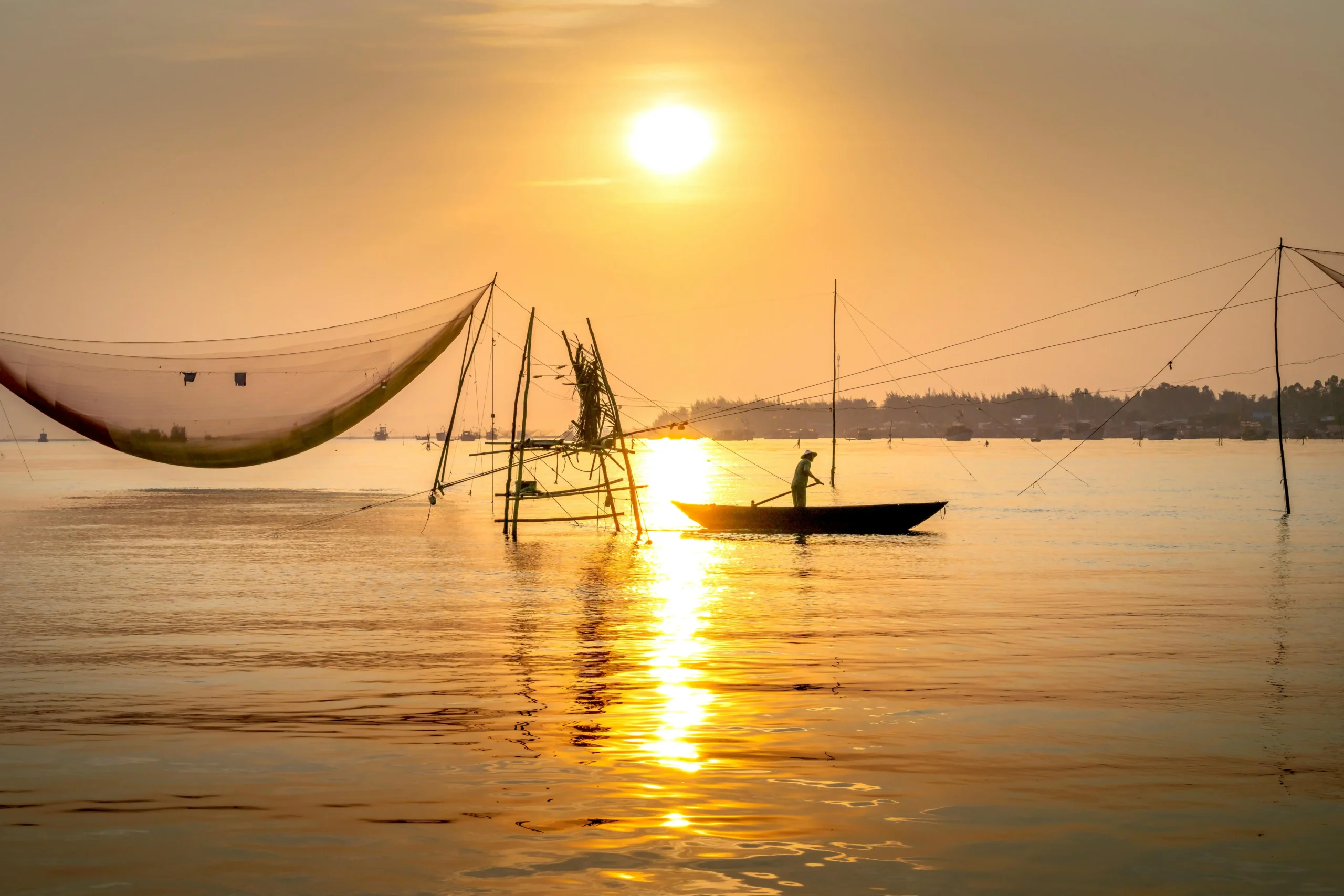
From sunrise fish markets and traditional fishing villages to basket boat experiences and local seafood culture, a fishing experience Hoi An offers a unique opportunity to discover the region’s maritime heritage and connect with the people who have called the Quang Nam coast home for generations.
Why Fishing Villages Matter to Hoi An’s Cultural Identity
To understand Hoi An, it’s important to understand its relationship with the sea. Long before tourism became the region’s primary industry, communities along the Thu Bon River and Cua Dai estuary relied on fishing, maritime trade, and boat building for their livelihoods.
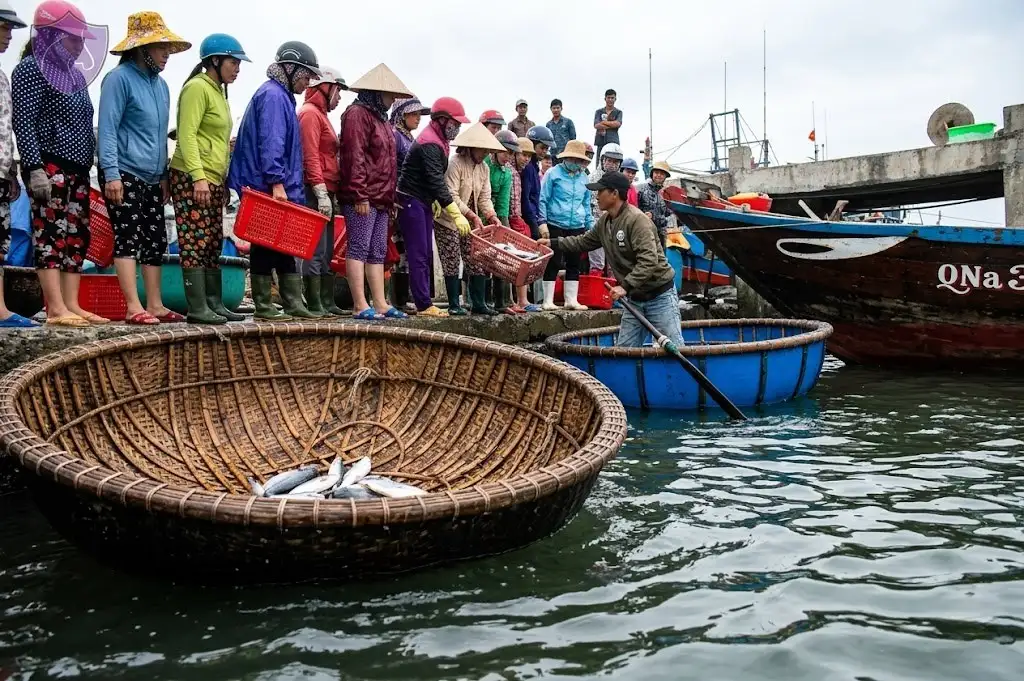
According to UNESCO, Hoi An’s prosperity as an international trading port was closely linked to its strategic location near river and coastal networks that connected Vietnam with merchants from China, Japan, and other parts of Asia.
Today, fishing communities remain an important part of Quang Nam’s cultural landscape. One common mistake travelers make is viewing fishing villages simply as another tourist attraction. In reality, these communities represent an important part of Hoi An’s maritime identity. While the Ancient Town tells the story of trade and commerce, fishing villages reveal how local families have interacted with the sea for generations. Experiencing both offers a much more complete understanding of the region.
This connection between tourism and cultural preservation has long been emphasized by heritage experts in Hoi An. As Nguyễn Chí Trung, former Director of the Hoi An Centre for Cultural Heritage Management and Preservation, noted: “The most important thing is to bring into full play the role of the community and related agencies in the preservation of cultural values and tourism development. The development will benefit the community, encouraging people to do even more to preserve and promote cultural identities.” (Source: VOV)
Fishing village experiences reflect this idea in practice. Rather than simply observing local culture, visitors contribute to community-based tourism initiatives that help sustain traditional livelihoods and preserve cultural knowledge for future generations.
Traditional Fishing in Hoi An: A Heritage Passed Through Generations

Fishing remains a way of life for many coastal families in Quang Nam. Although technology has changed some aspects of the industry, traditional knowledge continues to be passed down from generation to generation.
Local fishermen still rely on skills developed through decades of experience:
- Reading tides and weather patterns
- Understanding seasonal fishing cycles
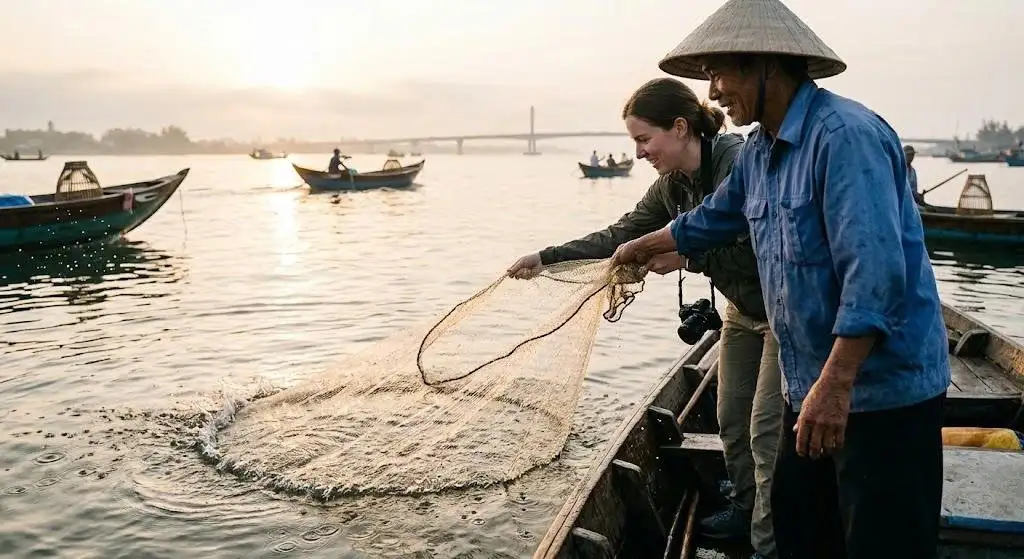
- Casting traditional circular nets
- Navigating basket boats
- Identifying productive fishing grounds
For visitors, traditional fishing in Hoi An offers a fascinating glimpse into a profession that has supported local communities for centuries. Many travelers arrive expecting to learn how to catch fish. They leave with a deeper appreciation for the people whose lives remain closely connected to the sea. Ask local fishermen what makes a successful day on the water, and many will point to factors that visitors rarely think about—tides, wind direction, moon phases, and seasonal changes. While modern equipment is becoming more common, traditional knowledge remains an important part of fishing life along the Quang Nam coast. For many fishing families, understanding the sea is just as important as having the right equipment.
Best Places for an Authentic Fishing Experience in Hoi An
Not all fishing experiences offer the same level of authenticity. If you’re looking for a genuine connection with local culture, these are some of the most interesting areas to explore.
| Location | Best For | Experience |
| Duy Hai Fishing Village | Sunrise fish market | Working fishing community |
| Tan Thanh Fishing Village | Community tourism | Sustainable coastal lifestyle |
| Cam Kim Island | Rural riverside culture | Traditional crafts and local life |
| Cua Khe Area | Coastal heritage | Traditional fish sauce culture |
Duy Hai Fishing Village
Located near the Cua Dai estuary, Duy Hai is known for its bustling early-morning fish market. Before sunrise, fishing boats return from the sea carrying fresh seafood that is quickly purchased by traders, restaurant owners, and local residents. According to Vietnam National Authority of Tourism, the market remains one of the most distinctive fishing village experiences near Hoi An.
Ask local fishermen when visitors should arrive, and many will give the same answer: before sunrise. Between 4:00 AM and 7:00 AM, the village is at its most active, offering the best opportunity to witness the rhythm of the local fishing industry.
What struck me most during an early-morning visit to a fishing village near Hoi An was how quickly the atmosphere changed once the boats returned from sea. Just moments earlier, the shoreline felt quiet and almost empty. Then fishermen began unloading baskets of squid, anchovies, and crabs while traders moved from boat to boat negotiating prices. Within minutes, the beach transformed into a lively marketplace. It felt less like a tourist attraction and more like stepping into a daily routine that has remained largely unchanged for generations.
From a cultural travel perspective, Duy Hai stands out because tourism has not completely reshaped the daily rhythm of the community. Unlike destinations where activities are designed primarily for visitors, much of what travelers observe here continues to serve a practical purpose for local residents. This distinction often makes the experience feel more authentic and rewarding.
Tan Thanh Fishing Village
Located east of Hoi An, Tan Thanh has emerged as one of Quang Nam’s leading community tourism destinations. Vietnam National Authority of Tourism has recognized Tan Thanh as a successful model for community-based tourism and cultural preservation.
Visitors can explore:
- Coastal fishing culture
- Local cafés and community businesses
- Quiet beaches
- Sustainable tourism initiatives
Tan Thanh is particularly appealing for travelers seeking a slower and more meaningful travel experience.
Cam Kim Island
Situated across the Thu Bon River, Cam Kim offers a different perspective on local life. Known for traditional woodworking, peaceful villages, and rural landscapes, the island provides an excellent complement to a fishing-focused itinerary. For travelers interested in cultural immersion rather than sightseeing alone, Cam Kim reveals a side of Hoi An that many visitors miss.
Cua Khe Area
The Cua Khe area is closely associated with traditional fish sauce production, a craft deeply connected to the region’s fishing heritage. Vietnam National Authority of Tourism highlights Cua Khe as an important location for preserving traditional fish sauce-making techniques and coastal culture.
For travelers planning to explore several of these communities, choosing the right base can make the experience much more enjoyable. Staying outside the busiest parts of the Ancient Town often provides easier access to coastal landscapes, local communities, and lesser-known corners of Quang Nam. This is one reason some travelers choose Bliss Hoi An Beach Resort & Wellness as a base for exploring the region beyond the usual tourist itinerary
Read more: 15+ best places to shop in Hoi An: A local’s shopping guide (2026)
What Happens During a Hoi An Fishing Village Experience?
A typical Hoi An Fishing Village Experience is much more immersive than many travelers expect. Rather than simply watching demonstrations, visitors often have opportunities to participate in activities that local fishermen perform every day.
| Activity | What You’ll Learn |
| Meet Local Fishermen | Daily life and fishing traditions |
| Traditional Net Casting | Basic fishing techniques |
| Basket Boat Ride | Local transportation and fishing culture |
| Fish Market Visit | Seafood trade and community life |
| Village Walk | Coastal heritage and local livelihoods |
| Seafood Tasting | Regional food culture |
Most experiences last between three and five hours, making them ideal for travelers who want to combine cultural exploration with other activities throughout the day.
A Morning with Local Fishermen: What You’ll Actually Experience
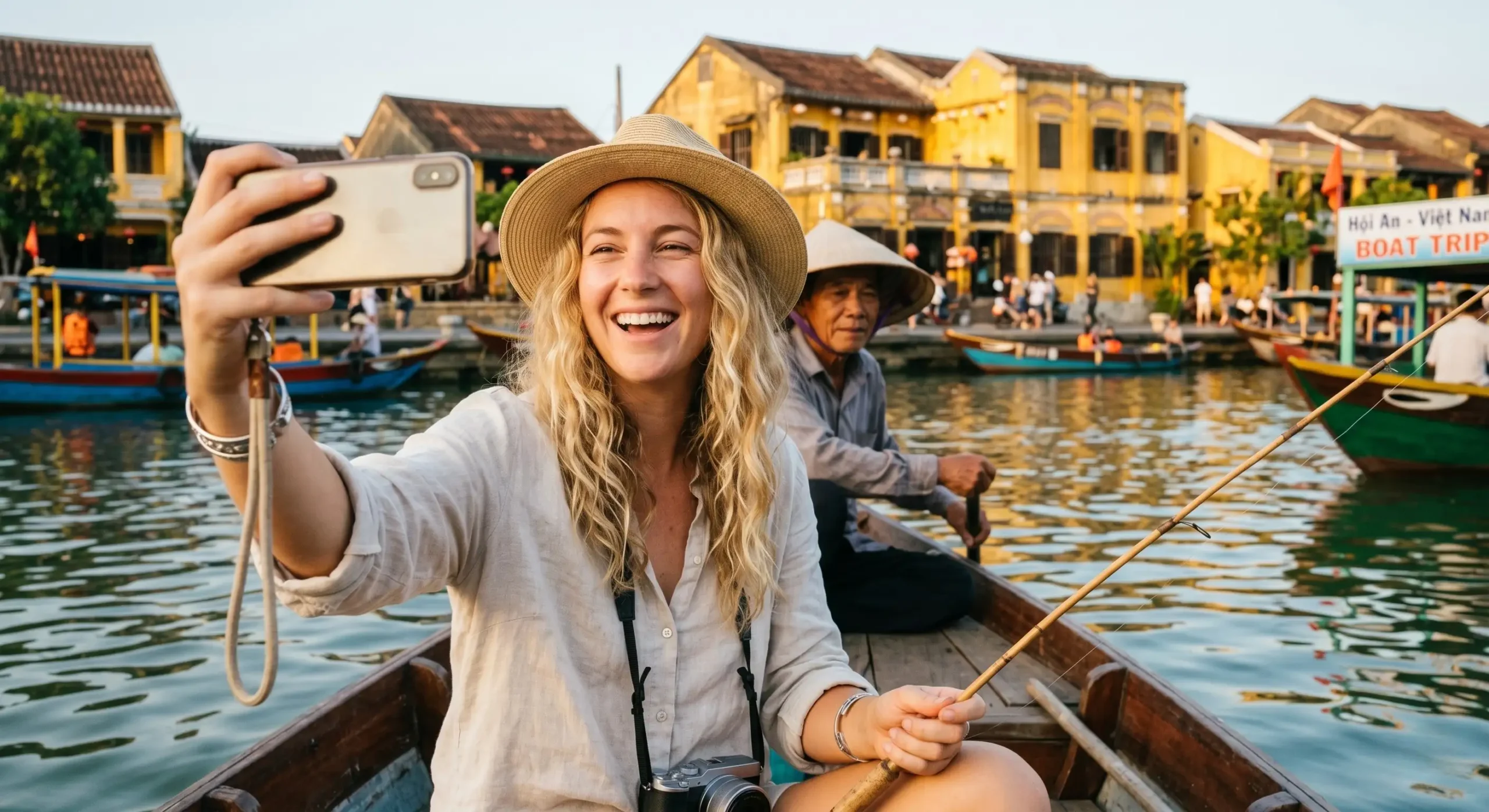
Many travelers describe this as the highlight of their trip. From my perspective, the most memorable part isn’t learning how to cast a net or paddle a basket boat. It’s watching everyday life unfold before sunrise.
As the sky begins to brighten, fishing boats appear on the horizon and gradually make their way back to shore. I was surprised by how quickly the pace changed. Fishermen unloaded baskets of seafood while buyers gathered around the catch, negotiating prices and preparing orders for local markets and restaurants.
Nearby, families repaired fishing nets and prepared equipment for the next trip out to sea. There were no performances, no organized demonstrations, and very little designed specifically for visitors. What stayed with me most was the feeling that I wasn’t observing a tourist activity. I was witnessing a way of life that continues to shape the coastal communities of Quang Nam today.
Fishing is rarely the same from one day to the next. Conversations with local fishermen reveal how weather conditions, tides, and even seasonal fish migration patterns can influence daily activities. This close relationship with nature is one of the reasons fishing communities maintain such a deep understanding of their coastal environment.
Why Basket Boats Are an Important Part of Hoi An’s Fishing Culture
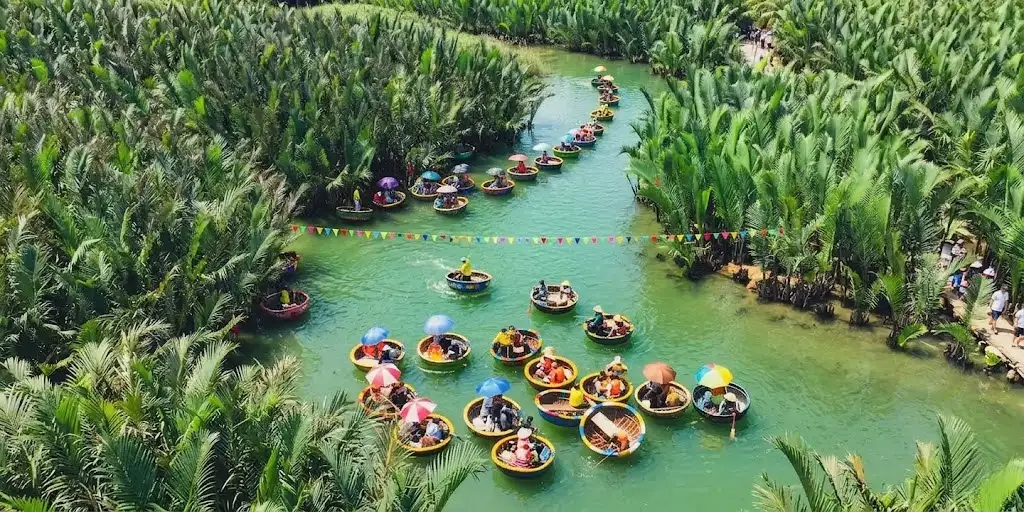
Basket boats are one of the most recognizable symbols of Central Vietnam. Yet these round bamboo boats have a much deeper story. Historically, basket boats provided fishermen with an affordable and practical solution for navigating shallow rivers, estuaries, and coastal waters. Today, they remain closely linked to local fishing culture.
During a basket boat experience, visitors may:
- Learn how basket boats are used in fishing activities
- Try paddling through local waterways
- Observe traditional fishing techniques
- Gain insight into the region’s maritime heritage
When experienced within an authentic fishing community, basket boats become far more meaningful than a simple photo opportunity.
Can You Really Catch Fish?
One of the most common questions travelers ask is: “Will I actually catch fish?”
The answer depends on several factors:
- Weather conditions
- Season
- Tides
- Fishing method
- Location
Local fishermen often plan their activities around tidal cycles rather than fixed schedules. During certain periods of the day, fish move closer to estuaries and shallow waters, making traditional net fishing more productive. While visitors won’t learn every detail during a short experience, understanding the importance of tides helps explain why fishing has always been as much about knowledge and patience as it is about skill.
How Much Does a Fishing Experience in Hoi An Cost?
The cost of a fishing experience in Hoi An varies depending on the type of activity, group size, and whether transportation and meals are included.
| Experience Type | Typical Price Range |
| Basket boat and traditional fishing experience | USD 19–40 per person |
| Fishing village and farming combination tours | USD 38–66 per person |
| Community-based fishing experiences | Around 690,000–850,000 VND per person |
| Private fishing tours | From USD 70+ depending on group size |
Visit a Local Fish Market and See Coastal Life Up Close
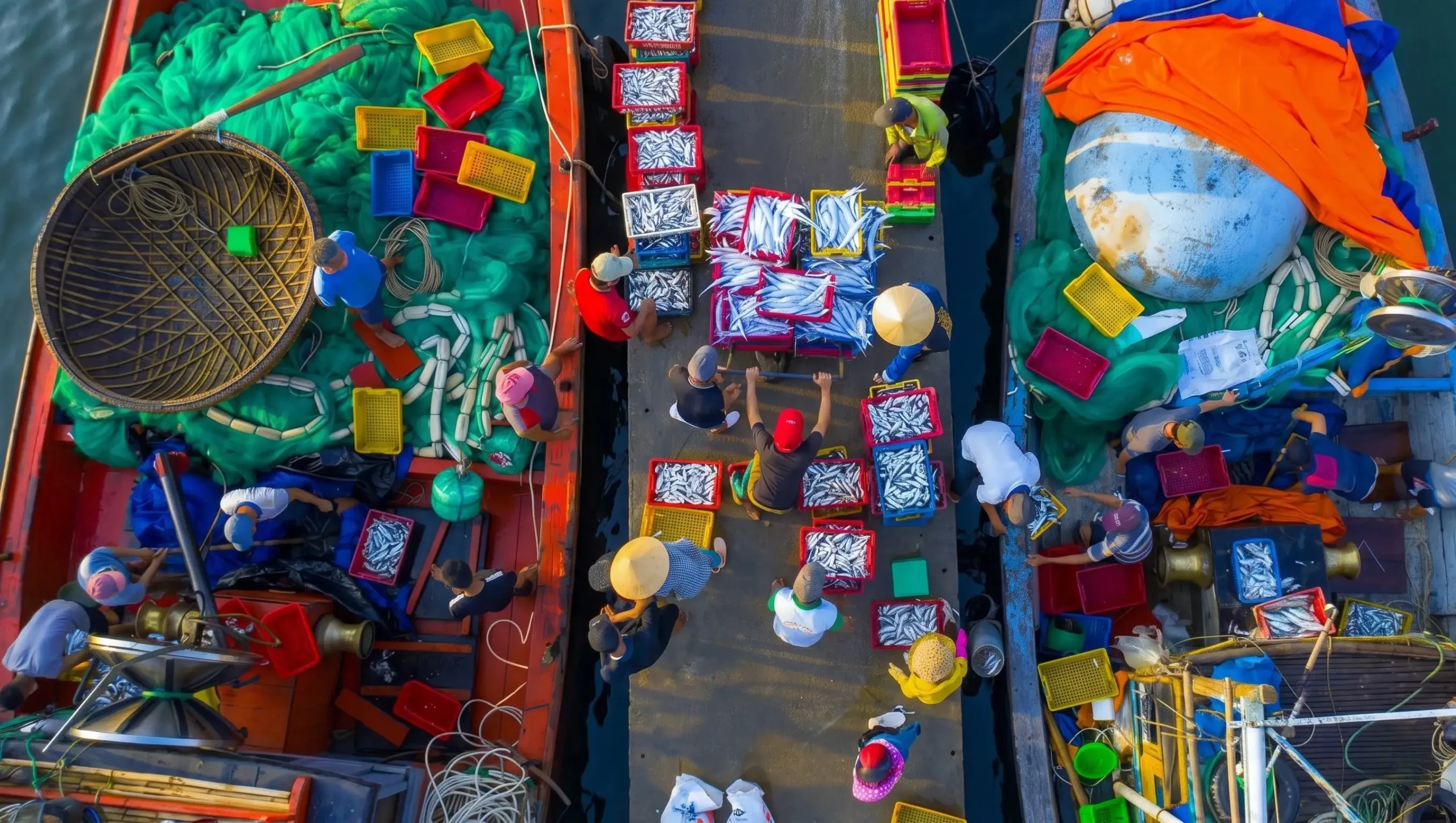
Fish markets offer one of the most authentic windows into daily life along the Quang Nam coast. Unlike attractions designed specifically for tourists, these markets exist to serve local communities.
Arriving early allows visitors to observe:
- Fishing boats returning to shore
- Seafood trading
- Local business transactions
- Community interactions
- Regional food culture
According to Vietnam National Authority of Tourism, traditional fishing markets remain an important part of cultural life in coastal communities around Hoi An. For travelers interested in photography, culture, or responsible tourism, few experiences feel more genuine.
Travel Tip
One thing I wish I’d known before visiting a fish market near Hoi An: don’t wear white sneakers. By 5:30 AM, the shoreline is already busy with fishermen unloading seafood, traders moving baskets across the sand, and seawater mixed with fish residue covering parts of the market area. Waterproof sandals or shoes that you don’t mind getting dirty are a much better choice.
It’s also worth carrying some small-denomination cash (20,000–50,000 VND notes). If you’d like to buy a few pieces of seafood, grab a quick local breakfast, or support small vendors, cash is still the easiest option.
Fishing Village Experience vs Coconut Village Tour: What’s the Difference?
Many travelers compare fishing village experiences with the popular Coconut Village tours in Cam Thanh. Although both may involve basket boats, they offer very different experiences.
| Fishing Village Experience | Coconut Village Tour |
| Focus on local culture | Focus on recreation |
| Meet working fishermen | Primarily tourism operators |
| Visit fish markets | Explore coconut forests |
| Learn fishing traditions | Entertainment-focused activities |
| Community-based experience | Leisure-oriented experience |
Both experiences are worthwhile. The choice depends on whether you’re looking for cultural immersion or recreation.
Best Time of Year for a Fishing Experience in Hoi An
Weather plays an important role in shaping your experience.
| Season | Conditions | Recommendation |
| February – April | Dry, comfortable temperatures | Excellent |
| May – August | Sunny weather, calm seas | Best Overall |
| September – November | Occasional rain | Moderate |
| December – January | Cooler, windier conditions | Good for photography |
Many local fishermen consider the period between February and August the most favorable time for fishing activities due to calmer seas and more predictable weather conditions. However, regardless of season, arriving early in the morning remains the best way to experience village life. Most fishing boats return to shore shortly after dawn, when seafood trading, net repairs, and daily market activities are at their busiest.
How to Plan the Perfect One-Day Fishing Experience Itinerary
One mistake many travelers make is treating a fishing experience as a standalone activity. In reality, it can become the foundation of an unforgettable day in Hoi An.
| Time | Activity |
| 05:30 AM | Visit Duy Hai Fish Market |
| 07:00 AM | Join a fishing village experience |
| 09:00 AM | Enjoy a local seafood breakfast |
| 11:00 AM | Relax by the beach |
| 02:00 PM | Visit Tra Que Vegetable Village |
| 04:00 PM | Explore Hoi An Ancient Town |
| 06:00 PM | Enjoy lanterns along the Hoai River |
| 08:00 PM | Dinner in the Old Town |
Tra Que Vegetable Village, located just a few kilometers from the Ancient Town, is recognized as one of Hoi An’s most distinctive agricultural communities and offers another perspective on local livelihoods. This itinerary combines fishing culture, local heritage, food experiences, and Hoi An’s most iconic attractions into a single day.
Travelers staying at Bliss Hoi An can comfortably follow a similar itinerary, combining an early-morning fishing village visit with beach relaxation and an evening in Hoi An Ancient Town. The resort’s location along Binh Minh Beach makes it possible to experience several sides of Quang Nam within a single day.

How to Get to Hoi An’s Fishing Villages
Most fishing villages around Hoi An are located within a short driving distance of the Ancient Town, making them easy to visit as part of a half-day or full-day itinerary.
- By Taxi or Private Car :For most travelers, taxis and private transfers are the most convenient option. Depending on the village, travel times typically range from 10 to 30 minutes from Hoi An Ancient Town.
- By Bicycle: Some nearby communities, such as Tan Thanh and Cam Kim, can be reached by bicycle. This option allows visitors to explore the countryside at a slower pace while enjoying views of rice fields, rivers, and local villages along the way.
- By Guided Tour: Many fishing experiences include transportation, local guides, basket boat activities, and cultural experiences. This can be a practical choice for first-time visitors who want a more structured introduction to local fishing culture.
- Staying Near the Coast: Travelers staying along the Quang Nam coastline can often combine fishing village visits with beach activities and other cultural attractions. Depending on your itinerary, choosing accommodation with convenient access to both the coast and Hoi An can help reduce travel time and make it easier to experience multiple sides of the region during a single trip.
Experience More Than Just Hoi An Ancient Town
Many travelers spend their entire holiday within the Ancient Town and leave without ever seeing the fishing communities that helped shape the region’s history. Staying longer-and staying in the right location-makes it easier to experience both sides of Quang Nam. From sunrise fish markets and fishing villages to quiet beaches and the lantern-lit streets of Hoi An, Bliss Hoi An Beach Resort offers a convenient base for travelers who want to discover more than the typical tourist itinerary.

Located on the peaceful Binh Minh coastline, Bliss Hoi An Beach Resort & Wellness offers a different perspective on Quang Nam beyond the Ancient Town. For travelers interested in coastal culture, local communities, beach relaxation, and heritage attractions, staying along the coast can make it easier to experience multiple sides of the region during a single trip.
From sunrise visits to fishing communities and local markets to afternoons spent exploring Hoi An Ancient Town, Bliss Hoi An serves as a convenient base for discovering the cultural and natural diversity of Quang Nam. The resort team can also assist with transportation arrangements and itinerary suggestions, helping guests create a more seamless and rewarding travel experience.
FAQ About Fishing Experiences in Hoi An
Is a fishing experience suitable for children?
–> Yes. Most experiences are family-friendly and suitable for children when accompanied by adults.
Do I need to know how to swim?
–> No. Life jackets are typically provided during water-based activities.
What should I wear?
–> Lightweight clothing, sunscreen, a hat, and comfortable footwear are recommended.
How long does a fishing village experience take?
–> Most experiences last between three and five hours.
Can I combine a fishing village visit with Hoi An Ancient Town?
–> Absolutely. Many travelers visit fishing villages in the morning before exploring the Ancient Town later in the day.
What is the difference between basket boat fishing and a traditional fishing village experience?
–> Basket boat activities focus on a specific aspect of local fishing culture, while fishing village experiences provide broader insight into community life, fish markets, traditional livelihoods, and coastal heritage.
Written by Emma Carter, a traveler with four years of experience exploring Hoi An.

Related Posts
Is fine dining Hoi An really worth the price? What are travelers paying for?
Cau Bong Festival in Hoi An: Inside Tra Que’s Agricultural New Year Tradition
Top 8 things to consider for a wedding in Hoi An with 20 guests
Top 7 things to avoid when choosing the best beach resort in Hoi An
4 Hoi An wedding packages compared: Which one is right for you?