


Vinh Moc Tunnels vs Cu Chi Tunnels: Which one should you visit?
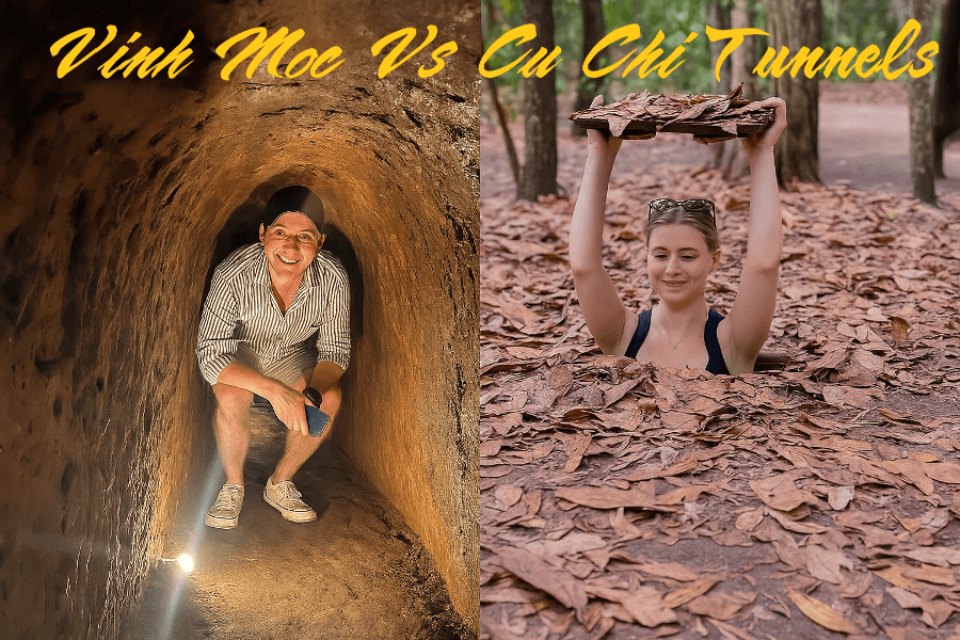
Vietnam is home to some of the world’s most incredible underground networks, but choosing between Vinh Moc Tunnels vs Cu Chi Tunnels can be a challenge for many travelers. While one stands as a testament to strategic guerrilla warfare, the other tells a moving story of civilian survival and community resilience. Explore a detailed guide with Bliss Hoi An to find out which historic landmark best fits your journey and how to experience them in total comfort.
Overview of Vinh Moc Tunnels vs Cu Chi Tunnels
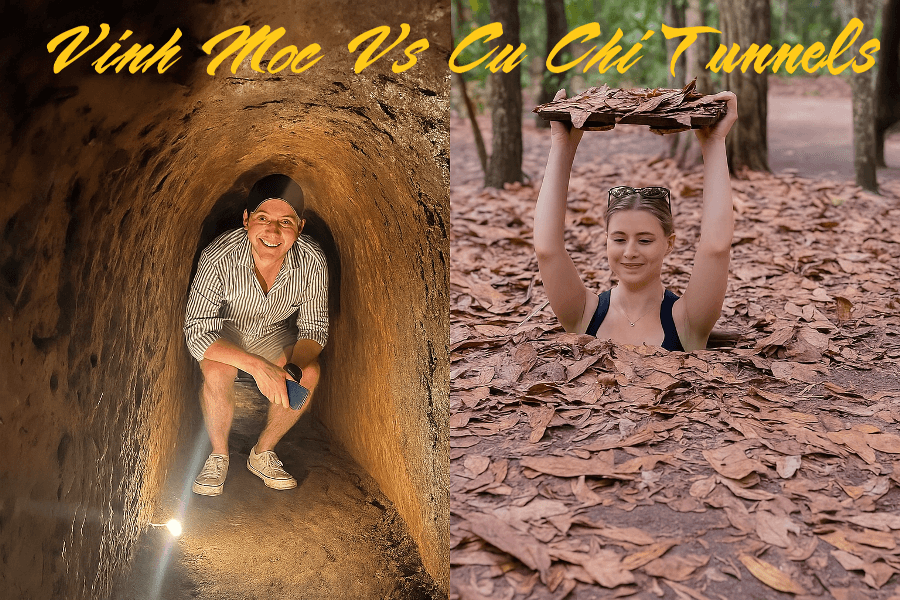
Vietnam’s tunnel systems are among the most remarkable historical structures in Southeast Asia, reflecting both the resilience and ingenuity of the Vietnamese people during wartime. When comparing Cu Chi Tunnels vs Vinh Moc Tunnels, travelers often find it difficult to decide which destination better fits their itinerary. Although built during the same period, these underground networks served very different purposes and therefore offer completely distinct travel experiences.
Cu Chi Tunnels: A military underground network
Cu Chi Tunnels are located about 70 kilometers from Ho Chi Minh City and are among the most iconic historical attractions in Southern Vietnam. This vast underground network stretches over 250 kilometers and was developed over several decades to serve guerrilla warfare tactics. The tunnels functioned as a strategic military base where soldiers could live, communicate, store supplies, and launch surprise attacks undetected.

Beneath the surface, the tunnel system reveals a complex and carefully designed structure that highlights the importance of stealth and adaptability. Visitors can explore narrow passageways, hidden trapdoors, and ventilation shafts disguised within the natural surroundings. Many sections are intentionally small and tight, often requiring visitors to crouch or crawl, creating a highly immersive and realistic experience.
Vinh Moc Tunnels: An underground village for civilians
Vinh Moc Tunnels are located in Quang Tri Province near the Demilitarized Zone, one of the most heavily bombed areas during the war. Unlike Cu Chi, these tunnels were built to protect civilians, allowing entire families to live underground for years. This transformed the system into a self-sustained village where daily life could continue despite the destruction above ground.
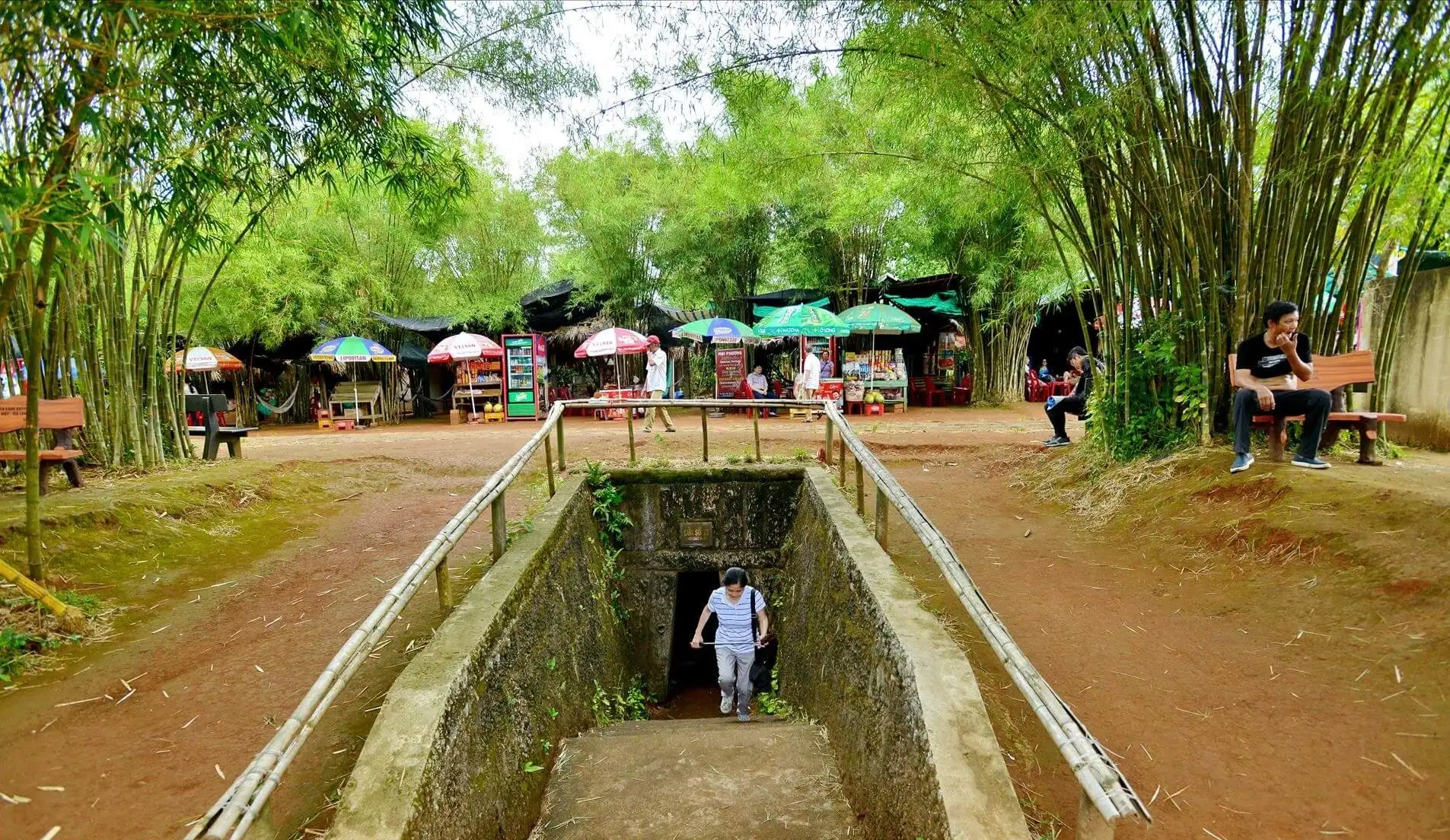
The structure of Vinh Moc is more spacious and methodically organized, consisting of three levels reaching up to 23 meters deep. Inside, visitors can explore family rooms, communal spaces, kitchens, and even a maternity area where children were born. Walking through the tunnels offers a quieter and more reflective experience, often leaving visitors with a strong emotional impression.
5 major differences every traveler must know
To fully understand Vinh Moc Tunnels vs Cu Chi Tunnels, it is important to look beyond the surface and explore the key factors that shape each experience. These differences not only affect how you visit but also how you feel and connect with the history behind each site. Below are the most important aspects that every traveler should consider before making a decision.
Military strategy vs civilian survival purpose
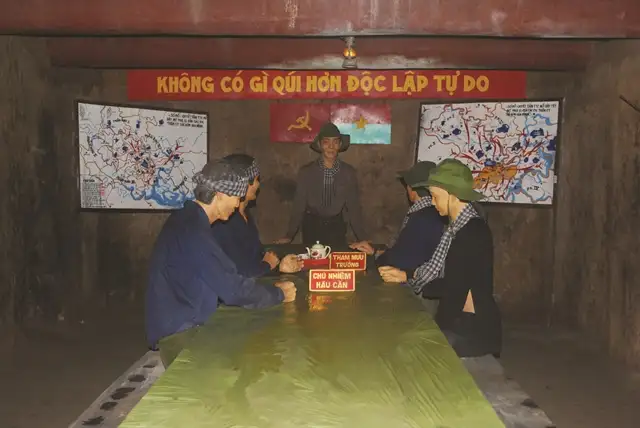
The primary difference between the two legendary systems lies in their core historical mission and intended inhabitants. The Cu Chi Tunnels were developed as a strategic military base where soldiers could live, communicate, and launch surprise attacks. These “fighting tunnels” were the backbone of guerrilla warfare tactics used to resist powerful military forces in the South.
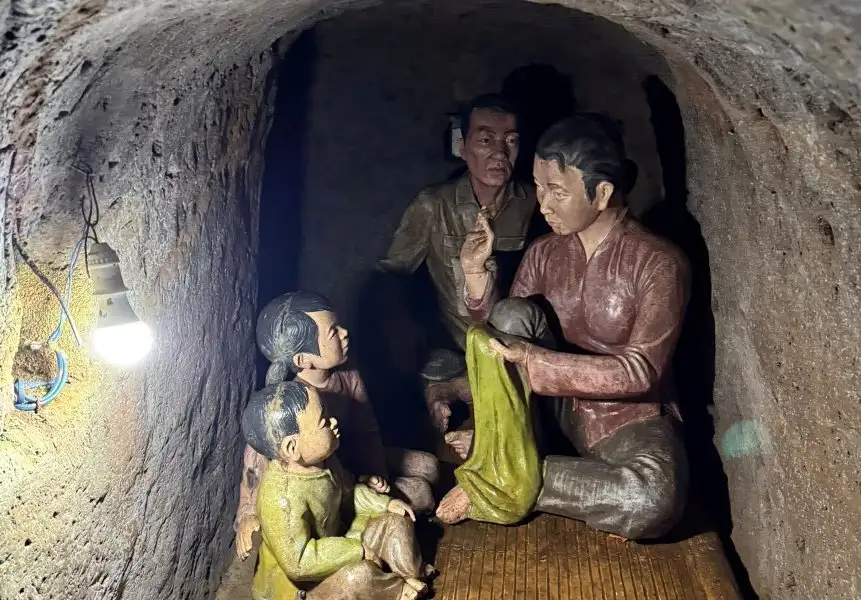
On the other hand, the Vinh Moc Tunnels were built primarily as a sanctuary for local villagers to escape relentless air raids. Located near the DMZ, this site functioned as a self-sustained underground village where families could stay on their land safely. The focus at Vinh Moc is on human resilience and the community’s ability to maintain a normal life despite the war.
Tunnel design from narrow mazes to spacious multi-level systems
The physical design of each tunnel system was carefully engineered to meet its specific wartime requirements and environmental conditions. This difference is especially clear when comparing the tight, tactical layout of the Cu Chi Tunnels with the more spacious and structured design of the Vinh Moc Tunnels. Each system reflects a completely different purpose, shaping how visitors experience them today.
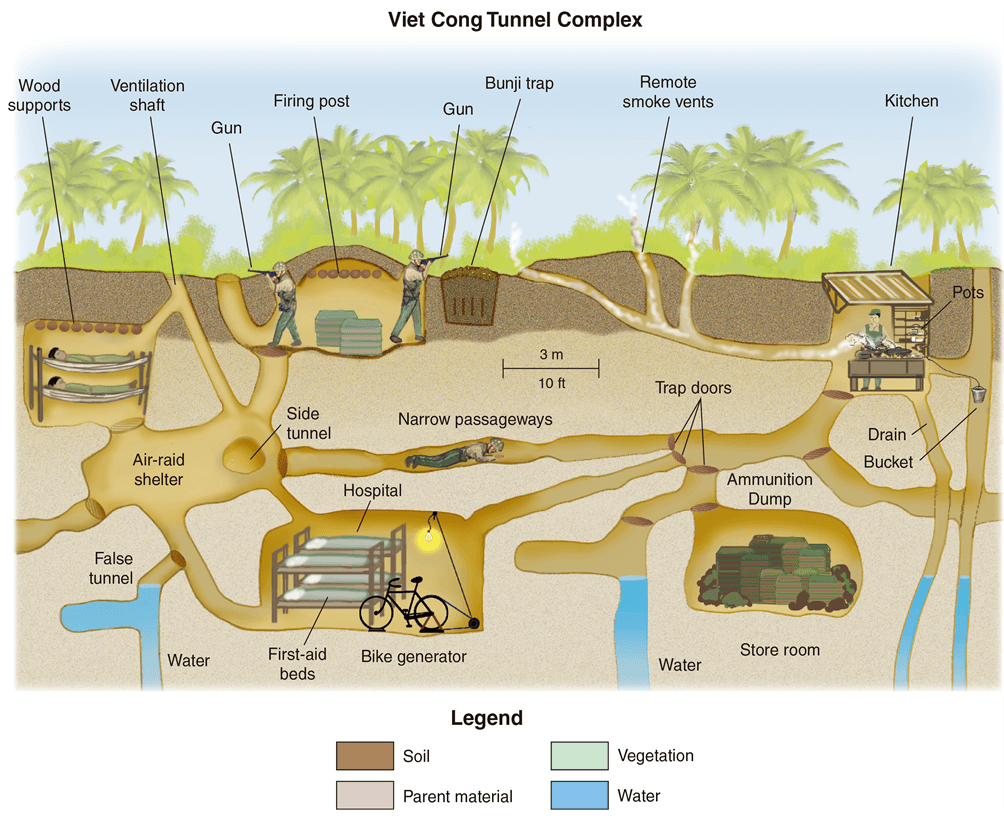
The Cu Chi Tunnels stretch over 250 kilometers in total length, forming one of the most extensive underground networks in the world. These tunnels are typically very narrow, often only 0.6 to 1 meter wide, and built at depths ranging from 3 to 10 meters below the surface, with multiple hidden trapdoors and ventilation shafts. This maze-like and compact structure was designed to support guerrilla warfare, making it difficult for enemies to navigate while allowing soldiers to move quickly and undetected.
In contrast, the Vinh Moc Tunnels have a shorter total length of approximately 2 kilometers, but they are far more organized and suitable for long-term living. The system is divided into three distinct levels, located at depths of around 12 meters, 15 meters, and up to 23 meters, specifically engineered to withstand heavy bombings. The tunnels were carved into durable basalt soil, which helped maintain stability and safety over time.

Unlike the tight passages of Cu Chi, most areas in Vinh Moc are spacious enough for visitors to walk upright comfortably. The tunnels were designed as a complete underground village, including family rooms, kitchens, storage spaces, meeting areas, and even a maternity ward, where several children were born during the war. This multi-level and human-centered design creates a completely different experience, focusing more on survival and daily life rather than military strategy.
Travel distance and accessibility for visitors
Accessibility is a major factor that travelers must consider when choosing between these two historic landmarks. The Cu Chi Tunnels are located about 70 kilometers from Ho Chi Minh City, making them a very convenient half-day trip. Most travelers stay in the Southern hub and use bus or taxi services to reach the site easily.
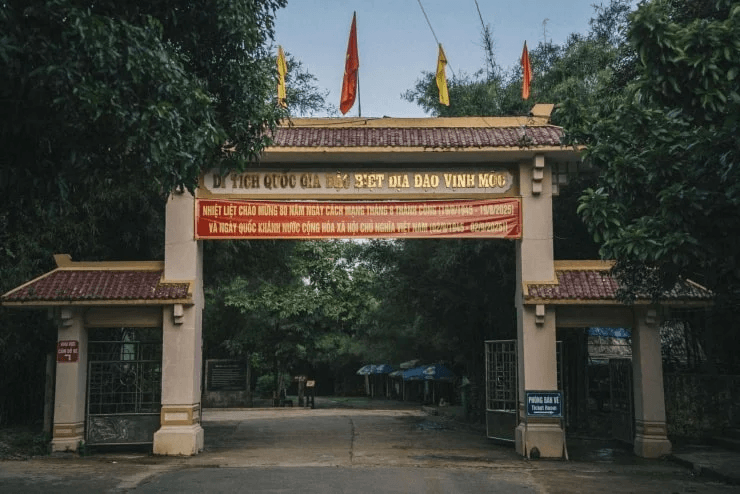
For those traveling through central Vietnam, the Vinh Moc Tunnels are located in Quang Tri province near the historic DMZ (Demilitarized Zone) border. While it is farther from major hubs, it is perfectly situated for those exploring the heritage trail between Hue and Phong Nha. A private car journey from the central coast offers a scenic route through some of the country’s most meaningful landscapes.
The Vinh Moc Tunnels are located approximately 320 kilometres from Hoi An and about 300 kilometres from Da Nang, with a travel time of around 5 to 6 hours by road. This distance makes Vinh Moc a suitable full-day trip, especially for travelers staying in central Vietnam who want to explore beyond the usual destinations.
If you are staying at Bliss Hoi An Beach Resort & Wellness, visiting Vinh Moc Tunnels becomes a strategic and comfortable choice thanks to our premium private car service, allowing you to travel at your own pace and enjoy a seamless journey. Alternatively, you can travel to Hue and join a DMZ tour, where Vinh Moc Tunnels are included as a key historical stop alongside other important wartime sites.
Read more: Hoi An to Vinh Moc Tunnels: Discover Vietnam’s Underground World
Interactive adventure compared to emotional historical experience
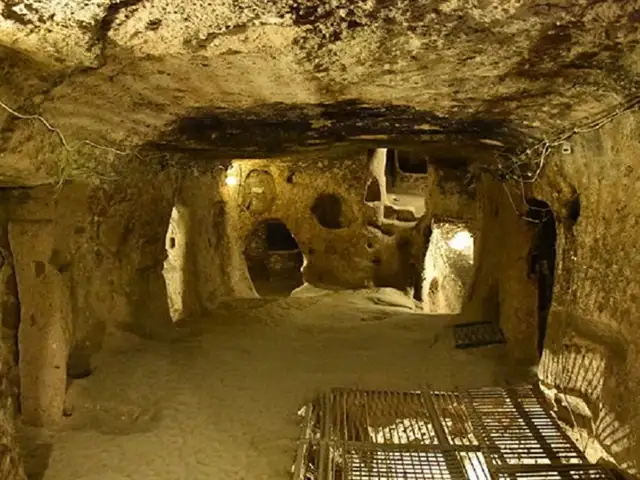
A visit to the Cu Chi Tunnels offers a highly engaging experience that appeals to those interested in hands-on exploration. Travelers can observe demonstrations of traps, explore reconstructed living spaces, and even participate in activities at the shooting range. The atmosphere is dynamic and vivid, focusing on the adrenaline and tactical genius of the resistance forces.
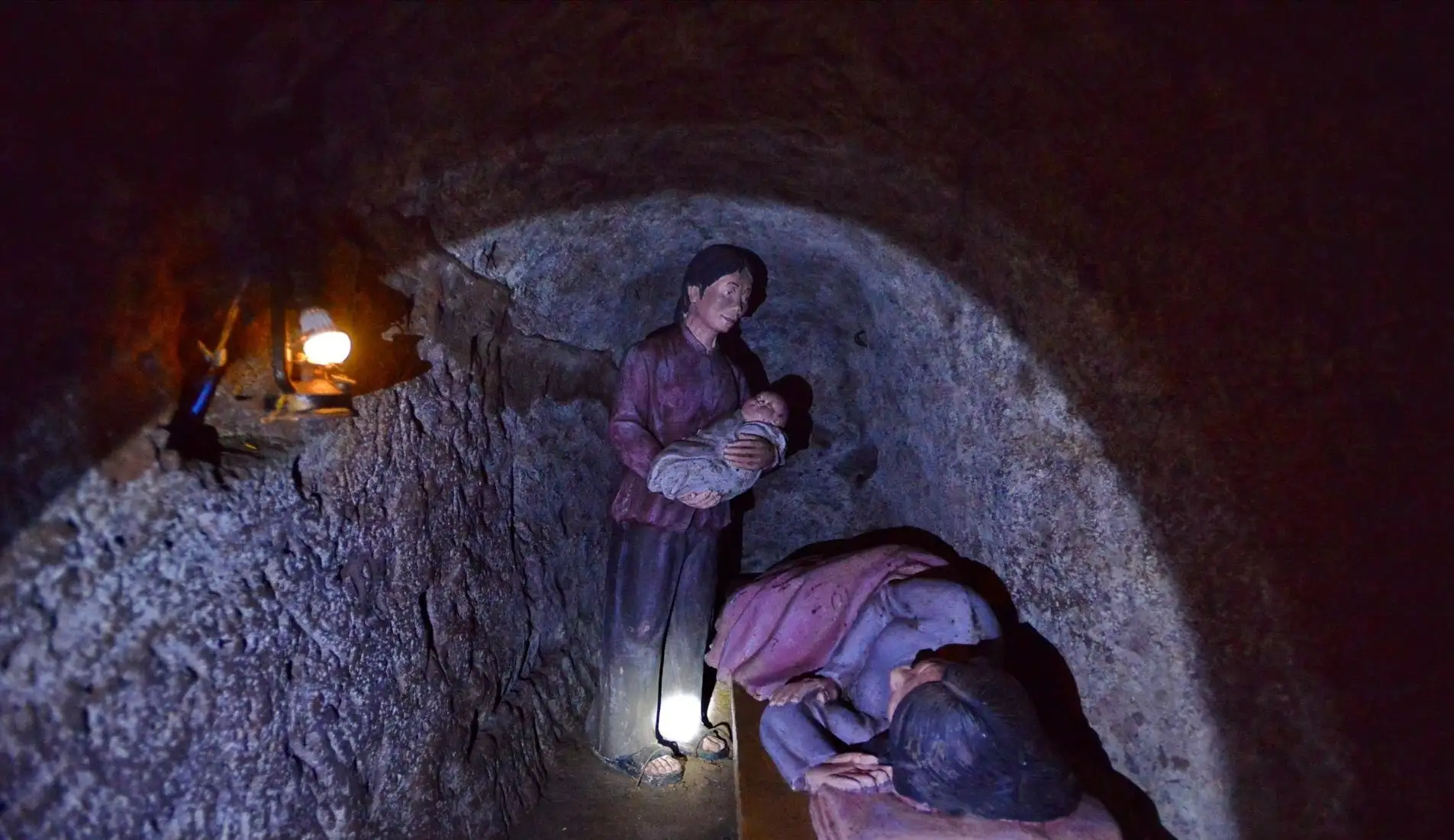
Walking through the Vinh Moc Tunnels provides a quieter experience that focuses on deeply human stories of survival and strength. Visitors are often moved by accounts of the 17 children born inside the dark tunnels and the community’s spirit. One of the most emotional moments is reaching the tunnel exits that open toward the vast, blue sea.
Best time to visit based on weather conditions
Climate is an important factor because rainfall can significantly affect the experience of exploring earthen tunnels. The best time to visit the Cu Chi Tunnels is during the Southern dry season from October to April. During these months, the ground remains dry, making it much more comfortable to explore the narrow underground passages.
For the Vinh Moc Tunnels, we recommend planning your visit between January and May to enjoy the mild weather. This period avoids the stifling heat of summer and the heavy rainfall often seen during the autumn storm season. Choosing the right time ensures you can safely navigate the three levels and enjoy the beautiful coastal views.
Which one should you choose: Vinh Moc Tunnels vs Cu Chi Tunnels
Choosing between Vinh Moc Tunnels vs Cu Chi Tunnels depends on your travel plans and personal preferences. If you are visiting Southern Vietnam and want a short, interactive experience, Cu Chi is the more convenient option. It is ideal for travelers who enjoy hands-on exploration and a dynamic look into military history.
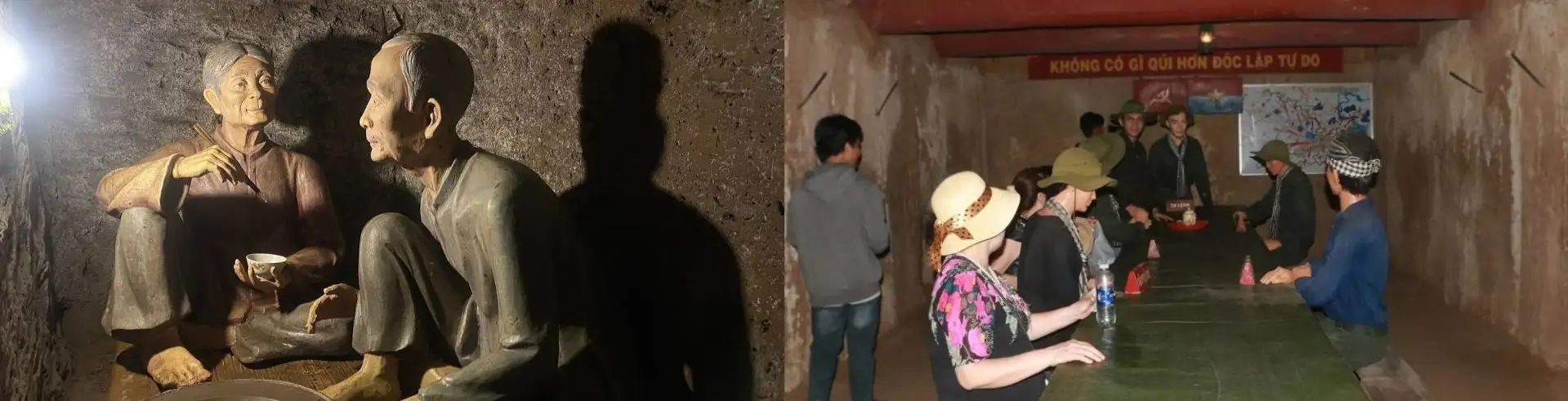
On the other hand, Vinh Moc is better suited for those traveling in central Vietnam or seeking an emotional experience. It is also a good choice for families who prefer a more comfortable walking environment without the need to crawl. The spacious passages and coastal scenery provide a unique perspective on the resilience of the Vietnamese people.
For travelers with more time, visiting both sites can provide a more complete understanding of Vietnam’s complex history. Each tunnel system reveals a different perspective, making the overall experience richer and much more meaningful. Whether you choose the South or the Central, you will witness the incredible spirit of a nation.
Travel tips for visiting Vinh Moc Tunnels and Cu Chi Tunnels
Before planning your visit to either Cu Chi Tunnels or Vinh Moc Tunnels, there are a few important things to keep in mind. These practical tips will help you prepare better and ensure a smoother, more enjoyable experience. Whether you prefer adventure or a more relaxed historical journey, preparation will make a big difference.
- Wear comfortable clothes and shoes: You will be walking on uneven ground and possibly crouching inside tunnels. Lightweight clothing and breathable fabrics will help you stay comfortable, especially in humid weather.
- Be prepared for confined spaces: Some sections of Cu Chi can feel quite narrow and may not be suitable for visitors with claustrophobia. If you are unsure, you can skip the tight sections and still enjoy the overall experience.
- Visit early to avoid crowds and heat: Both sites can get busy during peak hours, especially Cu Chi, due to its proximity to the city. Going early in the morning allows you to explore more comfortably with cooler temperatures.
- Follow safety instructions carefully: Always listen to your guide when entering tunnel areas or participating in activities. This is especially important in darker or more complex sections of the tunnels.
- Bring water and stay hydrated: Exploring tunnels can be physically demanding, even if the visit seems short. Keeping yourself hydrated will help you maintain energy throughout the trip.
Both Vinh Moc Tunnels vs Cu Chi Tunnels offer powerful insights into Vietnam’s history, but they tell very different stories. One focuses on military strategy and survival in combat, while the other reflects the resilience of civilians living through war. No matter which one you choose, the experience will leave a lasting impression and a deeper understanding of the country’s past.
Stay at Bliss Hoi An Beach Resort & Wellness for your central Vietnam journey
If you are planning to explore the historic sites of central Viet Nam, like Vinh Moc Tunnels, staying at Bliss Hoi An Beach Resort & Wellness is the ideal choice. While the Cu Chi Tunnels are located in the South, many travelers choose to fly into central Viet Nam to continue their heritage journey at Vinh Moc. Our resort serves as a peaceful sanctuary for those transitioning between these iconic landmarks, offering a perfect balance of history and relaxation.

At Bliss Hoi An, travelers can easily arrange premium private car services to visit the DMZ area or take a short trip to the mystical caves of the Marble Mountains. After a long day of walking through underground tunnels or climbing scenic pagodas, there is nothing better than returning to a world-class retreat to recharge. Guests can choose from luxury accommodation options such as the Deluxe Room or a private 2-Bedroom Pool Villa, which are perfect for unwinding after a day of sightseeing.
Our dedicated team is always ready to assist with all transportation and tour arrangements to ensure your excursion is as smooth as possible. You can easily book your stay through our official website, contact our hotline at +84 235 3874 888, or reach out via email for more personalized information. Let Bliss Hoi An be your comfortable home as you uncover the fascinating history hidden beneath the soil and the breathtaking landscapes of this beautiful nation.

Related Posts
Hoi An to Mui Ne: 3 Routes Compared for Travel, Scenery and Adventure

Hoi An Indochine Style Resort: How to Choose a Stay With Real Vietnamese Character

Private Chef Hoi An: Top 10 Chefs for a Personalised Dining Experience
A trip from Hoi An to Tam Ky in one day: Is it feasible?

Private Tours from Hoi An Beach Resorts: Discover Central Vietnam from Bliss Hoi An