

Vietnamese Heroic Mother: Meaning, history and must-visit memorial sites in Vietnam
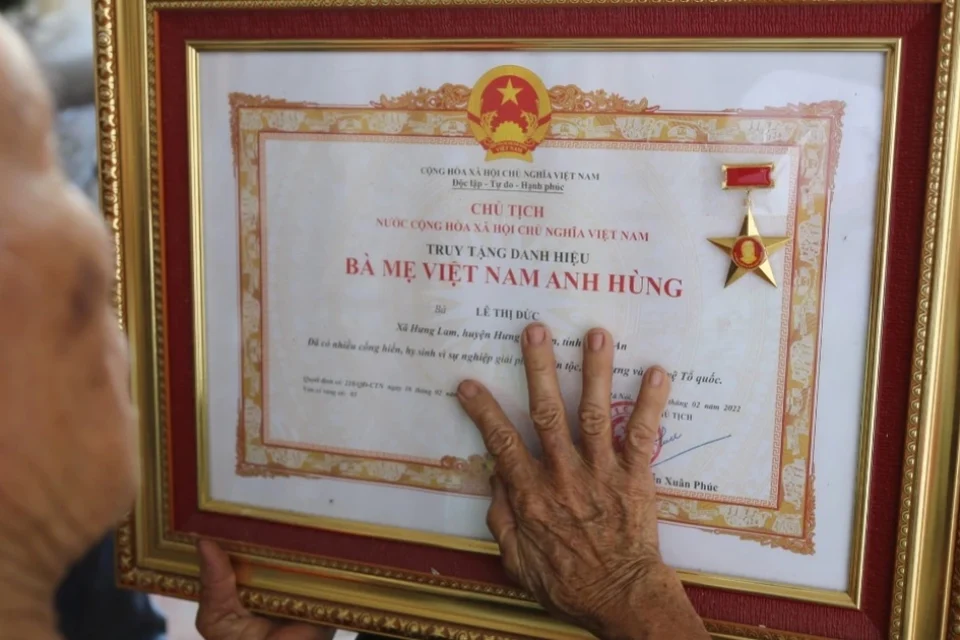
The concept of vietnamese heroic mother is deeply rooted in the country’s history, representing extraordinary sacrifice, resilience, and unconditional love. While the title itself carries profound meaning, its stories are best understood through the places that preserve them. Across Vietnam, from national monuments to quiet memorial sites, travelers can explore not only historical landmarks but also the emotional legacy behind this powerful symbol, making each visit both educational and deeply moving.
What is a Vietnamese Heroic Mother and why is it important?
A Vietnamese heroic mother is one of the highest honorary titles awarded by the Vietnamese government to recognize mothers who have made extraordinary sacrifices for the nation, particularly during times of war. This title is not simply symbolic, it reflects deep personal loss, often involving the death of multiple children, a spouse, or even the mother herself in service to the country. It stands as a powerful acknowledgment of the silent resilience and unwavering patriotism of Vietnamese women.
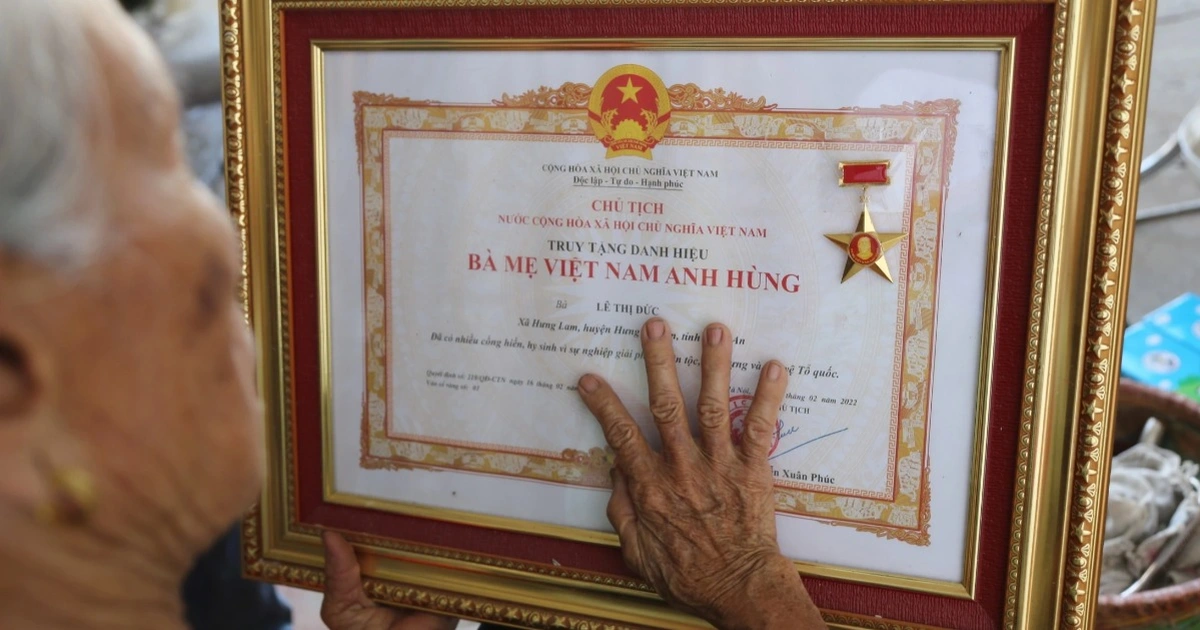
To be officially recognized as a heroic Vietnamese mother, individuals must meet strict criteria set by the state, typically related to the loss of family members who were martyrs. These mothers represent countless families who endured immense hardship during Vietnam’s turbulent history, especially throughout the resistance wars. Their stories are not just about grief, but also about strength, dignity, and a profound commitment to national independence.
The importance of this title goes far beyond individual recognition. It has become a cultural and moral symbol embedded in Vietnamese society, reminding future generations of the cost of peace and freedom. Honoring these mothers is also a way for the nation to express gratitude and preserve historical memory. Today, the image of the Vietnamese Heroic Mother continues to inspire respect, compassion, and a strong sense of collective identity across the country.
Cultural and social significance in modern Vietnam
In modern Vietnamese society, the image of the vietnamese heroic mother goes far beyond historical recognition and has become a profound cultural symbol tied to core national values such as patriotism, sacrifice, and family devotion. These mothers embody resilience, endurance, and the willingness to place the country’s interests above personal happiness, qualities that continue to be respected and upheld today.
The title heroic vietnamese mother also plays an important role in shaping public awareness of gratitude and social responsibility. Through education, media, and commemorative activities, younger generations are reminded of the immense sacrifices made in the past. As a result, they develop a stronger sense of responsibility in preserving peace and contributing to the nation’s future. This is not just a historical narrative, but a living lesson about compassion, sacrifice, and national pride.
In contemporary life, Vietnamese Heroic Mothers continue to receive special care and recognition from both the government and the community, not only in terms of material support but also through deep respect and honor. Their image appears in literature, art, memorial events, and even heritage-focused travel experiences, helping preserve historical memory and reinforce Vietnam’s cultural identity in an increasingly globalized world.
Places to learn about Vietnamese Heroic Mothers
If you want to gain a deeper understanding of the Vietnamese heroic mother, visiting historical and memorial sites across Vietnam offers a far more powerful and emotional experience than reading alone. These places not only preserve the memory of war but also tell the silent stories of sacrifice made by thousands of mothers throughout the country.
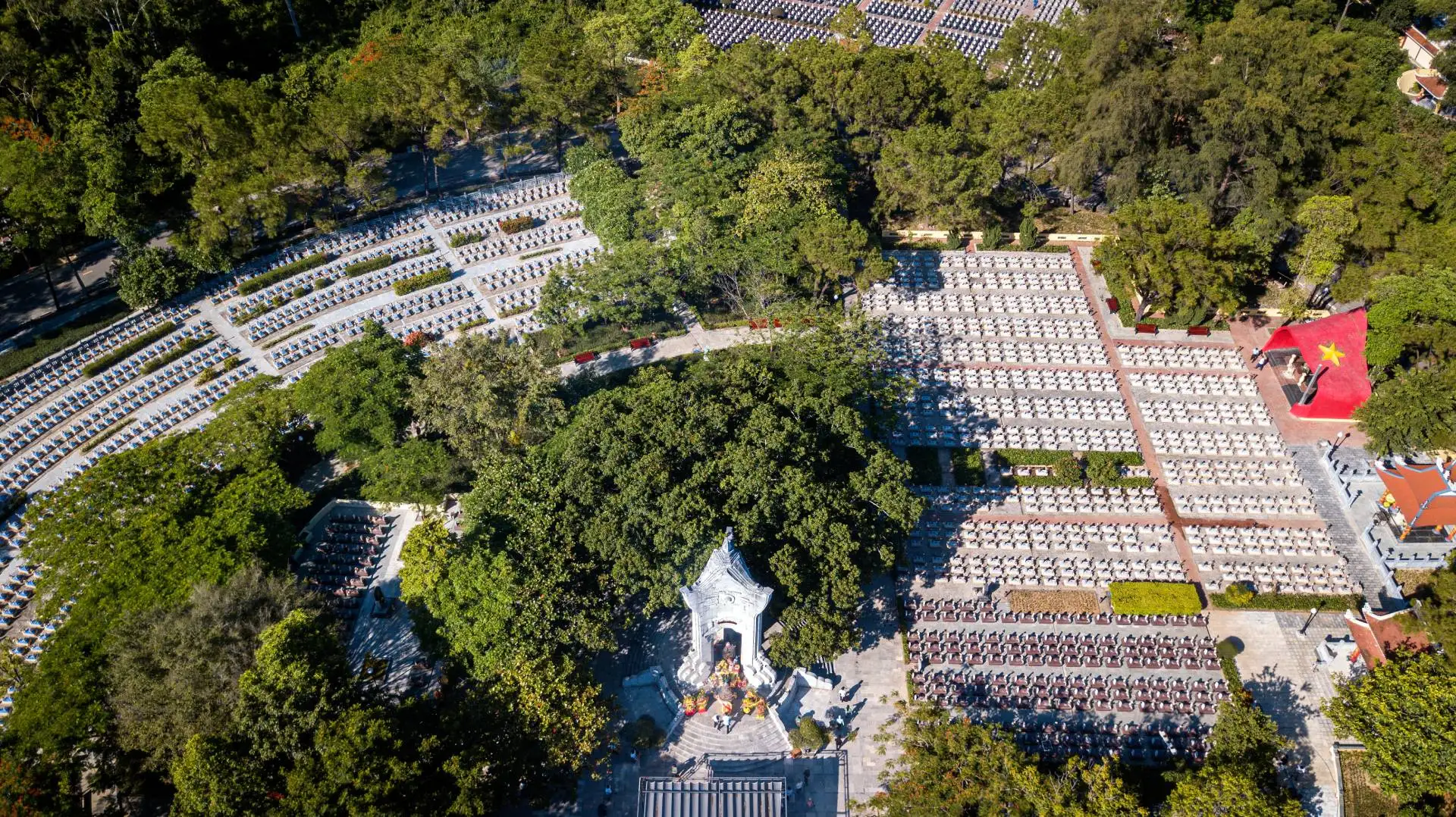
At Truong Son National Cemetery, visitors can truly feel the immense loss caused by war, as tens of thousands of fallen soldiers are laid to rest here. The solemn and peaceful atmosphere turns every step into a moment of reflection and gratitude. This site is closely connected to the stories of many heroic Vietnamese mother figures who sent their children to war and never saw them return.
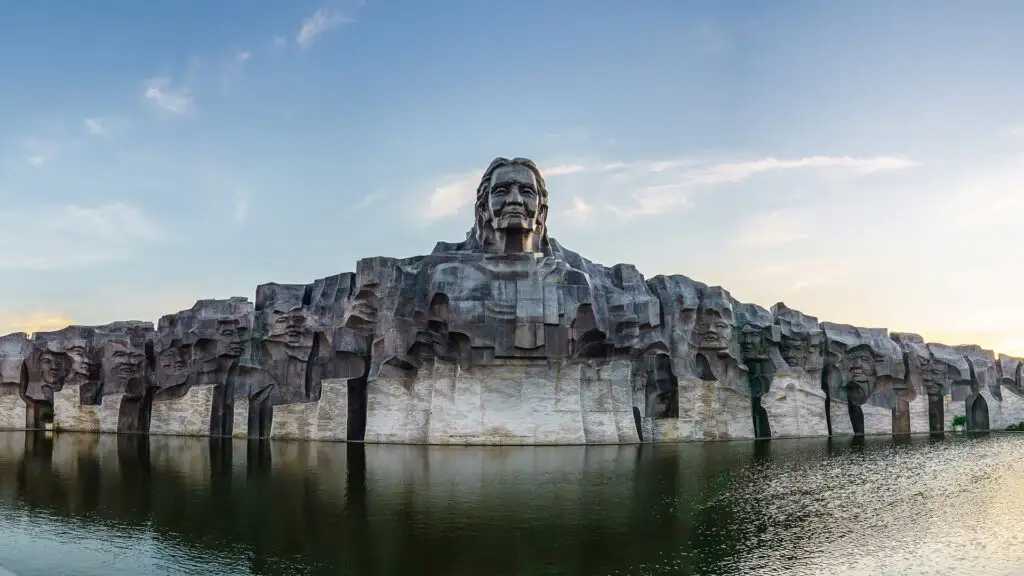
In central Vietnam, the Vietnamese Heroic Mother Monument stands as one of the most significant and symbolic landmarks. Inspired by Mother Nguyen Thi Thu, who lost many of her children in the war, the monument represents not just one individual, but millions of Vietnamese heroic mothers. Visitors often spend time exploring the exhibition area, learning about historical narratives, and appreciating the cultural depth behind this honored title.
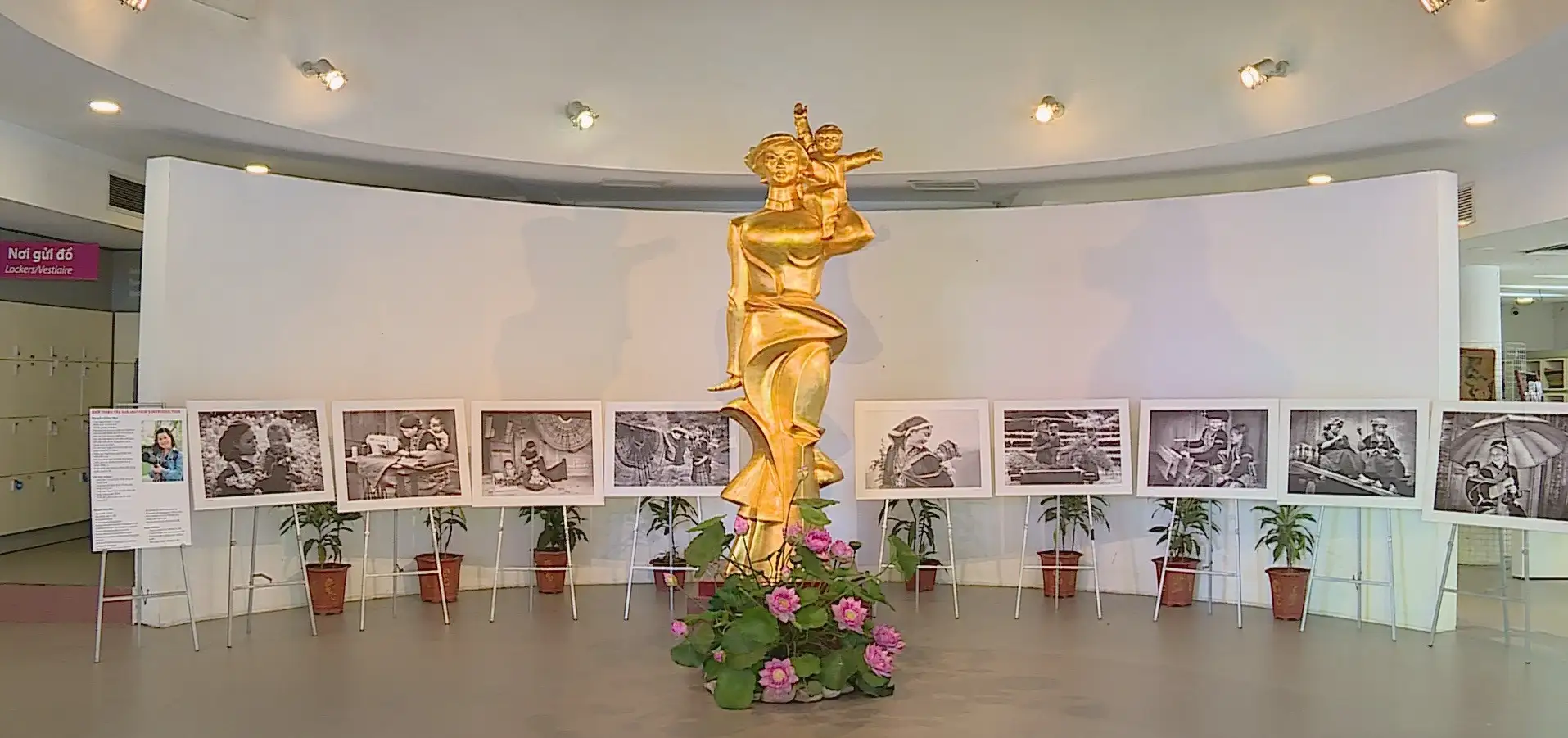
In Hanoi, the Vietnamese Women’s Museum offers a more accessible and modern perspective through artifacts, photographs, and real-life stories. The exhibitions highlight the crucial role of women in wartime and help both local and international visitors better understand the origins and meaning of this prestigious recognition.
Including these destinations in your travel itinerary not only enriches your knowledge of Vietnamese history but also provides meaningful insights into the values of sacrifice and gratitude, core elements that continue to shape Vietnam’s cultural identity today.
Read more: My Son Sanctuary history: From Champa’s sacred valley to UNESCO World Heritage Site
Vietnamese Heroic Mother Monument in Quang Nam – A powerful symbol of sacrifice
Not limited to historical definitions or textbook narratives, the image of the vietnamese heroic mother is vividly brought to life through memorial sites across the country. Among them, the Vietnamese Heroic Mother Monument stands out as one of the most powerful and emotional symbols. More than just a tourist attraction, it is a place where visitors can pause, reflect, and deeply appreciate the silent sacrifices of mothers during wartime.
Overview of the Monument
The monument is located on Cam Mountain in Tam Ky City, Quang Nam Province, a high, open setting that carries both spiritual and symbolic significance. From a distance, the structure appears monumental against the vast natural landscape, creating a feeling that is both solemn and approachable.
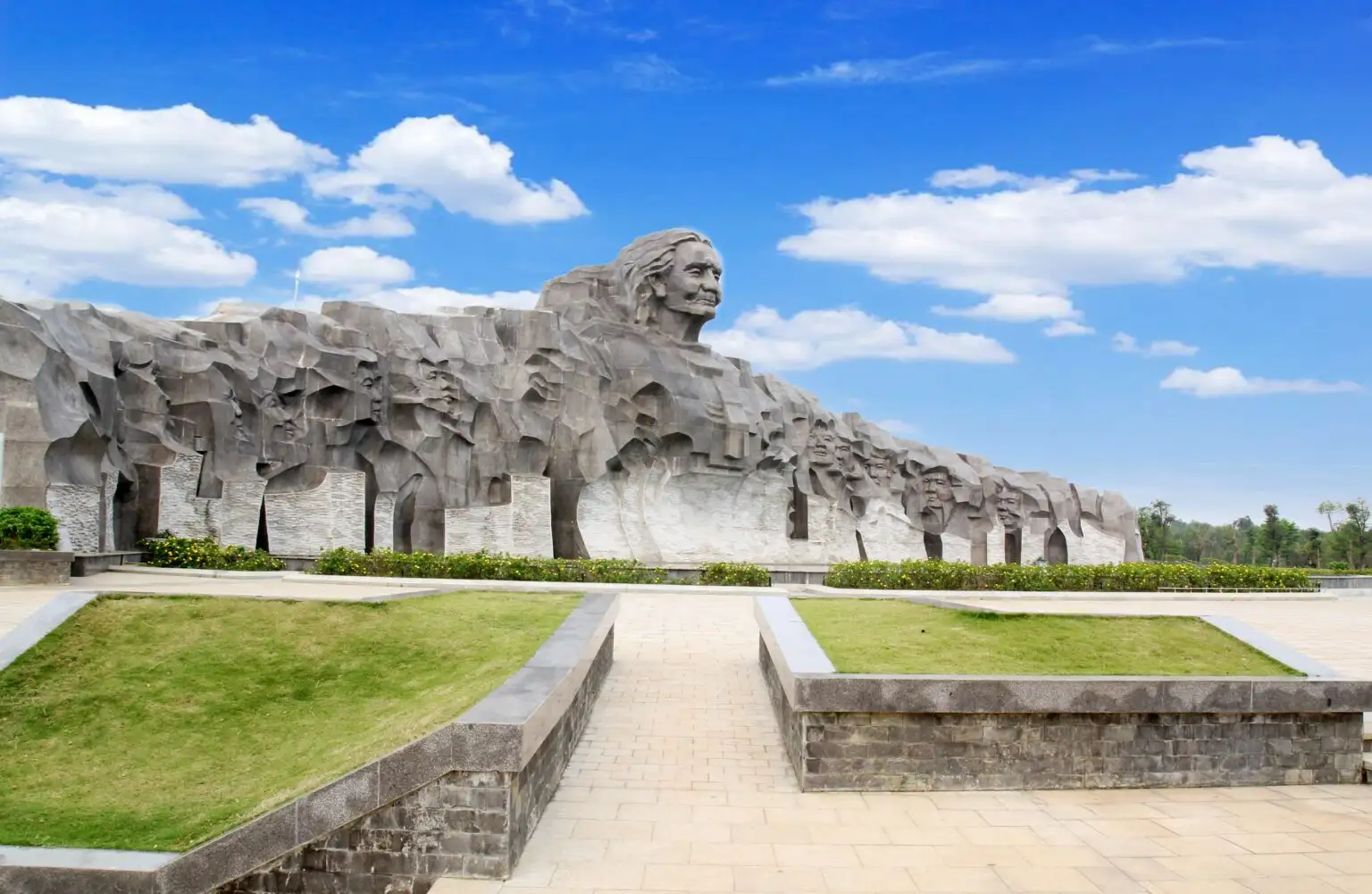
Spanning over 15 hectares, the complex includes not only the central statue but also a large square, a semicircular lake, memorial areas, and a well-planned system of walkways. Completed in 2015, it has quickly become one of the most important cultural and historical landmarks in central Vietnam.
Notably, it is considered the largest monument dedicated to mothers in Southeast Asia, impressive not only in scale but also in emotional depth. Each year, it attracts thousands of visitors, especially during commemorative occasions such as War Invalids and Martyrs’ Day (July 27).
Visiting guide to Vietnamese Heroic Mother Monument in Quang Nam
A visit to the Vietnamese Heroic Mother Monument doesn’t require complicated planning, but knowing a few practical details in advance can make your experience smoother and more meaningful. From when to go to how to reach the site, these essentials will help you navigate your visit with ease.
Opening hours & Ticket prices
The Vietnamese Heroic Mother Monument is open daily and free of charge, with no official entrance gate, so visitors can access the site at any time. However, the most suitable visiting hours are typically during the day, especially from around 7:00 AM to 5:00 PM, when visibility is good and the weather is more manageable.
The inner memorial and exhibition space inside the monument may follow administrative hours (morning and early afternoon), but it is not always open on a fixed schedule. In some cases, it only opens for official visits or special occasions, so access may vary.
How to get there
The Vietnamese Heroic Mother Monument is located about 5–7 km from the center of Tam Ky, making it an easy 10–15 minute drive by car or motorbike. The route is straightforward, with clear roads leading up to the monument area.
If you are traveling from Hoi An or Da Nang, the journey typically takes around 1 to 2 hours. Many visitors choose to combine this trip with other nearby destinations, turning it into a meaningful cultural day trip through central Vietnam.
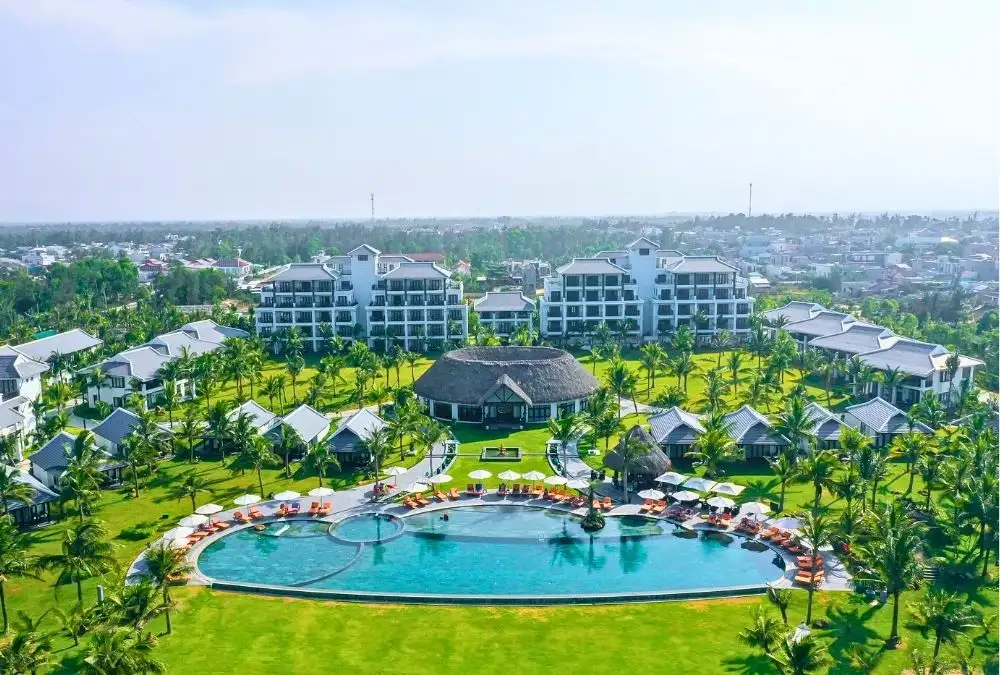
For a more comfortable and hassle-free experience, you can consider using private transportation services from Bliss Hoi An Beach Resort & Wellness. Located along the peaceful coastline, this resort not only offers a relaxing stay but also provides convenient private car transfers to destinations like Tam Ky and the monument. This option is especially suitable if you prefer a flexible schedule, air-conditioned comfort, and a smooth round trip without worrying about navigation or return transport. Bliss Hoi An also provide a Vinh Moc Tunnels & Mother Thu Monument tour for people who are interested in history.
Inspiration behind the design
The monument is modeled after Nguyen Thi Thu, a mother who lost nine sons, one son-in-law, and two grandchildren in the war. Her life story represents the ultimate level of sacrifice endured by many Vietnamese families.
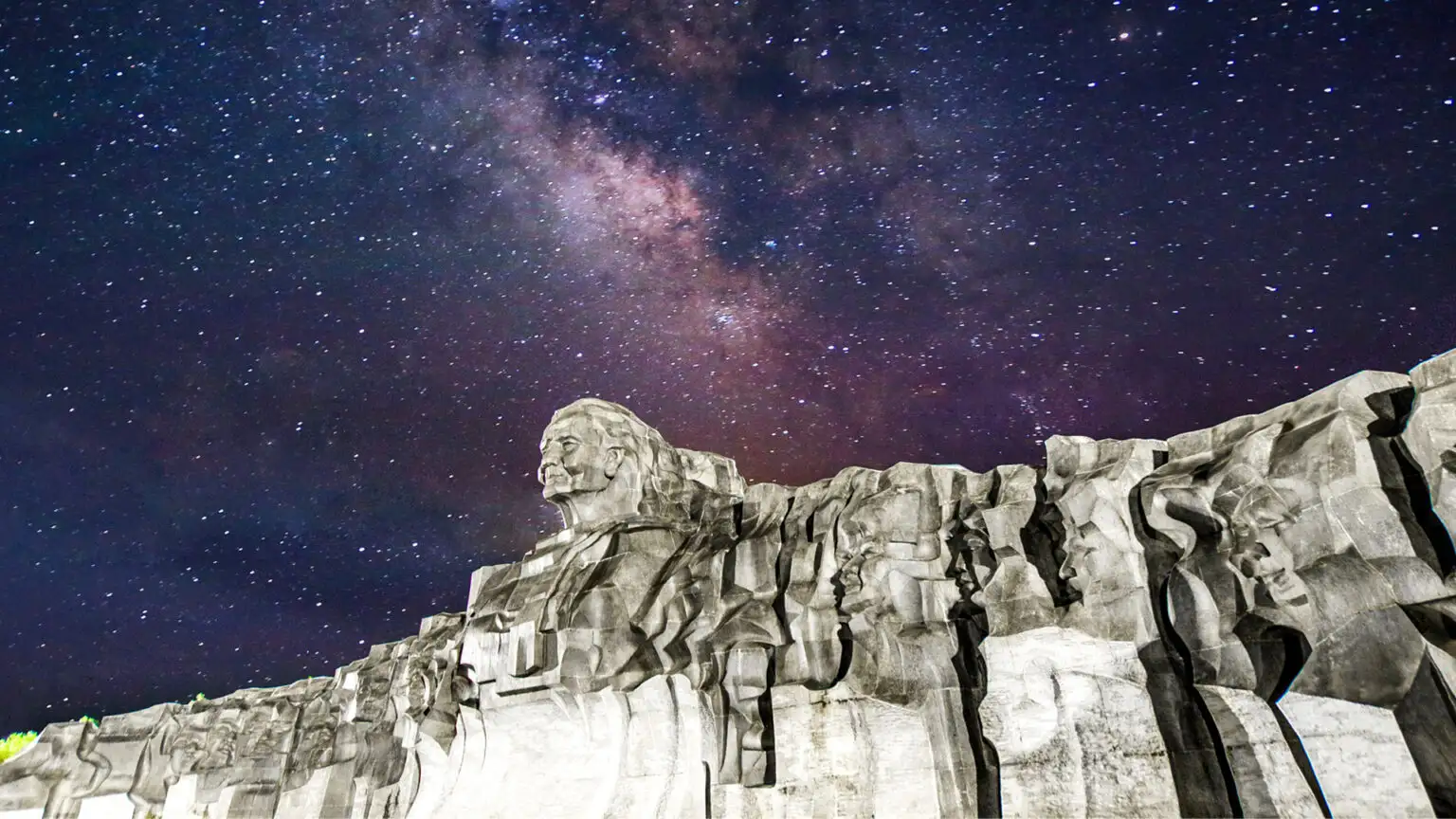
However, the monument goes beyond honoring a single individual. The image of Mother Nguyen Thi Thu was chosen to symbolize millions of vietnamese heroic mother figures across the country, women who silently endured immense loss while maintaining unwavering faith in peace and independence. Standing before the monument, visitors do not simply see one person, but rather a collective image of Vietnamese mothers: compassionate, resilient, and profoundly selfless.
Monument complex layout and key features
The monument is not a standalone structure but a large-scale national memorial complex, carefully planned to preserve and honor the legacy of Vietnamese Heroic Mothers.
Covering approximately 15 hectares on Cam Mountain, construction began in 2007 and was completed in 2015. The monument is built primarily from natural sandstone, with the central statue measuring about 18.5 meters in height, nearly 85 meters in width, and stretching over 100 meters in length. Its curved form resembles a mountain range, symbolizing the strength and enduring protection of the Vietnamese mother.
At the heart of the complex is the image of a mother with outstretched arms and a gentle yet contemplative expression, representing the silent sacrifices of countless vietnamese heroic mother figures. While inspired by Nguyen Thi Thu, the design intentionally carries a universal meaning that reflects the identity of Vietnamese mothers throughout history.
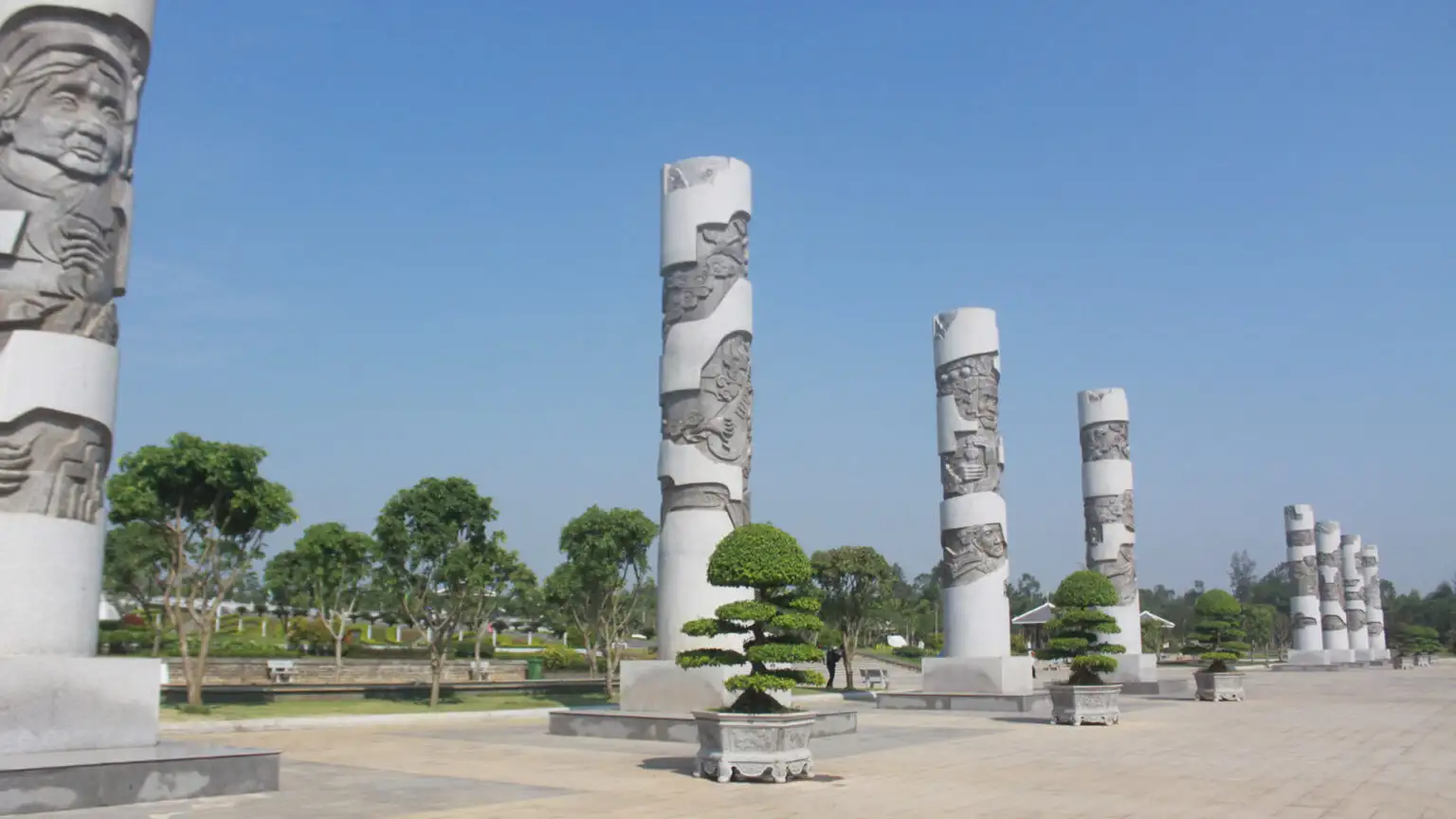
In front of the monument lies a large square combined with a semicircular lake, serving as a transitional space that enhances both visual depth and solemnity. The entrance area is marked by eight massive stone pillars (often referred to as “legendary pillars”), each engraved with images of heroic mothers, guiding visitors emotionally from the very beginning of their journey.
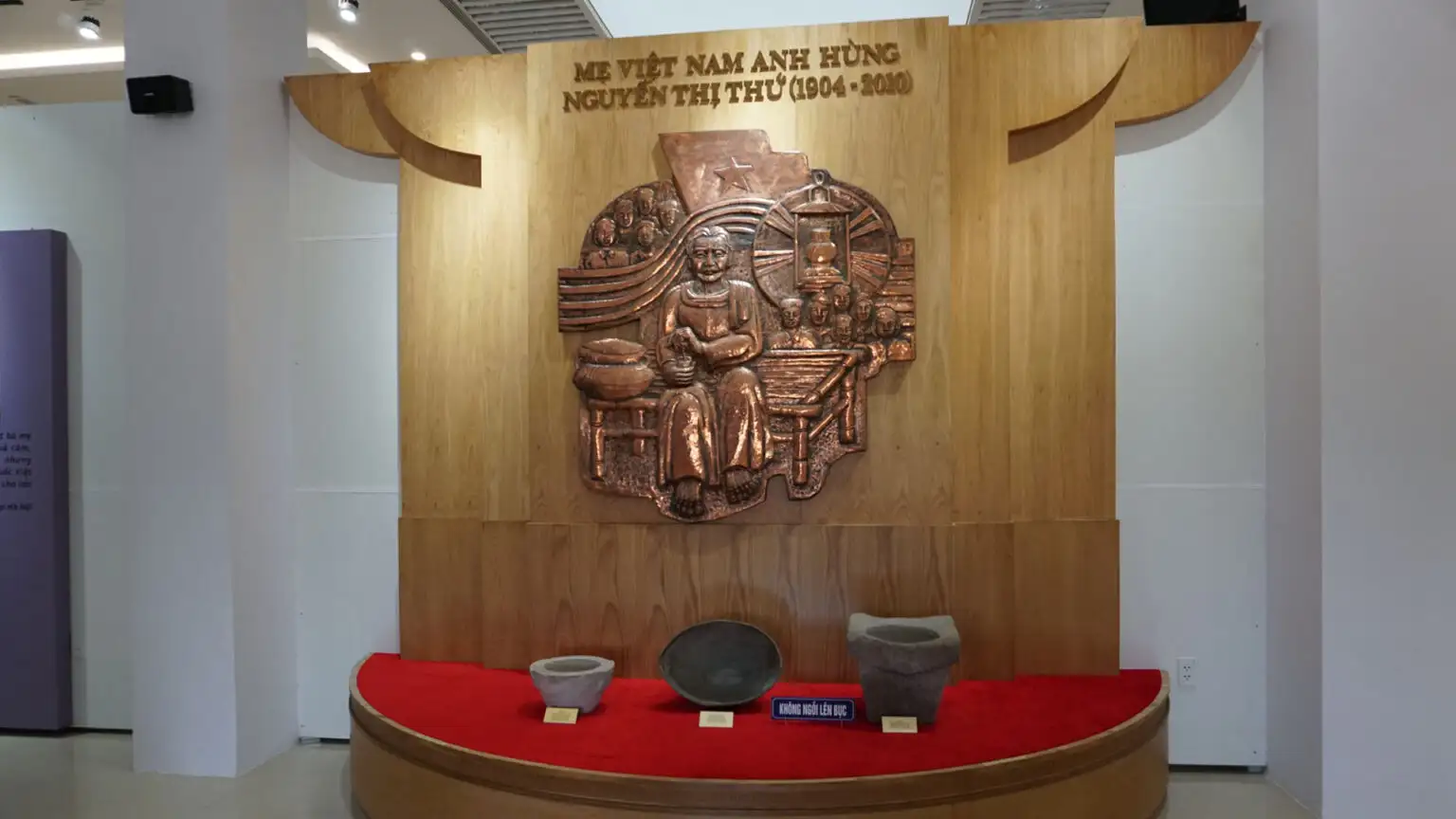
Inside the monument is a spacious memorial hall, where the names of more than 50,000 Vietnamese Heroic Mothers are inscribed. This area also features photographs, historical documents, and artifacts that bring to life the real stories behind the title heroic vietnamese mother. It is the most profound part of the visit, encouraging reflection and remembrance.
Surrounding the monument are landscaped gardens, walking paths, resting areas, and viewing points, creating a space that is both respectful and accessible. The harmonious blend of monumental architecture and natural surroundings makes this site not only historically significant but also one of Vietnam’s most meaningful cultural destinations.
Read more: 3D museum art in paradise Da Nang: A must-visit interactive art museum
Travel tips for visiting these sites
When exploring places to learn about the Vietnamese heroic mother, such as Truong Son National Cemetery, Vietnamese Heroic Mother Monument, or the Vietnamese Women’s Museum, a thoughtful approach will help you gain a deeper and more meaningful experience.
- Best time to visit: Early mornings or late afternoons are ideal, especially for outdoor memorial sites, as the weather is cooler and the atmosphere is quieter. Visiting on commemorative days such as July 27 can offer a more profound experience, though it may also be more crowded.
- Plan your route wisely: These sites are spread across different regions of Vietnam, so it’s best to integrate them into a broader travel itinerary. For example, you can visit historical sites in central Vietnam alongside Quang Tri and Quang Nam, or include museums in major cities like Hanoi as part of your cultural exploration.
- Dress and behave respectfully: Since these are memorial and cultural heritage sites, visitors should wear modest clothing and maintain a respectful attitude. Keep your voice low, avoid disruptive behavior, and be mindful when taking photos, especially in sacred or commemorative areas.
- Take time to engage with the stories: Don’t rush your visit. Reading exhibition panels, observing artifacts, or listening to guides can help you better understand the real lives behind the title heroic vietnamese mother, making the experience far more impactful.
Approaching these sites with awareness and respect will transform your journey into something more than sightseeing, it becomes a meaningful way to connect with Vietnam’s history and honor the sacrifices of its people.
Understanding the vietnamese heroic mother is not only about learning history, but also about recognizing the values of sacrifice, gratitude, and national identity that continue to shape Vietnam today. Whether through historical narratives or visits to memorial sites, this symbol remains deeply relevant, reminding each generation of the cost of peace and the strength found in resilience.

Related Posts
Private Tours from Hoi An Beach Resorts: Discover Central Vietnam from Bliss Hoi An
How much does a Hoi An wedding for 40 guests cost?
Is fine dining Hoi An really worth the price? What are travelers paying for?
Cau Bong Festival in Hoi An: Inside Tra Que’s Agricultural New Year Tradition
Top 8 things to consider for a wedding in Hoi An with 20 guests