

The Real Vietnam Experience: What It’s Actually Like to Explore Hoi An’s Coastline

A genuine Vietnam experience isn’t found in a checklist of landmarks. It’s the smell of grilled fish on a beach stall, a fishing boat engine at dawn, and a five-star pool sitting ten minutes from a working fishing village. This guide breaks down what that experience actually looks like on Hoi An’s coastline, and how to structure a trip around it.
What Does an Authentic Vietnam Experience Actually Look Like?
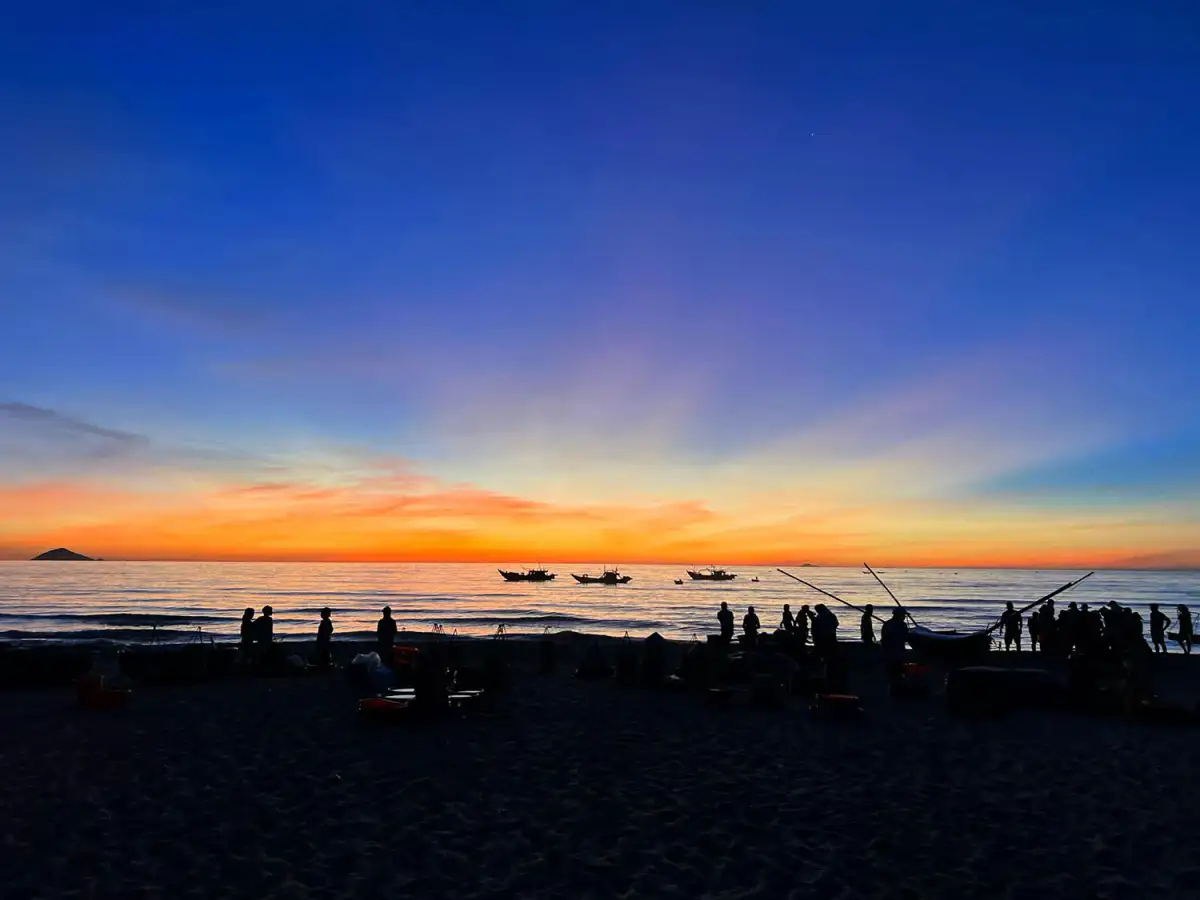
Ask ten travelers what defines their Vietnam experience, and most mention the same three things: the food, the pace of daily life, and how close luxury sits to real, everyday village life. Vietnam rarely separates the two. A guest can watch fishermen sort their catch at sunrise, then be back at an infinity pool by 9 a.m., and neither moment feels out of place.
This overlap is what sets central Vietnam apart from the busier north and south. Hanoi and Ho Chi Minh City move fast, driven by traffic and density. The coastline around Hoi An moves slower, built around beach mornings, riverside markets, and a centuries-old trading town that tourism never fully modernized.
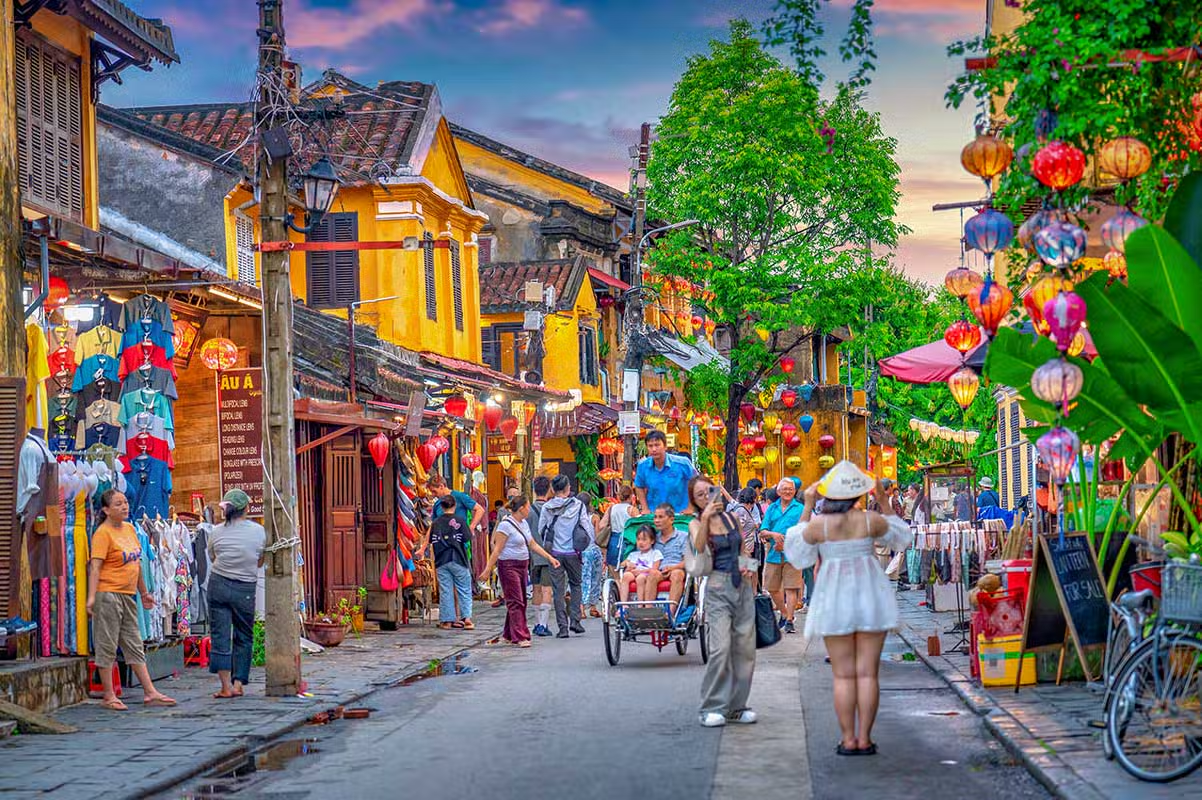
The best trips also leave room for the unplanned. A wrong turn into a side-street food stall or a conversation with a driver often becomes the highlight of the whole visit. Building loose time into the schedule, rather than booking every hour, is usually what separates a rushed trip from a memorable one.
Why Hoi An’s Coastline Offers the Most Complete Version of the Experience
Vietnam’s coastline runs over 3,260 kilometers, and each region delivers a different kind of trip. The north brings mountains and Ha Long Bay’s limestone karsts; the south brings Ho Chi Minh City’s energy and the Mekong Delta’s floating markets. Central Vietnam sits between the two, and this is where beach, history, and wellness overlap in one place.
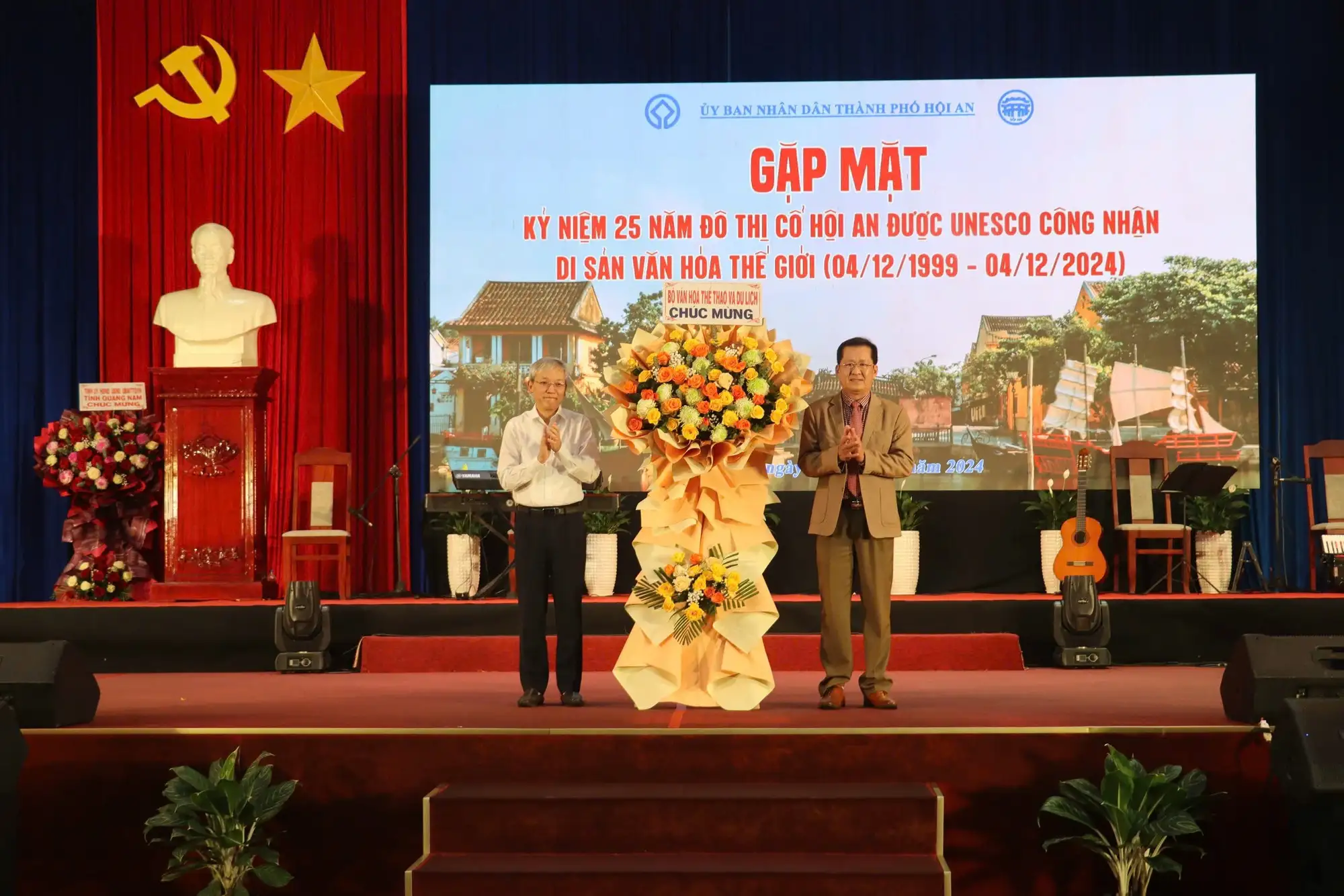
Hoi An’s Old Town, recognized as a UNESCO World Heritage Site since 1999, sits about 20 minutes from the quieter Binh Minh Beach stretch, with Da Nang International Airport roughly an hour away. Few destinations let travelers swap between old-town wandering and private beach time this quickly.
Picking the right region matters more than most first-time visitors expect, since it shapes trip length and how much time gets lost to transit. For a longer, multi-region trip, see our guide on how many days a Vietnam trip realistically needs, and our breakdown of Vietnam’s best beaches by region for how the central coast compares.
A Sample Day: Living the Vietnam Experience from Sunrise to Sunset
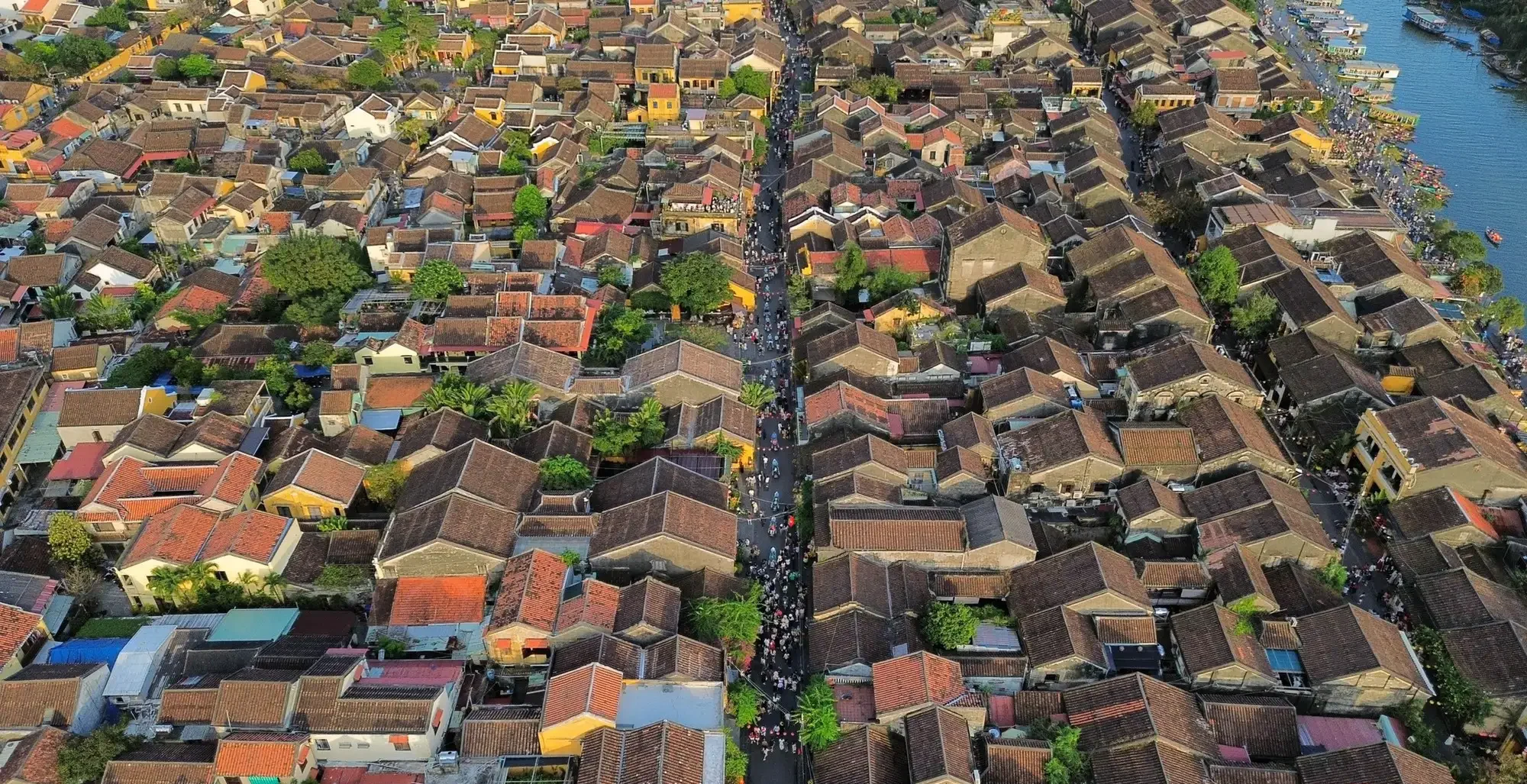
Here’s what an actual day looks like from a coastal base like Bliss Hoi An Beach Resort & Wellness, showing how little travel is needed between very different experiences.
| Time | Activity | Why It Matters |
| 5:30-6:30 AM | Walk the beach as fishermen return with the night’s catch | The least “touristy” moment of the day |
| 7:00-8:30 AM | Breakfast by the pool or beachfront restaurant | Seafood and produce are freshest in the morning |
| 9:00-12:00 PM | Explore Hoi An Ancient Town, a museum, or a tailor shop | Culture and shopping before the afternoon heat |
| 12:30-2:00 PM | Lunch and downtime by the infinity pool or spa | Midday sun makes indoor relaxation the smarter choice |
| 3:00-5:30 PM | Cycling through rice paddies, a cooking class, or a boat trip | Cooler light, fewer crowds, better photos |
| 6:00-8:00 PM | Sunset drink at a beachfront bar, dinner with ocean views | The signature moment most guests remember most |
Mornings start early for a reason: the light is soft, the heat is manageable, and the beach still belongs to fishermen rather than tourists. Guests who get outside before 7 a.m. consistently call it one of the most memorable parts of the whole trip.
Afternoons work best with lower-effort plans, since central Vietnam’s midday heat between April and August can be intense. A resort base with a pool and shaded gardens turns this from a dead zone into useful recovery time. Evenings, meanwhile, are when the coast looks its best, with golden light and grilled seafood smell drifting down the beach.

The Food Experience: What You’ll Actually Eat and Where
Food is consistently the top reason travelers say their Vietnam trip exceeded expectations. Central Vietnam has its own culinary identity worth knowing before arrival, starting with Cao Lau, a regional noodle dish made with water drawn from specific ancient wells and rarely found outside Hoi An.
Street food here rewards curiosity over caution. Small plastic-stool stalls along the riverside or tucked into back alleys often beat formal restaurants on freshness, and locals are usually happy to point visitors toward their favorites nearby.

Cooking classes are one of the most requested additions to any Vietnam trip. Most start with a market visit to pick fresh herbs and seafood, then move to hands-on lessons in spring rolls, banh xeo, or a regional seafood curry – a slower, more memorable way to understand the food than simply ordering it.
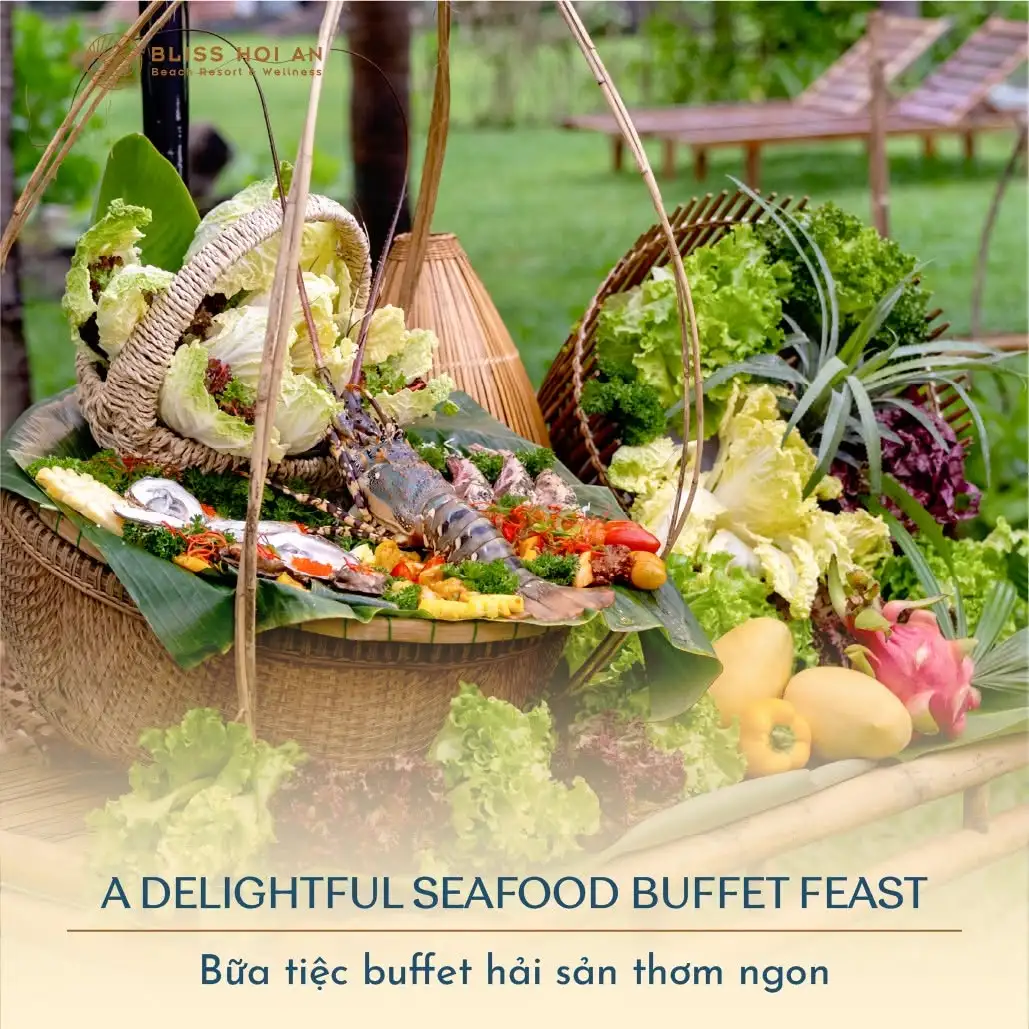
For travellers who prefer a more relaxed dining experience without leaving the resort, Bliss Hoi An offers seasonal culinary events that bring local flavours together in a comfortable beachfront setting. The Seafood BBQ Buffet at Bliss Hoi An features a diverse selection of fresh seafood grilled on the spot, allowing guests to enjoy a generous seafood feast while taking in the resort’s peaceful atmosphere. Combined with gentle live music and an open-air dining space at Binh Minh Restaurant, the experience is designed for families, couples, and groups looking for a memorable evening after a day of exploring Hoi An.
Guests who prefer not to leave the resort still get a real taste of the region at Binh Minh Restaurant, where the Ocean Bar mixes cocktails from sugarcane rum distilled locally in Quang Nam province.
The Cultural Experience: Ancient Town, Fishing Villages, and Local Life
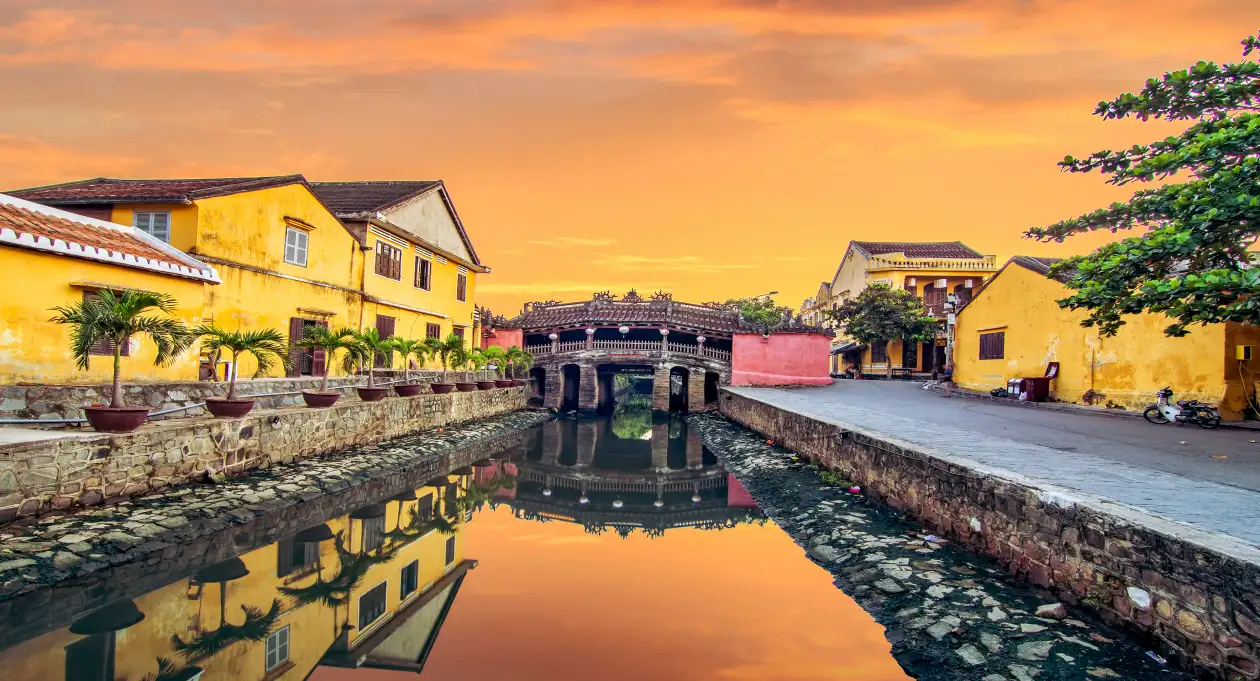
Hoi An’s Old Town is the cultural centerpiece of the region, and its compact size surprises most first-timers. A single afternoon can cover a 400-year-old Japanese covered bridge, a Chinese assembly hall, and a tailor shop, all within a 15-minute walk.
Read more: The Hoi An Vietnam Museum Crawl: 2,000 Years of History, One Ticket, One Afternoon
Beyond the Old Town, the fishing villages along Nam Hoi An Beach offer a rawer kind of experience. Walking the shore at dawn as boats return puts visitors directly into a fishing community’s rhythm, one that predates the resort industry by generations.
Two lesser-known spots worth the detour: Ban Than Reef, a striking black volcanic coastline covered in our Ban Than Reef guide, and the countryside routes past rice paddies and river villages in our Hoi An cycling guide.
The Wellness Experience: Balancing Adventure with Rest
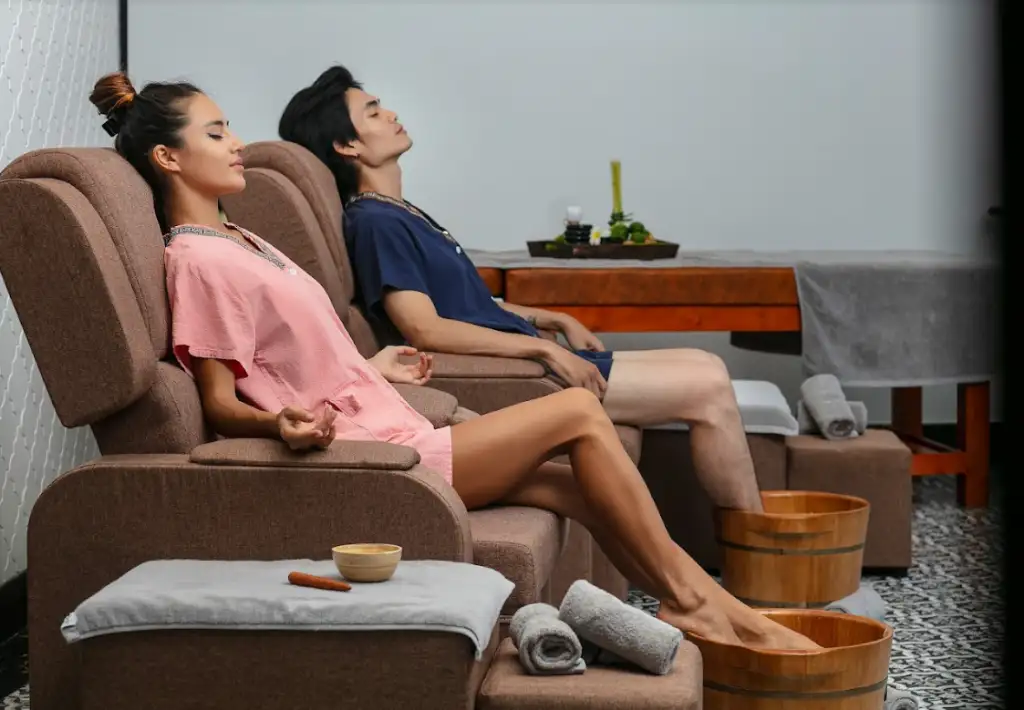
A full Vietnam experience isn’t only sightseeing; pacing matters just as much as the itinerary itself. Central Vietnam’s growing wellness scene reflects this, with resorts building spa and quiet green space into the core of a stay rather than treating it as an add-on.
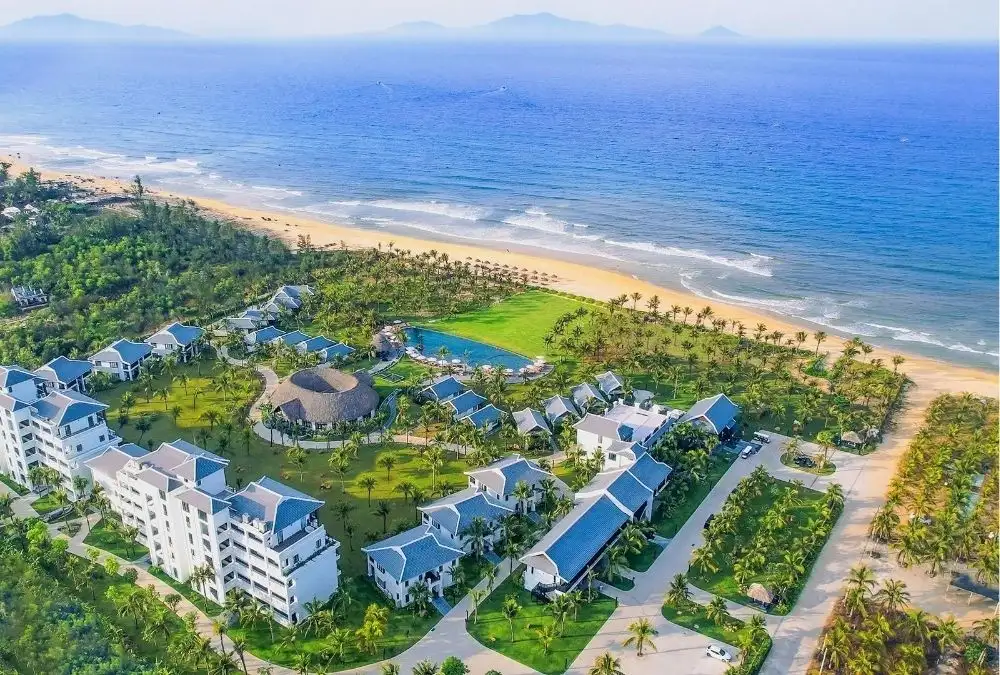
At Bliss Hoi An Beach Resort & Wellness, this shows up in the layout: only 135 rooms and villas spread across 5 hectares of tropical garden. The low building density keeps the grounds quiet even in busier seasons, and several Tripadvisor reviewers specifically describe the gardens and pool area as genuinely calm rather than just photogenic.
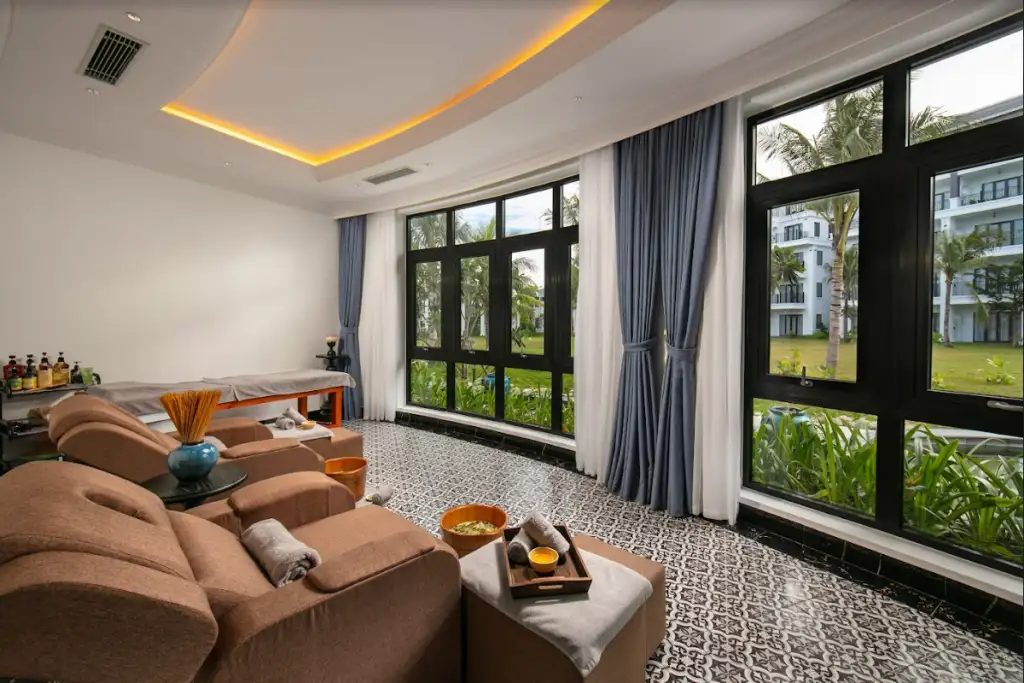
The centerpiece is Ngoc Linh Spa, which sits among thatched roofs and coconut groves, it offers dry and wet saunas alongside therapeutic massage, and multiple guest reviews single out the spa staff’s warmth as a highlight of their stay.
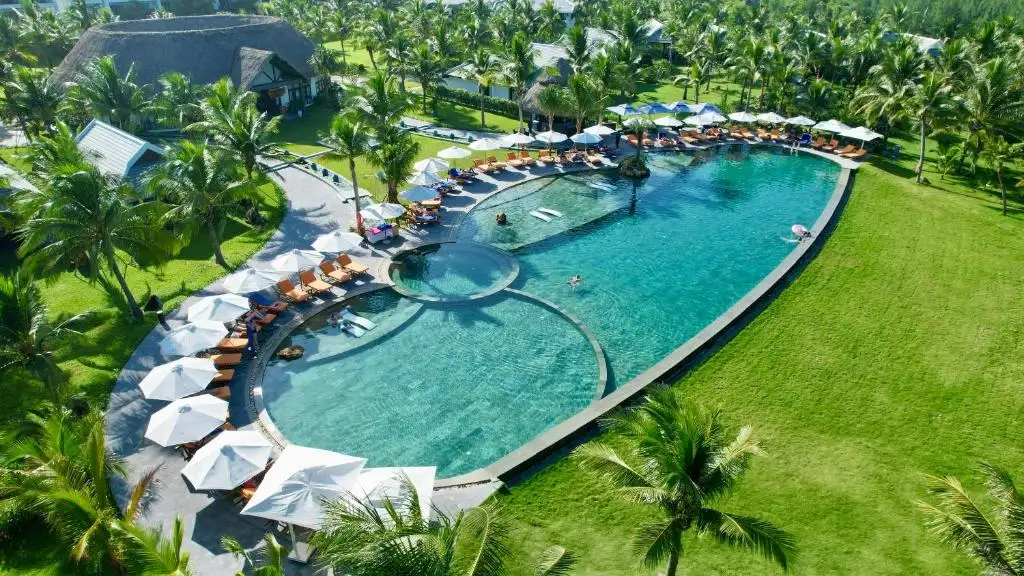
Active guests get the resort’s 55-metre infinity pool, longer than a standard Olympic pool, sitting directly beside the private beach with an outdoor jacuzzi attached. Between the pool, beach, and spa, alternating between adventure and rest takes minutes, not a full travel day. Room and spa packages can be checked directly through Bliss Hoi An Beach Resort & Wellness.
Where to Base Your Vietnam Experience: Bliss Hoi An Beach Resort & Wellness
The base a traveler picks decides how much time gets spent commuting versus actually enjoying the country. Bliss Hoi An Beach Resort & Wellness sits directly on Binh Minh Beach, a stretch popular with locals since the 1990s but largely free of the crowds found closer to Da Nang.
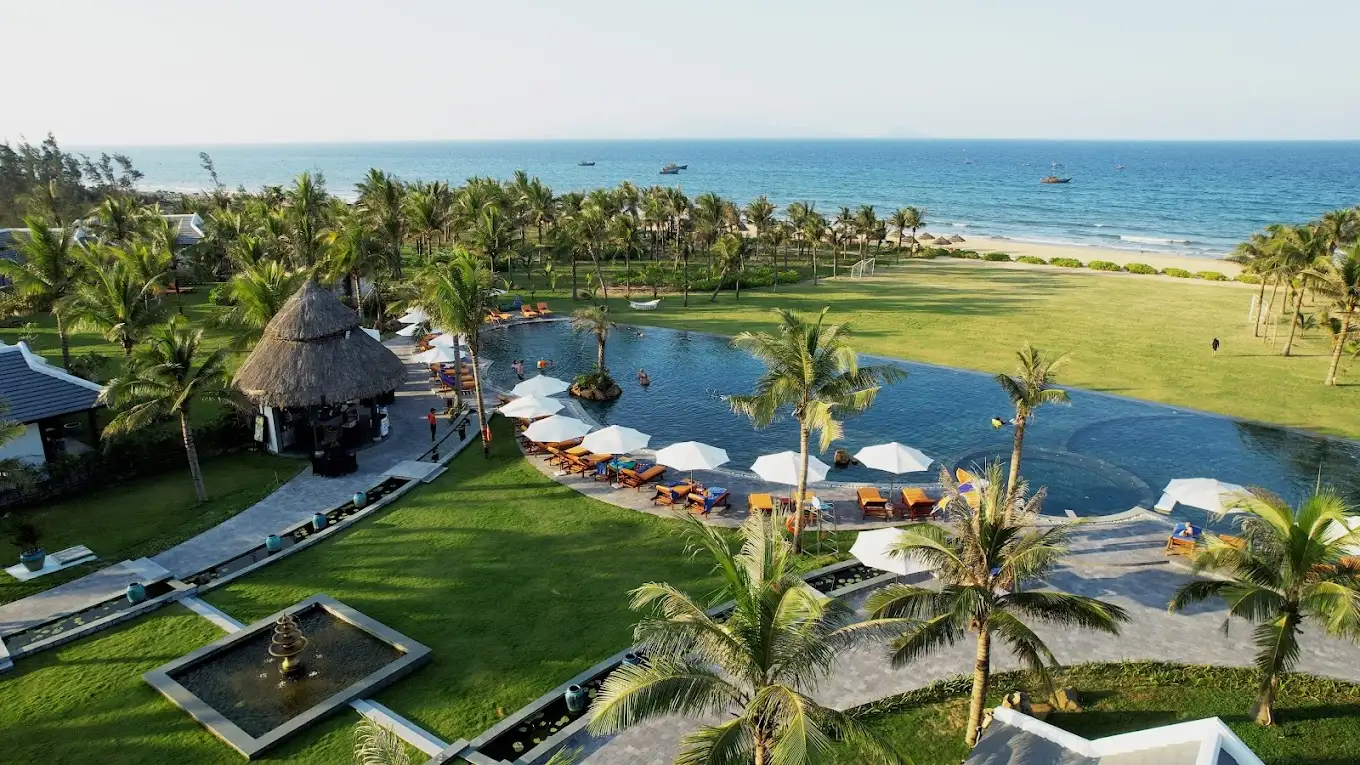
The resort holds roughly 250 meters of private beachfront, so guests reach the sand without crossing a public road. Every room measures above 51 square meters, larger than most beach resorts in the region, with balconies that frame views toward Cu Lao Cham island on clear days.
For the most private option, the Two-Bedroom Ocean Front Pool Villa comes with its own sea-facing pool, popular with couples and families alike. Several recent guest reviews describe their stay here as a highlight of an entire Vietnam trip, specifically mentioning how the team handled small issues without being asked twice.
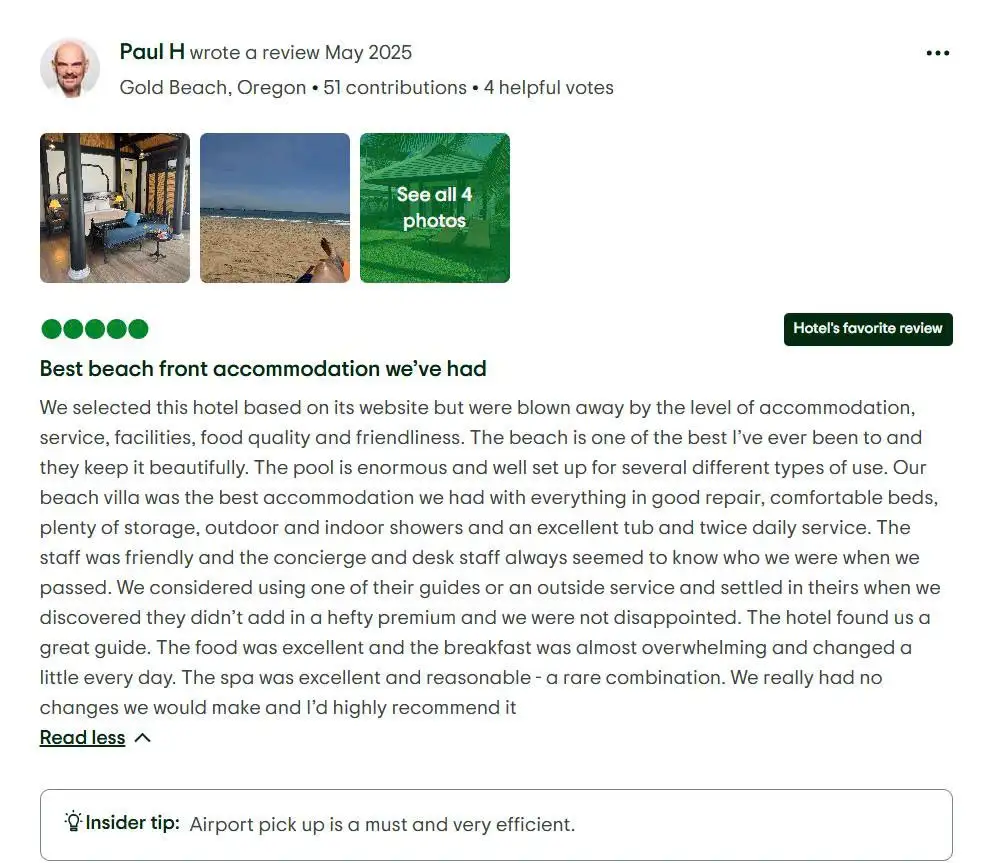
A free daily shuttle bus connects the resort to Hoi An’s Old Town, consistently named by guests as one of the most convenient features of staying here. Combined with private beach access and repeat Tripadvisor Travelers’ Choice recognition, it’s a common single-base choice for the whole region.
Read more: Luxury resort in Hoi An – A Traveler’s Guide to the Best Beachfront Stay in 2026
Practical Tips for Planning Your Vietnam Experience
A few logistical details separate a smooth trip from a stressful one:
- Best time to visit: February-July is generally the driest, sunniest window for beach time; October-December brings occasional flooding around the Old Town but fewer crowds.
- Getting there: Da Nang International Airport is the closest gateway, about an hour’s drive from the coast.
- Visas: Most nationalities can apply through Vietnam’s official e-visa portal, valid for up to 90 days; passports need at least 6 months’ validity.
- How long to stay: 4-5 days covers the beach and Old Town without feeling rushed; many guests extend to a week.
- Currency: The Vietnamese Dong (VND) is standard; cards work at hotels and larger restaurants, but street stalls are cash-only.
Read more: How Many Days for a Vietnam Trip? The Complete 2026 Guide for First-Time Travelers
Frequently Asked Questions About the Vietnam Experience
What makes central Vietnam different from Hanoi or Ho Chi Minh City?
→ It moves slower and combines beach relaxation with a well-preserved historic town, while the two major cities offer a faster, more urban style of travel.
Is Hoi An too touristy for an authentic experience?
→ The Old Town gets busy in the evenings, but a base on quieter Binh Minh Beach and morning visits to town easily avoid the heaviest crowds.
How many days should I spend in the Hoi An area?
→ Most travelers find 4-5 days enough for the ancient town, the beach, and one countryside or boat excursion.
Do I need to book tours in advance?
→ Booking key experiences like cooking classes or cycling tours a few days ahead through the resort is safer, especially in peak season.
Is central Vietnam good for both families and couples?
→ Yes – a calm private beach, resort pool, and walkable Old Town suit both slower family trips and romantic getaways equally well.
A genuine Vietnam experience is built from early mornings on the sand, unplanned conversations, and enough downtime to actually notice where you are. Hoi An’s coastline makes that easier than almost anywhere else in the country. To turn this guide into an actual itinerary, check current rates and availability at Bliss Hoi An Beach Resort & Wellness.

Related Posts
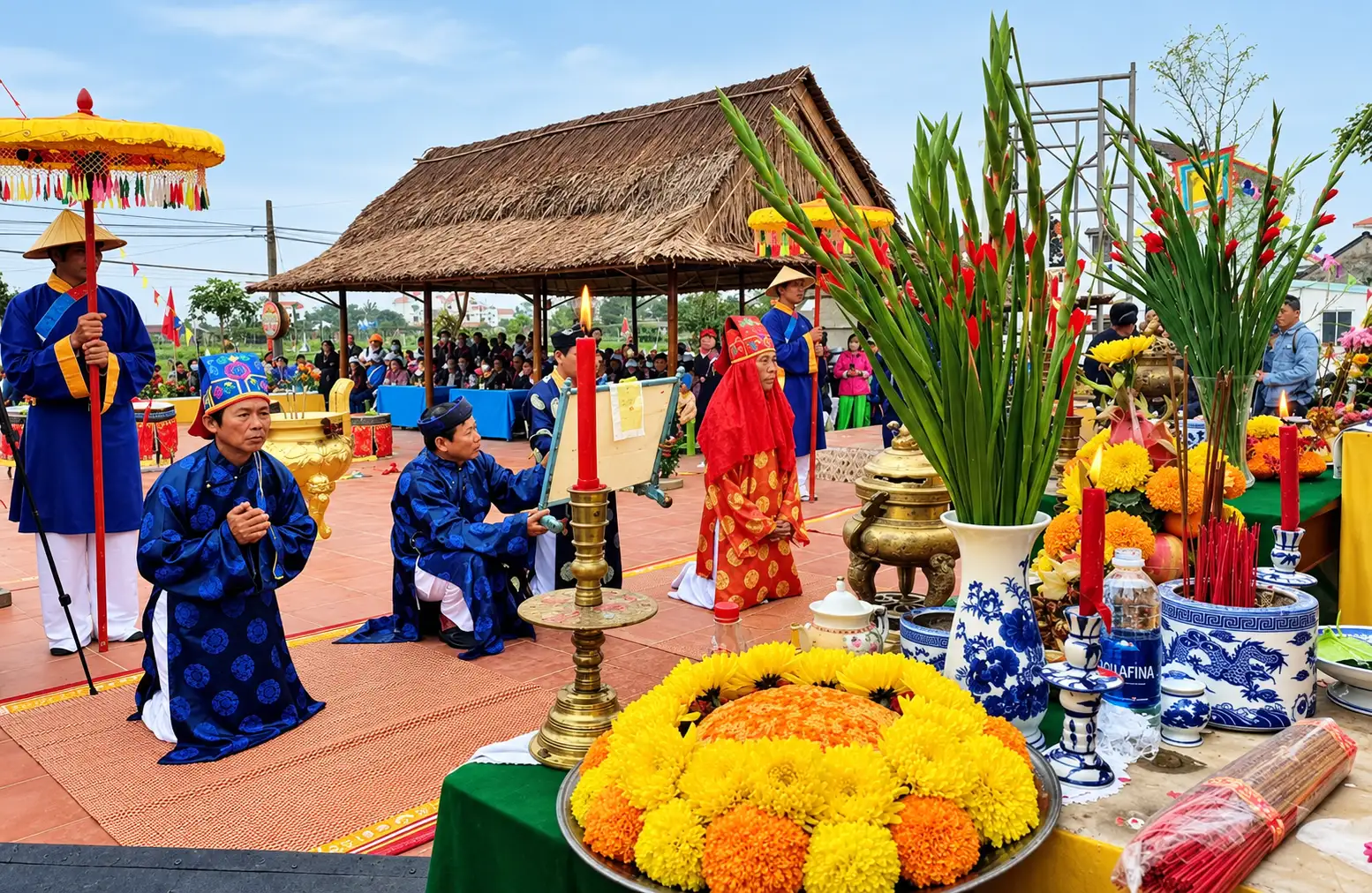
Cau Bong Festival in Hoi An: Inside Tra Que’s Agricultural New Year Tradition
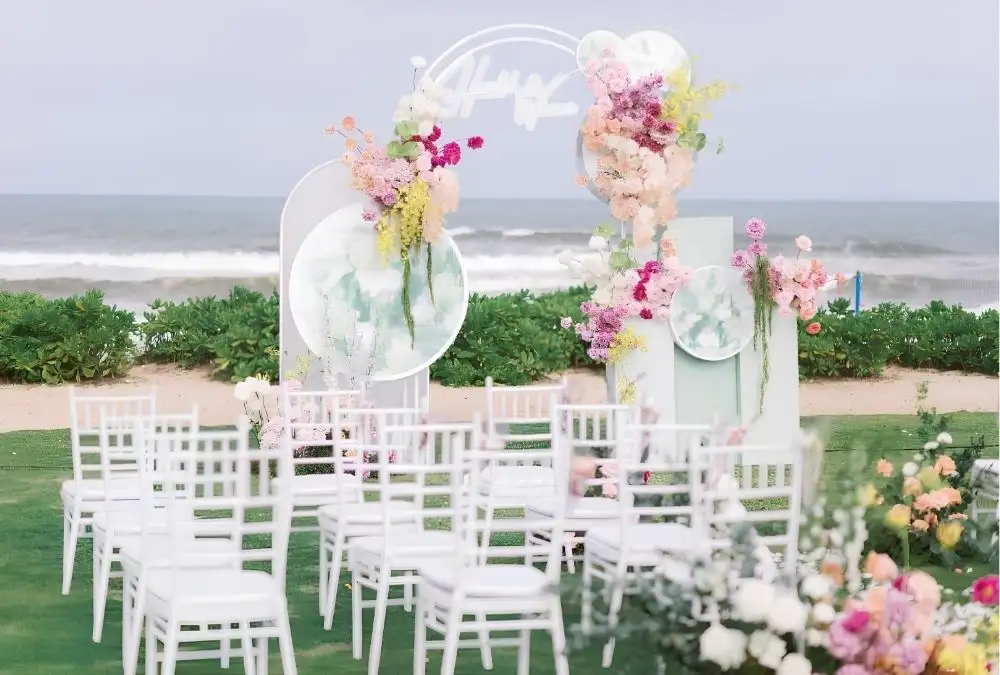
Top 8 things to consider for a wedding in Hoi An with 20 guests
Best Beach Resort in Hoi An: Top 7 things to avoid when choosing to stay
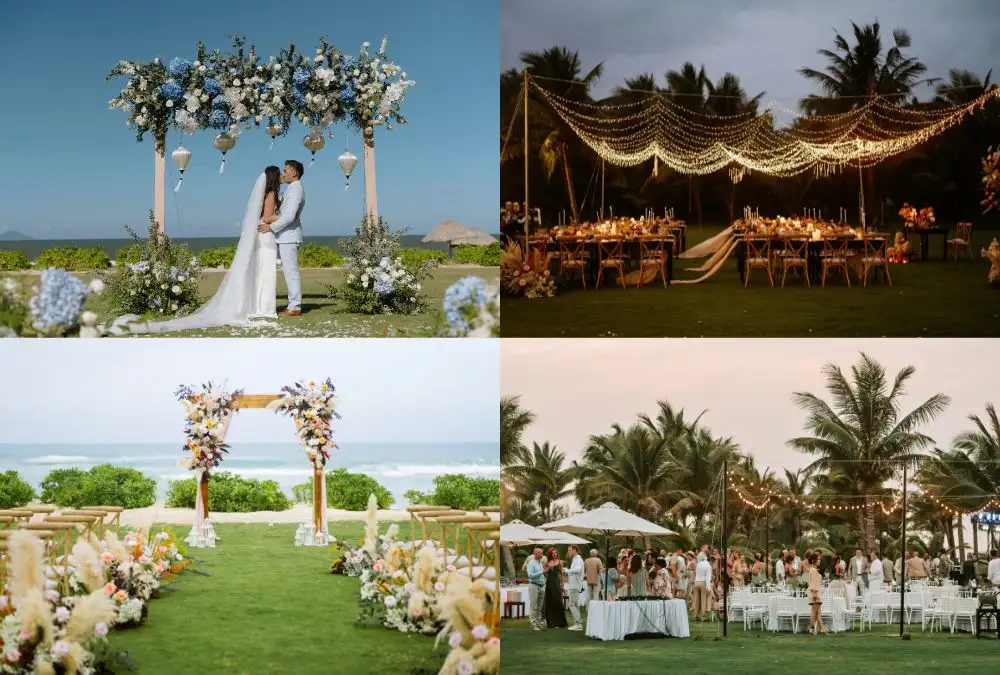
4 Hoi An wedding packages compared: Which one is right for you?
5 mistakes to avoid when self-driving from Hoi An to Quang Ngai in a day