

5+ facts about Hoi An that even repeat visitors don’t know (2026 Guide)
Facts about Hoi An usually stop at “it’s a UNESCO town with lanterns.” That’s the surface. Underneath, Hoi An runs on a set of rules, quirks, and local know-how that shape almost everything you’ll experience there – what you can build, what you can wear for photos, when the streets flood, and even why your money exchanges for less than it should. This guide skips the textbook history lesson and goes straight into the details that actually change your trip.
Quick Facts about Hoi An Table: Hoi An at a Glance (2026)
| Fact | Detail |
| UNESCO status | Recognized in 1999 as a World Cultural Heritage Site |
| Old Town ticket | 120,000 VND for foreign adults, 80,000 VND for Vietnamese visitors |
| Ticket covers | Entry to 5 of roughly 22 heritage buildings, not the streets themselves |
| Best photo tip | Avoid yellow clothing near yellow-walled houses |
| Custom tailoring | Simple items ready in as little as 2–4 hours |
| Flood risk season | Late September to November |
| Distance from Da Nang | About 30 km, roughly 45 minutes by car |
Every new building has to match a style that was fixed decades ago
Hoi An is likely the only place in Vietnam where a shop owner cannot simply repaint or rebuild a storefront however they like. Inside the protected heritage zone, any renovation, repair, or new construction has to follow the architectural style that was already recorded for that specific plot – the roofline, the wall color, the tile pattern, even the height. This isn’t a suggestion from a local tourism board; it’s an enforced heritage regulation tied directly to Hoi An’s UNESCO listing. One of the lesser-known facts about Hoi An is how strictly these rules are applied even to private homes.
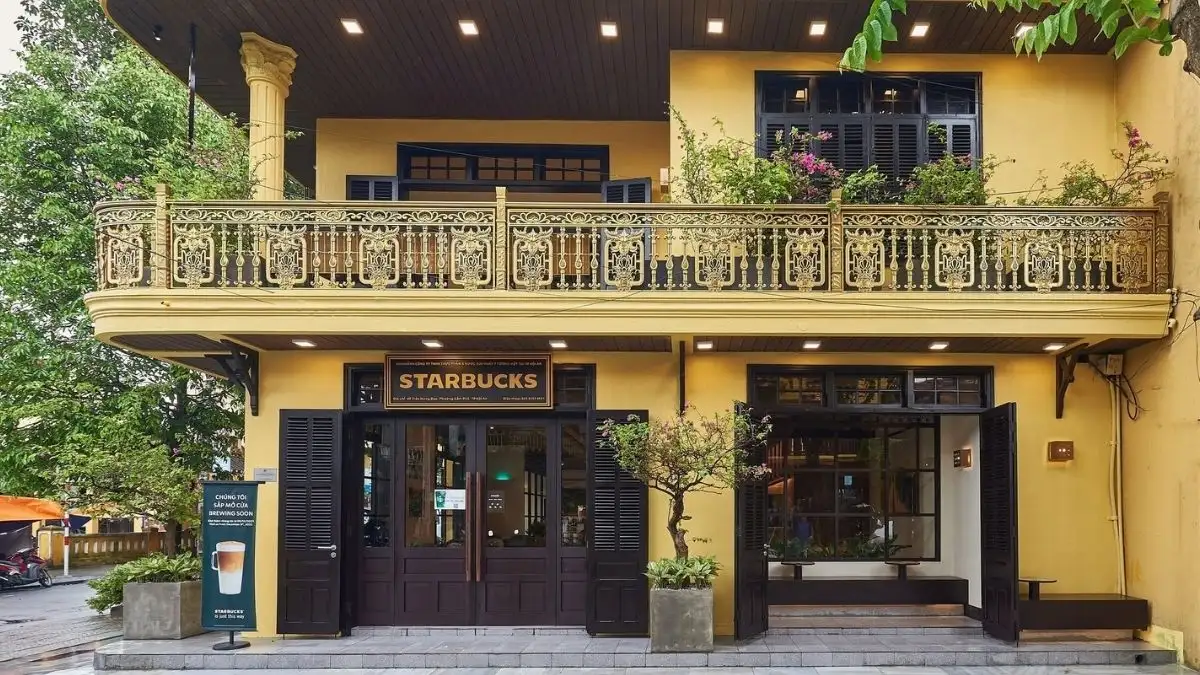
The result is a town where roughly 1,300 structures are formally protected, and a large share of them are still privately owned homes and shops rather than government museums. Families living inside these houses run their daily lives around a set of building codes most other cities would never impose on private property. That single fact explains why Hoi An still looks like a 19th-century trading port instead of a town that modernized block by block like almost everywhere else in the region. Among the practical facts about Hoi An, this heritage control is what keeps the visual consistency intact.
It also means every roof tile, wooden beam, and brick you photograph is functioning as a small piece of a global heritage record. Restorers use traditional materials and techniques specifically so the town doesn’t slowly turn into a replica of itself. If you want the full backstory on how Hoi An reached this UNESCO status and why the town looks the way it does today, our deep dive into Hoi An’s history and cultural crossroads covers the trading-port origins in detail.
You need a ticket to go there
This is the fact that trips up nearly every first-time visitor. Wandering the lanes of the Old Town, browsing shops, eating street food, and taking photos of the Japanese Covered Bridge from the outside costs nothing. The confusion starts the moment you try to walk into one of the roughly 22 protected heritage sites, because that’s where the entrance ticket actually applies. These ticketing details rank among the most useful facts about Hoi An for budget planning.
The current 2026 fee is 120,000 VND (about USD 5) for foreign visitors and 80,000 VND for Vietnamese nationals, and it comes as a booklet of five tear-off coupons. Each coupon lets you enter one site, and you decide which five as you go rather than declaring them upfront. Children under 1 meter tall usually enter free, while those between 1 and 1.4 meters typically pay a reduced rate.
| Ticket Type | Price (2026) |
| Foreign adult | 120,000 VND |
| Vietnamese adult | 80,000 VND |
| Child (1m–1.4m) | Reduced rate |
| Under 1m | Free |
Revenue from these tickets goes toward restoring and maintaining the very buildings you’ll be photographing, which matters given that most of them are privately owned rather than state property. For the full list of which sites are worth “spending” your five coupons on, our guide to Hoi An Old Town tickets breaks down each attraction individually.
Currency exchange inside the Old Town often beats you out of money
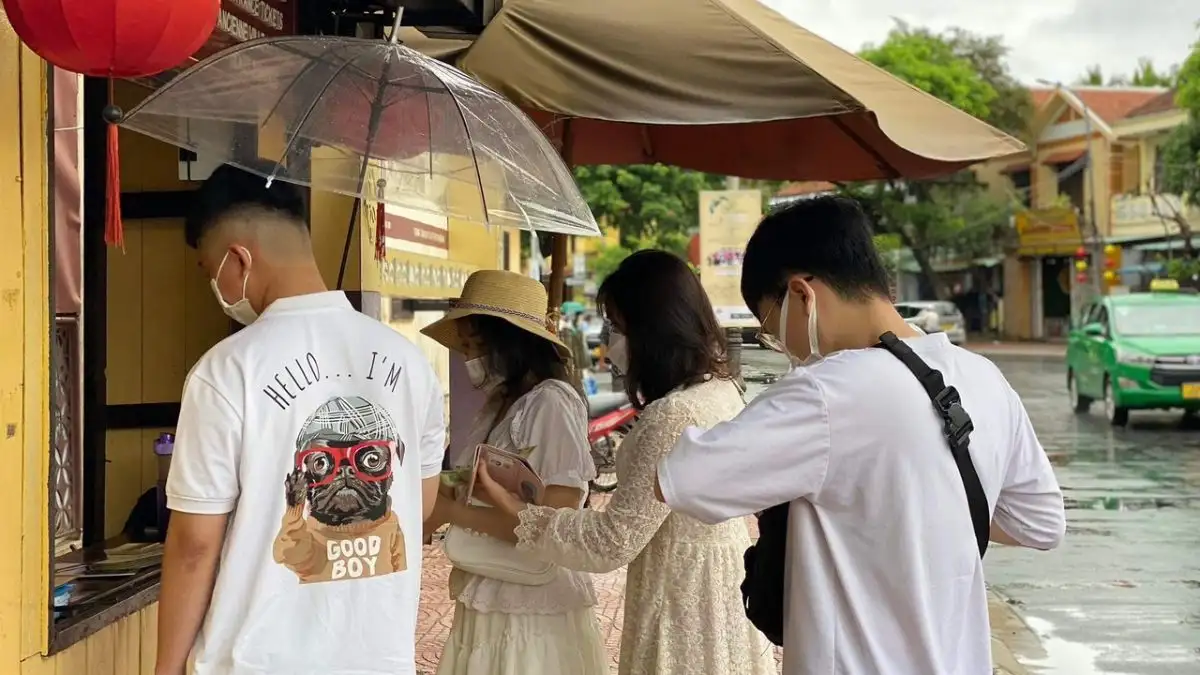
Gold shops inside the Old Town double as informal currency exchange counters, and it’s tempting to swap your dollars or euros the moment you arrive. The catch is that exchange rates offered by these small heritage-zone shops are usually noticeably weaker than what you’d get from proper exchange counters or banks just 30 km away in central Da Nang. This rate difference is one of the practical facts about Hoi An that frequent visitors learn the hard way.
This isn’t a scam exactly – it’s simply a pricing gap that comes from lower competition and higher tourist foot traffic inside a small historic district. Locals who live in Hoi An generally exchange money in Da Nang or through bank transfers rather than at these shops, precisely because the difference adds up over a multi-day trip. For a family exchanging several hundred dollars, that gap can mean a genuinely worse deal.
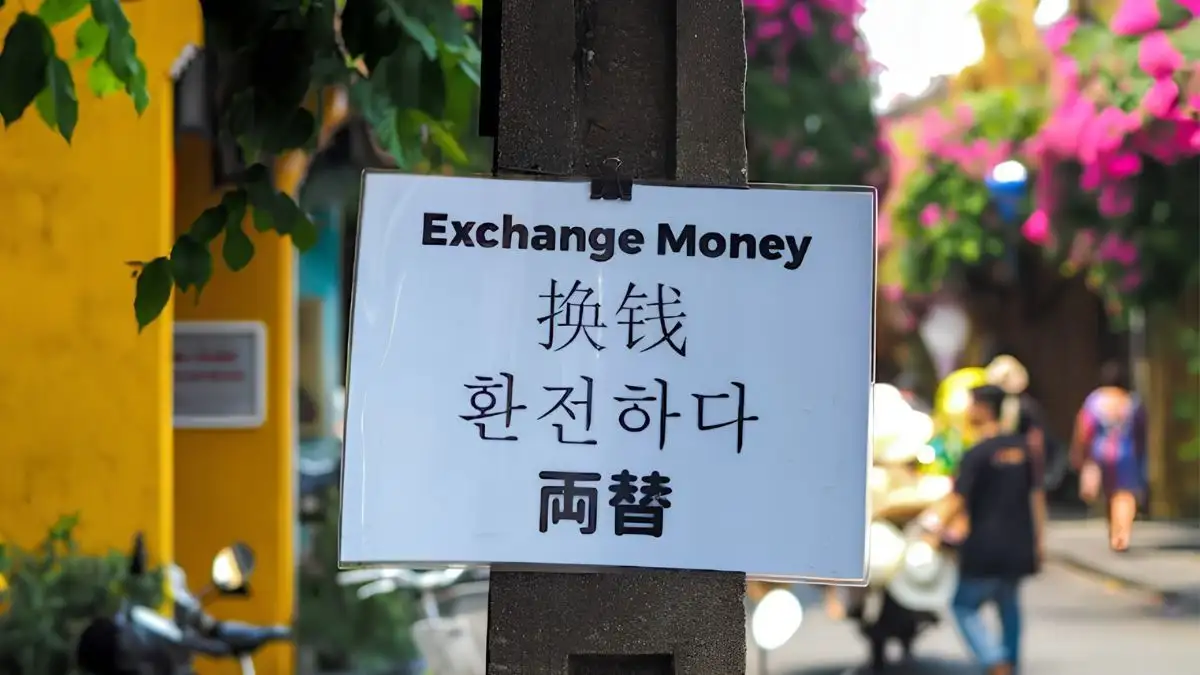
The simplest fix is exchanging a reasonable amount before you arrive in Hoi An, or using an ATM connected to your home bank, which typically applies a more standard rate than a street-side gold shop. If you do need cash inside the Old Town for a lantern, a coconut boat ride, or street food, changing a small amount is fine – just don’t convert your entire travel budget there.
Read more: Best area to stay in Hoi An, Vietnam: A complete guide for 2026 travelers
Wearing yellow for photos Is a rookie mistake
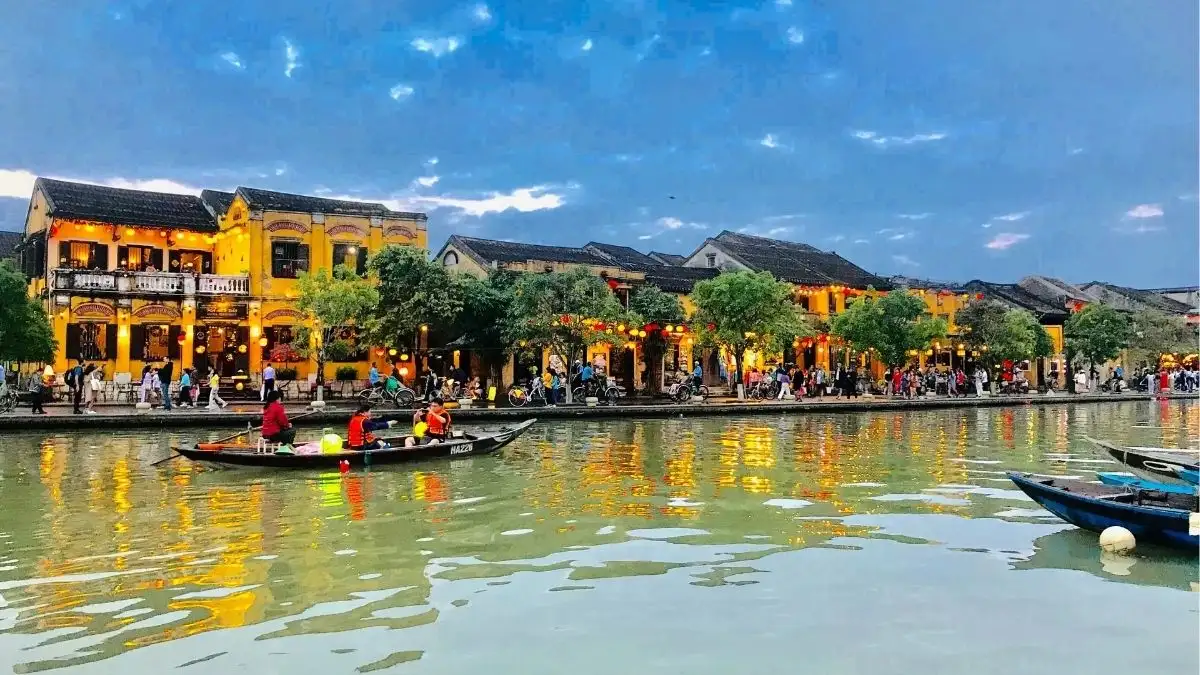
Hoi An’s most photographed buildings are painted a distinctive faded yellow, a color tied to the town’s French colonial period that has since become its visual signature. It photographs beautifully – until you stand in front of it wearing a yellow outfit yourself.
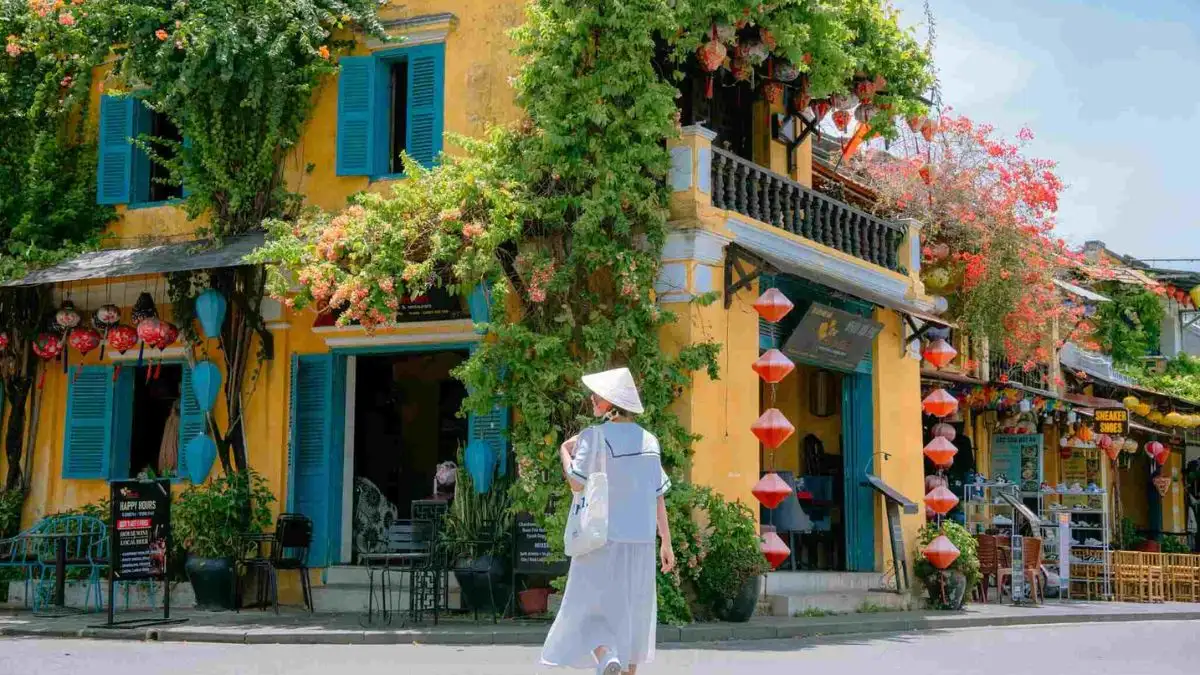
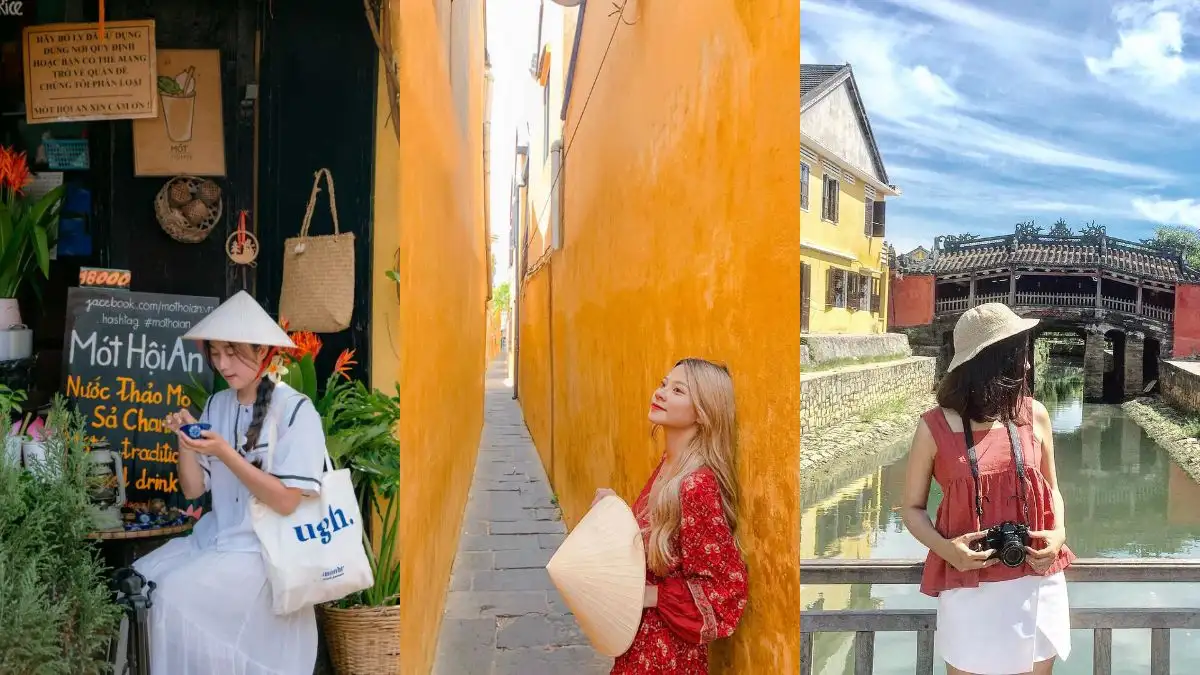
Photographers who work in Hoi An regularly warn visitors about this because a yellow shirt or dress blends directly into the wall color, flattening the contrast that makes those famous photos pop. Instead, guides and local photographers usually suggest colors that sit opposite yellow, like deep red, white, or soft blue and green tones, which stand out clearly against the walls and lanterns.
This sounds like a small styling detail, but it’s one of the most repeated pieces of advice from anyone who has actually shot photos professionally in the Old Town. If Instagram-worthy photos are part of why you’re visiting, picking your outfit color is a five-minute decision that changes every photo you take for the rest of the day. These photo-related facts about Hoi An can transform your entire album.
Custom-made clothes can be ready before you finish dinner
Hoi An’s tailoring industry is genuinely unusual by global standards. Simple garments – a basic shirt, a skirt, or an adjusted dress – can sometimes be produced in as little as two to four hours, while more complex pieces like a tailored suit or an ao dai typically take a day or two with a fitting in between. This speed exists because the town has hundreds of tailor shops competing for the same tourist demand, all staffed by experienced seamstresses working with pre-cut patterns and fast-turnaround workflows.

It’s worth treating this as an experience rather than a rushed transaction. Good shops will measure you properly, walk you through fabric choices, and schedule a same-day fitting rather than promising an unrealistic one-hour turnaround for anything complicated. Prices vary widely depending on fabric and shop reputation, so it pays to compare a couple of places rather than committing to the first storefront you see.
Because the fitting and pickup process usually leaves a gap of a few hours, many travelers use that window to head back toward the coast for lunch or a swim before returning to collect their order. If you’re staying at a beachfront property, that gap is a natural moment to enjoy a proper sit-down meal – the seafood and Vietnamese specialties at Binh Minh Restaurant at Bliss Hoi An make for a relaxed break between the fitting and the final pickup. For more shopping context beyond tailoring, our guide to the best places to shop in Hoi An covers lanterns, ceramics, and galleries too.

Mosquitoes take over the canals and riverside after dark
Hoi An’s charm comes largely from its canals, river frontage, and dense greenery – and that same environment is exactly what mosquitoes need to thrive. Once the sun sets and riverside cafés fill up, mosquito activity around the Thu Bon and Hoai rivers picks up noticeably, especially near standing water and garden areas.
Many first-time visitors underestimate this because the daytime Old Town feels dry and paved. It’s the evening riverside walks, lantern-lit boat rides, and outdoor dinners near the water where bites become a real annoyance rather than a minor detail. Locals and long-stay travelers almost universally carry repellent for exactly this reason.
Packing a basic insect repellent and applying it before your evening stroll solves the problem entirely, and it’s a far smaller inconvenience than dealing with itchy bites for the rest of your trip. If you’re spending an evening along the water, our guide to the Hoai River experience covers the best times and spots to enjoy it comfortably.

Flood season can genuinely reroute your trip
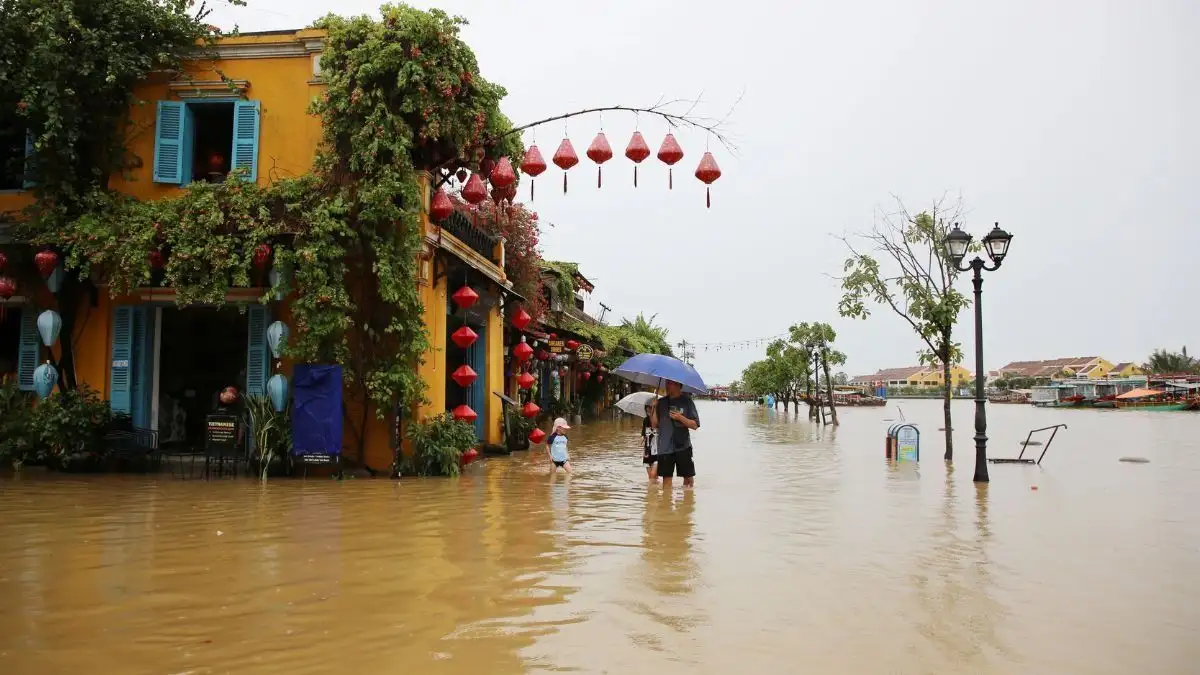
Between roughly late September and November, Hoi An enters its rainy season, and low-lying parts of the Old Town – particularly streets closest to the Thu Bon River – can flood after sustained heavy rain. This isn’t a rare, freak occurrence; it’s a predictable seasonal pattern that locals plan around every year. Seasonal flooding ranks among the most important facts about Hoi An for timing your visit.

When flooding happens, some ground-floor shops temporarily close, certain streets become impassable on foot, and boat access sometimes becomes the only way to reach parts of the riverside district. It rarely lasts for the entire season, but travelers visiting during these months should check forecasts daily and stay flexible with plans rather than locking in a rigid itinerary.
This is also exactly why accommodation location matters more in Hoi An than in most destinations. Staying somewhere on higher ground, away from the immediate riverside, avoids most flood disruption entirely while still keeping you a short shuttle ride from the Old Town. It’s one of several reasons travelers researching the Hoi An weather in November often end up choosing a beachfront base over a riverside guesthouse for this particular season.
Read more: Best area to stay in Hoi An, Vietnam: A complete guide for 2026 travelers
The streets follow a grid that was designed on purpose
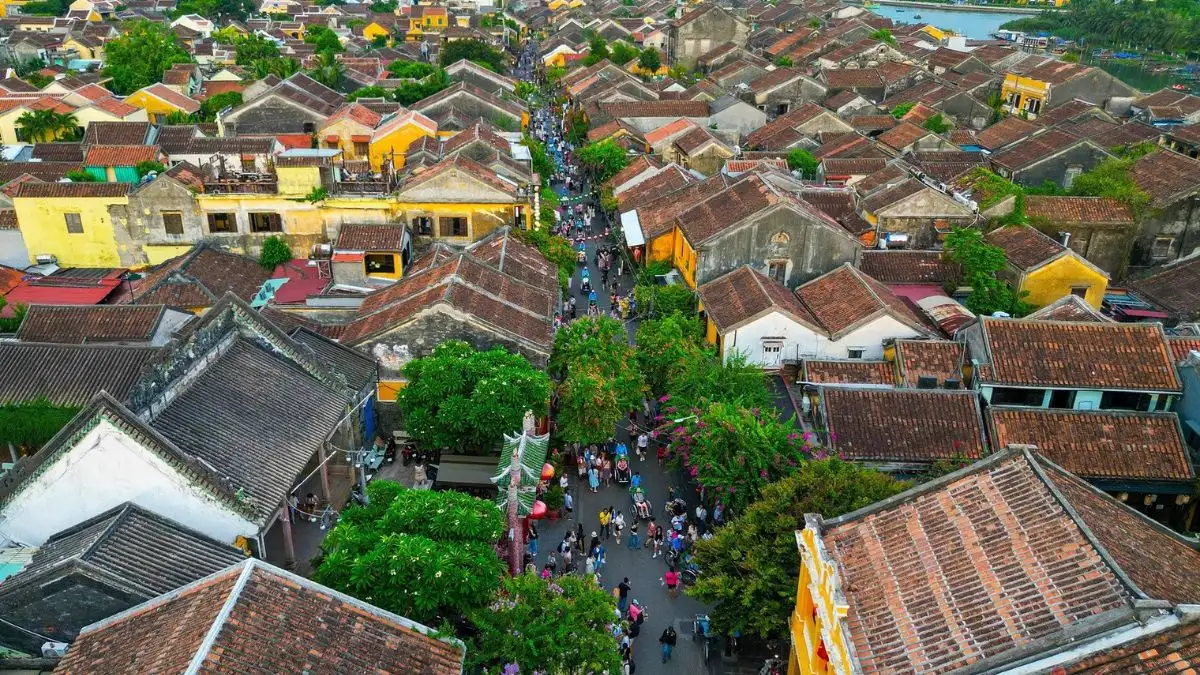
Unlike many old towns that grew organically and chaotically, Hoi An’s Old Town streets run in a deliberate grid pattern, crossing each other roughly like a chessboard. This layout wasn’t accidental. It reflects careful urban planning from the town’s peak as an international trading port, when merchants needed predictable, navigable routes between the harbor, warehouses, and residential quarters.
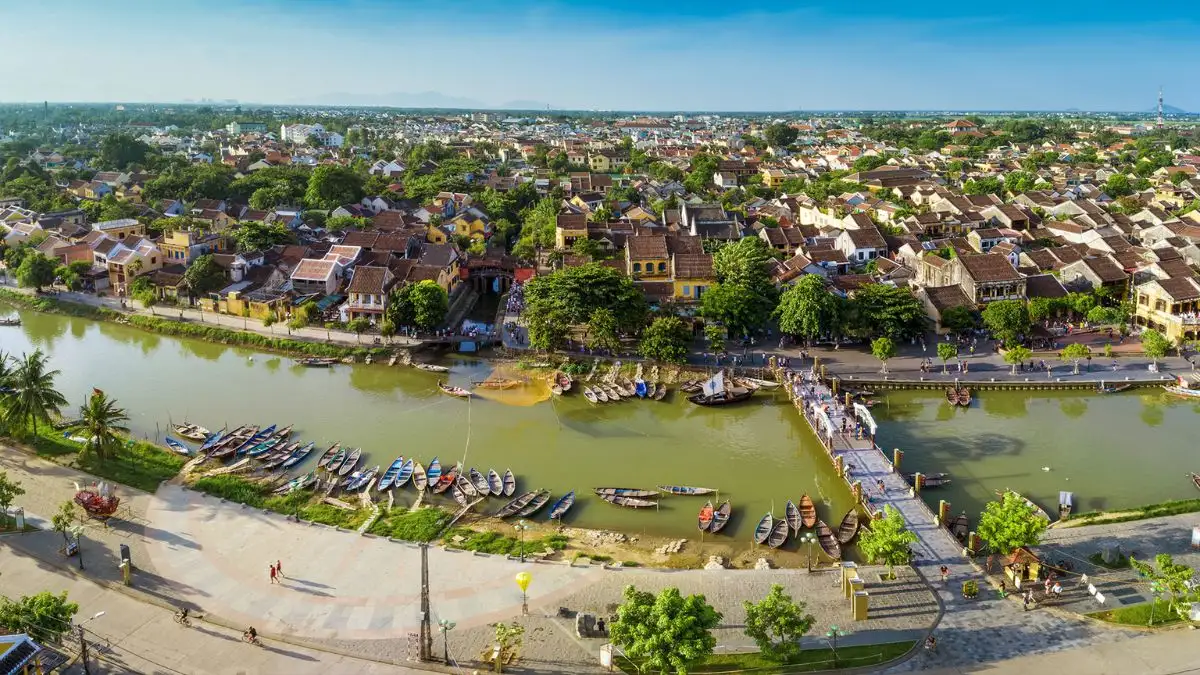
That same grid also plays a practical role that most visitors never notice: natural ventilation. The narrow, straight lanes are oriented in a way that channels breeze through the town, helping keep the dense, closely packed shophouses cooler in central Vietnam’s heavy heat and humidity. It’s an early example of climate-conscious city design, centuries before that term existed.
Despite covering roughly two square kilometers, the compact grid means most of the Old Town’s key sights are genuinely walkable, and the open, interconnected layout is a big part of why the area photographs so well from almost any angle. Understanding this structure also makes navigation easier once you’re actually there, since the streets intersect at fairly predictable, near-perpendicular angles rather than winding unpredictably.
Frequently Asked Questions About Hoi An
Is Hoi An free to visit?
→ Walking through the Old Town streets is free. A 120,000 VND ticket is only required if you want to enter specific heritage buildings, such as old houses, assembly halls, and museums.
What is the best time to visit to avoid flooding?
→ The dry season from roughly February to July carries the lowest flood risk, while late September through November is when heavy rain and occasional flooding are most likely.
Do I really need mosquito repellent in the Old Town?
→ Yes, especially in the evening near the canals and riverside, where standing water and dense vegetation create ideal mosquito conditions after sunset.
How fast can I get clothes tailored in Hoi An?
→ Simple items can sometimes be finished in 2–4 hours, while more detailed pieces like suits usually need a day or two with a fitting appointment in between.
Is Hoi An safe from a currency exchange standpoint?
→ It’s safe, but not always the best value. Gold shops inside the Old Town tend to offer weaker exchange rates than banks or counters in nearby Da Nang.
Guests staying at Bliss Hoi An Beach Resort & Wellness consistently mention in their online reviews that the dinner buffet delivers genuinely good value and flavor, with several travelers specifically calling out the seafood and BBQ nights as a highlight of their stay. That reputation isn’t accidental – Binh Minh Restaurant was recognized with an award for Best Vietnamese Restaurant Serving Tourists, a distinction that reflects consistent, well-reviewed dining rather than a one-off promotion.

After a day of navigating ticket coupons, dodging mosquitoes, and picking up a freshly tailored outfit, sitting down to a relaxed seaside meal is exactly the kind of contrast that makes a Hoi An trip memorable rather than exhausting. You can browse the full Bliss Hoi An Resort menu to see what’s on offer, or check the current BBQ buffet dinner schedule at Bliss Hoi An to plan an evening around it. Either way, the facts about Hoi An above should already have you feeling one step ahead of the average visitor before you even land.

Related Posts
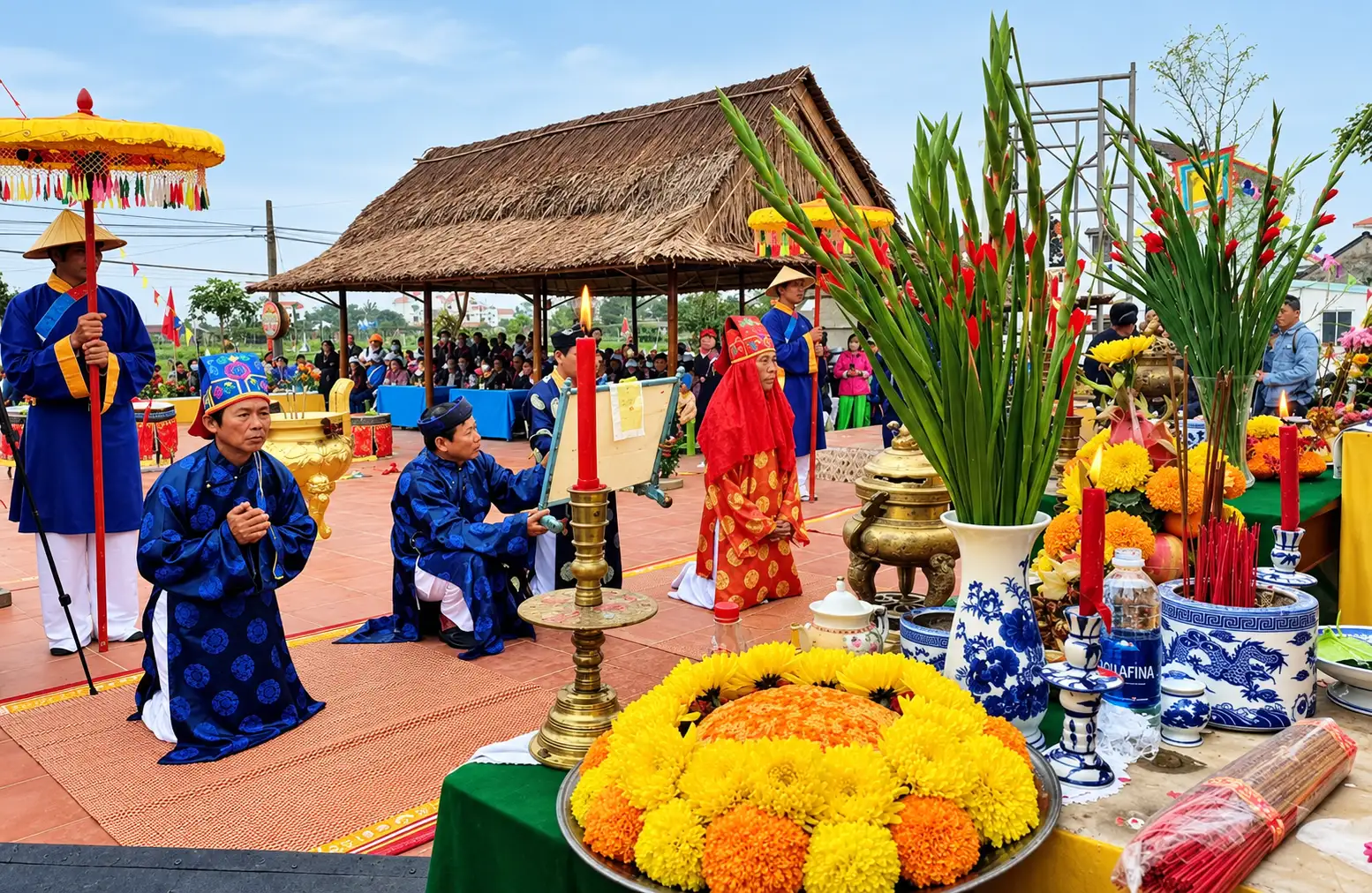
Cau Bong Festival in Hoi An: Inside Tra Que’s Agricultural New Year Tradition
Top 8 things to consider for a wedding in Hoi An with 20 guests

Best Beach Resort in Hoi An: Top 7 things to avoid when choosing to stay

4 Hoi An wedding packages compared: Which one is right for you?

5 mistakes to avoid when self-driving from Hoi An to Quang Ngai in a day