

Hoi An Rainy Season: A Complete Survival & Travel Guide
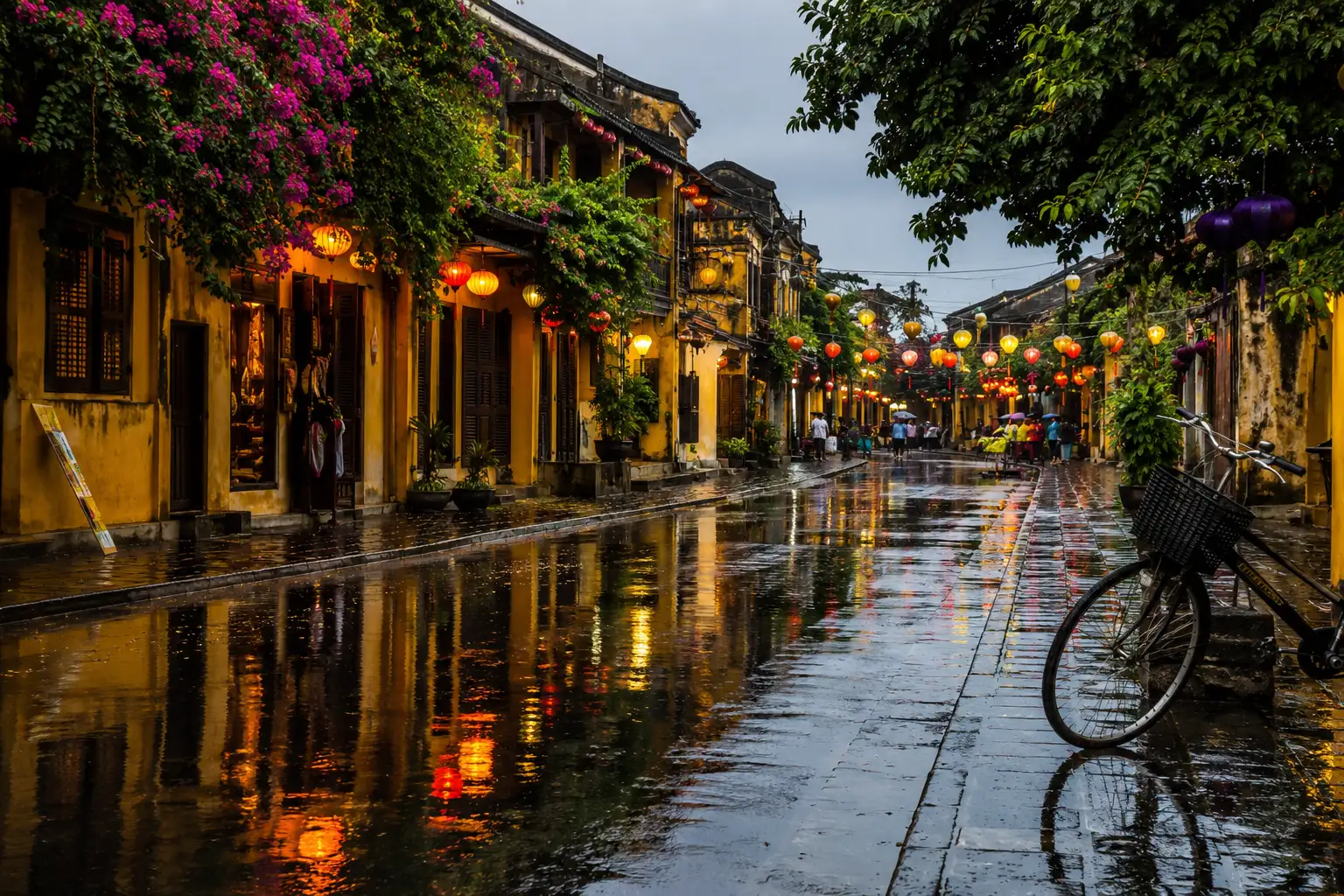
Hoi An Rainy Season (September to January) is often struck off itineraries by travelers chasing the sun. But for those who know how to adapt, this is when the town sheds its frenetic, tourist-heavy exterior to reveal its true, quiet soul. If you’re willing to trade beach days for atmosphere, this guide will help you navigate the season like an insider.
1. Weather Patterns: Should You Go?
According to meteorological data from the Vietnam National Authority of Tourism, the rainy season follows a specific rhythm.
| Month | Avg Temp (°C) | Key Characteristics |
| September | 25 – 32 | Transition month, frequent afternoon showers. |
| October | 24 – 29 | Increased humidity, longer periods of rain. |
| November | 22 – 27 | Peak flood season, persistent rain, cooler. |
| December | 20 – 25 | Rain tapers off, often overcast and moody. |
| January | 19 – 24 | Misty, light drizzle, perfect for strolling. |
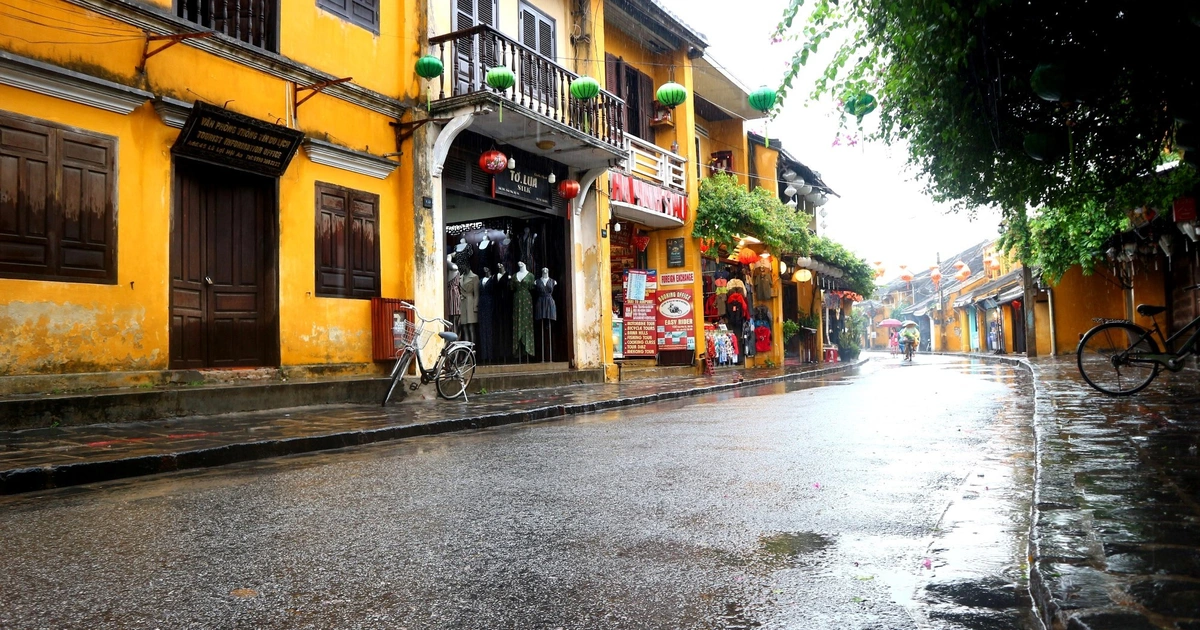
If you prefer outdoor activities, avoid November due to the higher risk of localized flooding. However, if you are a photographer or writer, December and January offer soft, diffused light that makes the yellow walls and mossy roofs look spectacular.
2. Navigating Flooding: Don’t Panic, Be Prepared
Flooding in Hoi An is a natural, cyclical event caused by mountain runoff meeting the tides.
- The Reality: It is rarely a disaster. High water usually lasts only 1–2 days. Local authorities are highly experienced and provide clear warnings well in advance.
- Stay Strategically: Avoid ground-floor rooms in the Ancient Town during November. Instead, look for boutique hotels with elevated foundations or stay in the Cam Chau or Cam Thanh areas, which are on higher ground and remain accessible even during peak flooding.
- Local Signals: When you see locals moving motorbikes to high ground or lifting furniture, take it as a cue to stay close to your accommodation.
A Practical Alternative During Flood Season
If you’re visiting Hoi An between October and December, choosing accommodation outside the lowest-lying parts of the Ancient Town can make your trip significantly more comfortable. Properties along the coast or in higher-ground areas often remain less affected by temporary flooding while still offering easy access to the town’s attractions.
For travelers who want a balance between cultural exploration and relaxation, resorts such as Bliss Hoi An Beach Resort & Wellness provide a quieter retreat with spacious rooms, wellness facilities, beachfront views, and convenient transfers to Hoi An Ancient Town. On days when heavy rain limits sightseeing, having access to on-site dining, spa treatments, and indoor leisure spaces can make a noticeable difference to the overall travel experience.
3. Why the Rain is Hoi An’s “Secret Ingredient”
The Atmosphere: One unexpected advantage of visiting during the rainy season is that you naturally spend more time slowing down rather than rushing between attractions. Some of my favorite rainy afternoons in Hoi An have been spent overlooking the sea with a pot of Vietnamese tea, watching dark clouds roll across the coastline while reading or simply listening to the sound of the rain.
Resorts that combine wellness facilities with oceanfront views become especially valuable during this time of year. Instead of feeling trapped indoors, travelers can alternate between sightseeing in the Ancient Town and enjoying spa treatments, wellness activities, or relaxed dining experiences when the weather changes unexpectedly.
Service Quality: During my own trips in the low season, I’ve found that tailor shops are much more relaxed. Without the pressure of tour buses, you can spend hours with master tailors to discuss fabrics and fits—a level of service simply impossible to get in the peak of summer.
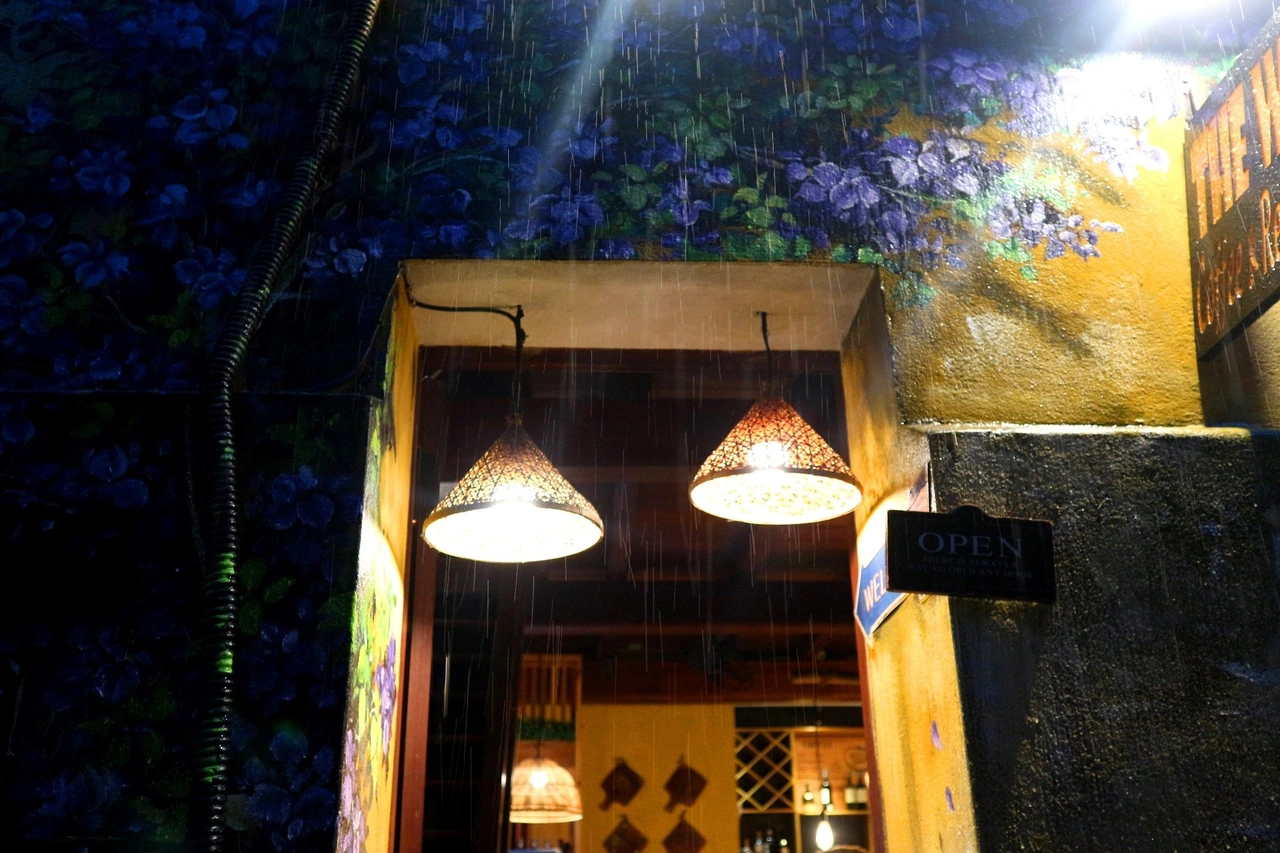
A shot from a second-floor café balcony, looking down at a local cycling through the rain, with the warm glow of silk lanterns reflecting in the street puddles.
4. Unmissable Indoor Activities
Cooking Classes
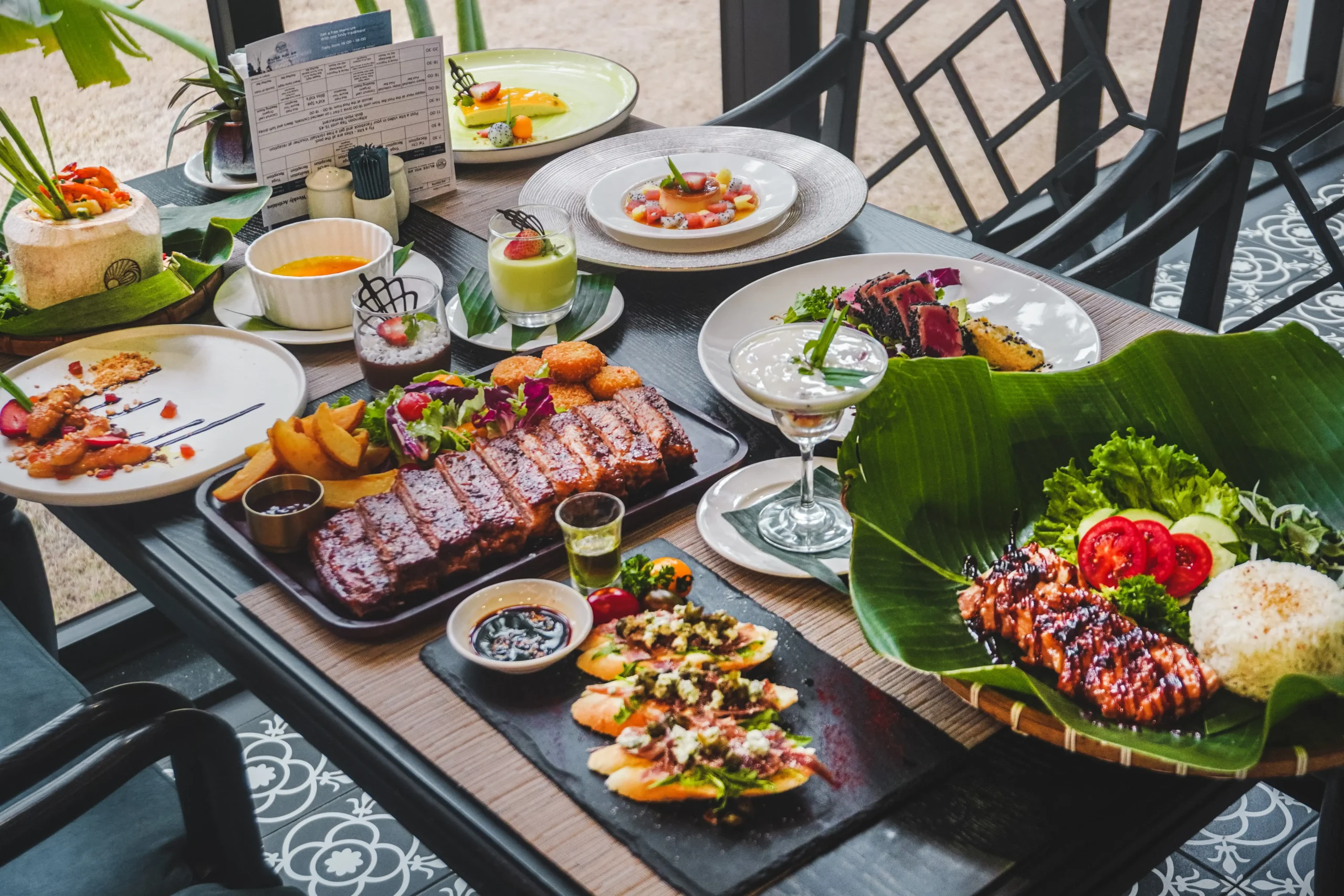
Cooking classes become even more enjoyable during rainy weather. Rather than spending the day dodging showers, visitors can immerse themselves in Hoi An’s culinary culture through hands-on experiences. Several resorts and local culinary centers offer market visits followed by cooking sessions where guests learn to prepare iconic dishes such as Cao Lau, Mi Quang, and Banh Xeo.
Some wellness resorts, including Bliss Hoi An, combine local market experiences with cooking activities, allowing travelers to enjoy one of Hoi An’s most authentic cultural experiences regardless of the weather.
Rainy Day Dining: The Art of Comfort Food
In Hoi An, rain isn’t just weather—it’s an invitation to slow down and discover the city’s heart through its kitchen. When the sky turns grey and the temperature drops, the local palate shifts instinctively toward warmth and spice. This is the best time to venture beyond the tourist-heavy restaurants and discover the “soul” of Central Vietnamese comfort food.
- The Sizzling Ritual of Banh Xeo: On a rainy day, seek out a local Banh Xeo (savory Vietnamese pancake) stall. The experience starts before you even take a bite: the sound of the batter hitting the sizzling pan perfectly mimics the rhythm of the rain against the roof. Watching the cook pour the coconut-turmeric batter while the scent of fresh herbs and turmeric fills the air is an essential rainy-day sensory experience.
- The Spicy Embrace of Mi Quang: Unlike the delicate broths of the north, Mi Quang is a flavor powerhouse. Served with thick, chewy rice noodles, succulent shrimp, quail eggs, and a punchy, concentrated broth, it’s the ultimate “warmer.” Eating this in a small, family-run alleyway shop, surrounded by locals seeking refuge from the drizzle, offers a level of authenticity that you simply won’t find in the main streets.
- The Communal Joy of Hot Pot (Lau): When the rain is relentless, nothing beats a steaming pot of Lau. This isn’t just a meal; it’s a social ritual. Gathering around a bubbling, spicy broth filled with fresh river fish, seasonal greens, and delicate tofu while watching the water run down the ancient, mossy walls of a nearby house is one of the most quintessential, cozy experiences Hoi An has to offer.
Read more: Best Restaurants in Hoi An for Every Taste & Budget (2026 Guide)
Wellness Experiences You Won’t Appreciate in Summer
Rainy days are also the perfect excuse to enjoy experiences that many travelers overlook during the dry season. While sunny days often encourage nonstop sightseeing, cooler temperatures and occasional showers create ideal conditions for wellness-focused activities.
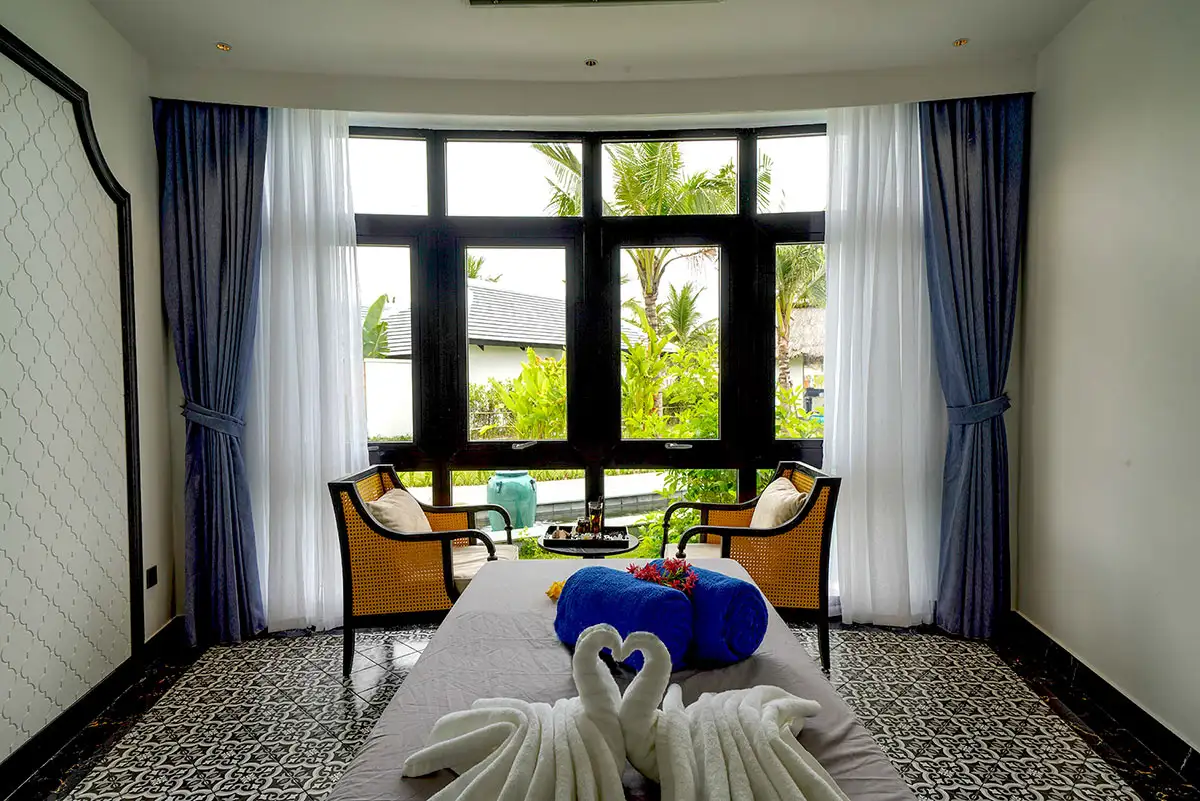
At wellness resorts such as Bliss Hoi An Beach Resort & Wellness, guests can spend a rainy afternoon enjoying herbal baths, steam rooms, ocean-view fitness facilities, yoga sessions, or restorative spa treatments inspired by Vietnamese wellness traditions. The resort’s Ngoc Linh Spa features herbal bath tubs, steam facilities, and a range of treatments designed to help travelers unwind after long days of exploration.
Where to Stay During Hoi An’s Rainy Season
Accommodation choices become more important during the rainy season than at any other time of year. While staying inside the Ancient Town offers convenience, travelers visiting between October and December may prefer properties located outside the lowest-lying flood-prone areas. Beachfront and wellness resorts often provide a more comfortable balance between relaxation and sightseeing.
Bliss Hoi An Beach Resort & Wellness is one example. Located along the quieter Binh Minh coastline, the resort combines spacious accommodation, a 55-meter infinity pool, wellness facilities, yoga and fitness activities, cooking experiences, and direct beach access. On days when heavy rain limits outdoor exploration, guests still have plenty of ways to enjoy their holiday without leaving the property.
To make your “Survival Checklist” and call-to-action more authoritative and helpful, I’ve expanded the content to include specific professional advice that seasoned travelers rely on. This adds significant “Information Gain” while subtly guiding the reader toward the solutions you provide.
5. The “Survival” Packing Checklist
Preparing for the rainy season is about prioritizing functionality over fashion. When humidity and moisture are constant, the right gear makes the difference between an adventurous trip and a miserable one.
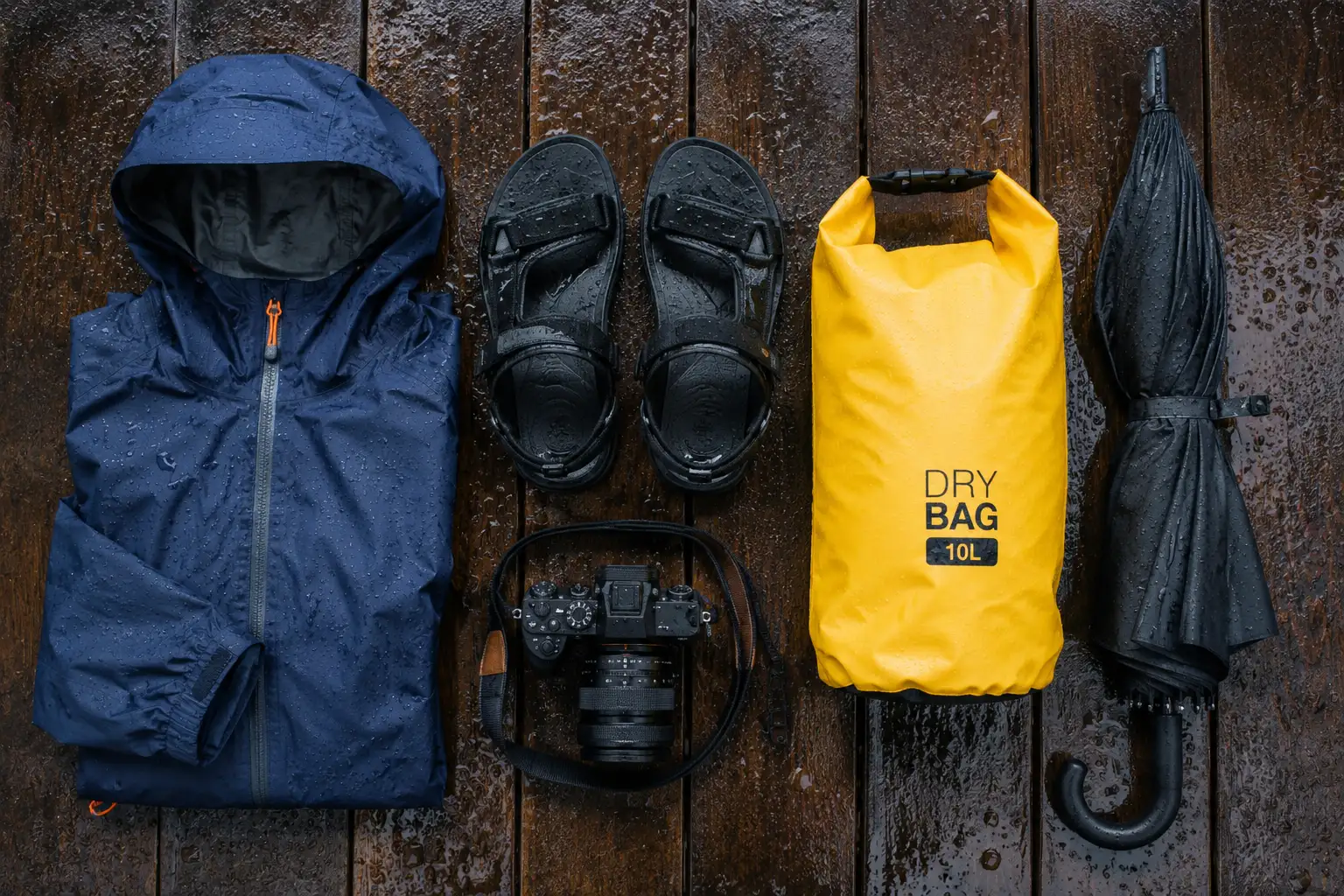
- Technical Rain Shell: Ditch the cheap, flimsy plastic ponchos sold at souvenir stalls—they trap sweat, tear easily in the wind, and provide zero breathability. Instead, invest in a high-quality, lightweight, breathable Gore-Tex or technical rain jacket. Look for features like taped seams and an adjustable hood, which will keep you dry even during sustained downpours while letting your body heat escape.
- Performance Footwear: Leave the leather boots and canvas sneakers at home; they are porous, take days to dry, and are prone to mildew in high humidity. Your best bet is a pair of sturdy, water-resistant hiking sandals or “all-terrain” water shoes with solid grip. The streets in the Ancient Town can get slippery when wet; a shoe with a deep tread pattern will keep you upright on mossy stones.
- The “Pro” Dry Gear: A simple 10L-15L dry bag is a game-changer. It’s not just for boats; it’s an insurance policy for your electronics. When the sky opens up, you can quickly toss your camera, smartphone, and notebook into the bag and keep exploring without the anxiety of water damage.
- The “Fluid” Mindset: The most experienced travelers in Hoi An don’t fight the weather—they adapt to it. Instead of a rigid, minute-by-minute itinerary, categorize your plans into “Dry-Weather” (cycling, beach, photography) and “Wet-Weather” (tailoring, cooking classes, museum hopping). Keep your schedule flexible so you can swap them at a moment’s notice based on the morning forecast.
Need a Stress-Free Rainy Season Escape?
Planning a trip to Central Vietnam during the rainy season doesn’t have to be a logistical headache. Whether you are looking for flood-safe, elevated boutique stays that offer peace of mind, or you want to connect with private artisans and local workshops that provide an intimate look at Hoi An’s culture away from the crowded tour buses, I am here to help.
I can curate a custom, rain-proof itinerary tailored specifically to your travel dates. From selecting accommodations that offer the best “indoor” wellness experiences-like those found at Bliss Hoi An Beach Resort & Wellness to booking private experiences that shine when it’s quietest, I take the guesswork out of your travel.

Related Posts
Private Chef Hoi An: Top 10 Chefs for a Personalised Dining Experience
A trip from Hoi An to Tam Ky in one day: Is it feasible?

Private Tours from Hoi An Beach Resorts: Discover Central Vietnam from Bliss Hoi An
How much does a Hoi An wedding for 40 guests cost?
Is fine dining Hoi An really worth the price? What are travelers paying for?