

Is fine dining Hoi An really worth the price? What are travelers paying for?
Not every expensive dinner in Hoi An offers the same value. Some restaurants stand out for their cooking, others for their service or setting, while the most memorable meals bring these elements together with a clear sense of local identity. Let’s look at what makes fine dining Hoi An worth the price.
What is fine dining Hoi An? Is it worth the money?
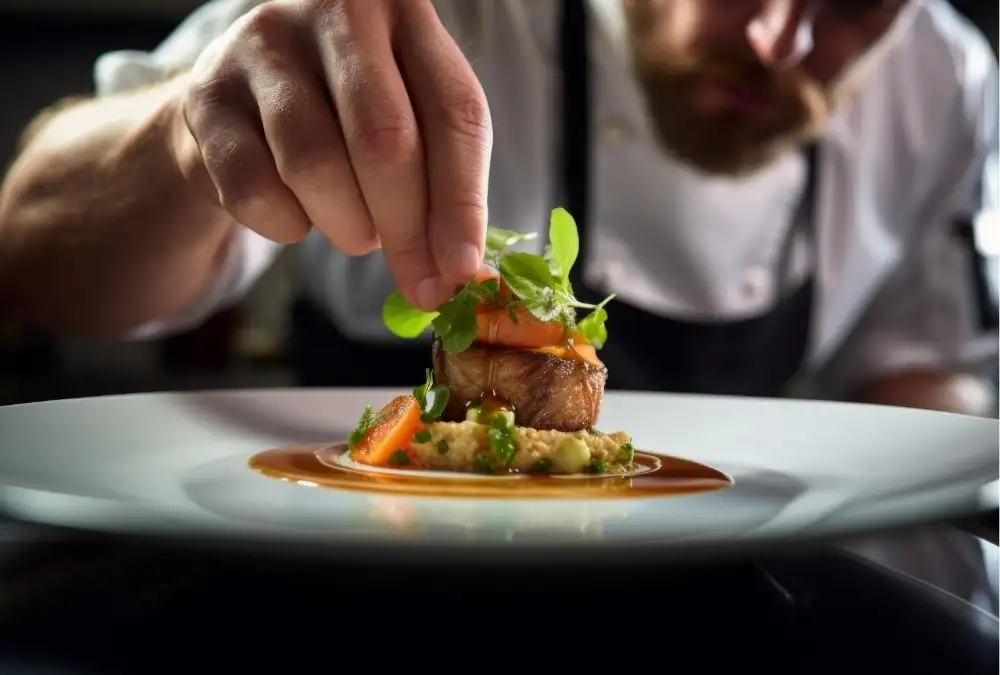
Fine dining Hoi An is a high-end dining experience that focuses on cooking techniques, ingredient quality, thoughtfully designed menus and attentive service. Rather than ordering individual dishes as in a typical restaurant, diners may enjoy a multi-course tasting menu, omakase at a chef’s counter or a private dinner by the river. Each format offers something different, from creative ingredient pairings to a more intimate atmosphere.
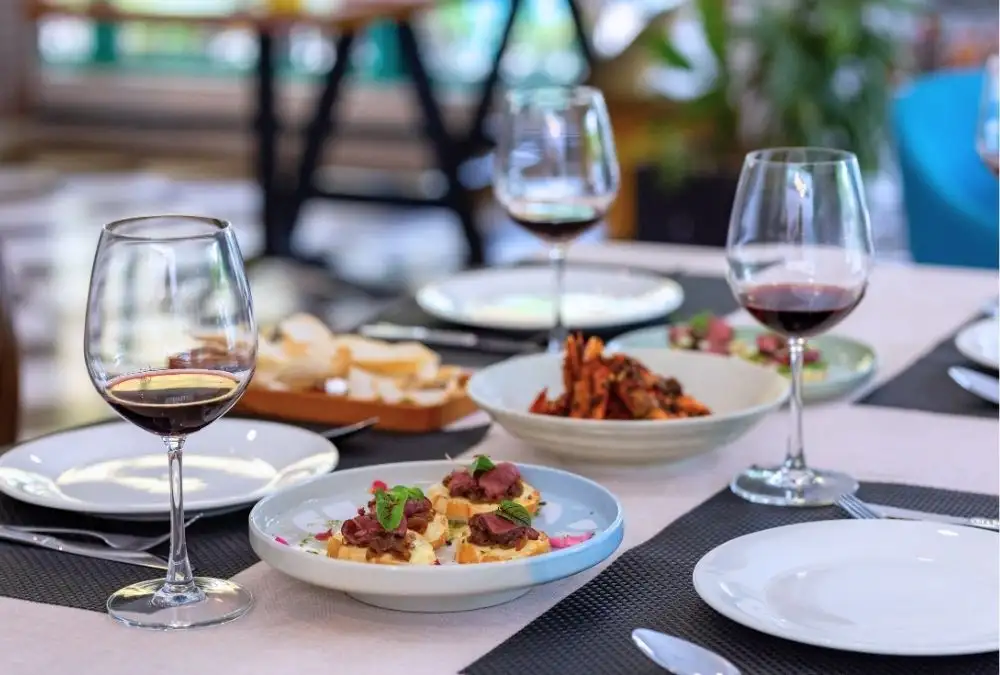
However, a higher price does not automatically mean a better experience. A simple dinner for two in the Old Town may cost around 265,000 VND, while an elaborate fine-dining experience can run to several million dong. Elegant interiors and carefully plated dishes can contribute to the occasion, but they should not be the only reasons for paying more.
Fine dining may be worthwhile if you want a chef-led meal, a carefully paced menu or a distinctive setting for a special occasion. If your priority is trying Hoi An’s everyday specialities at a lower cost, local eateries may offer better value. The right choice depends on the experience you want, not simply the restaurant’s price or reputation.
Is fine dining Hoi An suitable for vegetarians, allergies and special diets?
Yes, with advance notice. Fixed tasting menus are designed by the chef, so dietary requirements should be raised when booking rather than at the table. Some restaurants require advance notice of at least 24 hours, so contact the restaurant several days ahead whenever possible.
Vegetarians and vegans should ask about fish sauce, shrimp paste, oyster sauce, and meat or fish stock, which can be hidden in dishes described as vegetable-based. Gluten-free diners should check whether soy sauce and oyster sauce contain wheat, although rice-based dishes are often suitable. Halal diners should ask about pork fat and rice wine.
Allergies require particular care. Peanuts and shellfish are common ingredients in some dishes, including sauces and garnishes, so state any allergy in writing and ask how the kitchen prevents cross-contact. If the restaurant cannot clearly explain how it will accommodate the allergy, consider choosing another venue.
What are you really paying for at a Hoi An fine dining restaurant?
Ingredients and the Chef’s Signature
Diners do not necessarily pay more just because a restaurant uses expensive ingredients. The real value lies in how the chef combines ingredients, balances flavours and creates dishes that are difficult to find on an ordinary menu. In Hoi An, this is especially meaningful when local ingredients and Central Vietnamese cuisine are reinterpreted in unexpected ways, rather than relying on premium imported products alone.
A complete dining experience
A tasting menu should have a clear rhythm. Lighter opening dishes may introduce the ingredients and flavours, while richer courses arrive later, followed by something refreshing or sweet. When the sequence is well planned, the meal feels like a connected experience rather than a succession of unrelated plates.
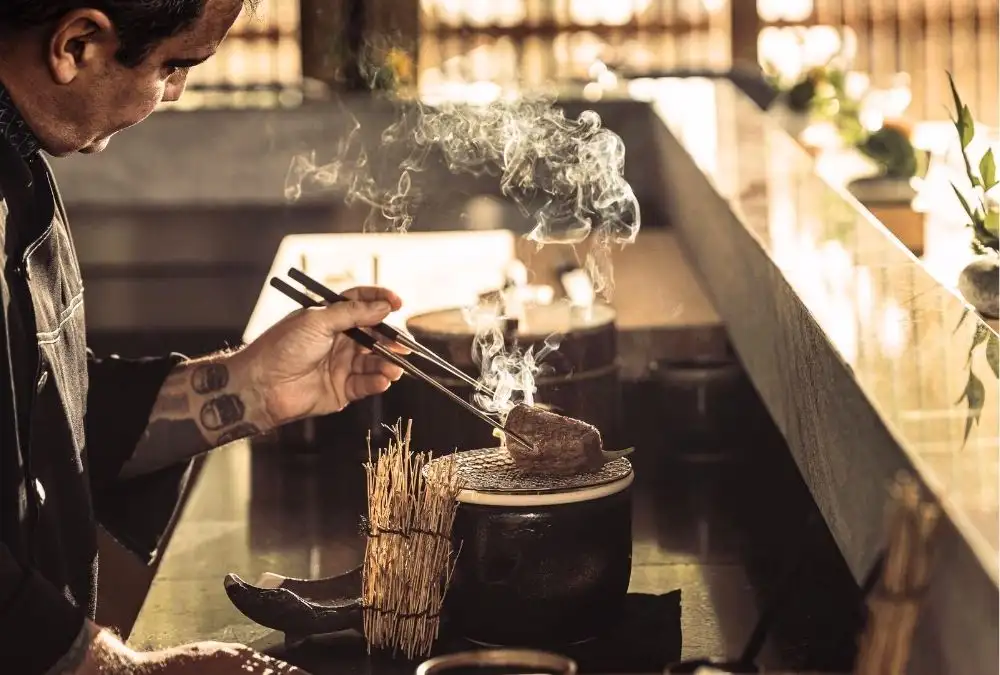
Service determines whether that sequence works in practice. Staff should explain dishes clearly, answer questions about ingredients and allergens, and manage the time between courses without making guests feel rushed or forgotten. More courses do not necessarily mean better value: a shorter menu can be more satisfying when each dish has a clear purpose.
A dinner that feels distinctly Hoi An
This is perhaps the hardest value to replicate elsewhere. An elegant setting may create a first impression, but what makes a dinner memorable is its connection to the place. It could be Central Vietnamese flavours presented in a new way, ingredients sourced from the surrounding region or a story that gives a dish its local meaning. If the menu could be served unchanged in any other city, the higher price may not offer much that is unique to a visit to Hoi An.
Read more: Top 7 things to avoid when choosing the best beach resort in Hoi An
How much does a fine dining dinner cost in Hoi An?
There is no single price for fine dining Hoi An. The total depends on the format, number of courses, drinks, wine pairing and whether service charge and VAT are included. Treat the figures below as planning examples from the draft, not guaranteed current prices; reconfirm each menu and its inclusions with the restaurant before publishing or booking.
When comparing menus, calculate the final bill rather than comparing headline prices alone. For example, if a restaurant adds a 5% service charge and then 10% VAT to a VND 4,000,000 subtotal, the total would be about VND 4,620,000. The actual calculation and applicable rates may differ by venue, so ask for the final payable amount.
Estimated cost for two
| Dinner format | Example | Listed price | Estimated total for two |
| Short tasting menu | French fine dining at La Table Hoi An | 1,190,000 VND per person for three courses | 2.38 million VND |
| Japanese omakase | Temari Hoi An | 1,000,000 VND per person, tax included | 2 million VND |
| Modern a la carte | tok. | Main courses from 795,000 VND | Depends on courses and drinks |
| Private riverside dinner | Anantara’s Designer Dining | 3,500,000 VND per couple, taxes and service included | 3.5 million VND |
| Premium omakase | NAYUU | 6,400,000 VND per person, plus service charge and applicable tax | About 14-15 million VND |
| Special multi-course dinner | The Merchant’s five-course dinner event | 2,800,000 VND per person without wine pairing; 3,800,000 VND with pairing | 5.6 million VND without pairing, or 7.6 million VND with pairing |
These examples show why the dining format matters as much as the restaurant’s reputation. A three-course menu or standard omakase can offer a structured meal for around 2-2.5 million VND for two, while private dining and premium Japanese tasting menus require a much larger budget.
Read more: Hoi An Old Town Tourist Traps: What to Watch Out For
How do Hoi An’s fine dining restaurants compare?
The six venues below vary in cuisine, setting, flexibility and price, making it easier to choose a dinner that fits your interests and travel plans.
| Venue | Dining style and setting | Estimated cost for two | What makes the experience different |
| MUA, Tra Que Village | Seasonal tasting menu in a garden setting | 1.4-2.3 million VND, before drinks | A sequence of chef-selected courses built around local produce and regional flavours |
| tok., Cam Thanh | A la carte dining beside rice fields | Around 2.5-4 million VND, depending on the order | A countryside meal where you can choose individual dishes and enjoy the rural surroundings |
| Lim Dining Room, Hoi An Old Town | Modern Italian cuisine in a traditional timber house | Around 2-4 million VND | Contemporary Italian dishes in a historic setting, convenient for an evening walk around the Old Town |
| Si Dining, Da Nang | Italian cuisine with set-menu and à la carte options | Around 2-4 million VND (Source: Si Dining Danang) | A restaurant worth considering if your itinerary includes Da Nang or you are willing to travel for dinner |
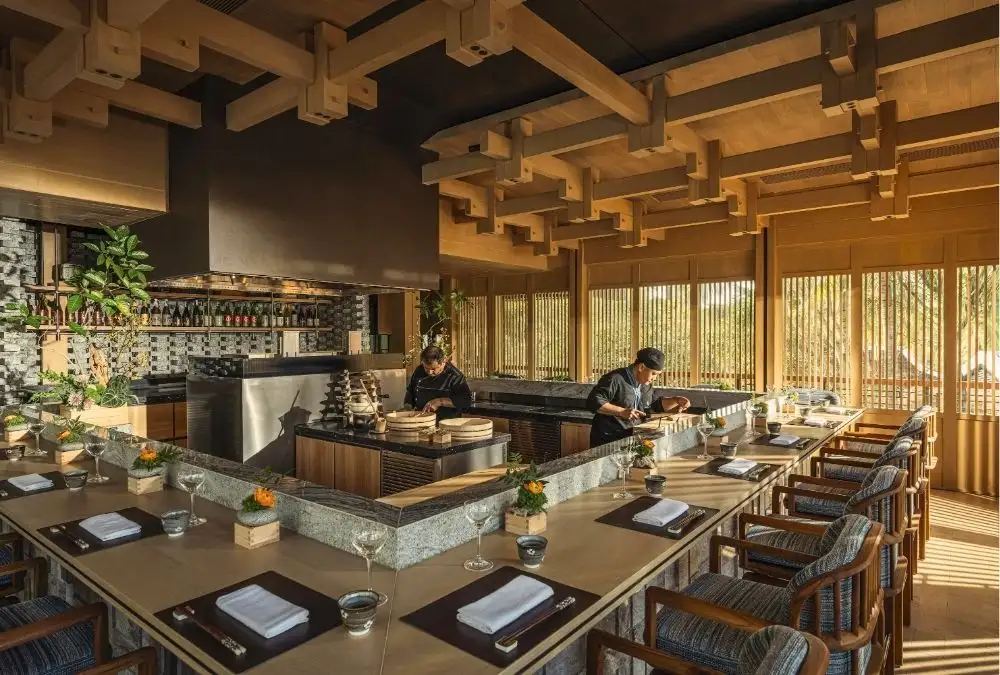
| NAYUU, Four Seasons Resort The Nam Hai | Japanese omakase at an intimate counter | Around 15.7 million VND for two for a special-event menu priced at 6.8 million VND per person, marked “++” | A premium chef-led experience in which the selection and sequence of dishes shape the meal |
| The Merchant River Cruise, Namia River Retreat | Multi-course dinner aboard a river cruise | Around 5 million VND for two, as a planning estimate | A dinner combined with a river journey, with the scenery and time aboard forming part of the occasion |
Each venue offers a different reason to spend more on dinner. MUA centres its experience on seasonal ingredients and regional identity, while tok. combines contemporary dining with a countryside setting. Lim Dining Room and Si Dining focus on Italian cuisine, whereas NAYUU offers a specialised Japanese omakase experience. The Merchant makes the river journey part of the evening.
For a more moderate budget, a shorter tasting menu or à la carte dinner may be enough to experience fine dining without committing to a premium omakase menu. Private dining and cruise packages generally require a larger budget because the setting and additional arrangements are part of the experience.
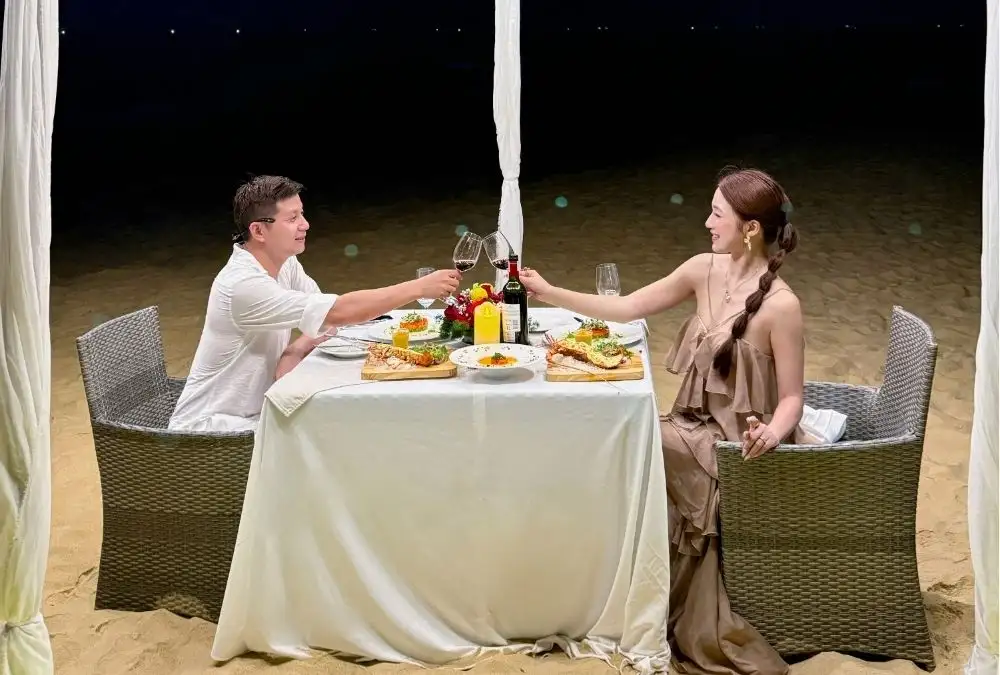
Mistakes to avoid when choosing a fine dining Hoi An remotely
Booking a fine dining restaurant before arriving in Hoi An can make it difficult to judge the space, flavours, service pace and level of privacy. These details may seem minor, but they can significantly affect the experience, especially when planning a special-occasion dinner.
Being misled by the charm of a UNESCO-listed old house
Many restaurants in Hoi An Ancient Town occupy traditional houses with narrow layouts and low original ceilings, where noise can easily echo. One loud group of diners may disrupt the romantic atmosphere you had in mind.
When reviewing restaurant photos online, pay attention to the layout. Venues with skylights, double-height spaces or garden courtyards may feel more open and allow sound to disperse more naturally.
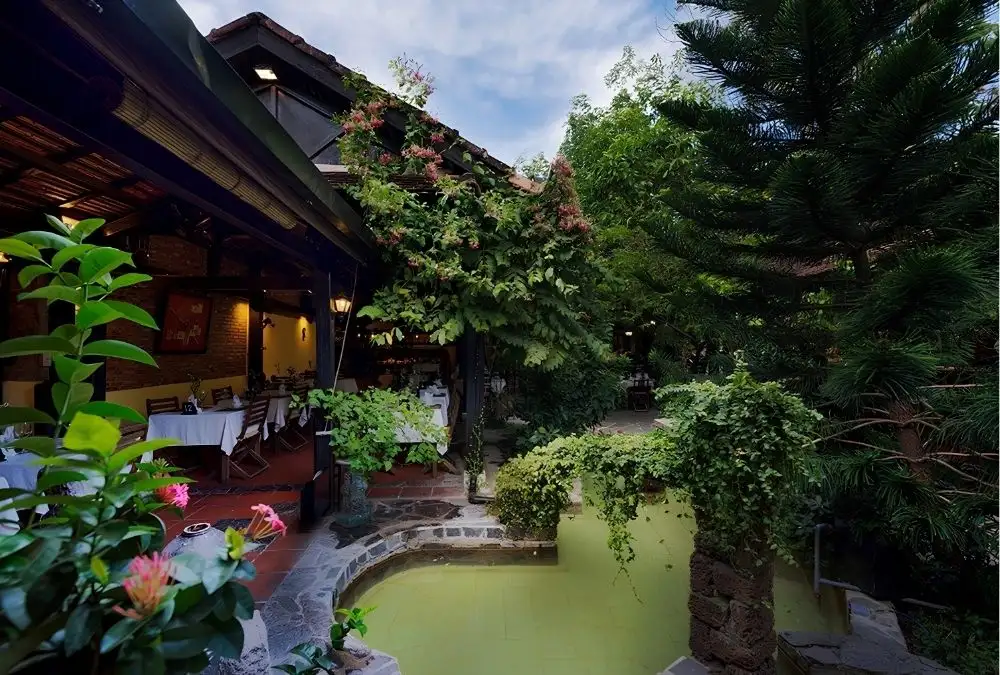
Falling for flavours adapted too heavily for tourists
Some kitchens soften fish sauce, chili and salt in dishes like cao lau and mi Quang to suit foreign tastes. The result is a flat version of a regional classic. When you reserve, write that you want the original flavor or the chef’s own creative take.
Ignoring the weather when booking outdoor seating
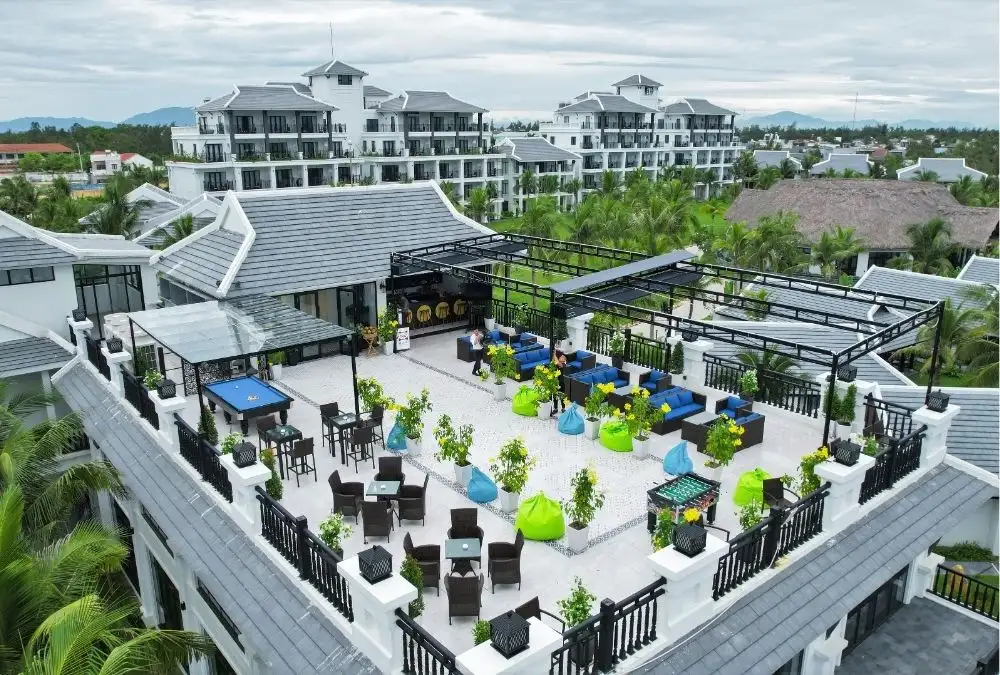
In the rainy months, the Thu Bon rises near terrace floors, mosquitoes increase and wind cools food fast. Instead of insisting on the water’s edge, consider The Merchant River Cruise, which sails at sunset, or a sunset drink at the sea-view rooftop bar at Bliss Hoi An Beach Resort & Wellness.
Misjudging the pace of the dining experience
Fine dining Hoi An often embraces a slower rhythm, reflecting the idea of slow living. Diners from Hanoi or Ho Chi Minh City who are accustomed to quicker meals may find the gaps between courses frustratingly long.
Treat dinner as part of your cultural experience and check the expected duration of the full set menu in advance. A tasting menu can take around 1.5 to 2.5 hours. If you plan to attend a performance afterwards, allow enough time to avoid rushing through dinner or arriving late for the show.
Choosing a European-style tasting menu and missing Central Vietnam’s culinary identity
Some diners assume fine dining Hoi An must revolve around French steak, foie gras or other European classics. Booking a purely European menu without considering local alternatives may mean missing an opportunity to experience Central Vietnam’s culinary heritage through contemporary cooking techniques.
Look for restaurants that follow a hyper-local or contemporary approach, using regional ingredients and familiar dishes in creative ways. One example is MUA Restaurant in Tra Que Village, whose reported 14-course tasting menu reinterprets familiar flavours, from a crab-based noodle soup variation with roasted butter to bun xi ma phu served with seared river prawns and black sesame sauce.
Should you dine in the Old Town or by the beach?
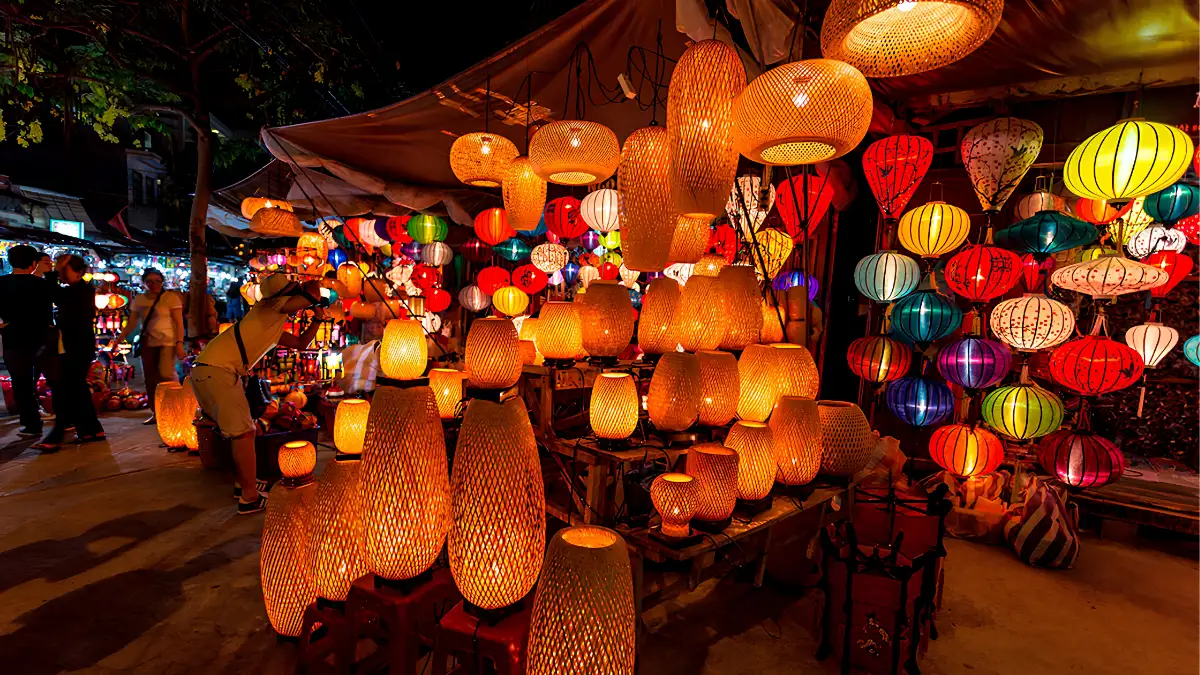
Hoi An’s Old Town is ideal for dinner surrounded by historic wooden houses, lantern-lit streets and the Thu Bon River, with plenty of places to explore on foot before or after your meal. For a quieter setting, the countryside around Tra Que and Cam Thanh offers a slower pace, while beachfront dining brings sea views and fresh coastal air.
For a change of pace from the busy Old Town, Bliss Hoi An Beach Resort & Wellness sits on Binh Minh Beach, around 25 minutes by car from Hoi An Ancient Town. The resort’s Binh Minh Restaurant serves Vietnamese and European dishes from 06:30 to 22:00, with 120 indoor seats and 50 outdoor seats.
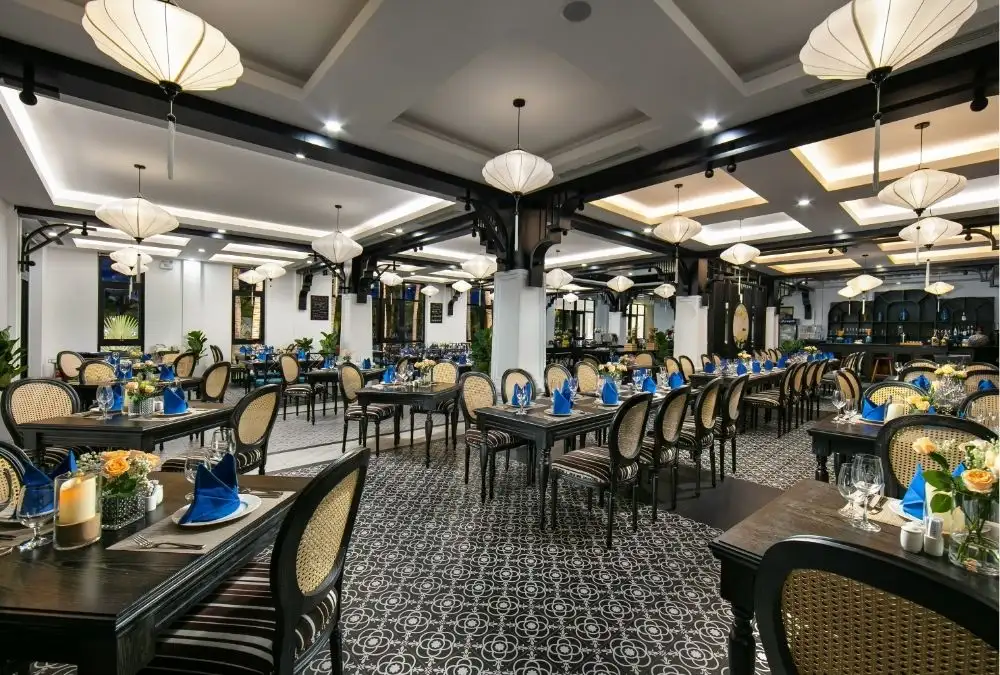
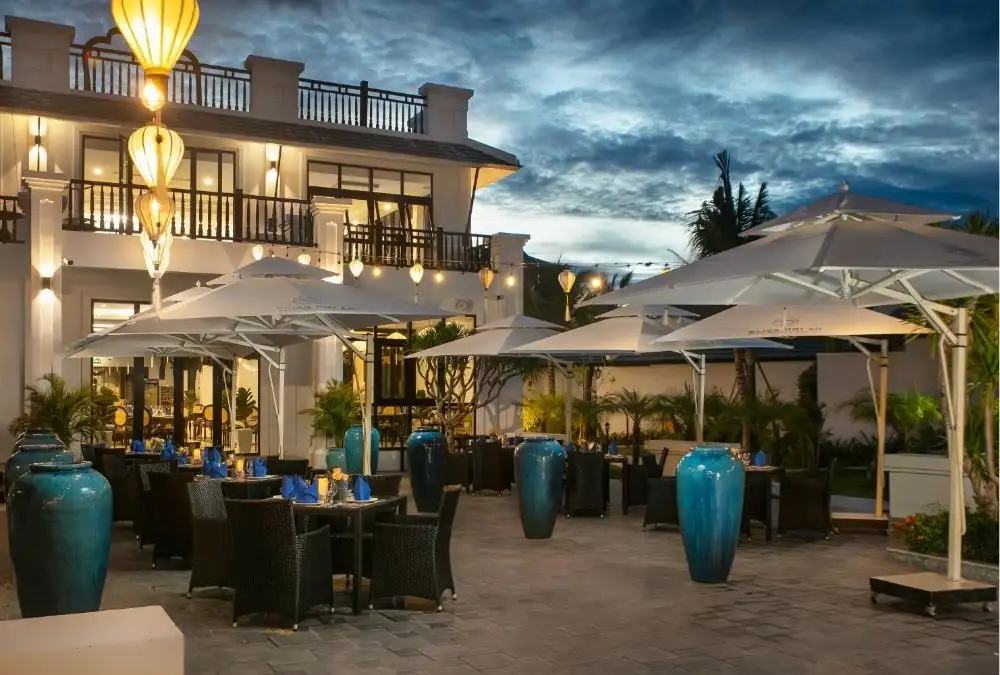
The resort’s Binh Minh Restaurant with 120 indoor seats and 50 outdoor seats.
Its black-and-white, Indochine-inspired interior and seaside setting make it a relaxed option for resort dining rather than a formal tasting-menu experience. For sunset, enjoy a drink at the Bliss Hoi An sea-view rooftop bar before dinner.
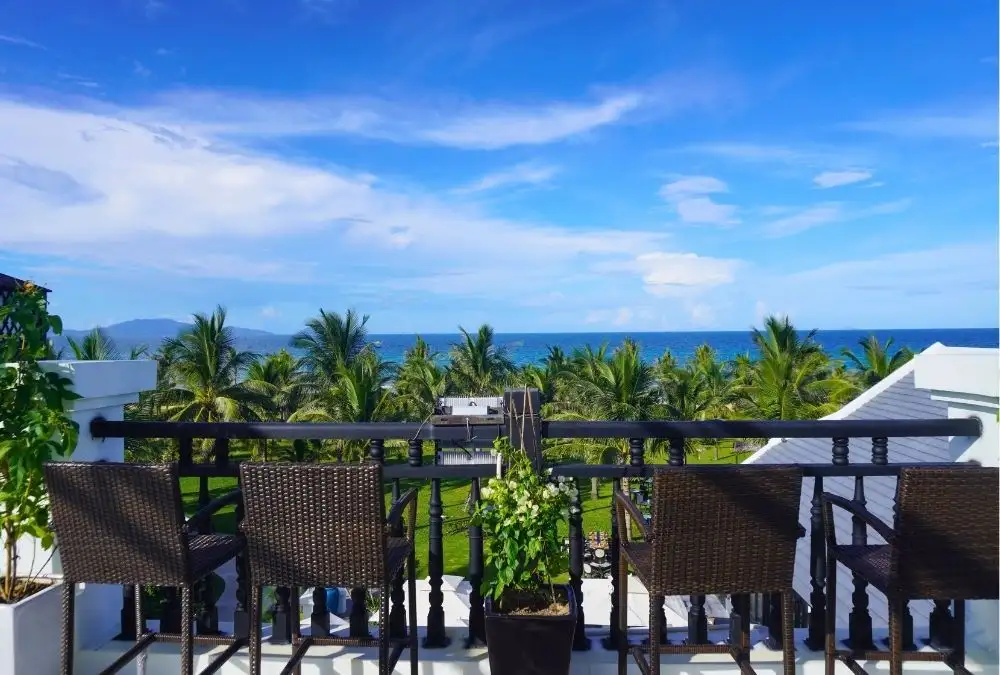
If you are staying at Bliss Hoi An but want to experience the local food culture in town, the Hoi An Street Food Tour offers another way to spend an evening. Sample local specialities while exploring Hoi An’s food scene, then return to the quieter coastal setting afterwards.
Bliss Hoi An also provides a free shuttle to the Old Town, departing at 10:00, 14:00, 15:30 and 18:00, with return services at 14:40, 16:00, 18:40 and 21:00. Advance booking at least two hours ahead is required. If dinner runs late, arrange a Grab or private transfer back to Bliss Hoi An. For restaurant enquiries, call +84 235 3874 888 or WhatsApp +84 91 188 95 58, or book your stay at Bliss Hoi An.
FAQs
Should you choose a tasting menu in Hoi An?
Yes, if it is built on local produce and you have two hours. Otherwise order à la carte.
Does the price include drinks, tax and service?
Not always. “++” means tax and service are added.
Is it suitable for vegetarians?
Yes, with notice, because the chef must adapt a fixed menu.
Should you choose the Old Town or the beachfront?
Choose the Old Town for lantern-lit atmosphere, the countryside for quiet and the beach for sea air.
How do you know a restaurant is safe for allergies?
Write the allergy in your booking and choose a venue that answers clearly.
Is it worth it with only a few days in Hoi An?
Yes, if you pick one evening with real local identity, such as MUA or a sunset cruise.

Related Posts
Cau Bong Festival in Hoi An: Inside Tra Que’s Agricultural New Year Tradition
Top 8 things to consider for a wedding in Hoi An with 20 guests
Top 7 things to avoid when choosing the best beach resort in Hoi An
4 Hoi An wedding packages compared: Which one is right for you?

5 mistakes to avoid when self-driving from Hoi An to Quang Ngai in a day