


One Day on Cam Kim Island: Hoi An’s Boat-Building Village Most Tourists Never Find

One day on Cam Kim Island takes you past Hoi An’s crowds to a 500-year-old boat-building village, rice-field cycling, and a home-style lunch. Full 2026 itinerary, ferry prices, and timing.
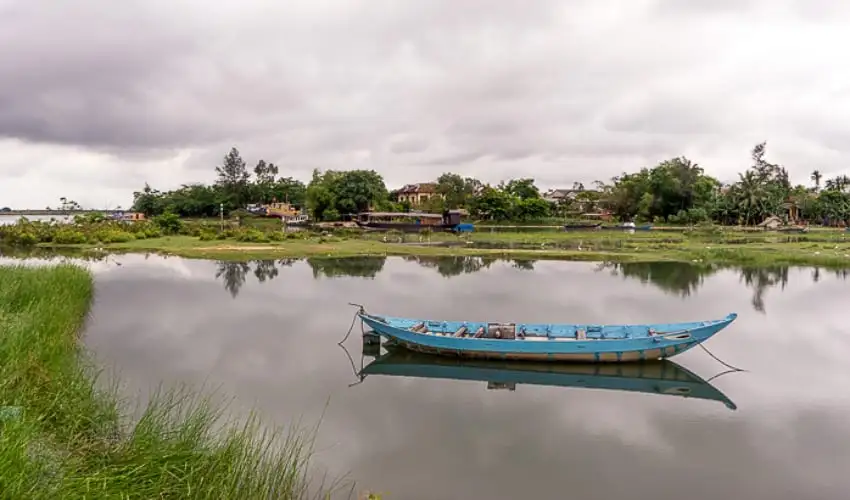
Cam Kim Island sits five minutes by boat from Hoi An’s Old Town, yet most visitors never cross the water to see it. That gap is the whole appeal. While the Ancient Town fills with day-trippers, Cam Kim stays a working island of rice fields, wood-carving workshops, and 500-year-old boatyards where craftsmen still build fishing vessels by hand. A single day here is enough to cycle its lanes, watch carpenters at work, and understand a side of Hoi An that predates the lanterns and souvenir shops entirely.
What a Day on Cam Kim Island Actually Looks Like
A full day on Cam Kim runs in three loose stages: an early ferry crossing and a stop at the boatyards, a midday cycle through Triem Tay’s rice fields and craft workshops, and an afternoon that ends with either a home-style lunch on the island or a ride back in time for a proper meal on the mainland. Most travelers cover the whole loop in four to six hours, though it’s just as easy to compress it into a half-day if you’re pairing it with the beach or Old Town later on.
There’s no fixed route or ticketed itinerary here, which is part of what makes Cam Kim different from most Hoi An day trips. You set the pace: linger an hour at a boatyard if the carpenters are mid-project, or skip straight to the rice-paper workshops if that’s what you came for. The island is small enough that no wrong turn costs you much time, and every lane eventually loops back toward the river.
Below is how the day typically unfolds for first-time visitors, followed by the practical details – ferry times, prices, and seasonal notes – you’ll want before you set off. If you’d rather skip ahead, the practical information table further down covers everything at a glance.
Read more: The Real Vietnam Experience: What It’s Actually Like to Explore Hoi An’s Coastline
Morning: The ferry crossing and Kim Bong Carpentry Village
The day starts at the passenger pier on Bach Dang Street, near the old market at the eastern edge of the Ancient Town. Boats run frequently, the crossing takes roughly five to ten minutes, and a one-way ticket costs about 5,000 – 10,000 VND per person, bicycles and motorbikes included. Locals load produce, mopeds, and market goods onto the same boats, so the ride itself is a small slice of everyday river life before you’ve even landed.
Arriving at Kim Bong Carpentry Village
Stepping off the ferry puts you almost directly in Kim Bong Carpentry Village, the reason most people make the crossing in the first place. For roughly 500 years, this riverside community has produced the carpenters, boatbuilders, and masons responsible for much of Hoi An’s wooden architecture, including the Japanese Covered Bridge and Tan Ky House, and the trade is still very much alive today. Walking through the village, you’ll pass open-fronted workshops where artisans carve furniture, statues, and temple ornaments using techniques passed down through generations of the same families.

The Boatyards
The boatyards near the ferry landing are the morning’s highlight for most visitors. Wooden fishing vessels are hauled out of the river on hand-cranked winches, repaired plank by plank, and returned to the water using methods that have barely changed in decades. The smell of fresh-cut timber and sawdust hangs over the yard, and it’s common to see a half-finished hull sitting beside one that’s just been launched, one of the few places left in the region where you can watch a wooden boat built from the keel up.
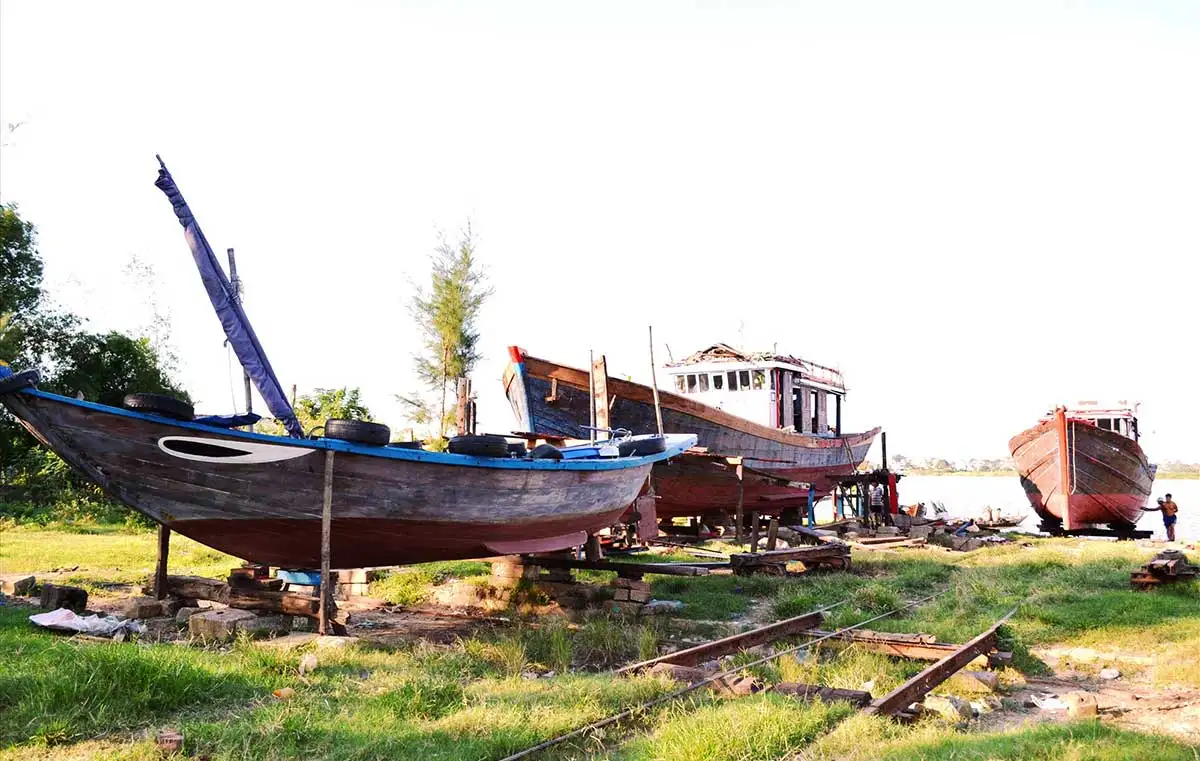
International cyclists who’ve made the crossing often describe Kim Bong as one of the most rewarding stops on any Hoi An countryside route, precisely because it still functions as a working village rather than a staged attraction. Give yourself at least 45 minutes here before moving on, and pick up a bike from one of the small rental stalls near the landing if you didn’t bring one across on the ferry.

Midday: Cycling through Triem Tay and the rice fields
From Kim Bong, the island’s interior opens into Triem Tay Village, known for its hedgerow-lined lanes, old wooden houses, and small community gardens tucked between the paddies. The route between the two villages is largely flat and shaded, running along dirt and packed-earth paths that thread through active rice fields. Depending on the season, you’ll pass fields of green seedlings, golden pre-harvest rice, or the flooded paddies of early planting.
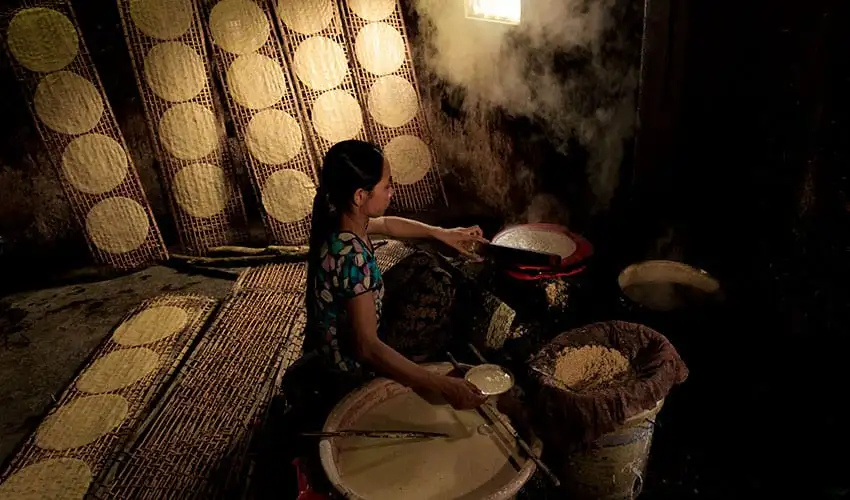
Cycling on toward the island’s southeastern edge brings you to a cluster of workshops where rice paper, rice noodles, and sedge mats are still made by hand using traditional presses and drying racks. Watching a family lay out sheets of rice paper to dry in the sun, or weave a sedge mat strand by strand, gives a much closer look at rural Central Vietnam than anything available in the Old Town. Most of these small operations are happy for visitors to stop, watch, and ask questions.
The whole loop, from the ferry landing through Kim Bong, Triem Tay, and the craft workshops, covers roughly 8 to 10 kilometers of easy, mostly flat cycling – manageable for most fitness levels in two to three hours. Bringing water and sun protection is worth it, since shade is limited once you’re out among the open fields, and midday sun on the paddies can be stronger than it looks from the shore.
If Cam Kim leaves you wanting more of Hoi An’s living craft culture, our guide on Hoi An’s history experience covers other places where centuries-old traditions are still practiced daily around the region.

Afternoon: A Home-Style Lunch and the Ride Back
Cam Kim doesn’t have a restaurant scene, and that’s part of its charm; food here is small-scale and local rather than built for tourists. A handful of family-run stalls near the ferry landing and along the main road sell simple noodle soups, sugarcane juice, and Vietnamese coffee, usually for a fraction of Old Town prices, and make a good spot to slow down after a stretch of midday cycling.
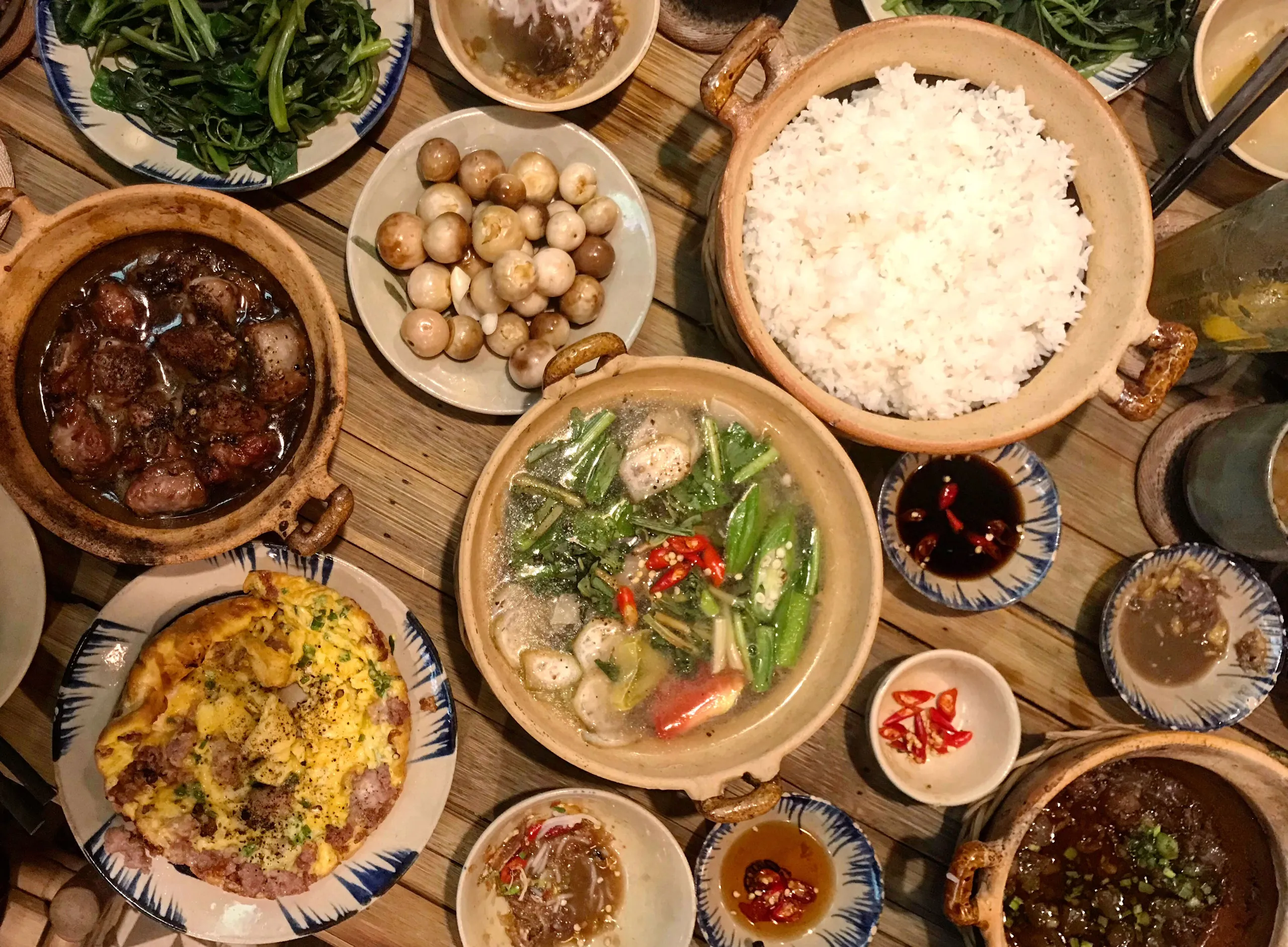
Guided cycling tours that include lunch typically serve a home-style meal at a local family’s house, often featuring papaya salad, fried spring rolls, and freshwater fish caught locally in the Thu Bon. These meals aren’t fixed-menu restaurant food; they vary by household and season, which is exactly what makes them memorable for visitors who’ve grown used to standardized tourist menus elsewhere in Hoi An.
For anyone who prefers to save their appetite for a proper sit-down meal, timing the loop to finish by early afternoon works well, leaving plenty of time to head back to the mainland for a relaxed dinner. Guests at Bliss Hoi An often return from a Cam Kim morning ride straight to the resort’s oceanfront Binh Minh Restaurant, where the menu spans fresh seafood and Asian-European dishes with a sea view that the island itself doesn’t offer. Travelers staying on the all-inclusive package can also unwind afterward with unlimited dining and drinks back at the resort, a welcome contrast after a morning spent exploring on two wheels.
Getting there, getting around, and timing your visit
Beyond the classic ferry from Bach Dang pier, a newer bridge on Hung Vuong Street now connects Cam Kim directly to Thanh Ha Village on the mainland side. This means the island is reachable by car, taxi, or rented motorbike without a boat at all, which opens it up as an easy add-on for anyone already touring the pottery village or the western countryside. Cycling across the bridge also avoids any wait for the next ferry departure.
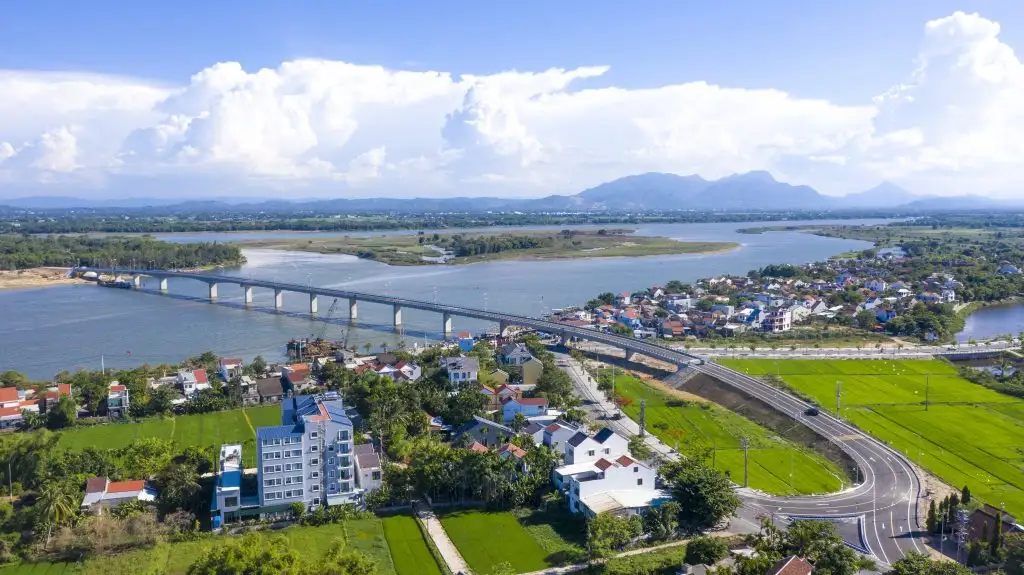
Early morning is still the best window for starting your day here, both for light and for temperature. Arriving on one of the first ferries means cooler air for cycling, softer light for photos in the boatyards, and a chance to see the island’s fishing and farming routines before the midday heat sets in and workshops fill with the day’s activity.
The dry season, roughly February through August, is the most comfortable stretch for cycling, with firmer paths and lower humidity than the rainy months. Visiting between September and January is still possible, but heavier rain can turn the dirt lanes muddy and occasionally raise river levels enough to affect ferry schedules, so it’s worth checking conditions locally before heading out in that window.
Read more: Is Hoi An Crowded? An Honest 2026 Guide (And How to Still Have It to Yourself)
Practical Information at a Glance
| Detail | Information |
| Location | Cam Kim Commune, Hoi An City, Quang Nam Province |
| How to get there | Ferry from Bach Dang pier, or bridge via Hung Vuong Street / Thanh Ha Village |
| Ferry price | Around 5,000 – 10,000 VND per person, one way |
| Crossing time | 5–10 minutes by ferry |
| Full loop distance | Roughly 8–10km (Kim Bong–Triem Tay circuit) |
| Time needed | 4–6 hours for the full loop; 2 hours for a shorter visit |
| Best time to start | Early morning, before the midday heat |
| Best season | February–August (drier paths, lower humidity) |
For orientation before you go, Kim Bong Carpentry Village and the Bach Dang ferry pier are both easy to locate on Google Maps and worth bookmarking on your phone before you set off, since signal on parts of the island can be patchy.
Pairing Cam Kim with the rest of your Hoi An trip

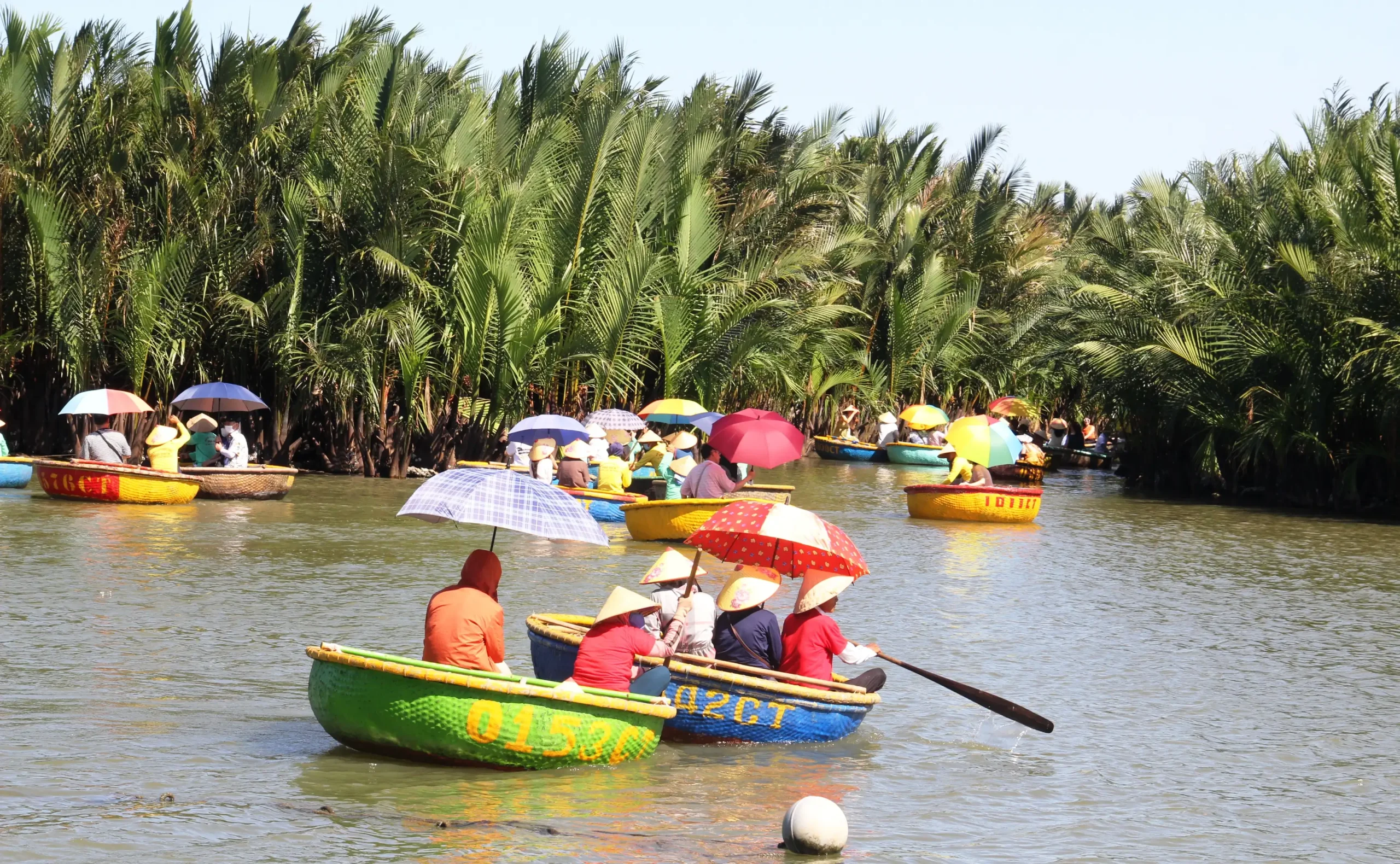
Cam Kim works well as one stop in a wider countryside day rather than a destination on its own. Travelers based at Bliss Hoi An often combine it with a river-based morning, since our Basket Boat Tour and Cooking Class & Basket Boat Tour both explore nearby waterways and coconut villages that share the same unhurried, working-village character as Cam Kim. For those who’d rather explore by scooter than bicycle, our Hoi An Countryside Vespa Tour covers a similar stretch of rural back roads with a local guide handling navigation.
If your questions run more toward how to fit an island day trip around the rest of your itinerary, our guide on the complete Hoi An travel package breaks down how to balance beach time, culture stops, and countryside excursions like this one without feeling rushed.
After a morning of dirt roads and river crossings, most guests are ready for a shower, a shaded lounge chair, and a proper meal. Explore the resort’s oceanfront dining through our Wine & Dine pages, or check current rates and book your stay to make Cam Kim part of a longer Hoi An escape.

Related Posts
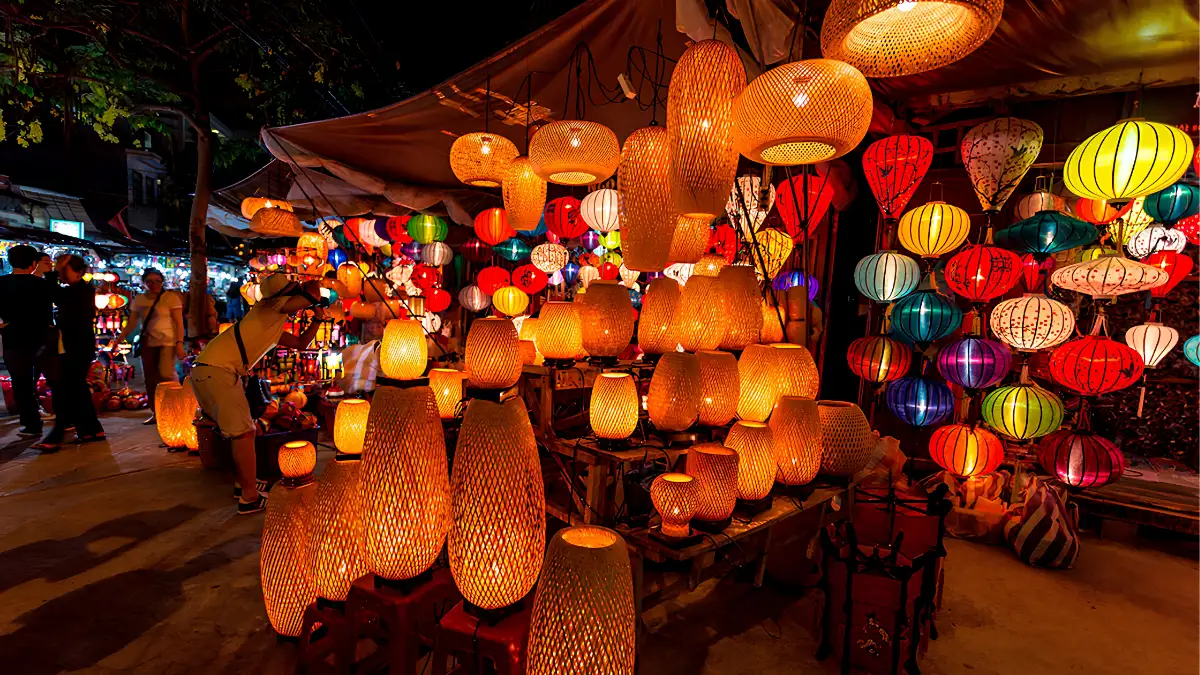
8+ experiences in Tet Lunar New Year Hoi An worth trying
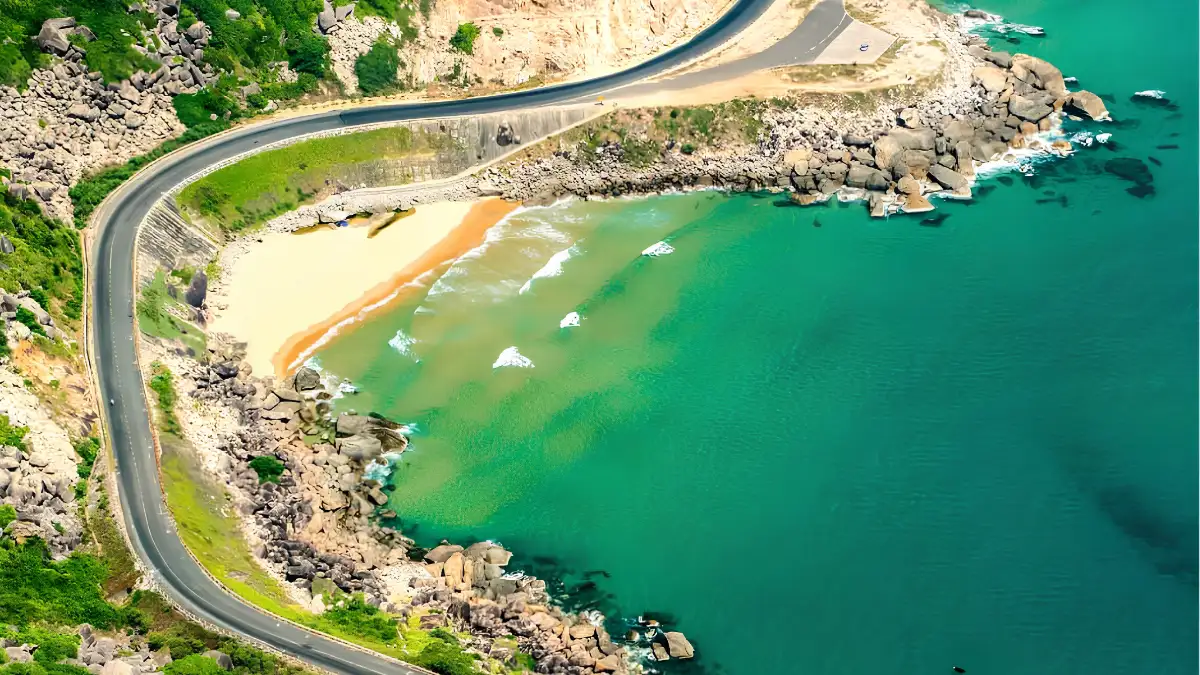
Hoi An to Phu Yen by road: 5 stops worth getting out of the car for

Hoi An to Quy Nhon: How to get there, routes and what to know
TEST – n8n CREATE 002
Gym Hoi An: Prices, Day Passes and Options for Travelers