

Hoi An History Experience: 6 Ways to Truly Experience 500 Years of Hoi An’s Heritage
A real Hoi An history experience means rowing the river at night, cooking a 400-year-old recipe, and sleeping in a colonial villa -not just reading plaques. Here’s how to do it.
Hoi An earned its UNESCO World Heritage status in 1999 because its Old Town survived almost untouched -wooden merchant houses, Chinese assembly halls, and a 400-year-old Japanese bridge, all still standing where 15th-century traders left them. But the town’s real advantage over other heritage sites in Vietnam is that its history is still lived, not just preserved behind glass.
Below are six ways to actually step into it, ranked by how much they surprise first-time visitors, plus the practical details you need to fit them into a short trip.
1. Sleep Inside the Story: Staying in a Colonial-Era Villa
Most travelers assume a “history experience” has to happen inside the Old Town gates. It doesn’t. One of the more surprising ways to feel connected to central Vietnam’s past is to stay somewhere that was designed to evoke it, rather than just visit it for an afternoon. This is the part most guides skip, because it depends on where you’re staying -and it’s exactly why this angle is worth knowing before you book.
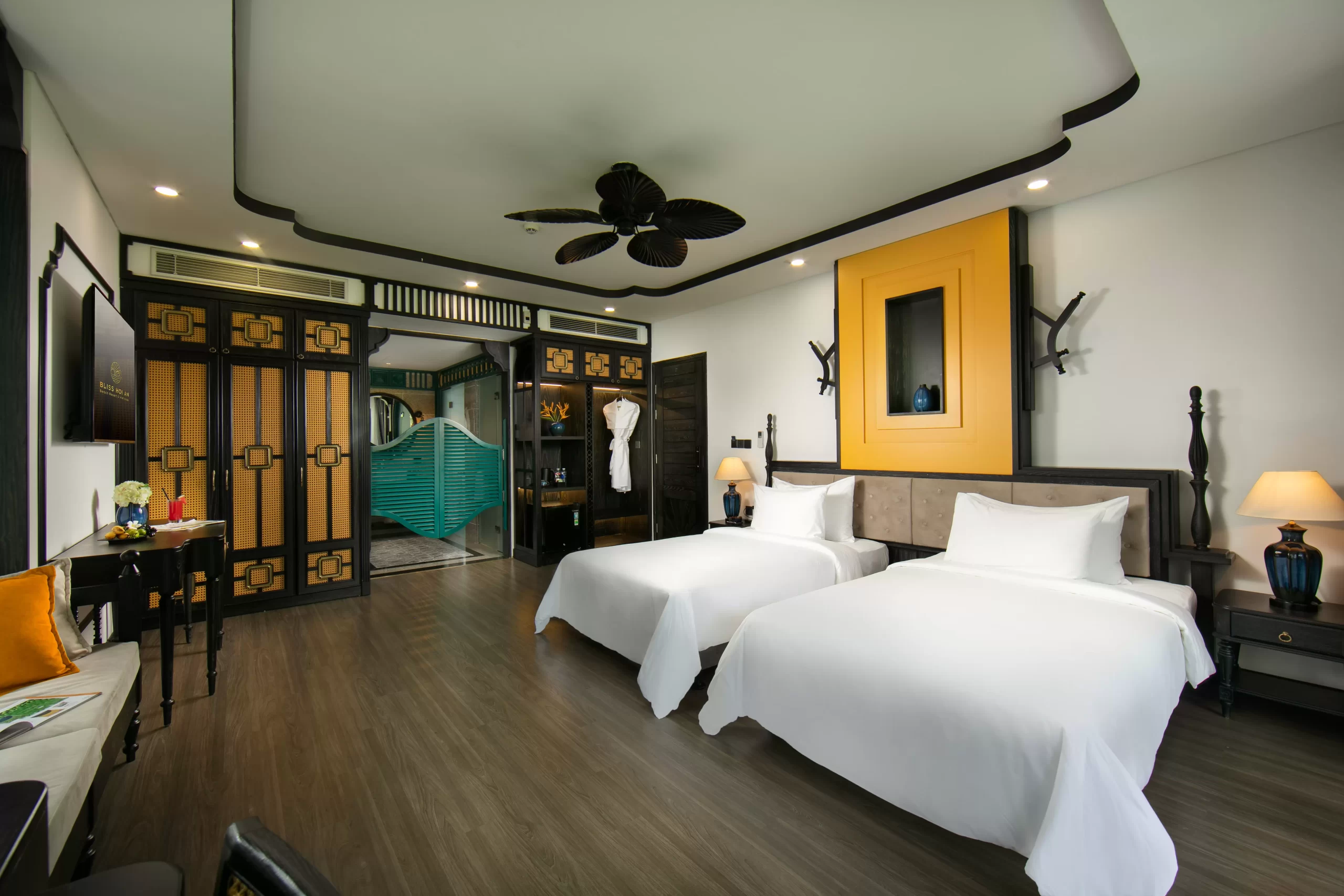
At Bliss Hoi An Beach Resort & Wellness, the Indochine category was built around this idea directly. The rooms borrow French colonial architecture and furnishings from the same era that shaped Hoi An’s merchant houses, with dark wood detailing, shuttered windows, and a layout that nods to the shophouses a twenty-minute shuttle ride away.
One guest who was upgraded into an Indochine Villa during a recent stay described the room as one of the highlights of the whole trip, alongside the resort’s beach and spa -a small but telling sign that the historical styling registers with travelers even outside the Old Town itself.
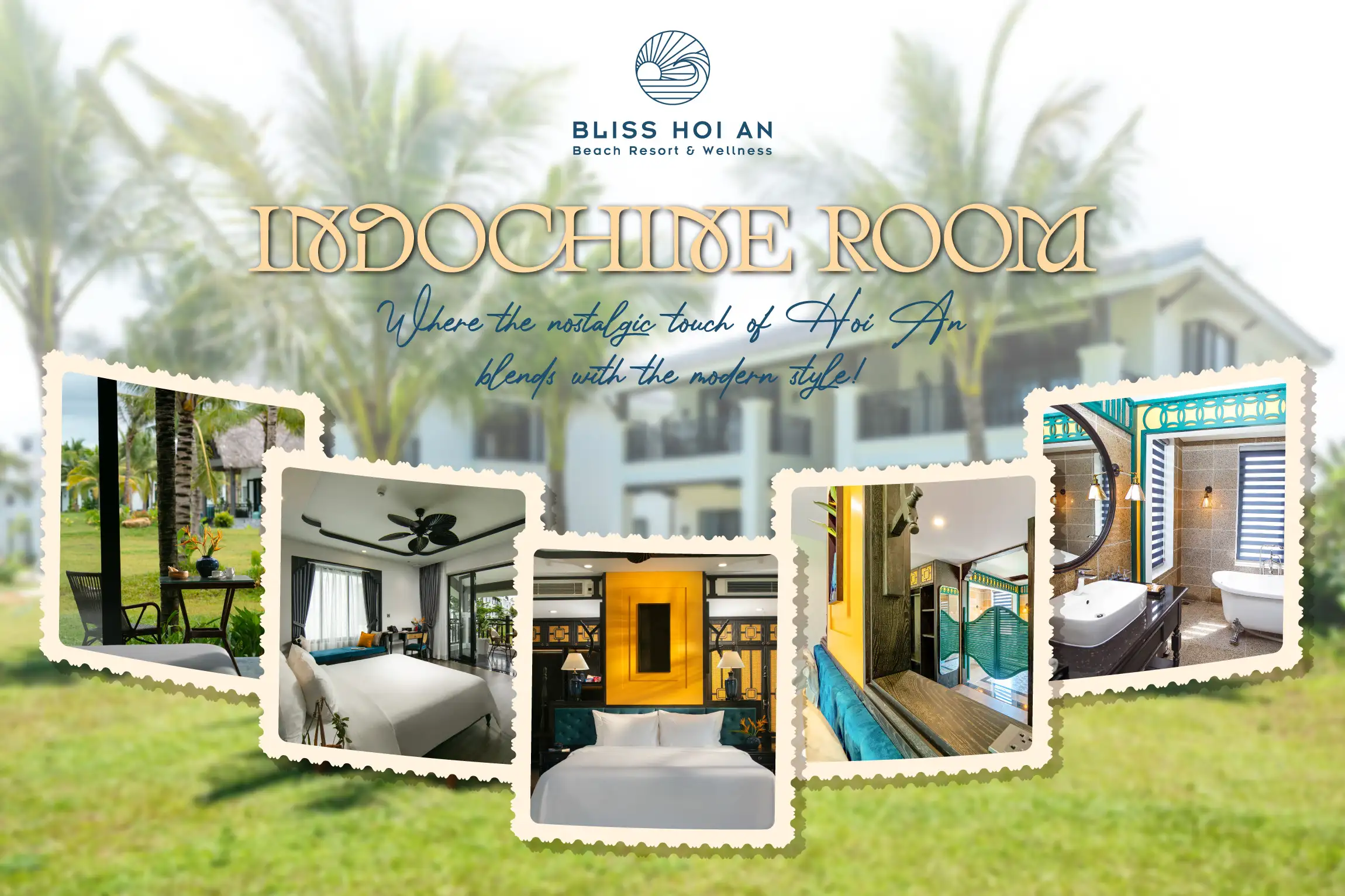
Waking up inside that architectural style, then taking the resort’s free shuttle into the actual Old Town twenty minutes later, gives the day a kind of before-and-after context that a standard hotel room doesn’t. You leave a space built in the spirit of 19th-century Hoi An and arrive at the real thing. It’s a small detail, but it’s the sort of thing that makes the difference between remembering a temple and remembering a place.
2. Row into the past: A sunset basket boat ride on the Thu Bon
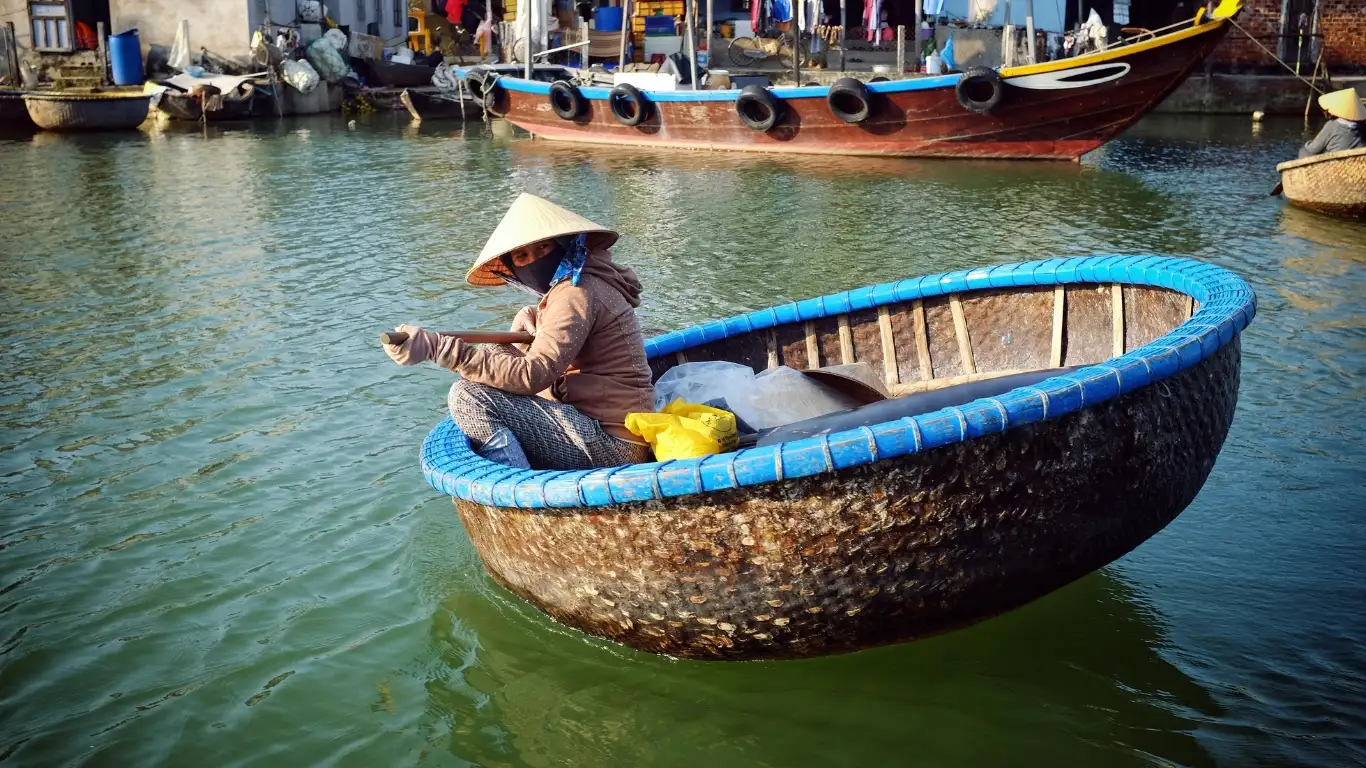
If one activity converts skeptics into believers, it’s this one. The basket boats -round, woven bamboo vessels once used by fishing families along the Thu Bon River -are still paddled the same way they were a century ago, and riding one at dusk, surrounded by floating candle lanterns, is as close as most travelers get to touching Hoi An’s working-river history rather than reading about it.
The experience is hands-on by design. A local rower teaches you the spinning paddle stroke, which takes a few tries and usually gets a laugh out of everyone in the boat. Along the way you pass coconut palm forests that fishing families have used for boat-building materials for generations, and as the light drops, the river fills with paper lanterns released by other visitors, turning the whole scene into something that photographs never quite capture.
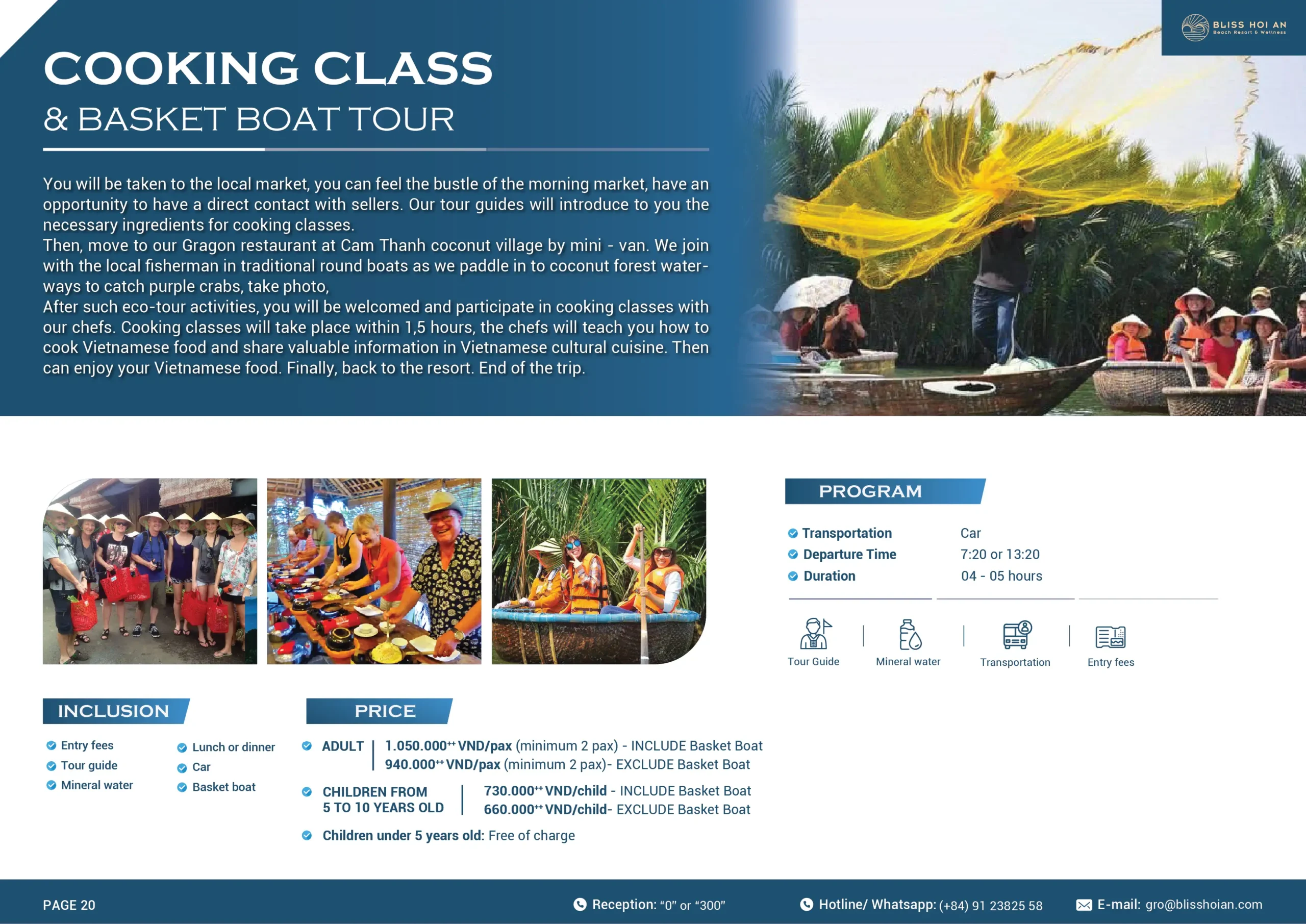
It’s included as part of Bliss Hoi An’s Basket Boat Tour, and can also be combined with a cooking session through the Cooking Class & Basket Boat Tour.
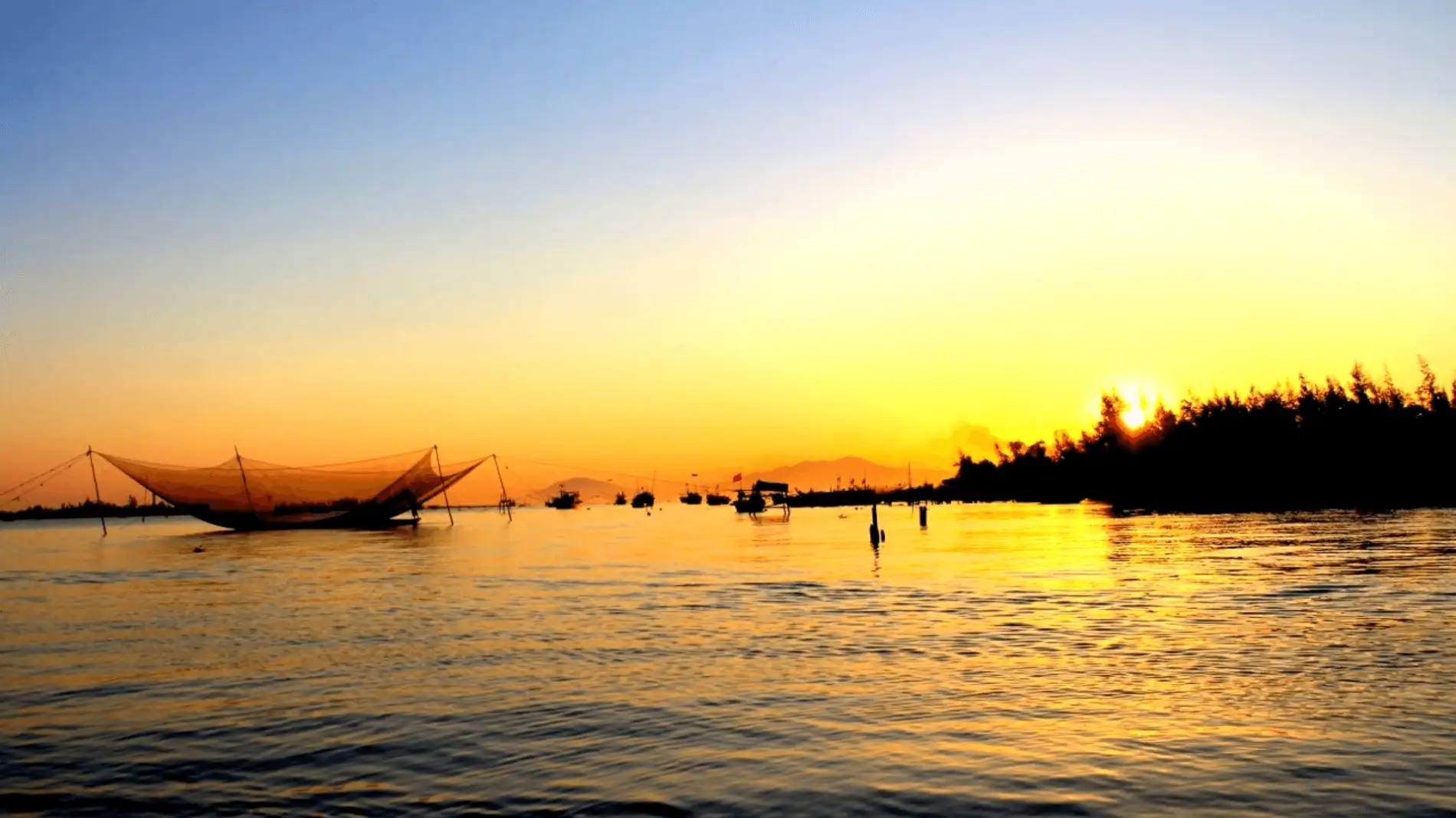
Timing matters here more than with most Hoi An activities. Go at dusk rather than midday: the light is softer, the heat has dropped, and the lantern displays only really work after sunset. Guests who’ve cycled through the surrounding coconut villages before booking the boat ride often say it’s the single experience they’d repeat if they came back -a pattern worth noting if you’re deciding which one activity to prioritize on a short stay.
3. Cook a recipe that predates the french quarter
Hoi An’s food history is arguably older than its architecture. Dishes like Cao Lau and white rose dumplings (Banh Vac) trace back to the town’s centuries as a Southeast Asian trading port, when Chinese, Japanese, and later French influences all passed through the same kitchens. A cooking class here isn’t a generic “Vietnamese cuisine” lesson -it’s a walk through exactly which cultures left their mark on the food, and why.
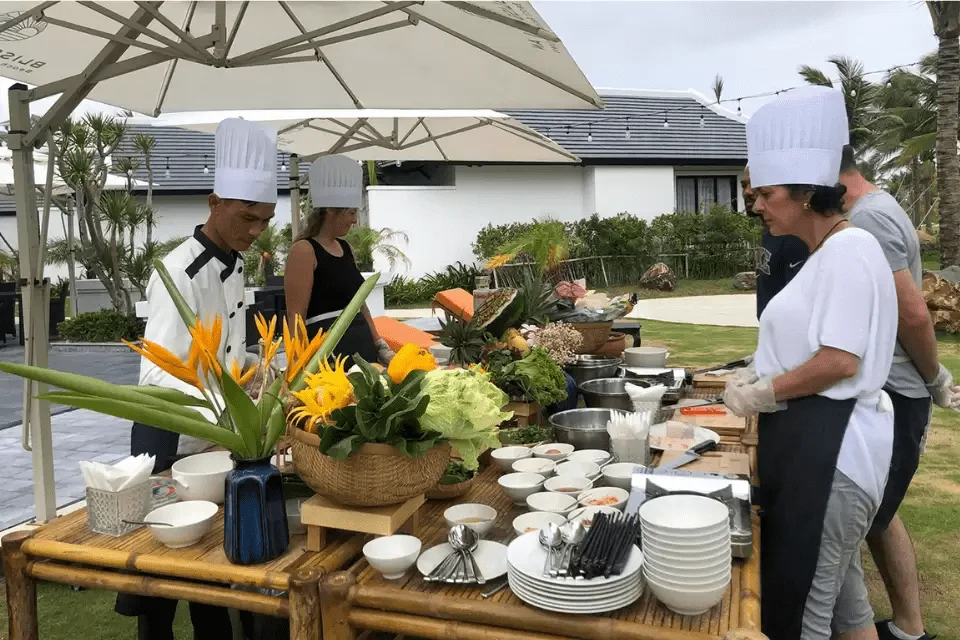
A typical session starts at a local market, where the instructor explains which ingredients are unique to this stretch of coast and which recipes changed as new traders settled in town. From there, you move to hands-on prep: rolling white rose dumplings by hand, balancing the broth for cao lầu (a noodle dish that, unusually, is traditionally made only with water from a specific well in town), and learning why Hoi An’s food doesn’t taste quite like anywhere else in Vietnam.
This pairs naturally with a river outing, which is why Bliss Hoi An bundles the two into a single Cooking Class & Basket Boat Tour. If food history interests you specifically, ask your tour desk to weight the class toward the older, trade-era dishes rather than the more modern fusion additions -both are on the menu, but only one answers the “why does this taste the way it does” question.
4. Walk in where the merchants walked: An Old Town Heritage route
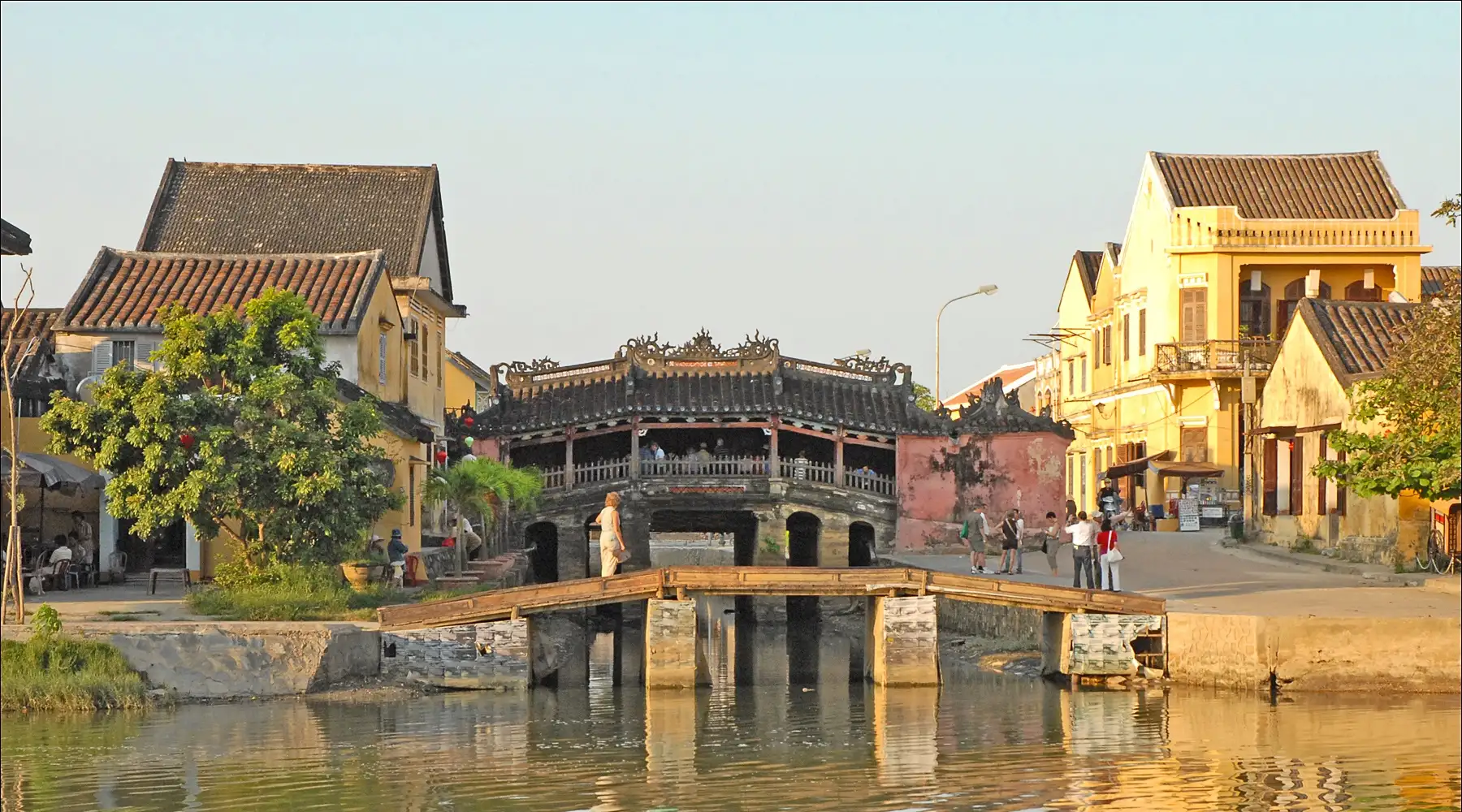
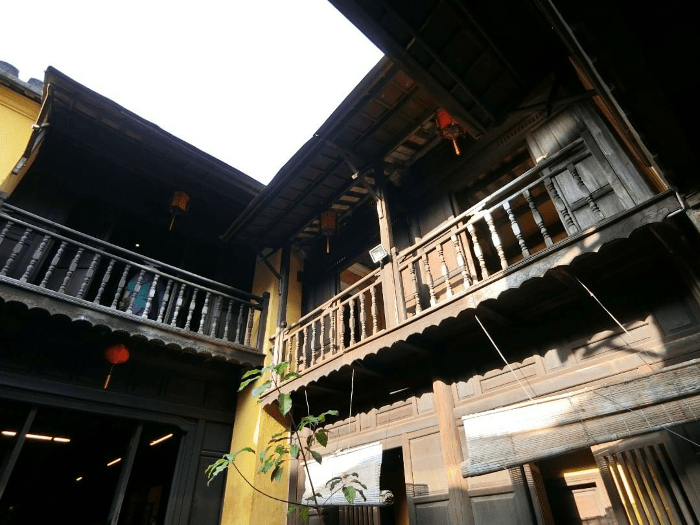
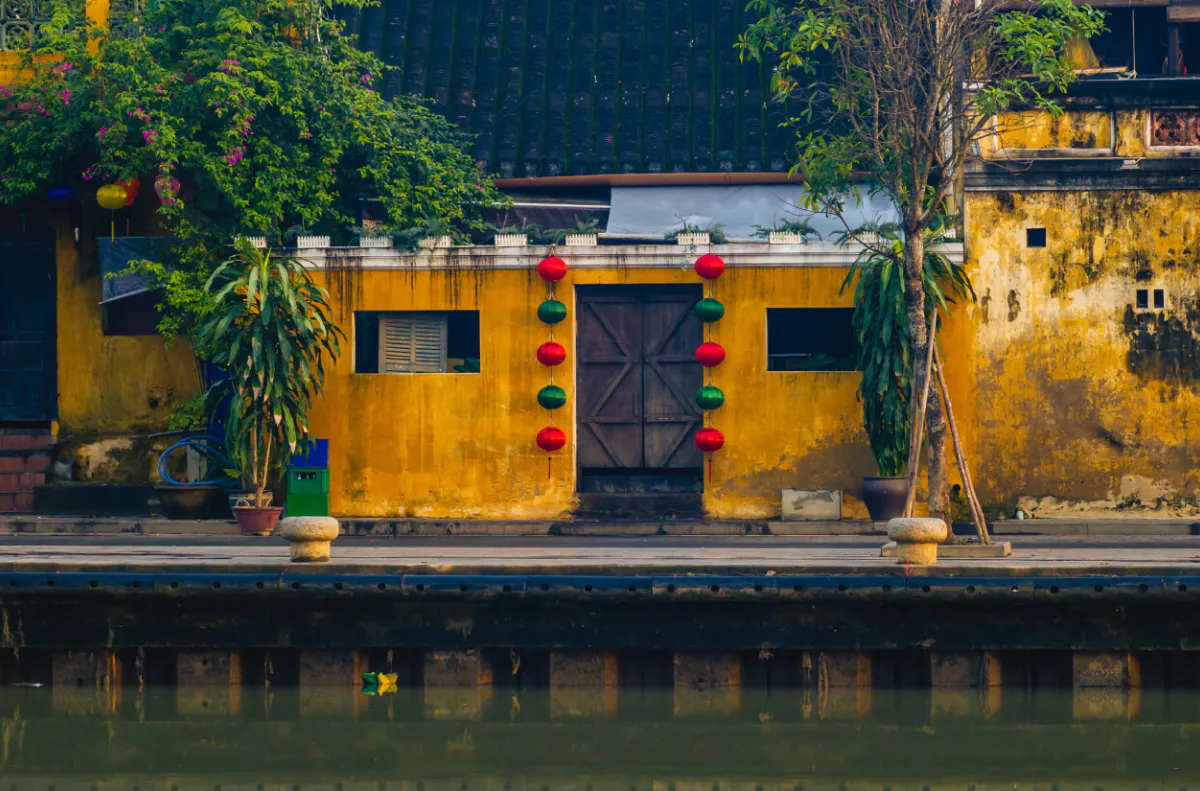
Start at the Japanese Covered Bridge, built in the early 17th century and still the town’s clearest physical link between Japanese and Vietnamese trading communities. From there, Tan Ky Old House and Phung Hung Old House are worth entering rather than just photographing from outside -both are still owned by the families who built them generations ago.
And the interiors show construction details (flood markers on the walls, ceiling beams designed to withstand monsoon winds) that explain how merchant families actually lived, not just how the buildings look. Budget close to half a day if you want to do this properly rather than rush it.
For a deeper dive into how these buildings fit together historically -including the wave of Chinese, Japanese, and French influence that shaped the whole street plan -our companion article on Hoi An’s history and the intersection of cultures is worth a read before you go, and our guide to Old Town tickets covers exactly which sites the entrance ticket unlocks so you’re not caught off guard at the gate. If museums are more your pace than walking routes, our Hoi An museum crawl guide covers the indoor alternative in more depth. Read more on either before you set out.
5. Meet the villages still practicing 400-Year-Old trades
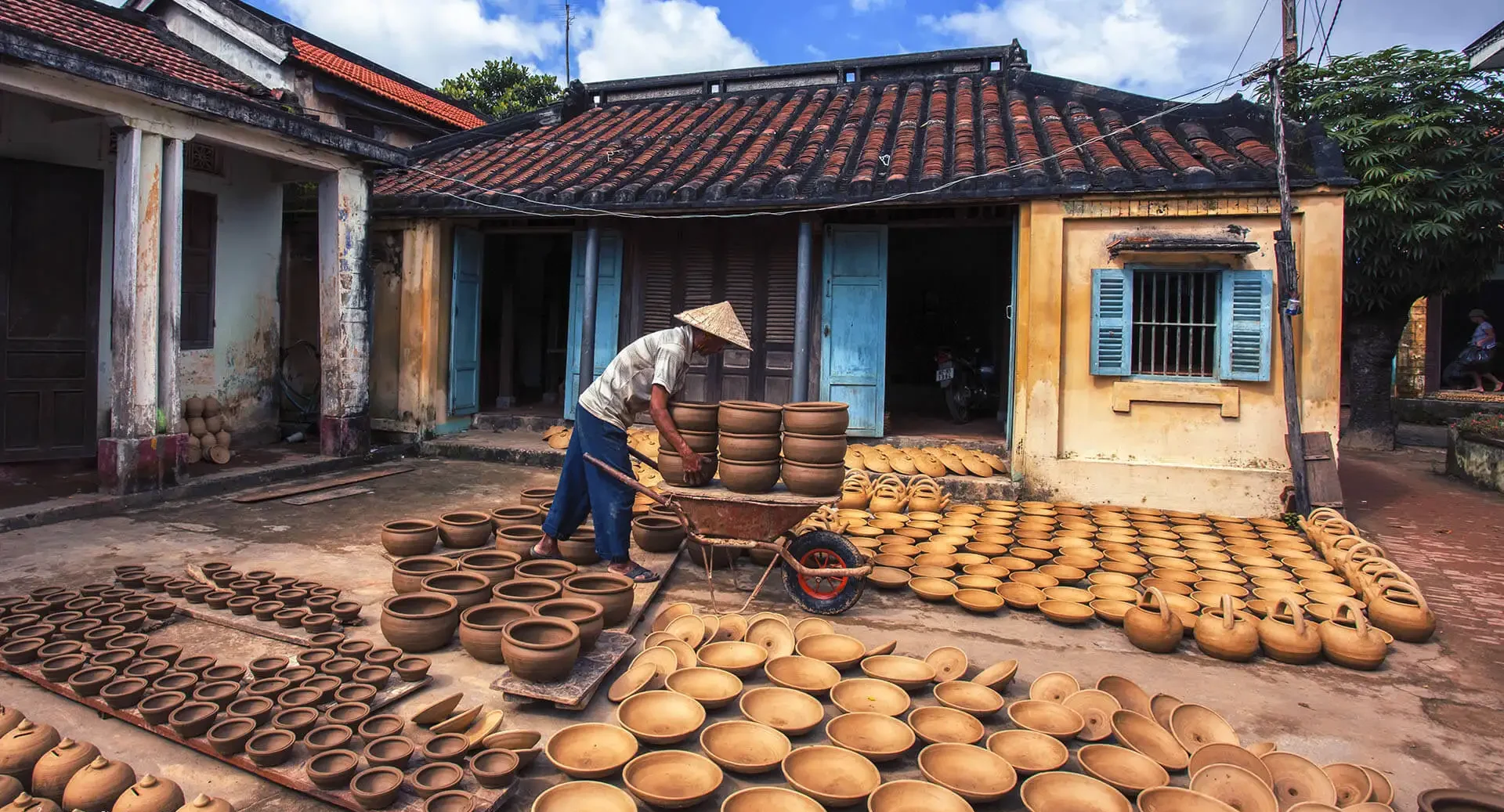
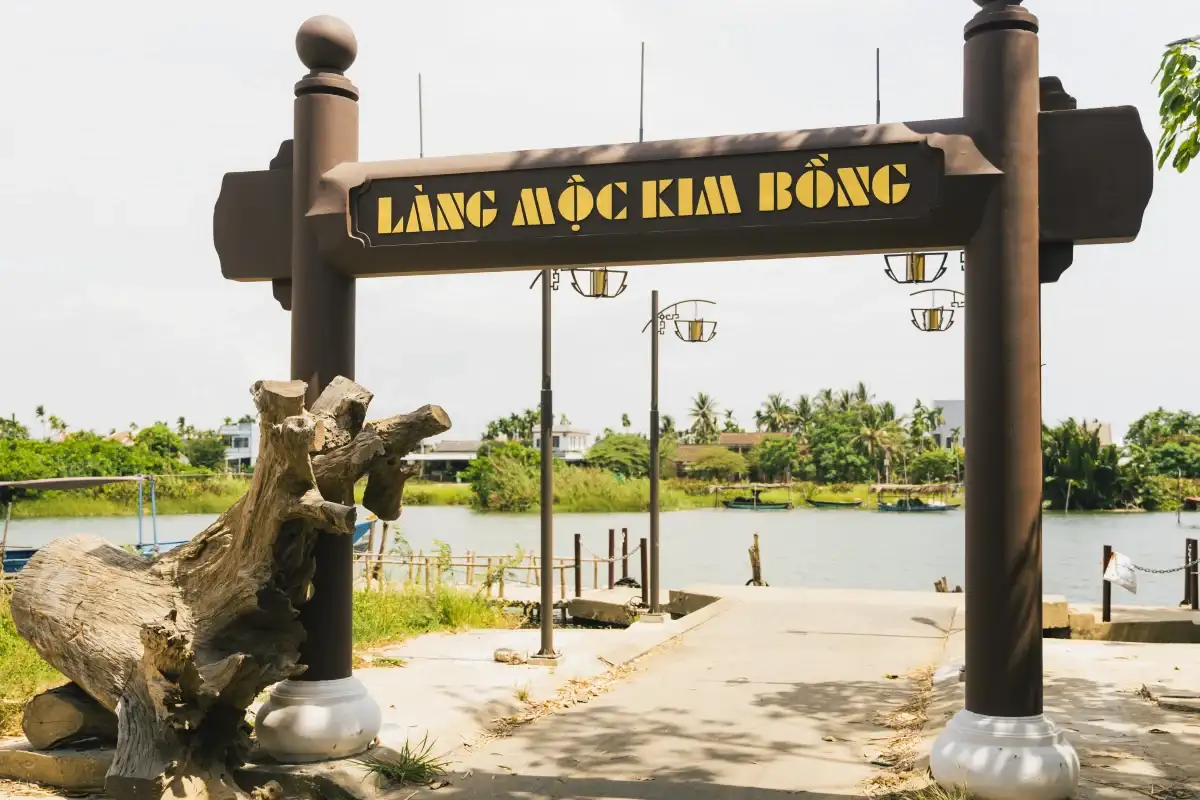
A few kilometers outside the Old Town, Hoi An’s craft villages are doing something the museums can’t: they’re still working. Thanh Ha pottery village has thrown clay pots by hand since the 16th century, and Kim Bong carpentry village still trains apprentices using techniques passed down through family lines rather than trade schools. Visiting either feels less like a heritage stop and more like watching history happen in real time.
Most travelers reach these villages by bicycle, which also happens to be the most historically accurate way to see them -the roads through the surrounding rice paddies and fishing hamlets haven’t changed much in shape even as the transport on them has. Along the way, you’ll pass small family shrines and communal houses still used for local ceremonies, giving a sense of how the region’s spiritual traditions sit alongside its craft traditions rather than separately from them. Our cycling in Hoi An guide maps out a route that takes in both villages without doubling back.
Set aside a full morning if you want to try your hand at the pottery wheel yourself, which most workshops in Thanh Ha allow for a small fee -it’s humbling in the best way, and gives you real appreciation for how difficult the “simple” pots on sale actually are to make. Afternoon light is harsher for photos here, so mornings are the better window if that matters to you.
6. Practical Details: Fitting it all in
None of the above works if the logistics don’t line up, so here’s the planning layer. Hoi An’s Old Town operates on a paid ticket system that funds ongoing restoration, and several of the experiences above (basket boats, cooking classes) run on their own separate schedules that need booking a day ahead in peak season.
The table below covers the essentials for each experience so you can plan a realistic day-by-day split rather than trying to cram everything into one afternoon.
| Experience | Best time of day | Typical duration | Booking lead time |
| Indochine Villa stay | Any (check-in from 2 PM) | Full stay | Book with your reservation |
| Basket boat + lanterns | Dusk (5–7 PM) | 1–1.5 hours | 1 day ahead in high season |
| Cooking class | Morning | 3–4 hours | 1 day ahead |
| Old Town heritage walk | Morning or late afternoon | 3–4 hours | Ticket on arrival |
| Craft village cycling | Morning | Half day | Self-guided or 1 day ahead |
A few points worth flagging beyond the table. First, the free shuttle bus that Bliss Hoi An runs between the resort and Old Town follows a fixed daily schedule, so it’s worth checking departure times at reception the night before rather than assuming you can leave whenever.

Second, the Old Town ticket only covers a limited number of the paid heritage sites, so decide in advance which houses matter most to you -our Old Town tickets breakdown explains exactly how the ticket allocation works. Third, if your trip is short, our 3-day Ancient Town itinerary shows how past guests have sequenced these exact experiences across a long weekend without feeling rushed.
Evenings are also worth planning around, since Hoi An’s heritage identity doesn’t stop when the museums close. The town runs a nightly show built around its trading-port folklore close to the resort -our piece on the Hoi An Memories Show covers whether it’s worth the ticket price for history-focused travelers specifically.
Frequently Asked Questions about history experience
What is the best Hoi An history experience for someone with only one day?
→ Pair a morning Old Town heritage walk with a dusk basket boat ride. That combination covers both the architectural history (merchant houses, the Japanese Bridge) and the living, working-river history in under eight hours total.
Do I need a guide to understand the history, or can I do it independently?
→ Independent visits work fine for the Old Town walk if you read up beforehand -our Hoi An history article covers the background. The basket boat, cooking class, and craft village visits are more rewarding with a local guide, since the context (why this boat shape, why this recipe) isn’t posted anywhere.
Is Hoi An’s history experience suitable for children?
→ Yes. The basket boat ride and pottery-wheel sessions in Thanh Ha are consistently popular with kids, since both are hands-on rather than fact-heavy. The Old Town walk is easiest with children in the cooler morning hours.
How far is Bliss Hoi An Beach Resort & Wellness from the Old Town?
→ Around twenty minutes by the resort’s complimentary shuttle bus, which runs on a fixed daily schedule.
Ready to build your own version of this itinerary? Check availability at Bliss Hoi An Beach Resort & Wellness and ask reception about combining the Indochine Villa with a basket boat and cooking class package for your stay.

Related Posts
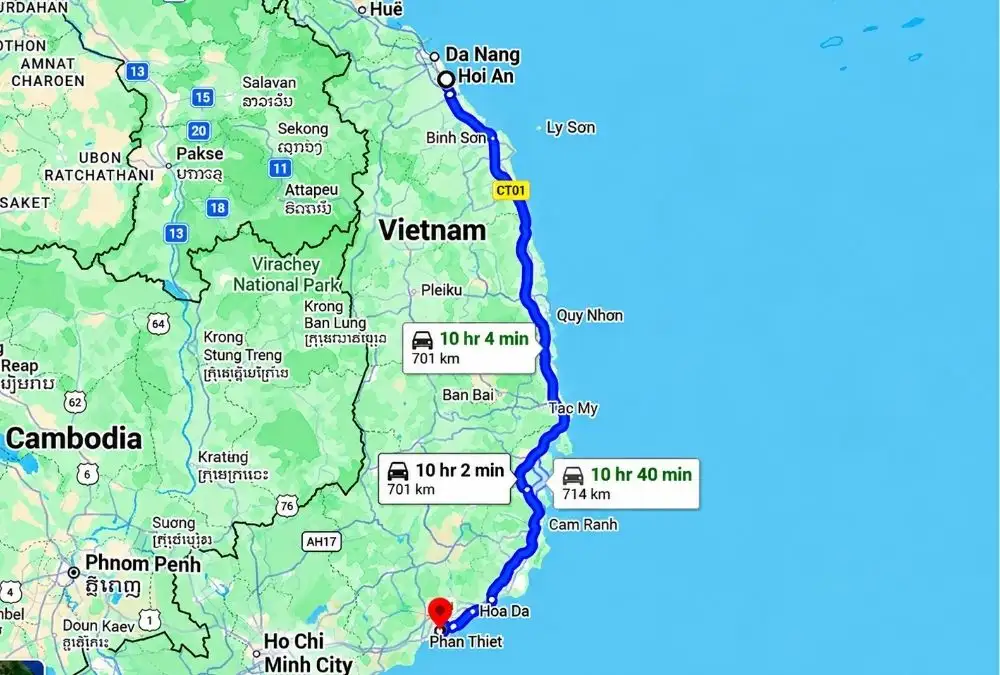
Hoi An to Mui Ne: 3 Routes Compared for Travel, Scenery and Adventure
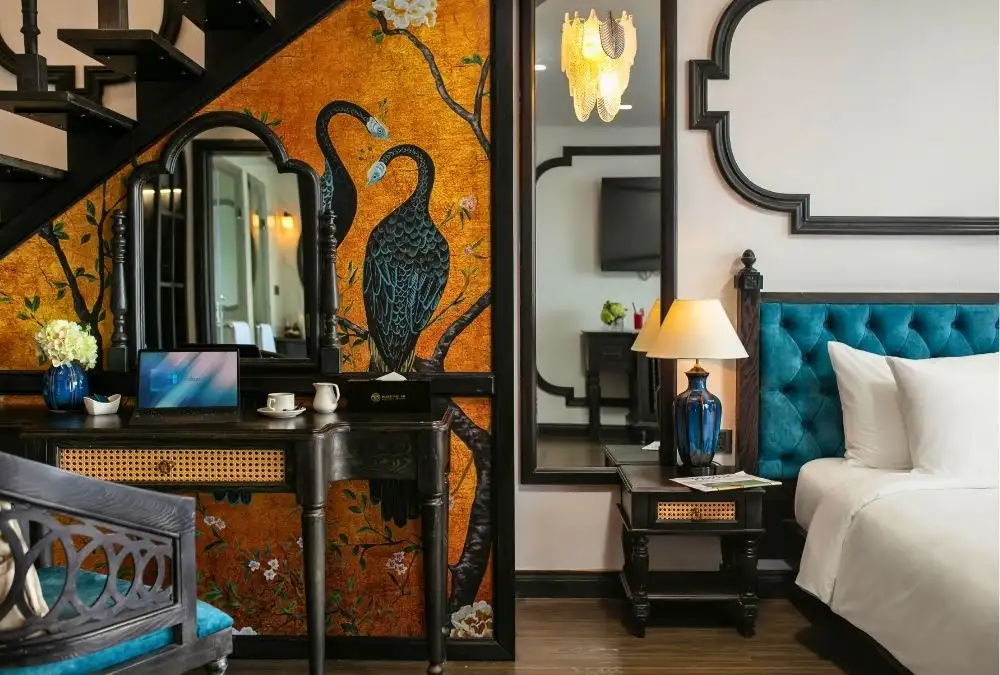
Hoi An Indochine Style Resort: How to Choose a Stay With Real Vietnamese Character
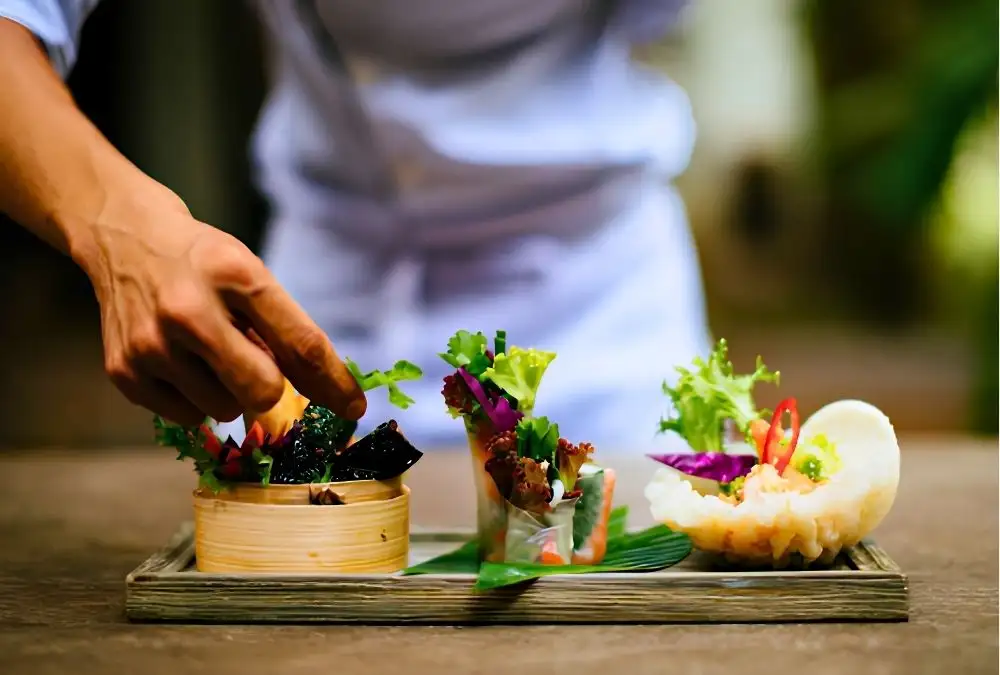
Private Chef Hoi An: Top 10 Chefs for a Personalised Dining Experience
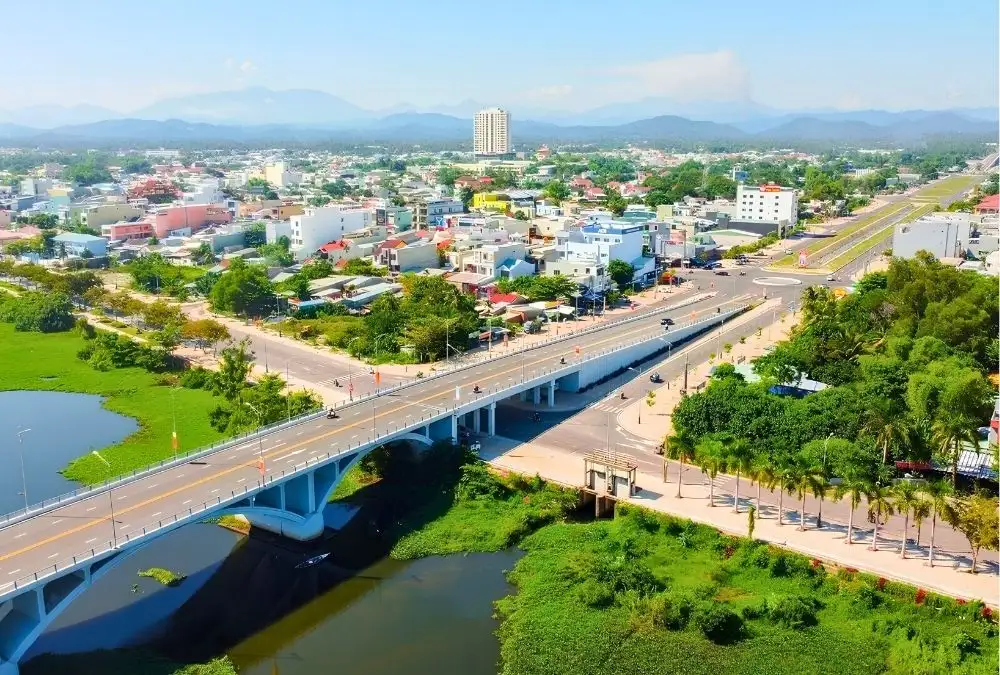
A trip from Hoi An to Tam Ky in one day: Is it feasible?

Private Tours from Hoi An Beach Resorts: Discover Central Vietnam from Bliss Hoi An