

Vinh Moc tunnels: Step inside Vietnam’s underground village of survival
Beneath the quiet coastal landscape of Quang Tri lies one of Vietnam’s most extraordinary wartime landmarks, vinh moc tunnels. More than a historic site, this underground network tells the story of an entire community that chose to live beneath the earth to survive relentless bombings during the war. For travelers who want more than sightseeing, this destination offers a rare chance to experience history in a deeply immersive way, one that leaves a lasting impression long after the journey ends.
Introduction to Vinh Moc Tunnels
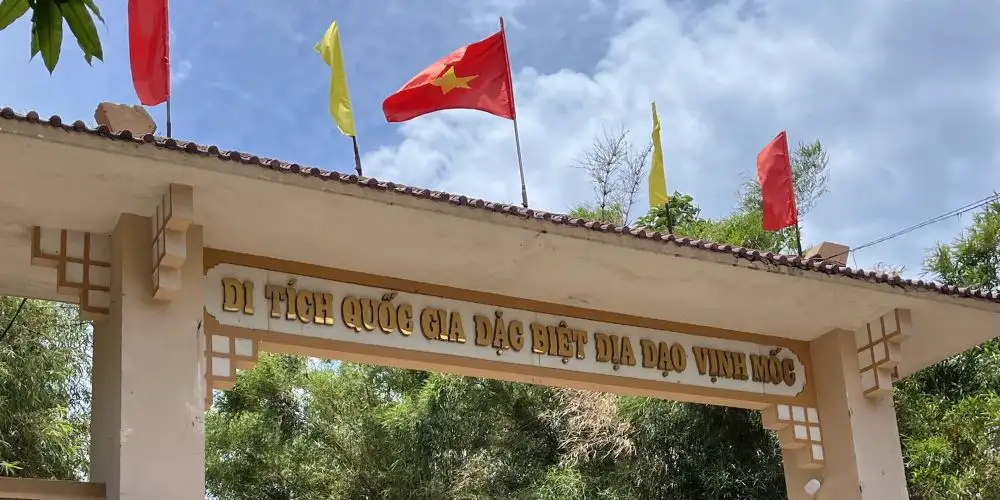
The Vinh Moc Tunnels are a historic underground tunnel system located in Vinh Thach Commune, Vinh Linh District, Quang Tri Province, Vietnam. Built during the Vietnam War, these tunnels were originally designed to protect local residents from bombings and aerial attacks.
The tunnel system is not only a remarkable feat of engineering but also reflects the resilience and daily life of the people who lived there. Visitors can experience the underground living spaces where families cooked, slept, and carried out daily activities under extremely challenging conditions.
Today, Vinh Moc Tunnels Vietnam has become a popular destination for both domestic and international tourists, attracting those interested in war history, underground architecture, and Vietnamese culture. In addition to learning about history, visitors can take photos, explore the tunnel layout, and join guided tours to gain a deeper understanding of the life of Vinh Linh residents living underground.
History of Vinh Moc Tunnels
Vinh Moc Tunnels is a special historical site located in Vinh Thach Commune, Vinh Linh District, Quang Tri Province. This structure was built from 1965 to 1967, during the most intense period of the Vietnam War in central Vietnam. At that time, Vinh Linh was located just north of the Demilitarized Zone (DMZ), becoming a constant bombing target due to its strategic position near the 17th parallel.
Facing heavy and continuous bombings, local people decided to dig the Vinh Moc Tunnels system to protect their lives and maintain daily living. Unlike many temporary bomb shelters, this was a well-planned structure built on a large scale, capable of supporting an entire community for a long period.
Why were the tunnels built?
The main reason Vietnam tunnels Vinh Moc was created was to help local residents avoid intense air raids and prolonged shelling during the war. At that time, Vinh Linh was frequently attacked because it played an important role in providing logistical support to Con Co Island and the southern battlefields.
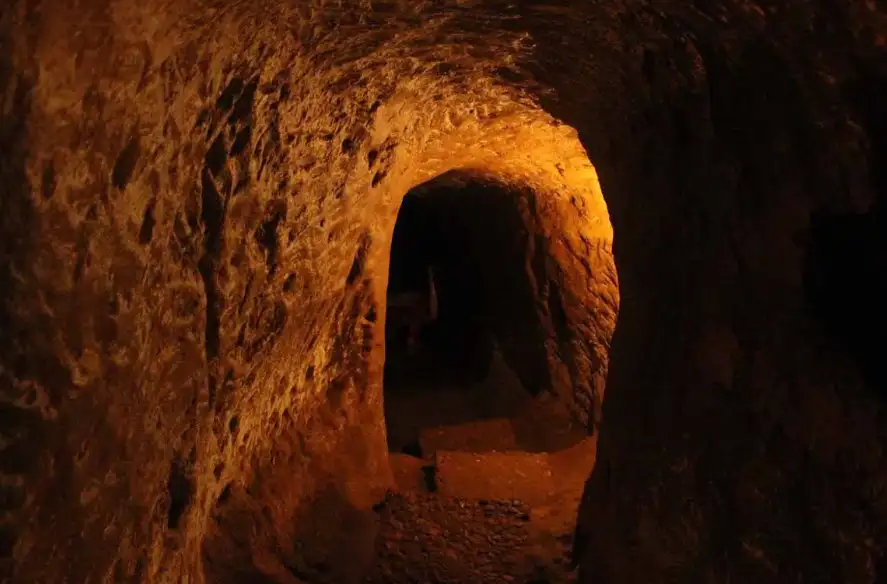
The tunnels were dug from 10 to 23 meters underground, making use of the area’s strong red basalt soil to improve structural stability. The entire system stretches nearly 2 kilometers, consisting of three levels, multiple ventilation shafts facing the sea, and strategically positioned entrances to ensure safe movement.
Life underground during wartime
More than just a shelter, Vinh Moc Tunnels was also designed as a complete living space. Inside the tunnels, there were family areas, meeting rooms, a medical station, water wells, food storage areas, and even a dedicated maternity area for women giving birth.
For many years, dozens of families lived inside the tunnels Vinh Moc, maintaining an almost normal routine even while the war was happening above ground. Children were still born, adults continued working, and the community remained closely connected within this cramped yet safe underground environment.
Its role in Vietnam war history
Historically, Vinh Moc Tunnels is a symbolic example of the adaptability and resilience of the Vietnamese people during wartime. This structure shows how people were able to transform harsh conditions into a safe and effective living environment.
Beyond its military value, the tunnel system also reflects community strength, solidarity, and the desire to survive amidst destruction. Today, it has become one of the most remarkable war relics in Quang Tri, attracting visitors who want to gain a deeper understanding of Vietnam’s history.
What to see at Vinh Moc Tunnels today
When visiting Vinh Moc Tunnels today, travelers are not simply entering a historic tunnel but truly exploring an almost fully preserved “underground village.” The entire site has been carefully maintained with its authentic structure rather than being heavily reconstructed, allowing visitors to clearly experience how people once lived, organized their space, and adapted to the harsh realities of war.
What makes the visit especially unique is that you will walk through the actual tunnel system itself, observe each functional space, and understand how these areas were connected like a small society beneath the ground.
The unique multi-level tunnel structure
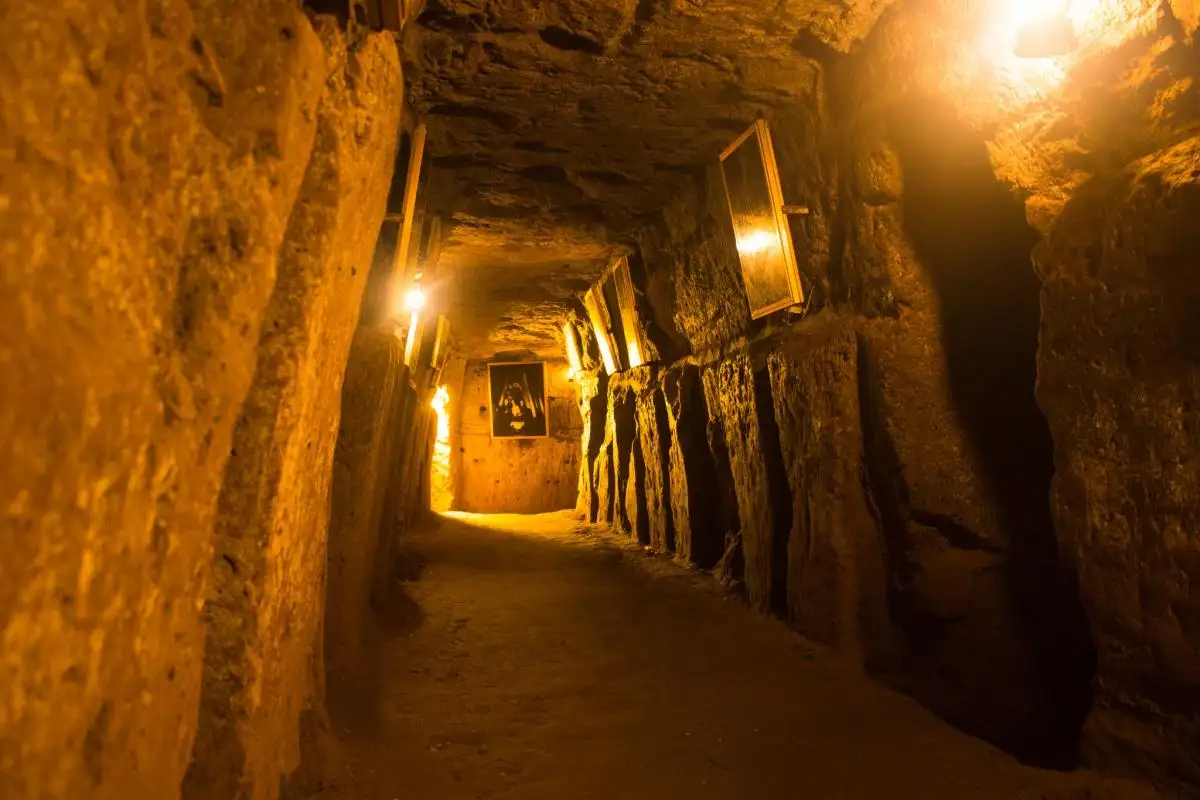
The most important feature visitors will see is the tunnel structure itself, a remarkably sophisticated engineering work, especially considering it was built entirely by hand. The system stretches for more than 1 kilometer (excluding smaller branches) and consists of three levels at different depths to protect residents from bomb attacks.
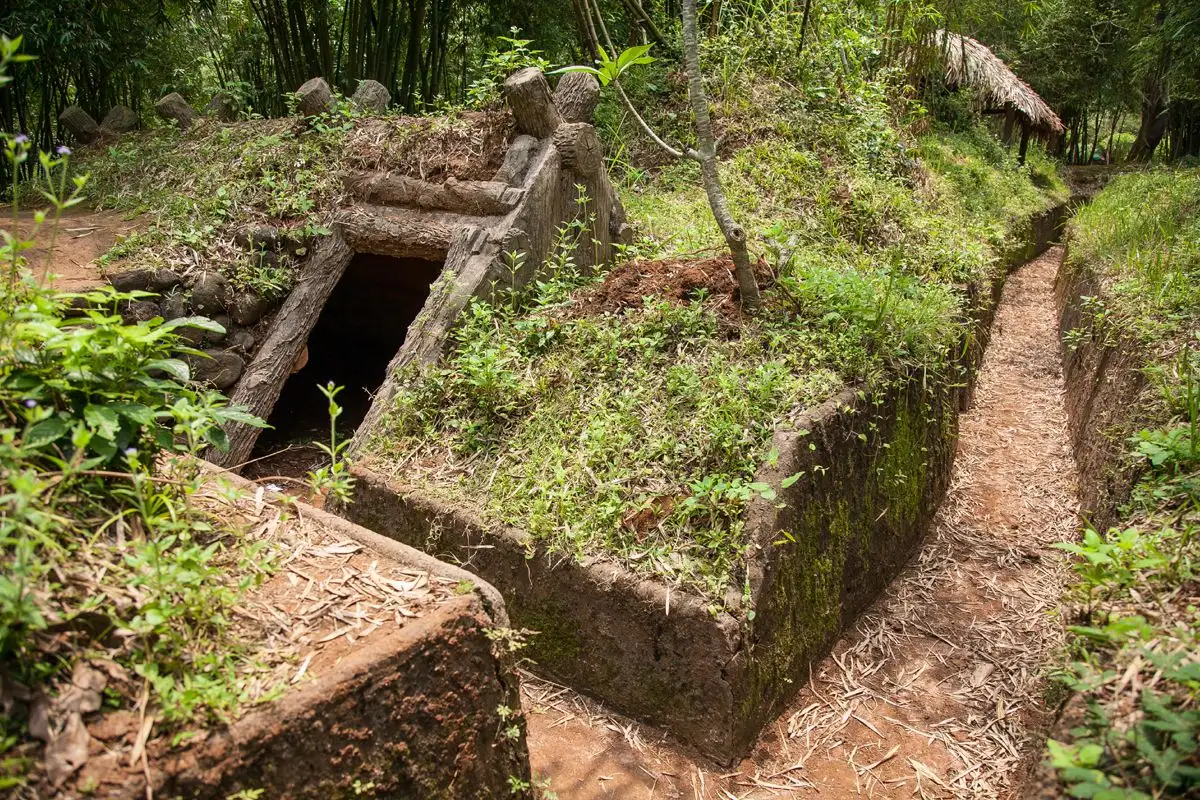
Each level served a different purpose: the upper level was mainly used for temporary shelter, the middle level functioned as the main living area, and the deepest level provided the highest level of safety while also connecting to the sea.
As you walk inside, you will notice that the tunnels are not built in straight lines but curve gently. This design helped reduce the impact of shockwaves from explosions. The corridors are moderately high, around 1.7–1.8 meters, making them accessible while still maintaining safety and concealment.
Functional chambers that recreated a complete community
As you move deeper into the tunnels, one of the most surprising aspects is the number and variety of functional spaces. Vinh Moc was not just a bomb shelter—it was truly a complete underground residential community.
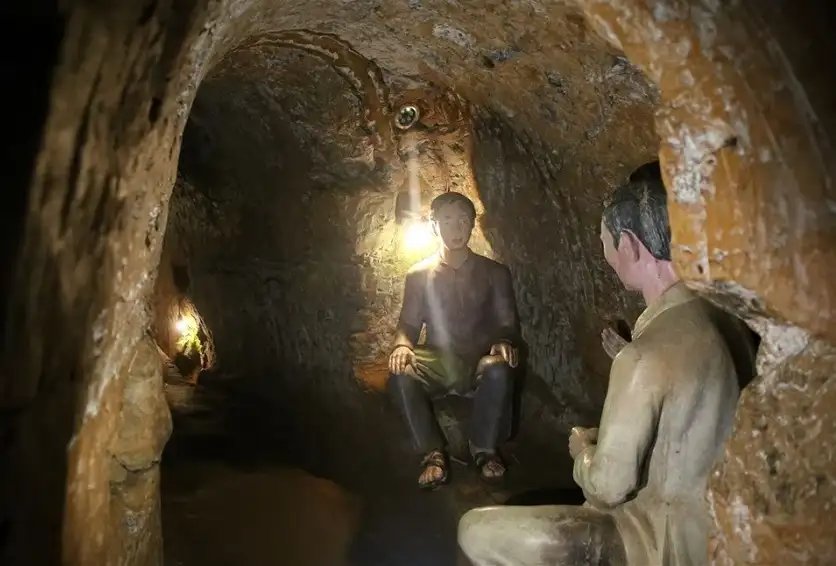
Small chambers were carved directly into the tunnel walls, each large enough for a family’s daily life. In addition, there was a communal meeting area used for gatherings and shared activities. One especially interesting feature is the hall, which was large enough to hold dozens of people and was once used for film screenings or cultural activities right underground.
The system also included a medical station, Hoang Cam kitchens designed to hide smoke, food storage areas, and even a dedicated maternity space for women giving birth. These details clearly show that the residents did not merely “hide” here, but actually lived, worked, and maintained their community underground for years.
Tunnel entrances, escape routes, and sea-facing ventilation shafts
Another remarkable feature during the visit is the large number of entrances and escape routes, all arranged with strong strategic purpose. The entire system includes more than ten entrances, many of which open toward the sea, serving both as emergency exits and supply routes.
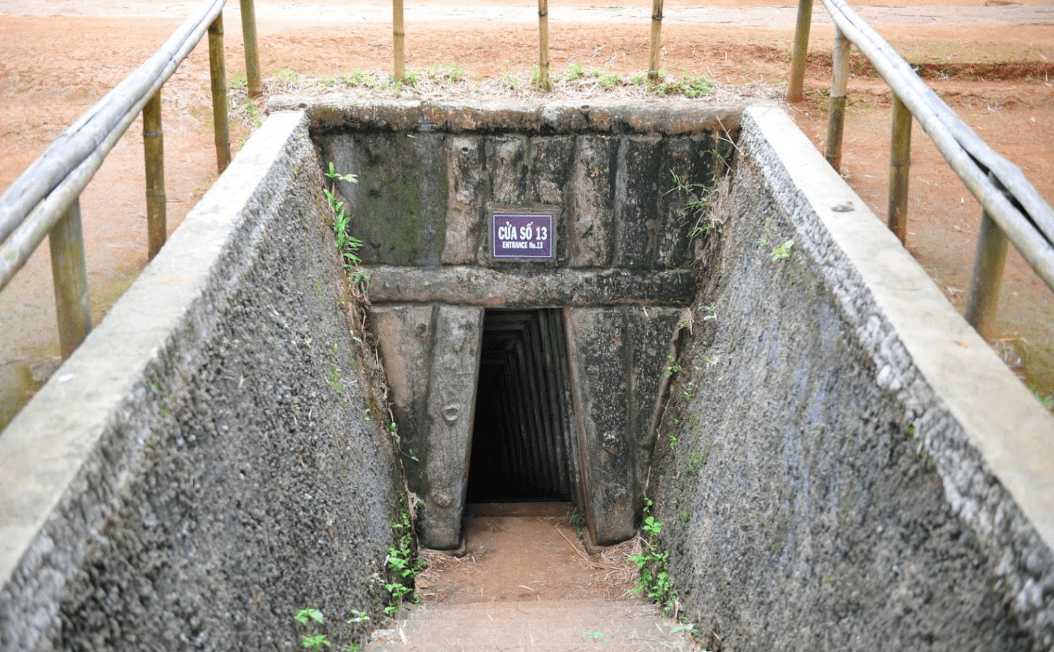
The ventilation shafts were also cleverly designed to ensure continuous airflow while minimizing the risk of detection from above. As you pass these areas, you can often see natural light filtering into the tunnel, creating a striking contrast between darkness and light.
Some routes even lead directly toward the coastal area, which once played a vital role in connecting to Con Co Island and transporting wartime supplies.
Historical artifacts and documentary exhibits
Beyond the tunnel experience itself, the site also features an exhibition area outside, where many photos and artifacts related to the construction process and underground life are displayed.
Here, visitors can see the structural map of the tunnel system, wartime documentary photos, handmade digging tools, and many everyday items once used by local residents. Some sections also display bomb shells and war remnants, helping visitors better understand how intense and destructive this area once was.
The documentary screening room – A valuable extra experience
One feature frequently highlighted by international travel articles is the documentary screening area within the site. This is where historical footage is shown, featuring real wartime images that provide a more emotional and visual perspective than written information alone.
This experience is often considered an ideal introduction before entering the tunnels, helping visitors understand the historical context and allowing them to connect more deeply with what they see inside.
The outdoor area: Tunnel exits, coastline, and surrounding landscape
After walking through the tunnel system, visitors often finish the journey at an exit near the sea. The openness of this area creates a complete contrast with the confined underground space, giving a strong sense of “stepping back into the light.”
The surrounding area includes pathways, tunnel openings, earthen mounds, and coastal scenery, all of which still preserve a raw and historical atmosphere. This is also where many visitors stop to observe the overall external structure of the tunnels and better understand how the entire system blends naturally into the landscape.
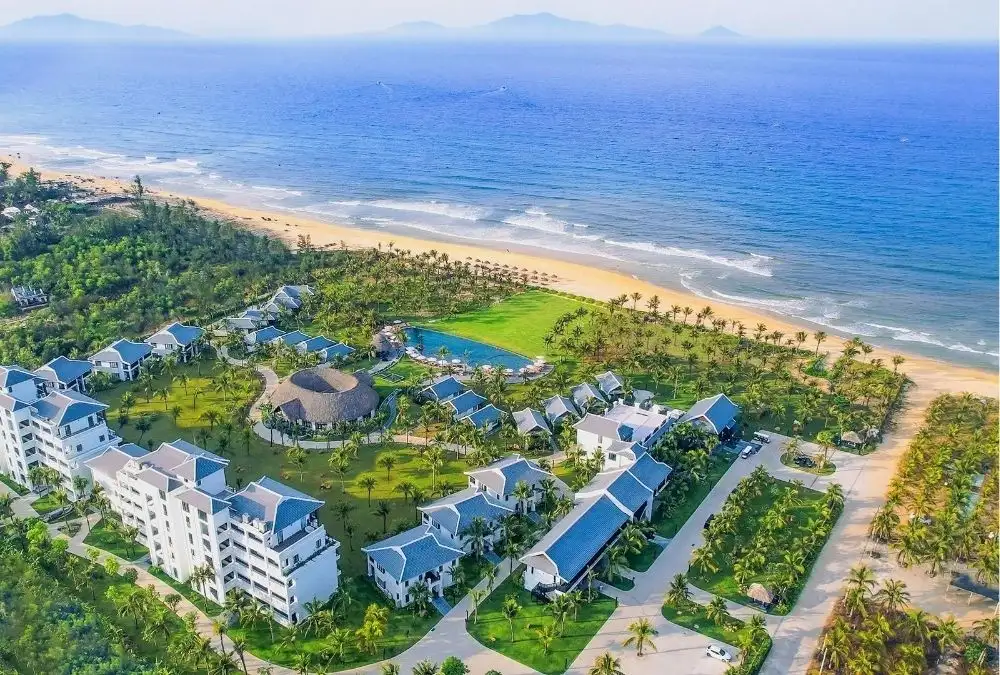
After exploring the rich wartime history of Quang Tri, consider continuing your Central Vietnam adventure with a relaxing beach escape in Hoi An. A stay at Bliss Hoi An Beach Resort & Wellness offers the perfect contrast to the historical atmosphere of Vinh Moc Tunnels, allowing travelers to unwind by the sea, enjoy wellness experiences, and discover the cultural charm of Hoi An. Bliss Hoi An also offers the Vinh Moc Tunnels & Mother Thu Monument tour for who are interested in history!
With its peaceful beachfront setting, elegant rooms, and rejuvenating spa treatments, the resort is an ideal next stop for those who want to combine meaningful heritage travel with comfort and relaxation. This combination creates a well-rounded journey through Central Vietnam, from powerful historical landmarks to serene coastal luxury.
How to visit Vinh Moc Tunnels
Planning a visit to Vinh Moc Tunnels requires some preparation, as the site is located in a coastal rural area of Quang Tri Province rather than a major tourist hub. Understanding the route and basic visitor information will help ensure a smooth and comfortable experience.
How to get to Vinh Moc Tunnels
Vinh Moc Tunnels are located in Vinh Linh District, Quang Tri Province, approximately 30 km north of Dong Ha City and about 90–100 km from Hue. The route is relatively straightforward but involves a combination of national highways and coastal roads.
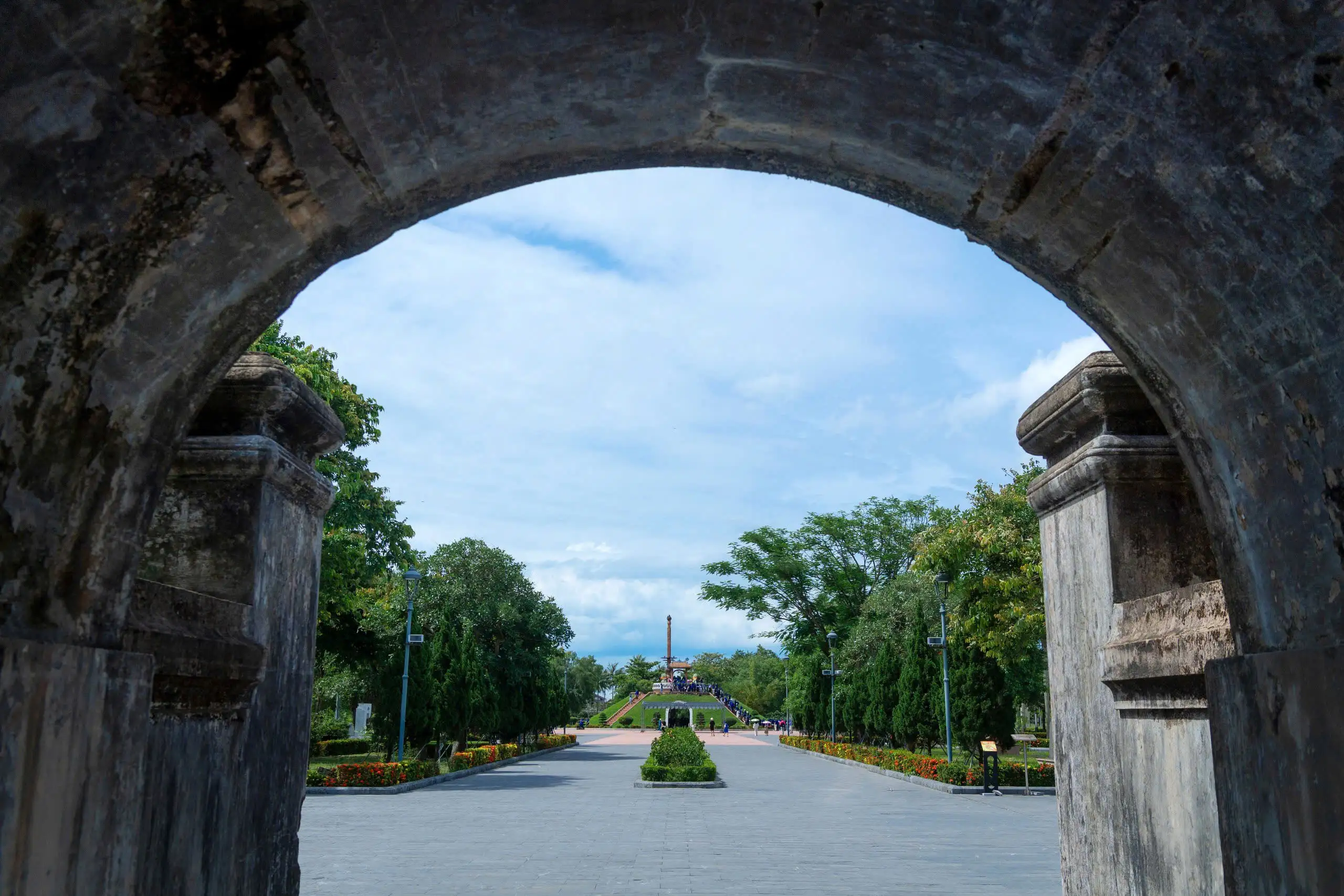
From Hue, the most common route is to head north via National Highway 1A (QL1A). This is the main backbone road connecting central Vietnam, and the drive takes you through several towns in Quang Tri Province. After reaching the Dong Ha area, you continue heading toward the coastal direction.
From here, the route becomes more local. You will pass through smaller roads leading toward the sea, including crossing key bridges such as Cua Viet Bridge and later Cua Tung Bridge. After reaching the coastal area, you turn onto a provincial road that leads directly to the Vinh Moc Tunnels site. The final stretch runs through quiet rural villages and coastal scenery before arriving at the entrance.
The total travel time from Hue is typically around 2.5 to 3 hours by car or motorbike, depending on traffic and stops along the way. If you start from Dong Ha, the journey is much shorter, usually around 1 to 1.5 hours.
Because there is no direct public transport to the tunnels, the most convenient options are private car, motorbike, or a hired driver. Navigation apps such as Google Maps are highly recommended, especially for the final coastal section where signage can be limited.
Read more: Hoi An to Vinh Moc Tunnels: Discover Vietnam’s Underground World
Entrance fee and opening hours
The entrance fee for Vinh Moc Tunnels is quite affordable, making it accessible for most travelers. Tickets typically cost around 50,000 VND per person, with possible discounts for children.
The site is open daily from 7:00 AM to 5:00 PM, allowing visitors to explore at their own pace throughout the day.
For the best experience, it is recommended to visit early in the morning or later in the afternoon. During these times, the weather is cooler, the tunnels are less crowded, and lighting conditions are more suitable for photography.
Tickets are usually purchased directly at the entrance without the need for advance booking. On-site guides may be available for an additional fee, offering deeper insights into the historical background and structure of the tunnels.
Visitors should plan to spend around 1.5 to 2 hours exploring the site, depending on how thoroughly they wish to experience the tunnel system and exhibition areas.
Nearby attractions worth combining
Visiting Vinh Moc Tunnels can easily be turned into a more enriching journey by combining it with several nearby attractions. The surrounding area of Quang Tri offers a mix of historical landmarks and coastal scenery, allowing travelers to gain a broader understanding of the region while enjoying a more diverse travel experience.
Hien Luong Bridge and Ben Hai River
Located just a short drive from Vinh Moc Tunnels, Hien Luong Bridge and the Ben Hai River are among the most historically significant sites in the region. This area once marked the temporary division between North and South Vietnam, making it a powerful symbol of the country’s past.
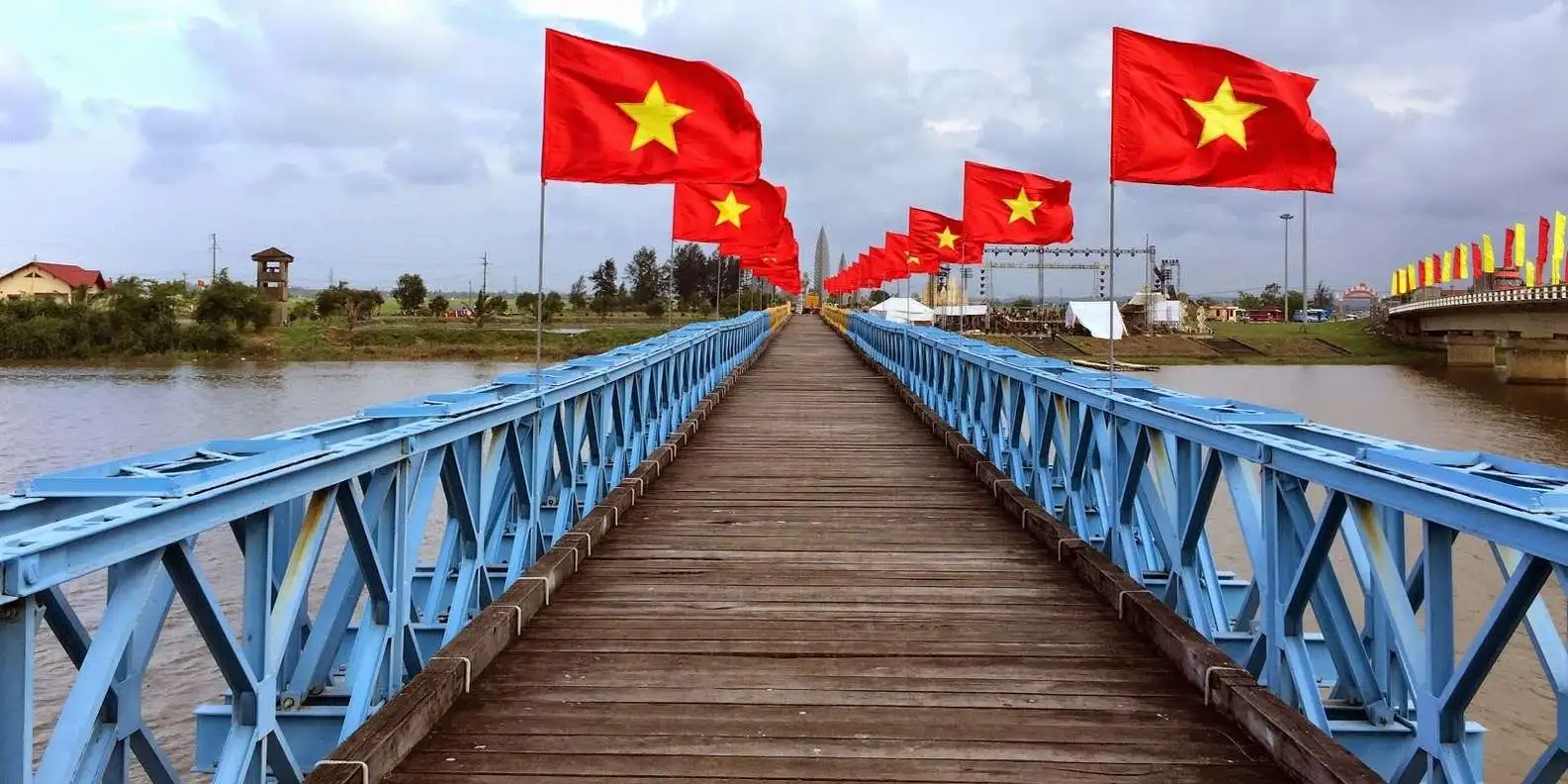
Today, visitors can walk along the bridge, explore the riverside area, and visit small exhibition spaces that display historical photos and artifacts. The atmosphere here is quiet and reflective, offering a deeper context to what you have just experienced inside the tunnels.
Cua Tung Beach
Only a few kilometers from Vinh Moc Tunnels, Cua Tung Beach provides a completely different experience. Known for its calm waters and peaceful setting, it is often considered one of the most relaxing coastal spots in Quang Tri.
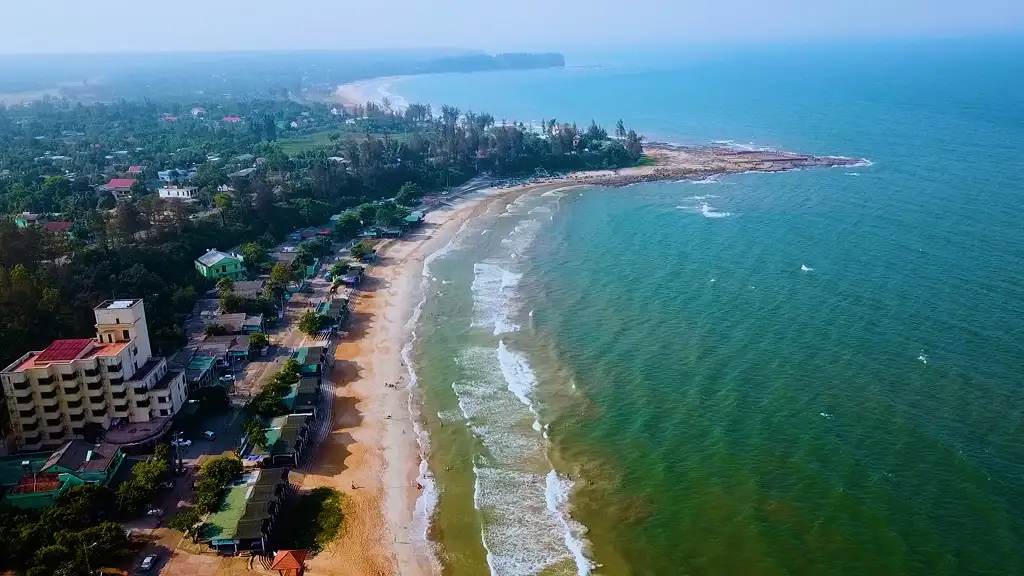
After exploring the dark and narrow tunnels, heading to the beach offers a refreshing contrast. Visitors can take a walk along the shore, enjoy the sea breeze, or simply relax while taking in the open coastal landscape.
Con Co Island
For those with more time, Con Co Island is a unique destination located offshore and accessible by boat. This island once held strategic importance during the war and today is known for its untouched natural beauty.
Visitors can explore forest trails, enjoy panoramic sea views, and even go snorkeling in clear waters. Combining Vinh Moc Tunnels with Con Co Island creates a well-balanced trip that blends history with nature.
Quang Tri Citadel
If you are interested in diving deeper into Vietnam’s wartime history, Quang Tri Citadel is another important stop. Located further inland, this site witnessed some of the most intense battles during the war.
Today, it stands as a memorial space with monuments, green grounds, and historical markers. Walking through the citadel provides a more comprehensive understanding of the broader historical context surrounding the region.
Read more: Binh Minh beach: A peaceful, untouched beach in Quang Nam
Few places in Vietnam offer a historical experience as moving and immersive as vinh moc tunnels. What makes this destination truly unforgettable is not only its engineering or wartime significance, but the human stories embedded in every layer of earth. Visiting vinh moc tunnels is an opportunity to witness resilience in its most tangible form and gain a deeper appreciation of Vietnam’s past.

Related Posts
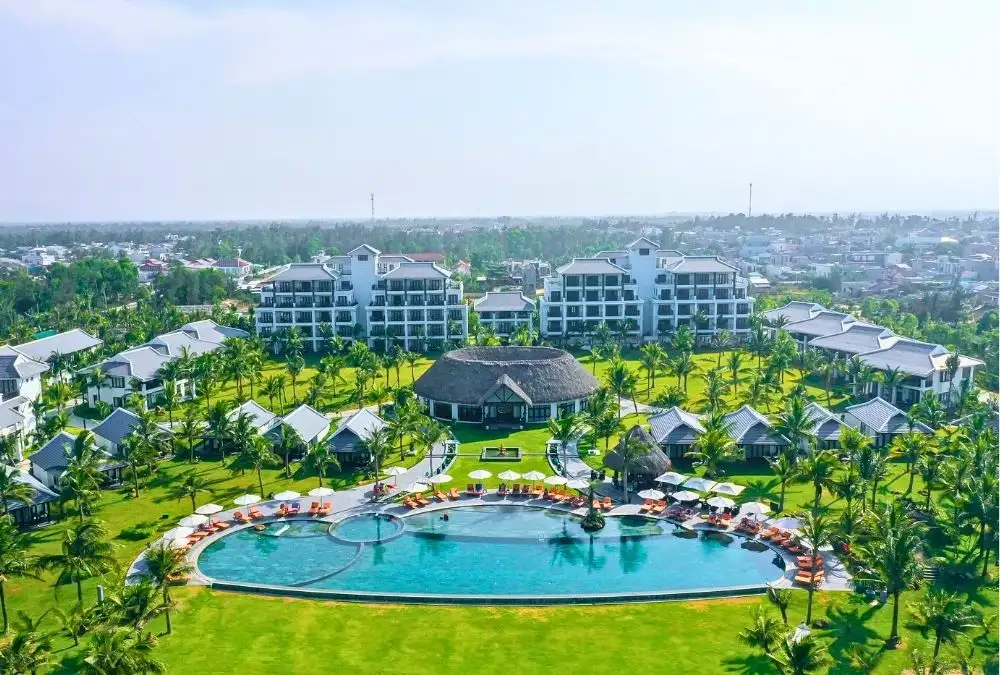
Private Tours from Hoi An Beach Resorts: Discover Central Vietnam from Bliss Hoi An
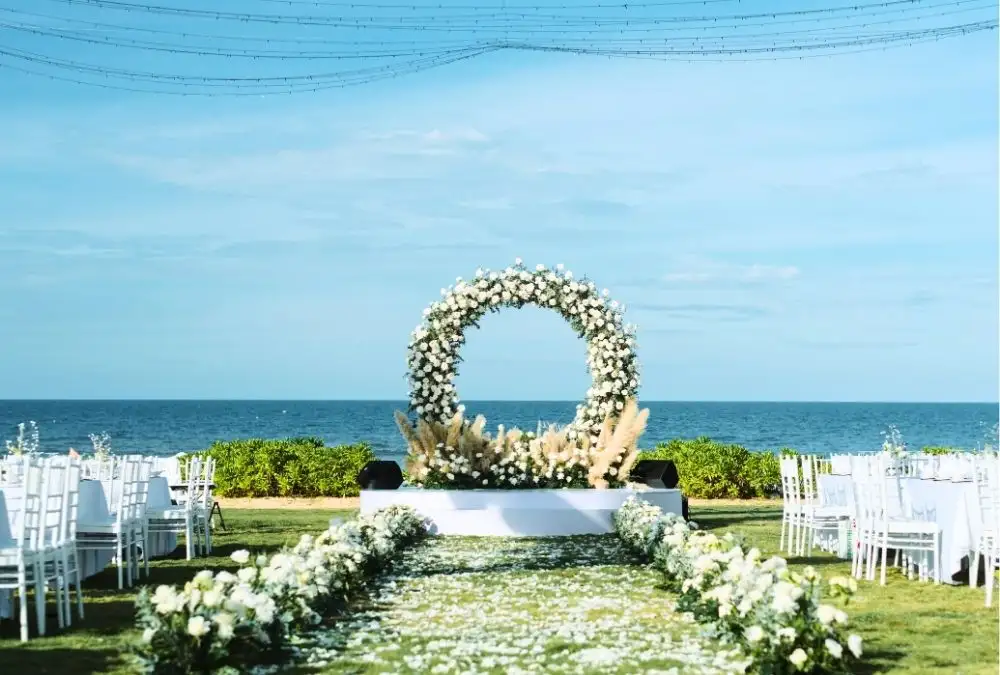
How much does a Hoi An wedding for 40 guests cost?

Is fine dining Hoi An really worth the price? What are travelers paying for?
Cau Bong Festival in Hoi An: Inside Tra Que’s Agricultural New Year Tradition

Top 8 things to consider for a wedding in Hoi An with 20 guests