

Traditional Vietnamese wedding gifts: Meaning and tips for choosing
Choosing the right gift for a Vietnamese wedding can be tricky, as customs vary by region and family traditions. Whether you’re a guest or part of the couple’s families, understanding traditional wedding gifts is essential. Let’s dive into the meaning behind the traditional Vietnamese wedding gifts with Bliss Hoi An Beach Resort & Wellness.
The meaning of traditional Vietnamese wedding gifts in Vietnamese culture
In Vietnamese culture, wedding gifts hold deep symbolic value, representing well-wishes, prosperity, and respect for family traditions. These gifts are not just material offerings but meaningful gestures that strengthen bonds between families and bring blessings to the newlyweds. So, what is a traditional Vietnamese wedding gift? It often includes symbolic items such as red envelopes, jewelry, or even gold.
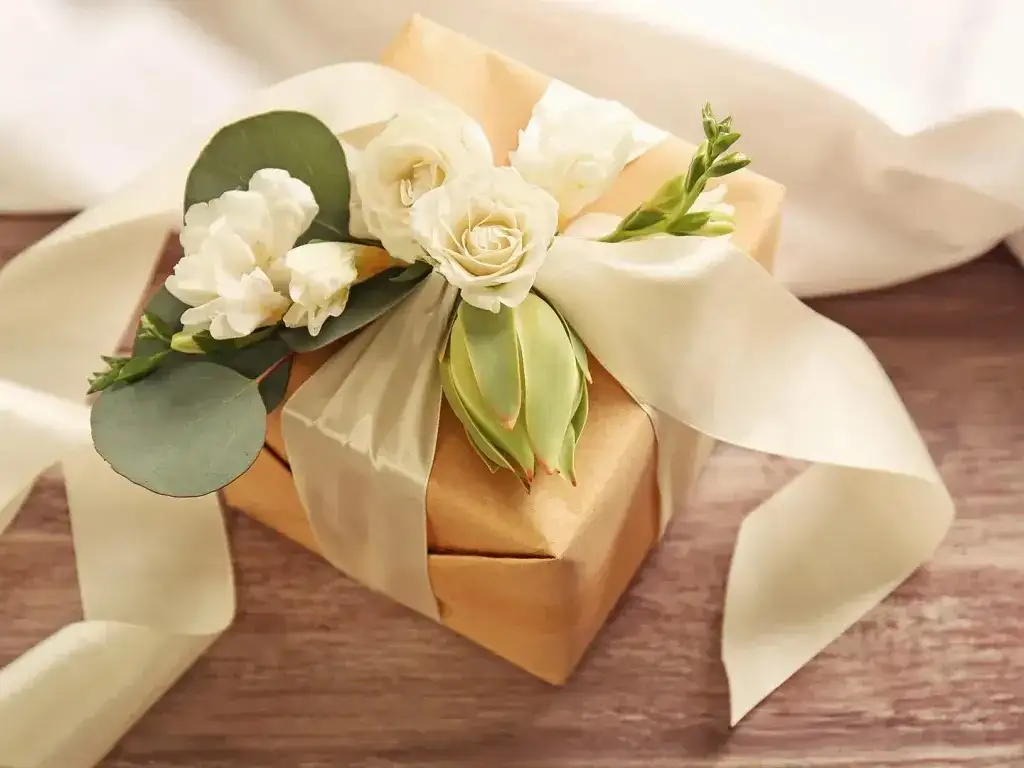
Beyond individual gifts, the act of giving itself plays an important role in Vietnamese weddings. Whether from guests, parents, or extended family, each present reflects love, support, and the hope for a happy and successful union. As a result, the tradition of wedding gifts not only shows appreciation for the bride and groom but also strengthens the bond between the two families, preserving cherished cultural values across generations.
Read more: How to get married in Vietnam: A complete guide for foreigners
Traditional Vietnamese wedding gifts from guests to the couple
In Vietnamese wedding culture, wedding gifts are not simply congratulatory presents, they carry deep symbolic meanings related to good luck, prosperity, harmony, and long-lasting happiness. Below are the most traditional Vietnamese wedding gifts, along with their cultural significance and common usage, helping both locals and international guests choose an appropriate and meaningful gift.
Red envelopes
One of the most traditional and appreciated gifts is a red envelope containing money. This symbolizes good fortune, prosperity, and financial support for the couple. Vietnamese people usually prefer even numbers, which represent balance and completeness in married life. This option is considered practical, respectful, and suitable for almost all Vietnamese weddings, traditional or modern.
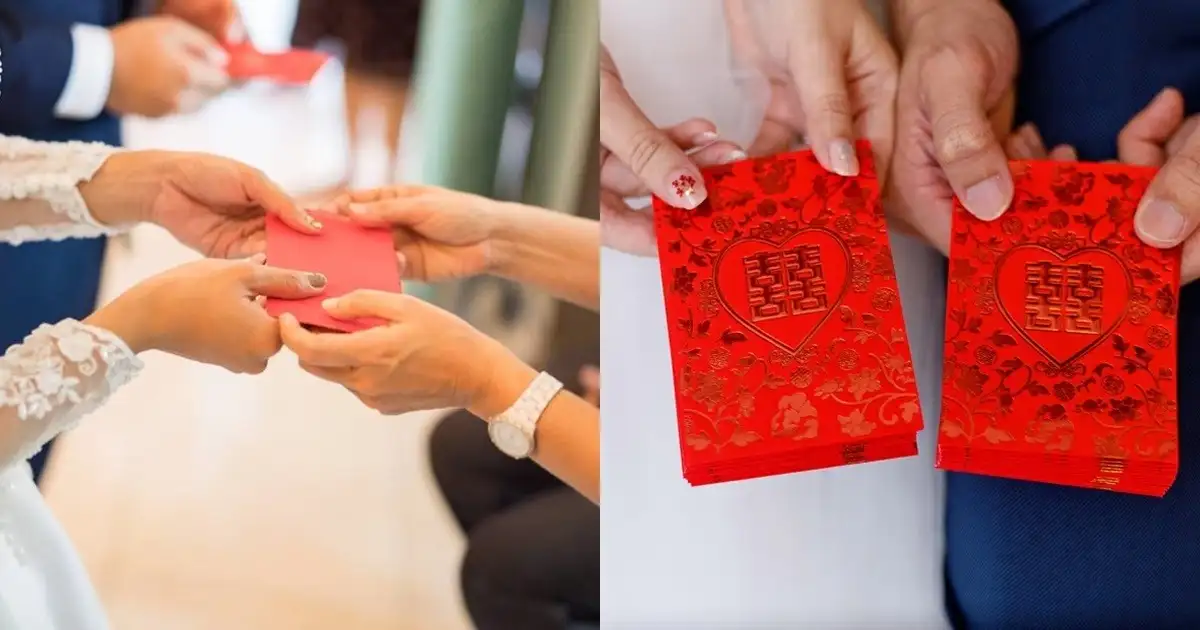
Guests usually give the red envelope to the bride and groom when greeting them at the entrance or after the main ceremony. Some prefer to place it in a designated box at the reception. In certain cases, guests write their names and blessings on the envelope to help the couple track contributions and send thank-you notes later.
Jewelry and gold
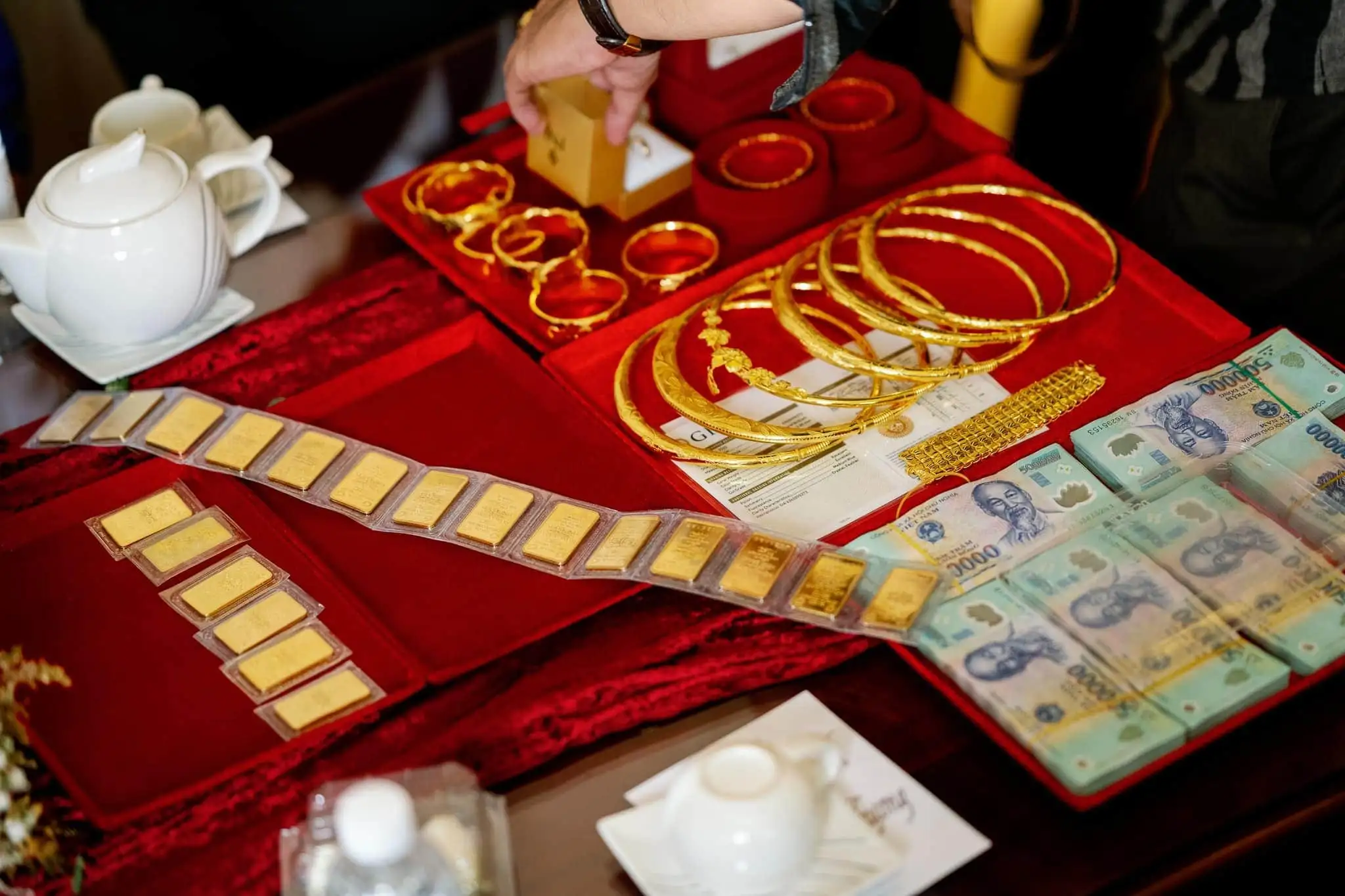
Close family members or relatives may choose to give gold jewelry, such as rings, necklaces, or bracelets. Gold is considered a symbol of wealth and stability, ensuring that the couple has a secure and prosperous future. Jewelry is usually gifted during the wedding ceremony, especially in front of both families.
Home decor items
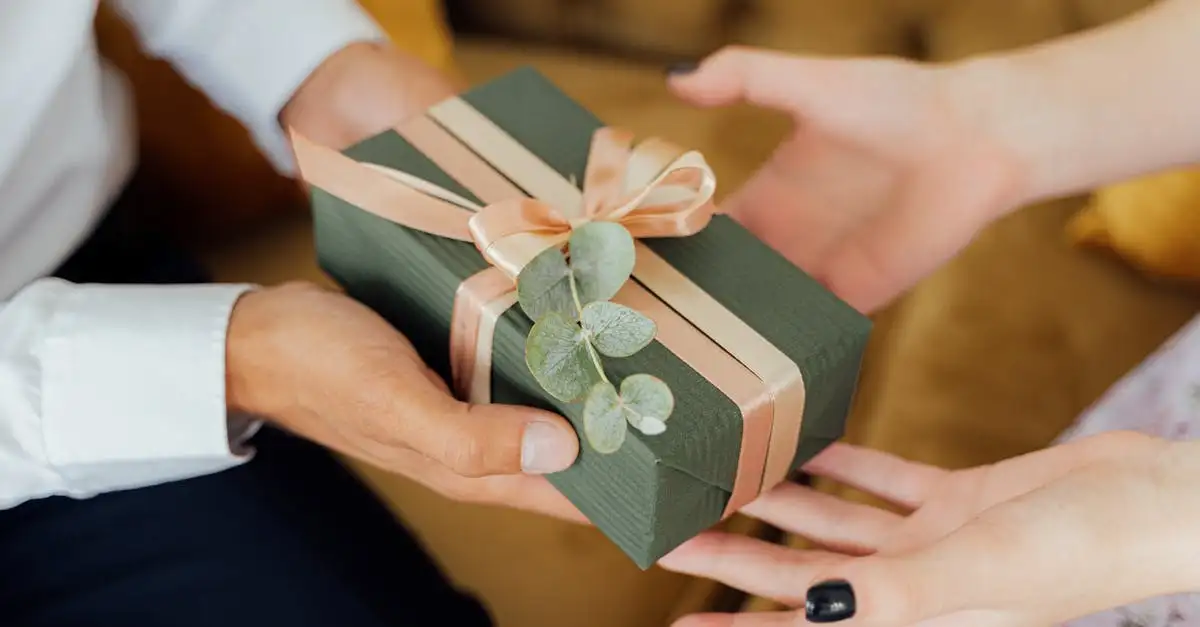
Guests who prefer a more practical approach often choose gifts that help the couple set up their new home. These gifts are usually wrapped in elegant packaging and presented at the wedding reception. Some guests even send large gifts to the couple’s home before or after the wedding. Belows are some popular items:
- Decorative items such as paintings, vases, or clocks.
- Kitchenware like high-quality dish sets or appliances.
- Bedding sets, which symbolize warmth and comfort in the new home.
Traditional wedding cakes (Phu Thê cake, Com cake)
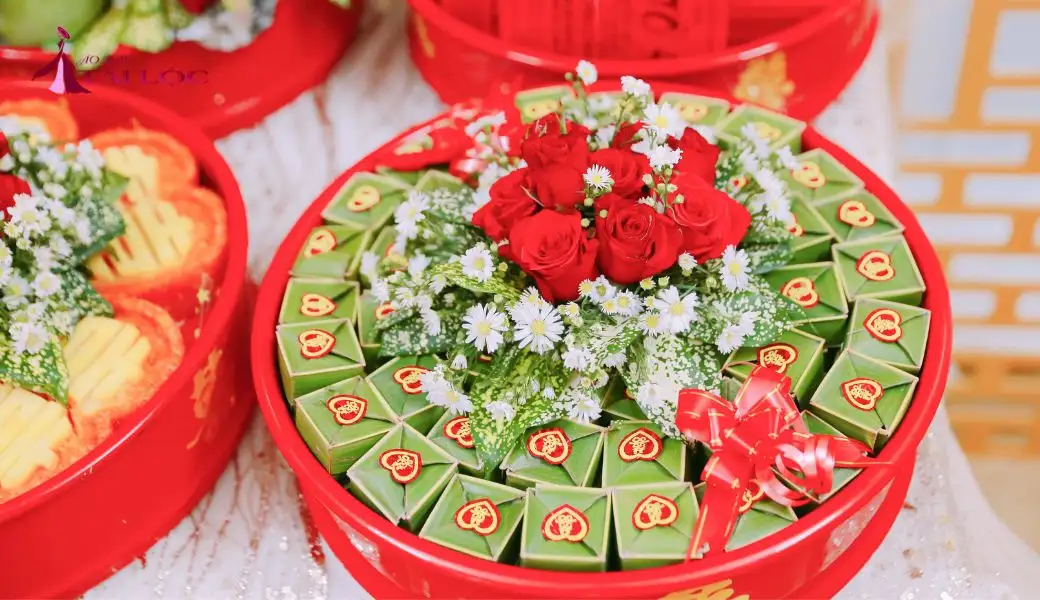
Traditional wedding cakes play an important role in Vietnamese wedding rituals. Bánh phu thê (husband-and-wife cake) is a symbolic gift representing harmony, loyalty, and mutual understanding between spouses. Its layered structure reflects unity and togetherness. Other traditional sweets such as bánh cốm are also commonly given as wedding gifts, symbolizing sweetness and a happy married life.
Betel leaves and areca nuts
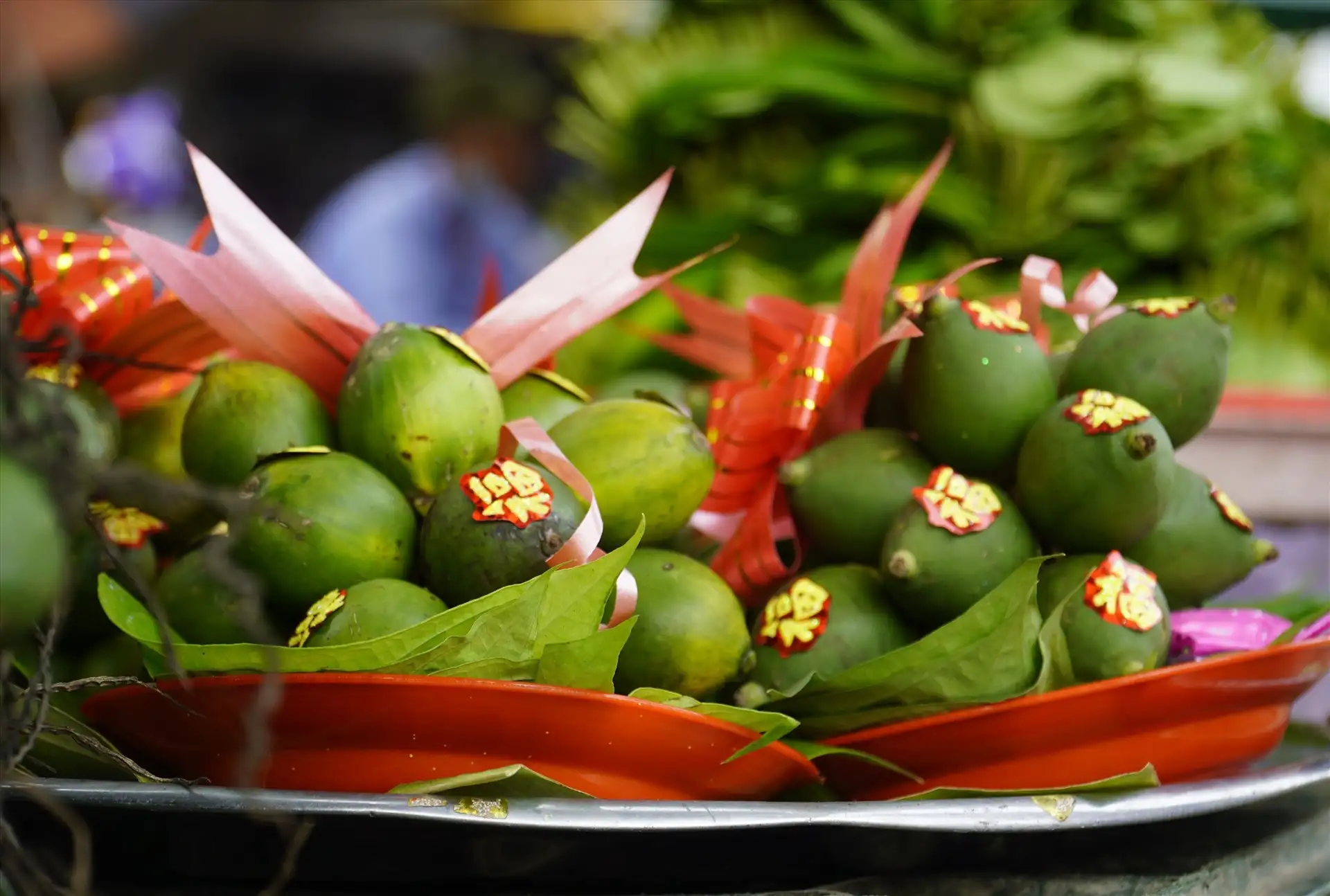
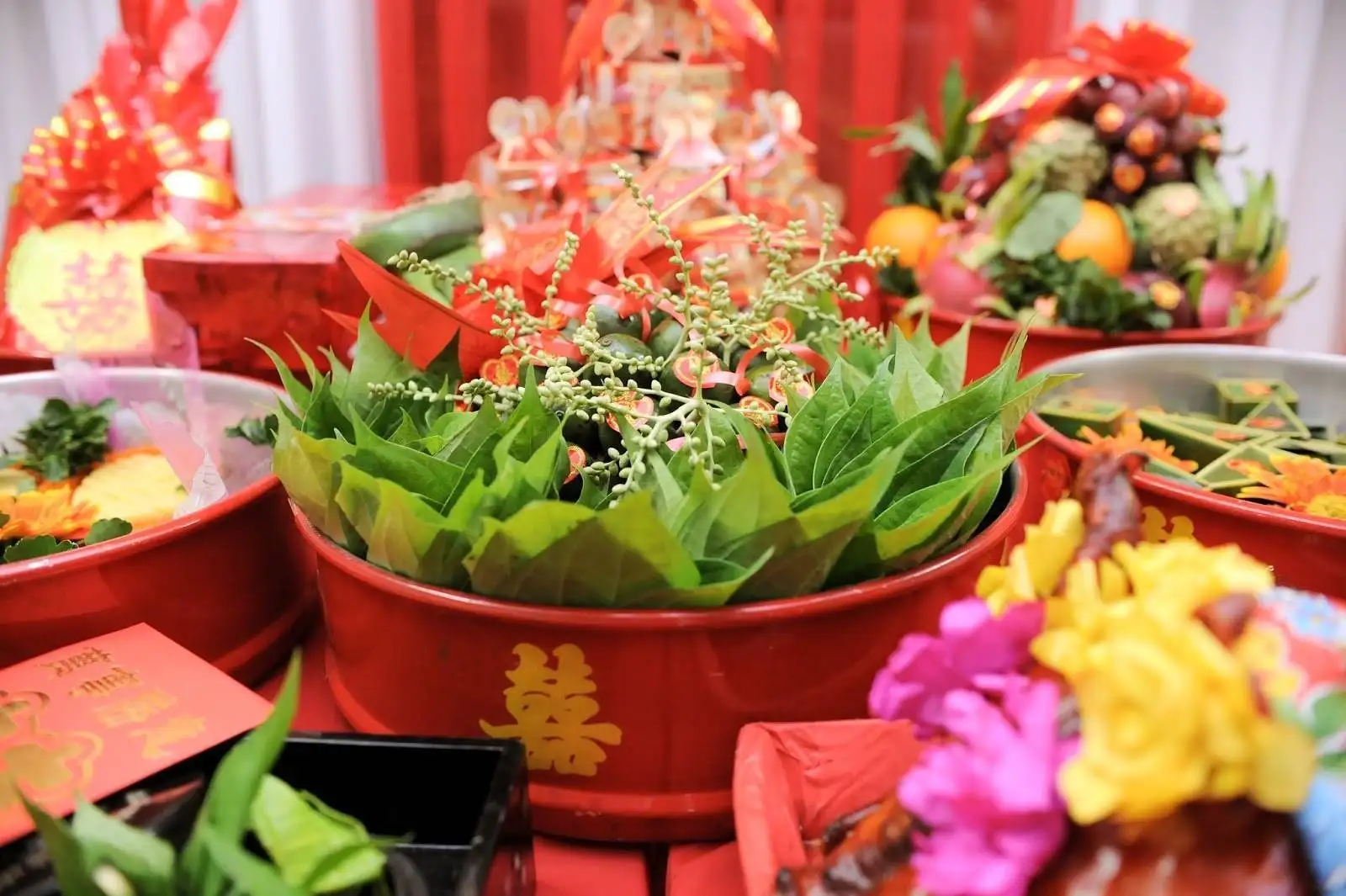
Betel leaves and areca nuts hold strong symbolic value in Vietnamese marriage traditions. The saying “betel and areca begin every important conversation” reflects their role in marking the official start of a marital bond. In weddings, trầu cau represents faithfulness, commitment, and the sacred nature of marriage. Although less common as a standalone gift today, it remains an essential part of traditional wedding offerings.
Traditional Vietnamese wedding gift trays
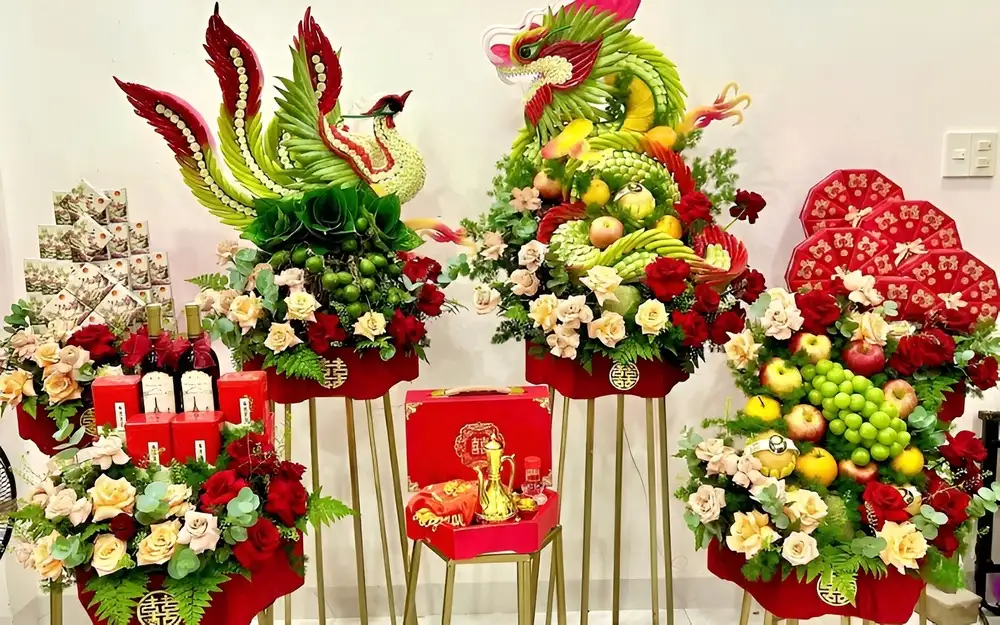
Wedding gift trays are an essential component of traditional Vietnamese engagement and wedding ceremonies. These trays typically include betel and areca, fruits, cakes, tea, wine, and symbolic offerings. Each tray represents wishes for prosperity, harmony, fertility, and a fulfilled married life. Although usually prepared by the groom’s family, mâm quả are considered ceremonial wedding gifts with deep cultural meaning.
Personalized and modern gifts
As wedding traditions evolve, many guests opt for unique or personalized gifts, such as:
- Custom photo frames or artwork with the couple’s names.
- Gift certificates for experiences like a honeymoon stay or fine dining.
- A donation to a charity on behalf of the couple, reflecting their values.
Specially, a traditional Vietnamese wedding gown can be a meaningful gift, carrying the personal touch of the giver and expressing deep appreciation and affection for the bride. It is not only a special outfit for the big day but also a symbol of culture, history, and family values, creating a memorable keepsake for the bride throughout her life.
An increasingly popular wedding gift idea is an experience-based gift certificate, such as a honeymoon stay or a fine dining experience for the newlyweds. With gift vouchers from Bliss Hoi An Beach Resort & Wellness, you can offer a meaningful and lasting present, inviting the couple to enjoy a private beachfront retreat, refined cuisine, and moments of deep relaxation. More than just a gift, it’s a thoughtful way to wish them a beautiful beginning to their married life, filled with tranquility, connection, and unforgettable memories.
Traditional Vietnamese wedding gifts exchanged between the two families
In a traditional Vietnamese wedding, the exchange of gifts between the bride’s and groom’s families is a significant ritual. These gifts symbolize respect, gratitude, and the union of two families. Each offering carries deep cultural meaning and follows long-standing customs.
From the groom’s family to the bride’s family
The groom’s family presents gifts to formally ask for the bride’s hand in marriage, demonstrating sincerity and goodwill. These gifts are usually arranged in red trays (mam qua) and covered with red cloth, symbolizing luck and prosperity. Traditional gifts include:
- Betel leaves and areca nuts (trau cau): This is one of the most iconic wedding symbols in Vietnamese culture. The leaves and nuts are often exchanged as a promise of unity, with the ritual acknowledging the enduring nature of the marital relationship.
- Tea and wine: Tea and wine play a key role in the marriage ritual, representing mutual respect and harmony between the families. Sharing these drinks is symbolic of the bond between the two sides and a gesture of goodwill. In some cases, tea and wine are used during the ceremonial toast, where the couple and their families offer prayers and blessings for a harmonious and prosperous future.
- Wedding cakes (banh phu the, banh com): The wedding cakes, often sweet and made of sticky rice or mung beans, symbolize the sweetness of life together and the bond between husband and wife.
- Roasted pig: The roasted pig, particularly in rural areas, is a highly respected offering that symbolizes abundance, good health, and the groom’s ability to provide. This gift is not only a display of the groom’s commitment to supporting the bride and her family, but also conveys well-wishes for a prosperous life and the hope for the couple to have children soon. It symbolizes the family’s wish for the couple to experience wealth, health, and the joy of starting a family together.
- Jewelry for the bride: Gold jewelry, such as rings, necklaces, or bracelets, is traditionally given to the bride by the groom’s family. This symbolizes wealth, security, and the groom’s intention to care for the bride financially.
- Bride price (sinh le): The bride price is a customary payment from the groom’s family to the bride’s family, symbolizing respect and appreciation for the bride. The amount can vary depending on regional customs, but it often includes money, jewelry, or valuable goods. This practice demonstrates the groom’s seriousness in his intentions and his commitment to marrying into the bride’s family.
The groom’s family traditionally carries these gifts in a ceremonial procession to the bride’s house, where the gifts are presented to the bride’s family. The gifts are placed on a table, and the bride’s family then uncovers the trays, signaling their acceptance of the groom’s family’s offerings. This exchange is accompanied by blessings and prayers for the couple’s future happiness and prosperity.
From the bride’s family to the groom’s family
After the groom’s family has presented their gifts, the bride’s family also reciprocates with gifts to express gratitude and to solidify the connection between the two families. Traditional gifts include:
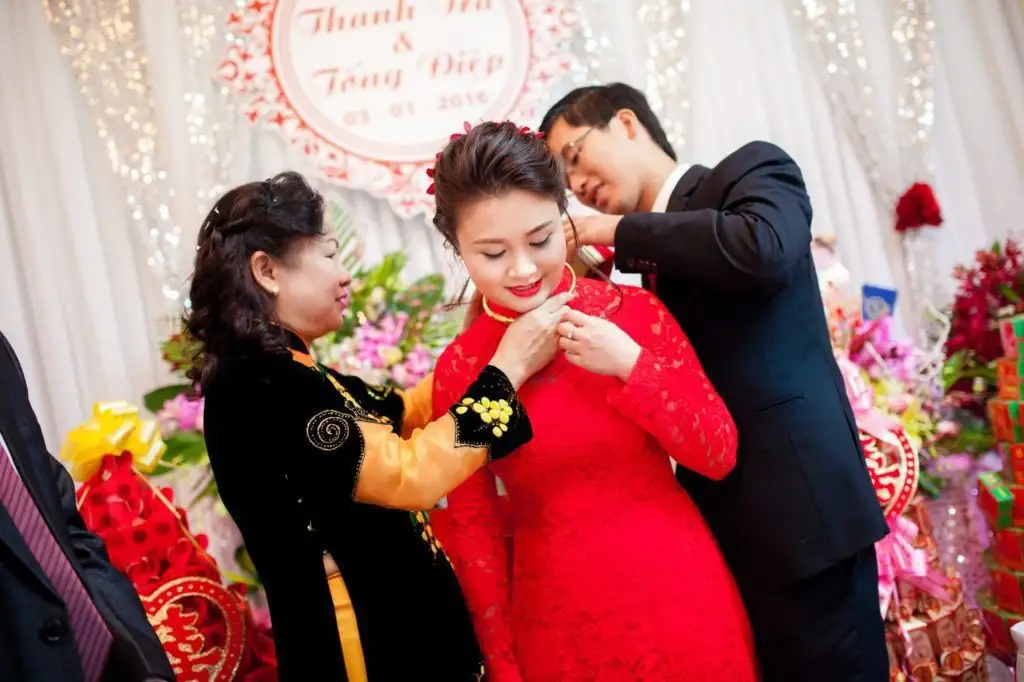
- Returned wedding trays: The bride’s family often returns a portion of the wedding trays that were given by the groom’s family. This act symbolizes the bride’s family’s acceptance of the marriage and their blessing of the union.
- Jewelry or money as dowry: The bride’s family may also present a dowry, which can include money, gold, or property. The dowry symbolizes the bride’s value and serves as her contribution to the marriage, ensuring financial stability as the couple begins their life together. This dowry is often a traditional way to ensure the bride’s financial security in her new home.
The exchange of wedding gifts between the two families is not merely a formality, it is a vital part of the wedding tradition that helps strengthen the relationship between the bride and groom’s families. These gifts represent respect, love, and the establishment of a solid foundation for the couple’s future.
Read more: Perfect Hoi An itinerary for all travelers
Tips for choosing traditional Vietnamese wedding gifts
Giving wedding gifts in Vietnam is more than a gesture of congratulations, it reflects cultural awareness, respect for tradition, and the relationship between the giver and the bride and groom. Below are essential Vietnamese wedding gift etiquette tips to help you avoid cultural missteps and express your good wishes appropriately.
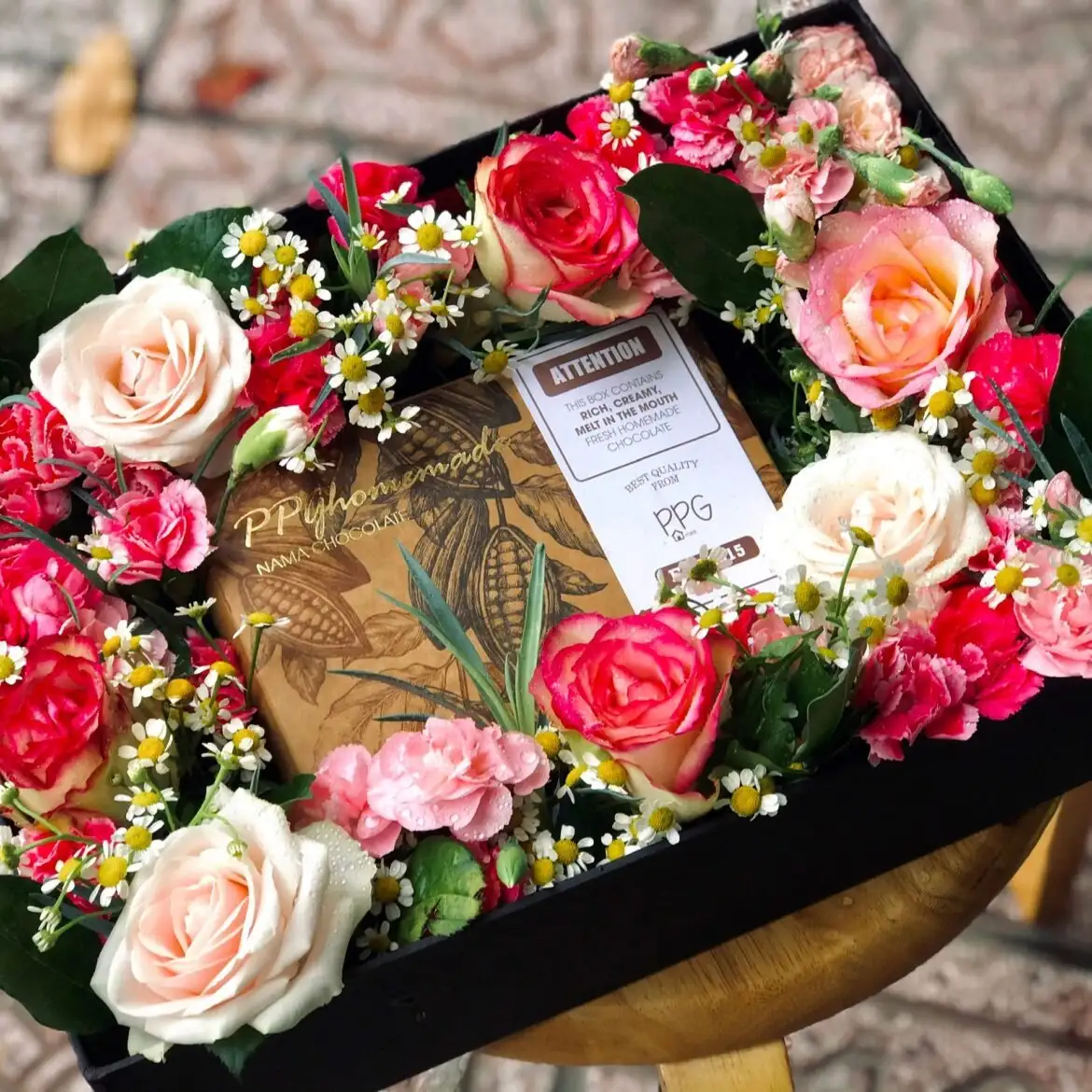
Choose a gift based on your relationship
In Vietnamese culture, the type and value of a wedding gift often depend on how close you are to the couple. Close family members usually give gold jewelry or a higher cash amount, while friends and colleagues tend to offer more modest cash gifts. Choosing a gift that matches your relationship shows consideration and cultural sensitivity.
Use red envelopes and even amounts
When giving cash, red envelopes are the traditional and preferred option. The red color symbolizes good fortune, happiness, and celebration, while even numbers represent balance and completeness in married life. Many people avoid numbers associated with bad luck according to local beliefs to ensure the gift carries positive meaning.
Write the giver’s name clearly
Writing your name on the envelope is an important yet often overlooked detail. It allows the couple to properly acknowledge your gift and express their appreciation afterward. In Vietnamese culture, this is considered a polite and thoughtful gesture.
Give the traditional Vietnamese gift at the right time
Wedding gifts are typically given on the wedding day, when guests arrive at the reception. In some cases, especially among close family members or during engagement ceremonies, gifts may be presented earlier as part of traditional rituals. Timing your gift correctly helps maintain the formality and flow of the celebration.
Present the traditional Vietnamese wedding gifts politely and discreetly
Vietnamese weddings value modesty and grace. Cash gifts are usually placed in a designated wedding gift box or handed to the reception staff, rather than given directly to the couple in a public way. This discreet approach avoids unnecessary attention and preserves the respectful atmosphere of the event.
What to avoid when giving traditional Vietnamese wedding gifts
There are a few cultural taboos to keep in mind. Avoid gifts that symbolize separation or misfortune according to traditional beliefs. Poorly wrapped gifts or those without a written message may also appear careless. Even a simple gift, when prepared thoughtfully and presented with good intentions, is always appreciated.
If choosing the perfect wedding gift for the couple seems difficult, let Bliss Hoi An Beach Resort & Wellness assist you. Not only do they take responsibility for coming up with unique and meaningful gift ideas, but we can also organize the dream wedding, creating unforgettable memories for the bride, groom, and all the guests. With all-inclusive service, from selecting gifts to organizing the wedding, Bliss Hoi An Beach Resort & Wellness will turn all your wishes into reality, ensuring a flawless and emotional special day.
The tradition of giving traditional Vietnamese wedding gifts has lasted through generations, deeply rooted in Vietnamese culture and customs, symbolizing love and the bond between two families. No matter what gift you choose, the thoughtfulness and sincerity behind it will make it special and an essential part of the couple’s big day.

Related Posts

Private Tours from Hoi An Beach Resorts: Discover Central Vietnam from Bliss Hoi An
How much does a Hoi An wedding for 40 guests cost?
Is fine dining Hoi An really worth the price? What are travelers paying for?
Cau Bong Festival in Hoi An: Inside Tra Que’s Agricultural New Year Tradition
Top 8 things to consider for a wedding in Hoi An with 20 guests