


Thu Bon river boat trip: The complete guide to types, tips & What to expect
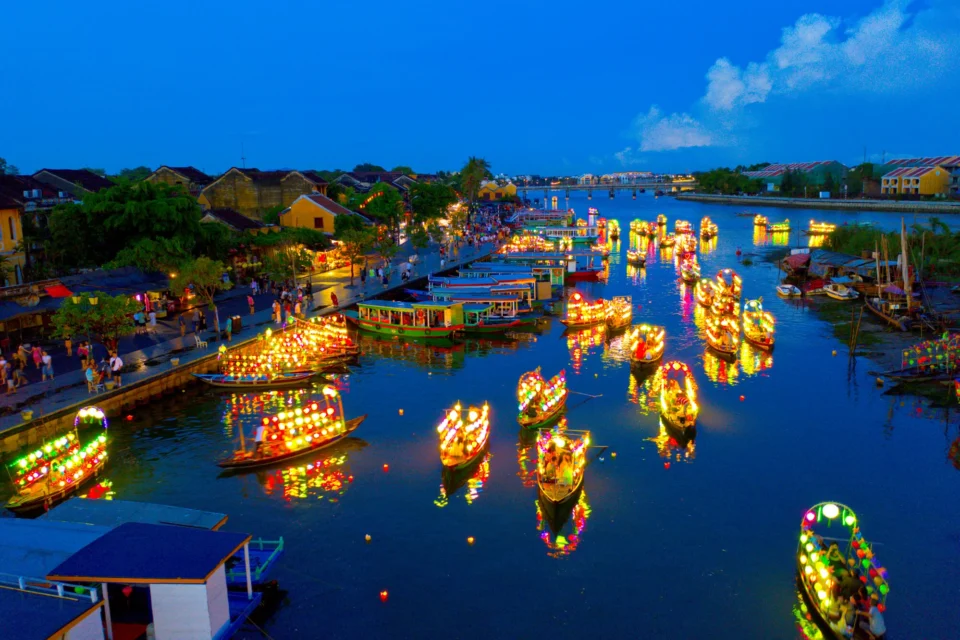
A thu bon river boat trip costs little, requires almost no planning, and consistently ends up being one of the highlights people talk about long after they’ve left. This guide covers everything you need: the types of trips available, what you’ll see along the way, when to go, how much to pay, and a few tips to make sure you get the most out of it.
What makes a Thu Bon river boat trip worth your time
A boat trip on the Thu Bon River is more than just a sightseeing tour; it is a front-row seat to the living history and soul of Central Vietnam. If you are wondering why this experience is a “must” for your Hoi An itinerary, here is what makes it truly special:
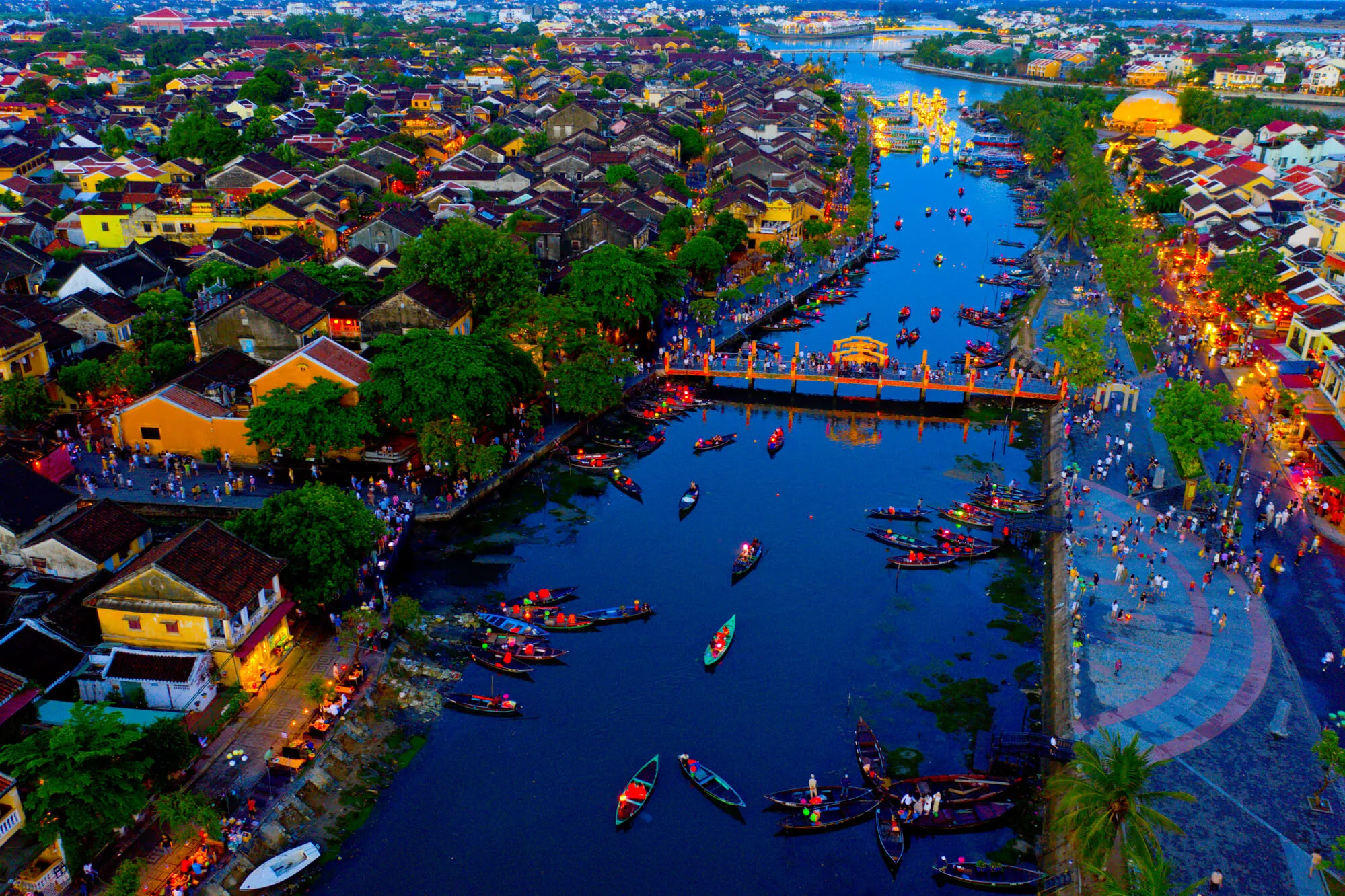
- A unique perspective of the ancient town: While the yellow alleys of Hoi An are charming on foot, seeing the town from the water offers a completely different vantage point. From the river, the iconic tiled roofs, weathered wooden facades, and vibrant lanterns reflect beautifully on the water’s surface, creating a postcard-perfect scene that most tourists miss.
- A glimpse into authentic local life: As you drift away from the tourist center, the “real” Thu Bon reveals itself. You’ll witness local fishermen skillfully casting their giant “square” nets (Ro), see women washing vegetables by the banks, and pass by traditional craft villages like Kim Bong (carpentry) or Thanh Ha (pottery). It’s a raw, unscripted look at the rhythms of life that have remained unchanged for centuries.
- The magic of the “golden hour”: There is no better place in Hoi An to witness the sunset than the middle of the Thu Bon River. As the sun dips below the horizon, the sky transforms into a canvas of burnt orange and violet, while the town begins to glow with thousands of silk lanterns. It is the ultimate moment for photography and peaceful reflection.
- Cultural immersion through lantern releasing: Most boat trips offer the chance to participate in the local tradition of releasing paper lanterns. Placing a small flickering candle onto the dark water while making a wish is a deeply serene experience that connects you to the spiritual heritage of the region.
- An escape from the crowds: When the walking streets become packed with visitors, the river remains a sanctuary of breeze and tranquility. The gentle rhythmic sound of the oars and the cool air coming off the water provide a refreshing break from the tropical heat and the hustle of the town.
Types of Thu Bon River boat trips
Not all boat trips on this river are the same. A 20-minute lantern ride on a calm evening is a completely different experience from a half-day village tour or a private sunset cruise, different pace, different scenery, different purpose. Before you show up at the dock and take whatever’s offered, it’s worth knowing what your options actually are so you can choose the one that fits your time and interests.
Short lantern boat ride in Hoi An Ancient Town (15–30 Minutes)
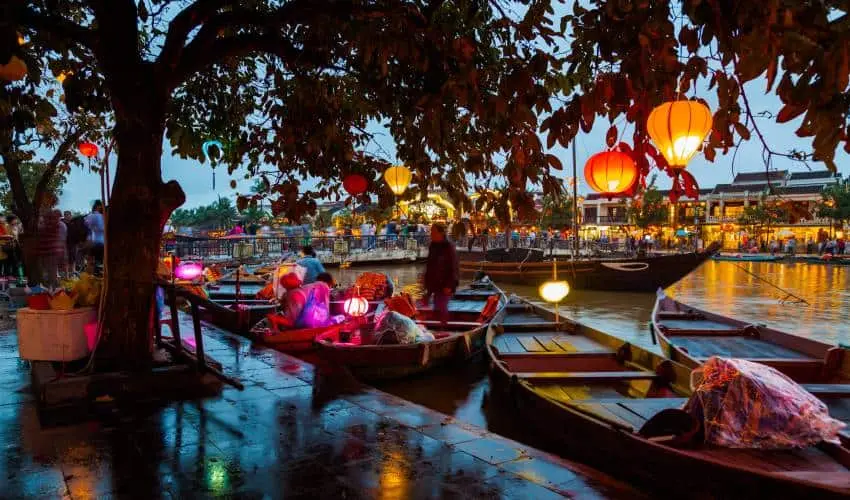
This is the classic, the one most visitors do without even planning for it. You’re walking along Bach Dang Street in the evening, a woman in a conical hat beckons from a small wooden boat, and before you know it you’re gliding past the lit-up waterfront with a paper lantern in your hands.
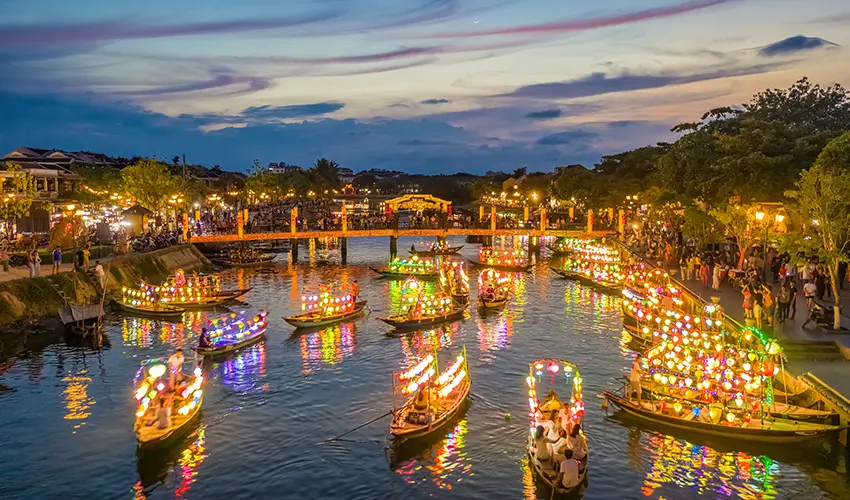
These short trips depart from two main points: the Bach Dang quay (the busiest, running between the Le Loi crossroad and the Central Market) and the Nguyen Hoang boat station near the Night Market. The boats are small, traditional, and usually piloted by local women. The route typically goes past Cam Nam Bridge, loops around Hoi An Memories Island, a small island the locals call “Clam Island” for its shape, and returns to the dock. Along the way, you can release a flower lantern onto the water, a gesture locals associate with good luck and peaceful wishes.
This thu bon river boat ride isn’t about covering distance. It’s about the atmosphere. At 15 to 30 minutes, it’s brief enough to squeeze into any evening, and the price is usually 100,000–200,000 VND per person. Confirm the price and route before you board, some operators will try to charge more once you’re on the water.
Half-day village tour by boat (3–4 hours)
If the lantern ride shows you Hoi An’s face, the village tour shows you its hands. This is where the boat trip on thu bon river becomes a genuine cultural experience rather than a scenic spin.
Most half-day tours depart from Bach Dang quay in the morning or early afternoon and head upriver to visit one or more of the traditional craft villages clustered along the banks:
- Thanh Ha Pottery Village – one of the oldest pottery communities in central Vietnam, where terracotta artisans still use hand wheels and wood-fired kilns. You can try shaping clay yourself.
- Kim Bong Carpentry Village – historically famous for building the wooden boats that once dominated this river, now known for hand-carved furniture and decorative crafts.
- Tra Nhieu and Duy Vinh villages – smaller, quieter, focused on farming and mat weaving. Less touristy, more authentic.
These tours usually include a guide, hotel pickup, and sometimes lunch. They run 3 to 4 hours and cost anywhere from 400,000 to 800,000 VND depending on the operator and whether the trip is private or group. For anyone interested in Vietnamese craftsmanship or just wanting to get beyond the Old Town without renting a motorbike, this is the most rewarding format.
Coconut forest basket boat experience (Bay Mau)
The basket boat, locally called thung chai, is a round bamboo vessel that looks like it shouldn’t float, and absolutely does. The Bay Mau coconut forest in Cam Thanh commune is where most of these experiences happen, and it’s become one of Hoi An’s most-photographed activities for good reason.
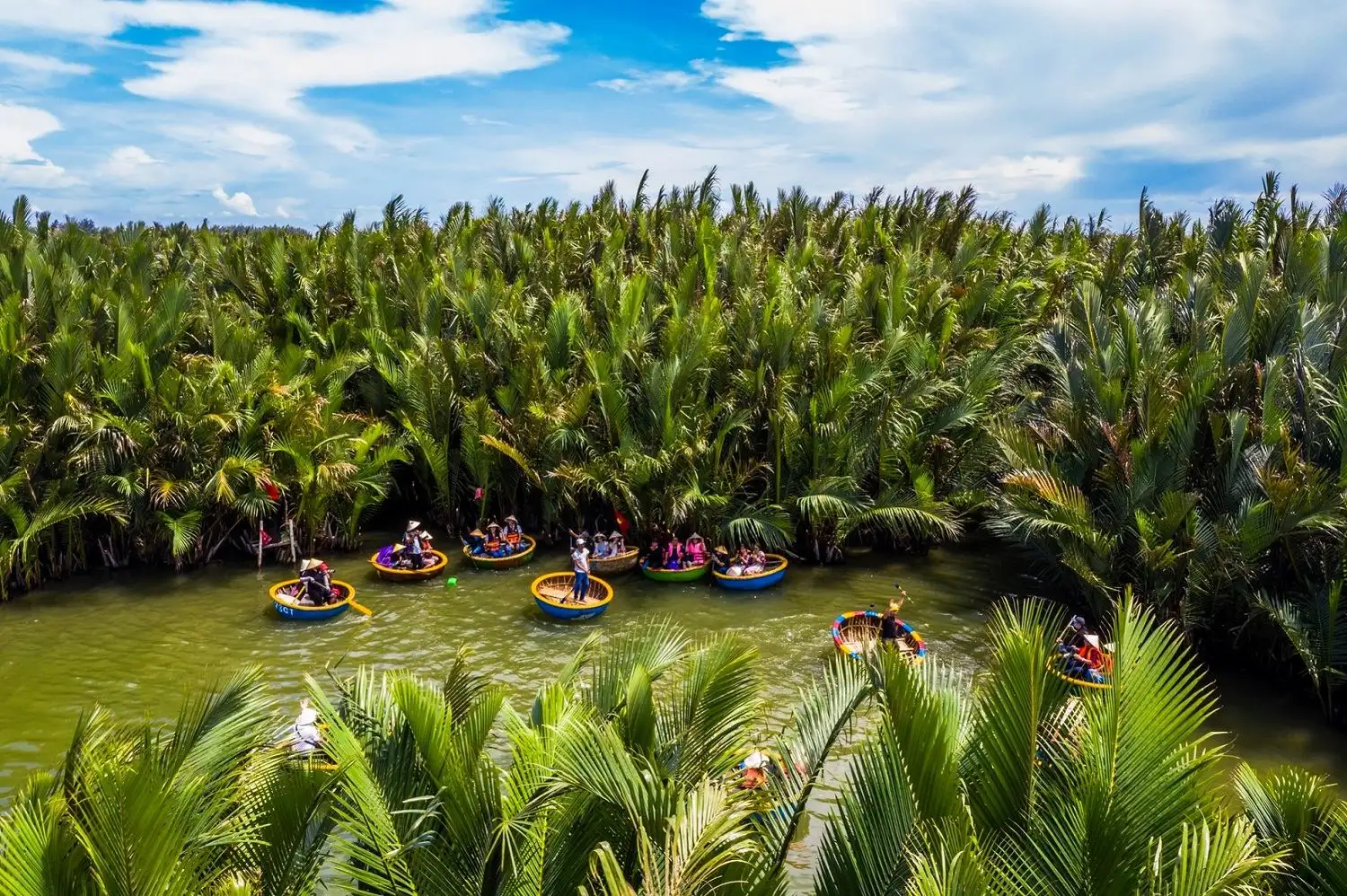
Local boatmen paddle you through narrow waterways threading between water palm trees, the canopy so dense it blocks out the sun. The real highlight comes when your boatman starts spinning the basket boat in circles – a performance that’s equal parts skill and showmanship, and genuinely fun to experience. You’ll likely get spun yourself if you ask nicely.
Bay Mau is usually included as a stop in half-day or full-day river tours. The basket boat for two people costs around 150,000 VND if booked on-site. Go earlier in the morning if you want to beat the crowds, by mid-morning it can feel more like a theme park than a nature experience.
Sunset Thu Bon river cruise (Private or group)
For something more unhurried and atmospheric, a thu bon river cruise in the late afternoon is hard to beat. The route typically takes you toward the mouth of the river near Cua Dai, where the water opens up and the landscape flattens into rice paddies. As the sun drops, the whole scene turns gold, the water, the paddies, the silhouettes of fishermen pulling in their nets for the day.
Some operators serve snacks or a BBQ dinner on board. High-end options, including the cruise offered by Anantara Hoi An Resort, use traditional-style wooden boats with a more polished service. Private bookings for sunset cruises usually need advance reservation, especially during peak season (February to August). Prices vary widely depending on whether you’re booking through a budget tour company or a luxury resort, so it pays to shop around.
This format suits couples, small groups, and anyone who’d rather drift slowly and watch the world go by than tick off a list of village stops.
Full-day My Son sanctuary tour returning by boat
Less common but genuinely special. Most My Son tours travel by road both ways, which means two hours of sitting in a bus or minivan. Some operators offer a variation where you visit the Cham temple complex in the morning and then return to Hoi An by boat in the afternoon, stopping at a riverside village along the way.
The river return adds an hour or so to the journey but gives you a completely different perspective on the landscape, rural Quang Nam stretching out on either side, the pace dropping from ancient-history mode into something quieter and more contemplative. It needs to be booked in advance as part of a package, and it costs more than the standard road tour, but for first-time visitors to My Son it’s worth considering.
Read more: Discover Thu Bon River – An unforgettable experience in Hoi An
Key stops and sights along the Thu Bon River
Part of what makes the river worth exploring is what sits along its banks. Beyond the open water and the countryside views, there are craft villages, island communities, and natural landscapes that most visitors to Hoi An never reach,2 simply because they didn’t know to look. These are the stops that turn a boat ride into something you’ll actually remember.
Thanh Ha Pottery Village
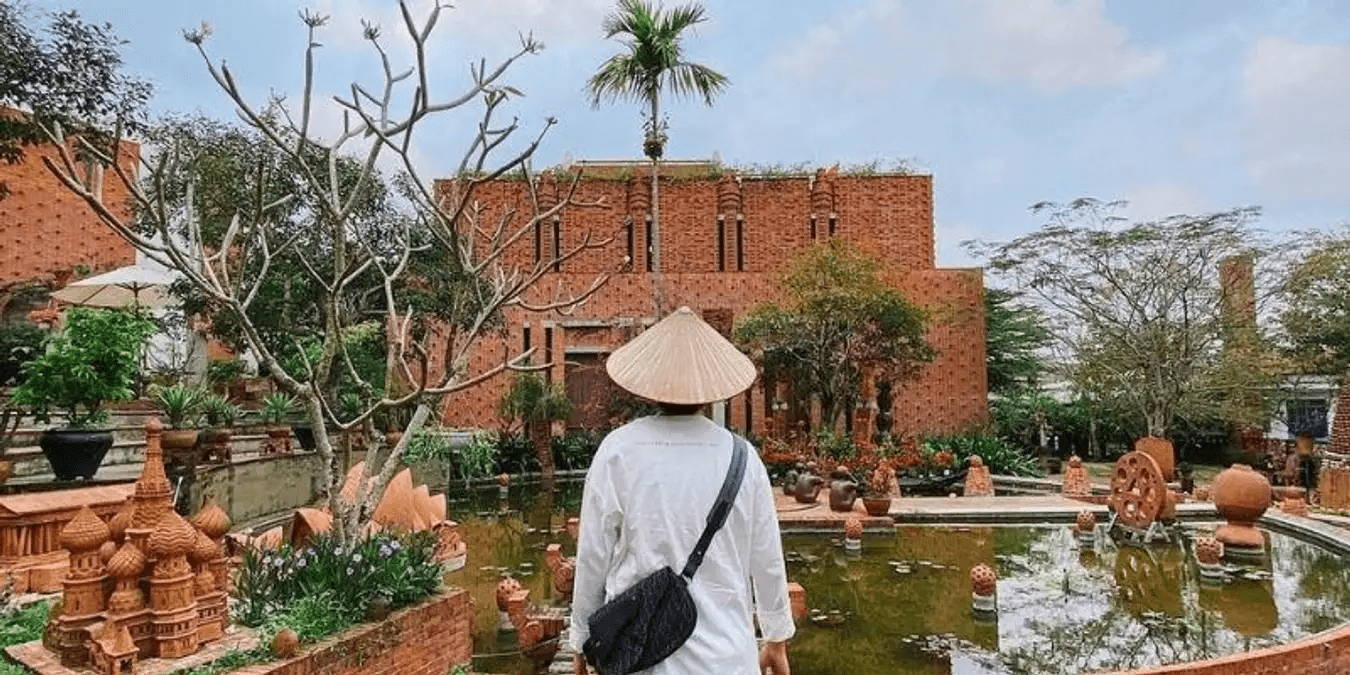
About 3 kilometres west of Hoi An Ancient Town, Thanh Ha has been producing terracotta for over 500 years. The community of potters here still works largely by hand, foot-powered wheels, natural clay from the riverbank and traditional kilns. You can watch a full pot being thrown in under two minutes, which is both impressive and slightly humbling. A small museum on site traces the history of the craft. Most half-day boat tours make a stop here.
Kim Bong Carpentry Village
Located on Cam Kim Island, Kim Bong was once the supplier of the carved timber that went into Hoi An’s merchant houses, communal halls, and Japanese Covered Bridge. The boatbuilding tradition has largely faded, but skilled woodworkers still produce furniture, decorative panels, and souvenirs. The workshop area is open to visitors, and watching craftsmen work with hand tools on large timber beams is a genuinely absorbing hour. Accessible by boat from the Old Town.
Bay Mau Coconut Forest (Cam Thanh)
The water palm forest at Bay Mau is part wetland, part theatre. The narrow channels between the trees are navigated entirely by paddle, no motors, because the waterways are too tight. Wildlife is present if you look for it: water birds, crabs, small fish visible in the clear shallows. The basket boat performance and the opportunity to paddle your own vessel through the canopy make this one of the most memorable stops on any river itinerary.
Cam Kim Island and Cam Nam Island
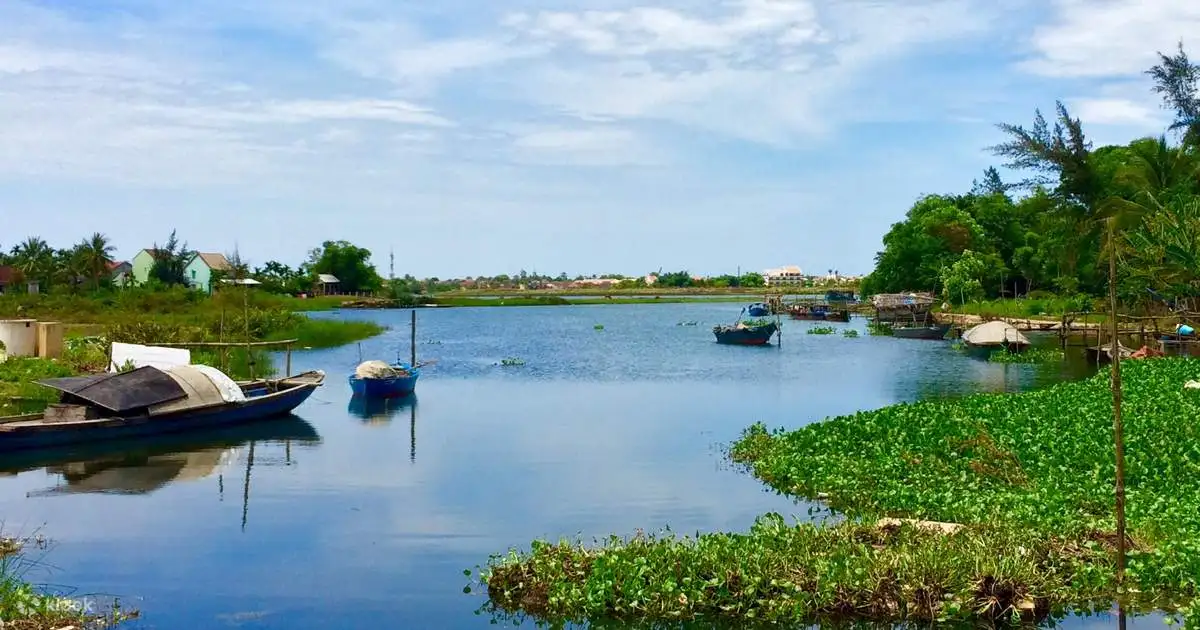
Both islands sit in the Thu Bon River close to Hoi An town. Cam Nam is connected to the mainland by a small bridge and is home to rice paddies, herb gardens, and local-style guesthouses with tile roofs and yellow walls. Cam Kim is larger, connected by two bridges. From a passing boat, these islands give you an unfiltered view of what riverside life looks like away from the tourist zone.
Best time for a Thu Bon river boat trip
Timing makes a real difference here. The right season means calm water, good light, and dry weather. The wrong one can mean cancelled tours, heavy rain, or midday heat that drains the enjoyment out of being on the water. Here’s what to know before you book.
Best season: February to August
The dry season is the most reliable window for a thu bon river boat trip. Weather through these months is generally warm and sunny, with low rainfall and calm water. March to May is particularly pleasant, temperatures are manageable, the crowds are smaller than the July–August peak, and the light in the late afternoon is exceptional for photography.
June and July bring stronger sun and higher humidity, so if you’re doing a daytime village tour during this period, wear light clothing, bring sunscreen, and carry more water than you think you’ll need.
Best time of day: Morning or Sunset
Morning departures, before 9am, offer the quietest experience on the water. The river mist hasn’t fully lifted, fishermen are active, and you’ll have popular spots like Bay Mau largely to yourself. The light is soft and flattering for photography.
Sunset, roughly 17:00 to 18:30 depending on the season, is the most visually spectacular time. The quality of light on the water and surrounding fields is genuinely beautiful. Expect more company, sunset cruises and lantern rides are popular, but the atmosphere more than compensates.
How to book and what to expect
Booking a boat trip in Hoi An is straightforward once you know where to go and what to ask. Whether you want something spontaneous or a planned tour with a guide and village stops, the process is simple, but a few things are worth sorting out in advance to avoid overpaying or ending up with a trip that doesn’t match what you had in mind.
Where to depart from
Bach Dang Street quay is the main embarkation point for almost all river trips in Hoi An. It runs along the waterfront in the Ancient Town between the Le Loi crossroad and the Central Market, and it’s easy to find on foot. Boats line up here throughout the day and into the evening.
The Nguyen Hoang boat station, near the Night Market on Nguyen Hoang Street, is a secondary option, fewer boats, slightly less hustle, and a useful alternative if Bach Dang feels overwhelming.
For tours departing to Bay Mau or Cam Thanh for the basket boat experience, the meeting point is usually at Tran Nhan Tong Street in Cam Thanh commune, about 4 kilometres from the Old Town. Your tour operator will arrange transport there if it’s included in the package.
How to book your boat trip
For short evening boat rides, no booking is needed, just walk to the quay and negotiate directly. For half-day village tours, sunset cruises, or anything that includes a guide and stops at craft villages, booking through a reputable tour operator in advance is the better approach. This ensures you have a confirmed guide, a set itinerary, and a price agreed before you arrive at the dock.
Local operators in the Old Town, hotels, guesthouses, and tour desks on the main streets, are reliable for arranging half-day and full-day tours, often at competitive prices. If you want a private sunset cruise or a dinner boat experience, book at least a day in advance, especially between February and August when demand is high.
Price guide
Prices are estimates and subject to change. Always confirm costs before boarding or committing to a booking.
| Experience | Approximate price |
| Short lantern boat ride | 100,000–200,000 VND/person |
| Basket boat (Bay Mau), 2 people | ~150,000 VND |
| Half-day village tour (group) | 400,000–600,000 VND/person |
| Half-day village tour (private) | 600,000–1,000,000 VND/boat |
| Sunset cruise (group) | 300,000–500,000 VND/person |
| Sunset cruise (private/resort) | Higher — confirm directly |
What to bring
- Sunscreen and a wide-brim hat, shade on the water is limited, especially on daytime tours
- A camera or fully charged phone, the river light at golden hour is genuinely worth shooting
- Cash in VND, most dockside operators don’t accept cards
- Light, breathable clothing and secure footwear
- A small dry bag if you’re bringing electronics on a basket boat tour
Tips to make the most of your trip
A few practical things worth keeping in mind before you get on the water:
- Agree on price, duration, and route before you board. At the dockside, especially along Bach Dang quay, rates aren’t always posted and can be quoted higher for tourists. A short conversation before you step in saves awkwardness later.
- Combine the river with at least one village stop. A standalone boat ride is pleasant. A ride that drops you at Thanh Ha Pottery or Kim Bong Carpentry for an hour gives the whole experience real depth and doesn’t cost much more.
- Go early morning or at sunset. Before 9am the river is quiet, the light is soft, and popular spots like Bay Mau are uncrowded. Sunset from around 17:00 onward offers the best scenery but more company on the water.
- Bring cash, sunscreen, and a camera. Most dockside operators don’t accept cards. Shade is limited on daytime tours. And the light on this river, especially at golden hour, is genuinely worth capturing.
- Respect the people who work the river. Many boats are run by local families for whom this is a livelihood. Don’t throw anything overboard, ask before taking close-up photos of people, and tip your operator at the end of a good trip.
None of these are complicated but together they’re the difference between a trip that feels a little transactional and one that actually feels like a real experience.
Frequently asked questions
A few questions come up regularly from people planning a boat trip on the river for the first time. Here are straightforward answers to the most common ones.
Is a Thu Bon River boat trip safe for kids and seniors?
Short lantern rides on calm evenings are generally fine for most ages. The boats are stable, and conditions in the sheltered waterfront area are predictable. That said, small traditional boats don’t have safety rails or life jackets as standard, if you’re travelling with young children, hold them close and choose a private boat where you have more control over seating. For seniors with limited mobility, resort-operated cruises tend to use better-equipped vessels with easier boarding access.
How long does a typical boat trip last?
- Lantern ride: 15–30 minutes
- Private sightseeing ride: 30–60 minutes
- Half-day village tour: 3–4 hours
- Sunset cruise: 1.5–2.5 hours
- Full-day tour: 6–8 hours
Do i need to speak Vietnamese to join a boat trip?
No. For tours booked through operators, an English-speaking guide is usually included. For dockside spontaneous rides, communication is mostly numbers and hand gestures, many of the women who pilot the evening lantern boats have been dealing with international visitors for years and are perfectly comfortable managing the transaction without shared language.
However long you spend on the water, 20 minutes or a full day, the river has a way of resetting your experience of Hoi An. The town looks different from out here. The pace is different. And the memories tend to stick longer than another afternoon on the same streets.
Ready to turn your Hoi An dream into reality? Let Bliss Hoi An Beach Resort & Wellness be your gateway to this enchanting river journey. Whether you are seeking a romantic sunset cruise or a deep dive into local culture, our team is here to curate the perfect boat trip just for you. Book your stay now and discover why the Thu Bon River is the heart of Central Vietnam’s charm!
Read more: Unforgettable Hoai river boat ride: A must-do in Hoi An
A Thu Bon River boat trip is the perfect finishing touch to any Hoi An itinerary. Whether you are capturing the “golden hour” on camera or making a wish while releasing a traditional lantern, the river provides a sense of peace that stays with you long after the trip ends.

Related Posts
TEST – n8n WordPress Automation – UPDATED 26
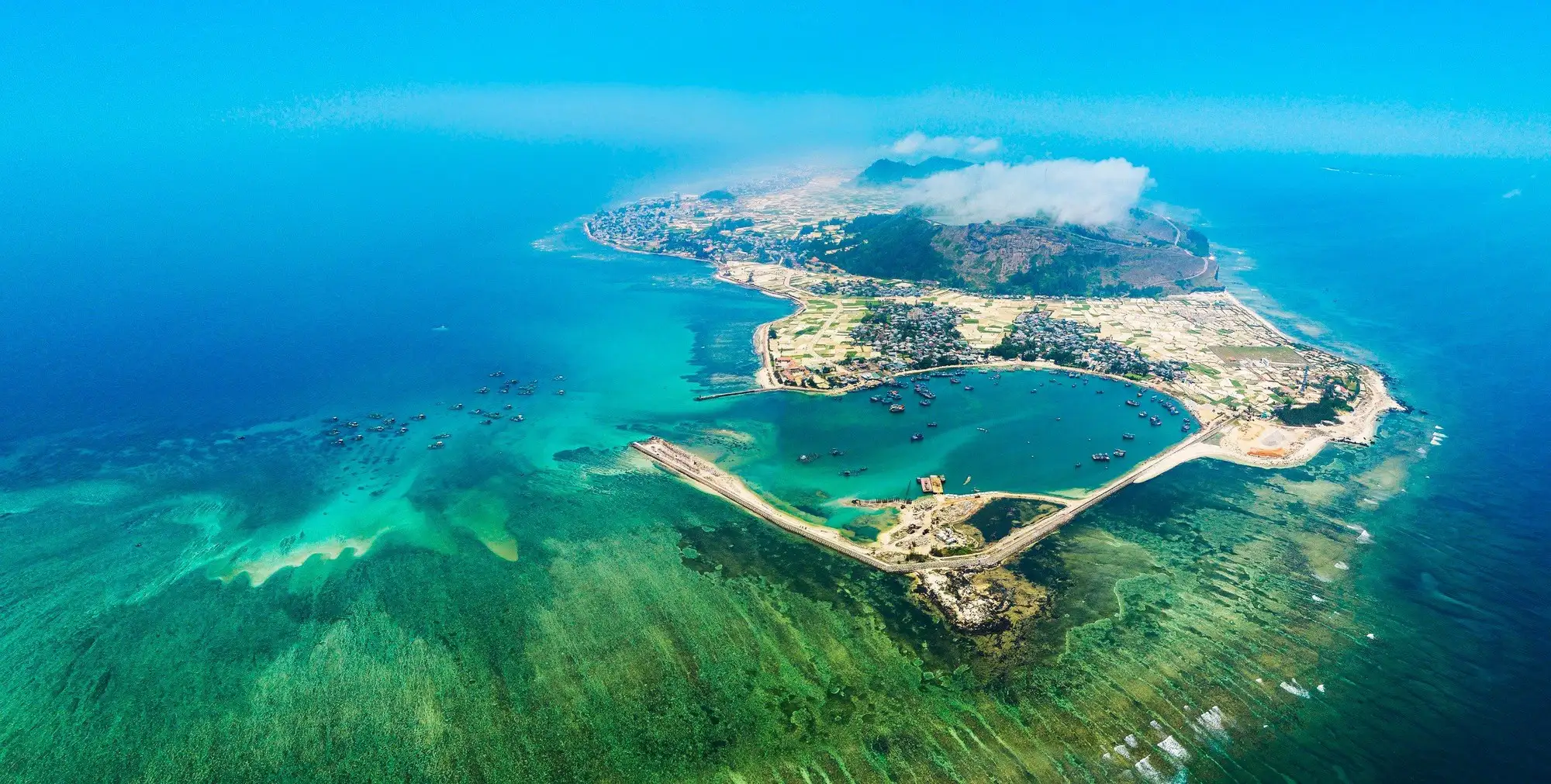
Is the trip from Hoi An to Ly Son Island actually worth it?
Phuoc Thien Fishing Village: A quiet glimpse of coastal life in Vietnam
Wood Art Vietnam Workshop: What to Expect From the 3-Hour Wood Carving Class
Can You Take a Vietnam Sleeper Train Directly to Hoi An?