


Silk Village Hoi An – An easy cultural stop near Hoi An Old Town
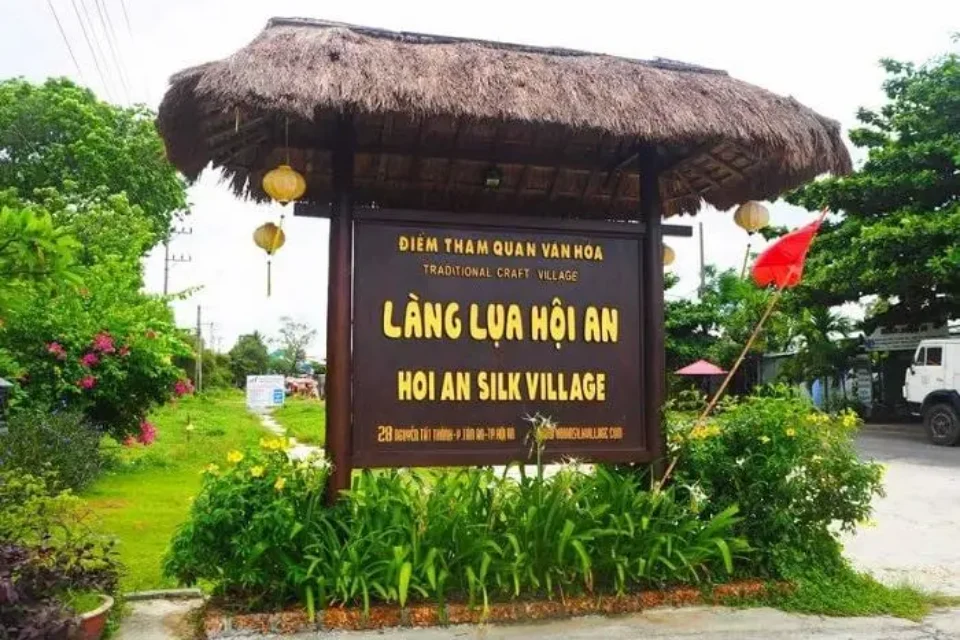
Hoi An Silk Village is one of the places where visitors can slow down and explore the cultural roots of Hoi An beyond its famous old streets. Located just outside the ancient town, the village introduces the long history of silk making through traditional houses, artisan workshops, and interactive experiences. This guide explains what Silk Village Hoi An is, what you can see and do there, how to combine it with other attractions, and whether it fits your travel plans.
What is Silk Village Hoi An?
Hoi An Silk Village is a cultural and craft heritage space that showcases the entire traditional silk-making process connected to the history of Hoi An as an ancient trading port. Rather than being a simple tourist attraction, it functions as a “living museum,” where visitors can learn about mulberry growing, silkworm raising, silk reeling, and hand weaving, crafts that have existed in central Vietnam for centuries.
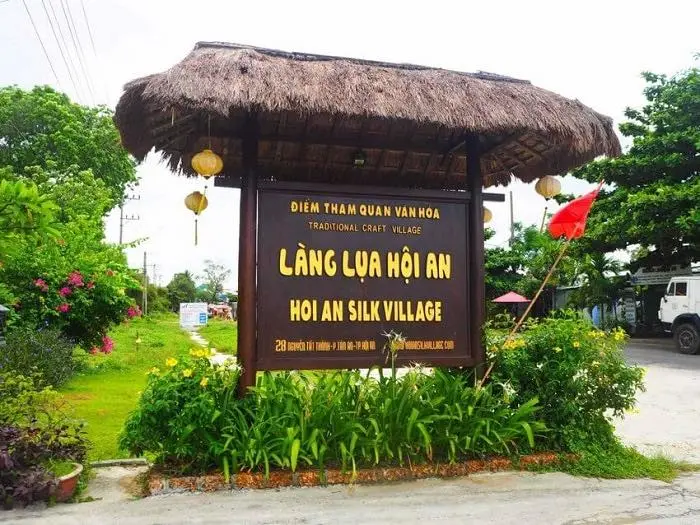
Unlike silk shops in Hoi An Ancient Town, Silk Village Hoi An focuses on hands-on experience and cultural education. Visitors can observe each step of silk production, listen to explanations about the role of silk in Hoi An’s trading history, and understand how local silk was once part of international trade routes. This makes the village especially appealing to travelers who want to explore traditional craftsmanship and cultural heritage, not just shop for finished products.
Where is Silk Village Hoi An located?
Hoi An Silk Village is located at 28 Nguyen Tat Thanh Street, Tan An Ward, Hoi An City, Quang Nam Province, Vietnam. This road leads toward the Hoi An Ancient Town, making the village easy to include in a sightseeing itinerary. The Silk Village is about 1 km from the old town center, which makes it convenient to reach on foot, by bicycle, or by taxi/Grab. From the historic center, the route is straightforward: head toward Nguyen Tat Thanh Street, and continue straight for a short distance until you reach Silk Village.
Because the distance from Hoi An Ancient Town is relatively close, Silk Village Hoi An can easily be added to a half-day sightseeing plan. The journey is short and does not require passing through narrow alleys or complicated intersections.
If you prefer a smooth and hassle-free journey, Bliss Hoi An Beach Resort & Wellness offers a convenient transportation service that makes visiting Silk Village easy and comfortable. Guests can arrange private transfers directly from the resort to Silk Village Hoi An, without worrying about routes, traffic, or parking. This option is especially suitable for families, couples, or travelers who want a relaxed itinerary and a seamless connection between cultural sightseeing and beachside relaxation at Bliss Hoi An.
Entrance fee and opening hours
Hoi An Silk Village charges an entrance fee for both domestic and international visitors. The ticket price typically ranges from 100,000 to 150,000 VND per person, depending on the season and the type of experience included. A standard ticket usually covers access to the village, an introduction to the silk-making process, visits to cultural exhibition areas, and a basic explanation of the history of silk production in Hoi An. Additional activities such as in-depth workshops or private guided tours may require an extra fee.

In terms of opening hours, Hoi An Silk Village is generally open daily from 8:00 AM to around 5:00–5:30 PM. The best time to visit is in the morning or early afternoon, when the weather is cooler and the site is less crowded, allowing you to observe artisans at work and enjoy the activities more comfortably.
Before your visit, it is advisable to check the latest opening hours and ticket prices, especially if you are traveling in a large group or plan to join a more specialized experience. This helps you plan your schedule efficiently and make the most of your time at Hoi An Silk Village.
What to see and do at Silk village Hoi An
Silk Village Hoi An is best explored at a relaxed pace. Rather than being a place you walk through quickly, it invites you to slow down, look closely, and follow how silk is connected to daily life, history, and craftsmanship. As you move through the village, activities unfold naturally, from observing artisans at work to interacting with materials and learning stories behind the craft. This makes the visit feel more like a cultural walk than a standard sightseeing stop.
Explore traditional “Ruong” houses and cultural spaces
One of the first highlights is the traditional ruong-style house, which introduces visitors to the cultural context of silk in Vietnam. Inside, you can see displays of colorful ao dai and traditional costumes representing Vietnam’s 54 ethnic groups. The space is visually striking and helps visitors understand how silk has been used in clothing and daily life for centuries, making it a popular stop for photos as well as learning.
Learn about Cham culture and weaving techniques

Silk Village also features sections dedicated to Cham weaving traditions, offering insight into one of the most distinctive textile cultures in central Vietnam. Here, visitors can observe traditional looms and weaving methods, while learning how patterns and techniques differ from mass-produced fabrics. Seeing these details up close makes it easier to appreciate the craftsmanship and time required to create handwoven silk.
Visit the silk showroom and try on silk garments
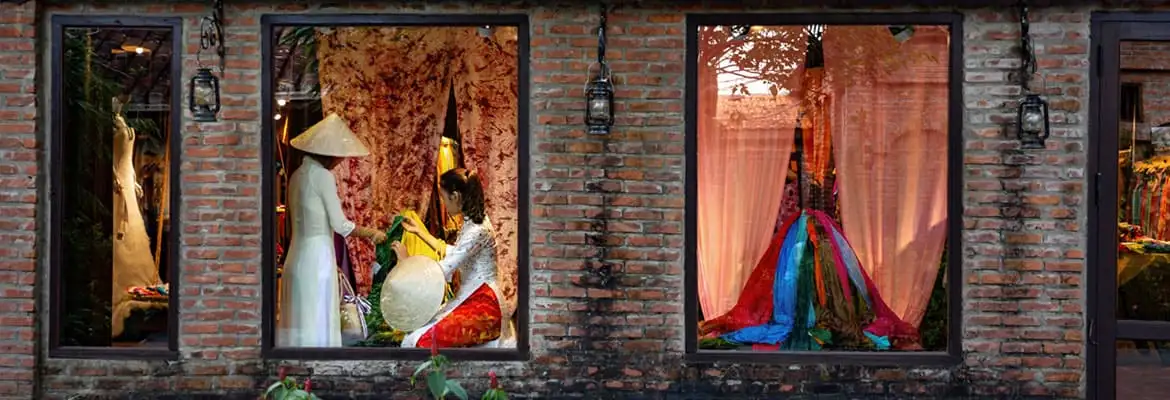
After understanding the process, many visitors spend time in the silk showroom, where various fabrics, textures, and designs are displayed. You are encouraged to touch the materials and compare different types of silk to feel the difference. In some areas, visitors can also try on silk garments and walk around the village setting, which adds a more personal and immersive element to the experience.
Take part in hands-on silk-making activities
For those interested in interactive experiences, Silk Village offers opportunities to participate in selected stages of silk production. Depending on the program, you may try picking mulberry leaves, observing silkworms, boiling cocoons, or weaving briefly under the guidance of artisans. Even short hands-on moments help visitors better understand how much skill and patience go into producing silk by traditional methods.
Learn how to identify real silk and choose meaningful souvenirs
Before leaving, visitors can learn practical tips on how to recognize genuine silk and understand the differences between handwoven silk and industrial fabrics. Staff and artisans often explain weaving methods, fabric quality, and care instructions in detail. This makes shopping more informed and relaxed, whether you choose a scarf, fabric, or a small silk item as a souvenir with real cultural value.
Read more: Experience the art of tailoring with Hoi An suits
Combine Silk village with other Hoi An attractions
Because it is located close to the town center, Silk Village is easy to combine with other attractions in Hoi An for a half-day or full-day itinerary. Each nearby stop offers a different atmosphere, helping your trip feel varied rather than repetitive.
Hoi An Ancient Town
After learning about silk making and traditional crafts, returning to Hoi An Ancient Town feels like a natural next step. Walking through narrow streets, visiting old houses, stopping at cafés, and seeing lanterns light up in the late afternoon creates a lively contrast to the quiet setting of the silk village. If you enjoy shopping, the old town is also a convenient place to browse souvenirs or have clothes tailored after understanding silk materials more deeply.
Tra Que Vegetable Village
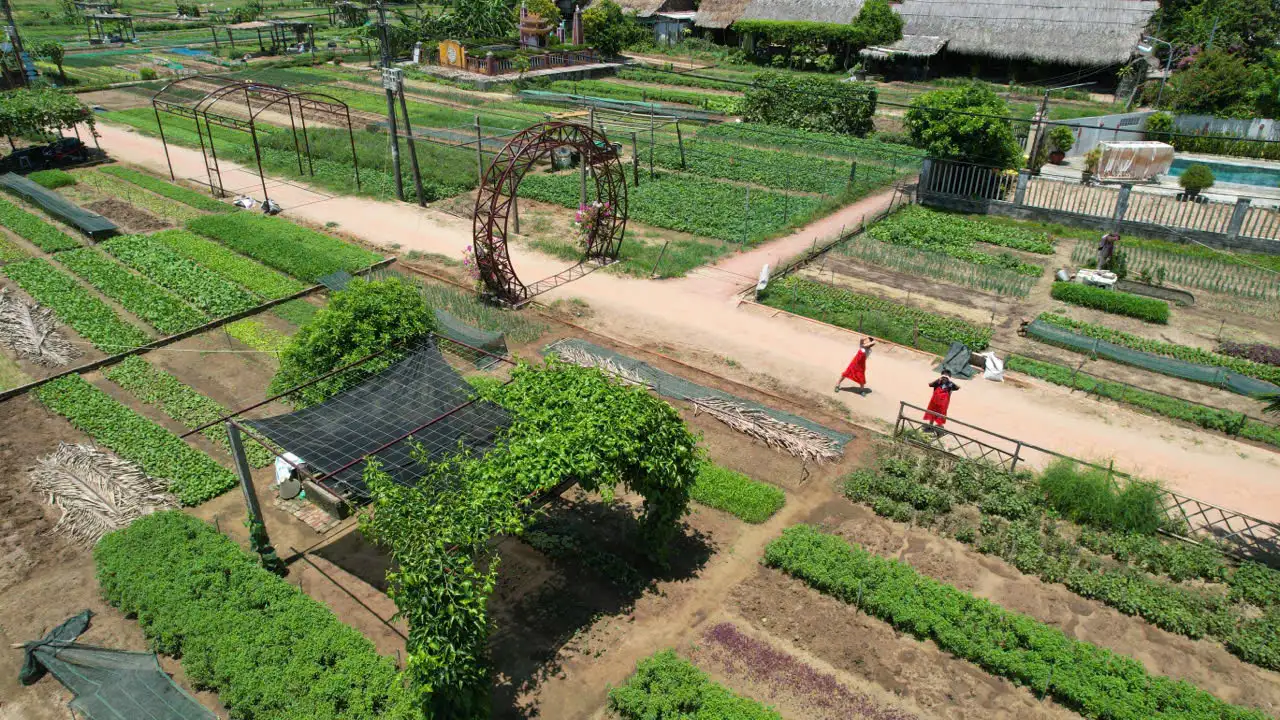
For a greener and more rural experience, Tra Que pairs well with Silk Village. Here, you can observe daily farming activities, see vegetable beds, and learn how locals grow herbs using traditional methods. Combining Tra Que with the silk village creates a balanced itinerary, half focused on handicrafts, half on agricultural life, with plenty of relaxed photo opportunities along the way.
Thanh Ha Pottery Village
Thanh Ha is a good choice if you enjoy hands-on craft experiences. Visitors can watch artisans shape clay, learn about pottery techniques, and even try making a small ceramic item themselves. Visiting both the silk village and the pottery village in one day offers a broader view of Hoi An’s traditional crafts, showing how different materials require different skills and creativity.
Hoi An market and local food areas
After exploring Silk Village, adding a food stop helps round out the experience. Hoi An Market and nearby food areas are ideal places to try local dishes such as cao lau, mi Quang, and banh beo. This break allows you to rest, enjoy local flavors, and recharge before continuing your afternoon plans.
An Bang Beach
If you want an easy beach break without going too far, An Bang is a popular choice for its relaxed vibe and beachside cafés. Many travelers come here in the late afternoon to cool off after sightseeing, then stay for sunset drinks or a casual seafood meal. It is a simple way to shift the day from culture and crafts to beach time without changing your schedule too much.
Cua Dai Beach
Cua Dai offers a more open coastline and a quieter feel depending on the time of day. It can be a great spot for a longer walk, a calmer sunset, or simply some breathing space after the busy streets of the old town. If you prefer a less café-heavy beach scene, Cua Dai may feel more suitable for a low-key end to the day.
Binh Minh Beach

Binh Minh Beach is a strong option if you want to get away from the more well-known tourist beaches and enjoy a more local atmosphere. The shoreline is spacious, and the mornings here can be especially peaceful, with fewer crowds and a softer, calmer pace. It works well if you want a simple beach stop that feels less “busy” and more relaxed.
If you want to end your day with comfort and true downtime after Silk Village and Hoi An sightseeing, consider staying at Bliss Hoi An Beach Resort & Wellness. It is a convenient way to combine beach views, wellness-focused relaxation, and an easy base for exploring Hoi An’s cultural attractions the next day.
Read more: Things to do in Hoi An when raining: Top 10+ best rainy-day activities
Silk Village Hoi An offers a deeper cultural experience for travelers who want more than sightseeing and photos. By learning about silk making, observing skilled artisans, and exploring traditional spaces, visitors gain a better understanding of Hoi An’s craft heritage. Whether you visit it on its own or combine it with nearby attractions and beaches, Silk Village adds a meaningful and relaxed dimension to any Hoi An itinerary.

Related Posts

Private Tours from Hoi An Beach Resorts: Discover Central Vietnam from Bliss Hoi An
How much does a Hoi An wedding for 40 guests cost?

Is fine dining Hoi An really worth the price? What are travelers paying for?
Cau Bong Festival in Hoi An: Inside Tra Que’s Agricultural New Year Tradition

Top 8 things to consider for a wedding in Hoi An with 20 guests