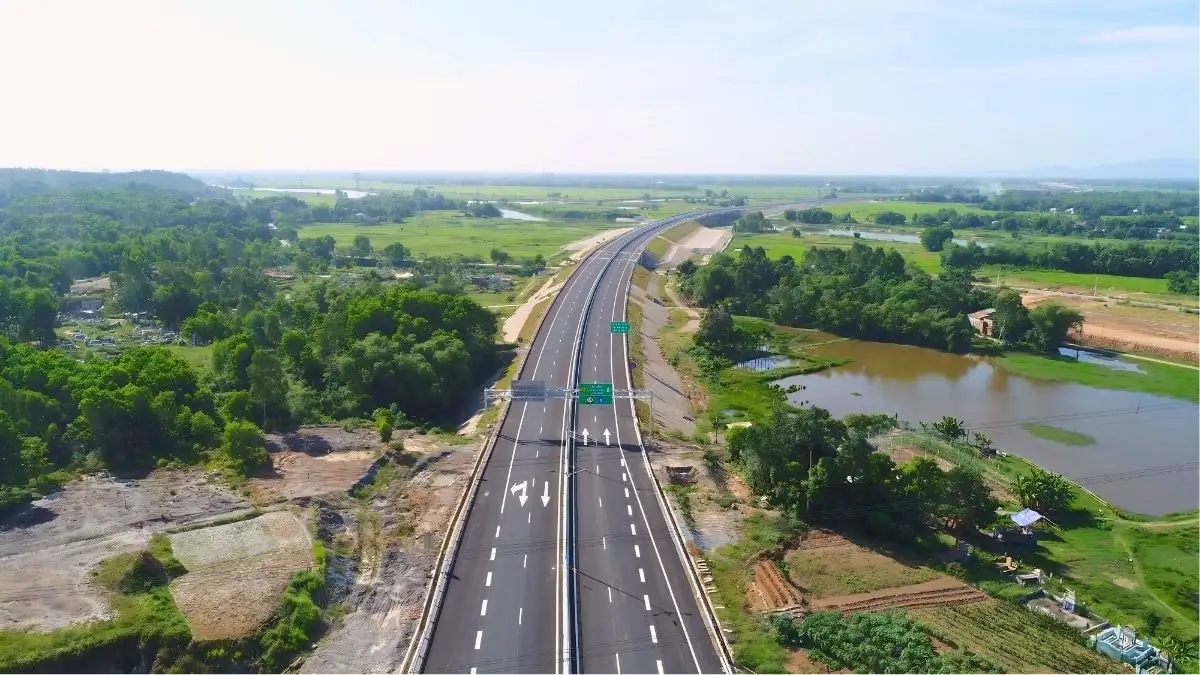


Self-Drive Hanoi to Hoi An, Da Nang: A Realistic Road Trip Guide for Foreign Travelers (2026)
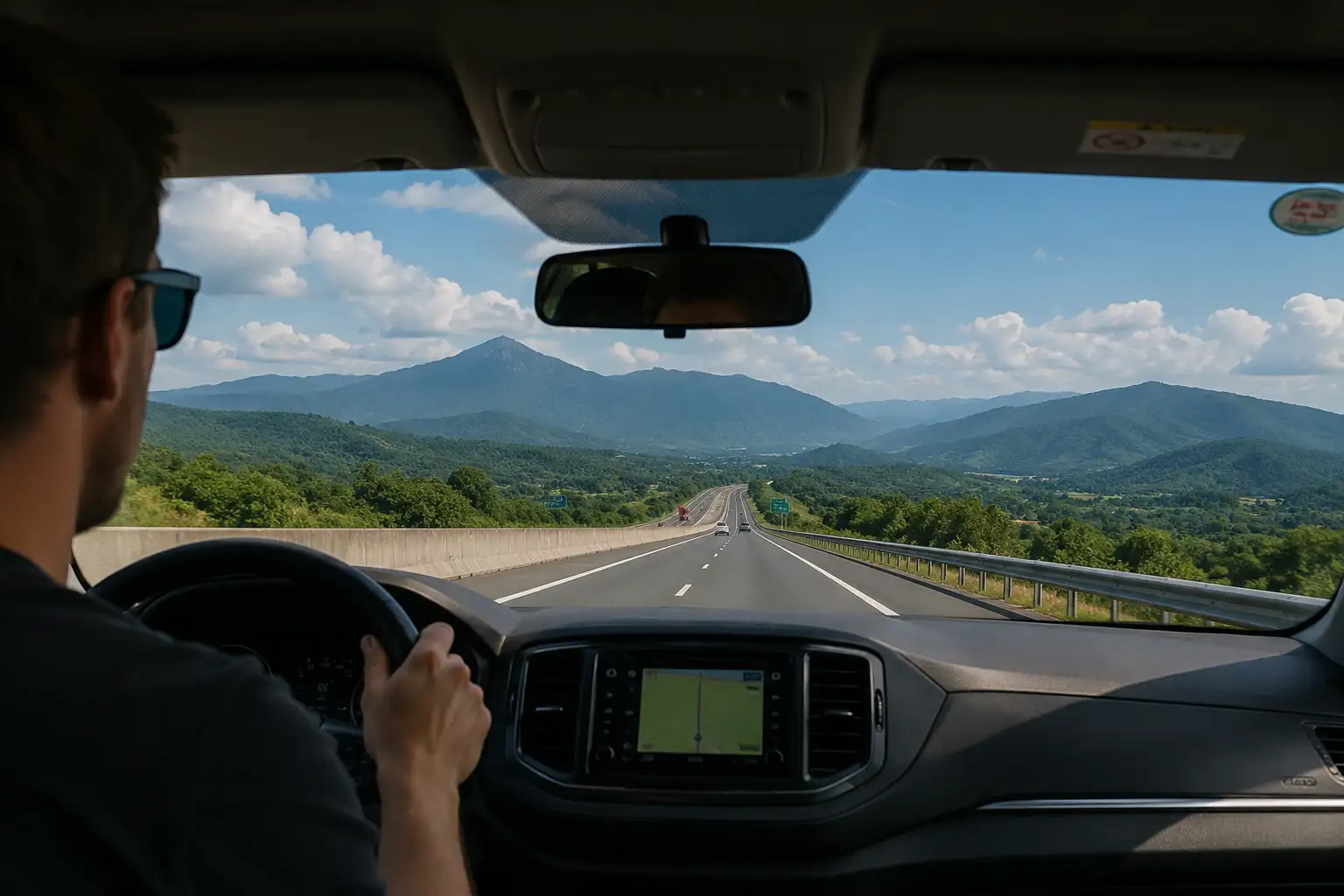
Self-drive Hanoi to Hoi An or Da Nang is one of the most rewarding road trips in Vietnam. The journey takes you through quiet coastal roads, mountain passes, fishing villages, and some of the country’s most beautiful beaches. For travelers who enjoy flexibility and slow travel, self-driving offers a completely different experience from flying or taking the train.
However, this is not a route to underestimate. Although Google Maps may suggest relatively straightforward driving times, the reality can be quite different. Speed limits, traffic conditions, weather, and fatigue all play a significant role, especially for first-time visitors to Vietnam.
This guide covers not only the drive south from Hanoi to Hoi An and Da Nang, but also several worthwhile detours and stopovers along the way. Places such as Phong Nha-Ke Bang National Park in Quang Binh Province are well worth adding to the itinerary, especially since you’ll already be passing nearby. Spending an extra day exploring famous caves and relaxing in nature can make the road trip far more memorable.
Can Foreign Tourists Drive From Hanoi to Hoi An and Da Nang?
Yes, but there are several important things to understand before planning a self-drive trip in Vietnam.
Foreign visitors cannot simply arrive and start driving with any license issued in their home country. Vietnam has specific regulations regarding driving permits, and requirements may vary depending on nationality and the type of vehicle.
Before starting your journey, make sure you have:
- A valid passport and visa.
- A driving license recognized in Vietnam.
- Appropriate insurance coverage.
- A rental agreement if using a hired vehicle.
Because regulations may change, it is always advisable to verify the latest requirements before traveling.
International Driving Permit (IDP) and Local Regulations
Vietnam recognizes International Driving Permits issued under the 1968 Vienna Convention. However, not all countries issue this version of the IDP. Travelers should check whether their home country participates in the convention and whether their license category matches the type of vehicle they intend to drive. (Source: TLA)
Some visitors may also choose to convert their license or arrange transportation through local operators if they are unsure about the legal requirements.
Renting a Car vs Hiring a Driver
For many international travelers, the biggest decision is not whether to travel between Hanoi and Hoi An or Da Nang, but whether to drive themselves or hire a local driver.
| Self-driving | Hiring a driver |
| Complete flexibility | Less stress |
| Freedom to stop at beaches and viewpoints | Better local knowledge |
| A more immersive road trip experience | No concerns about traffic rules or navigation |
Travelers unfamiliar with driving in Southeast Asia often find that hiring a private driver is the easier option, while experienced road-trippers usually appreciate the independence of driving themselves.
Is Self-Driving Recommended for First-Time Visitors?
Yes, but only with realistic expectations. Driving in Vietnam is very different from driving in Europe, North America, or Australia. Traffic patterns can appear chaotic at first, and long distances between Hanoi and Central Vietnam can be surprisingly tiring.
For first-time visitors, a slower itinerary is usually the best approach. Breaking the journey into several days allows more time to enjoy places such as Dong Hoi, Hue, Hoi An, and Da Nang instead of turning the trip into a marathon behind the wheel.
How Long Does It Really Take to Drive From Hanoi to Hoi An and Da Nang?
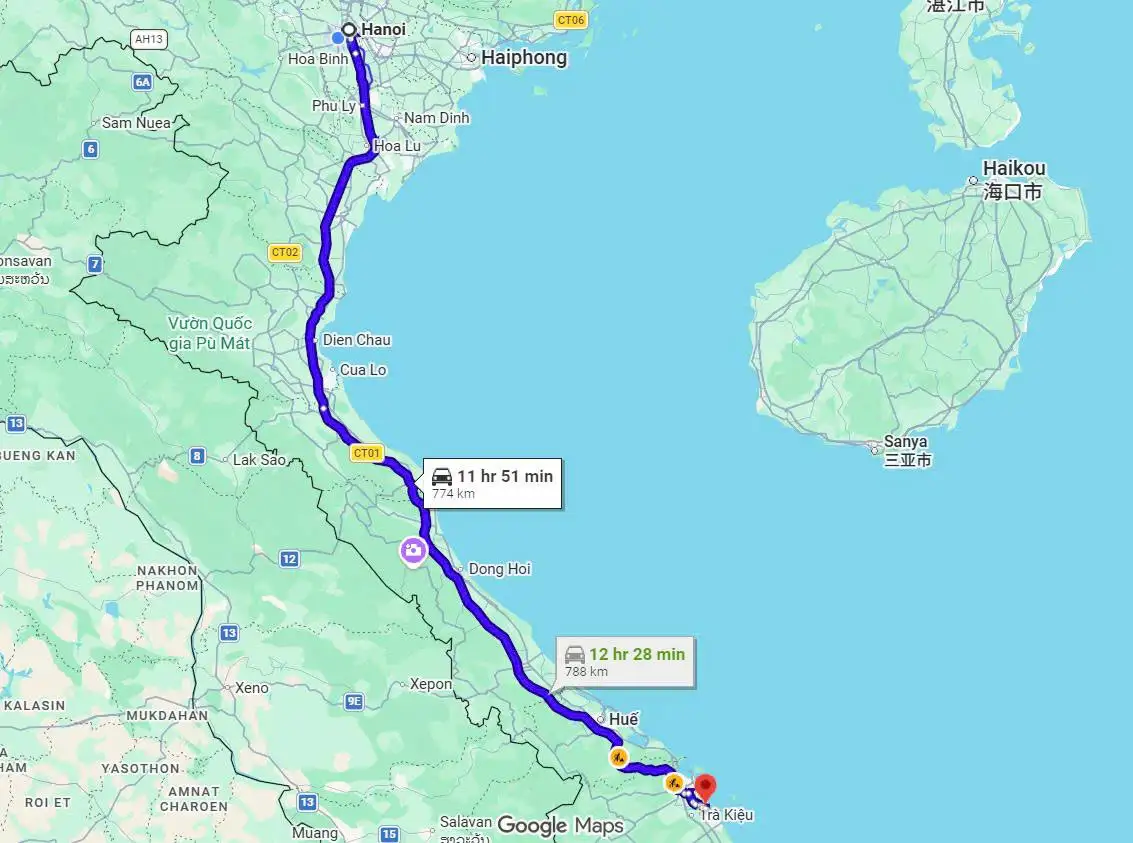
On paper, the journey from Hanoi to Da Nang takes around 12 to 14 hours. In reality, very few travelers should attempt to complete the drive in one day.
Option 1: Driving Nonstop (12–14 Hours)
Technically, it is possible to drive from Hanoi to Da Nang in a single day.
This option is generally suitable for:
- Two experienced drivers sharing the workload.
- Travelers with very limited time.
- People are already familiar with long-distance driving in Vietnam.
However, most experienced drivers do not recommend it. After accounting for fuel stops, meals, traffic, and short breaks, the journey can become exhausting. Completing the trip in one day often means spending more than twelve hours on the road, which significantly increases fatigue and reduces enjoyment. For families traveling with children, attempting the entire route in one day can quickly turn a holiday into an uncomfortable experience.
Why Most Families Avoid Driving Nonstop
Families with young children usually find that the journey becomes much more enjoyable when divided into shorter stages. Long driving days often mean:
- Less time to relax.
- More stress for parents.
- Bored and tired children.
- Greater driver fatigue.
Many travelers who have completed the route multiple times consider six or seven days to be the sweet spot between sightseeing and comfortable driving.
Why 4-Day and 3-Day Itineraries Are More Comfortable
A slower itinerary allows travelers to enjoy the journey rather than simply rushing toward the destination. These itineraries are especially suitable for:
- Couples looking for a scenic road trip
- Families with children
- First-time visitors to Vietnam
- Travelers who want to combine beaches, food, and sightseeing
Popular overnight stops include:
- Dong Hoi
- Hoi An and Da Nang
- Hue
- Ha Tinh
Breaking the trip into manageable sections means you can spend your mornings driving and your afternoons enjoying seafood, beaches, coffee shops, and some of the most beautiful coastal scenery in Vietnam. For many travelers, the road itself becomes just as memorable as Hoi An or Da Nang.
Recommended 4-Day Family Road Trip From Hanoi to Central Vietnam
For families with children, a six-day itinerary strikes a good balance between driving time and relaxation. Instead of spending entire days behind the wheel, you’ll have enough time to enjoy beaches, seafood, and some of the most scenic stretches along Vietnam’s central coast.
Day 1: Hanoi to Dong Hoi (Approx. 480 km)
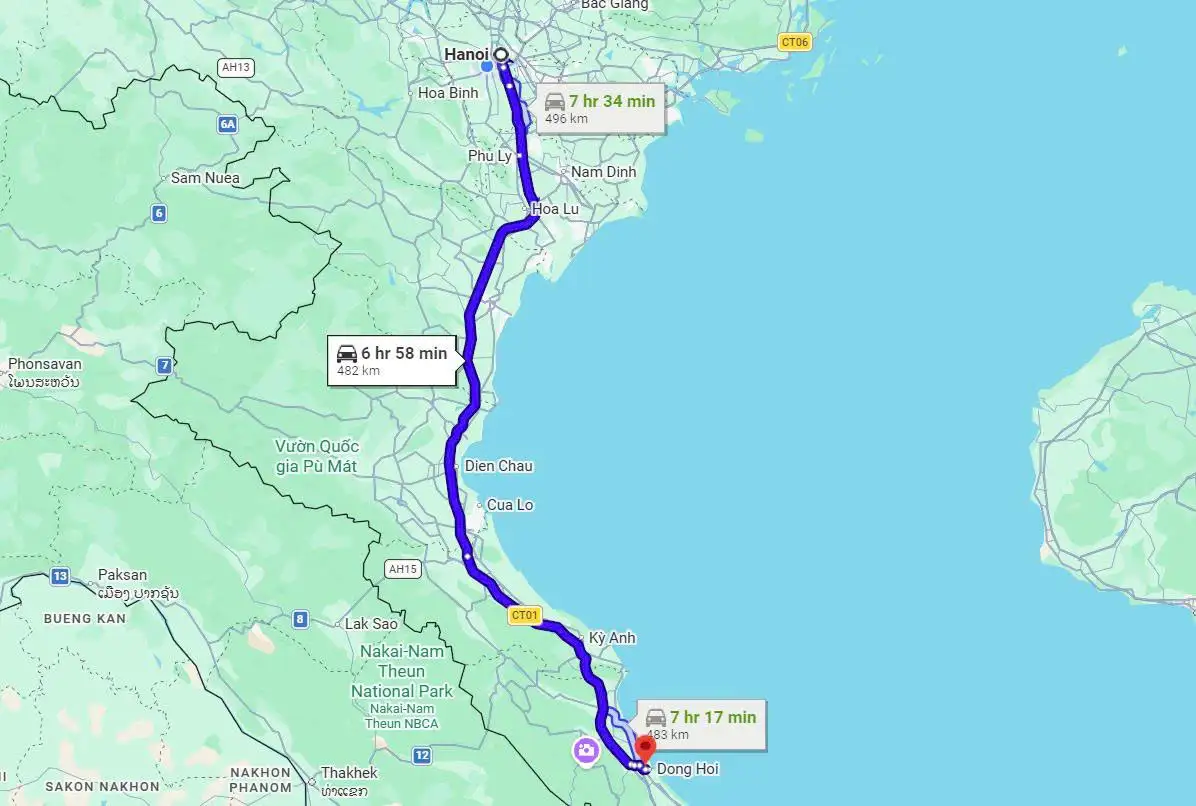
The first day is the longest driving day of the trip, but thanks to the expressway network, it is surprisingly manageable. Leaving Hanoi between 6 and 7 AM allows you to avoid the morning traffic and make good progress before midday. Follow the CT01 expressway south and plan to stop in Vinh around lunchtime.
Where to Stop for Lunch in Vinh
One place frequently recommended by Vietnamese road-trippers is Hong Son Eel Restaurant. Nghe An is famous for its eel dishes, and many drivers consider it a tradition to stop here before continuing south.
After lunch, rejoin the expressway and continue toward Ha Tinh. Rather than staying on the highway all afternoon, consider exiting near Cam Quan and following the coastal road toward Thien Cam Beach.
Why the Thien Cam Coastal Route Is Worth the Detour
This small diversion adds a more relaxing rhythm to the journey. Compared with remaining on the expressway, the coastal road offers:
- Lighter traffic
- Beautiful sea views
- A slower pace that feels less exhausting after several hours of driving
- A chance to experience a quieter side of central Vietnam
On a clear day, this section of the drive can be one of the most enjoyable parts of the entire journey. By late afternoon, you should arrive in Dong Hoi, one of the most convenient overnight stops between Hanoi and Da Nang.
Dinner Recommendation in Dong Hoi
If you enjoy seafood, Binh Minh Restaurant is a popular local choice. One of its signature dishes is braised crab with winter melon, a specialty that many returning visitors specifically come back for.
After dinner, take a stroll along Nhat Le Beach or simply rest early. The next day’s drive to Da Nang is shorter and considerably more relaxed.
Day 2: Dong Hoi to Da Nang (Approx. 270 km)
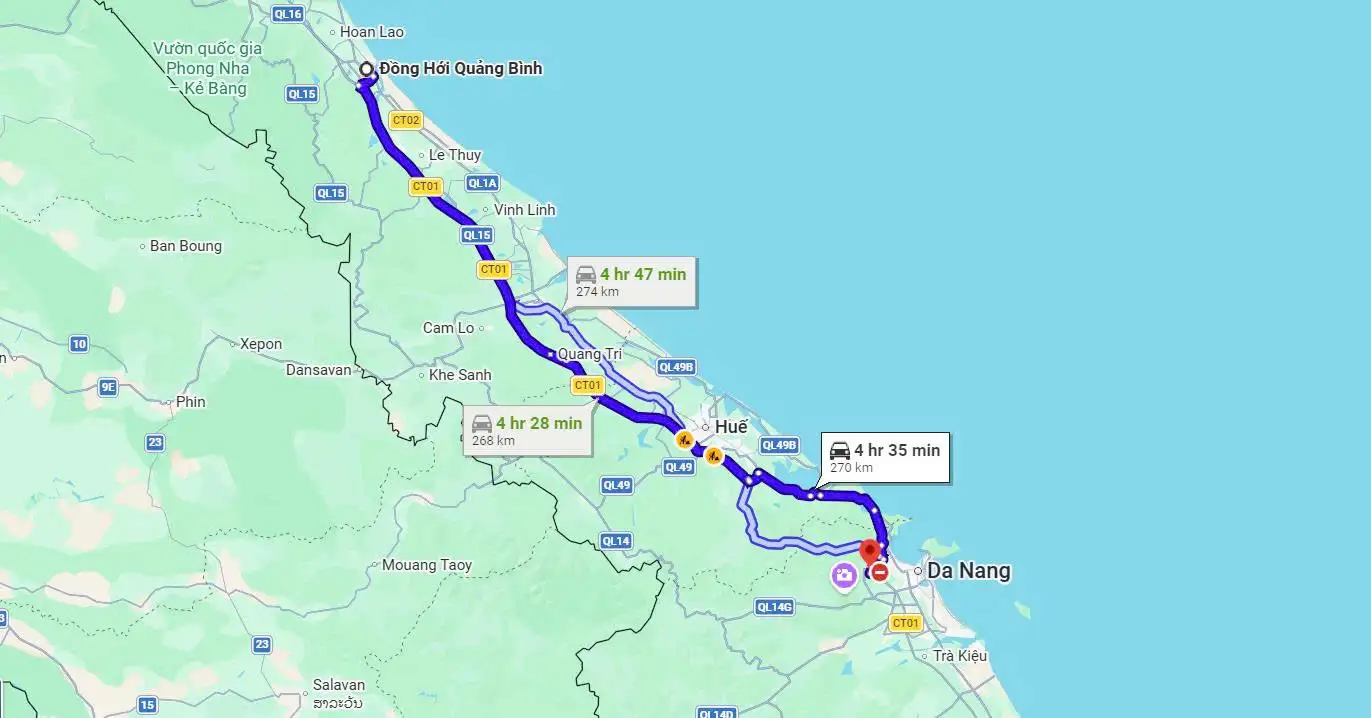
Compared with the previous day, the drive from Dong Hoi to Da Nang feels much more relaxed. After breakfast and perhaps a quick swim at Nhat Le Beach, most travelers can leave around 9 AM and make their way south toward Hue.
With only around 270 kilometers to cover, there is no need to rush. This is one of those days where the journey itself becomes part of the experience.
Which Route Should You Take?
There are two main ways to reach Da Nang from Dong Hoi. You can remain on the expressway and reconnect with National Highway 1A later, or simply follow National Highway 1A through Dong Ha, Hue, and onward to Da Nang. Interestingly, many experienced Vietnamese drivers choose to leave the expressway near Dong Ha instead of staying on it all the way.
The reason has little to do with scenery. Some sections between Cam Lo and La Son currently have relatively low speed limits, with certain stretches restricted to 50 km/h. Combined with slow-moving trucks and limited overtaking opportunities, average speeds can become surprisingly frustrating. For that reason, many drivers find that switching to National Highway 1A near Dong Ha results in a smoother and sometimes even faster journey.
Stop for Lunch in Hue
Hue makes an ideal lunch stop before continuing south. Since the distance from Dong Hoi to Da Nang is not particularly long, there is plenty of time to enjoy a leisurely meal instead of grabbing something quickly on the road.
Many travelers spend an hour or two exploring the city center or taking a short coffee break before continuing toward Da Nang.
Hai Van Pass or Hai Van Tunnel?
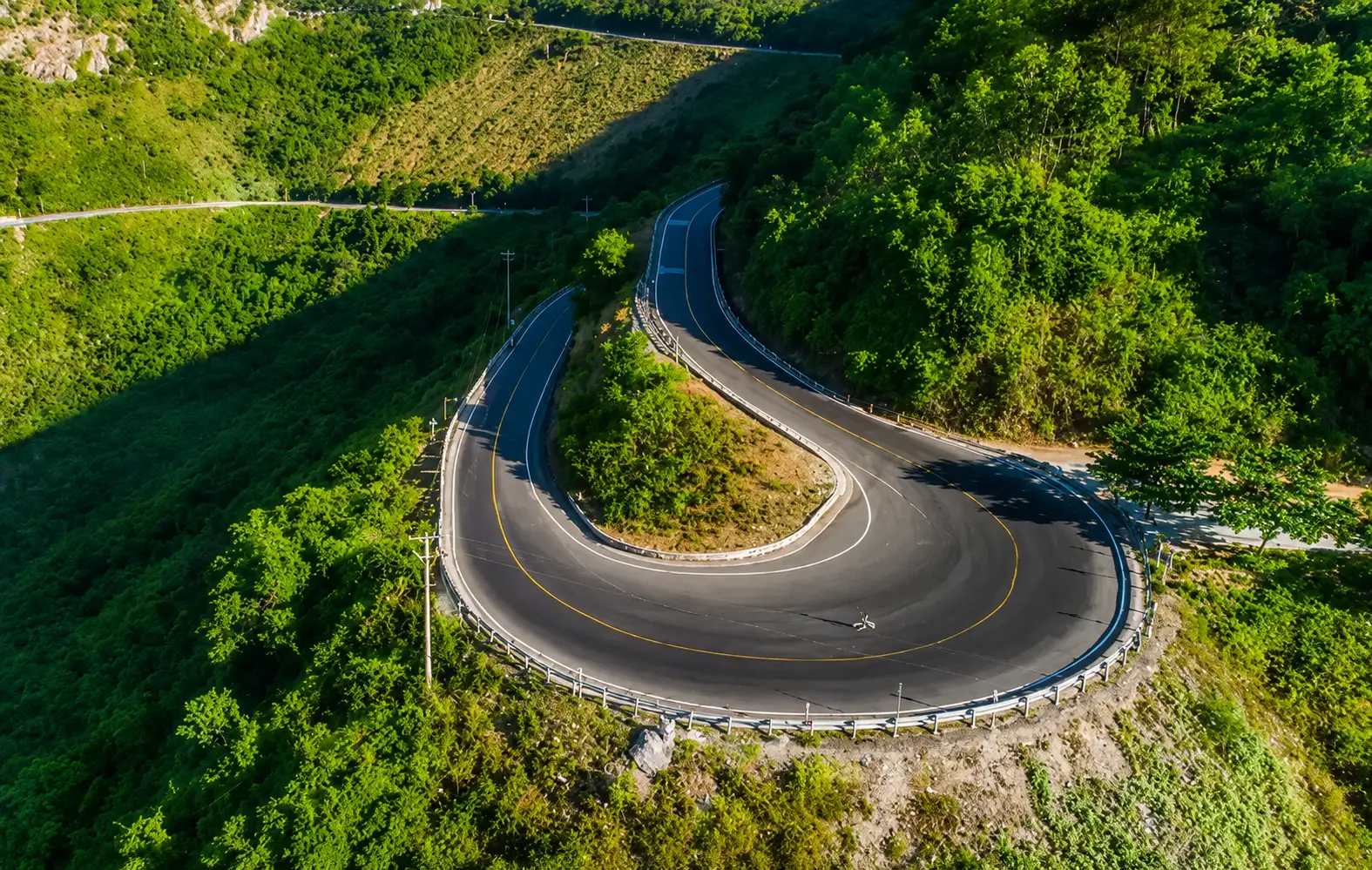
As you leave Hue, you’ll eventually reach one of the most famous road sections in Vietnam. If you’re traveling with children, driving a small car, or simply prefer a more relaxed journey, the Hai Van Tunnel is the easiest and safest option. However, confident drivers may want to take the scenic route over Hai Van Pass. On a clear day, the experience is unforgettable. The road winds along the mountainside with sweeping views of Lang Co Bay and the coastline below. It is widely considered one of the most beautiful drives in Vietnam.
Many travelers describe this section as the moment when the road trip truly begins to feel special. One side mountains, one side sea. Open the windows, turn on your favorite playlist, and simply enjoy the drive.
Arriving in Da Nang
By mid to late afternoon, you should arrive in Da Nang with plenty of daylight remaining. After checking into your hotel, head to My Khe Beach for a swim or relax at one of the beachfront cafés. Compared with the long first day from Hanoi, this evening feels much more like the start of a holiday rather than another day of driving.
Spending the next two days in Da Nang and Hoi An also gives families and first-time visitors a chance to slow down, recharge, and enjoy central Vietnam at a much more comfortable pace.
Days 3-4: Slow Down and Explore Da Nang and Hoi An

After two days on the road, most travelers appreciate having time to slow down. Spending two nights in Da Nang or splitting your stay between Da Nang and Hoi An creates a much more enjoyable pace, especially for families and first-time visitors to Vietnam. There is no need to follow a strict itinerary. These two days are best spent mixing sightseeing with beach time and good food.
In Da Nang, many visitors start with the Marble Mountains, where a network of caves, pagodas, and viewpoints offers panoramic views over the city and coastline. Another popular excursion is Son Tra Peninsula, home to winding coastal roads, quiet beaches, and the impressive Lady Buddha statue overlooking the sea.

From Da Nang, Hoi An is only about 30 kilometers away, making it an easy day trip. Spend the afternoon wandering through Hoi An Ancient Town, browsing local shops, and enjoying the lantern-lit atmosphere after sunset. If you prefer a slower pace, An Bang Beach offers a completely different side of Hoi An. Compared with the busy streets of the Ancient Town, the beach feels more relaxed and is lined with cafés and seafood restaurants.
One of the simple pleasures of this part of Vietnam is ending the day with fresh seafood and a drink while watching the sunset over the sea. Many travelers find that these quiet moments become some of their favorite memories from the entire journey.
Read more: Best area to stay in Hoi An, Vietnam: A complete guide for 2026 travelers
Where to Stay After Reaching Hoi An
After several days on the road, many travelers discover that choosing the right accommodation matters just as much as planning the route itself. Spending long hours behind the wheel can be surprisingly tiring, and by the time you reach Hoi An, most people are looking for somewhere they can truly slow down and recharge rather than continue rushing from one attraction to another.

While staying inside the Ancient Town offers easy access to restaurants and lantern-lit streets, some travelers prefer a quieter setting away from the crowds. Properties located along the coastline provide a different atmosphere altogether, allowing guests to enjoy both Hoi An’s cultural attractions and a more relaxing beach environment.
One option worth considering is Bliss Hoi An Beach Resort & Wellness. Located on peaceful Binh Minh Beach, south of Hoi An Ancient Town, the resort offers spacious rooms and private bungalows surrounded by tropical gardens and direct beach access. For road-trippers, this setting creates a welcome contrast after several days spent driving across central Vietnam.
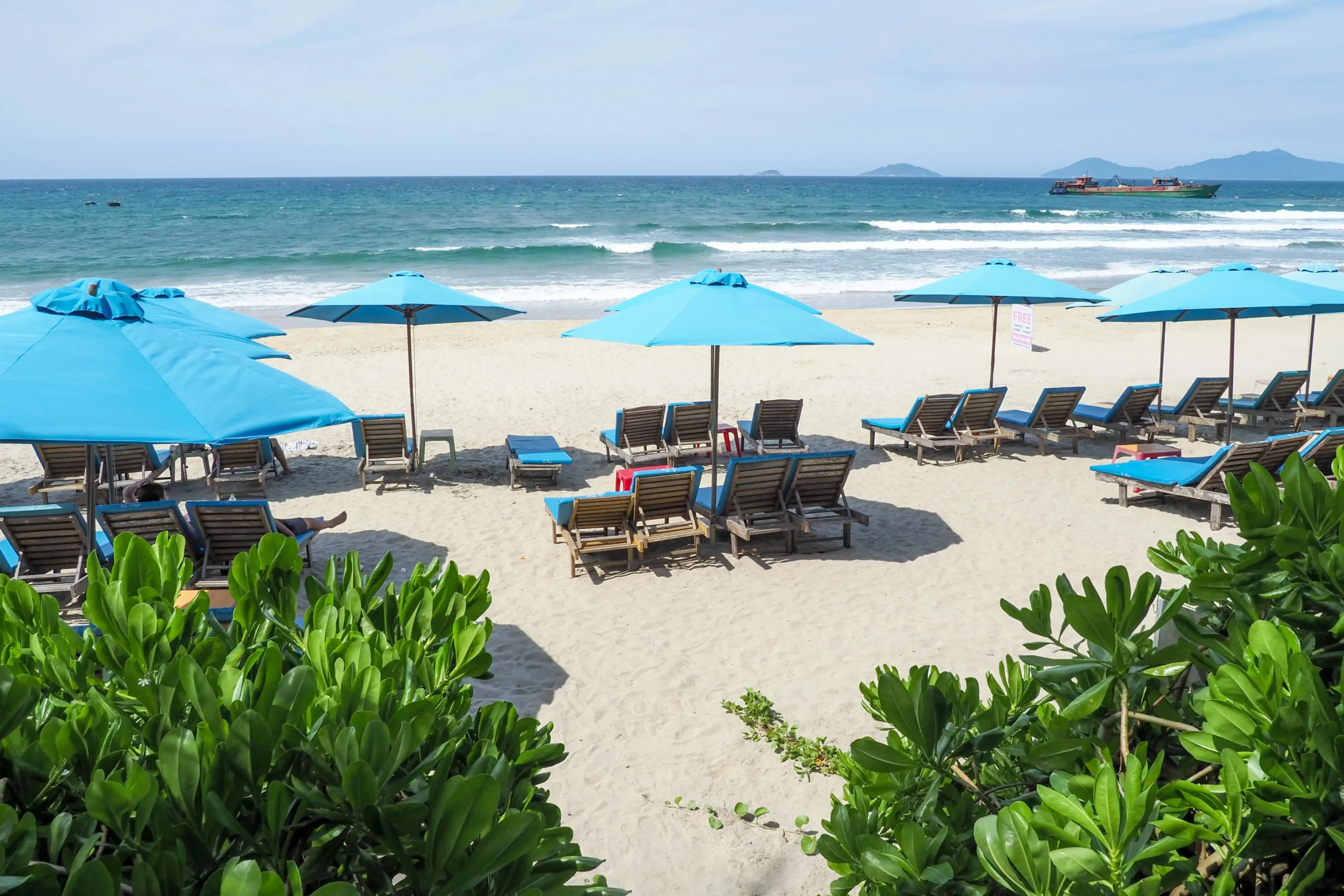
Many guests choose to spend at least two or three nights here, using the resort as a base for exploring Hoi An, Da Nang, and even My Son Sanctuary before continuing their journey. Instead of constantly packing and unpacking, travelers can finally settle into a slower rhythm-morning walks by the sea, afternoons by the pool, spa treatments, and leisurely dinners overlooking the ocean.
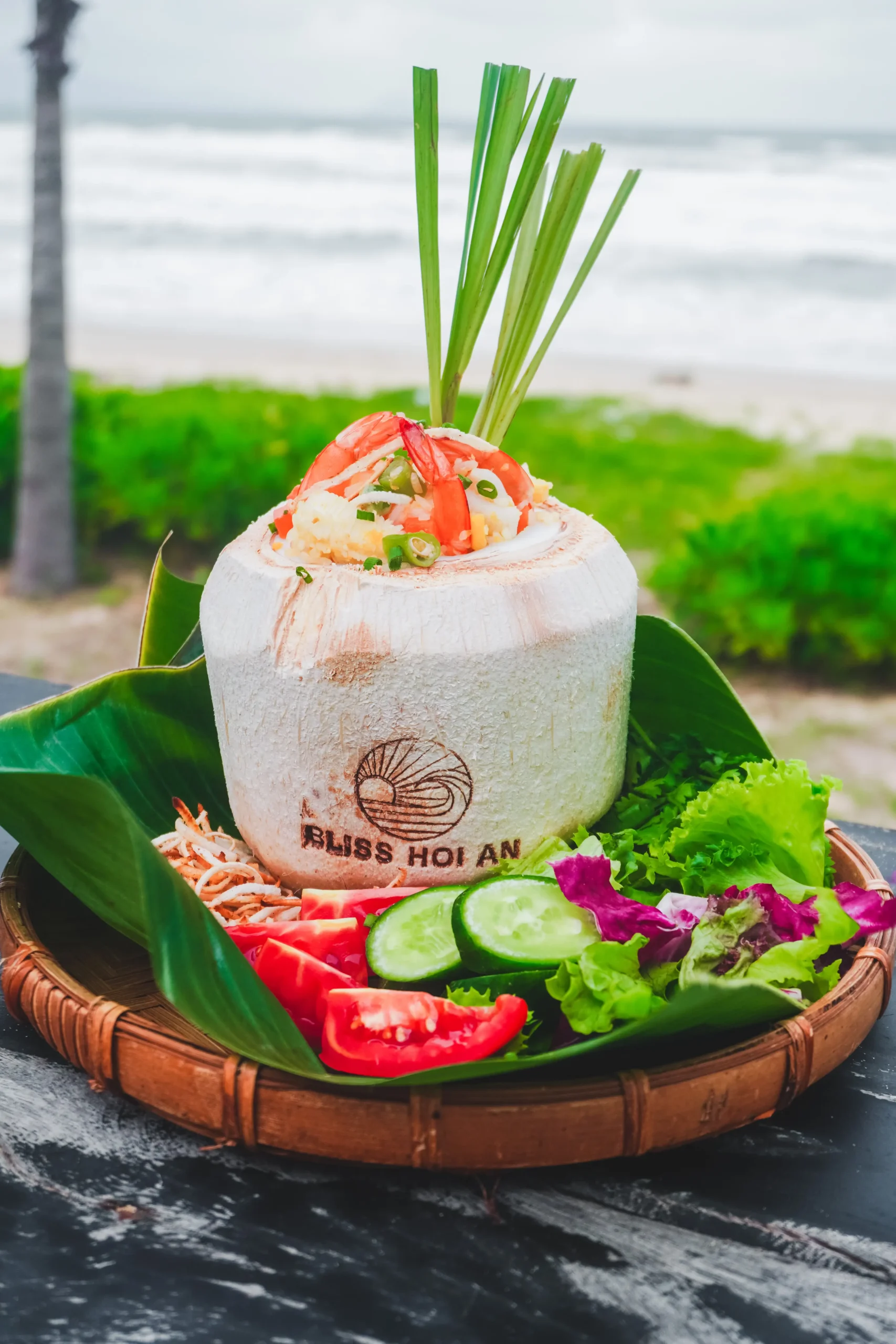
For families, couples, or anyone seeking a more relaxing end to their Hanoi to Hoi An road trip, Bliss Hoi An offers the kind of comfort that helps transform a long drive into a memorable holiday. After all, some of the best moments of a road trip happen not on the road itself, but when you finally find a place that makes you want to stay a little longer.
Read more: Hoi An Vietnam accommodation: A peaceful beachfront stay at Bliss Hoi An
The Most Beautiful Coastal Sections Along the Journey
One of the biggest joys of self-driving from Hanoi to Hoi An and Da Nang is discovering that some of the best moments happen between destinations. Many experienced drivers deliberately slow down on certain stretches of road-not because they have to, but because the scenery deserves it. Along the way, you’ll pass quiet beaches, historic mountain passes, and landscapes that have inspired poets, emperors, and travelers for centuries.
Thien Cam Beach

Located in Ha Tinh Province, Thien Cam Beach remains one of central Vietnam’s lesser-known coastal gems. Its name literally means “Heaven’s Harp.” According to local folklore, ancient kings traveling through the area once heard sounds resembling a harp carried by the sea breeze and waves striking the surrounding mountains. Inspired by this mysterious melody, the beach became known as Thien Cam, or “Heavenly Music.”
Today, it remains a peaceful alternative to Vietnam’s more crowded beach destinations.
Deo Ngang
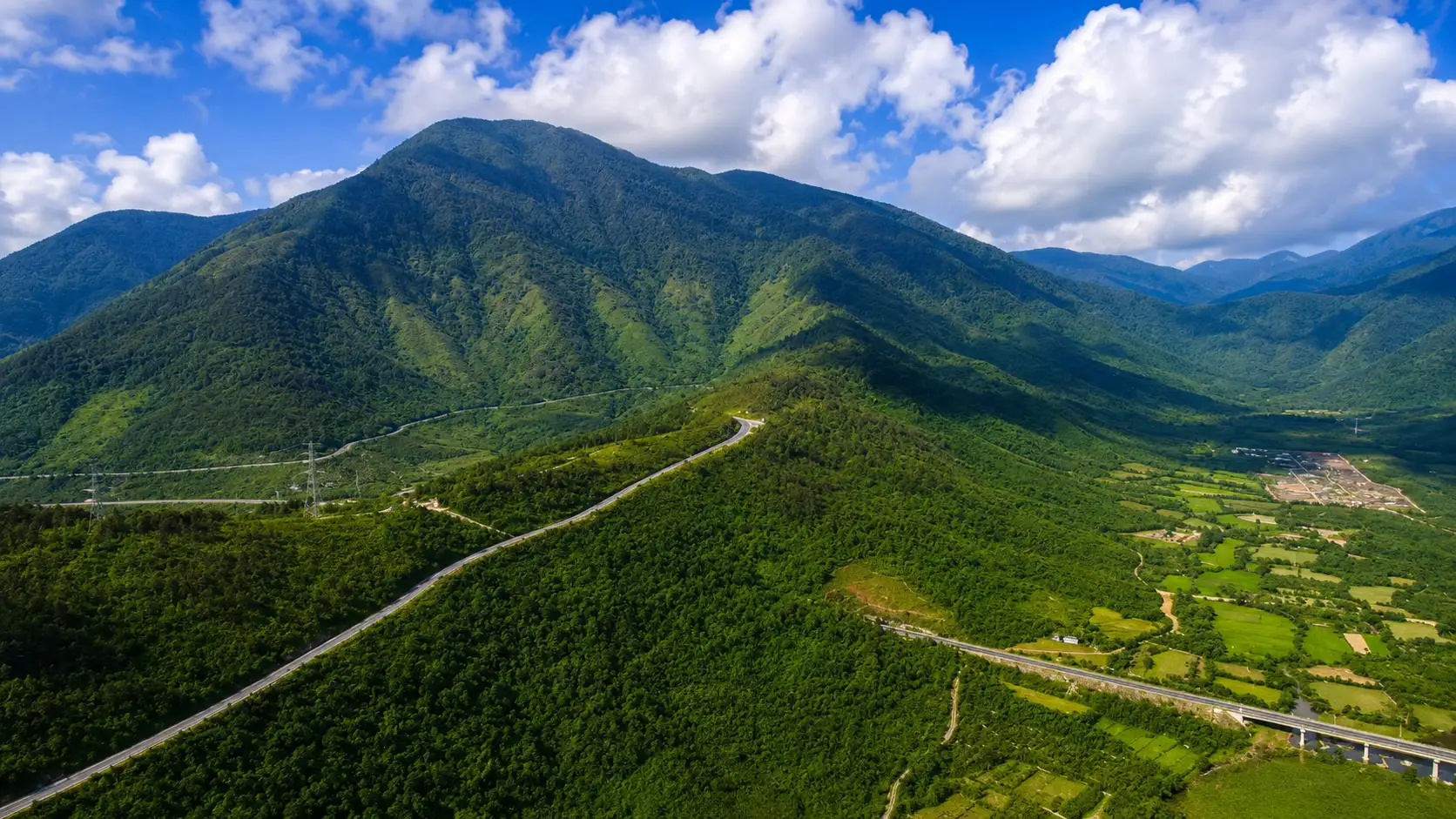
Few roads in Vietnam are as deeply rooted in literature as Deo Ngang. For generations of Vietnamese students, the mountain pass has been associated with the famous poem Qua Deo Ngang written by poet Ba Huyen Thanh Quan in the nineteenth century.
The pass once marked an important boundary between ancient kingdoms and has long symbolized separation and nostalgia in Vietnamese culture. Although modern roads have made crossing much easier, the views from Deo Ngang still retain the quiet beauty that inspired one of Vietnam’s most beloved poems.
Da Nhay Beach
About 40 kilometers north of Dong Hoi lies Da Nhay Beach, whose name literally translates as “Jumping Rocks.” The name comes from the thousands of unusual rock formations scattered along the shoreline. Over countless years, waves and wind have sculpted the stones into shapes that appear to leap out of the sea. Unlike many beaches in Vietnam, Da Nhay feels wild and untouched, making it an ideal stop for photography and a short break during the drive.
Nhat Le Beach
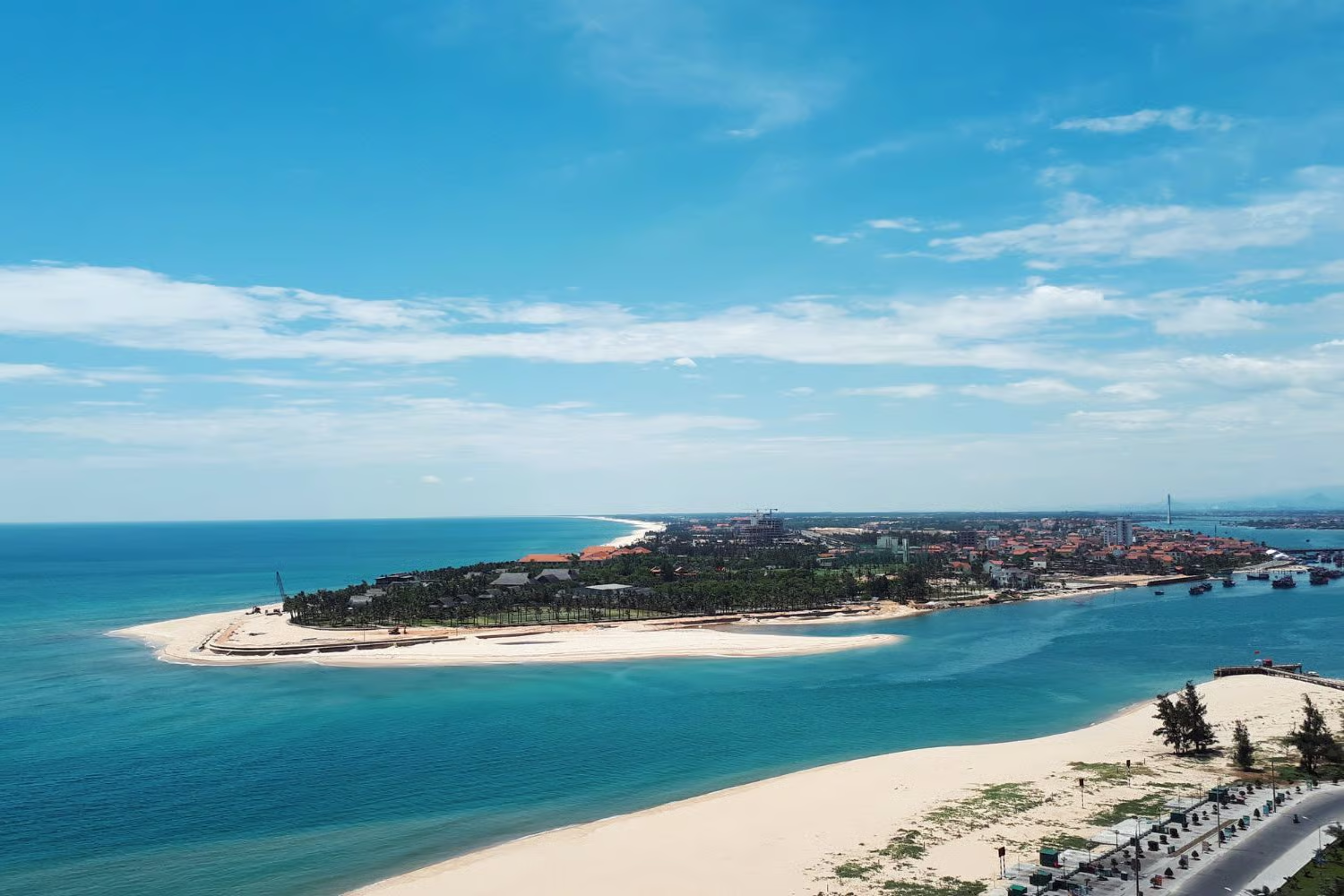
Most travelers know Dong Hoi simply as an overnight stop, but Nhat Le Beach has a story of its own. Legend says the beach and river were named after a woman called Nhat Le, remembered for her loyalty and devotion while waiting for her husband to return from war. Over time, her story became part of local folklore, and the river and beach inherited her name.
Today, the long stretch of soft sand and peaceful sunrise views make it one of the most pleasant places to start the day before continuing south.
Lang Co Bay
Frequently ranked among Vietnam’s most beautiful bays, Lang Co sits between the Bach Ma Mountains and the East Sea.
Its calm turquoise waters and fishing villages create one of the most picturesque landscapes in central Vietnam. For centuries, Lang Co served as an important stop along the old north-south route, and today it remains one of the highlights for travelers crossing Hai Van Pass.
Hai Van Pass
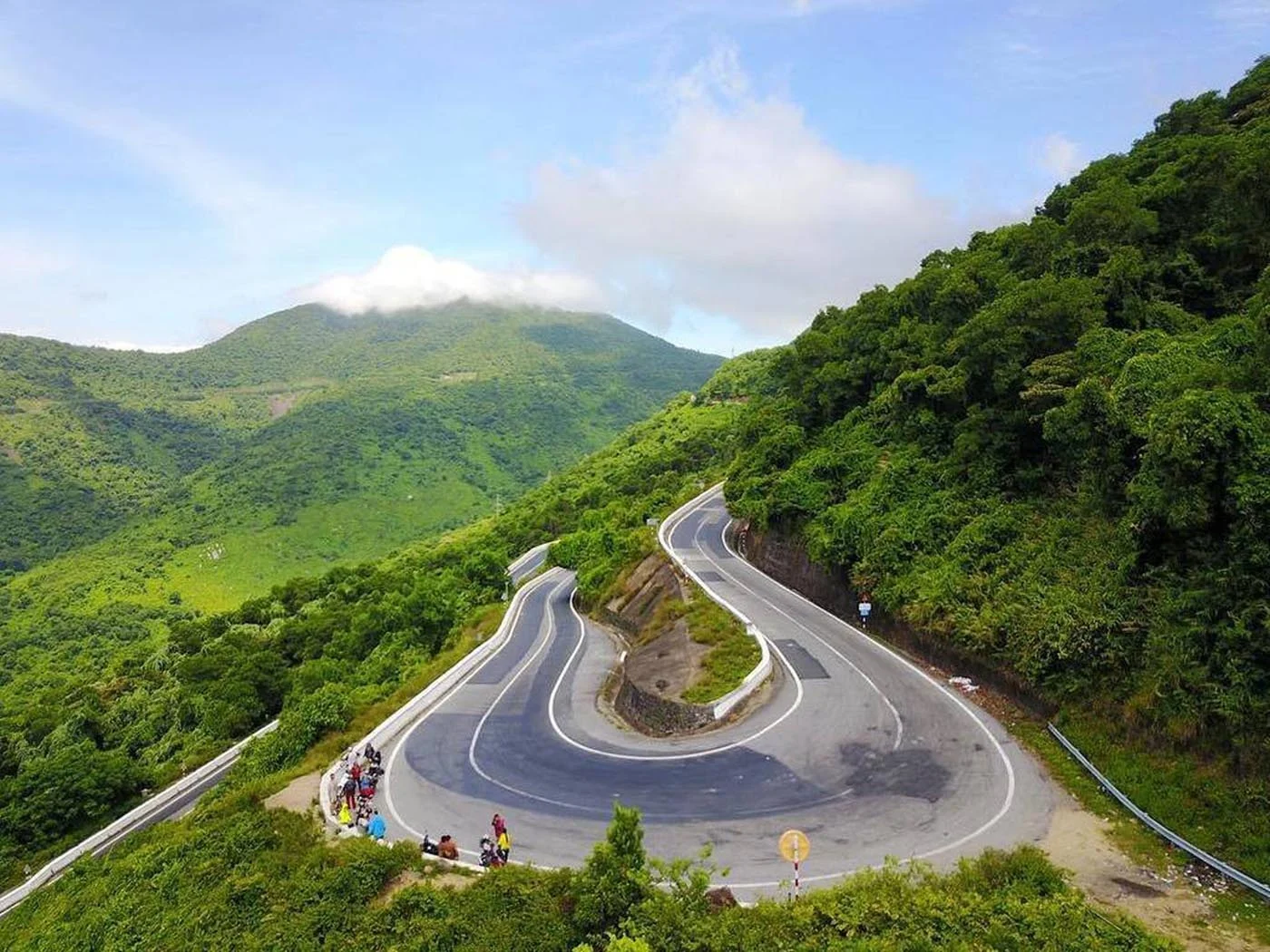
No road trip through central Vietnam feels complete without Hai Van Pass. Meaning “Ocean Cloud Pass,” Hai Van was once the natural frontier between the kingdoms of Dai Viet and Champa. After the marriage between Princess Huyen Tran and King Che Man in 1306, the surrounding lands became part of Dai Viet, giving the pass great strategic importance.
At the summit stands Hai Van Gate, originally constructed during the Tran Dynasty and later strengthened by Emperor Minh Mang. Emperor Le Thanh Tong was so impressed by the scenery that he famously described it as: “Thiên hạ đệ nhất hùng quan” — “The most magnificent gateway under heaven.”
More recently, the pass gained international fame after being featured by Top Gear’s Jeremy Clarkson, who called it “one of the best coastal roads in the world.” And when the weather is clear, it is easy to understand why. Sometimes, the best thing to do is simply roll down the windows, put on your favorite playlist, and enjoy the drive.
Essential Apps for Driving in Vietnam
Technology can make a huge difference during a long road trip in Vietnam. While Google Maps is still useful for navigation, many local drivers rely on additional apps to make the journey safer and less stressful.
For first-time visitors unfamiliar with Vietnam’s roads, having the right navigation tools can help avoid unnecessary surprises and make long-distance driving much more enjoyable.
Why Many Drivers Prefer Vietmap Live
Although Google Maps works well for basic navigation, experienced Vietnamese drivers often use Vietmap Live alongside it, especially for long journeys between Hanoi, Hoi An, and Da Nang. The reason is simple: Vietmap Live is designed specifically for driving conditions in Vietnam.
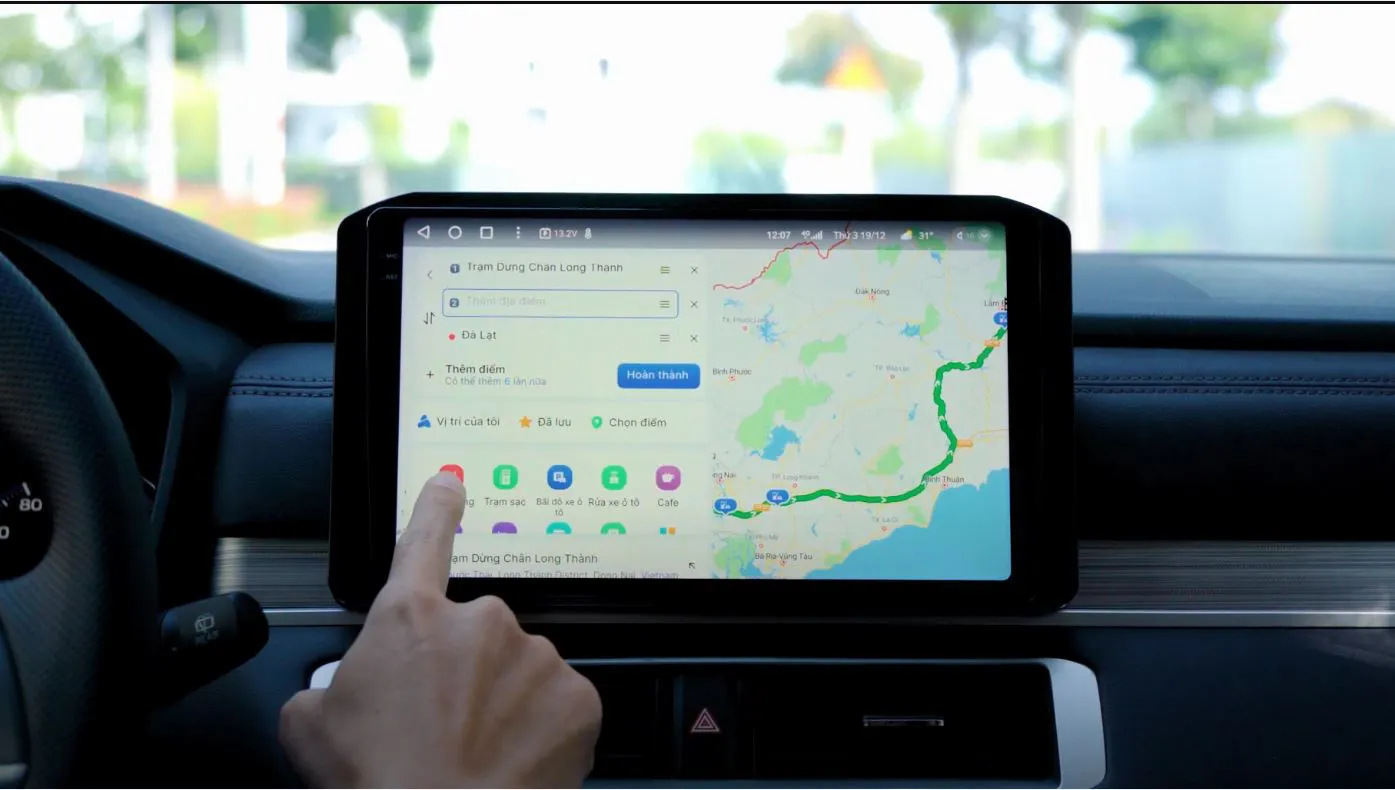
Some of its most useful features include:
- Speed camera warnings.
- Real-time speed limit alerts.
- Toll fee estimates.
- Locations of fuel stations and EV charging points.
- Rest areas and service stations.
- Warnings for potentially dangerous sections.
- Notifications when approaching intersections and speed reduction zones.
These features are particularly valuable because speed limits in Vietnam can change frequently, sometimes dropping unexpectedly when approaching towns, intersections, or road construction areas.
Why This Matters on Long-Distance Trips
Many experienced drivers consider speed cameras and changing speed limits more challenging than the roads themselves. For example, on the Cam Lo – La Son section, speed limits vary considerably, and some stretches are restricted to 50 km/h. Missing a sign or failing to slow down in time can easily result in traffic fines. Vietmap Live helps reduce that stress by providing advance warnings, allowing drivers to adjust their speed smoothly rather than relying solely on roadside signs. Another advantage of Vietmap Live is that it displays practical information beyond simple navigation.
Drivers can easily locate:
- Petrol stations.
- Charging stations for electric vehicles.
- Rest stops.
- Toll plazas.
- Service areas.
- Nearby cafés and restaurants.
This becomes especially helpful when driving through quieter coastal sections where facilities may be spaced farther apart.
Should Foreign Travelers Use Vietmap Live?
For international visitors, Google Maps remains perfectly adequate for finding directions. However, many travelers who have completed long road trips in Vietnam recommend combining Google Maps with Vietmap Live for extra peace of mind. The app supports Android Auto and Apple CarPlay, making it easy to use without constantly checking your phone.
Ultimately, experienced local drivers often say that Vietmap Live is not about getting to your destination faster. It is about driving with greater confidence. And on a journey of more than 1,500 kilometers, that confidence can make all the difference.
Real Costs of Driving From Hanoi to Hoi An and Da Nang
Compared with flying, driving from Hanoi to Hoi An and Da Nang is rarely the cheapest way to travel. But cost is only part of the equation. Most people who choose this journey do so because they want the freedom to stop whenever they like, spend a night somewhere unexpected, or simply enjoy the changing landscapes along Vietnam’s central coast. Understanding the real costs involved helps set realistic expectations and avoid surprises along the way.
One thing that surprises many first-time visitors is that fuel is rarely the biggest expense. In fact, accommodation and car rental usually account for a much larger portion of the budget. For international travelers renting a vehicle in Hanoi, six days of rental costs often exceed the total amount spent on fuel for the entire journey. If you’re traveling with children and prefer a larger SUV or a seven-seater, the difference becomes even more noticeable.
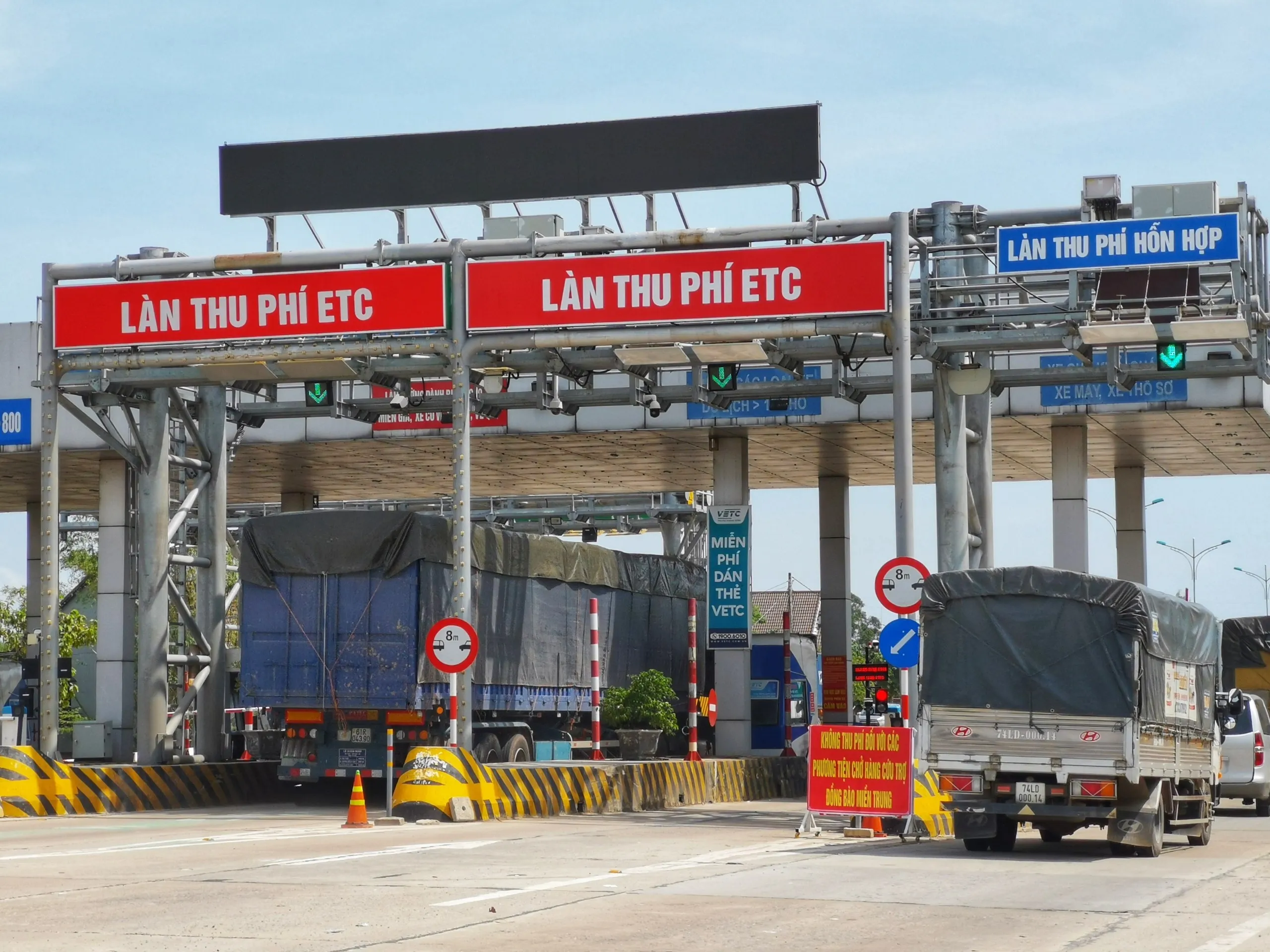
Highway tolls, on the other hand, are relatively modest compared with many countries. Most Vietnamese drivers who regularly travel between Hanoi and Da Nang report spending roughly 700,000 to 1 million VND on expressway tolls for a round trip. The exact amount depends on the vehicle type and whether you choose Hai Van Tunnel or drive over Hai Van Pass, but overall, toll fees are unlikely to have a major impact on your budget.
Food is another area where Vietnam remains of excellent value. One of the joys of a road trip is that every region offers something different. You might stop in Vinh for eel soup, enjoy seafood in Dong Hoi, try bun bo Hue in Hue, and finish the day with Cao Lau or fresh seafood in Hoi An. Even travelers who prefer comfortable restaurants are often pleasantly surprised by how affordable dining remains compared with Europe, North America, or Australia.
For a family of four, comfort quickly becomes more important than minimizing expenses. Larger hotel rooms, beach resorts, extra snack stops, and activities for children naturally increase the budget. Most families completing a six-day itinerary comfortably spend somewhere between 30 and 50 million VND, excluding shopping. Could you spend less? Certainly. But after investing nearly a week in the journey, many travelers find that saving a few hundred dollars by sacrificing comfort rarely feels worthwhile.
Frequently Asked Questions
Can foreigners legally drive from Hanoi to Hoi An and Da Nang?
→ Yes, but you’ll need a valid license recognized under Vietnamese regulations. Depending on your nationality, an International Driving Permit (IDP) issued under the 1968 Vienna Convention may be required. Always verify the latest regulations before traveling.
Is driving from Hanoi to Da Nang in one day realistic?
→ Yes! Many experienced drivers can complete the journey in around 12 to 14 hours. However, most travelers especially families and first-time visitors—find that a six-day or seven-day itinerary is much more enjoyable and far less exhausting.
Is Hai Van Pass safe?
→ Yes. In good weather, Hai Van Pass is perfectly manageable for confident drivers and offers some of the most spectacular scenery in Vietnam. Families with children or travelers who simply prefer a stress-free drive may find Hai Van Tunnel to be the more practical option.
Why do many drivers leave the expressway near Dong Ha?
→ Some sections between Cam Lo and La Son have relatively low speed limits and slow-moving trucks, which can make progress frustratingly slow. Many drivers therefore switch to National Highway 1A near Dong Ha for a smoother journey.
Should I drive at night?
→ No. Most experienced Vietnamese drivers recommend avoiding night driving, especially in Quang Binh and Quang Tri. Daytime driving is safer, less tiring, and allows you to enjoy the scenery that makes this road trip so special.
What is the best month for a Hanoi to Hoi An road trip?
→ March to May is often considered the sweet spot. The weather is warm without being excessively hot, rainfall is relatively low, and visibility along the coast is usually excellent.
Is self-driving suitable for families with children?
→ Absolutely. In fact, many families find that a six-day or seven-day itinerary creates a wonderful balance between driving and relaxation. With enough breaks and realistic expectations, the journey itself often becomes one of the highlights of the holiday.
Is self-driving better than flying?
→ That depends on what you’re looking for. Flying is faster and often cheaper. Driving offers something completely different: the freedom to stop whenever you want, discover places that aren’t in guidebooks, and experience some of the most beautiful coastal scenery in Southeast Asia.

Related Posts

Is fine dining Hoi An really worth the price? What are travelers paying for?

Cau Bong Festival in Hoi An: Inside Tra Que’s Agricultural New Year Tradition

Top 8 things to consider for a wedding in Hoi An with 20 guests

Top 7 things to avoid when choosing the best beach resort in Hoi An

4 Hoi An wedding packages compared: Which one is right for you?