

My Son Sanctuary Vietnam – Champa cultural heritage

My Son Sanctuary stands as one of the most iconic symbols of the ancient Champa civilization. With a series of weathered stone temples, this site is not only an archaeological marvel but also a living repository of historical, cultural, and religious values that have endured for over a thousand years. This article will guide you through the most fascinating aspects of My Son, from its artistic architecture to its rich cultural experiences.
Introduction to My Son Sanctuary
If you’re fascinated by ancient relics and mysterious histories, My Son Sanctuary is a destination you simply can’t miss. Nestled in a lush green valley in Duy Xuyen District, Quang Nam Province, this sacred site was once the religious heart of the Champa Kingdom for more than a thousand years. The ancient brick towers, intricately carved stone bas-reliefs, and moss-covered ruins create a spiritual and enchanting atmosphere unlike any other.
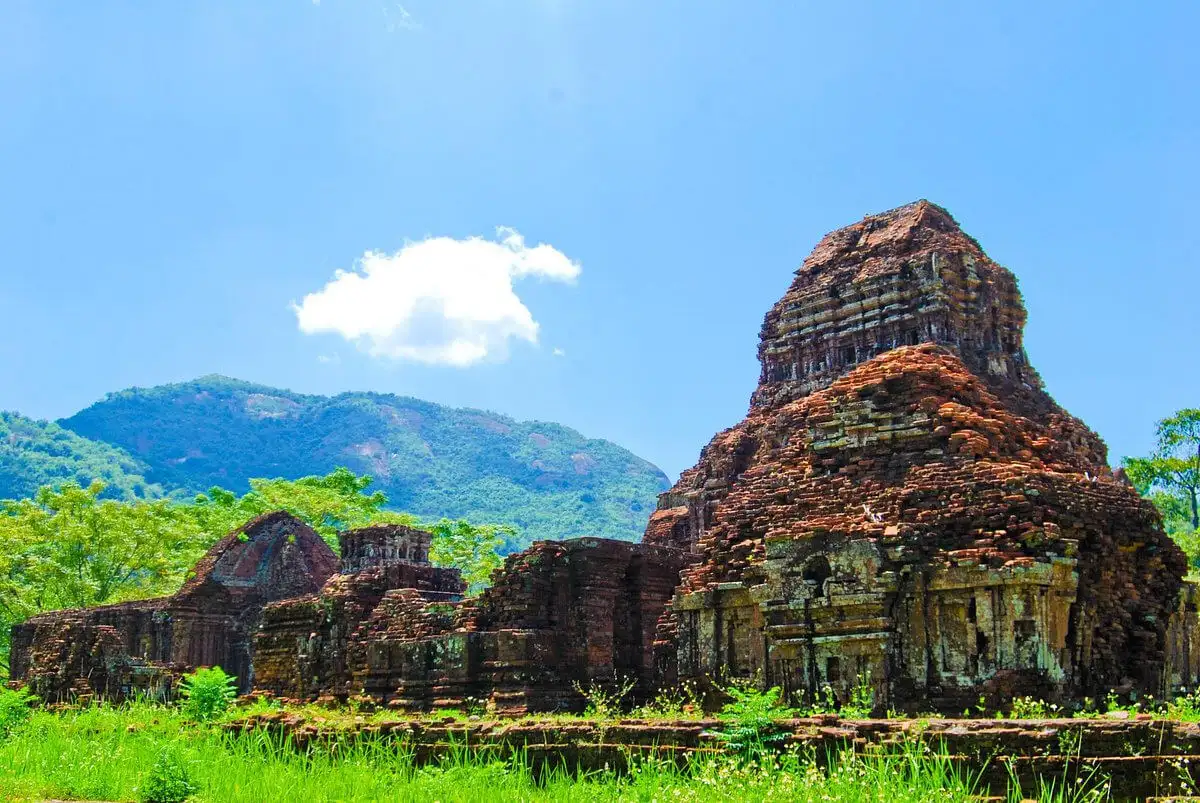
With its outstanding global value in terms of history, architecture, and religion, My Son Sanctuary was recognized as a UNESCO World Cultural Heritage Site in 1999. Today, the site remains a peaceful, sacred, and somewhat mystical destination, perfect for travelers who love to delve deep into ancient cultures and witness the timeless beauty of a once-glorious Champa civilization.
My Son Sanctuary entrance fee and tickets
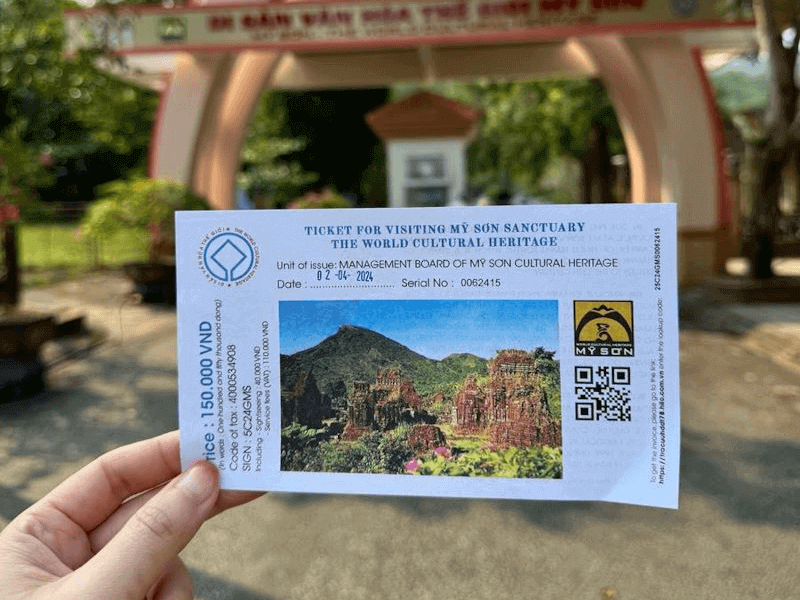
The current My Son Sanctuary entrance fee is approximately 150,000 VND per person (about $6 USD).
This My Son Sanctuary entrance fee typically includes:
- Access to all temple groups within the heritage site
- A round-trip electric shuttle bus from the entrance gate to the main complex (about 2 km)
- Entry to the small on-site museum showcasing Cham artifacts
It’s worth noting that traditional Cham dance performances are often included in the ticket and take place at scheduled times during the day.
You can simply purchase them directly at the entrance without any prior booking. Upon arrival, you will find a clearly marked ticket counter where staff will assist you with the process. After buying your ticket, you can proceed to the shuttle bus area for transfer into the main site. This system is straightforward and efficient, making it a convenient option for most travelers, even during peak seasons. Advance booking is generally not necessary unless you are visiting as part of a large group or on major holidays.
How to get to My Son Sanctuary
Located in a peaceful valley in Quang Nam Province, My Son Sanctuary is easily accessible from both Hoi An and Da Nang. Depending on your budget, time, and travel style, you can choose from several convenient transportation options to reach this UNESCO heritage site.
From Hoi An to My Son Sanctuary
The distance from Hoi An to My Son Sanctuary is about 40 km, and the journey typically takes 1 to 1.5 hours.
You can choose from the following options:
- Motorbike (self-driving): A great option for independent travelers who enjoy flexibility. The route via DT610 is relatively easy, passing through scenic countryside. Rental costs range from 120,000 – 180,000 VND/day.
- Private car or taxi: Ideal for comfort and convenience, especially for families or small groups. A round trip usually costs around 800,000 – 1,200,000 VND, depending on the vehicle and waiting time.
- Guided tour: The easiest and most enriching way to visit, as it often includes hotel pickup, an English-speaking guide, and cultural insights on-site. You can join a My Son Sanctuary tour for a half-day experience, or choose the My Son Sanctuary & Marble Mountains tour to combine two iconic destinations in one day. Booking with Bliss Hoi An Beach Resort & Wellness ensures a well-organized itinerary, comfortable transport, and a deeper understanding of Cham heritage.
From Da Nang to My Son Sanctuary
From Da Nang, My Son Sanctuary is approximately 70 km away, with a travel time of around 1.5 to 2 hours.
Common transportation options include:
- Private car or taxi: The most convenient choice, especially for groups or families, with round-trip prices ranging from 1,200,000 – 1,500,000 VND.
- Motorbike: Suitable for experienced riders who want a more adventurous journey. The route typically follows National Highway 1A before connecting to local roads lead the sanctuary.
- Tour packages: A hassle-free option that often includes transportation, a guide, and sometimes meals. Many tours depart from Da Nang and combine stops in Hoi An, with prices ranging from 600,000 – 900,000 VND/person.
My Son Sanctuary opening hours and best time to visit
Planning your visit to My Son Sanctuary at the right time can significantly enhance your experience, helping you avoid crowds and the intense Central Vietnam heat.
My Son Sanctuary is typically open daily from 6:30 AM to 5:30 PM. Visiting early in the morning is highly recommended, as temperatures are cooler and the site is less crowded. This also gives you the chance to enjoy the peaceful atmosphere and catch the soft morning light, ideal for photography and exploring the ancient ruins comfortably.
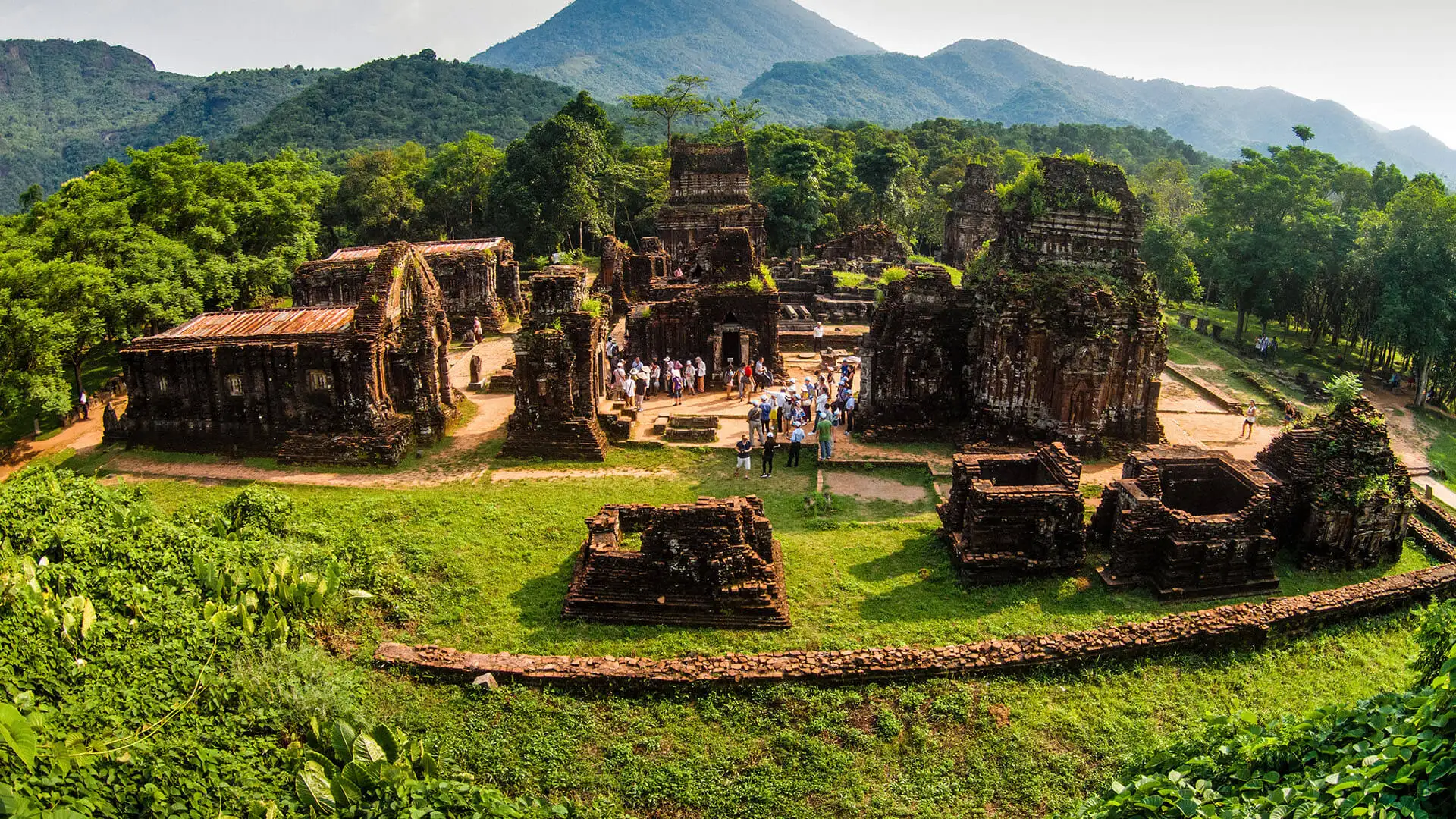
In terms of weather, the best time to visit is during the dry season (February to August), when rainfall is minimal and the paths are easier to navigate. However, this period can be quite hot, especially from May to July, with temperatures often exceeding 35°C. If you visit during these months, arriving early is essential. The rainy season (September to January) brings cooler temperatures but also frequent showers, which may affect your sightseeing experience. On the other hand, the lush greenery during this time adds a different kind of charm to the ruins.
Overall, the ideal time to explore My Son Sanctuary is early morning on a dry-season day, allowing you to fully appreciate both the historical atmosphere and natural surroundings.
My Son Sanctuary history
My Son Sanctuary is not just a complex of ancient temples – it is a silent witness to the long and profound history of the Champa Kingdom in central Vietnam. According to archaeological findings, the first temple was built in the 4th century under King Bhadravarman, serving as a sacred site dedicated to Shiva. From the 8th to the 13th century, My Son reached its golden age, becoming the most important religious and cultural center of the Champa Kingdom. More than 70 structures were constructed, including main towers (Kalan), shrines, and ceremonial halls, showcasing the remarkable architectural and artistic sophistication of the Cham people.
By the 15th century, as the Champa Kingdom declined, the sanctuary was gradually abandoned. During the Vietnam War, many parts of the site were severely damaged, though several structures have survived and remain significant today. Since 1975, restoration efforts have been carried out with support from international experts. In 1999, UNESCO officially recognized My Son as a World Cultural Heritage site, affirming its global historical value. Today, the history of My Son Sanctuary continues to captivate visitors, with every brick and carving telling the story of a once-glorious civilization.
A masterpiece of Cham Architecture
My Son Sanctuary is not only a place of historical and spiritual significance, but also one of the most remarkable examples of Cham architecture in Southeast Asia. The entire complex is located in a valley of about 2 kilometers in diameter, surrounded by mountains, creating a secluded and sacred atmosphere.
In the past, My Son consisted of more than 70 temple structures. However, due to war damage and natural deterioration, only around 20 structures remain relatively intact today. Despite this loss, the remaining ruins still vividly demonstrate the sophistication of Cham construction techniques and artistic expression.
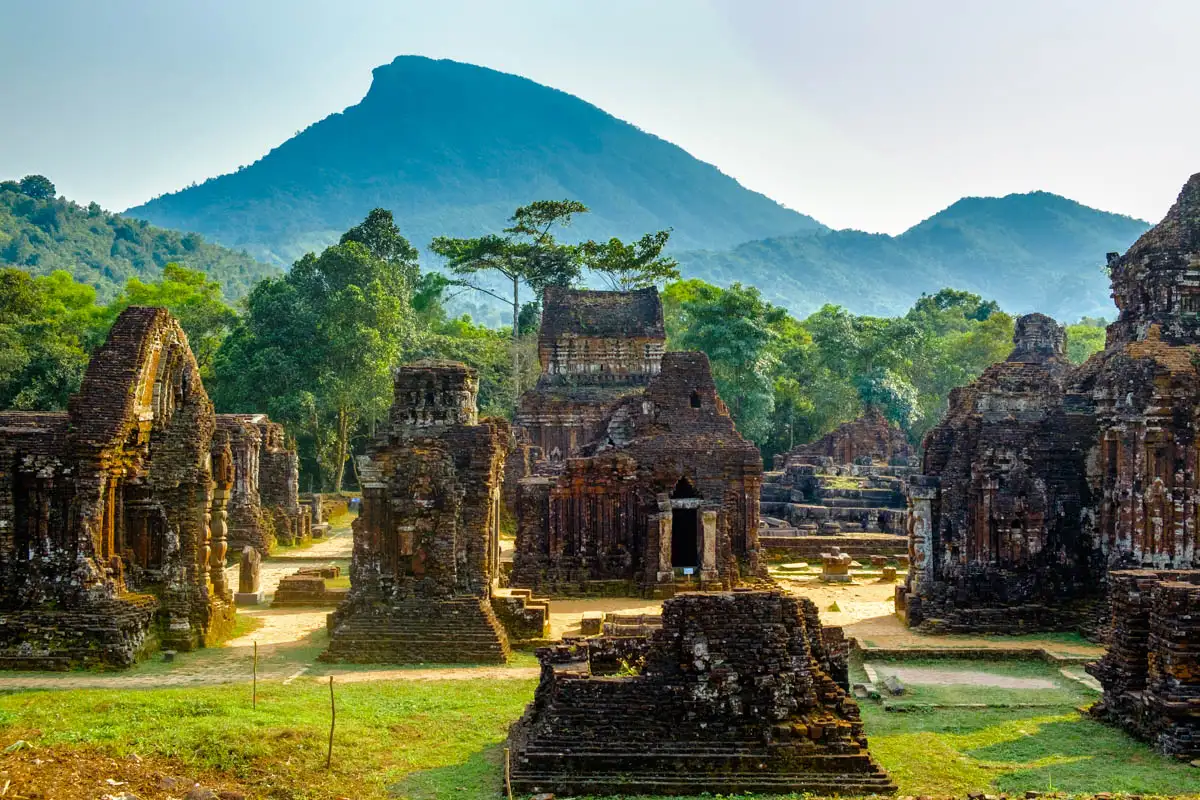
One of the most striking features is the use of red baked bricks. These bricks were produced with high precision, featuring uniform sizes and smooth surfaces. What makes them truly unique is that they were assembled without the use of mortar, yet remain tightly bonded and durable after centuries. Some researchers suggest that the Cham people may have used a natural resin or fired the bricks after construction, but the exact technique remains an unsolved mystery.
Hindu influences in My Son Sanctuary architecture
The architecture of My Son Sanctuary is deeply influenced by Hinduism, which was the main religion of the Champa Kingdom for centuries. Each temple complex follows a structured layout, typically including:
- A main tower (Kalan), usually 15–25 meters high, dedicated to Shiva in the form of a Linga
- Smaller surrounding towers honoring other deities or royal figures
- Auxiliary structures such as stairways, offering halls, and ritual spaces
The tower roofs are pointed and symbolize Mount Meru, believed to be the center of the universe in Hindu cosmology. The walls are richly decorated with intricate carvings of Apsara dancers, mythological scenes, and divine figures such as Ganesha and Garuda.
Temple groups and architectural evolution
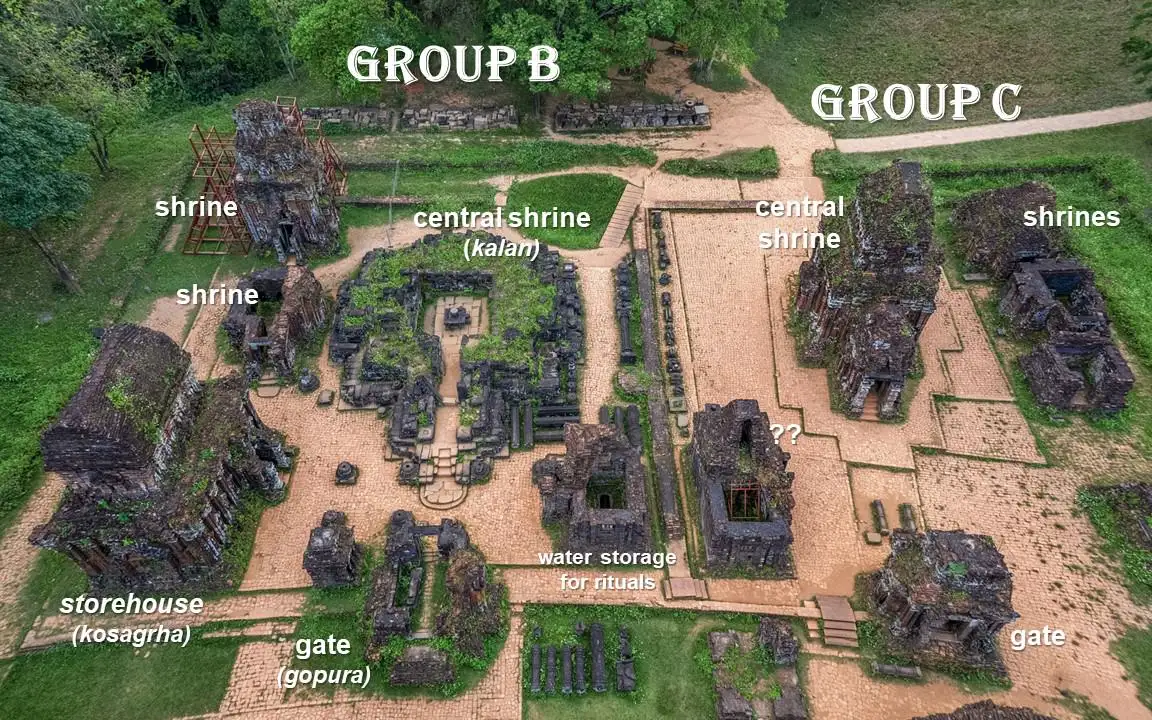
The My Son complex is divided into multiple groups of temples, labeled with letters such as A, B, C, D, E, F, G, H, and K. Each group represents a different stage in the development of Cham architecture:
- Group A: considered the most important religious center, built between the 7th and 10th centuries, and once the largest in scale
- Groups B, C, and D: located close together, showcasing significant advancements in construction techniques and decorative detail from the 9th to 12th centuries
- Group G: partially restored in recent years, offering valuable insights into the original structure
These temple groups were not arranged randomly; most structures are oriented toward the east, symbolizing the rising sun and reflecting important spiritual beliefs in Hindu rituals.
Is My Son Sanctuary worth it? Don’t miss these authentic experiences at this historical site!
At My Son Sanctuary, visitors are not only amazed by the magnificent ancient towers, but also immersed in a festive atmosphere, where the cultural heartbeat of the Champa civilization still echoes quietly through the ages. Here are some remarkable experiences you shouldn’t miss when exploring this sacred land.
Admire 6 rare national treasures
One of the most captivating aspects of My Son Sanctuary is the presence of six artifacts that have been recognized as National Treasures. These are not only ancient works of art but also powerful cultural and religious symbols of the once-glorious Champa civilization. Each treasure tells its own story, showcasing the exquisite craftsmanship and unique aesthetic sensibility of the ancient Cham people.
Among the most notable are the imposing statue of the god Shiva, the fertility-symbolic Linga – Yoni. Another treasure is the altar shaped like an elephant-lion hybrid, symbolizing the harmony between natural and spiritual elements.
Walk the 8-meter-old path
At the My Son Sanctuary, one of the most unique experiences for visitors is walking on an ancient stone path about 8 meters wide and over 200 meters long. This path connects the main entrance area to the central tower group A – the most important religious site of the ancient Champa kingdom. It is the only remaining ancient road in the complex, discovered and restored during archaeological excavations in the late 20th century.

The path is paved with large sandstone slabs, neatly aligned and relatively flat, showcasing the advanced construction skills of the Cham people. According to researchers, this was the main ceremonial route used for sacred processions, where kings, high-ranking priests, and ritual delegations passed during major religious festivals. Walking along this path, visitors can clearly observe remnants of ancient Cham architecture, such as altars, foundation bases, and temple towers on both sides.
Today, the path is well-preserved and open for tourists as a main route to explore the sanctuary. It conveniently leads to key tower groups such as A, B, C, and D, while also giving visitors a better understanding of the spatial organization and scale of religious ceremonies held by the ancient Cham people. It’s also a great photo spot, offering memorable moments of exploring a thousand-year-old heritage site nestled in the lush forests of Quang Nam.
Enjoying the Apsara dance
One of the most captivating cultural experiences at My Son Sanctuary is watching the traditional Apsara dance – a performance deeply rooted in the spiritual life of the Cham people. These shows are usually held at fixed times during the day (typically from 9:00 AM to 10:30 AM and from 2:00 PM to 3:30 PM) at a small stage near the entrance to the heritage site.
The Apsara dance is inspired by the celestial nymphs of Hindu mythology. The dancers, dressed in colorful traditional costumes and adorned with intricate headpieces, move gracefully to the rhythm of the Paranung drums and Saranai flutes. Every hand gesture, eye movement, and delicate spin is carefully choreographed to express themes of fertility, feminine beauty, and the spiritual connection between humans and deities.
Visitors can enjoy the performance in the shade of surrounding trees, amidst the ancient atmosphere of the sanctuary. This is more than just an artistic show, it’s a window into the soul of Champa culture, a once-flourishing civilization in Central Vietnam. After the performance, guests often have the chance to interact with the artists, take photos, and learn more about the meanings behind the costumes, props, and dance movements.
Join the Kate Festival at My Son
If you visit My Son Sanctuary around September or October, you may have the chance to witness the Kate Festival – one of the most important religious celebrations of the Cham people who follow the Brahman religion. Although the festival in My Son is smaller than in Ninh Thuan, it still retains the essential rituals and cultural elements that make it deeply meaningful.

The Kate Festival at My Son is usually held at the central group of Cham towers. The event begins with the ceremonial opening of the temple gate, followed by the procession of the sacred costumes that are carried into the main sanctuary. This is then followed by traditional offerings of betel leaves, areca nuts, rice, fruit, and wine to the ancestral deities. A highlight of the ritual is the symbolic bathing of the Linga–Yoni statues, which represent fertility and harmony between male and female energies in Cham cosmology.
Throughout the celebration, traditional Cham instruments such as the Paranung drum and Saranai oboe accompany graceful Cham dances. These include the Apsara dance and ritual dances performed by local artists dressed in vibrant traditional costumes, creating a spiritual and festive atmosphere.
Nearby attractions to explore after visiting My Son sanctuary
After immersing yourself in the sacred and mysterious atmosphere of My Son Sanctuary, extend your journey to discover other captivating destinations in Quang Nam. This region boasts an enchanting mix of untouched natural landscapes, rich cultural heritage, and the charming simplicity of local life. Below are some unmissable stops to enrich your itinerary with unforgettable experiences.
Hoi An ancient town
Located about 45km from My Son, Hoi An ancient town is one of Central Vietnam’s most beloved destinations. In contrast to the solemn, quiet vibe of My Son, Hoi An offers a more lively yet graceful ambiance along the riverside. Mossy alleys, tiled-roof houses weathered by time, and the warm glow of lanterns at night all contribute to its poetic and nostalgic charm.
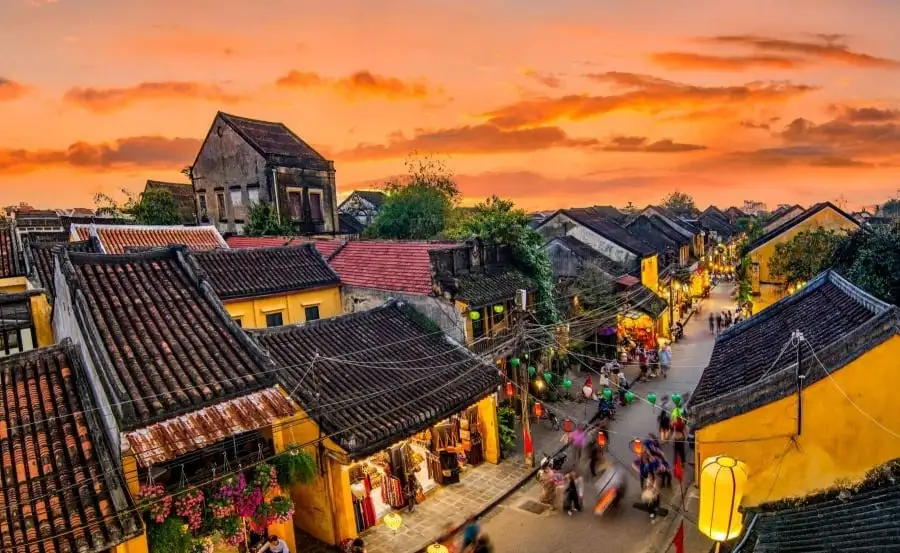
Visitors can take a boat ride on the Hoai River, indulge in local specialties like cao lau, mi Quang, and banh beo, or simply sit at a sidewalk café and watch the world go by. On full moon nights, the lantern festival lights up the town in a magical atmosphere – a perfect chance to immerse yourself in the colorful culture of Hoi An.
For those looking to relax after cultural exploration, Bliss Hoi An Beach Resort & Wellness offers a peaceful coastal escape just a short distance from the town center. With its private beach, wellness services, and elegant design inspired by local traditions, it’s an ideal spot to recharge amid serene nature and gentle ocean breezes.
Read more: Perfect Hoi An itinerary for all travelers
Cham islands
Nature lovers and beachgoers will find Cham Islands (Cu Lao Cham), about 15km from Hoi An, an ideal getaway. The archipelago features a rich marine ecosystem, crystal-clear waters, powdery white sands, and a simple yet vibrant local fishing life. After immersing in the spiritual and cultural depth of My Son, the Cham Islands provide the perfect setting to unwind – whether by swimming, snorkeling among coral reefs, or enjoying freshly caught seafood at rustic seaside eateries.
You can also visit light sightseeing spots such as Hai Tang Pagoda, the Cham well, or the Marine Museum to learn about the islanders’ history and their intriguing ties to Cham culture.
Read more: Discover Cu Lao Cham islands – The green pearl in the heart of the East Sea
Thanh Ha pottery village
On your way from My Son to Hoi An, consider stopping by Thanh Ha Pottery Village, located by the Thu Bon River. This traditional craft village, over 500 years old, invites visitors to watch artisans mold clay into fine pottery by hand – from shaping and spinning to kiln firing. A highlight is the opportunity to create your own ceramic piece as a souvenir, adding a hands-on cultural layer to your trip.
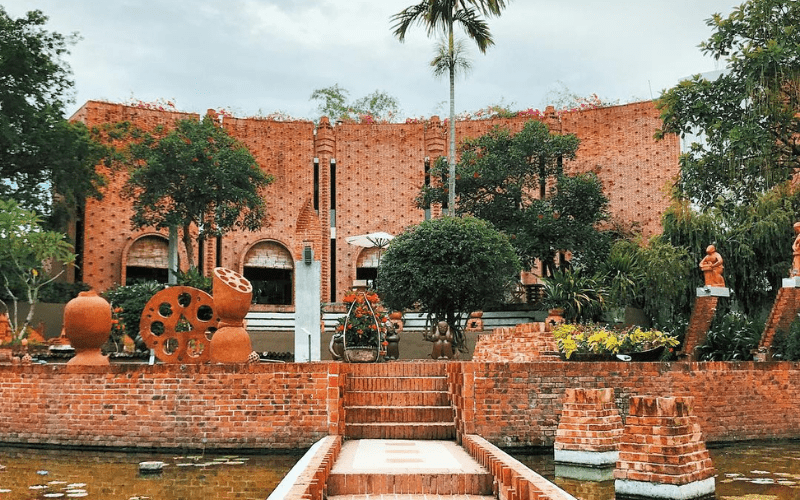
The village also features the Terracotta Park, showcasing clay replicas of iconic architectural landmarks like One Pillar Pagoda, Turtle Tower, and Angkor Wat. This open-air museum is both educational and visually stunning, blending heritage learning with relaxing strolls through its earthy, art-filled landscape.
Tra Kieu Sanctuary
Just 15km from My Son, Tra Kieu was once considered the first capital of the Champa Kingdom. Today, this tranquil area still holds ancient remnants such as fort ruins, temple relics, and Champa artifacts displayed at the Tra Kieu Church museum. Visiting Tra Kieu complements your My Son experience by helping you trace the spiritual and political shifts in ancient Champa history.
Beyond its archaeological value, Tra Kieu is also a revered pilgrimage site, home to the tranquil and picturesque Our Lady of Tra Kieu Church. Set amid lush green surroundings, it offers a quiet place for reflection and a deeper connection to both faith and heritage.
Visiting My Son Sanctuary gives you a unique chance to dive into the rich history and culture of the ancient Champa civilization. Plan your trip to My Son and discover the stories that have shaped this remarkable place today!

Related Posts
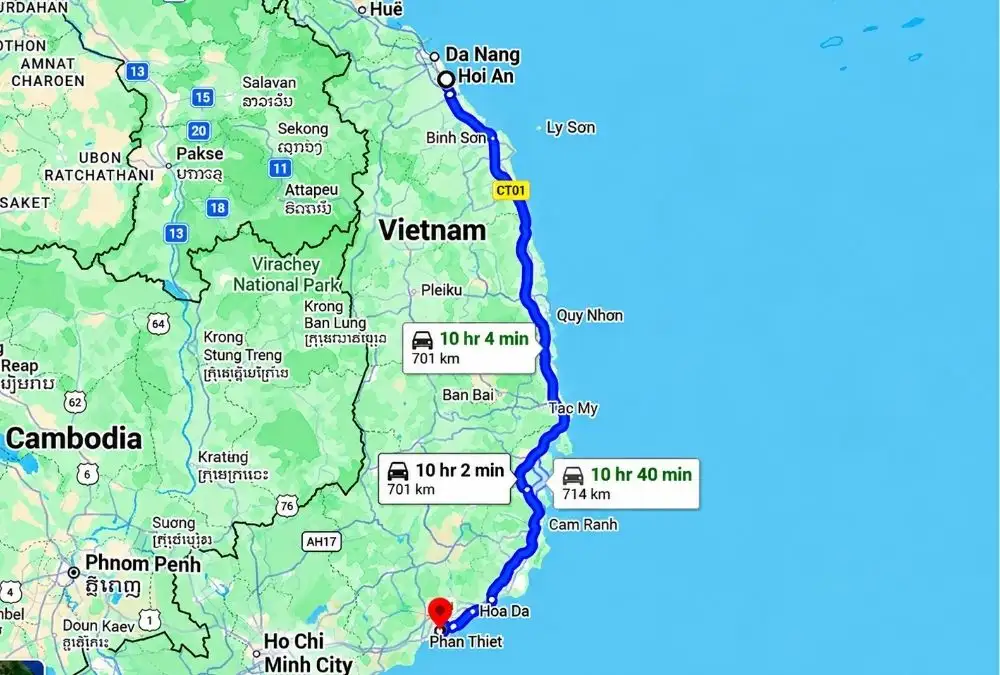
Hoi An to Mui Ne: 3 Routes Compared for Travel, Scenery and Adventure
Hoi An Indochine Style Resort: How to Choose a Stay With Real Vietnamese Character
Private Chef Hoi An: Top 10 Chefs for a Personalised Dining Experience
A trip from Hoi An to Tam Ky in one day: Is it feasible?
Private Tours from Hoi An Beach Resorts: Discover Central Vietnam from Bliss Hoi An