

Marble Mountains Dress Code: What to wear for a respectful & Comfortable visit
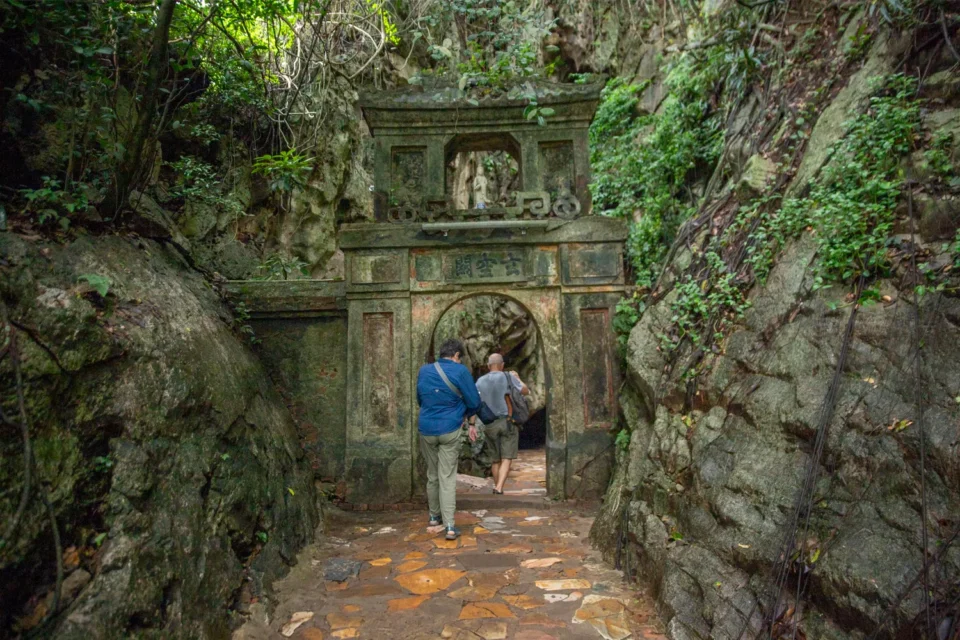
If you’re planning a visit to Marble Mountains in Da Nang, understanding the marble mountains dress code is more important than you might think. While this destination is famous for its natural caves, scenic views, and historical sites, it is also home to sacred temples and spiritual spaces that require respectful attire. In this guide, you’ll learn exactly what to wear, what to avoid, and how to stay comfortable while exploring Marble Mountains.
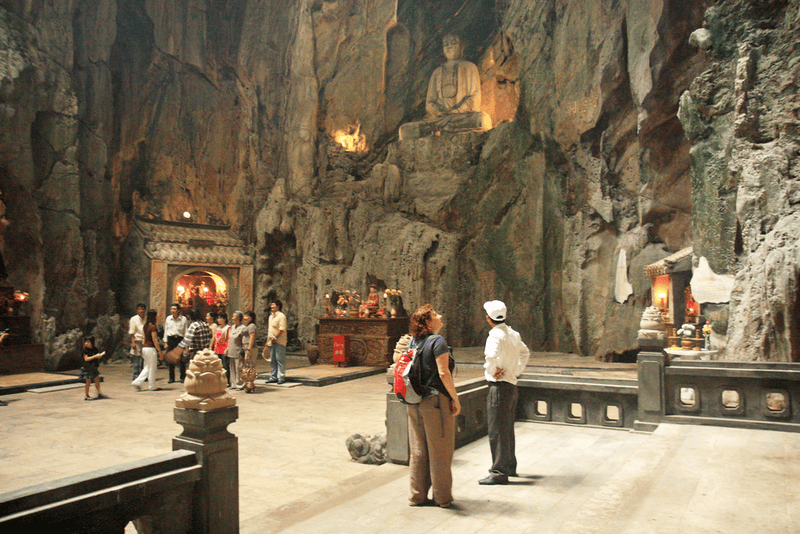
Marble Mountains (Ngu Hanh Son) is located at 81 Huyen Tran Cong Chua Street, Hoa Hai Ward, Ngu Hanh Son District, Da Nang, and is open daily from 7:00 AM to 5:30 PM. It is a complex of five limestone and marble mountains, with Thủy Sơn being the largest and home to most of the spiritual attractions – where dress code regulations are most strictly enforced, especially at Linh Ung Pagoda, Tam Thai Pagoda, and Huyen Khong Cave (where a 4-meter-tall Buddha statue sits under a natural skylight).
What is the Marble Mountains dress code?
| Area | Dress Code Strictness | Notes |
|---|---|---|
| Linh Ung Pagoda | Strictest | Shoulders and knees must be covered to enter the main hall |
| Tam Thai Pagoda | Strict | Same expectations as Linh Ung |
| Huyen Khong Cave | Moderate | Contains a Buddha altar; modest dress recommended |
| Am Phu Cave | Flexible | Separate 20,000 VND ticket; less strictly checked |
| Outdoor stairs/paths | Not enforced | Prioritize comfort and non-slip shoes |
When visiting Marble Mountains (Ngu Hanh Son), there is no extremely strict dress code like at some major religious sites, but visitors are still expected to dress modestly and respectfully, especially when entering temples and sacred caves.
In general, you should wear clothing that covers your shoulders and knees. T-shirts or tops with sleeves, along with long pants or knee-length skirts, are appropriate choices. Revealing or inappropriate outfits such as tank tops, crop tops, short shorts, or see-through clothing are not recommended and may limit your access to certain spiritual areas.
This dress code is rooted in cultural and religious respect. Marble Mountains is not only a tourist attraction but also home to many pagodas, Buddha statues, and Buddhist worship spaces. Dressing appropriately shows respect for local traditions and helps ensure a more meaningful and smooth visiting experience.
In short, the Marble Mountains dress code is quite flexible, but the key principle is: modest, respectful, and comfortable, suitable for both the sacred environment and the physical activity of exploring and climbing.
What to wear at Marble Mountains
Choosing the right outfit for Marble Mountains is not only about dressing modestly but also about staying comfortable while climbing stone steps and exploring caves in Da Nang’s hot and humid weather. Below are practical recommendations to help you stay comfortable without worrying about dress code issues.
Appropriate clothing for women
Outfits for women should strike a balance between modesty for temple visits and comfort for walking and climbing. If you choose wisely from the start, you won’t need to change throughout your trip.
- Tops: T-shirts, blouses, or shirts with sleeves (short or mid-length) are ideal. Light colors and breathable fabrics are great for both comfort and photos. Avoid tank tops or off-shoulder styles; if you still wear them, bring a light scarf or cover-up to use when entering temples.
- Bottoms: Long pants, wide-leg trousers, culottes, or skirts below the knee are safe choices. Maxi dresses work well, but avoid overly long ones that may get in the way while climbing stairs.
- Fabric: Choose breathable materials like cotton or linen to stay cool in the heat.
- Practical tip: Avoid tight or restrictive clothing, as you’ll be moving a lot and navigating narrow spaces.
Appropriate clothing for men
While men have fewer restrictions, choosing neat and practical clothing will make your visit smoother, especially when entering temples and climbing.
- Tops: T-shirts or short-sleeve shirts are the best options. Go for lightweight, breathable fabrics in light colors to stay cool. Avoid tank tops in temple areas.
- Bottoms: Long pants or shorts that extend past the knees are appropriate. Stretchy sportswear or lightweight chinos are more comfortable than stiff jeans.
- Fabric: Opt for breathable, sweat-absorbing materials to handle the heat and physical activity.
- Practical tip: Avoid overly “beach-style” outfits, as they can feel out of place and may require adjustments in sacred areas.
Footwear yips for climbing Marble Mountains
Your choice of footwear can significantly impact your experience, as the terrain includes stone steps, uneven paths, and sometimes slippery cave surfaces.
- Sneakers: The best option thanks to their grip and stability. Choose lightweight, breathable shoes with good traction.
- Strapped sandals: A good alternative if you prefer open footwear, but make sure they have non-slip soles and fit securely.
- Avoid: Flip-flops or slippery sandals, as they can be unsafe, especially in damp or cave areas.
- Practical tip: Wear shoes you’re already comfortable with to avoid blisters. If visiting early in the morning or during the rainy season, prioritize non-slip soles.
Wearing the right outfit will help you respect local customs while staying comfortable and safe throughout your Marble Mountains visit.
What NOT to wear at Marble Mountains
Although Marble Mountains does not enforce an overly strict dress code, wearing the wrong outfit can still disrupt your experience, especially when visiting temples and sacred caves. In reality, many travelers underestimate the cultural aspect of this destination simply because it is close to the beach. As a result, beach-style outfits often feel out of place here. Knowing what not to wear will help you avoid awkward situations and enjoy your visit more smoothly.
A lesser-known tip: arrive before 7:30 AM – not just to beat tour groups, but because staff at the pagodas tend to enforce dress code checks more strictly during peak crowd hours.

Clothing to avoid
Some clothing items may seem harmless but are not suitable for Marble Mountains, both in terms of cultural respect and practical movement.
- Very short shorts and mini skirts: Anything significantly above the knee can be considered inappropriate in temple areas. In addition, the site involves climbing steep stone steps, so overly short clothing can feel uncomfortable and impractical when moving or sitting.
- Tank tops and crop tops: While these are common for beach trips, they are not appropriate in a spiritual setting. Even if not strictly banned, you may be asked to cover up or feel uncomfortable entering certain areas.
- Sheer or overly thin clothing: Transparent or revealing fabrics can come across as disrespectful in a sacred environment. They also offer little protection from the sun while walking outdoors.
- Tight or restrictive outfits: Beyond appearance, tight clothing can make it harder to climb stairs, bend, or move through narrow cave spaces.
Practical tip: If your outfit feels more suitable for the beach than for a temple, it’s likely not the best choice for Marble Mountains. Modest and flexible clothing is always a safer option.
Common mistakes tourists make
In addition to choosing the wrong clothes, many visitors run into issues due to common misconceptions about the site.
- Dressing for the beach because it’s nearby: Marble Mountains is close to Da Nang’s beaches, so many people combine both in one trip. However, wearing beachwear, such as tank tops, short shorts, or flip-flops, into the complex is not appropriate, especially in temple areas.
- Not bringing a cover-up: This is one of the most common mistakes. Without a light jacket or scarf, you may have to buy one on the spot or miss out on entering certain areas.
- Underestimating the spiritual aspect: Many visitors treat Marble Mountains as just a scenic spot, overlooking the presence of pagodas, Buddha statues, and worship spaces. Dressing too casually can come across as disrespectful and affect your overall experience.
- Wearing unsuitable footwear without realizing it: While not directly about modesty, choosing slippery flip-flops or unstable shoes is a frequent mistake that can make walking difficult and even unsafe.
Practical tip: Always carry a simple “backup” item like a light jacket or scarf in your bag. It takes up little space but makes it easy to adjust your outfit whenever needed.
What happens if you don’t follow the dress code?
Many visitors wonder whether not following the dress code at Marble Mountains will actually cause any issues. In reality, the rules here are fairly flexible, but that doesn’t mean you can ignore them completely. Depending on the area you visit and how revealing your outfit is, you may still run into inconveniences or need to adjust your clothing on the spot.
Can you still enter the temples?
If your outfit is too short, revealing, or exposes your shoulders, you may be refused entry to certain temples, shrines, or sacred cave areas. This is more likely in places with clear spiritual significance, where a higher level of respect is expected.
That said, enforcement is not always consistent. Some areas may be more lenient, especially during busy times or with international tourists. However, relying on this flexibility is not recommended because:
- You may still be asked to cover up before entering
- You might feel uncomfortable while exploring or taking photos
- It can come across as disrespectful in a cultural and religious setting
In short, even if you are not completely denied entry, inappropriate clothing can still affect your overall experience.
Are there cover-ups or rentals available?
If you arrive in an unsuitable outfit, you can usually find a quick solution near the entrance. Small stalls around Marble Mountains often sell or rent basic cover-up items for visitors. Small stalls near Gate 1 and Gate 2 (where elevator tickets are sold) typically sell light scarves and thin cover-ups for visitors who arrive underdressed.
Here are typical price ranges:
- Light scarf / sarong: around 20,000 – 50,000 VND
- Light jacket or cover-up: around 50,000 – 100,000 VND
- Rental (if available): usually similar in price or slightly cheaper than buying, but not always guaranteed
These items are simple but practical. You can easily:
- Cover your shoulders if wearing sleeveless tops
- Wrap around your waist if wearing shorts or a short skirt
- Throw on quickly before entering temple areas
While the cost is relatively low, stopping to buy or rent something can interrupt your itinerary, especially during peak hours.
Practical tip: It’s best to bring a light scarf or jacket in your bag from the start. It takes up very little space but gives you full flexibility to adjust your outfit whenever needed.
Read more: Marble Mountains Pagodas: A guide to temples in the Marble Mountains Da Nang
Extra tips for visiting Marble Mountains comfortably
Beyond following the dress code, a few practical tips can make a big difference in how comfortable and enjoyable your visit is. Marble Mountains involves a mix of outdoor walking, stair climbing, and exploring caves, so being well-prepared will help you avoid unnecessary fatigue or inconvenience.

Weather considerations
Da Nang’s weather is typically hot and humid, especially during the daytime, so what you wear will directly affect your comfort level.
- Choose lightweight, breathable fabrics like cotton or linen to stay cool and reduce sweating
- Avoid thick or non-breathable materials that can feel sticky and uncomfortable after a short time
- Bring a hat or cap to protect yourself from direct sunlight
- Sunglasses are also useful, especially when walking between open areas with little shade
Climbing & Exploring tips
Marble Mountains is not just a sightseeing spot, it requires a fair amount of physical movement, especially if you plan to explore fully.
- Expect many stone steps, uneven paths, and narrow cave passages, so choose clothing that allows easy movement
- Avoid tight or restrictive outfits that make climbing or bending difficult
- Bring a bottle of water to stay hydrated, as the climb can be tiring
- Try to avoid peak sun hours (around 11 AM – 3 PM) to reduce heat exhaustion
Packing checklist
A few small items can make your trip much smoother and help you quickly adapt to different situations on-site.
- Light scarf or cover-up: Useful for covering shoulders or legs when entering temples
- Comfortable footwear: Sneakers or non-slip sandals for safe movement
- Water bottle: Essential to stay hydrated during the climb
FAQs about Marble Mountains dress code
To help you quickly find answers to common concerns, here are some frequently asked questions about what to wear at Marble Mountains.
Can I wear shorts at Marble Mountains?
Yes, you can, but they should be long enough to cover your knees. Very short shorts are not appropriate, especially in temple areas.
Do I need to cover shoulders?
Yes. It is recommended to cover your shoulders, particularly when entering pagodas, shrines, and sacred spaces.
Is there a strict dress code enforcement?
Not strictly. The rules are fairly flexible, but modest clothing is still expected, and you may be asked to adjust your outfit if needed.
Can I wear sandals?
Yes, but choose non-slip, secure sandals. Avoid flip-flops, as they can be unsafe on stone steps and in cave areas.
Read more: Marble Mountains price: Entrance fee, tour cost & Travel tips
If you’re planning to explore more beyond Marble Mountains, Hoi An and Da Nang offer countless attractions, from ancient towns and cultural landmarks to beautiful beaches and local food experiences waiting to be discovered. To make the most of your journey, choosing the right place to stay is just as important. Bliss Hoi An Beach Resort & Wellness is a perfect retreat where you can unwind after a day of exploring, with peaceful surroundings, comfortable rooms, and easy access to both Hoi An and Da Nang. It’s an ideal base for travelers looking to balance relaxation and adventure in Central Vietnam.
Overall, the marble mountains dress code is not overly strict, but it does require a basic level of modesty and awareness. Dressing appropriately allows you to explore every part of the site without limitations, while also showing respect for its cultural and spiritual significance. With the right outfit, something modest, breathable, and suitable for climbing, you can fully enjoy your visit without any unnecessary hassle. A little preparation goes a long way in helping you experience Marble Mountains in the most comfortable and respectful way possible.

Related Posts

Hoi An to Mui Ne: 3 Routes Compared for Travel, Scenery and Adventure

Hoi An Indochine Style Resort: How to Choose a Stay With Real Vietnamese Character

Private Chef Hoi An: Top 10 Chefs for a Personalised Dining Experience

A trip from Hoi An to Tam Ky in one day: Is it feasible?

Private Tours from Hoi An Beach Resorts: Discover Central Vietnam from Bliss Hoi An