


Is Hoi An Worth Visiting? An Honest Travel Guide (2026)
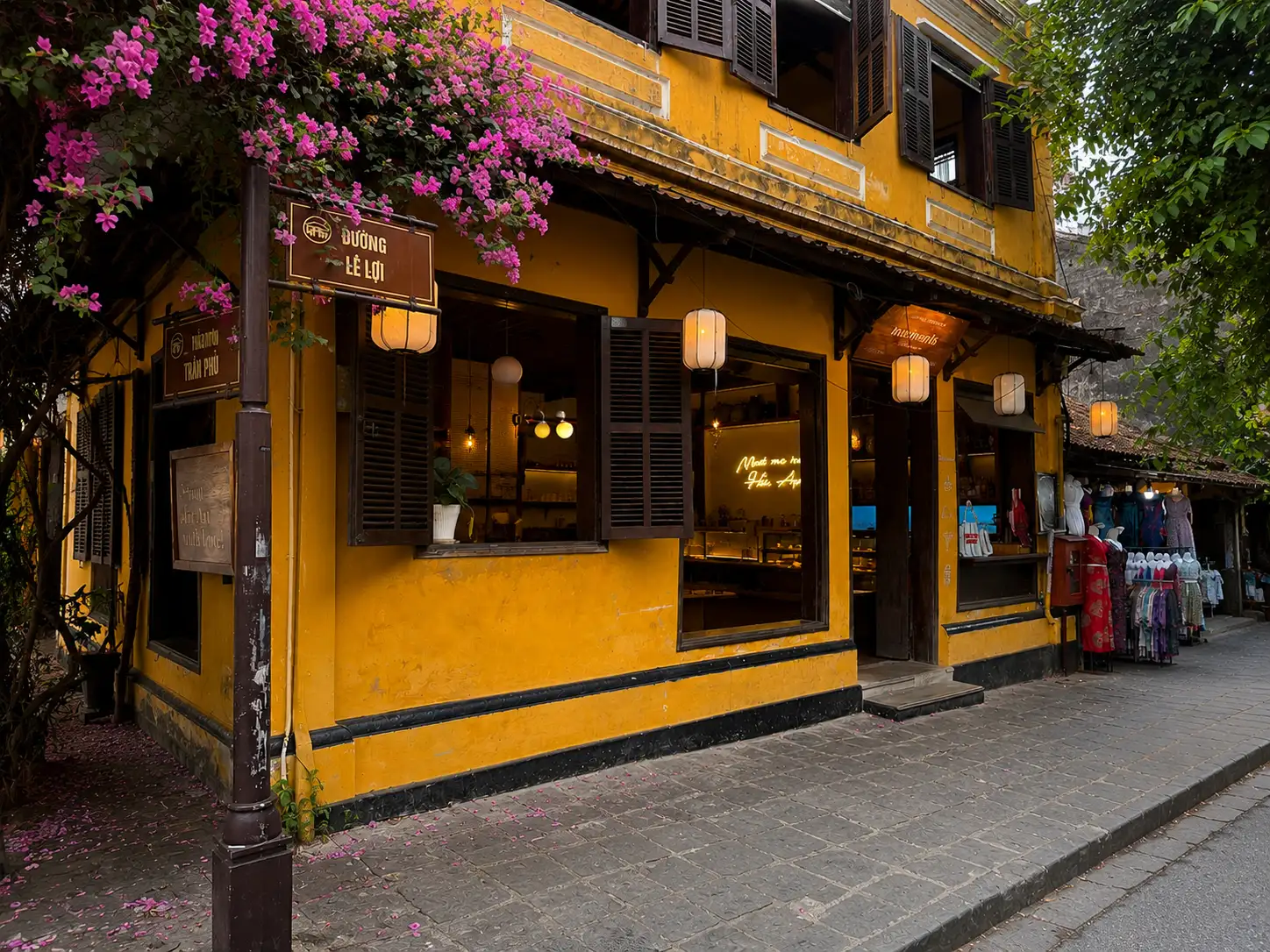
Is Hoi An worth visiting? This is a question many travelers ask while planning their journey through Central Vietnam. With its lantern-lit ancient town, poetic beaches, and a culinary scene world-renowned on the global tourism map, Hoi An consistently ranks as one of Vietnam’s top destinations. But does it truly live up to the hype? This article offers an objective perspective, rooted in firsthand experiences and in-depth analysis, to help you make the most informed decision.
Is Hoi An Worth Visiting? The Short Answer
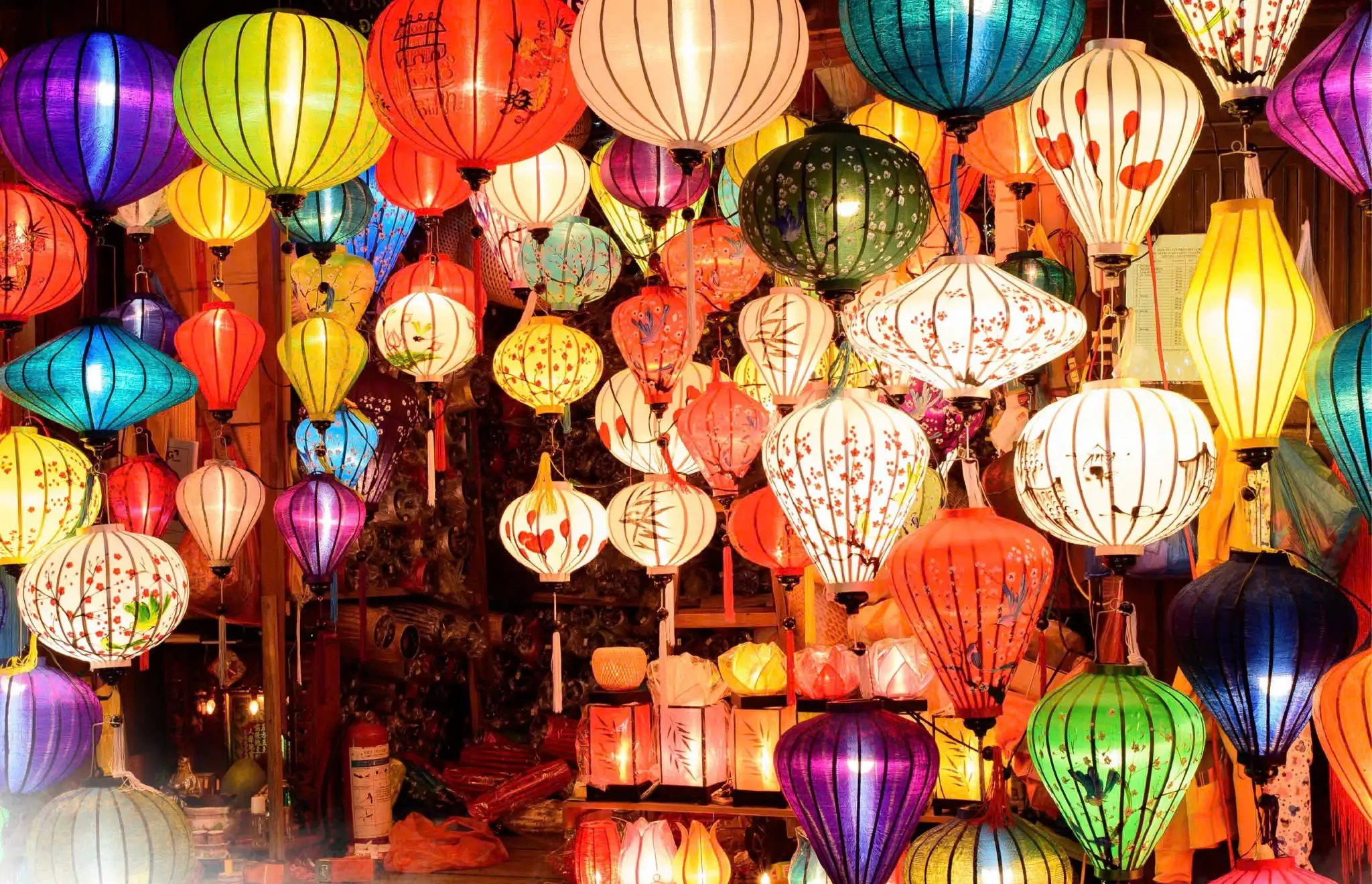
The answer is yes, Hoi An is definitely worth visiting for most travelers particularly those who value history, architecture, local cuisine, and a slower style of travel. However, it is not the right destination for everyone. If your ideal trip involves vibrant nightlife, high-adrenaline activities, or remote wilderness far from tourist infrastructure, Hoi An may feel too “polished” or quiet for your taste.
What makes Hoi An genuinely special is not scale or spectacle. Its value lies in its cultural depth, extraordinary culinary heritage, and the rare experience of walking through a living, breathing historic town, one where the buildings are centuries old, yet the streets are still alive with daily commerce and community.
Why Hoi An Is So Popular: The Honest Background
Hoi An captivates visitors with its rich history, vibrant culture, and laid-back atmosphere. But what exactly makes this small town one of the most visited destinations in Vietnam – and is it still worth the trip in 2026? Here’s an honest look.
UNESCO World Heritage Recognition
Hoi An Ancient Town was inscribed as a UNESCO World Heritage Site in 1999. According to UNESCO, the town was listed as an exceptionally well-preserved example of a Southeast Asian trading port from the 15th to the 19th centuries.
What sets it apart from other heritage sites is the completeness of its urban fabric. Merchant houses, temples, Chinese assembly halls, covered bridges, and communal spaces have survived together as a unified whole rather than as isolated monuments. This level of preservation is genuinely rare in Southeast Asia, where many historic towns were partially demolished or heavily modified during the 20th century.
A Town That Still Feels Lived In
One concern many travelers raise is whether Hoi An has become too commercialized a “theme-park” version of itself. The honest answer is: partly yes, partly no. The core of the Ancient Town attracts large crowds, especially on weekends and during the Full Moon Lantern Festival.
However, Hoi An has not lost its authenticity. If you step just one block off the main drag, you will find local families eating breakfast on the sidewalk, tailors working at their machines, and schoolchildren cycling home. To find the “real” Hoi An in 2026, you simply need to look slightly beyond the primary tourist thoroughfares.
Read more: Pakse to Hoi An: Complete travel guide by bus, flight & car
The Ancient Town Experience
The Ancient Town is compact, walkable, and best explored without a strict itinerary. Its highlights include:
- The Japanese Covered Bridge (Chua Cau): Following its major restoration completed in late 2024, the bridge stands rejuvenated. This iconic 17th-century landmark reflects the town’s history as a multicultural hub, originally built by the Japanese community and later modified with Vietnamese and Chinese architectural elements.
- Tan Ky Old House: A privately owned merchant house dating back over 200 years, still occupied by the same family across seven generations. It offers a tangible sense of prosperous trading life at Hoi An’s commercial peak.
- Chinese Assembly Halls: Built by merchant communities from Fujian, Canton, and Chaozhou, these halls served as gathering places and temples. The Fujian Assembly Hall, in particular, remains visually striking and is still actively used for worship today.
Expert Tip: The best time to experience the town is before 8:00 AM. The streets are quiet, the golden-walled buildings catch the soft morning light, and you can witness the town’s morning rituals before the crowds arrive.
The Food Alone Makes It Worth the Trip
For many, the food is the defining memory of Hoi An. The city boasts a distinct culinary identity that differs significantly from Hanoi or Ho Chi Minh City.
- Cao Lau: The dish most closely associated with Hoi An. Its thick, chewy noodles are traditionally made using water drawn from the local Ba Le well. Served with roasted pork, crispy croutons, and fresh herbs, it is a flavor profile you won’t find anywhere else.
- White Rose Dumplings (Banh Vac): These delicate rice flour dumplings, filled with minced shrimp, are produced by a single local family that supplies almost all the restaurants in town.
- Banh Mi Hoi An: Praised by the late Anthony Bourdain, the bánh mì here is legendary. Whether you queue at Banh Mi Phuong or visit the “Banh Mi Queen” (Madam Khanh), the secret lies in the extra-crispy baguette and the perfectly balanced handmade sauces.
Beyond the Ancient Town
Hoi An offers enough variety to fill 3 to 4 days comfortably:
- An Bang Beach: Located 4 km from the center, this is a relaxed spot with a great selection of beachside restaurants. It’s the perfect contrast to the cultural intensity of the town.
- Tra Que Vegetable Village: A traditional farming community where you can participate in hands-on farming or cooking workshops. It remains one of the most genuine cultural experiences in the region.
- Cam Thanh Coconut Village: Riding in a traditional bamboo basket boat through the water coconut forest is a unique and fun outdoor activity, especially beautiful in the early morning light.

Traditional Craft Villages That Have Survived for Centuries
The villages surrounding Hoi An’s Ancient Town are not tourist recreations — they are working communities that have practiced the same crafts for centuries.
Thanh Ha Pottery Village, about 3 km from the Ancient Town, dates back to the 15th–16th century. Artisans still produce ceramics entirely by hand using locally sourced clay, and visitors can try their hand at the wheel. The tradition was designated a national intangible cultural heritage in 2019.
Kim Bong Carpentry Village has been producing intricate woodwork since the 16th century. Its master carpenters played a direct role in building and restoring the timber structures that define the Ancient Town’s streetscape today — including the Japanese Covered Bridge itself.
Tra Que Vegetable Village, about 2.5–3 km north of the town center, has farmed organically along the De Vong River for over 300 years. Visitors can join local farmers for a morning of harvesting before sitting down to a hands-on cooking class using freshly picked produce.
The Hoi An Memories Show
For those who want to absorb 400 years of local history in a single evening, the Hoi An Memories Show is hard to beat. Staged on a 25,000-square-meter open-air amphitheater over the Hoai River with a cast of over 500 performers, it is Vietnam’s largest outdoor live performance.
The show spans five acts: Life, Wedding, The Sea, A Day, and Ao Dai, each representing a distinct era in Hoi An’s history through choreography, traditional music, and water-stage effects.
Practical Considerations when visiting Hoi An
To plan a perfect trip to Hoi An, timing is everything. Choosing the right season will ensure you can comfortably explore the town without any weather surprises. Here is what you need to know about the weather before booking your tickets:
- Best Months (February to April): These months offer the most reliable weather with cool temperatures and low humidity.
- Hot but Dry (July to August): Ideal for beach lovers, though midday heat in the town can be intense.
- Flood Season (October to November): Approach with caution. Hoi An is situated in a flood-prone region. While some find the sight of flooded streets “atmospheric,” it can significantly disrupt travel plans.
Hoi An is a charming destination, but it truly resonates with specific types of travelers. Whether you are looking for deep heritage or just a peaceful place to unwind, you will find your own rhythm here. This town is particularly perfect for:
- Culture & History Lovers: You’ll find depth in every brick and alleyway.
- Food Enthusiasts: It is arguably the best food city in Vietnam for regional specialties.
- Slow Travelers: Hoi An rewards those who are willing to slow down, grab a coffee, and watch the world go by.
Where to Stay in Hoi An: From Riverside Villas to Local Homestays
Hoi An offers accommodation for every type of traveler, from luxury beachfront resorts and boutique hotels near the Ancient Town to authentic homestays surrounded by rice fields. Whether you’re planning a cultural getaway, a beach holiday, or a relaxing retreat, choosing the right place to stay can greatly enhance your experience.
Bliss Hoi An Beach Resort & Wellness

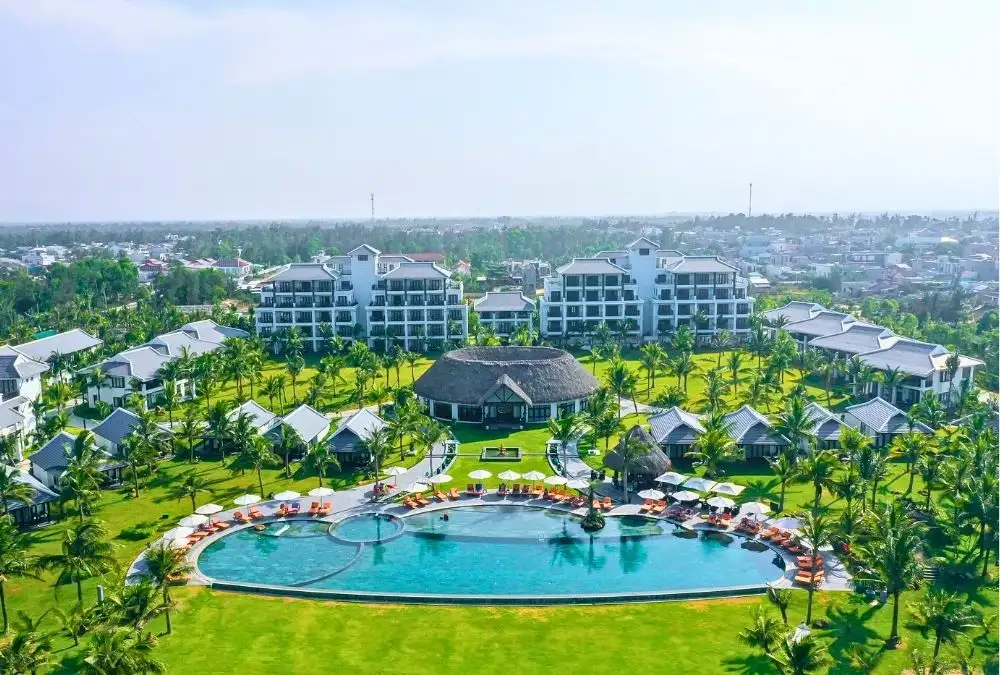
For travelers seeking a quieter side of Hoi An, Bliss Hoi An Beach Resort & Wellness offers a relaxing beachfront retreat on the pristine Binh Minh Beach, approximately 25–30 minutes south of Hoi An Ancient Town. Away from the crowds yet close enough for day trips into the UNESCO-listed Old Town, it provides an ideal balance between cultural exploration and seaside relaxation.
For travelers seeking a quieter side of Hoi An, Bliss Hoi An Beach Resort & Wellness offers a relaxing beachfront retreat on the pristine Binh Minh Beach, approximately 25–30 minutes south of Hoi An Ancient Town. Away from the crowds yet close enough for day trips into the UNESCO-listed Old Town, it provides an ideal balance between cultural exploration and seaside relaxation.
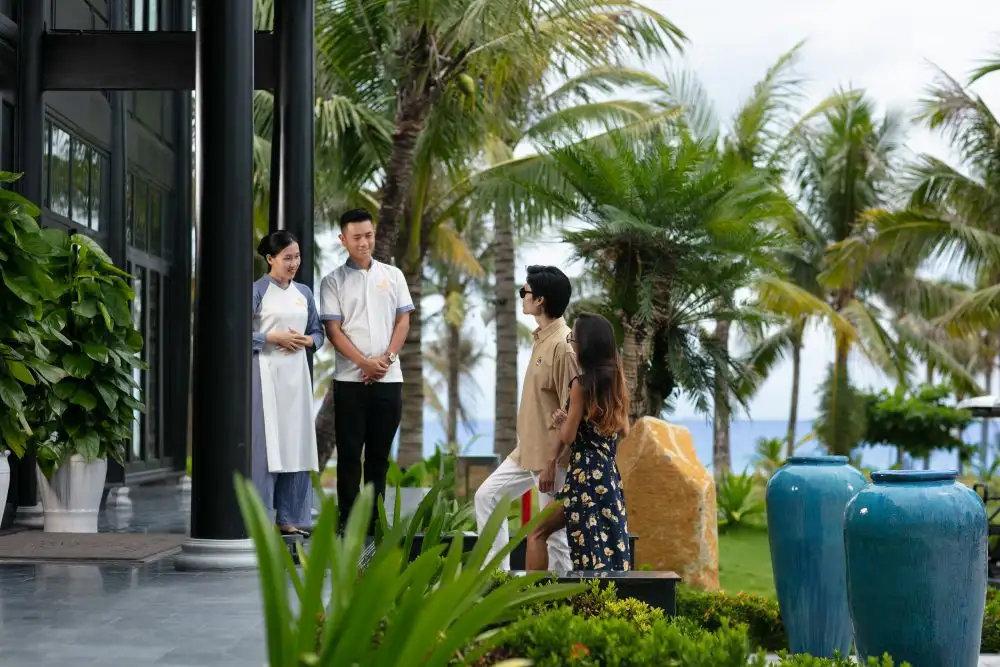
Set among tropical gardens overlooking the East Sea, the resort features 137 spacious rooms, suites, and villas inspired by Hoi An’s architectural heritage and Indochine design. Accommodation options range from elegant ocean-view rooms to family suites and private pool villas, making the resort suitable for couples, families, and multigenerational groups.
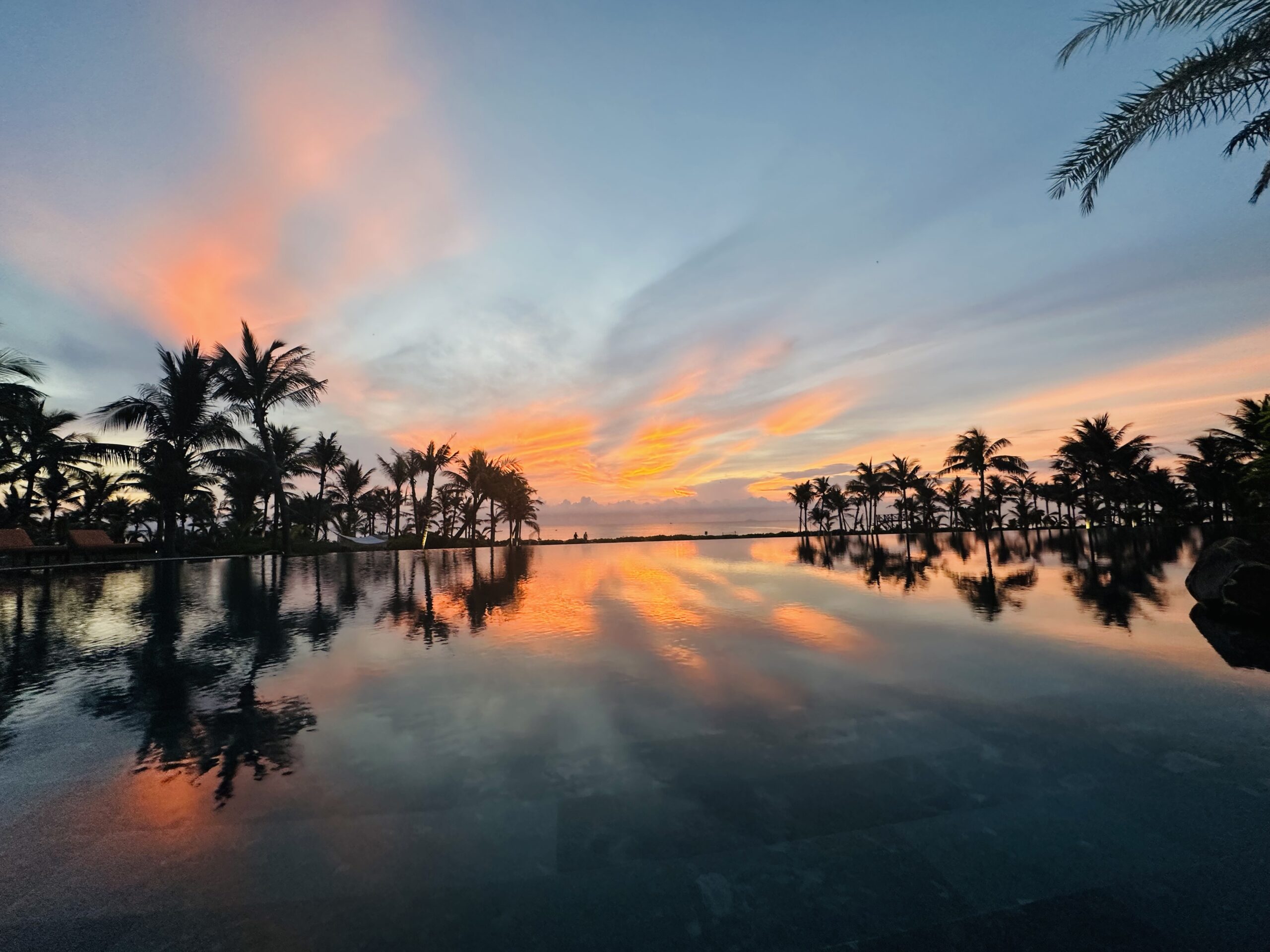
One of the resort’s highlights is its 55-meter beachfront infinity pool, which blends seamlessly with the ocean horizon. Guests also enjoy direct beach access, a wellness center, Ngoc Linh Spa, ocean-view fitness facilities, and complimentary daily wellness activities such as yoga and Tai Chi. For those interested in local culture, the resort regularly offers cooking classes, Vietnamese language lessons, bicycle experiences, and guided excursions around Hoi An and nearby attractions.
A complimentary shuttle bus to Hoi An Ancient Town makes sightseeing convenient, while the peaceful beachfront setting allows guests to return each evening to a more secluded and tranquil atmosphere. For visitors who want more than just a place to sleep, Bliss Hoi An combines beach relaxation, cultural immersion, and wellness-focused experiences in a single destination.
Frequently Asked Questions
How many days do you need?
–> Two days are enough for the highlights, but three to four days are ideal if you want to include the beach, a cooking class, and rural craft villages.
Is Hoi An too touristy?
–> The main streets are undeniably busy. However, the town retains enough local character especially outside peak hours to feel deeply worthwhile rather than hollow.
Is Hoi An safe?
–> Yes, it is considered one of the safest destinations in Vietnam for solo travelers and families alike. Just keep a standard eye on your belongings in crowded areas. Hoi An is absolutely worth visiting and remains a highlight for many travelers in Vietnam. Its charm lies not in famous landmarks alone, but in everyday experiences: a bowl of cao lau, peaceful mornings, and centuries-old architecture. The town offers a unique blend of history, food, and atmosphere that unfolds gradually. If you’re planning a trip to Vietnam in 2026, Hoi An deserves a place near the top of your list .

Related Posts
Private Tours from Hoi An Beach Resorts: Discover Central Vietnam from Bliss Hoi An
How much does a Hoi An wedding for 40 guests cost?
Is fine dining Hoi An really worth the price? What are travelers paying for?
Cau Bong Festival in Hoi An: Inside Tra Que’s Agricultural New Year Tradition
Top 8 things to consider for a wedding in Hoi An with 20 guests