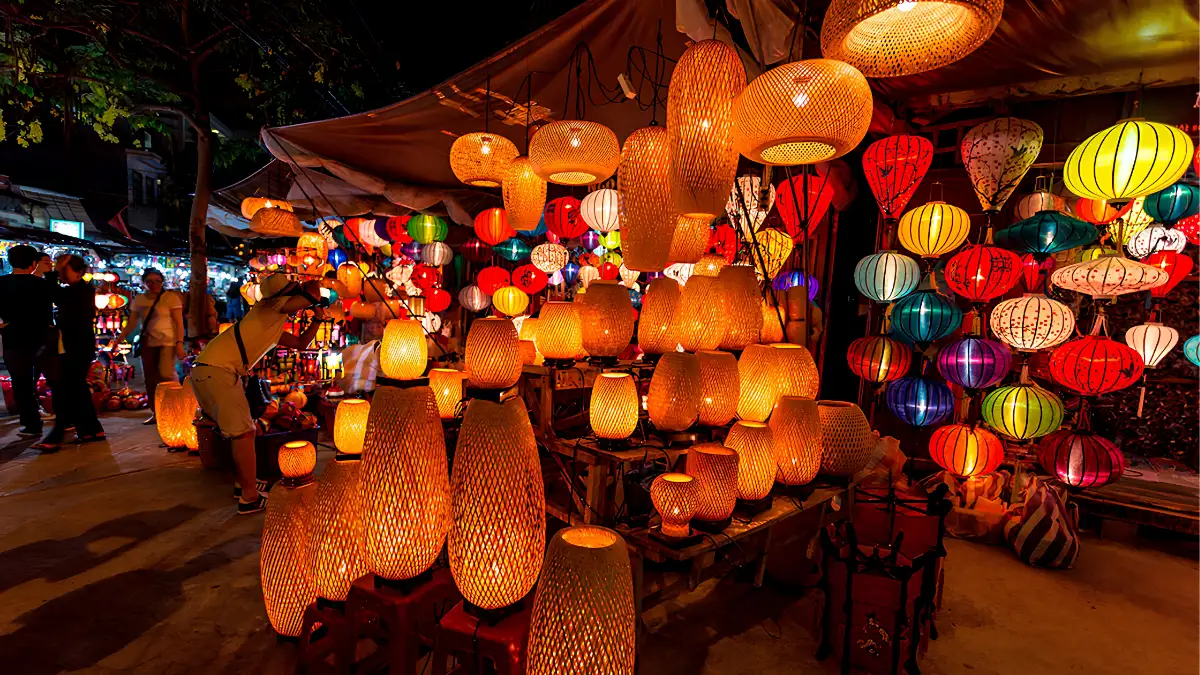


Hoi An Mid Autumn Festival 2026: 5 Things That Make It Different
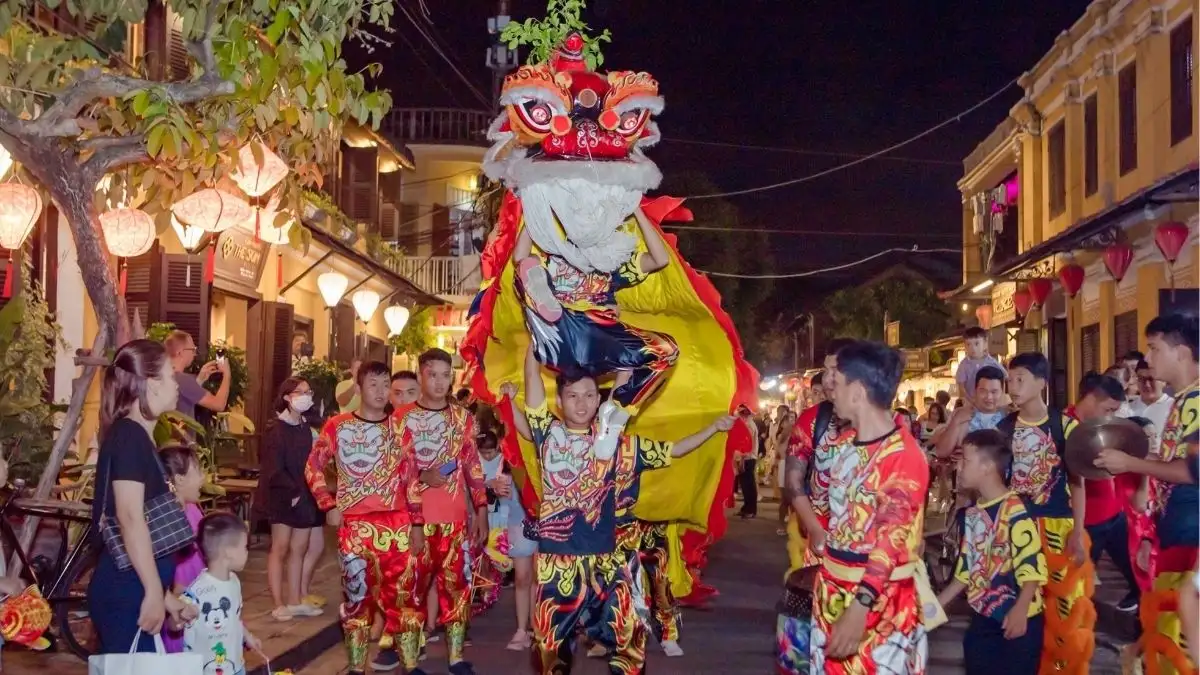
Hoi An Mid Autumn Festival is more than a lantern-lit night in the Ancient Town. It has its own atmosphere and traditions that set it apart from other celebrations in Hoi An. Here are five things that make the 2026 celebration different.
When is Hoi An Mid Autumn Festival 2026?
Hoi An’s Mid Autumn Festival 2026, the Year of the Horse (Binh Ngo), runs from September 22 to September 25, 2026, centered on the full moon of the 8th lunar month. The core celebration spans four days, from the 12th through the 15th day of the lunar calendar, with the 15th marking the actual full moon and the peak of the festivities. The Gregorian dates change each year with the lunar calendar.
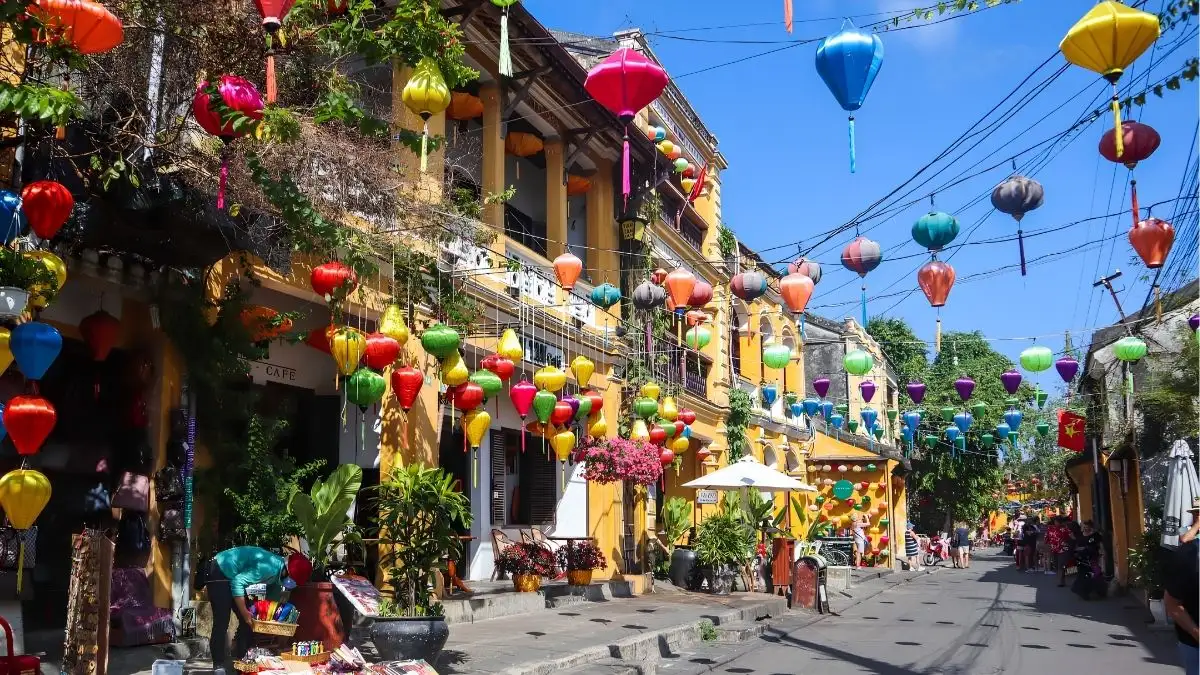
Hoi An Mid Autumn Festival 2026 schedule
| Date | Time | Activity | Location |
| Sep 22-25 | Daytime | Mid-Autumn offering trays and traditional displays | Heritage houses and historic sites across the Old Town |
| Sep 22-25 | Daytime | Paper mask and Thien Cau prop-making activities | Museum of Folklore |
| Sep 23 | 7:30 PM | “Moonlit Night” | Hoi An Park, 02 Tran Hung Dao Street |
| Sep 23 & 25 | 7:00 PM | “Music Under the Moon” (Khong gian nghe thuat “Am nhac và Trang) | Sa Huynh Culture Museum, 149 Tran Phu Street |
| Sep 24 | 6:30-9:00 PM | “Old Town Night” | Hoi An Old Town |
| Sep 25 | 5:30-7:30 PM | Lantern parade | Main streets of Hoi An |
The town builds momentum gradually rather than starting cold on day one. From September 22 through 25, traditional Mid-Autumn offering trays go on display inside heritage houses and historic sites across the Old Town, alongside hands-on activities where visitors can decorate paper masks and Thien Cau props at the Museum of Folklore during Hoi An Mid Autumn Festival.
What time is best to experience the festival?
6:00 PM to 10:00 PM is generally the liveliest period across the four nights, when lantern displays are fully lit and the streets become busier with locals and visitors for Hoi An Mid Autumn Festival.
For a quieter experience, visit in the afternoon to see the offering trays and heritage house displays before the evening crowds arrive. The evening programs are better suited to travelers who want to experience the festival atmosphere, especially on September 25 when the lantern parade takes place. But there is more to Hoi An’s Mid-Autumn Festival than lanterns and evening performances. Five traditions and details give the celebration its own character.
The Thien Cau is Hoi An’s most unusual mid-autumn tradition
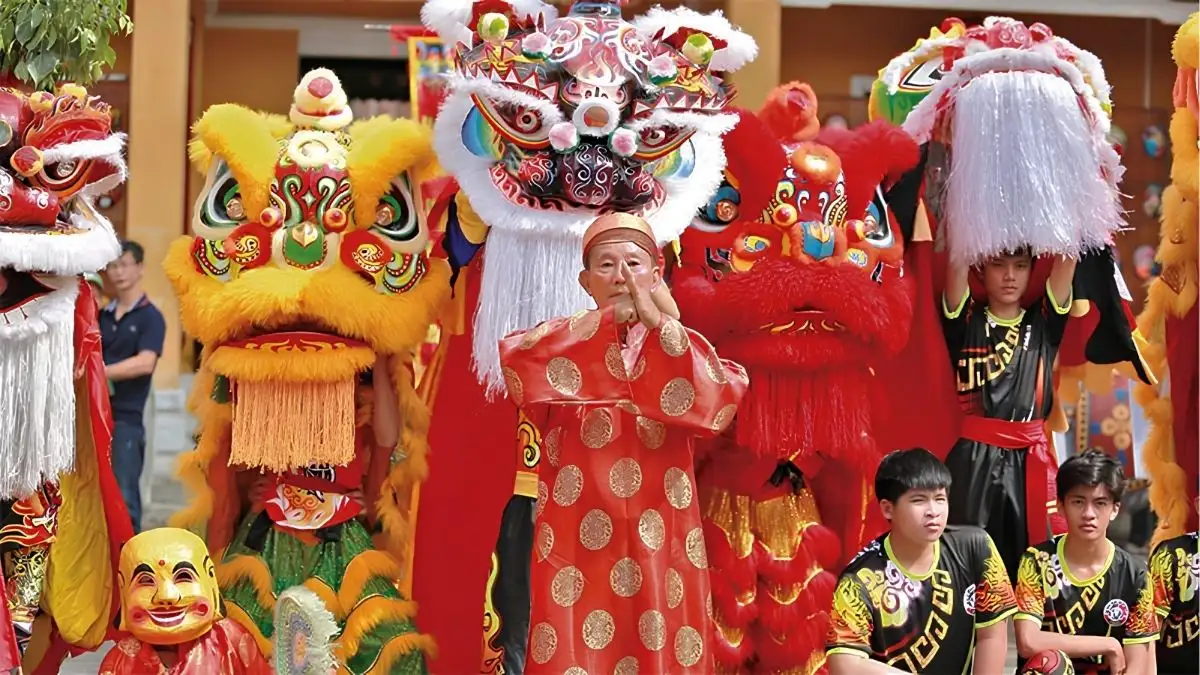
Lion dances are familiar during Mid-Autumn celebrations across Vietnam, but Hoi An has another distinctive tradition: the Thien Cau, or “Heavenly Dog.” This unique performer is one of the festival’s most recognizable features and gives Hoi An’s celebration a character of its own.
Unlike the more familiar lion, the Thien Cau has its own distinct look, with horns standing around 40 cm tall, ears measuring roughly 25 × 20 × 10 cm, and a flowing tail mane about 50 cm long. The Thien Cau is traditionally performed alongside Ong Dia, the pot-bellied Earth God, whose mask is painted golden yellow to represent the earth element.
How the Thien Cau performance works
The routine changes depending on where the performance takes place. At heritage sites and formal competitions, it follows four main parts:
- Greeting: The Thien Cau bows to the audience.
- Comic sequence: It “eats” betel leaves, pretends to pick its teeth, then falls asleep.
- Play with Ong Dia: After waking, the creature plays and wrestles with Ong Dia.
- Closing bow: The performers bow to thank the audience.
Inside a private home, the routine is shorter and follows a different sequence. The troupe enters and bows before the family’s ancestral altar, circles the house to ward off bad spirits, then finishes with a bow of thanks. The performance reflects the belief that the dance can help clear misfortune from the household before the new season.
Who makes the Thien Cau Heads?
The tradition also survives through a small group of specialized craftspeople. At least 11 recognized artisans in the Hoi An area still hand-make Thien Cau, lion, and dragon heads for local troupes. One example is the workshop run by Nguyen Hung in Dong Na hamlet, Cam Ha, which has been making these performance heads for 23 years. The workshop produces around 3,000-4,000 lion heads a year and hires 20-30 seasonal workers during the festival season of Hoi An Mid Autumn Festival. (Source: Bao Lao Dong).
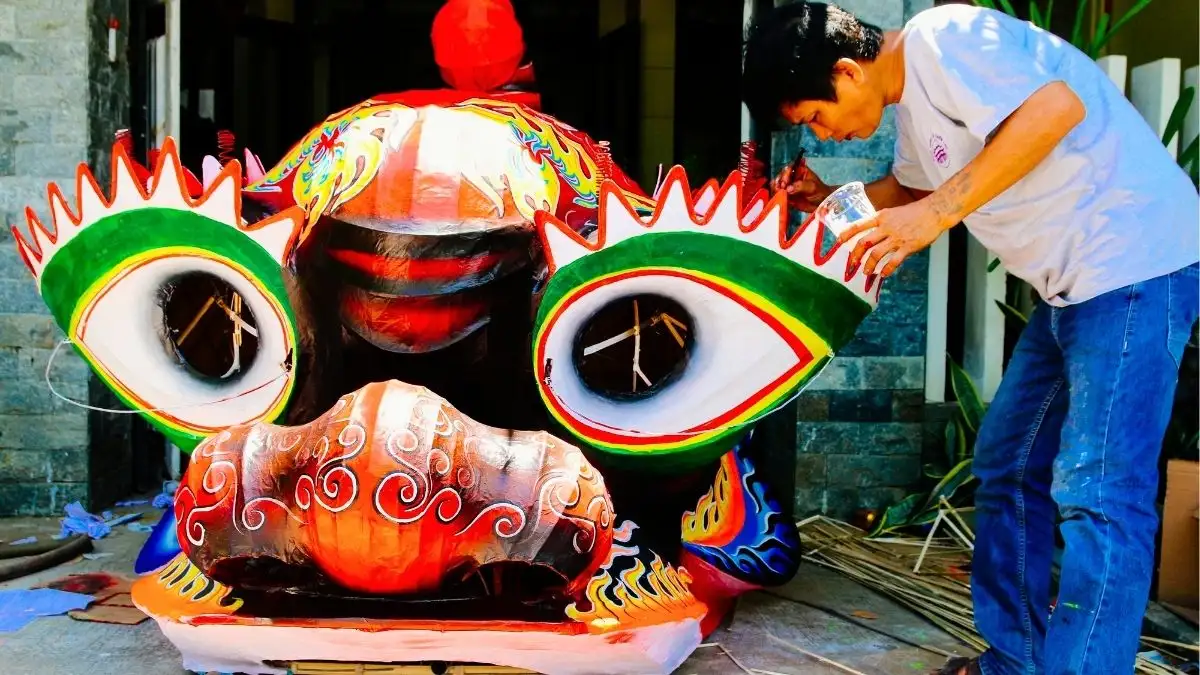
The price also varies significantly depending on the size and accessories:
| Type | Approximate price |
| Small head | 50,000-70,000 VND |
| Large head with full accessories | Up to 2,500,000 VND |
These prices give some idea of the specialized labor behind the colorful creatures appearing on Hoi An’s streets during Mid-Autumn.
The exact origins of the Thien Cau tradition remain debated by local researchers, particularly the cultural crossover between older Chinese assembly-hall customs and Hoi An’s own folk practices. What is clear is that the tradition has developed into a distinctive part of Hoi An’s Mid-Autumn celebrations, with a performance style rarely seen elsewhere in Vietnam.
Read more: Hoi An Festival – The cultural heart of a heritage land
The entire old town turns into the festival
Hoi An doesn’t confine Mid-Autumn to a single stage or fenced-off festival ground. The celebration spreads across the whole Ancient Town at once, which means there’s no ticket gate to pass through and no single “main event” you need to find, the festival is simply everywhere the moment the sun goes down during Hoi An Mid Autumn Festival.
As evening arrives, lanterns strung along Tran Phu, Nguyen Thai Hoc, and the riverside streets come alive, and the sound of drums announces a dance troupe moving through a different block. Children’s lantern processions weave between the crowds independently of any official schedule, and it’s common to turn a corner and unexpectedly run into a Thien Cau or lion troupe performing outside a family home rather than at any designated venue. This decentralized structure is part of what makes the atmosphere feel less like a produced show and more like an entire community celebrating in parallel.
At least 32 major lion, dragon, and Thien Cau troupes were active in the wider Hoi An area as of a 2016 count, drawing on a practicing community of roughly 1,000 performers, with individual troupes ranging from 15 to as many as 40 or 50 members (Source: hoianheritage.net). That scale is exactly why the festival can feel like it’s happening in five places simultaneously if you’re moving through the Old Town after dark. Rather than trying to track down one specific performance, the more rewarding approach during Mid-Autumn week is simply to walk the streets, drums will find you before you find them.
You’ll see children and local families at the heart of the celebration
Mid-Autumn in Hoi An is, at its core, a festival for local children and their families, not a performance staged for visitors, and that distinction shapes almost everything about how the evening actually feels. Kids carry star-shaped and animal-shaped lanterns through the streets, chase after dance troupes, and gather in groups outside their homes waiting for a Thien Cau to make its rounds through the neighborhood.
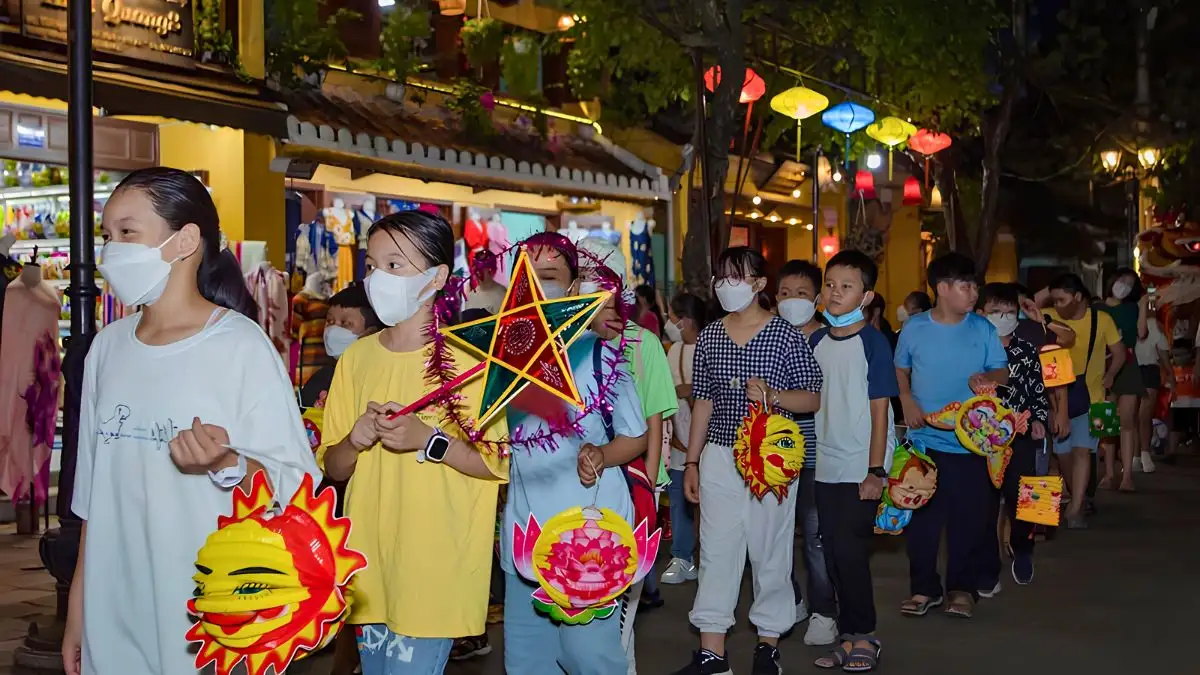
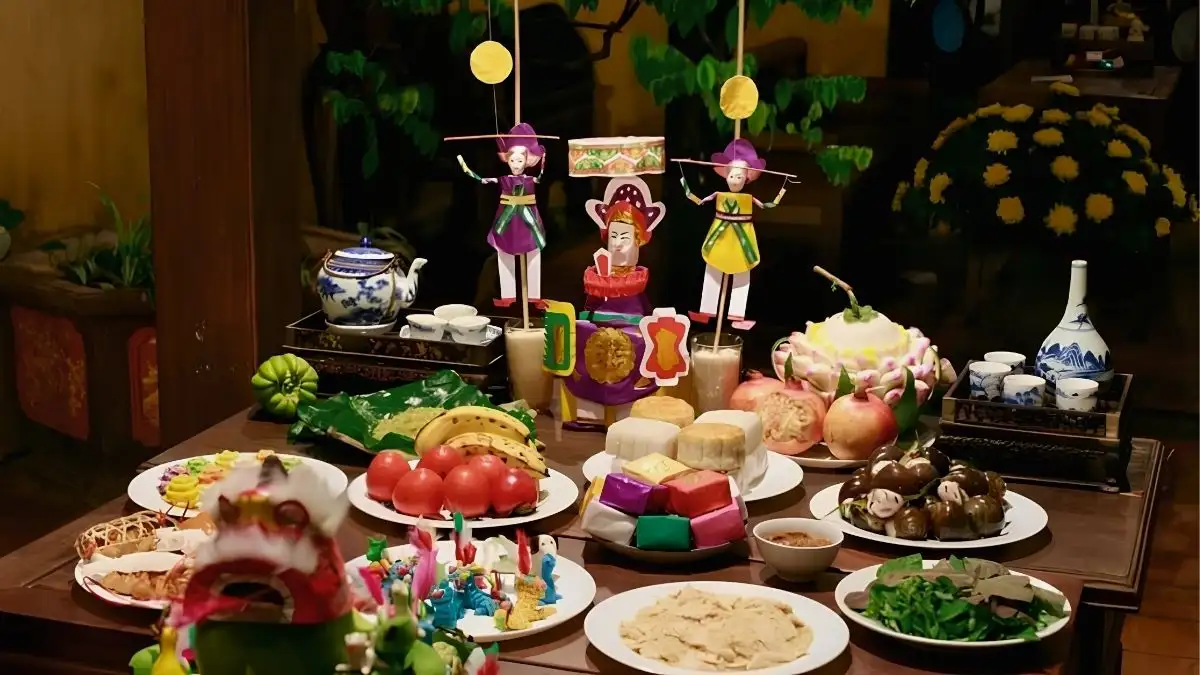
Inside homes and heritage houses, families set out offering trays loaded with mooncakes, seasonal fruit, and small toys, a custom tied to gratitude and to wishing children good fortune as the season turns. Food plays its own role in the celebration too: dishes like chicken rice, Cao Lau, Mi Quang, grilled pork with rice paper, banh dap, and stir-fried short-necked clams appear on family tables and at larger gatherings throughout the festival week, with some of the Old Town’s bigger restaurants, Viettown on Phan Chau Trinh Street seats around 500 guests, hosting extended family groups during the busiest nights.
Because the celebration belongs first to the people who live here, visitors get something genuinely rare: a chance to watch a living tradition rather than a version staged specifically for tourism. That also means showing a bit of the same courtesy you would at any family gathering you’re witnessing rather than attending, giving performers and families space, asking before photographing a private home’s offering tray, and letting children lead the way through their own streets.
Read more: Experiential journey: Explore Hoi An’s festivals and cultural heritage
The 14th and 15th lunar nights offer different highlights
Because the festival spans several days, the two final nights, the 14th and 15th of the lunar month, tend to draw the most attention, but they don’t feel identical when experiencing Hoi An Mid Autumn Festival.
| 14th Lunar Night | 15th Lunar Night (Full Moon) | |
| Significance | Coincides with Hoi An’s regular monthly Lantern Night tradition | The actual Mid-Autumn full moon, the festival’s peak |
| Atmosphere | Lanterns, quieter streets, a warm-up to the main night | Busiest night, largest crowds, most dance troupe activity |
| Best for | Photography, a calmer first look at the lanterns | Experiencing the festival at full intensity |
In 2026, this puts the 15th lunar night on September 25, the date carrying the formal lantern parade through the Old Town’s main streets between 5:30 and 7:30 PM. The exact Gregorian date shifts every year along with the lunar calendar, so it’s worth double-checking the specific dates for whichever year you’re planning around rather than assuming the festival always falls in late September. If your schedule only allows for one night, the 15th is the one that delivers the full atmosphere described throughout this guide; if you’d rather ease into it with smaller crowds, the 14th offers a genuinely calmer preview of the same streets.
It’s more than Hoi An’s regular lantern night
This is the point that trips up a lot of first-time visitors researching a Hoi An trip: Mid-Autumn Festival and Hoi An’s regular monthly Lantern Night are related, but they are not the same event, and mixing them up can lead to real confusion when planning dates.
Hoi An’s monthly Lantern Night happens on the 14th day of every lunar month, a tradition the local government first organized in 1988, when street lighting is switched off across the Old Town from 6:00 PM to 10:00 PM and the town glows entirely on lantern and candlelight instead. In 2026, the town holds 13 of these lantern nights across the year, with two standing out as the biggest: the Nguyen Tieu lantern night on March 2 and the eve of Mid-Autumn on September 24. Our full Hoi An Lantern Festival guide covers this monthly tradition in detail, including which months tend to draw the biggest crowds.
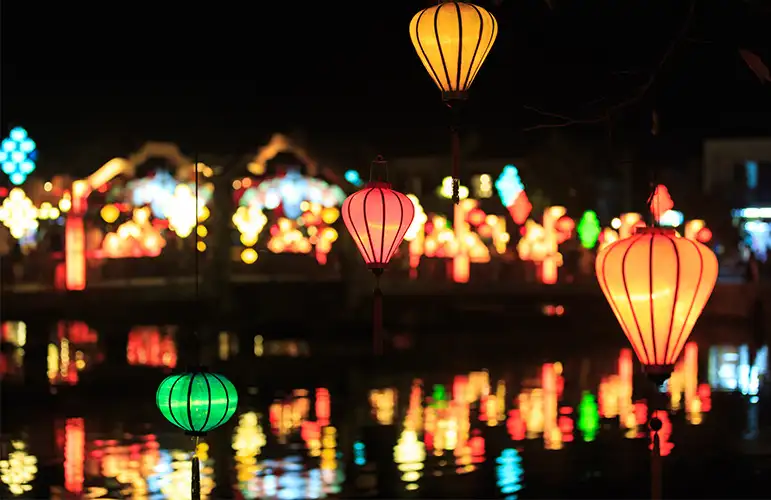
Mid-Autumn Festival, by contrast, happens once a year, carries its own distinct set of customs (the Thien Cau dance, family offering trays, children’s lantern processions) that the monthly Lantern Night simply doesn’t include, and was formally added to Vietnam’s National Intangible Cultural Heritage list in early 2023, a recognition specific to the Mid-Autumn celebration rather than the monthly lantern tradition (Source: hoianheritage.net). For a visitor, the practical takeaway is this: if your dates land on a random 14th lunar night outside of September, you’ll get lanterns and a quieter version of the atmosphere, but not the dance troupes, the offering trays, or the citywide family celebration this guide describes.
Where to stay for Mid-Autumn Festival Week
Traffic restrictions inside the Old Town intensify during the festival’s peak nights, with motorbikes and cars barred from the main streets earlier than usual to make room for the crowds and the roaming dance troupes. Trying to day-trip in from Da Nang on the 15th lunar night specifically means fighting both festival traffic and the standard vehicle restrictions on the way in and back out, which can turn a straightforward visit into hours of delay each way during Hoi An Mid Autumn Festival.
Staying overnight in Hoi An removes that entire problem and lets you actually experience the festival at the pace it’s meant to be seen, wandering between neighborhoods as different troupes pass through rather than watching the clock for a return trip. Bliss Hoi An Beach Resort & Wellness, on Binh Minh Beach outside the restricted zone, offers a quieter base away from the festival crowds. The resort has 135 rooms and villas across eight room categories, giving couples, families, and larger groups several accommodation options during a busy travel period.
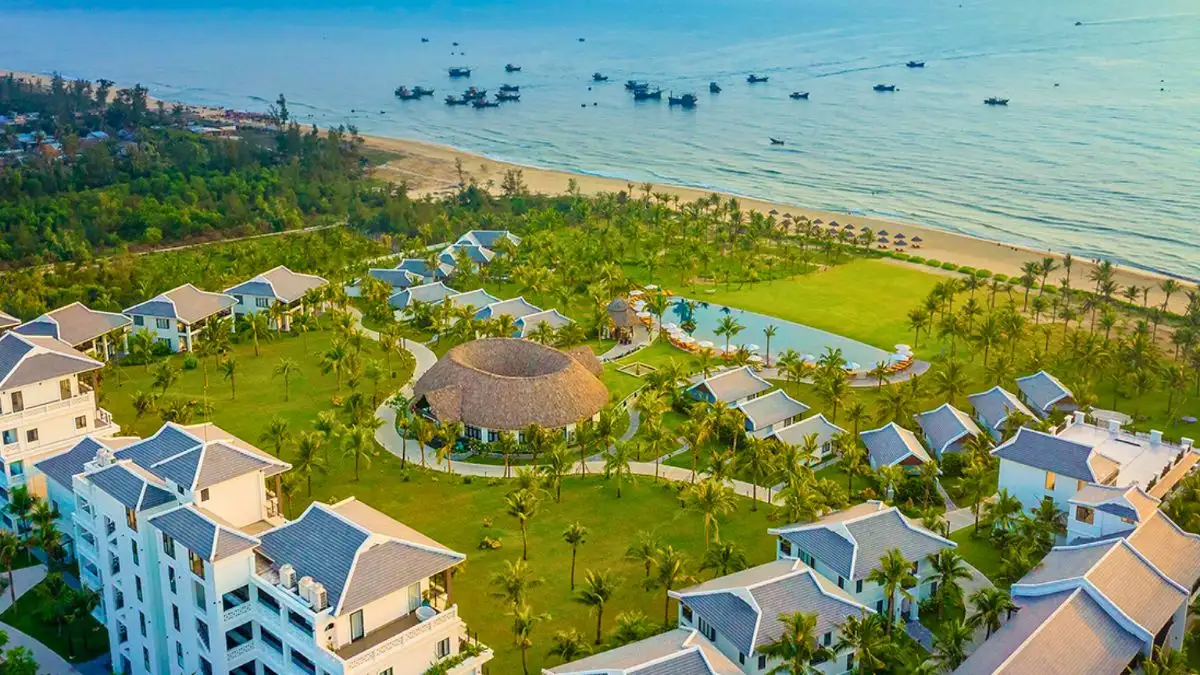
Guests can head into the Old Town via the resort’s free shuttle service for the evening’s festivities, then return to a beachfront setting once the streets grow too crowded to comfortably navigate. The resort also provides free bicycles, which are useful for exploring the quieter roads around the property during the day when festival activities are not yet at their peak. For guests who prefer to stay on-site between festival outings, the 55-metre oceanfront infinity pool, Ngoc Linh Spa, gym, sauna, steam room, and beachfront setting make it easier to build a slower day around the evening celebrations.
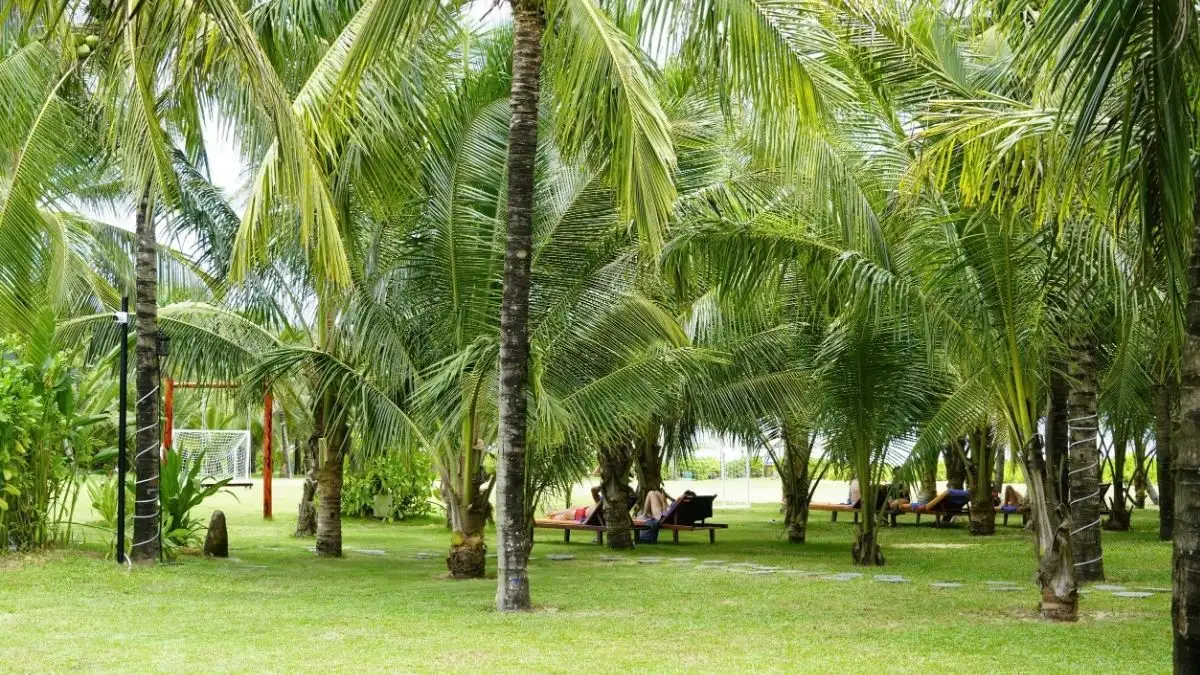
The location also gives the stay a different rhythm from being based directly inside the Old Town. Binh Minh Beach faces east, so early risers can catch sunrise before heading into Hoi An for the day’s activities. After returning from the festival, guests can spend time by the pool, relax under the coconut trees around the resort, or have dinner at Binh Minh Restaurant, which serves Vietnamese, Asian, Western, and vegetarian dishes.
For guests with extra time beyond the festival, the resort’s travel desk can also arrange day trips beyond Hoi An. A Hue City Tour adds the former imperial capital to the itinerary, while the Da Nang Night Tour offers an easy way to explore Da Nang after dark.
If Mid-Autumn week is part of your trip planning, it’s worth booking your stay at Bliss Hoi An Beach Resort & Wellness well ahead of September, since accommodation across Hoi An tends to fill quickly around the festival’s peak nights. The front desk team can also help confirm the shuttle schedule against the specific festival program for whichever dates you’re visiting.
FAQs
Is Hoi An Mid-Autumn Festival the same as the monthly Lantern Night?
No. Lantern Night takes place on the 14th lunar day each month, while Hoi An Mid Autumn Festival is an annual celebration with traditions such as Thien Cau and family offering trays.
What is Thien Cau?
Thien Cau, or “Heavenly Dog,” is a traditional Hoi An Mid-Autumn dance featuring a horned creature performed alongside Ong Dia, the Earth God.
When exactly does Mid-Autumn Festival 2026 take place?
The main celebration runs from September 22 to 25, with the 15th lunar day falling on September 25.
Is the 14th or 15th lunar night better to visit?
The 15th has the fullest atmosphere and more crowds, while the 14th is quieter.
Can I visit Hoi An for Mid-Autumn as a day trip from Da Nang?
Yes, but staying overnight is more convenient because traffic restrictions and festival crowds intensify at night.

Related Posts
Cau Bong Festival in Hoi An: Inside Tra Que’s Agricultural New Year Tradition
Top 8 things to consider for a wedding in Hoi An with 20 guests

Best Beach Resort in Hoi An: Top 7 things to avoid when choosing to stay

4 Hoi An wedding packages compared: Which one is right for you?

5 mistakes to avoid when self-driving from Hoi An to Quang Ngai in a day