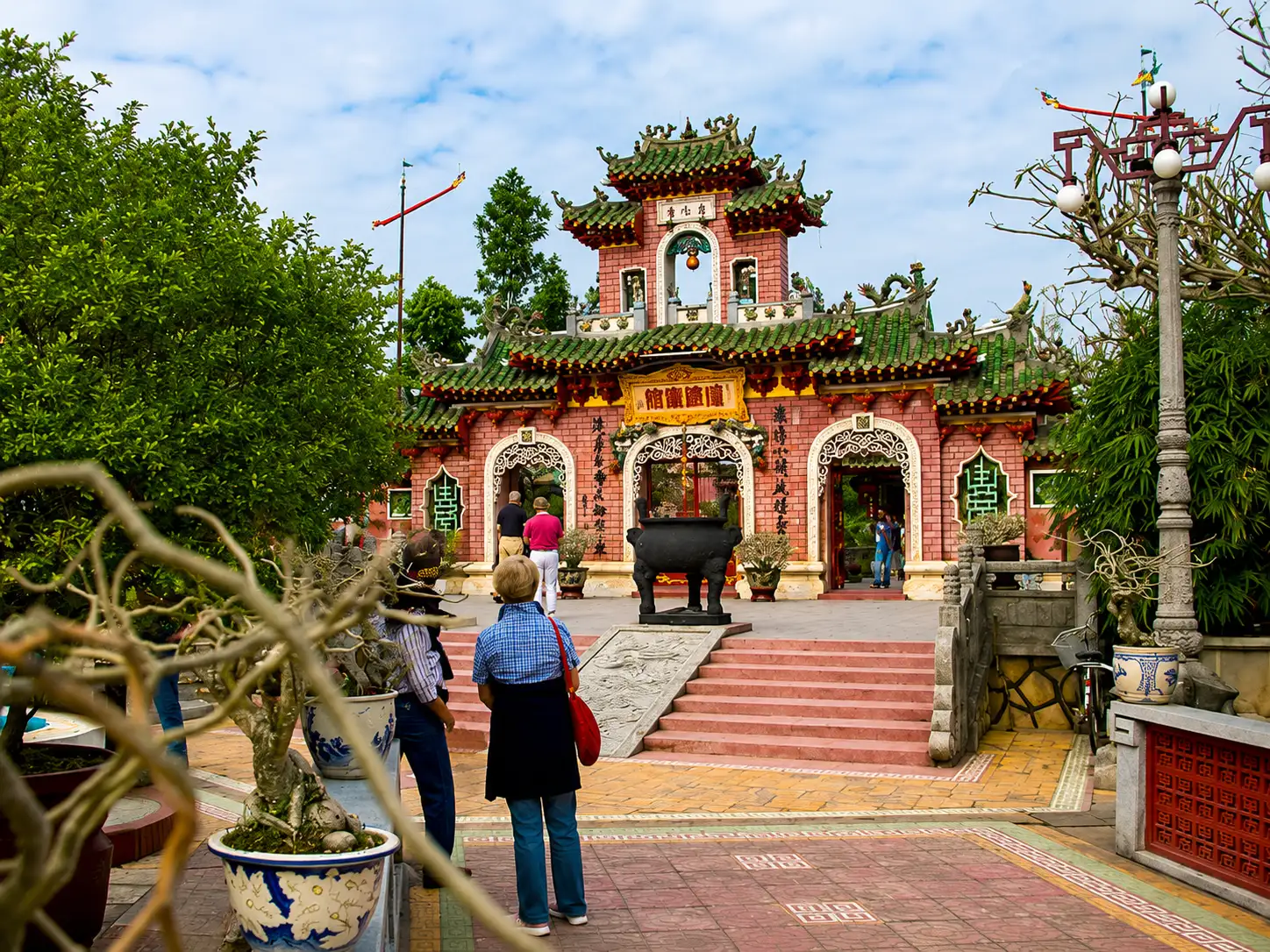
Giac Vien Pagoda: A peaceful hidden gem in Thang Binh, Quang Nam
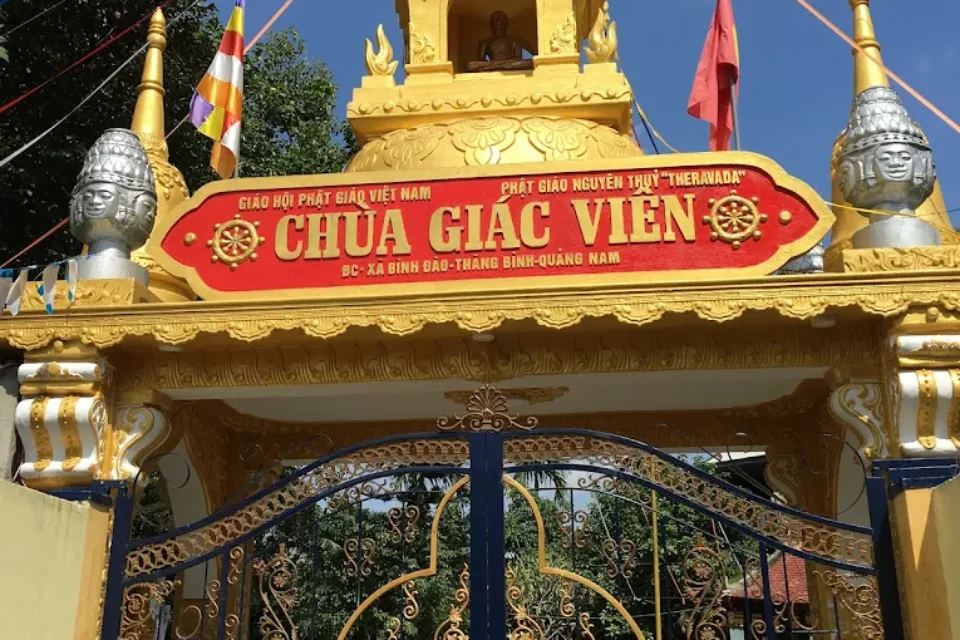
Tucked away in the quiet countryside of Quang Nam, giac vien pagoda offers a completely different experience from the bustling tourist spots of central Vietnam. Far from the crowds of Hoi An or Da Nang, this humble temple invites visitors to slow down, breathe, and connect with a more authentic side of local life. With its simple Theravada architecture, peaceful surroundings, and deep connection to the community, giac vien pagoda is not just a place of worship, it’s a space for reflection and cultural discovery. Whether you’re a traveler seeking tranquility or someone interested in exploring lesser-known spiritual sites, this pagoda reveals a quiet charm that’s easy to miss but hard to forget.
Overview of Giac Vien Pagoda in Thang Binh, Quang Nam
Giac Vien Pagoda is a Theravada Buddhist temple located in Bình Đào Commune, Thăng Bình District, Quảng Nam Province, Vietnam. Unlike the more widely known pagodas in major cities, this temple serves as a spiritual center for the local community, where residents and Buddhist followers gather to practice, pray, and participate in religious activities.
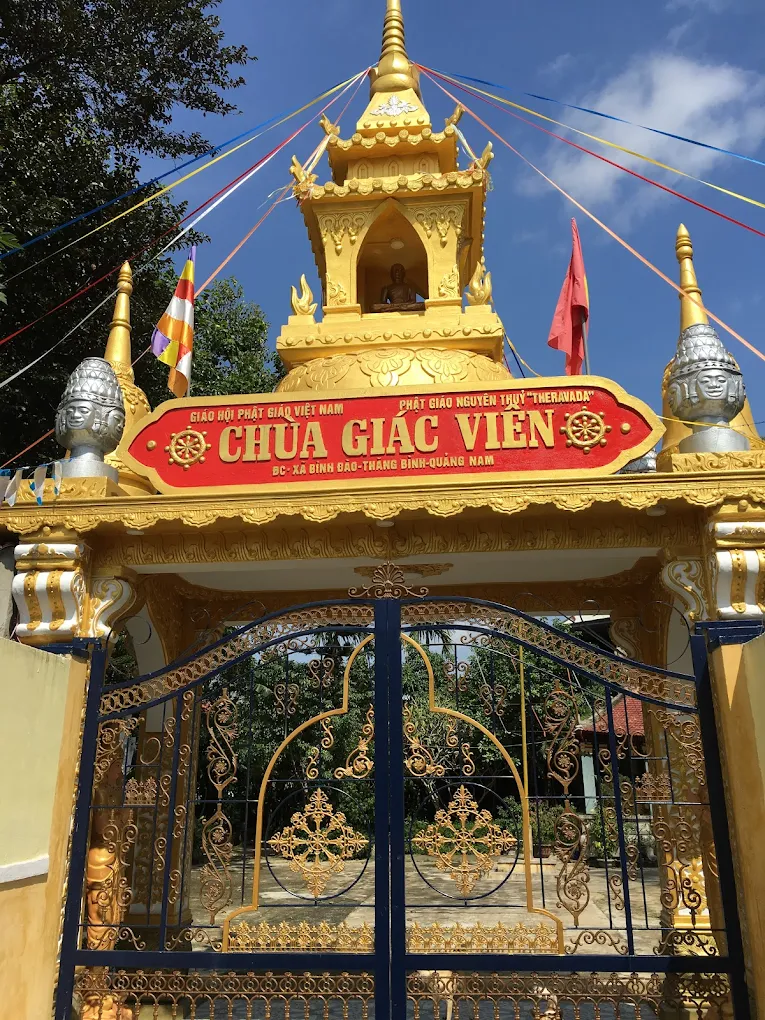
Founded in 1993 by Venerable Giới Hỷ, the pagoda was established with the aim of spreading Buddhist teachings and supporting the spiritual life of people in the region. Although relatively modest in scale, it plays an important role in preserving Theravada traditions in central Vietnam.
Giac Vien Pagoda offers a peaceful and authentic experience far from the crowds of popular tourist destinations. Its quiet rural setting allows visitors to fully immerse themselves in a calm and reflective atmosphere, making it an ideal place for those seeking tranquility or spiritual connection.
The temple’s architecture reflects the simplicity and elegance of Theravada Buddhist design, with sacred spaces carefully arranged for worship and meditation. Visitors can observe traditional rituals, admire the serene Buddha statues, and gain insight into a lesser-known aspect of Vietnam’s diverse Buddhist culture.
For travelers exploring Quảng Nam beyond Hội An, Giac Vien Pagoda is a meaningful stop that reveals a more local, spiritual side of the region, one that remains largely untouched by mass tourism.
Where is Giac Vien Pagoda located?
Unlike well-known attractions located right in the center of tourist areas, Giac Vien Pagoda in Thang Binh is tucked away in the peaceful countryside of Quang Nam. Because of this, understanding its exact location and how to get there will save you time and help you avoid getting lost when navigating smaller local roads.

Exact location in Quang Nam
Giac Vien Pagoda is located in Binh Dao Commune, Thang Binh District, Quang Nam Province, an area situated between two familiar destinations: Hoi An and Tam Ky. In terms of distance, the pagoda is about 25–30 km south of Hoi An, 15–20 km north of Tam Ky, and roughly 45–50 km from Da Nang by road.
What makes this location unique is that it is not on a main tourist route. Once you leave the national highway, you will find yourself traveling along small village roads surrounded by rice fields, local houses, and greenery, an authentic glimpse into rural life in central Vietnam. This peaceful setting is part of the pagoda’s charm, but it can also make it slightly tricky to find for first-time visitors.
How to get to Giac Vien Pagoda (Detailed & Practical Guide)
Getting to Giac Vien Pagoda is not overly complicated, but you do need to pay attention when turning off the main road into the local area. If you follow the correct route, the journey itself becomes an enjoyable experience, offering a transition from busy tourist zones to quiet countryside scenery.
If you are traveling from Hoi An, start by heading toward Hai Ba Trung or Ly Thuong Kiet Street, then make your way to National Highway 1A (QL1A) heading south toward Tam Ky. Continue straight on this highway for about 20 km. This stretch is easy to navigate, with wide roads and clear traffic flow. Once you reach Thang Binh District, watch carefully for a turn into Binh Dao Commune, this is typically a smaller road branching off to the right if you are coming from Hoi An.
From there, continue for another 3–5 km along village roads. These roads are narrower and include several small intersections, so it is best to combine Google Maps navigation with asking locals for directions by simply saying “Giac Vien Pagoda.”
If you are coming from Da Nang, follow the route toward Ngu Hanh Son and continue to Hoi An, then follow the same directions as above. The total travel time is usually between 1 to 1.5 hours, depending on traffic conditions.
In terms of cost, taking a taxi or Grab from Hoi An typically ranges from 300,000 to 450,000 VND one way, while a trip from Da Nang may cost around 500,000 to 700,000 VND one way. However, since the pagoda is located in a quiet rural area, it can be difficult to find a ride back. For this reason, it is advisable to arrange a round trip, hire a private car for the day, or travel by motorbike for greater flexibility.
Read more: Marble Mountains Pagodas: A guide to temples in the Marble Mountains Da Nang
History of Giac Vien Pagoda
Behind its simple and peaceful appearance, Giac Vien Pagoda in Thang Binh carries a meaningful story closely tied to the development of Theravada Buddhism in central Vietnam. While it may not be a centuries-old temple, its history still reflects a strong spirit of dedication to Buddhist teachings and a deep connection with the local community.
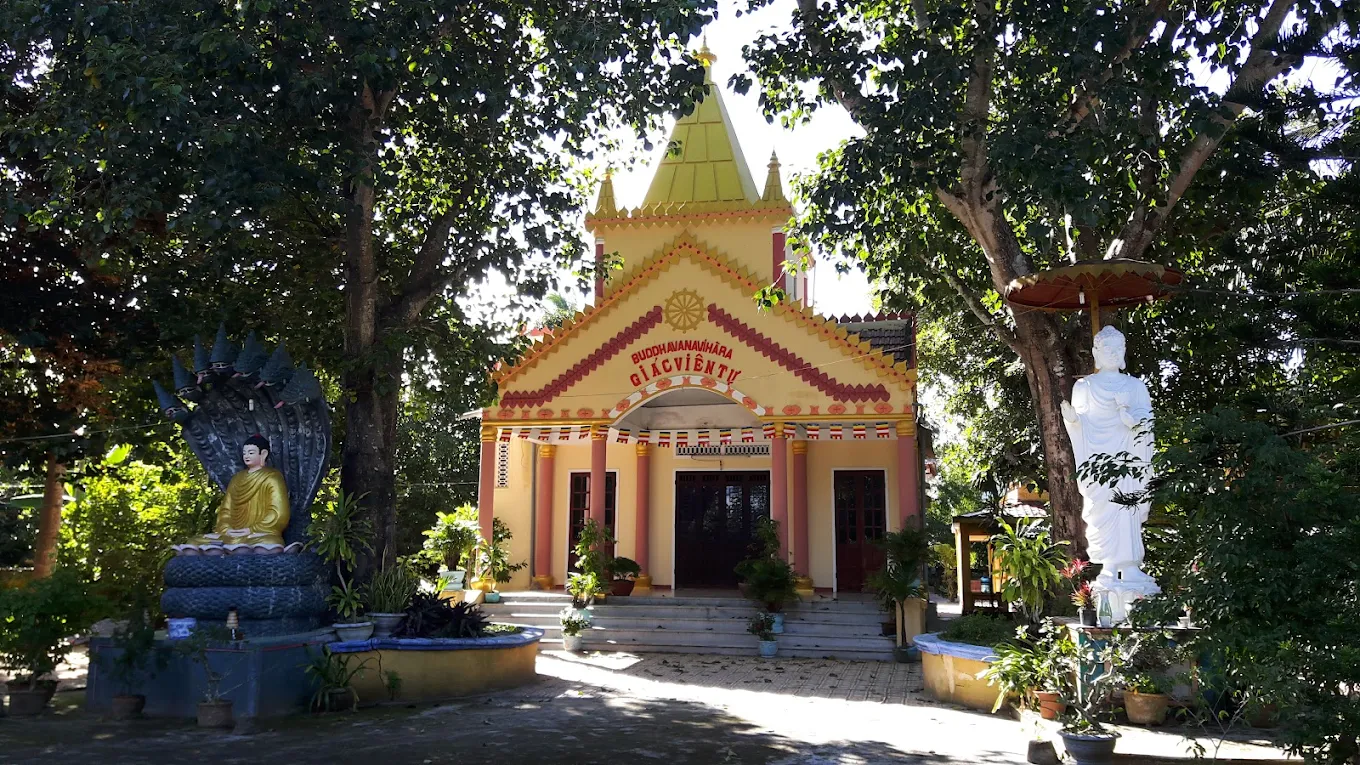
Origins and foundation
Giac Vien Pagoda was established in 1993 by Venerable Gioi Hy, after he returned from Hue with the intention of creating a place for Buddhist practice and spreading Theravada teachings in his hometown of Quang Nam. At that time, Thang Binh had very few Theravada Buddhist centers, so the pagoda quickly became an important spiritual space for local residents.
In its early days, the pagoda was modest in scale, primarily serving basic religious activities such as prayer, meditation, and teaching. Despite its humble beginnings, it gradually grew into a meaningful spiritual hub for the surrounding community.
Development and preservation over time
Over the years, Giac Vien Pagoda has been gradually expanded and improved in terms of facilities, while still maintaining its original simplicity and peaceful atmosphere. Any renovations or additions have been carried out in a way that respects traditional Theravada principles, avoiding excessive ornamentation or dramatic changes.
Beyond being a place of worship, the pagoda also serves as a center for various Buddhist activities, including chanting, teaching, and celebrating important religious festivals throughout the year. These activities not only support spiritual life but also help strengthen the sense of community, especially in this rural area.
Although it is not widely known on the mainstream tourist map, Giac Vien Pagoda continues to be cherished and preserved by local people as an important part of their cultural and spiritual life. This quiet resilience is what gives the pagoda its lasting value and makes it a meaningful destination for those interested in exploring Theravada Buddhism in Quang Nam.
Unique architecture of Giac Vien Pagoda
Unlike grand, elaborate temples you might find in major cities, Giac Vien Pagoda in Thang Binh stands out for its simplicity, tranquility, and strong connection to Theravada Buddhist traditions. Its architecture isn’t meant to impress with scale, but rather to create a peaceful, balanced space that blends naturally with the surrounding countryside.
Traditional Theravada Buddhist design
Giac Vien Pagoda follows the architectural style of Theravada Buddhism, which emphasizes simplicity, openness, and symbolic meaning. Compared to many Mahayana temples in Vietnam that feature layered roofs and intricate decorations, Theravada temples tend to have a more minimal and uncluttered design.
The pagoda often uses soft, calming colors such as yellow, white, and natural wood tones, creating a warm and serene atmosphere. Decorative elements are present but not overwhelming, allowing visitors to focus more on the spiritual experience rather than visual complexity.
Sacred spaces and Buddha statues
Inside the pagoda, the main hall is thoughtfully arranged with a statue of the Buddha placed at the center. You’ll find different representations of the Buddha in various postures, meditating, blessing, or teaching, each carrying its own meaning in Buddhist philosophy.
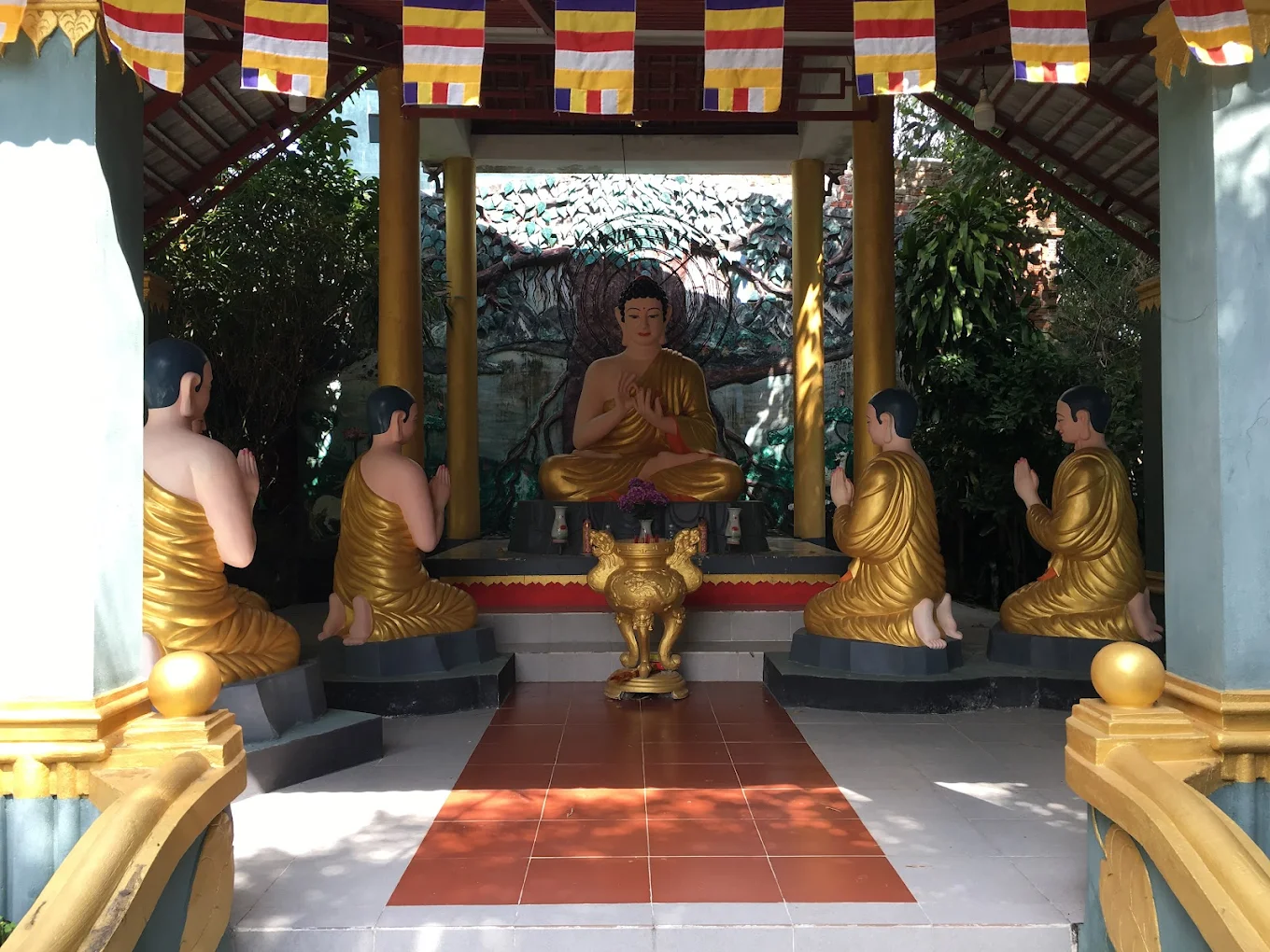
The worship space feels open and well-organized, without being crowded. This layout helps maintain a sense of calm and respect, making it an ideal environment for meditation, quiet reflection, or simply taking a break from the outside world. Natural light flowing into the space further enhances the peaceful atmosphere.
Harmony with nature
One of the most appealing aspects of Giac Vien Pagoda is how naturally it blends with its surroundings. The temple is set within a green, open environment, often shaded by trees and surrounded by fresh countryside air.
Rather than being enclosed or separated, the pagoda feels connected to the landscape. As you walk through the grounds, you’ll notice how the architecture doesn’t dominate nature but instead becomes part of it. This harmony creates a calming experience that’s hard to find in more crowded or commercialized places.
It’s this quiet simplicity and balance that give Giac Vien Pagoda its unique charm, making it not just a place of worship, but also a peaceful cultural retreat worth exploring.
Best time to visit Giac Vien Pagoda
Located in central Vietnam, Giac Vien Pagoda in Thang Binh (Quang Nam) is influenced by a tropical monsoon climate. Choosing the right time to visit can make a big difference, not only for travel convenience but also for the kind of experience you’ll have, whether it’s peaceful and quiet or vibrant during Buddhist celebrations.
Weather and seasonal tips
Quang Nam has two main seasons: the dry season and the rainy season, each offering a different experience.
The dry season lasts from around February to August, bringing sunny weather, clear skies, and easy travel conditions. This is the best time to visit, especially if you plan to explore the surrounding countryside by motorbike. However, during the peak summer months (May to August), temperatures can be quite high, so it’s best to visit early in the morning or late in the afternoon.
The rainy season, from September to January, creates a greener and more tranquil atmosphere. However, heavy rain and occasional storms may make travel more challenging, particularly on the smaller village roads leading to the pagoda. If you plan to visit during this time, checking the weather forecast in advance is highly recommended.
Festivals and special occasions
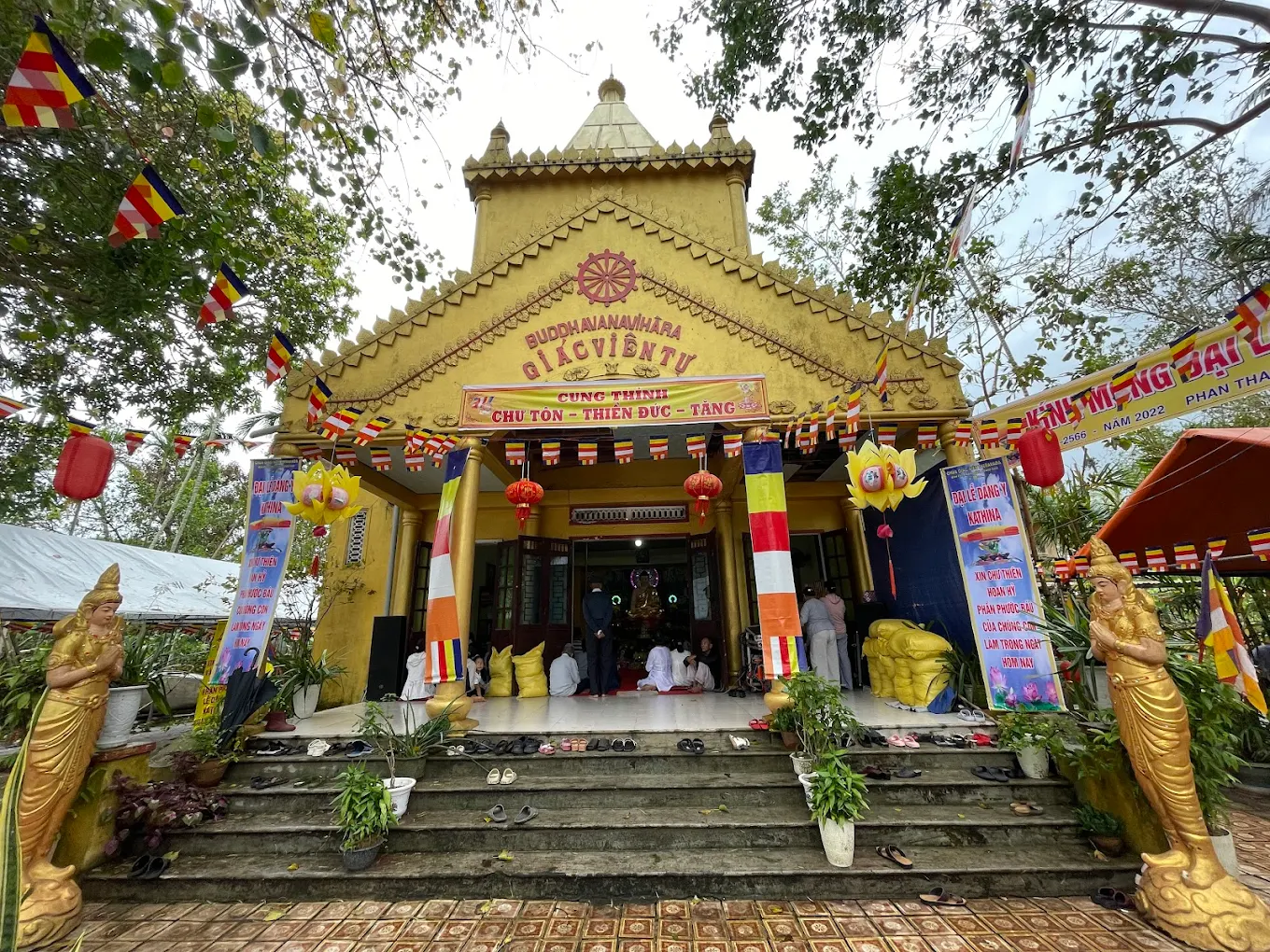
If you want to experience the spiritual life of the pagoda more deeply, visiting during major Buddhist festivals can be especially rewarding. These occasions bring a more lively yet still respectful atmosphere, with meaningful rituals and community activities.
- Vesak (Buddha’s Birthday) – 15th day of the 4th lunar month (usually May):
This is one of the most important celebrations of the year. The pagoda is often decorated with Buddhist flags, lanterns, and flowers. Activities may include Buddha bathing rituals, chanting ceremonies, Dharma talks, and prayers for peace. The atmosphere is both solemn and uplifting, attracting many locals and devotees. - Vu Lan Festival (Ghost Festival) – 15th day of the 7th lunar month (usually August):
This festival focuses on filial piety and remembrance of ancestors. At the pagoda, you may witness rose-pinning ceremonies, chanting for the deceased, and gratitude rituals dedicated to parents. The mood is often emotional and reflective, offering a deeper cultural insight into Vietnamese Buddhist traditions. - Full Moon and New Moon Days (monthly):
While smaller in scale, these days still see a steady flow of locals coming to pray and make offerings. If you want a more authentic yet less crowded experience, these occasions are a great choice.
Visiting during festivals allows you to observe traditional rituals and connect with local spiritual life. On the other hand, if you prefer a quieter and more meditative atmosphere, regular weekdays are ideal.
Visitor tips for Giac Vien Pagoda
To make the most of your visit while respecting the sacred atmosphere of Giac Vien Pagoda, it’s helpful to be aware of a few practical tips and cultural guidelines before you go.
Entrance fee and visiting hours
Giac Vien Pagoda does not charge an entrance fee, so visitors are free to explore and pay their respects. However, donations are always welcome as a way to support the temple and show appreciation.
The pagoda is generally open from around 6:00 AM to 6:00 PM, although exact hours may vary slightly since it is a local temple. The best times to visit are early morning when the air is fresh and the surroundings are especially peaceful, or late afternoon, when the softer light creates a calm and relaxing atmosphere.
Etiquette & Photography
When visiting a temple, respectful behavior and awareness of local customs will help you have a more meaningful experience while honoring the sacred environment.
- Dress appropriately: Wear modest clothing such as shirts with sleeves and pants or skirts below the knee. Avoid revealing or overly casual outfits.
- Be mindful of your behavior: Speak softly, walk quietly, and avoid disturbing others. Do not touch Buddha statues or sacred objects unless permitted.
- Photography: You can take photos around the pagoda grounds, and many visitors look up giac vien pagoda photos beforehand for inspiration. However, avoid using flash, and do not take photos too close to altars or during religious ceremonies.
- Respect worship and meditation: If you see monks or visitors praying, chanting, or meditating, observe from a distance and avoid interrupting.
- Ask before photographing people: If you want to take photos of monks or locals, it’s polite to ask for permission first.
These simple tips will not only help you enjoy your visit more but also contribute to preserving the peaceful and respectful atmosphere of Giac Vien Pagoda.
Nearby attractions around Giac Vien Pagoda
After visiting Giac Vien Pagoda, you can easily extend your trip by exploring several interesting destinations around Thang Binh and nearby areas. From peaceful beaches to cultural landmarks, this region offers a variety of experiences that can make your journey more complete and memorable.
Binh Minh Beach
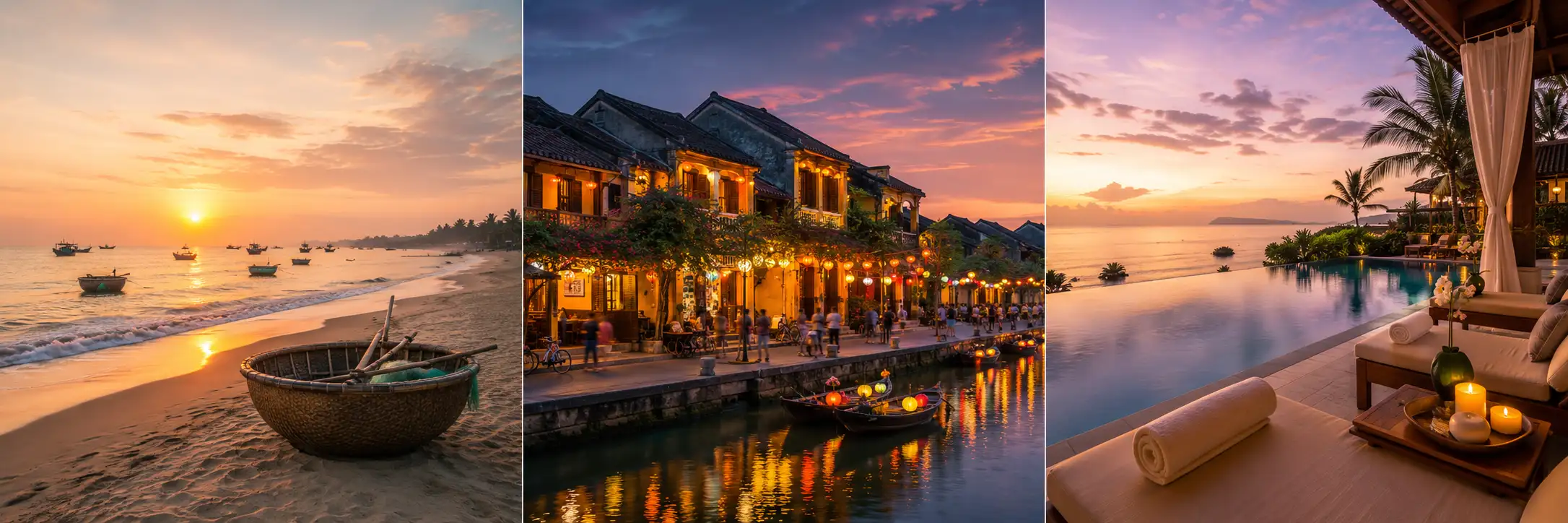
Located about 10–15 km from the pagoda, Binh Minh Beach is a great spot if you’re looking to relax by the sea after your temple visit. Unlike more crowded tourist beaches, it retains a raw, unspoiled charm with a long stretch of sand, clean water, and a very quiet atmosphere.

You can visit early in the morning to catch the sunrise, take a walk along the shore, or enjoy fresh seafood at small local eateries nearby. If you’re looking for a more complete getaway, consider staying at Bliss Hoi An Beach Resort & Wellness – a nearby beachfront resort known for its peaceful setting, ocean views, and wellness-focused services, perfect for relaxing after a day of exploring.
Hoi An Ancient Town – A UNESCO Cultural Heritage Site
If you’d like to combine your trip with a well-known destination, Hoi An Ancient Town is about 25–30 km away and definitely worth visiting. It’s famous for its lantern-lit streets, preserved architecture, and rich cultural atmosphere.
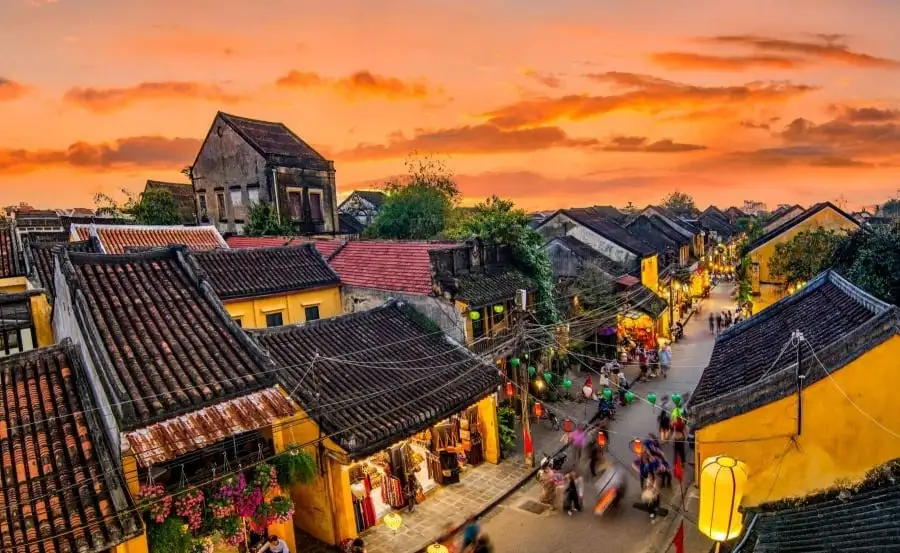
While in Hoi An, you can explore historic houses, temples, and assembly halls, enjoy local cuisine, or take part in activities like releasing lanterns on the river in the evening. The lively and colorful vibe here creates a nice contrast to the calm, quiet setting of Giac Vien Pagoda.
Tam Ky
About 15–20 km south of the pagoda, Tam Ky is the provincial capital of Quang Nam and offers a more local, everyday experience. It’s a convenient place to find restaurants, coffee shops, and accommodation. Tam Ky is also home to the Tam Thanh Mural Village, where colorful wall paintings transform the village into an open-air art space, offering visitors a unique cultural and artistic experience.
Tam Thanh Beach

Near Tam Ky, Tam Thanh Beach is another destination that blends natural beauty with artistic expression. Alongside its scenic coastline, the area is known for its mural village, where houses are painted with vibrant artwork, creating a lively and highly photogenic environment. Here, you can stroll through the village, take photos, interact with locals, or simply enjoy the slow pace of coastal life in central Vietnam.
Read more: Tam Thanh beach – A fascinating destination for your summer trip
If you’re looking for a place that reflects both spiritual depth and local heritage, Giac Vien Pagoda offers a quiet yet meaningful stop in your journey. Beyond its architecture, the pagoda carries a sense of calm that invites visitors to slow down and appreciate a more peaceful side of Central Vietnam. Whether you come for cultural exploration or a moment of reflection, Giac Vien Pagoda adds a gentle, authentic touch to any itinerary in Quang Nam.

Related Posts
Things to Do Near Bliss Hoi An: A Practical Guide from Binh Minh Beach
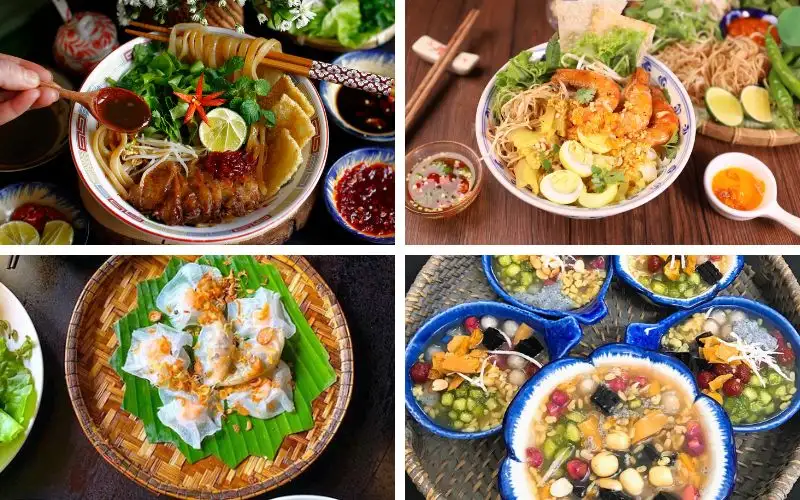
What to Eat in South Hoi An: A Local Food Guide Beyond the Ancient Town
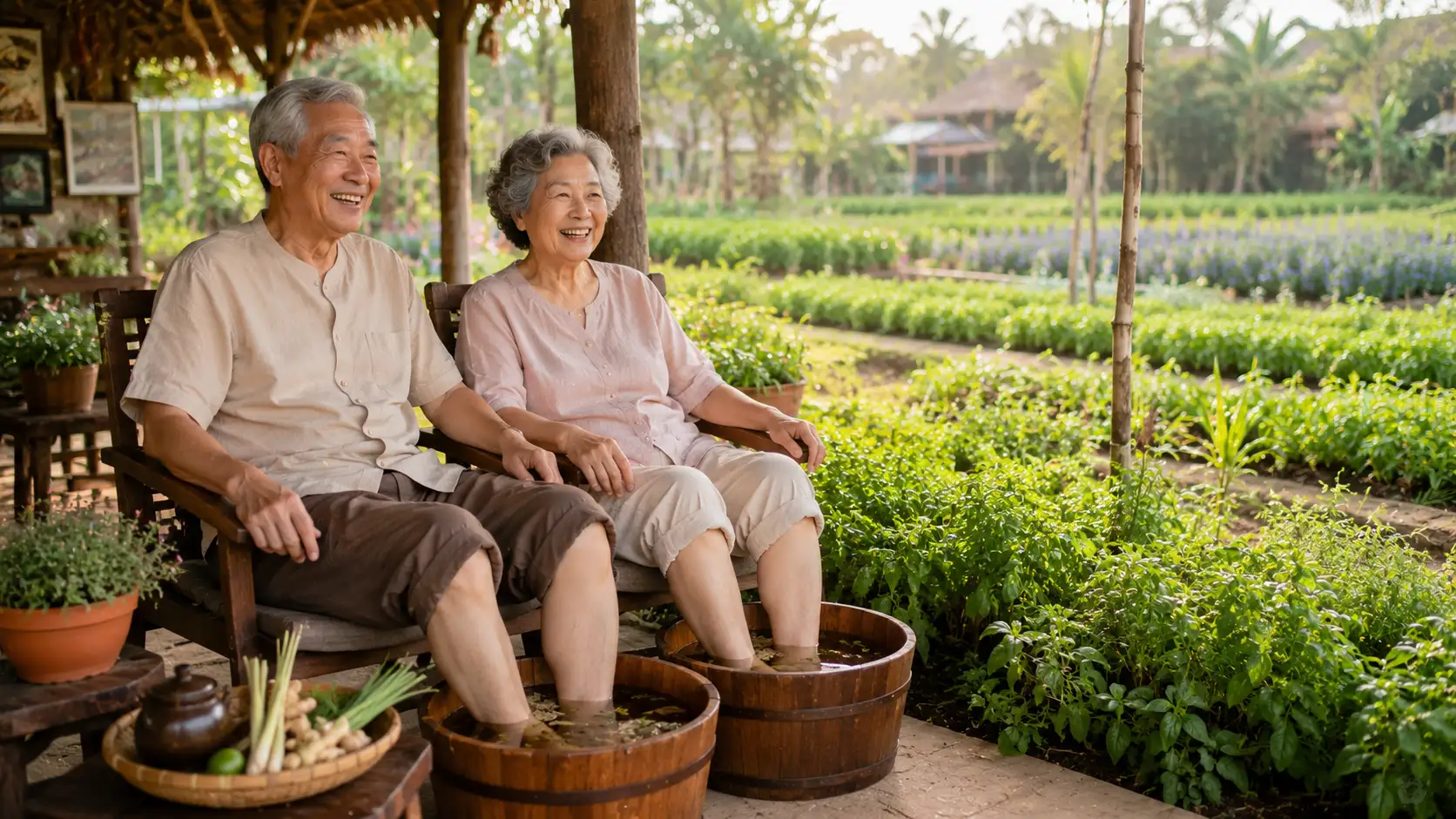
Common Mistakes When Visiting Hoi An With Elderly Parents
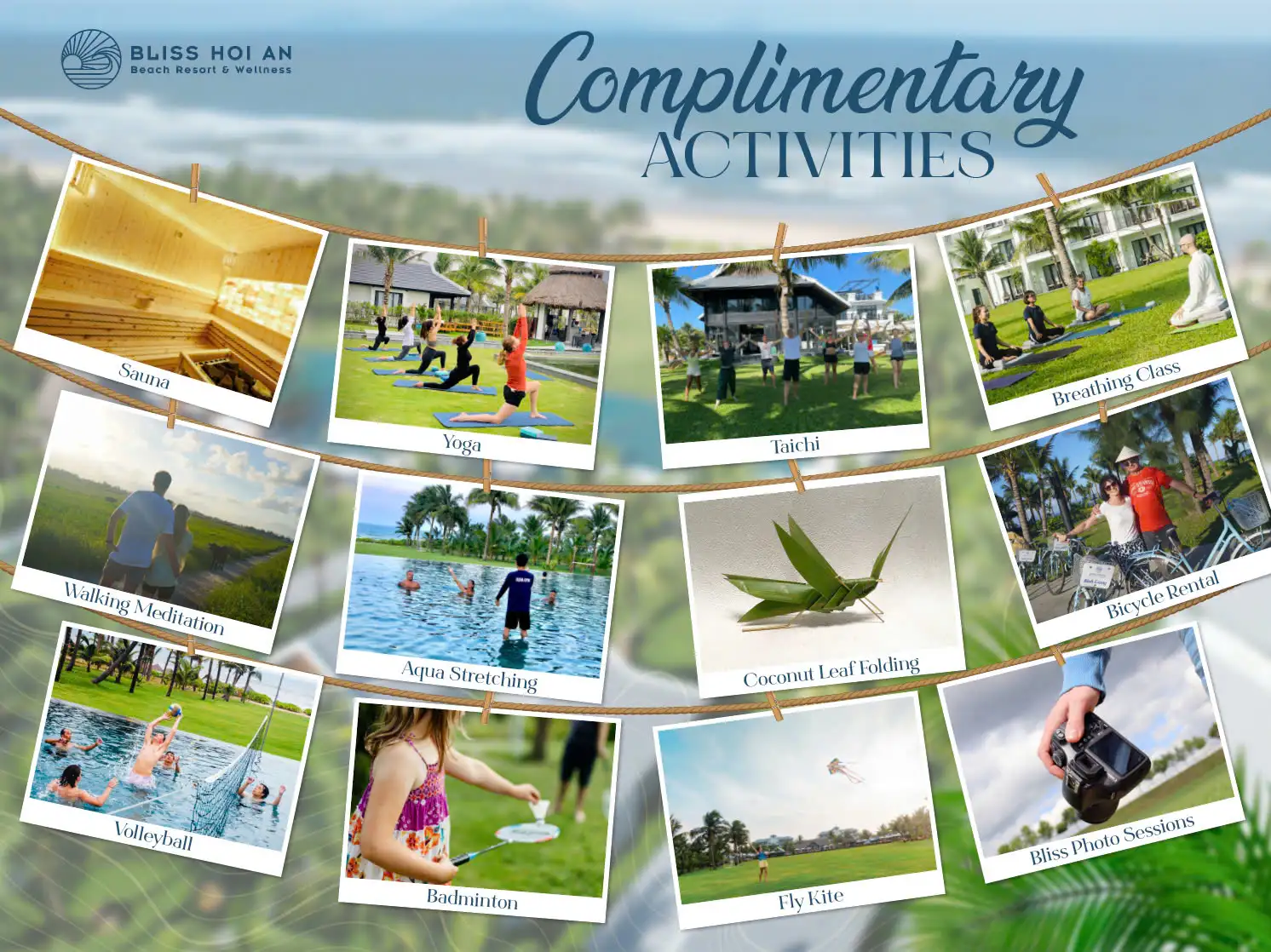
8 Common Mistakes That Can Ruin a Relaxing Holiday in Hoi An

Slow Travel in Hoi An: A Relaxed Family Guide for Every Generation