
8 Common Mistakes That Can Ruin a Relaxing Holiday in Hoi An

Hoi An is often described as a peaceful destination, with quiet mornings, beaches, rice fields and a charming Ancient Town. However, a holiday here can still become tiring if you try to fit too many places and activities into a short stay. Many travelers spend only two or three days in the area but attempt to visit Hoi An Ancient Town, Ba Na Hills, Hue and the beach. They also fill their schedule with cooking classes, cafés, restaurants and shopping stops. As a result, they spend more time travelling and checking the time than actually relaxing.
A relaxing holiday in Hoi An does not require you to avoid sightseeing. The key is to choose fewer activities, visit them at suitable times and leave enough space for the beach, the pool or an unhurried meal. Below are the most common planning mistakes that can make a peaceful Hoi An trip feel unnecessarily busy.
1. Trying to Visit Hoi An, Hue and Ba Na Hills in Two Days

One of the most common planning mistakes is treating Central Vietnam’s major attractions as though they were located within the same compact sightseeing area. Hoi An, Hue and Ba Na Hills can certainly be combined in a longer itinerary, but attempting to cover all three in two days creates hours of transfers, early departures and very little time to enjoy each destination. Ba Na Hills alone is located approximately 35 kilometres southwest of central Da Nang and sits at an elevation of around 1,487 metres. A visit normally involves road travel, cable-car journeys, queues and extensive walking rather than a brief stop on the way to somewhere else.
Hue also deserves more than a hurried photograph outside the Imperial City before returning to Hoi An. The transfer, sightseeing and return journey can occupy most of the day.
For a two-night holiday, remain in Hoi An and its immediate surroundings. With three or four nights, choose either Hue or Ba Na Hills as one major day trip. Travelers staying five nights or longer can include both, provided that a quieter day is placed between them.
The purpose is not to see less for the sake of it. It is to leave enough time to experience each place without spending the entire holiday watching the clock.
2. Assuming the Ancient Town Is Always the Most Relaxing Place to Stay

Hoi An Ancient Town is the cultural centre of the destination and remains an exceptionally well-preserved example of a Southeast Asian trading port from the 15th to the 19th centuries. Its historic buildings, street plan and mixture of local and international influences are central to Hoi An’s UNESCO World Heritage status.
However, cultural importance does not automatically make the busiest part of town the best base for every traveler. Staying close to the heritage centre is convenient for evening walks, restaurants and shopping. It can also mean more pedestrian traffic, tour groups, street noise and temptation to remain out from morning until late at night. For travelers whose main priority is rest, it may be better to visit the Ancient Town for a few carefully chosen hours rather than sleep in its busiest streets.
A beachfront base south of central Hoi An creates a clearer separation between sightseeing time and recovery time. Bliss Hoi An Beach Resort & Wellness, for example, is located beside Binh Minh Beach in a quieter coastal setting. The resort currently provides a complimentary shuttle to the Ancient Town, with the published journey time stated as approximately 20 minutes. This arrangement allows guests to spend an afternoon or evening in the heritage centre before returning to the sea rather than remaining surrounded by the busiest visitor areas throughout the stay.

The practical lesson is not that travelers should avoid the Ancient Town. They should decide whether they want to live inside the activity or visit it selectively.
3. Planning Activities From Morning to Night
A relaxing itinerary still needs some structure, but it should not assign a task to every available hour. Travelers often begin with a reasonable plan and gradually add cooking classes, tailoring appointments, bicycle tours, lantern workshops, cafés, river cruises and restaurant reservations. None of these activities is particularly exhausting on its own. Together, they remove all the space that makes a holiday feel unhurried.

A useful rule is to schedule only one main activity during each half of the day. The rest of the time should remain flexible. A morning bicycle ride could be followed by lunch and several hours at the pool. An afternoon in the Ancient Town does not also need to include a cooking class, sunset cruise and three separate cafés. A beach morning can simply remain a beach morning rather than becoming the starting point for another cross-city itinerary.
Travelers should also avoid treating rest as the time left over after every attraction has been fitted in. Pool time, reading, sleeping late or having a long lunch should be planned as deliberately as any tour.
4. Visiting the Beach at the Wrong Time

Hoi An’s coastline can be one of the most restorative parts of the trip, but the experience changes significantly throughout the day and across the seasons. From May to August, Hoi An can be particularly hot. Vietnam’s official tourism website specifically advises travelers to expect high temperatures during this period, although the beach can provide relief from the heat. The mistake is arriving at the beach around midday and expecting the same comfortable conditions found shortly after sunrise or later in the afternoon. Strong sun, hot sand and limited natural shade can quickly turn a relaxing plan into an uncomfortable one.
Early morning is generally better for walking, swimming and watching local coastal life before the temperature rises. Late afternoon works well for a slower swim or a drink near the water. The middle of the day is better reserved for lunch, a spa treatment, a nap or time indoors. Sea conditions should also be considered separately from the weather. A clear sky does not always mean calm water. Guests should follow safety flags, local warnings and resort staff guidance rather than entering the sea simply because it was included in the day’s plan.
5. Underestimating the Heat and Humidity
Many travelers plan their Hoi An itinerary according to distance alone. A location may appear close on a map, but walking between attractions under strong sun and humidity can require considerably more energy than expected. Vietnam’s official tourism guidance warns that the country can be hot and humid, with risks including sunburn, dehydration and heat exhaustion. Regular sunscreen use, sufficient water and breaks away from direct sun are recommended, particularly in beach destinations.
This matters most when travelers schedule outdoor activities continuously from late morning into the afternoon. Walking through the Ancient Town, cycling through the countryside and visiting the beach may seem like three gentle activities. When completed back to back during the hottest part of the day, they become physically demanding.
A better rhythm is to place outdoor activities in the morning or later afternoon. Use the middle of the day for a slow meal, an indoor visit, spa time or rest at the hotel. Breathable clothing, a hat and water should be treated as basic planning rather than optional extras.
Travelers visiting during the wetter months should build flexibility into the itinerary as well. Hoi An generally receives more rain toward the later part of the year, so a rigid outdoor schedule may create unnecessary frustration when weather conditions change.
6. Treating Every Meal as Another Place to Tick Off
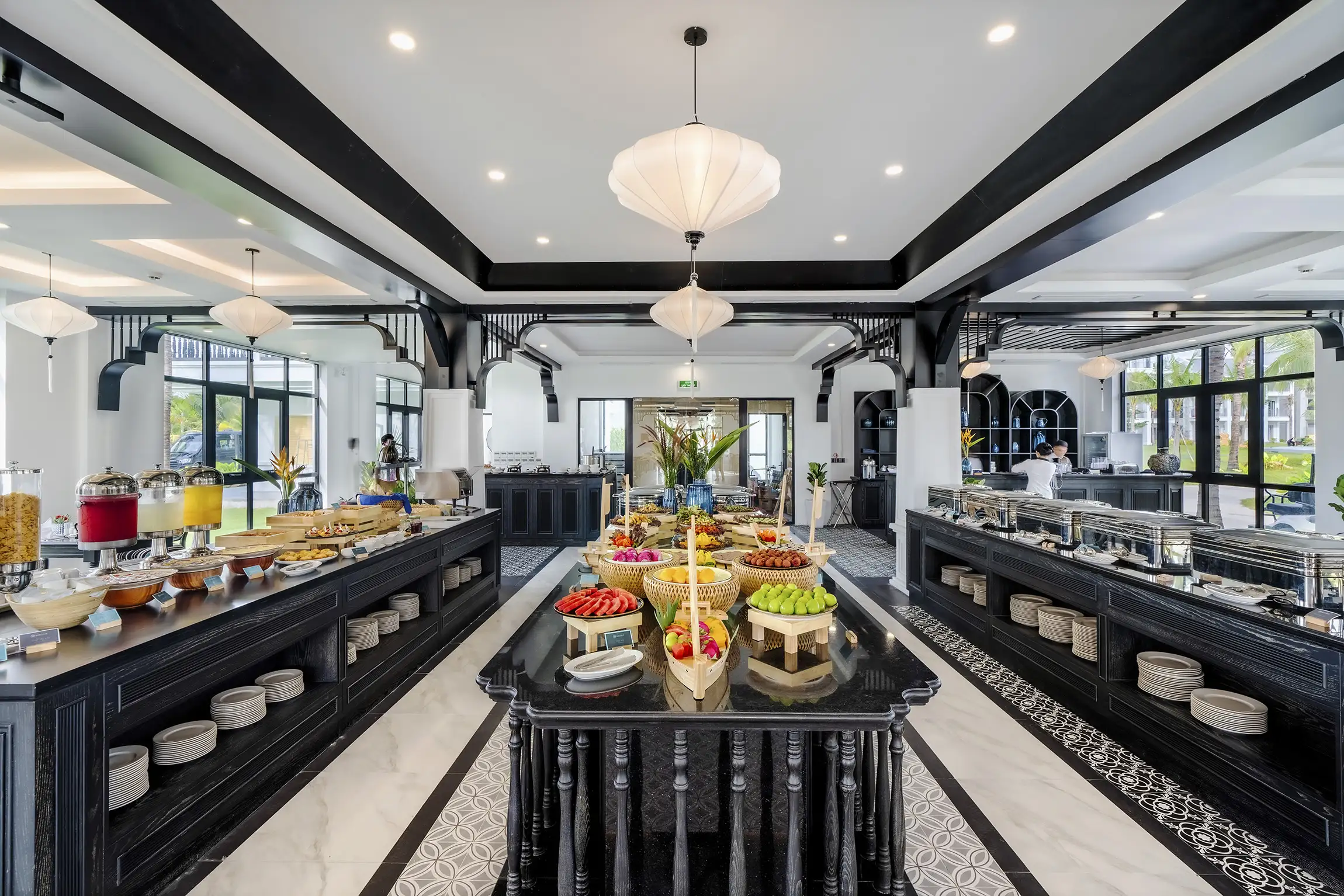
Hoi An has enough well-known dishes, restaurants, markets and cafés to fill an entire food-focused itinerary. Trying to visit every recommended address, however, can make meals feel like appointments.
Travelers often cross town for breakfast, return to another neighbourhood for lunch and then rush back to the Ancient Town for a dinner reservation. By the third day, much of the holiday has been spent arranging transport and checking opening times.
A more relaxed approach is to choose one or two meals that are genuinely important and allow the others to remain convenient. Eating at the hotel or resort is not a failure to experience local cuisine, particularly when the restaurant itself focuses on regional food.
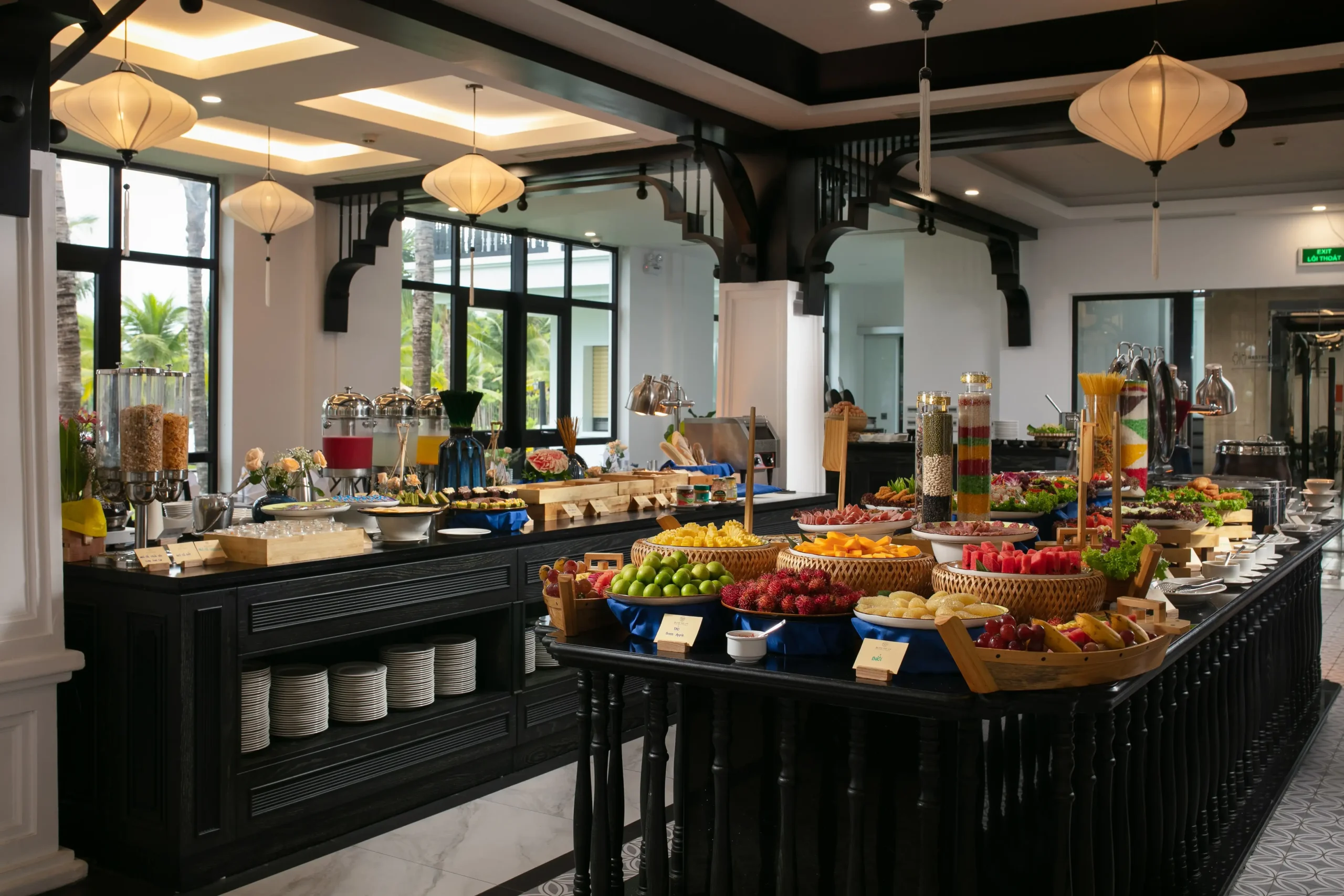
Binh Minh Restaurant at Bliss Hoi An is one practical option for guests who do not want to leave the resort for every meal. The restaurant currently presents Vietnamese and Central Vietnamese flavours, with published opening hours from 06:30 to 22:00. Its location within the resort makes it possible to have a slow breakfast, return for lunch after the beach or remain on the property for dinner after a full day out.
This does not mean spending the entire holiday inside the resort. It simply removes unnecessary travel from days when rest is the priority.
7. Choosing a Room Based Only on the Lowest Price
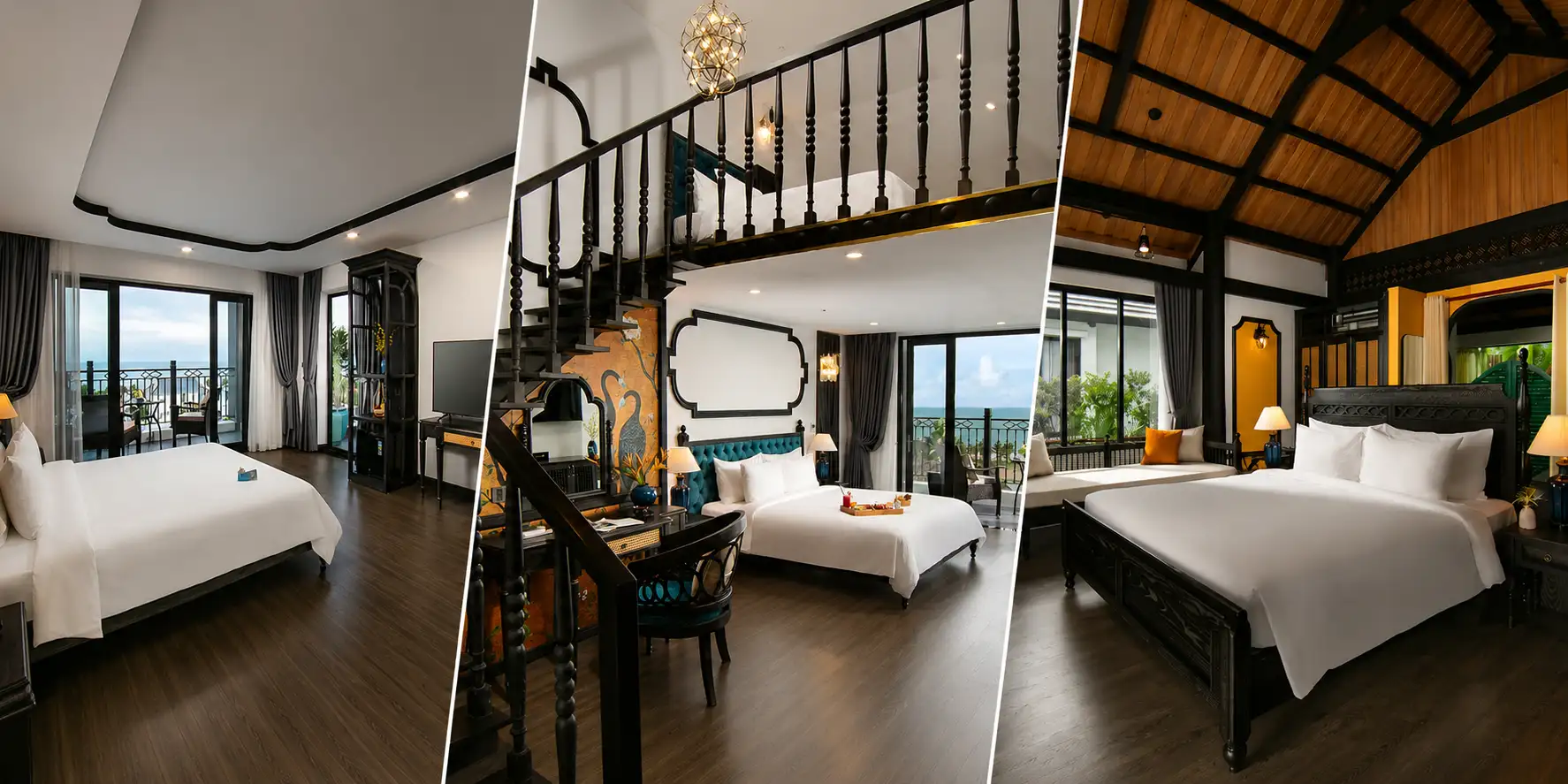
Accommodation is sometimes treated as little more than a place to sleep. On a sightseeing-heavy city break, that approach may be sufficient. On a relaxing holiday, the room and its surroundings are part of the experience.
A couple who expects to spend long periods on the balcony may value an elevated sea view more than proximity to reception. Parents traveling with children need a layout that provides enough space and suitable sleeping arrangements. Friends or a multi-generational family may require separate bedrooms rather than several additional beds placed in one room. Bliss Hoi An currently lists six principal accommodation categories across its room and villa collection: Deluxe Room, Ocean Deluxe Room, Family Suite, Indochine, Beachside Bungalow and Two-Bedroom Pool Villa.
| Travel style | Suitable option | Why it may work |
| Couple seeking a comfortable base | Deluxe Room | Double or twin configuration, balcony and bathtub |
| Couple prioritising a sea view | Ocean Deluxe Room | Higher-floor location, sea-facing balcony and bathtub |
| Couple wanting more privacy | Beachside Bungalow | Designed for two guests, close to the sea with a more private layout |
| Family of up to four adults | Family Suite | Double and twin sleeping arrangements with a duplex-style layout |
| Family or small group wanting separate rooms | Two-Bedroom Pool Villa | One king bed, two single beds, two bedrooms and a private pool |
Read more: Bliss Hoi An Accommodation
The resort’s official room pages confirm that the Ocean Deluxe Room includes an outdoor balcony and sea view, while the Beachfront Bungalow is intended for two guests and faces the coast. The Family Suite accommodates up to four adults, and the Two-Bedroom Pool Villa includes separate bedrooms and a private swimming pool.
The best room is therefore not necessarily the most expensive category. It is the one that removes friction for the people sharing the holiday.
8. Ignoring Recovery Days
Travelers sometimes assume that a day without an excursion is a wasted day. In reality, recovery days are what prevent a longer itinerary from becoming exhausting. After a full day in Hue or Ba Na Hills, avoid scheduling another early departure the following morning. Sleep later, have a long breakfast and allow the day to develop gradually. A swim, massage, café visit or short evening trip into the Ancient Town may be enough.
The same principle applies to arrival and departure days. A late-afternoon arrival does not require an immediate trip into town. The final morning does not need one last attraction squeezed in before checking out. Recovery time is especially important for families with young children, older travelers and anyone arriving after a long international journey. Different members of the group may recover at different speeds, so leaving several hours unplanned reduces the pressure to keep everyone moving together.
A More Relaxing Four-Day Rhythm in Hoi An
A four-day holiday can still include culture, food and the coast without becoming empty or repetitive.
- Day 1: Arrive, check in and remain close to the accommodation. Have dinner nearby and avoid making the first evening dependent on a fixed reservation.
- Day 2: Spend the morning slowly, then visit the Ancient Town in the afternoon or early evening. Choose a small number of historic buildings and streets rather than attempting to cover every attraction.
- Day 3: Select one main experience, such as a countryside bicycle ride, cooking class or longer excursion. Do not add a second major activity simply because there is free space on the schedule.
- Day 4: Keep the day largely unscheduled. Use the beach in the morning, have a long lunch and reserve the afternoon for the pool, spa or room balcony.
This rhythm leaves enough structure to prevent indecision while preserving the flexibility that a relaxing holiday requires.

A relaxing holiday in Hoi An does not mean avoiding the Ancient Town, restaurants, cultural experiences or day trips. It means choosing them carefully enough that they do not compete with one another. Limit the number of major excursions, stay somewhere that supports quiet time and plan around the heat rather than fighting it. Leave several hours each day without a booking.
For travelers who prefer to separate sightseeing from rest, Bliss Hoi An Beach Resort & Wellness provides a beachfront base at Binh Minh Beach, accommodation ranging from couple-friendly rooms to family suites and pool villas, dining at Binh Minh Restaurant and shuttle access to the Ancient Town. The value is not simply having more facilities. It is being able to enjoy Hoi An without needing to leave the resort every time you want to eat, rest or spend time by the sea.

Related Posts

Things to Do Near Bliss Hoi An: A Practical Guide from Binh Minh Beach

What to Eat in South Hoi An: A Local Food Guide Beyond the Ancient Town

Common Mistakes When Visiting Hoi An With Elderly Parents

Slow Travel in Hoi An: A Relaxed Family Guide for Every Generation

Temple Tour in Hoi An: A Peaceful Half-Day Itinerary Through Historic Pagodas and Sacred Sites