

Cham island snorkeling 2026 guide: Best places to go
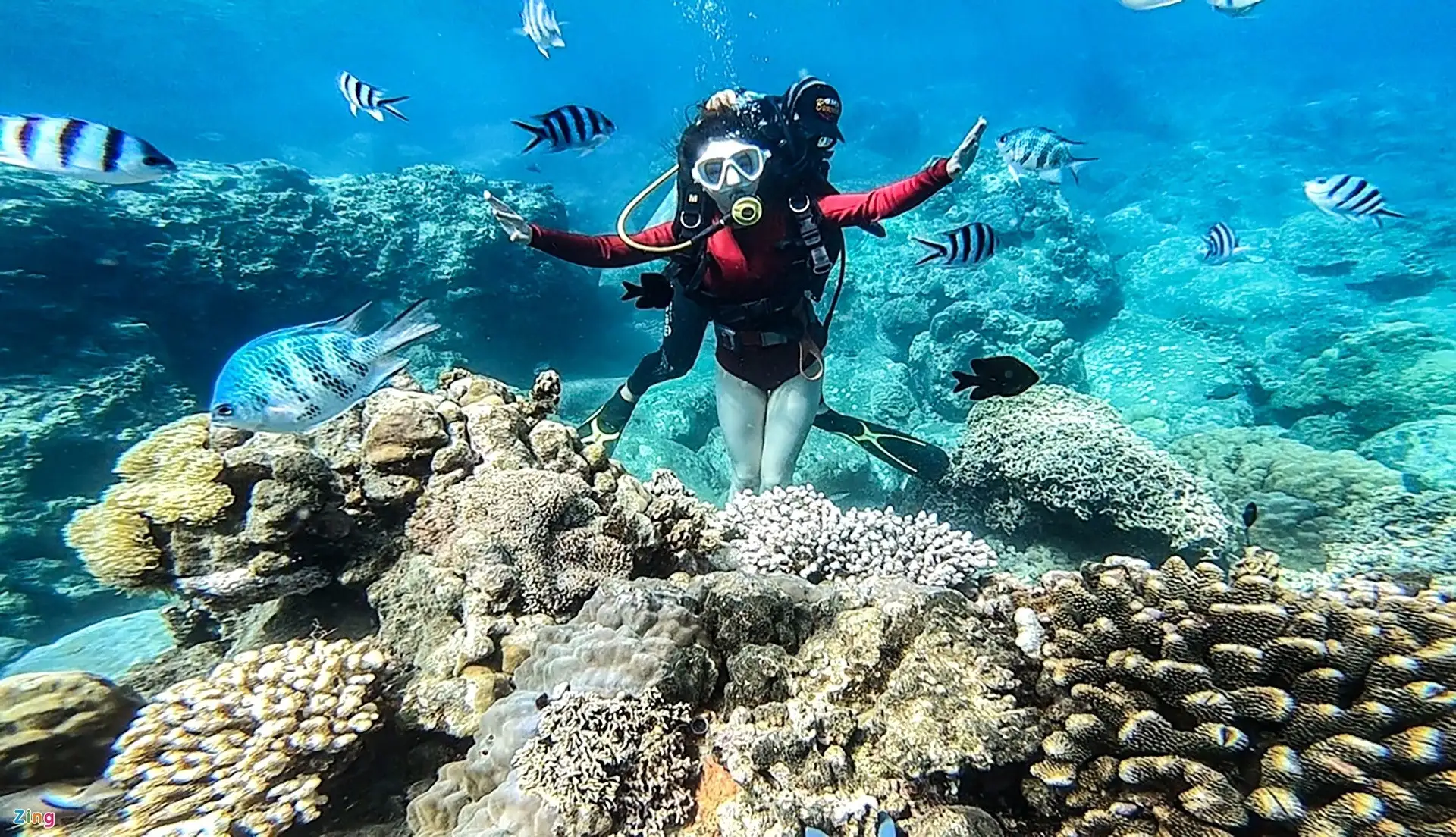
Have you ever dreamed of exploring the mysterious beauty under the ocean? If so, Cu Lao Cham is the ideal destination for you. Cham islands snorkeling is an exciting experience that takes you to the colorful world of coral reefs and unique fish species. Join us in this wonderful discovery and experience the magical feeling of immersing yourself in the vast ocean!
What is attractive about Cham islands snorkeling?
Cham island (also known as Chiem Bat Lao) is an island cluster with 1 main island and 8 small surrounding islands. This is an island area of about 15km2, located in Hoi An city, Quang Nam province. Cu Lao Cham is one of the important marine reserves of Vietnam with an extremely diverse and rich marine ecosystem including 277 species of coral, 250 species of fish and 97 species of mollusks.
Cham islands snorkeling will give you the opportunity to explore beautiful coral reefs and strange marine creatures. This is not only a recreational activity but also an exciting discovery experience. You will learn about marine creatures, learn about the marine ecosystem, and have the opportunity to experience new feelings. Cham island diving Hoi An will definitely be an unforgettable memory in your life.
Read more: Cham islands Weather: When the best time to visit there
How to get to Cham island
Cham Islands is a cluster of islands located off the coast of Quang Nam Province, about 15–20 km east of Hoi An Ancient Town. It is a popular destination thanks to its unspoiled beauty, crystal-clear waters, and rich marine ecosystem.
The area has been recognized as a World Biosphere Reserve by UNESCO, featuring coral reefs, seagrass beds, and a wide range of rare marine species. With such ideal natural conditions, it has become one of the top spots for snorkeling and diving in Central Vietnam.
To start your cham island snorkeling trip, travelers usually head to Cua Dai Port (Hoi An), where you can choose between two main transportation options:
- Speedboat (cano): This is the most popular option, taking only about 15–20 minutes to reach the island. It’s fast, convenient, and ideal for most day-trip visitors.
- Wooden boat (slow boat): This option takes longer, 1.5 -2 hours, and is better suited for those who want a more traditional sea travel experience or are looking to save money.
In terms of cost, a full-package tour from Hoi An or Da Nang typically ranges from 450,000 to 800,000 VND per person, including speedboat transfer, entrance fees, lunch, and snorkeling activities. If you travel independently, you can purchase a speedboat ticket separately at a lower cost, but you will need to arrange other services on your own. From Da Nang, you can travel to Hoi An by taxi or motorbike (around 40–50 minutes), then continue your journey to the islands from there.
Snorkeling vs other ocean activities in Cham island
When exploring the ocean at Cham Islands, snorkeling is the most popular choice thanks to its simplicity and accessibility. However, there are also scuba diving and sea walking, each offering a different level of experience, from basic to more immersive. Understanding these differences will help you choose the activity that best matches your preferences and comfort level.
Best spots for snorkeling in Cham Island
Cham Islands is home to one of the richest marine ecosystems in Central Vietnam, with over 300 species of coral and a wide variety of tropical fish. Each snorkeling in cham island spot offers different conditions in terms of depth, visibility, coral density, and crowd levels. Below is a detailed breakdown of the most popular and worthwhile locations.
Hon Nhon
Hon Nhon is located off the southeastern side of the island cluster, about 10–15 minutes by speedboat from the main island (Hon Lao). This is considered one of the best snorkeling and diving spots thanks to its relatively untouched environment. The underwater terrain slopes gradually from 2–3m down to 6–8m, creating multiple ecological layers.
Here, you’ll find dense hard corals such as table and branching corals, along with colorful soft corals. Marine life is abundant, including butterflyfish, parrotfish, damselfish, and occasionally larger schools of fish further offshore. During the best season, underwater visibility can reach 15–20m.
- Depth: 3 – 8m
- Visibility: 15 – 20m
- Current: light to moderate
- Highlights: pristine coral reefs, fewer tourists
Bai Xep
Located on the southern side of Hon Lao, Bai Xep is widely regarded as the most beginner-friendly snorkeling spot. The seabed slopes gently, and coral reefs start appearing just 10–30m from the shore. With shallow water ranging from 1.5 – 3m, sunlight easily penetrates, making coral colors especially vibrant.
Coral density here is high, dominated by branching and massive corals. Small, colorful fish are easy to spot, making it an ideal “first snorkeling” experience. The water is usually calm with minimal waves.
- Depth: 1.5 – 3m
- Visibility: 10 – 15m
- Coral distance: 10 – 30m from shore
- Highlights: easy access, vibrant coral colors
Bai Ong
Bai Ong is located on the western side of the island, near the main pier and residential area. It is often the first stop in most tours. While not the richest in coral, it serves as a great introduction to snorkeling. The seabed is relatively flat, with depths of 2 – 4m.
Coral formations are scattered and typically found 30–50m from shore. Due to boat traffic, water clarity here is slightly lower compared to more remote spots.
- Depth: 2 – 4m
- Visibility: 8 – 12m
- Coral distance: 30 – 50m from shore
- Highlights: convenient location, easy access
Bai Bim
Bai Bim is a quieter, less-visited area located further from the main tourist zones. It is often included in private or more specialized tours. The underwater terrain features a mix of rocks and large coral formations, creating natural habitats for marine life.
With depths ranging from 3 – 5m, the water remains relatively stable and clear. Coral structures here are larger and healthier, with fewer signs of damage compared to busier areas.
- Depth: 3 – 5m
- Visibility: 10 – 15m
- Terrain: rocky seabed with large coral clusters
- Highlights: peaceful setting, healthy coral
Bai Chong
Bai Chong is located on the northern side of Hon Lao and is known for its scenic beach and coconut trees. It is commonly used as a lunch stop during tours. Snorkeling areas are typically farther offshore, about 40–70m from the beach, with depths of 3 – 6m.
The underwater landscape includes rocks, crevices, and coral patches, attracting a wider variety of fish, including some larger species. While coral density is moderate, biodiversity is quite high.
- Depth: 3 – 6m
- Visibility: 10 – 15m
- Coral distance: 40 – 70m from shore
- Highlights: diverse marine life, scenic surroundings
In addition to the main locations above, there are several lesser-known spots around Cham Islands that are sometimes included in extended or private tours. Areas like Bai Huong, Bai Lang, and smaller offshore islets offer decent snorkeling conditions, especially during calm weather. While these spots may not always match the coral density of Hon Nhon or Bai Xep, they provide a more local, less crowded experience and can be great alternatives if you want to explore beyond the typical snorkeling in cham island route.
When is the best time for Cham island snorkeling?
The best time for cham island snorkeling at Cham Islands is not only about good weather, but also about water clarity and coral visibility.
The ideal period runs from March to September, when the region enters the dry season. During this time, the sea is calm, waves are minimal, and sunlight is strong enough to penetrate deep underwater. As a result, visibility can reach 10 – 20 meters, creating perfect conditions for spotting coral reefs and marine life.
More specifically, April to July is considered the peak window for the best snorkeling experience. After the rainy season, sediment in the water has settled, making the sea exceptionally clear. Coral reefs appear more vibrant, colors are sharper, and fish activity is noticeably higher around the reefs. This is when you’re most likely to see healthy, colorful coral instead of dull or low-visibility conditions.
In addition, the best time of day for snorkeling is typically in the morning (8:00 AM – 11:00 AM), when sunlight is optimal and the water surface is less disturbed by boats. This small detail can significantly improve your overall experience.
On the other hand, it’s best to avoid visiting from October to February, which is the rainy and rough sea season in Central Vietnam. Strong winds and waves reduce visibility to around 5 – 8 meters or even lower after heavy rain. Even though coral is still present, it becomes much harder to see, and many snorkeling tours may be canceled due to unsafe conditions.
Notes for Cham islands snorkeling in coral viewing
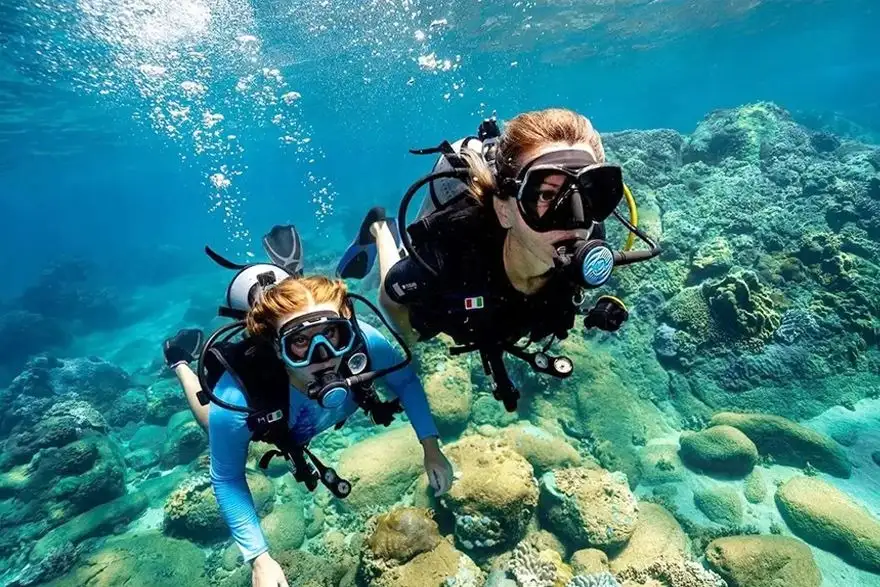
Cu Lao Cham with its beautiful natural landscape and diverse ecosystem is an ideal destination for those who love coral viewing. However, to have a great experience and protect the environment, you should pay attention to the following:
- Before joining a coral viewing tour, research and choose reputable travel companies. These companies will ensure that you are guided by experienced guides, have safe equipment, and ensure environmental protection procedures.
- When going coral viewing, you need to prepare appropriate swimming costumes. In addition, do not forget to bring diving goggles, masks, and snorkels or use the equipment provided by the tour company.
- Although coral viewing is an interesting activity, you need to pay attention to personal safety. Make sure you know how to swim and always dive in a group. If you are not used to diving, stay close to the shore and do not stray far from the group to avoid dangerous situations.
- When viewing coral, you may encounter some marine animals such as fish, starfish, or jellyfish. Be careful and avoid touching them, as some species can cause injury or allergic reactions.
- During the tour, make sure you do not litter the sea. Bring a trash bag to dispose of trash properly.
- Check the weather forecast before participating in coral viewing activities. During storm season or bad weather, you should consider postponing your trip to ensure your safety.
Read more: How to get to Cham islands: A complete guide for all visitors
FAQs when you join Cham islands snorkeling in coral viewing?
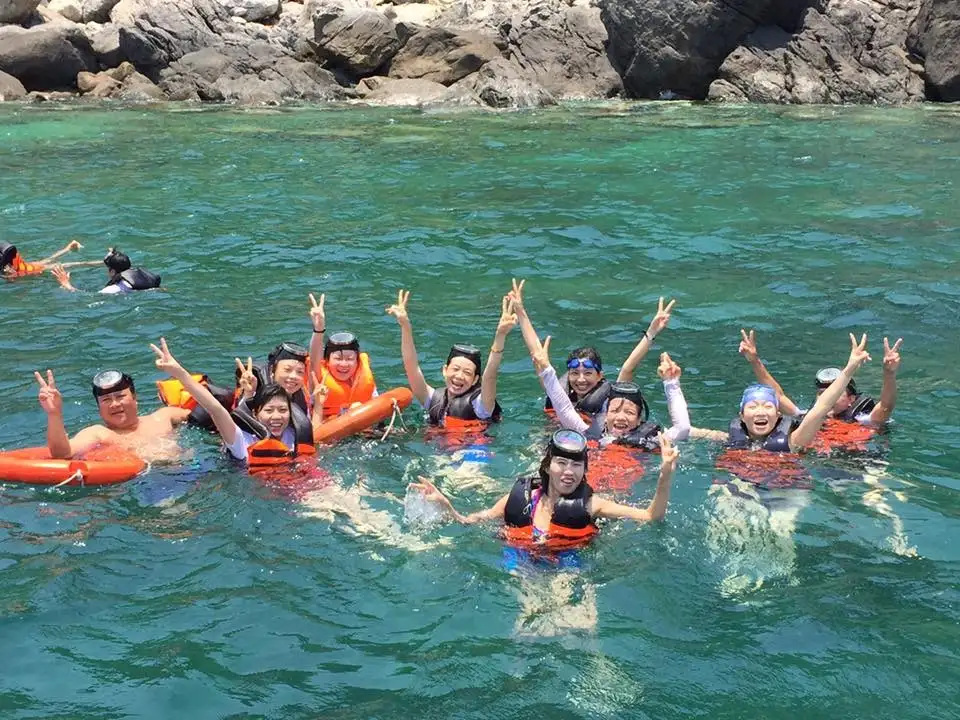
Below are some frequently asked questions about Cham islands snorkeling that you may be interested in:
What season is suitable for Charm islands snorkeling?
The best time to experience scuba diving in Cu Lao Cham is from March to August every year. During this time, the sea is calm and the water is clear, allowing you to clearly observe the coral reefs and marine life. In addition, the weather is also favorable for outdoor activities, helping you enjoy the trip to the fullest.
How much does a diving ticket cost in Cu Lao Cham?
Each form of coral diving in Cu Lao Cham will have different prices, specifically:
- Snorkeling: 150,000 VND/person.
- Scuba diving: 800,000 VND/person.
- Sea walking: 900,000 VND/person.
What to prepare when going scuba diving?
When going scuba diving, you need to prepare some necessary equipment to ensure safety and have the best experience. First, bring comfortable and well-fitting swimming clothes, diving goggles, snorkel and buoy if necessary. In addition, non-harmful sunscreen is important to protect your skin from the effects of the sun. Finally, remember to bring drinking water and some snacks to refuel after diving.
What should not be done when diving in Cu Lao Cham?
When diving in Cu Lao Cham, you should not do the following:
- You must not throw trash into the sea. If you throw trash into the sea, you can harm marine life and destroy the natural beauty of Cu Lao Cham.
- You must not touch coral and marine life because coral is an extremely sensitive ecosystem, touching coral can break branches, causing them to lose their ability to reproduce and recover.
- You should not dive when your health is not good. If you see any symptoms such as fatigue, shortness of breath or dizziness, give up the idea of diving to ensure your safety.
- You should not dive too deep if you do not have experience because this can cause unnecessary risks, endangering your life.
- Diving alone is extremely dangerous. If an accident occurs, you will have no one to support you. Always go with friends or an instructor to ensure safety.
- Please be careful not to dive in bad weather. Factors such as large waves, strong winds or rain can pose significant danger to you and those around you.
In what cases should you not go scuba diving?
If you are in one of the following cases, you should not go scuba diving:
- Chronic diseases: People with chronic diseases such as cardiovascular disease, high blood pressure, asthma, diabetes, etc. should limit or avoid participating in scuba diving activities. Water pressure and changes in depth can cause dangerous complications for people with these diseases.
- Pregnant women: Pregnant women should not participate in scuba diving activities. Water pressure, temperature changes, and other factors can affect the fetus and the mother’s health.
- Having a cold or infection: When the body is sick, the immune system is weakened, scuba diving can make the condition worse.
- Injury: People with injuries, especially open wounds, should not participate in scuba diving. Seawater can infect the wound and cause dangerous complications.
- Seasickness: Seasickness can cause symptoms such as dizziness, nausea, and difficulty breathing. This can reduce your control underwater and be dangerous.
Coral viewing in Cu Lao Cham is an experience not to be missed when you come to this land. However, please pay attention to follow the safety notes to have a complete, memorable trip and preserve the beauty of the marine ecosystem in Cu Lao Cham. In addition, if you need to rest here, you can refer to Bliss Hoi An Beach Resort & Wellness. This is one of the number 1 resorts in Vietnam with full amenities. If you want to know more about this resort, please contact hotline 0235.3874.888 or 0912.060.558 for detailed advice and support.

Related Posts
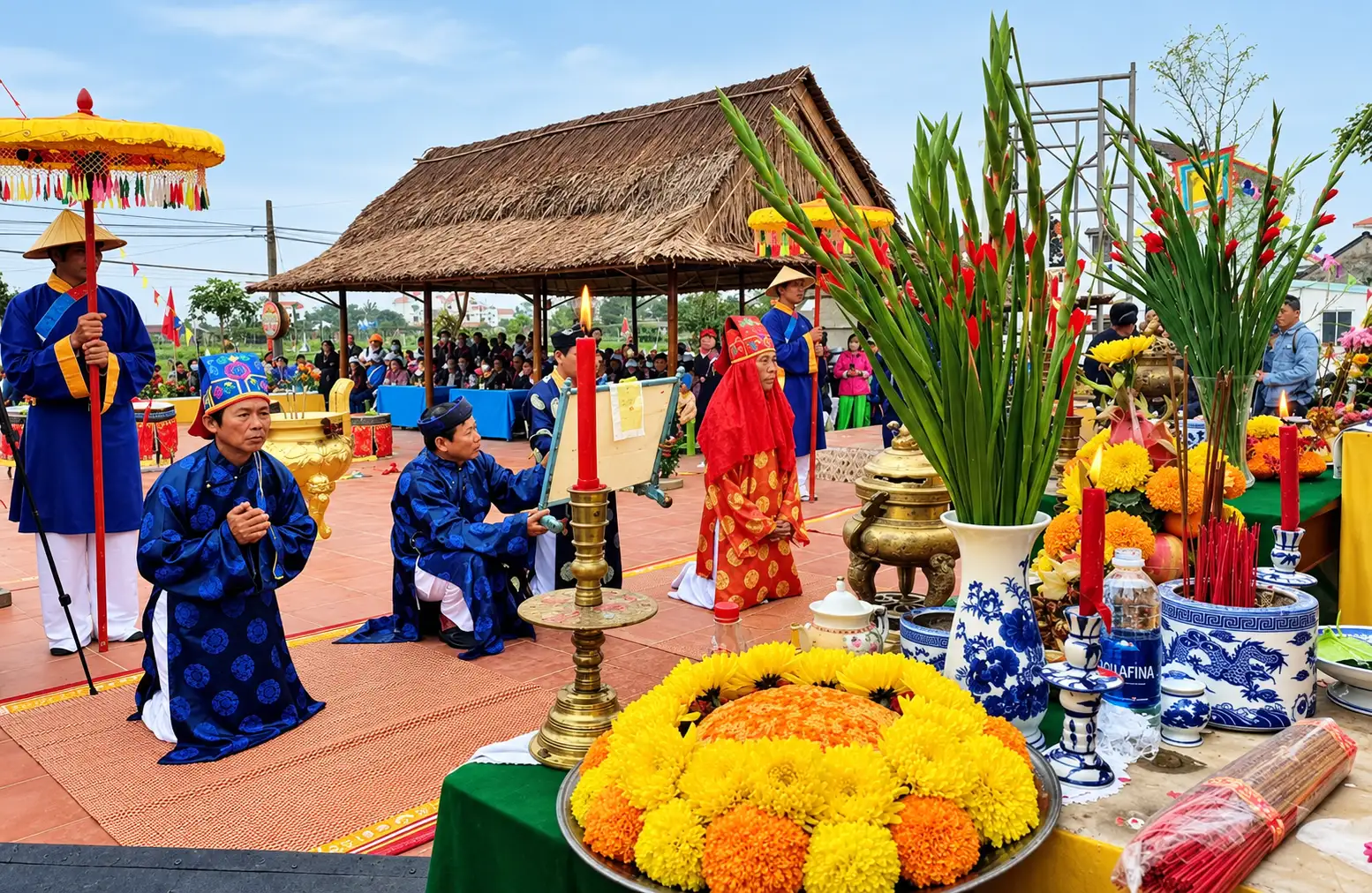
Cau Bong Festival in Hoi An: Inside Tra Que’s Agricultural New Year Tradition
Top 8 things to consider for a wedding in Hoi An with 20 guests
Best Beach Resort in Hoi An: Top 7 things to avoid when choosing to stay
4 Hoi An wedding packages compared: Which one is right for you?
5 mistakes to avoid when self-driving from Hoi An to Quang Ngai in a day