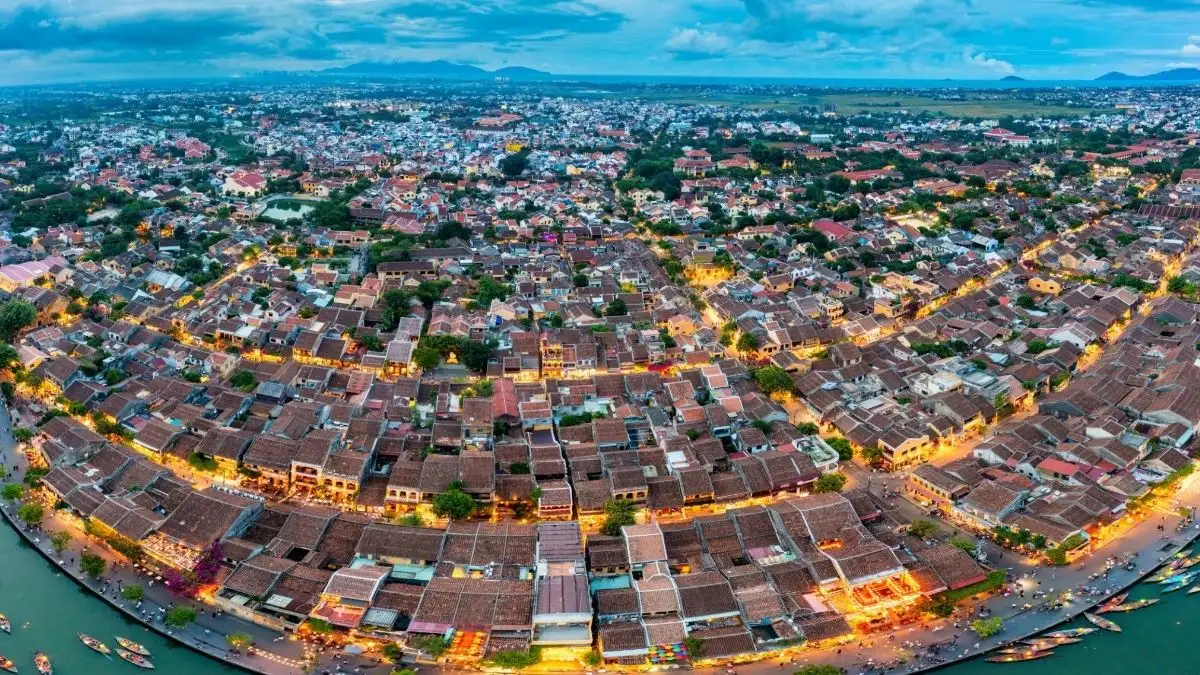


What to Eat in South Hoi An: A Local Food Guide Beyond the Ancient Town
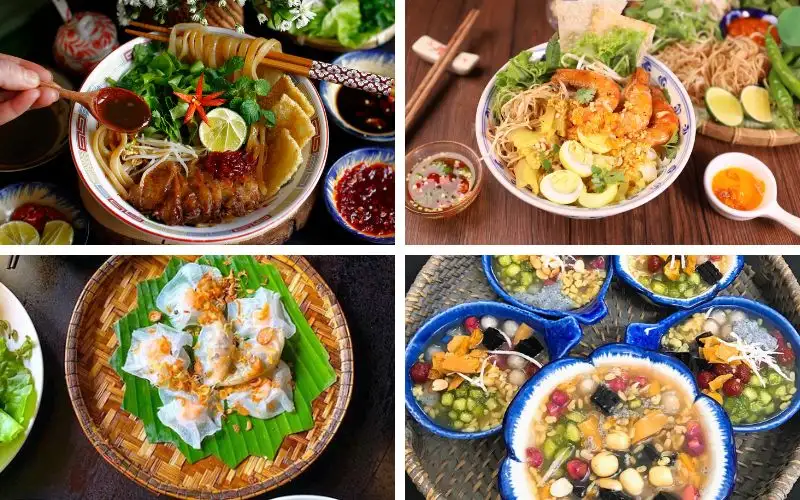
Hoi An’s food reputation often begins in the Ancient Town. Cao Lau, chicken rice, white rose dumplings, bánh mì and riverside cafés appear in almost every travel guide. They deserve attention, but they do not tell the whole story. South Hoi An has a different rhythm. Move away from the lantern streets and meals begin to follow the coast: a bowl of Mi Quang in the morning, fresh seafood after sunset, a simple rice meal after a beach day, or a market breakfast where fish baskets arrive before the heat builds.
This guide is for guests staying around South Hoi An, Binh Minh Beach or a beach resort outside the Ancient Town: what South Hoi An means, which dishes are worth trying, when to eat them, and how to plan meals without turning your holiday into a food checklist.
Where Exactly Is South Hoi An?
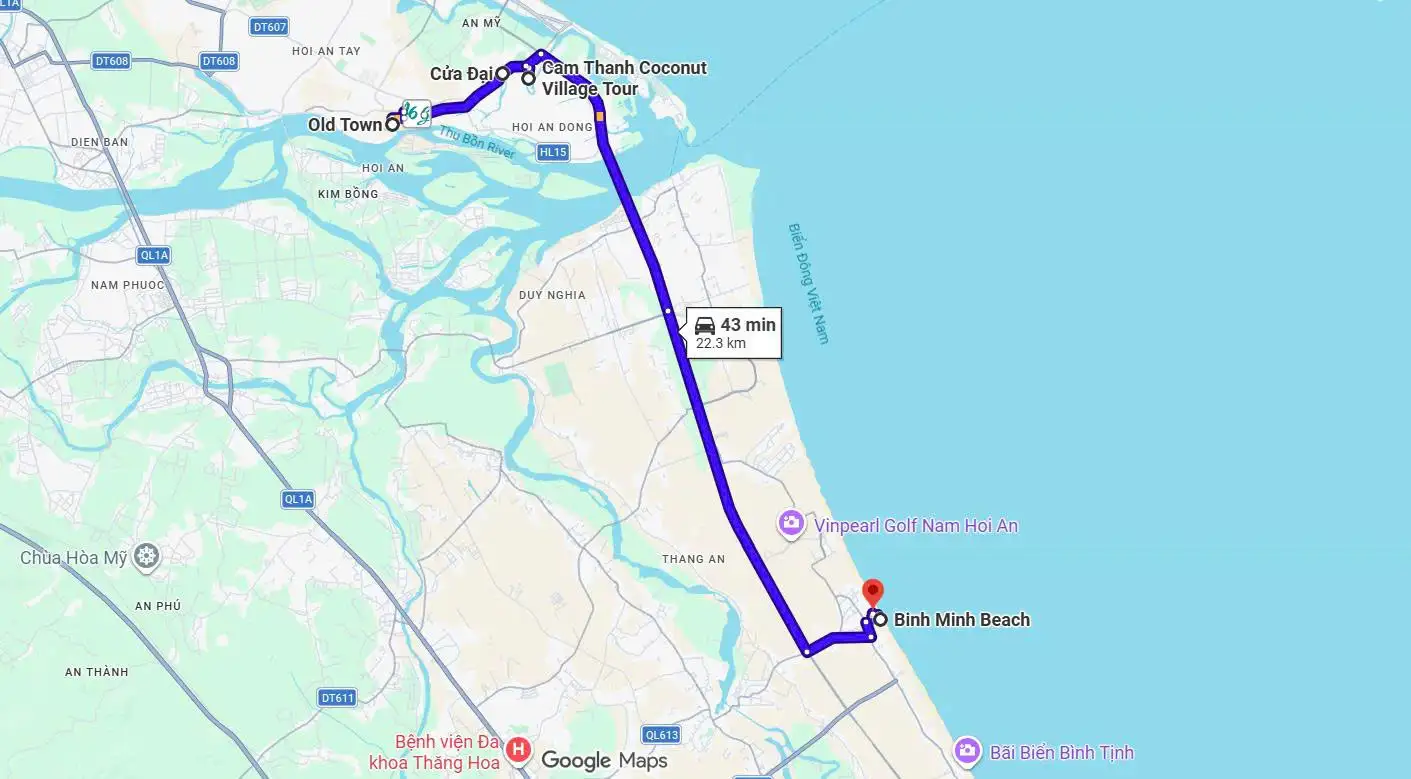
South Hoi An is not an official administrative district. It is better understood as a travel zone used to describe the quieter coastal and countryside areas south of Hoi An Ancient Town. For food planning, the term usually points to several connected areas:
| Area | Why it matters for food |
| Cua Dai area | A practical link between the Ancient Town, beach routes and seafood restaurants |
| Cam Thanh countryside | Coconut waterways, cooking classes, countryside meals and river-based ingredients |
| Binh Minh Beach area | A quieter coastal zone where seafood and local family-style meals fit naturally |
| Southern coastal communities beyond Hoi An | Fishing villages, morning fish markets and less tourist-shaped dining |
| Resort areas near South Hoi An | Useful for guests who want local food experiences without staying in the busiest part of town |
This distinction matters. Someone searching “what to eat in South Hoi An” is usually not asking for another list of Ancient Town restaurants — they may be staying near the beach, travelling with family, or looking for food that feels more local. South Hoi An is a food area with several layers: the famous dishes of Hoi An, everyday Quang-style cooking, and the coastal meals shaped by fishing villages.
Read more: 8 Common Mistakes That Can Ruin a Relaxing Holiday in Hoi An
What to Eat in South Hoi An
Fresh Seafood Near Binh Minh Beach
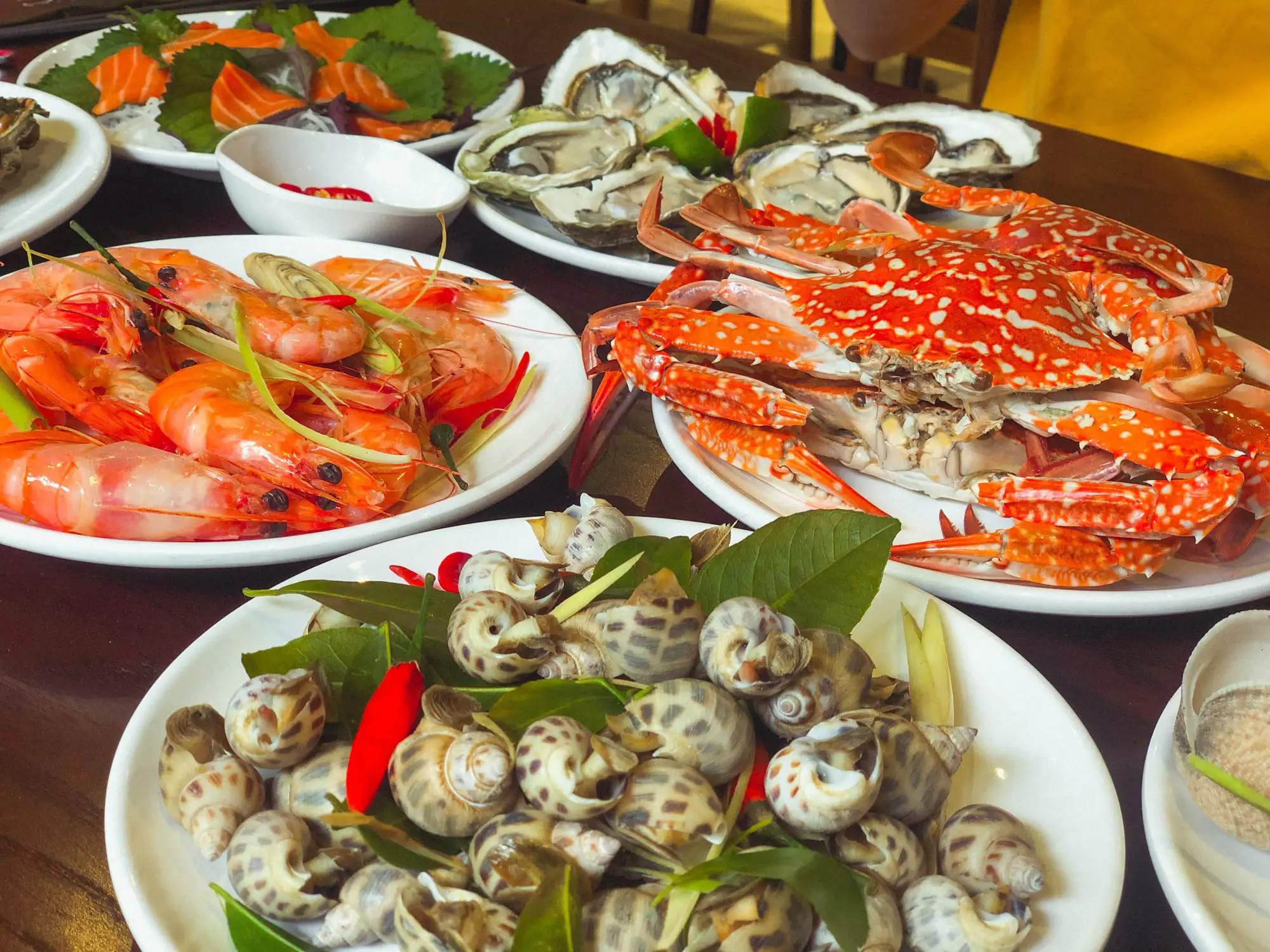
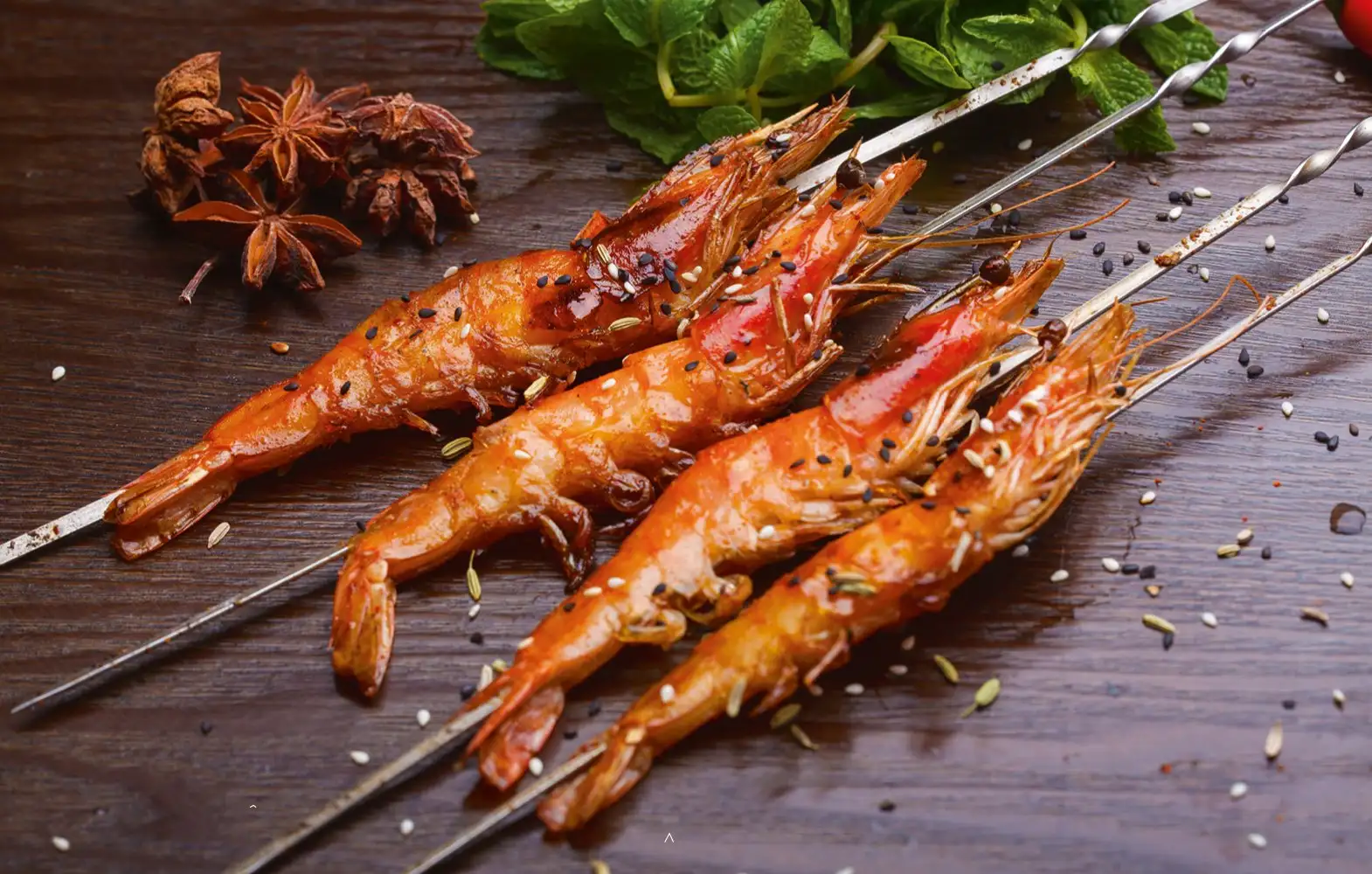
Seafood is the strongest reason South Hoi An deserves its own food guide. The meal does not need to be complicated: grilled fish, steamed crab, squid, prawns, clams, morning glory with garlic, rice and a simple soup. The cooking style is direct – steaming, grilling, stir-frying or hotpot.
This is where South Hoi An is strongest for families and groups, because the table shares several plates instead of ordering separately.
| Dish | Best for | Practical note |
| Grilled squid | Couples, groups, seafood lovers | Good when fresh; avoid over-ordering because it can become chewy |
| Steamed crab | Families, relaxed dinners | Ask the price before ordering by weight |
| Grilled fish | Older guests, children, shared meals | Choose mild seasoning if travelling with children |
| Clams with lemongrass | Light seafood meal | Best eaten hot |
| Seafood hotpot | Groups and cooler evenings | Check spice level before ordering |
| One-sun dried squid | Snack with drinks | Strong flavour; better as a small shared plate |
The most important local rule: ask for the price before ordering seafood by kilogram. This is not rude, it is normal, especially with crab, prawns and larger fish. If the menu is not in English, ask your resort, driver or guide to confirm price and portion size.
How to Order Seafood Like a Local
For a balanced meal, choose one grilled dish, one steamed dish, one vegetable dish, rice, and soup or hotpot for a group. Before ordering by weight, ask three questions:
- What is the price per kilogram?
- Is the seafood alive, fresh or frozen?
- How will it be cooked?
For first-time visitors, these combinations are usually safe:
| Group type | Recommended order |
| Couples | Grilled squid, stir-fried vegetables, rice, one light soup |
| Family with children | Steamed fish, fried rice, prawns, vegetables, fruit |
| Older guests | Steamed fish, seafood soup, rice, mild vegetables |
| Group of friends | Grilled fish, clams, squid, hotpot, local beer |
Avoid ordering too many shellfish dishes in one meal if your group is not used to them. If anyone has a sensitive stomach, choose cooked dishes such as grilled, steamed or boiled seafood rather than raw or lightly prepared plates.
Where to try it:
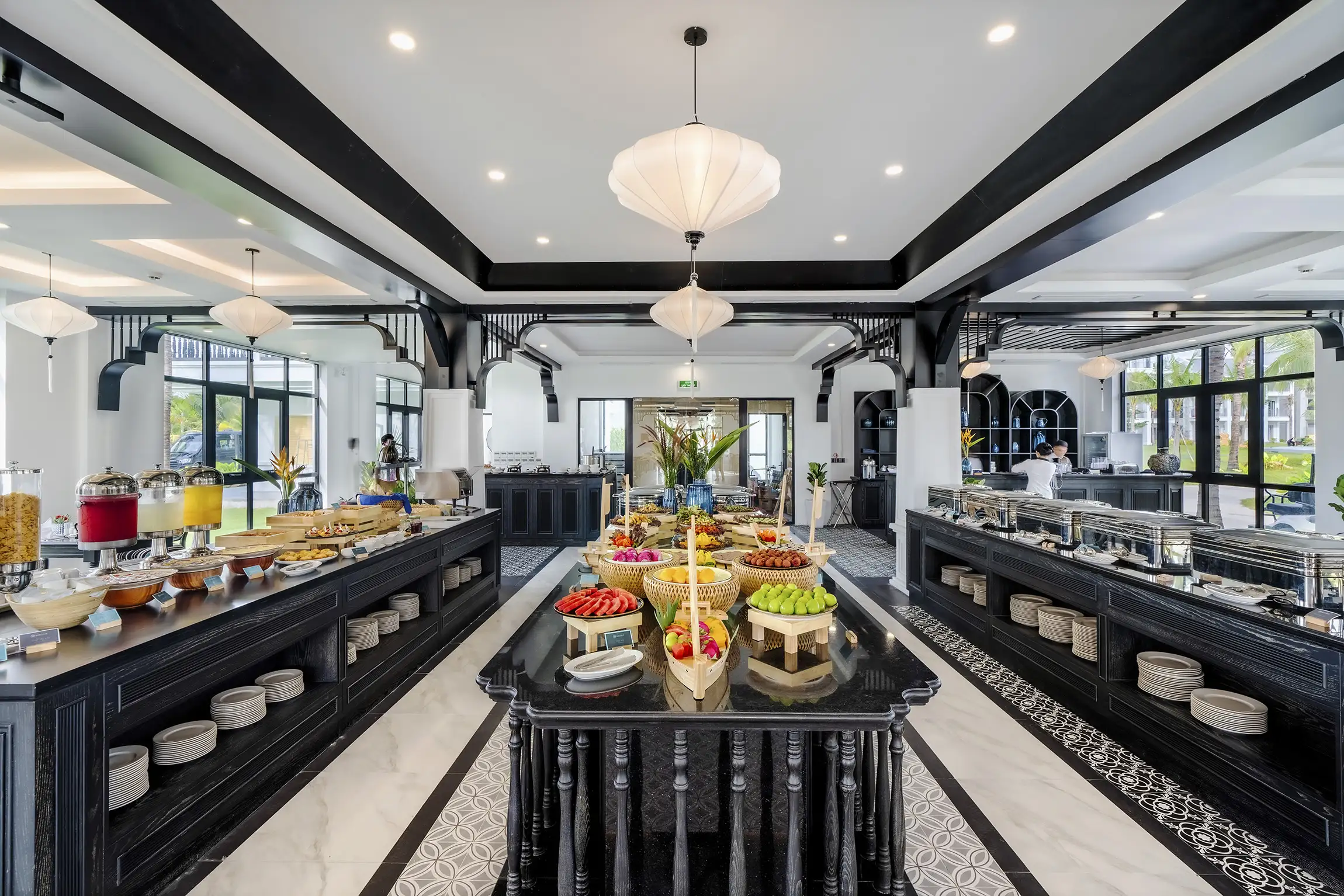
- Binh Minh Restaurant, Bliss Hoi An Beach Resort & Wellness
Best for guests staying near Binh Minh Beach who want a calmer seafood or Vietnamese dinner without another transfer into town. This is a practical option for families, older guests or rest days, rather than a replacement for local eateries. - Khai Restaurant, Cua Dai Beach
A useful seafood stop if you are travelling between Hoi An Ancient Town and the beach. Good for grilled seafood, steamed dishes and a more classic beachside restaurant setting. - Hon Seafood Restaurant or Van Phi Seafood Restaurant, Cua Dai Beach area
Better for travellers who want a wider seafood choice closer to Hoi An than Binh Minh Beach. These are not deep South Hoi An restaurants, but they work well as coastal food stops on the route.
Mi Quang
Mi Quang is the most important dish to try in the former Quang Nam region. It reflects how Central Vietnam builds flavour with a small amount of rich broth, herbs, peanuts, rice crackers and chewy noodles. A bowl often looks dry compared with pho — intentionally: the broth sits at the bottom, coating the noodles rather than filling the bowl.
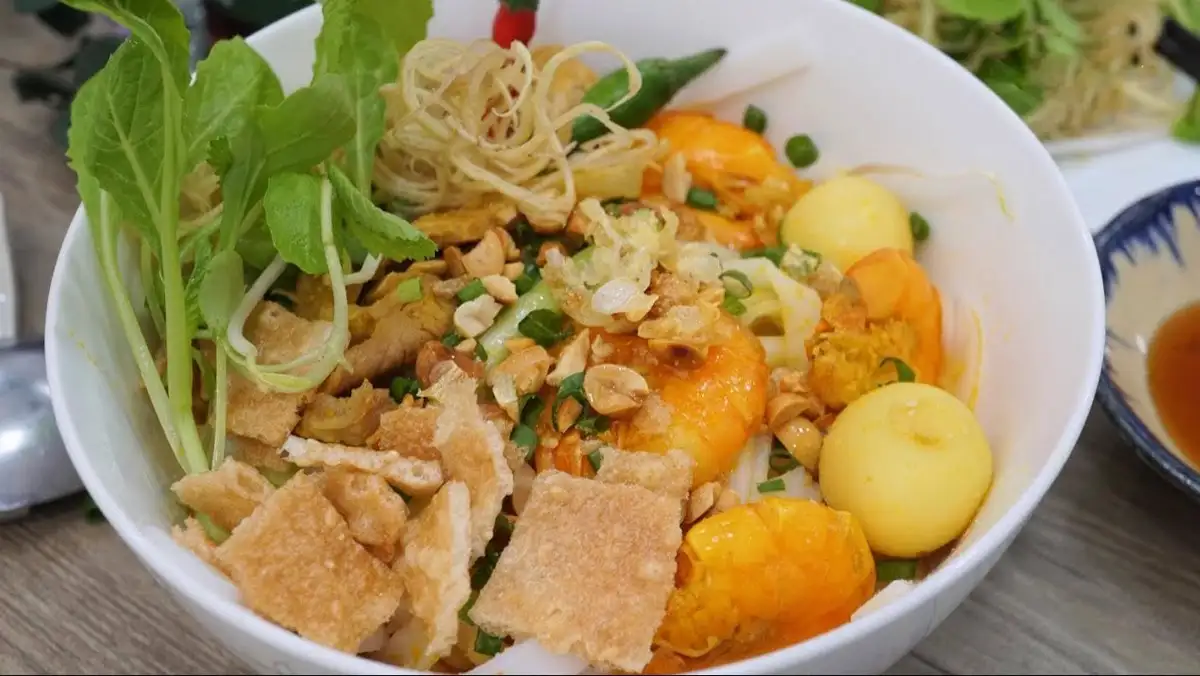
Common versions include chicken, shrimp and pork, fish, frog or quail egg. For first-time guests, chicken or shrimp and pork are easiest; fish versions are excellent near the coast but stronger in flavour. Mi Quang works best for breakfast or lunch – filling enough before sightseeing, but not as heavy as a long seafood meal.
Where to try it:
- Mi Quang Ong Hai, 6A Truong Minh Luong
A simple local-style stop for Mi Quang and Cao Lau. Best for travellers who want a casual meal rather than a polished restaurant experience. - Mi Quang Ba Linh, 137 Phan Chau Trinh
A convenient choice if you are already in the central area and want a quick bowl before continuing to sightseeing. - Mi Quang Di Hat, Phan Chau Trinh / central Hoi An area
Better for travellers who want a more local, street-side style bowl. Check the current location and opening hours before visiting, as small local eateries can change.
Local tip: At a small eatery, the flavour may be saltier and more concentrated than in a tourist restaurant. Mix slowly, taste before adding chilli, and use herbs gradually if your stomach is not used to raw vegetables.
Cao Lau
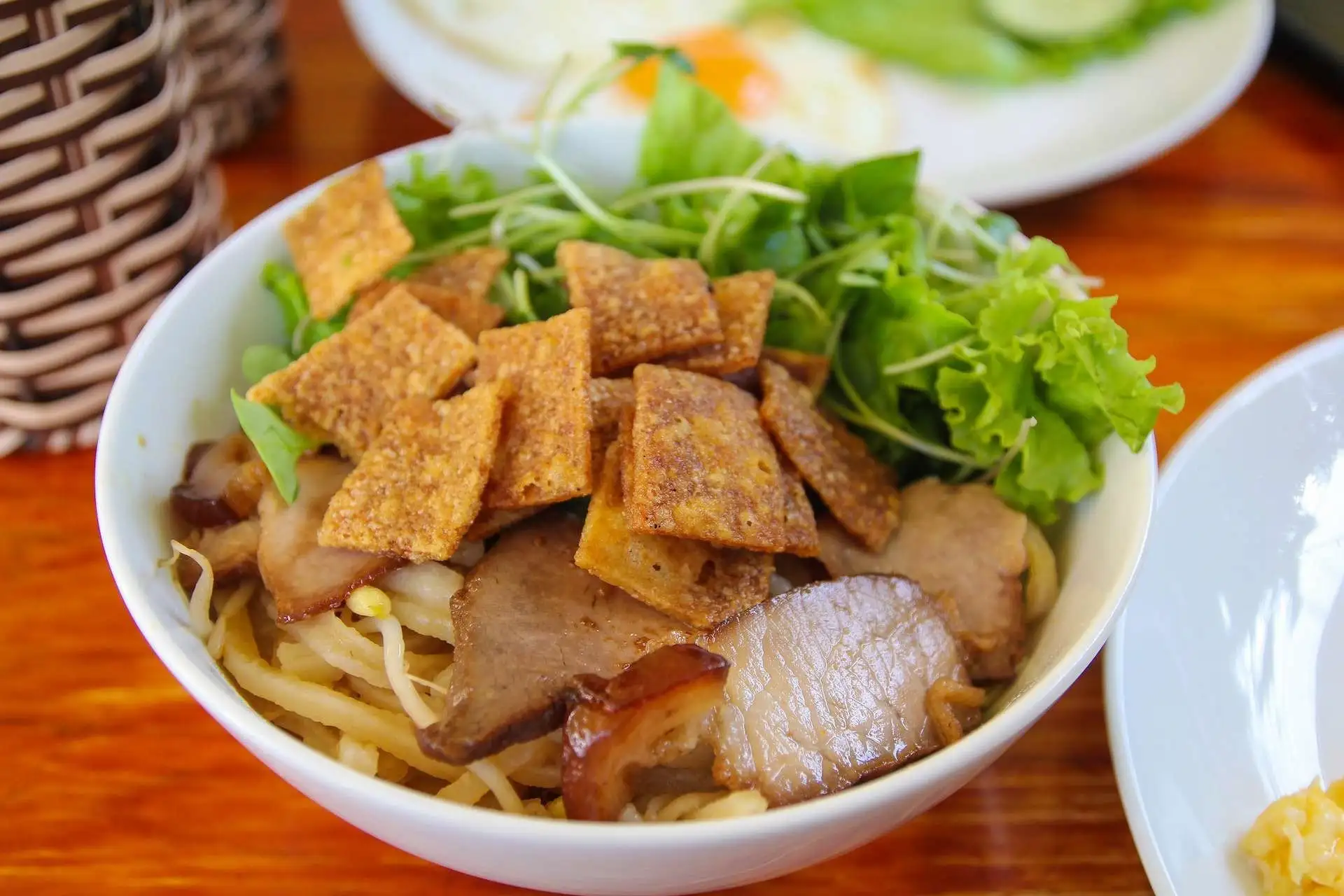
Cao Lau belongs to Hoi An’s food identity, but it is not really a beach dish — it is tied to the Ancient Town and Hoi An’s trading-port history. Staying near Binh Minh Beach, the best way to enjoy it is during a half-day visit to central Hoi An. A good bowl has chewy noodles, slices of pork, herbs, crispy squares and a small amount of savoury sauce. It is not soup: the noodles should feel firm, and the sauce should coat rather than drown the bowl.
Eat it at lunch, before the hottest part of the day, then return to the coast – a better rhythm than forcing every famous Hoi An dish into dinner, when the old streets are crowded.
Where to try it:
- Cao Lau Thanh, Thai Phien Street: A well-known local-style address for a simple bowl of Cao Lau. Good for travellers who want a focused food stop rather than a long restaurant meal.
- Cao Lau Khong Gian Xanh, 687 Hai Ba Trung: A convenient option in the old town area, especially for first-time visitors who want a more accessible setting.
- Cao Lau Ba Le, Tran Hung Dao area: A good choice if you want to combine Cao Lau with other Hoi An-style dishes in a casual central location.
Mix the noodles gently from the bottom so the sauce coats them, break some crispy topping in while still warm, and add herbs gradually.
Hoi An Chicken Rice
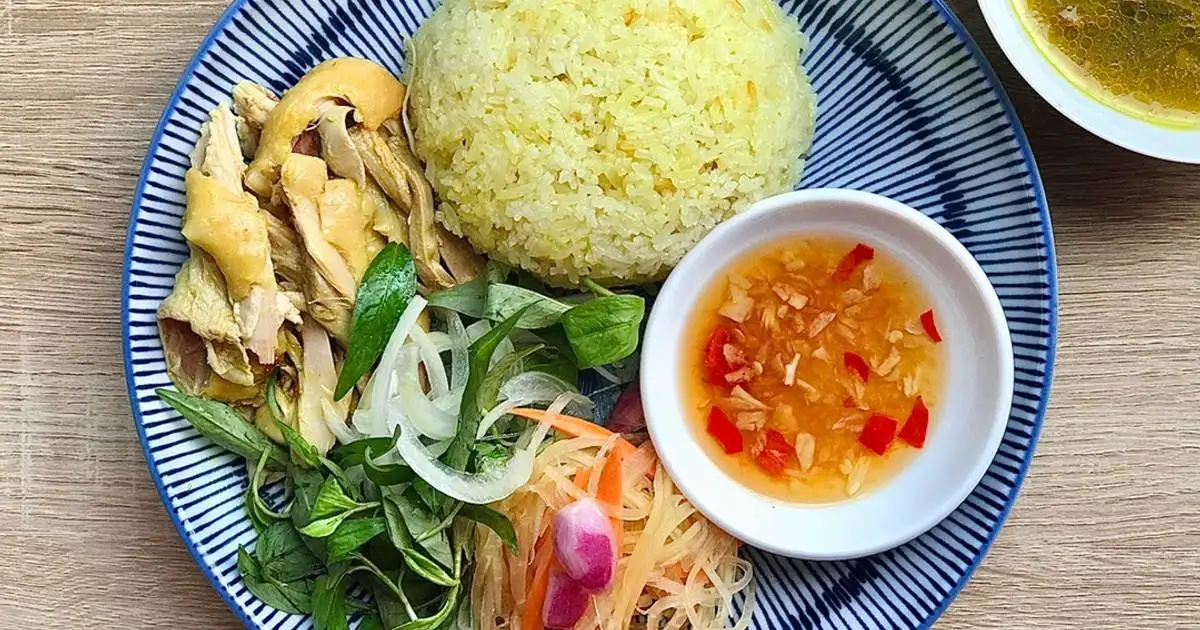
Chicken rice is the easiest dish to recommend for mixed groups: familiar enough for international guests, but still local. Rice cooked in chicken stock, served with shredded chicken, herbs, pickled vegetables and sauce — lighter than fried dishes and less challenging than fermented sauces.
It also works as a transition meal, eaten in the Ancient Town or before returning to your resort. With children, ask for the sauce separately.
Where to try it:
- Com Ga Ba Buoi, 22 Phan Chau Trinh: One of the most famous names for Hoi An chicken rice. It is central and easy to combine with an Ancient Town visit.
- Com Ga Ba Nga, 8 Phan Chau Trinh: Another popular chicken rice stop on the same food street, useful if Ba Buoi is too crowded.
- Xi Chicken Rice, 47/2 Tran Hung Dao: A small-alley option that works well for travellers who want a more local, less polished setting.
Banh Xeo Quang Nam
Banh xeo in Central Vietnam is smaller and crispier than the southern-style pancake. Made with rice flour batter and filled with shrimp, pork or bean sprouts, it is eaten with herbs and dipping sauce, wrapped by hand. Casual, noisy, hot, and best eaten straight off the pan – the appeal is texture.
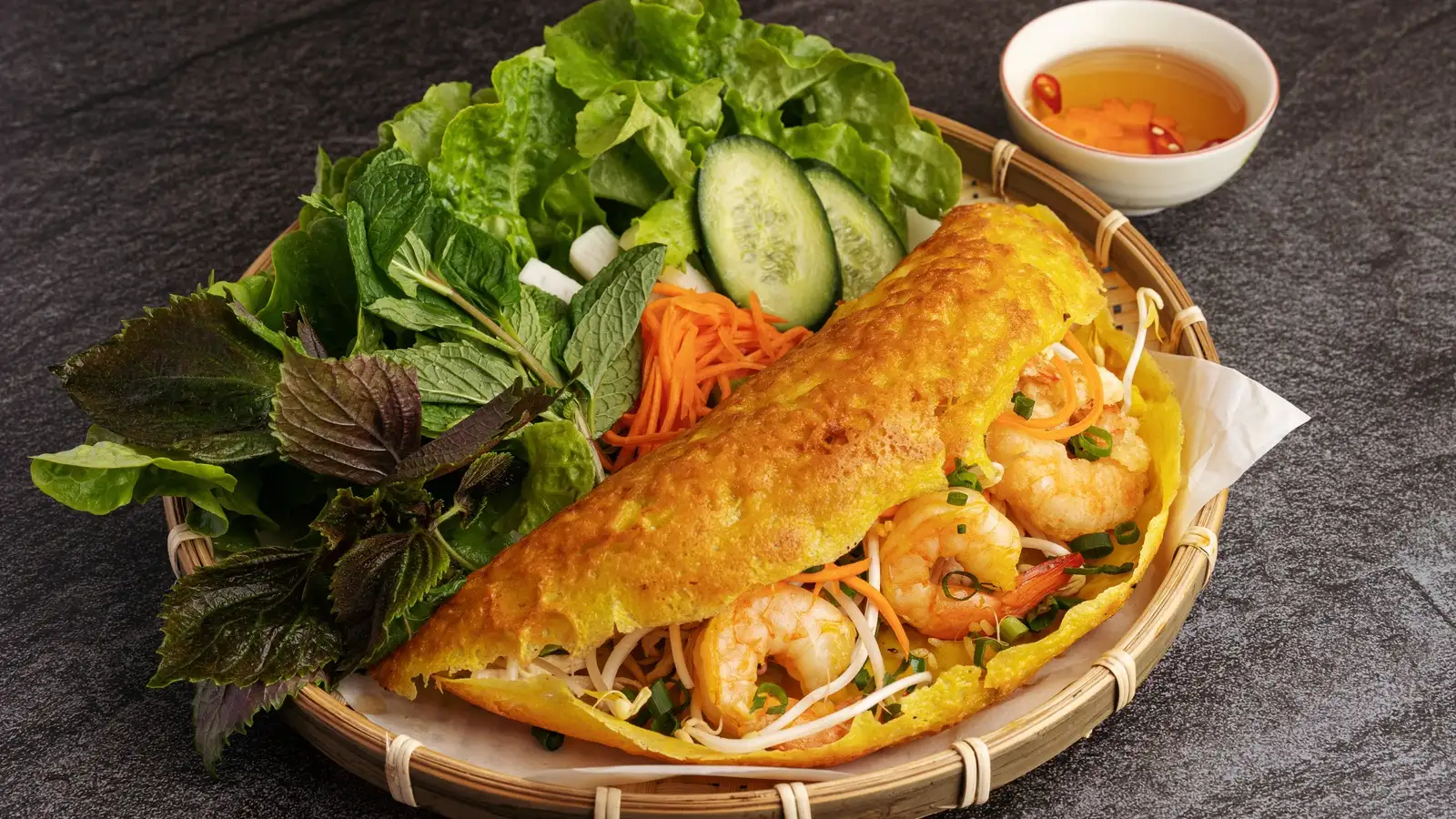
Banh xeo works well as an afternoon or early evening stop. It can be oily and the dipping sauce is strong, so order a small portion first.
Where to try it:
- Bale Well Restaurant, 45/51 Tran Hung Dao: A popular choice for a set-style Hoi An meal with bánh xèo, grilled pork, rice paper and herbs. It is tourist-friendly and interactive, so it works well for first-time visitors.
- Banh Xeo Hai Dao, 160 Ly Thai To: A casual local-style option for bánh xèo, better for guests who want a straightforward crispy pancake meal.
- Banh Xeo Ba 9, Phan Chu Trinh / Tran Hung Dao alley area: A useful reference point for travellers looking for a more local bánh xèo stop. Check the current branch before visiting.
Banh Trang Dap
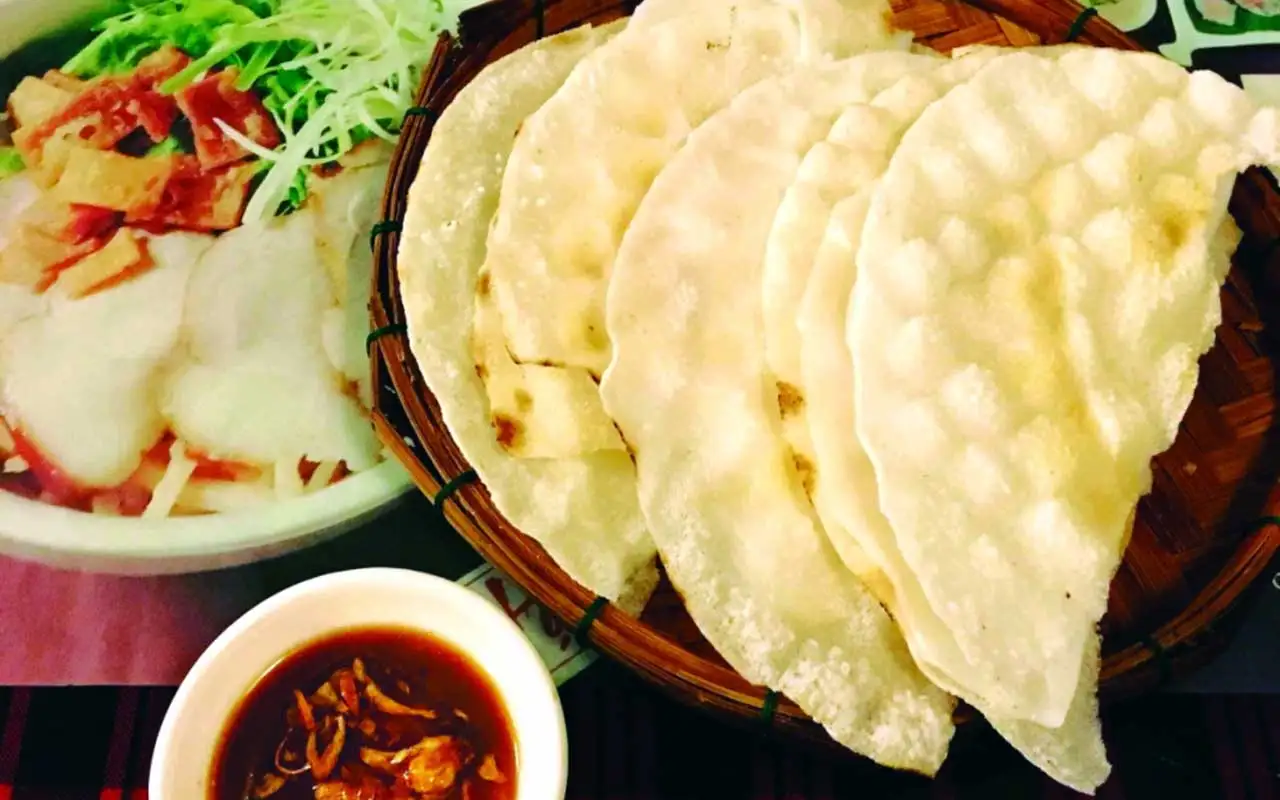
Banh trang dap is less overused than Cao Lau or bánh mì. Grilled rice paper is layered with soft steamed rice, then lightly cracked before eating, creating a contrast between crisp and chewy. It is served with mắm nêm, a fermented sauce with a strong aroma.
It suits people who genuinely want to taste local food. The sauce can be intense, so ask for it on the side. Treat it as a “try if you are curious” dish rather than a universal must-eat.
Where to try it:
- Ba Gia’s Banh Dap, Cam Nam: A classic Cam Nam-style stop for bánh đập. This is a good place to position as a local snack rather than a full restaurant meal.
- Banh Dap Huong, Nguyen Tri Phuong: A practical option in the Cam Nam area for travellers who want to try bánh đập with mắm nêm.
- Banh Dap Ni Ba Gia, Nguyen Tri Phuong: Another local-style address for bánh đập in Cam Nam, useful for readers who want a more specific food map.
Local Market Breakfast
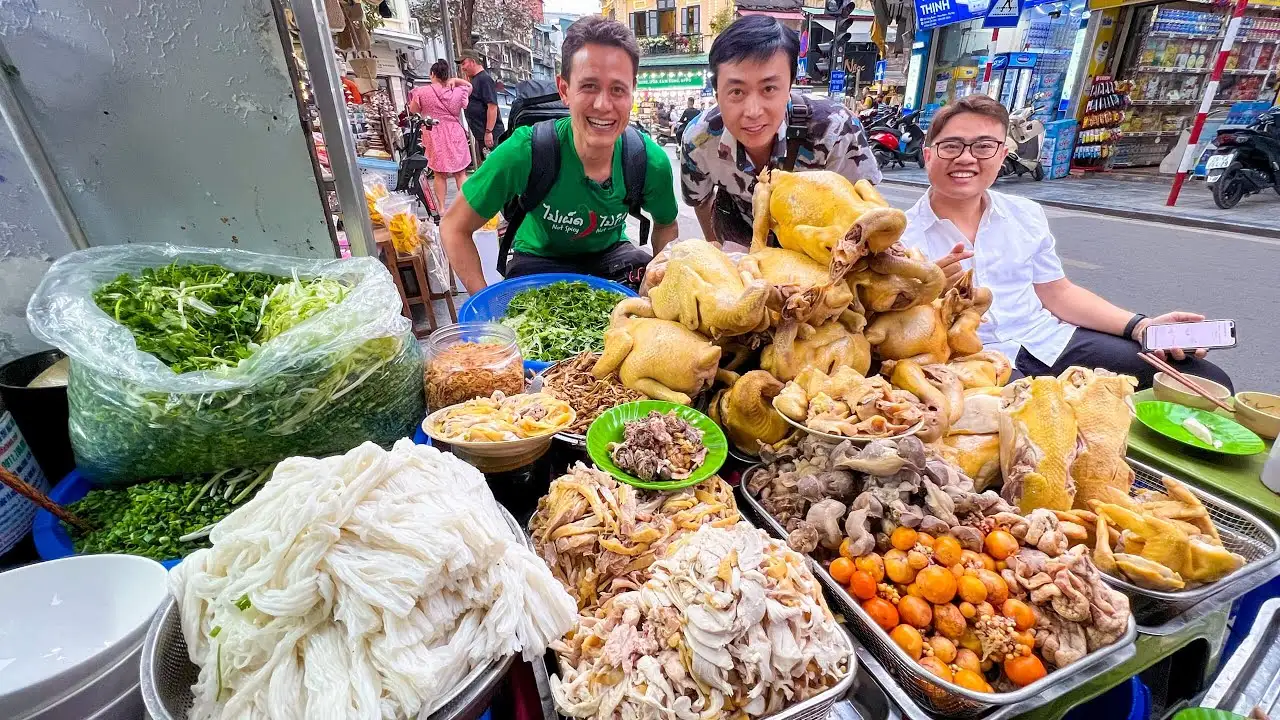
A market breakfast gives the clearest sense of daily food life in South Hoi An: vendors setting up early, hot noodle pots, coffee, fruit, rice cakes and seafood moving through local supply chains.
Go early, when markets are more active and food turnover is better. Possible items include Mi Quang, bánh mì, sticky rice, sweet soups, fruit and Vietnamese coffee. The goal is not to eat everything — the value is in seeing the food rhythm before the day becomes tourist-facing. For guests unused to local markets, a guide makes it easier and more respectful.
Where to try it:
- Hoi An Central Market Food Court, Tran Phu / Nguyen Hue area: Best for first-time visitors who want a market breakfast with more visible food stalls, menus and central access. Good for Mi Quang, Cao Lau, snacks, fruit and coffee.
- Binh Minh Fish Market area: Best for understanding the coastal rhythm near South Hoi An. This is more of a morning food-and-culture stop than a restaurant meal, so go early and keep the visit short.
- Tam Tien Fish Market and nearby coastal eateries: Better for travellers with a private car, photography interest or a deeper coastal-food experience. It is farther from Hoi An and more seasonal, so it should not be recommended as a casual breakfast stop for every guest.
Simple Vietnamese Family-Style Meals
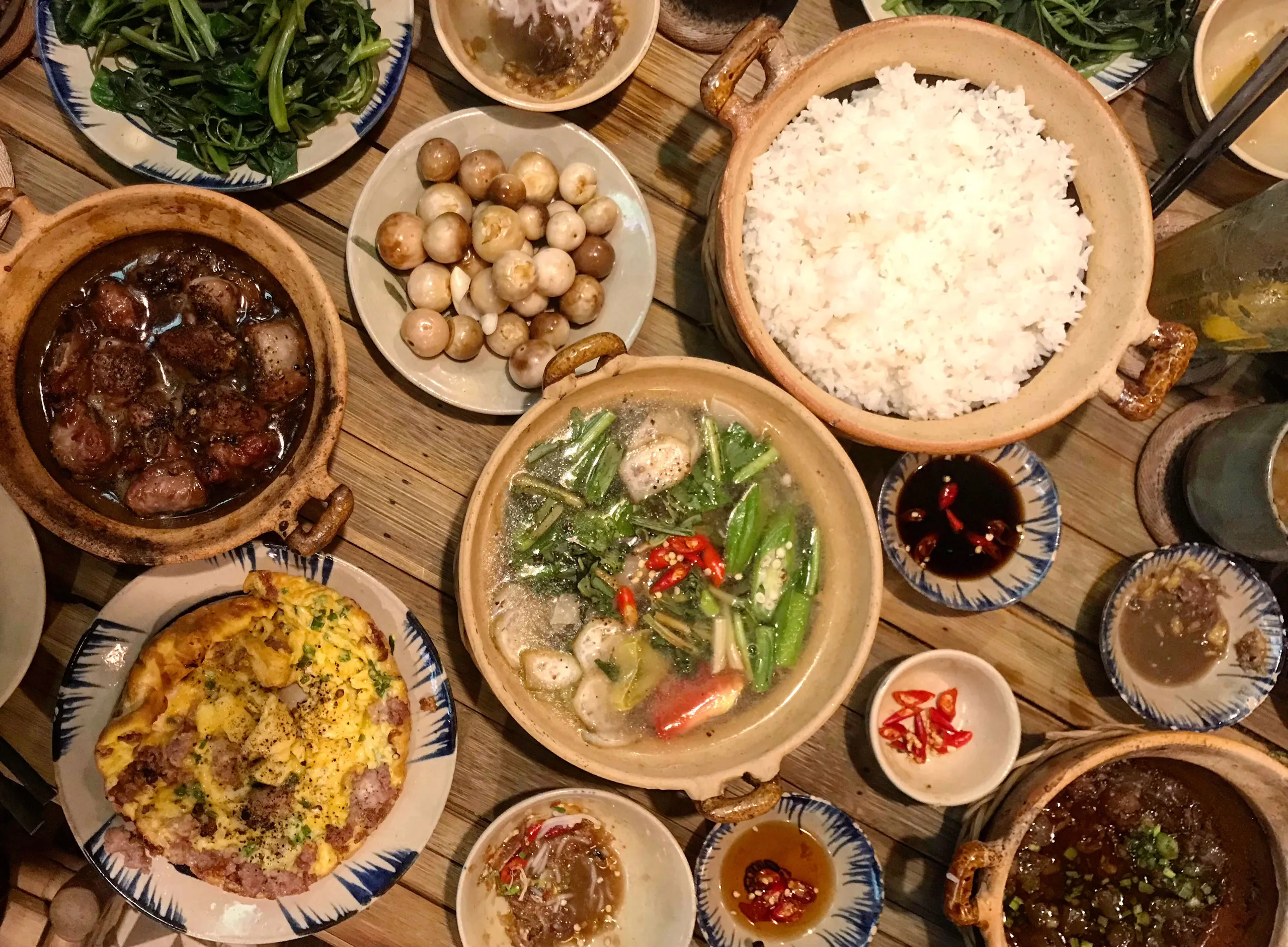
Not every meal needs to be a “special dish.” A simple family-style meal – rice, grilled or steamed fish, stir-fried morning glory, soup, omelette, braised pork, fruit – is one of the best ways to eat well here. After two or three days of sightseeing, a simple dinner can feel better than another famous dish. This is where resort dining is practical: not a replacement for local food, but a clean, calm meal when energy is low.
Where to try it:
- Binh Minh Restaurant, Bliss Hoi An Beach Resort & Wellness: Best for a calm meal near Binh Minh Beach, especially when travelling with children or older relatives.
- Mai Fish Restaurant, 45 Nguyen Thi Minh Khai: A central Hoi An option for Vietnamese dishes and seafood in a more curated restaurant setting.
- Red Gecko Restaurant, Nguyen Hoang Street: A riverside option near the Ancient Town, useful if guests want a relaxed Vietnamese meal after sightseeing.
Best Time of Day to Eat Each Dish
A stronger South Hoi An food plan should not only answer what to eat. It should also explain when to eat it.
| Dish or meal | Best time | Why |
| Mi Quang | Breakfast or lunch | Filling, local and better before the day becomes too hot |
| Cao Lau | Lunch or early dinner in the Ancient Town | Best enjoyed during a town visit, not rushed late at night |
| Hoi An chicken rice | Lunch | Easy for families, children and older guests |
| Banh xeo | Late afternoon or early dinner | Best when freshly cooked and still crispy |
| Banh trang dap | Afternoon snack | Better as a small local tasting dish than a full meal |
| Fresh seafood | Sunset or early dinner | More relaxed near the coast and better for group sharing |
| Market breakfast | Early morning | More active, fresher and cooler before the heat builds |
This timing matters in South Hoi An because the area is more spread out. A good meal plan saves energy. A poor one sends guests back and forth between the beach, the Ancient Town and local eateries until the day feels tiring.

What to Eat for Breakfast, Lunch and Dinner in South Hoi An
A strong South Hoi An food plan should follow the day’s rhythm. The weather, transport and distance from the Ancient Town matter as much as the dish itself.
| Time of day | Best choices | Why it works |
| Early morning | Mi Quang, bánh mì, market snacks, Vietnamese coffee | Local, quick and suitable before the heat builds |
| Late morning | Fruit, coffee, light snacks | Works well before a countryside or Ancient Town visit |
| Lunch | Cao Lau, chicken rice, simple rice dishes | Better for town visits or a break between activities |
| Afternoon | Banh xeo, banh trang dap, coffee, fresh juice | Good for a slow stop rather than a heavy meal |
| Dinner | Grilled seafood, steamed fish, seafood hotpot, family-style meal | Best time for a relaxed coastal dining experience |
A smart day: Mi Quang in the morning, Cao Lau or chicken rice during a short trip into Hoi An, then seafood near the coast at night.
A Food Plan for Different Types of Guests
- Families With Children: Avoid too many small food stops. Children do better with predictable meals and rest between transfers. Good choices: chicken rice, fried rice, grilled fish, mild Mi Quang, omelette, fruit, seafood soup. Eat dinner earlier than usual. A seafood meal after a long day in the Ancient Town becomes stressful if children are tired and hungry.
- Couples: Couples can use food to create contrast: a local breakfast, Cao Lau or chicken rice in the Ancient Town for lunch, then a slower dinner near the beach. Leave space between meals — do not plan a heavy lunch, a cooking class, afternoon snacks and seafood dinner all in one day unless food is the point of the trip.
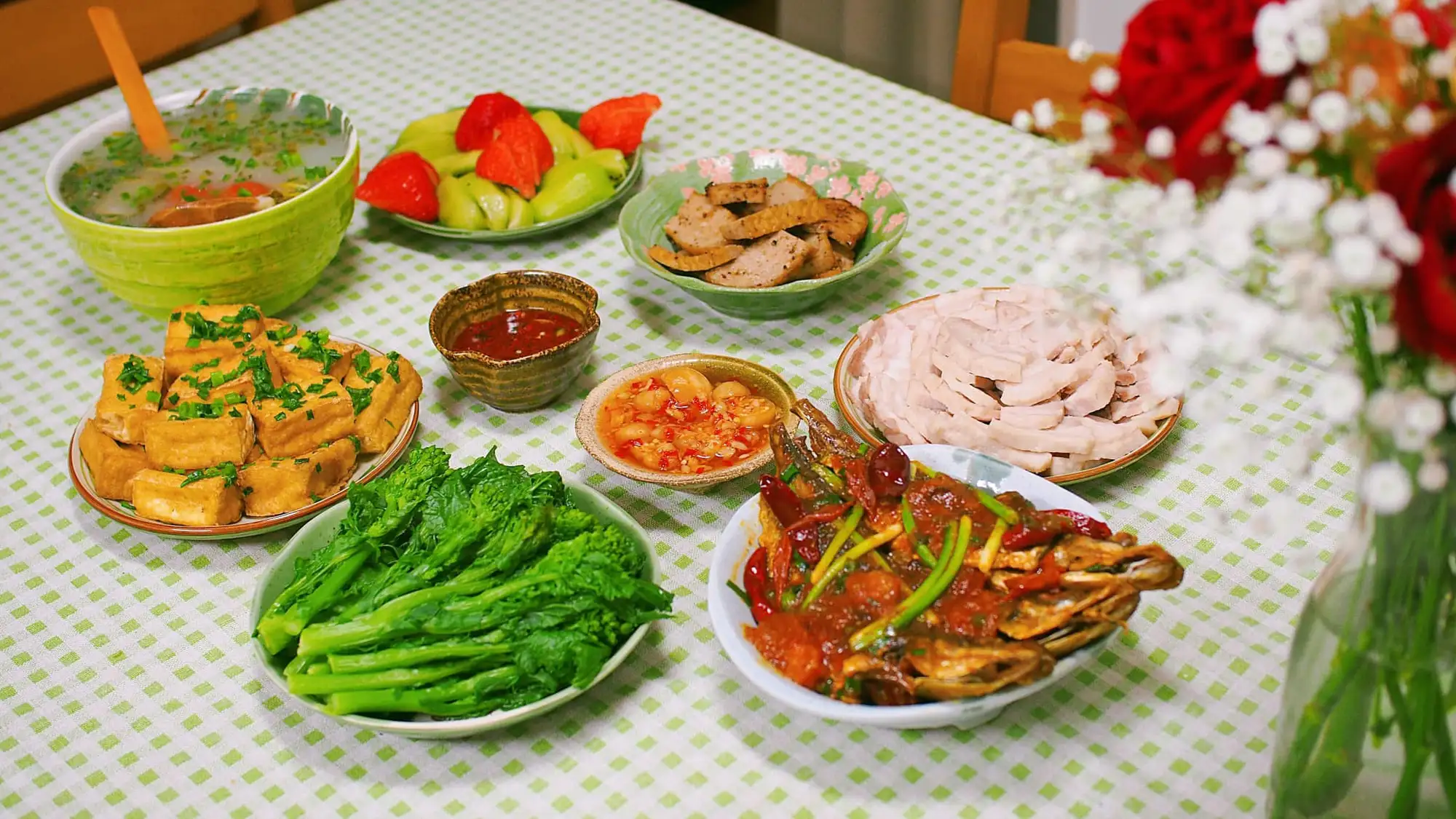
- Older Guests: Older guests appreciate meals that are warm, fresh and not heavily seasoned: steamed fish, seafood soup, light hotpot, rice meals, mild Mi Quang and chicken rice rather than oily snacks or spicy sauces. Avoid late dinners after a long walking day — heat and crowds make the meal tiring. Return to the beach before dinner, and avoid too many fermented sauces or unusual shellfish in one meal.
- Guests Staying at a Beach Resort: Guests near Binh Minh Beach need neither every meal inside the resort nor a trip out for each one. A balanced plan works better. The food experience becomes flexible rather than crowded into one small area.
Read more: Family Vacation in Hoi An: Mistakes That Can Turn a Relaxing Holiday Into a Stressful One
Suggested Food Map for South Hoi An
These are reference points for planning, not a ranking. They show where different food experiences are located.
| Place | Area | Best for | Notes |
| Binh Minh Fish Market | Binh Minh Beach / Thang An area | Early morning seafood scene, photography, local context | Go early. Better as a short cultural stop than a long meal stop. |
| Binh Minh Restaurant | Bliss Hoi An Beach Resort & Wellness | Resort dining, Central Vietnamese flavours, families, older guests | Useful for calm meals near Binh Minh Beach. Check the current menu directly. |
| Khai Restaurant | Cua Dai Beach area | Beachside seafood | Good reference point if guests are moving between Hoi An and the coast. |
| Hon Seafood Restaurant | Cua Dai Beach area | Seafood near the beach | Useful for travellers who want seafood closer to Hoi An. |
| Van Phi Seafood Restaurant | Cua Dai Beach area | Seafood, grilled fish, squid, crab | Best added as a Cua Dai option rather than “deep South Hoi An”. |
| White Rose Restaurant | Hoi An Ancient Town area | White rose dumplings | Best for iconic Hoi An food during a town visit. |
| Cao Lau / Mi Quang local eateries in the Ancient Town | Central Hoi An | Cao Lau, Mi Quang | Choose busy local shops and check opening hours before visiting. |
Price Guide for Eating in South Hoi An
Prices vary by season, restaurant type and seafood weight, so this should be treated as a planning guide rather than a fixed menu.
| Food type | Typical budget level | What to expect |
| Mi Quang / Cao Lau at local eateries | Low | Usually affordable, quick and suitable for breakfast or lunch |
| Chicken rice | Low to moderate | Portion size and toppings affect price |
| Banh xeo / local snacks | Low to moderate | Best ordered in small portions first |
| Beachside seafood | Moderate to high | Depends heavily on seafood type and price per kilogram |
| Resort dining | Moderate to high | Higher than street food, but offers comfort, setting and convenience |
The biggest price difference usually comes from seafood. Crab, lobster, large fish and prawns can change significantly depending on weight and season. Always confirm the price before cooking.
Food Safety and Ordering Tips
Ask for seafood prices before ordering by weight. This is especially important with crab, prawns and large fish. Choose busy places at normal meal times. Food turnover matters, especially in hot weather. Carry cash for local eateries and markets. Smaller places may not accept cards. Use translation apps carefully. Dish names can be translated strangely, so photos and simple questions often work better. Ask for sauces on the side. Fermented sauces, chilli and fish sauce can be strong for first-time guests.
Choose cooked seafood if you have a sensitive stomach. Steamed, grilled or boiled seafood is safer than raw or poorly stored dishes. Do not schedule too many food stops in one day. Hoi An’s heat can make heavy meals uncomfortable. For families, keep snacks and water available. Waiting too long for a seafood dinner can make children tired before the meal begins. For older guests, plan dinner earlier. A calm meal at 6:00 PM can be better than a crowded dinner after 8:00 PM.
How to Balance Local Food and a Beach Stay in South Hoi An
One of the easiest mistakes when planning food in Hoi An is trying to eat every meal in the Ancient Town. Travelling back and forth for breakfast, lunch and dinner soon makes the holiday feel busier than expected.
South Hoi An works better when meals follow the pace of the day. The Ancient Town is ideal for iconic dishes; the coastal area is better for seafood dinners, slower evenings and simple meals after a beach day.
A practical rhythm: breakfast near the beach, the Ancient Town for lunch and sightseeing, then return south before dinner. This avoids the busiest evening hours while still allowing guests to taste the dishes that made the town famous.
For families or older travellers, this is especially helpful. A quiet base near Binh Minh Beach reduces the need to move constantly, while keeping Hoi An’s food scene close enough for a focused visit. Resorts in this area, including Bliss Hoi An Beach Resort & Wellness, are useful not because they replace local food, but because they give travellers a calmer place to return to between meals and activities.

Related Posts
How much does it cost to travel Vietnam? A realistic Hoi An budget for a family of 4
Is Hoi An Flooded? How Central Vietnam Floods Can Affect Your Trip
Is Hoi An a safe choice for female solo travel Vietnam?
5+ criteria for choosing a year end meeting venue in Hoi An
What is National Day? Should you visit Hoi An on September 2nd?