


Best beaches in Vietnam: A complete guide to the country’s most beautiful coastlines
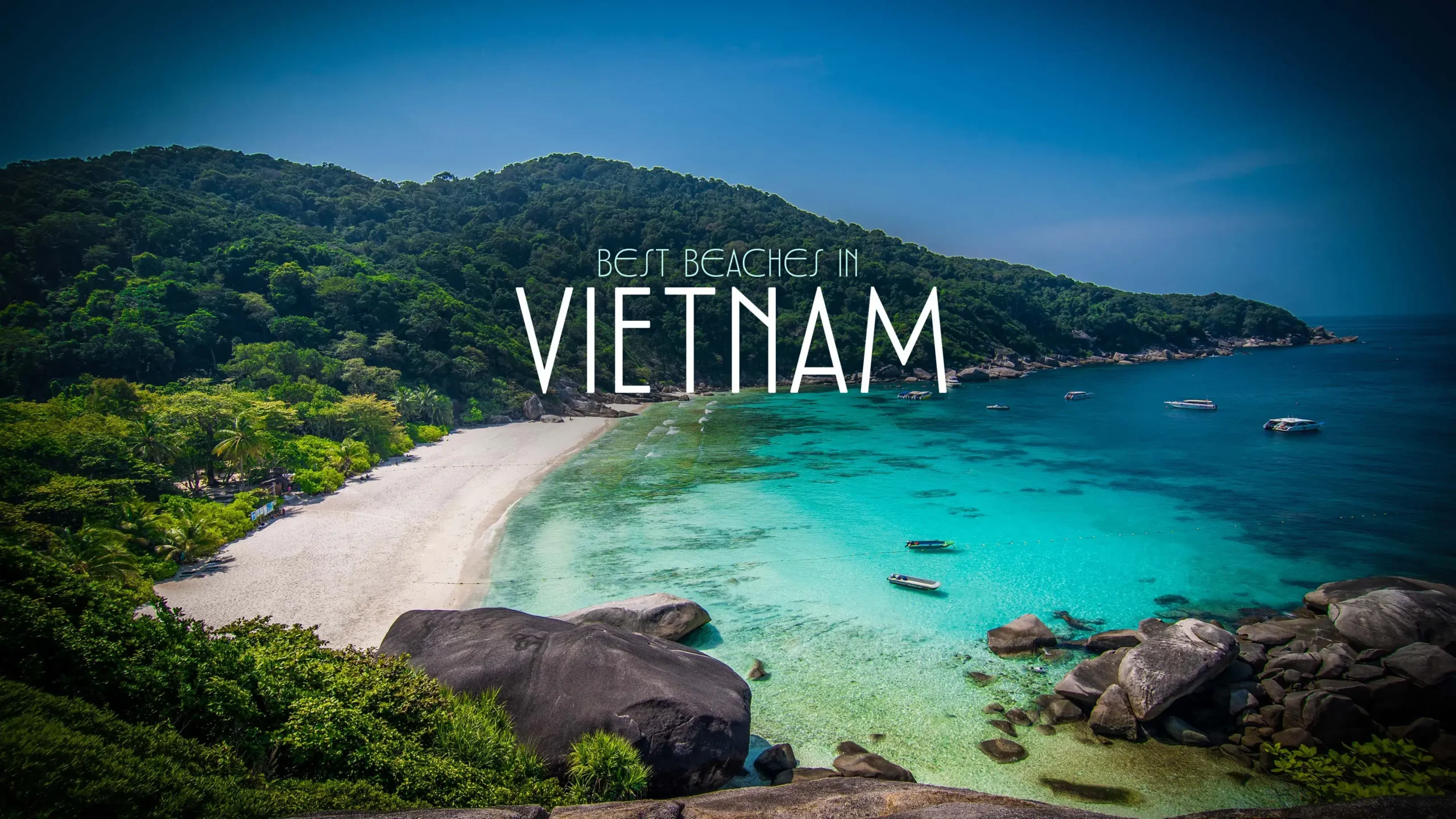
Vietnam stretches along more than 3,260 kilometers of coastline, a ribbon of sand, stone and sea that runs from the misty karst islands of the north to the palm-fringed shores of the far south. Few countries in Southeast Asia offer such a varied collection of beaches in such a compact, easy-to-travel form. A single trip can take you from limestone bays in Ha Long to quiet fishing villages near Hoi An, then onward to tropical islands in Phu Quoc. This guide walks through the best beaches in Vietnam by region, with notes on what each one is best for, when to visit, and how to plan a coastal escape that fits your travel style. Whether you are after lively city beaches, slow mornings by the sea, or hidden coves still missing from most maps, there is a vietnam beach for every kind of traveler.
Why Vietnam is a beach lover’s paradise
Vietnam’s coastline curves along the South China Sea, also known locally as the East Sea, and is shaped by three very different climate zones. The north has cool winters and warm summers, the central coast enjoys long, dry beach seasons, and the south stays tropical all year round. This means that no matter which month you arrive, there is always a region where the sea is calm and the sky is open.
The country’s beach culture is also part of the appeal. Fishing villages still wake up before dawn to push their round basket boats into the surf, beachside markets sell freshly grilled seafood at sunset, and small coastal towns have grown into quiet wellness destinations without losing their local rhythm. Tropical weather, an unhurried lifestyle and centuries of seafaring tradition give Vietnam’s coast a character that is hard to find elsewhere in the region.
Best beaches in Vietnam at a glance
Vietnam is home to some of Southeast Asia’s most breathtaking beaches. Whether you’re looking for a lively seaside escape, a peaceful tropical retreat, or the perfect spot for water activities, each destination offers its own unique charm. Here’s a quick look at the best beaches in Vietnam worth adding to your travel bucket list.
| Beach | Region | Best for | Best time to visit |
|---|---|---|---|
| Ha Long Bay beaches | North | Scenic cruises, kayaking | May – Sep |
| Cat Ba and Lan Ha | North | Nature, quiet swims | May – Oct |
| Lang Co | Central | Slow travel, scenery | Mar – Aug |
| My Khe (Da Nang) | Central | City beach, surfing | Mar – Aug |
| An Bang (Hoi An) | Central | Beach cafes, sunset | Mar – Sep |
| Binh Minh (Hoi An) | Central | Wellness, romantic stays | Mar – Sep |
| Quy Nhon | Central | Hidden coves, scenery | Mar – Sep |
| Nha Trang | South-central | Diving, nightlife | Feb – Aug |
| Mui Ne | South | Kitesurfing, sand dunes | Nov – Apr |
| Phu Quoc | South | Island holiday, snorkeling | Nov – Apr |
| Con Dao | South | Eco-luxury, seclusion | Mar – Sep |
Best beaches in northern Vietnam
The north of the country is where Vietnam’s beach scenery turns almost surreal. Limestone karsts rise straight out of jade water, and many of the best beaches are tucked inside bays you can only reach by boat.
Ha Long Bay beaches
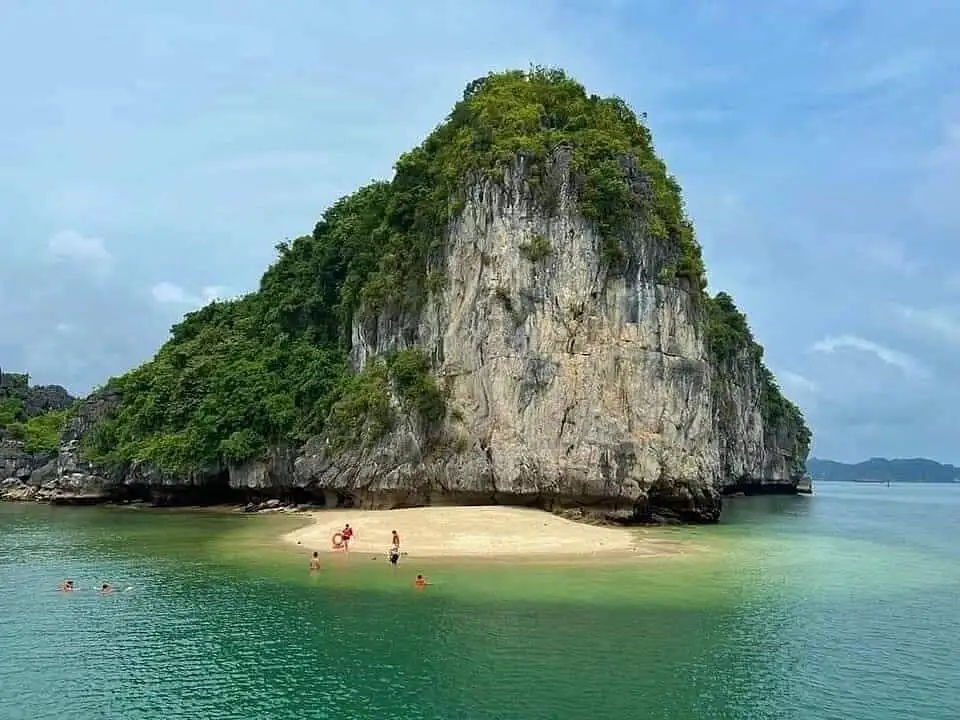
Ha Long Bay is best known for its towering rock formations, but it also hides several small beaches like Ti Top and Soi Sim. These are usually visited as part of overnight cruises, where guests can swim, kayak between karsts and watch the sun set from the deck. The water here tends to be calm, and the scenery is dramatic enough to make even a short stop feel memorable.
Cat Ba Island and Lan Ha Bay
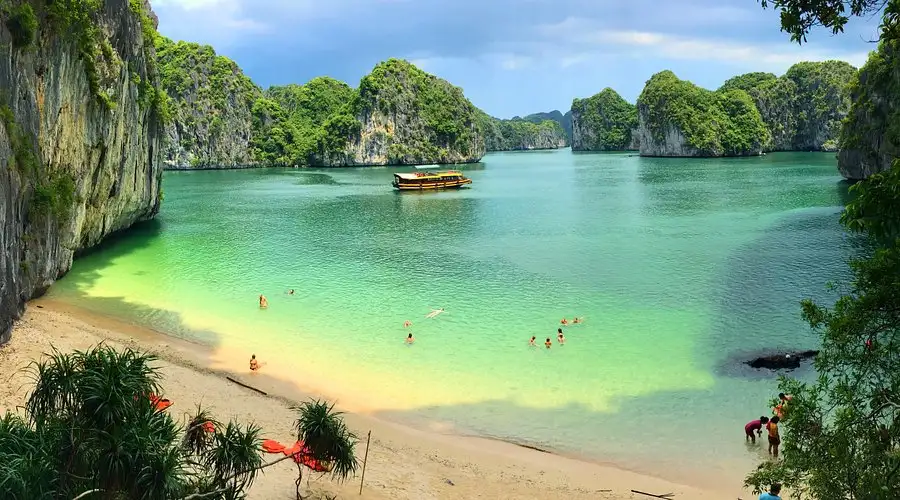
Just south of Ha Long, Cat Ba Island offers a more grounded base for travelers who want both beach time and hiking. Cat Co 1, 2 and 3 are the main beaches, each connected by a short coastal path. Nearby Lan Ha Bay is quieter than Ha Long and increasingly popular with travelers who want similar scenery with fewer crowds.
Tra Co Beach in Quang Ninh
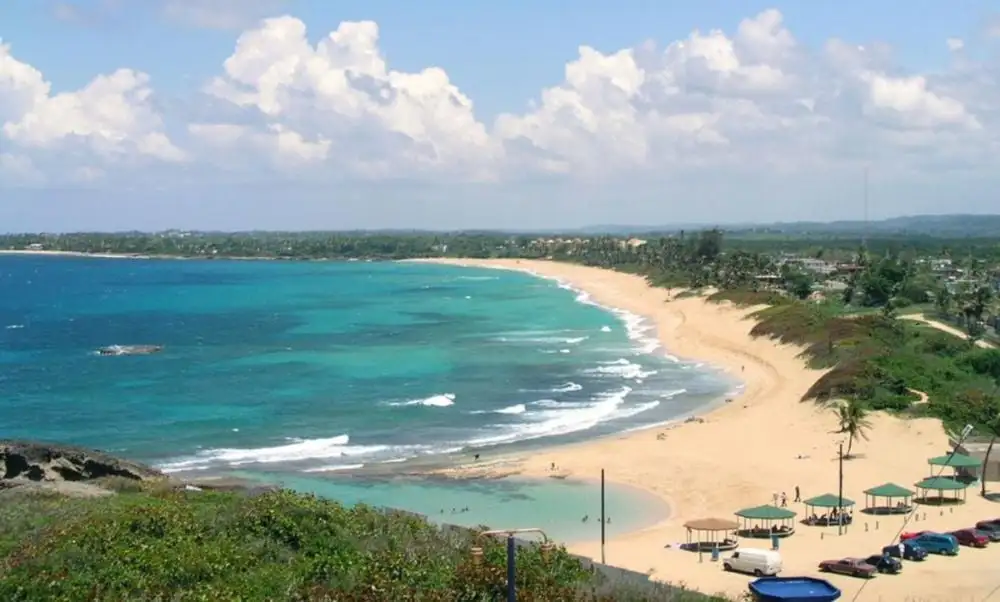
Stretching for around 17 kilometers near the Chinese border, Tra Co is often described as the longest beach in Vietnam. It sees very few international visitors, which makes it a strong choice for slow travelers who enjoy long walks, local seafood and a sense of being far away from the tourist trail.
Best beaches in central Vietnam
Central Vietnam is where the country’s beach experience feels most balanced. The sand is soft, the sea is warm for most of the year, and the coastline runs alongside old fishing towns, UNESCO heritage sites and a growing collection of wellness retreats.
Lang Co Beach near Hue
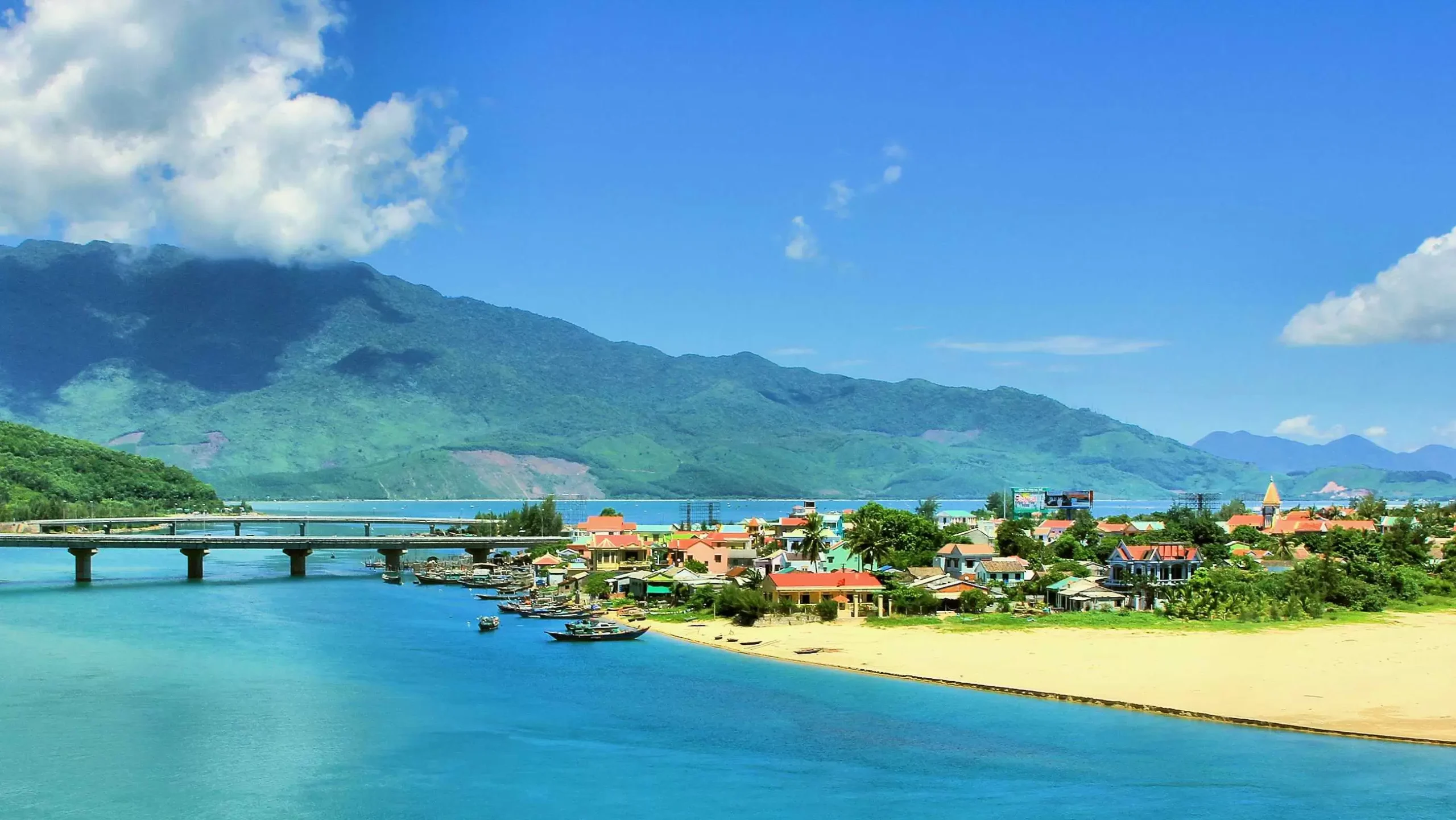
Lang Co sits in a curved bay between Hue and Da Nang, framed by the Truong Son mountains on one side and the sea on the other. It is a natural stop for travelers driving over the Hai Van Pass and is known for its fresh seafood, lagoons and slow village pace.
My Khe Beach in Da Nang
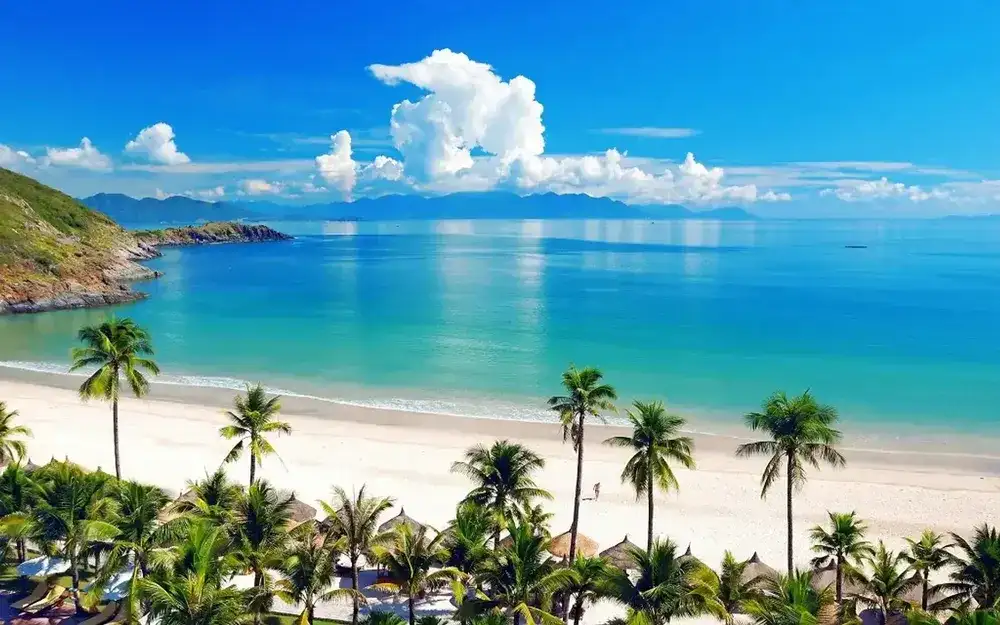
Often called one of the most beautiful city beaches in the world, My Khe runs for kilometers along the edge of Da Nang. The sand is fine, the water is clear, and there is a steady supply of beach cafes, surf schools and seafood restaurants. It suits travelers who want the sea within easy reach of city life.
An Bang Beach in Hoi An
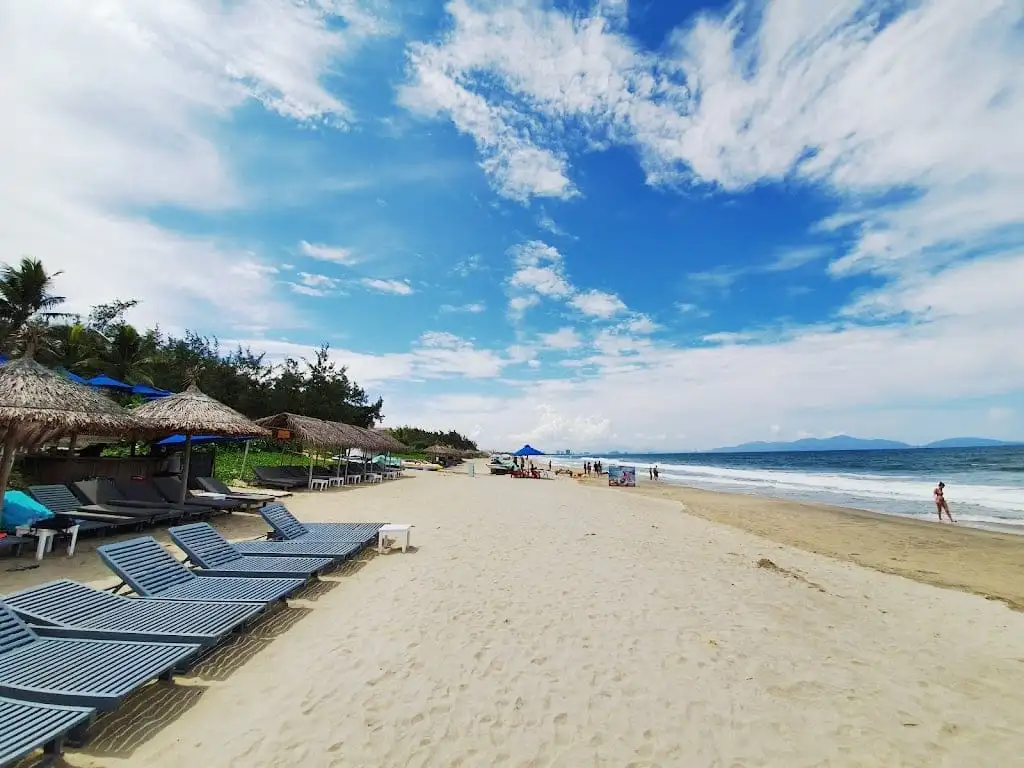
About five kilometers from Hoi An’s old town, An Bang has grown into one of the most loved beach hangouts in central Vietnam. Beach cafes, sunbeds and small bars line the shore, and sunsets here often feel like a quiet daily ritual rather than a tourist event.
Binh Minh Beach in Hoi An
Just south of An Bang lies Binh Minh Beach, a longer and noticeably quieter stretch of coast. The name itself means sunrise in Vietnamese, and early mornings here are some of the most peaceful on the central coast. Fishermen return with the night’s catch, the sea turns pale gold, and there is space to walk for a long time without meeting anyone.
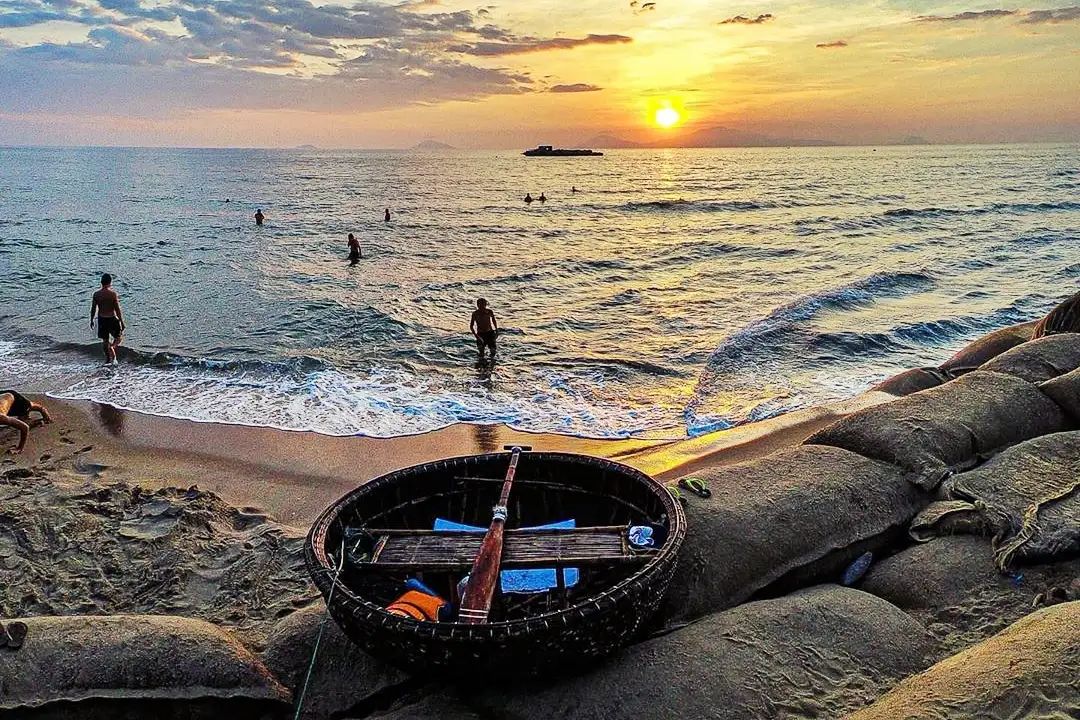
This is also where you find a small cluster of beachfront retreats focused on wellness and slow travel. Travelers looking for a calm alternative to the busier town center often choose to stay along this part of the coast, where places like Bliss Hoi An Beach Resort & Wellness pair beachfront accommodation with spa, yoga and unhurried mornings by the sea.
Cua Dai Beach in Hoi An
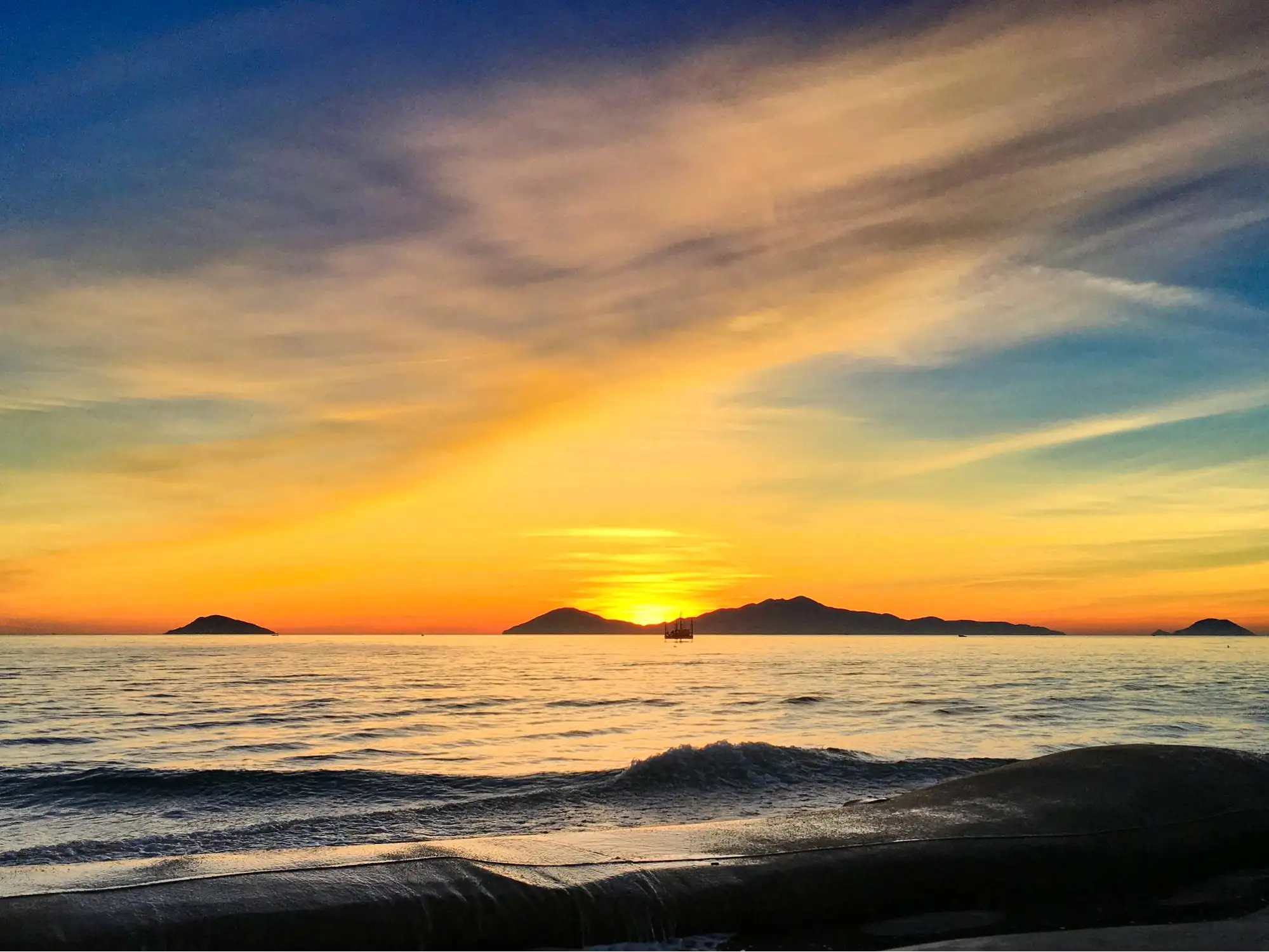
Cua Dai used to be the main beach of Hoi An and is still worth a visit, especially for its proximity to the old town. Parts of the beach have been affected by erosion in recent years, but ongoing restoration work is gradually bringing it back.
Quy Nhon beaches
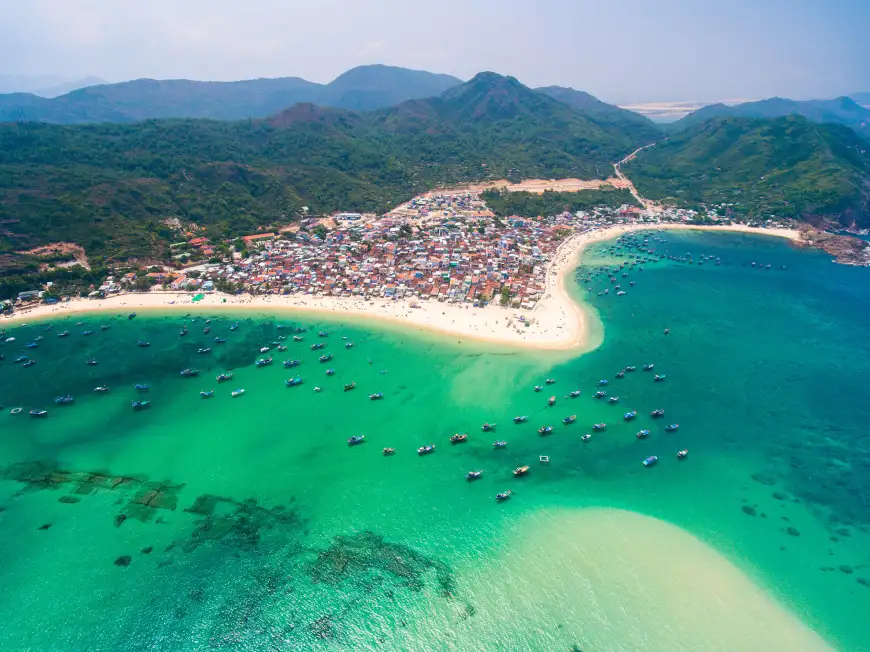
Further south, Quy Nhon has earned a reputation as one of the most underrated coastal cities in the country. Ky Co, Eo Gio and Bai Xep combine clear water, rocky headlands and small fishing communities. The scenery is dramatic enough that some travel writers have started calling the area the Maldives of Vietnam.
Read more: My Khe beach – one of Asia’s most beautiful beaches
Best beaches in southern Vietnam
The south is where Vietnam goes fully tropical. Palm trees lean over white sand, the sea stays warm year-round, and island holidays slip easily into a slower rhythm.
Nha Trang
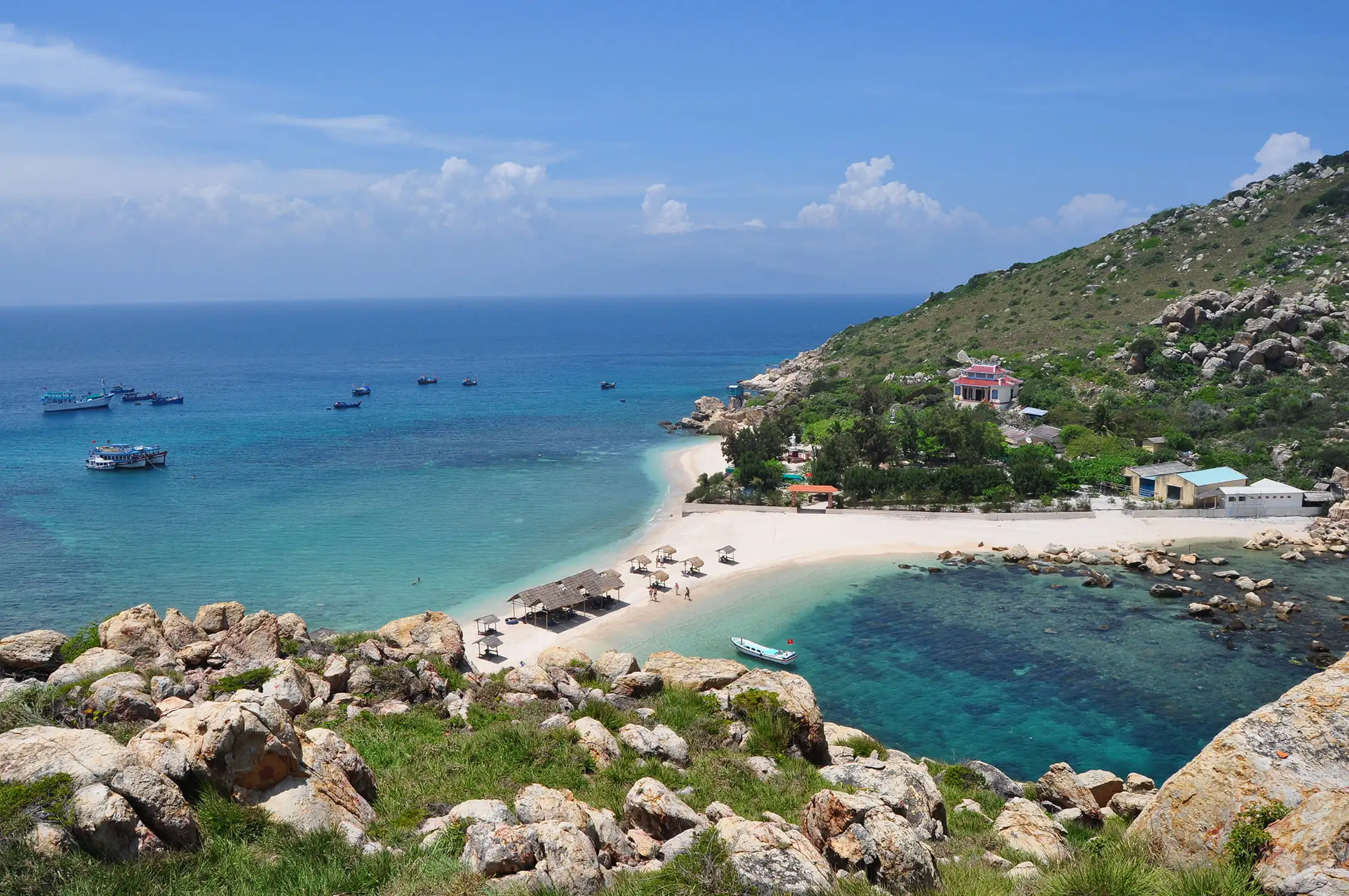
Nha Trang is the most developed beach city in the country, with a long curved bay, plenty of diving sites and a busy nightlife. Day trips to nearby islands like Hon Mun and Hon Tam offer some of the best snorkeling on the mainland coast.
Mui Ne in Phan Thiet
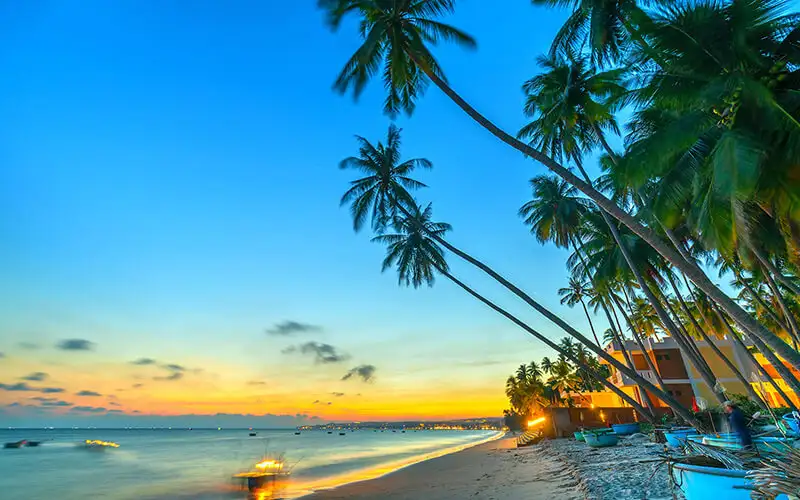
Mui Ne is famous for two things: kitesurfing and sand dunes. The wind that frustrates sunbathers is exactly what brings surfers and kiters here from around the world. Inland, the red and white dunes give the area a desert-like feel that is unusual for a beach destination.
Phu Quoc Island
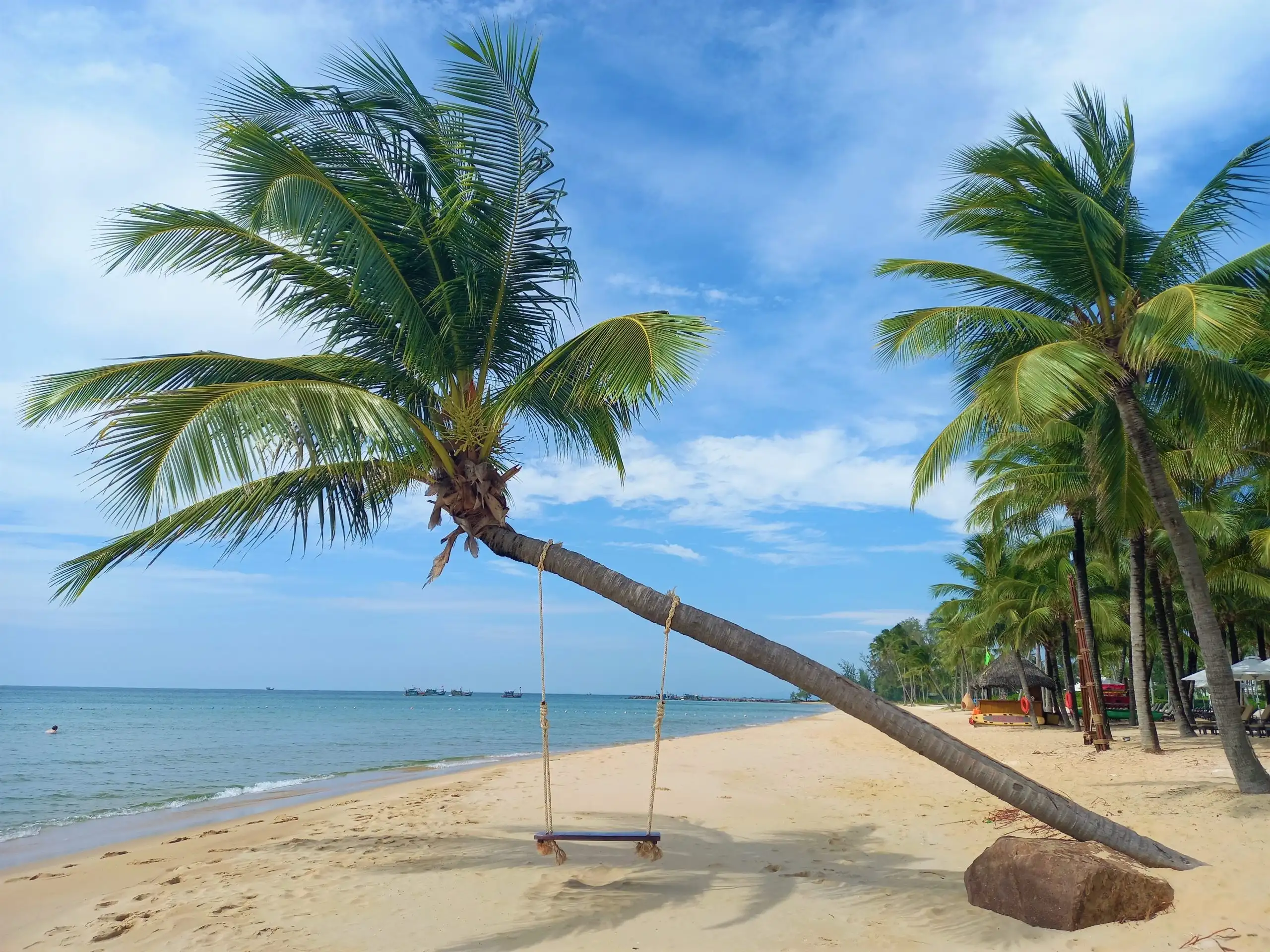
Phu Quoc, in the Gulf of Thailand, is Vietnam’s largest island and its most polished beach destination. Long Beach is good for sunset walks, Sao Beach is postcard-perfect with powder-white sand, and Ong Lang offers a quieter, more local feel. Snorkeling, island hopping and seafood markets fill the days.
Con Dao Islands
For travelers willing to go further off the map, Con Dao is one of the most beautiful and least crowded parts of the Vietnamese coast. The archipelago combines protected national park, sea turtle nesting beaches and a small but growing eco-luxury scene.
Hidden beach gems in Vietnam
Beyond the well-known names, Vietnam still has a long list of beaches that most travelers never reach.
Bai Xep near Quy Nhon is a tiny fishing cove turned slow-travel hideaway, with a handful of low-key guesthouses tucked into the rocks. Bai Mon in Phu Yen sits next to the easternmost lighthouse on the mainland and is often empty even in high season. Co To Island in the north has clean beaches and clear water but stays under the radar because of its distance from Hanoi. Closer to Hoi An, the Cham Islands offer day trips with snorkeling, seafood lunches and a chance to swim in protected marine waters.
Best time to visit Vietnam’s beaches
Because the country is so long, the best beach season depends entirely on where you go.
In the north, the beach season runs roughly from May to September, with warm seas and long sunny days. Winter months can be cool and grey, so coastal trips are usually paired with sightseeing rather than swimming.

In central Vietnam, the dry season stretches from around February to August, with the most reliable beach weather between April and July. October and November can bring storms, so it is worth checking forecasts when planning a trip during that window.
In the south, including Phu Quoc and Mui Ne, the best time to visit runs from November to April, when the sea is calm and the skies are clear. The rainy season from May to October still has plenty of sunny hours, but afternoon showers are common.
How to choose the right beach in Vietnam for your trip
With so many options, it helps to start from the kind of trip you want rather than the destination.
For couples and romantic getaways
Couples tend to enjoy quieter stretches of sand where dinner can be served close to the water and the pace stays slow. An Bang and Binh Minh in Hoi An, along with Con Dao in the south, are good fits. Many beachfront resorts on the central coast also arrange private dinners by the sea, which turns a simple meal into one of the most memorable parts of the trip.
For families
Families often look for safe swimming, plenty of food options and easy logistics. Da Nang, Nha Trang and Phu Quoc all work well, with wide beaches, lifeguards, water parks and family-friendly resorts.
For wellness and slow travel
Travelers focused on wellness usually prefer parts of the coast that have not been overdeveloped. The central coast, in particular the area around Binh Minh Beach and Lang Co, has some of the quietest mornings in the country and is ideal for yoga, spa days and unhurried beach walks. For a more remote experience, Con Dao is hard to beat.
For adventure and watersports
Mui Ne is the country’s kitesurfing capital, Nha Trang is best for diving and snorkeling, and the Cham Islands near Hoi An offer protected marine areas for both snorkeling and free diving. My Khe in Da Nang has a small but active surf scene during the windier months.
Things to do at Vietnam’s beaches
A beach trip in Vietnam rarely means only sunbathing. The coast is full of small experiences that turn a stay into something more memorable.
Sunrise watching is one of the simplest and most rewarding, especially on east-facing beaches like Binh Minh, where the first light comes straight off the water. Snorkeling and diving are best around Nha Trang, Phu Quoc and the Cham Islands, where coral reefs are still in good condition.
Food is another reason to plan a trip around the coast. Seafood buffets, fresh grilled fish at beach shacks and slow fine-dining dinners are all part of central Vietnam’s appeal. Beach weddings and small private events have also become popular along the Hoi An coastline, where the wide sand and gentle waves create a natural setting. Wellness travelers, meanwhile, often build their entire trip around morning yoga, spa treatments and quiet afternoons by the sea.
Where to stay near Vietnam’s most beautiful beaches
Each region has its own style of beach stay.
In the north, most travelers choose overnight cruises in Ha Long or small hotels on Cat Ba Island. The experience is more about scenery than sunbathing, and a one or two-night stay is usually enough.
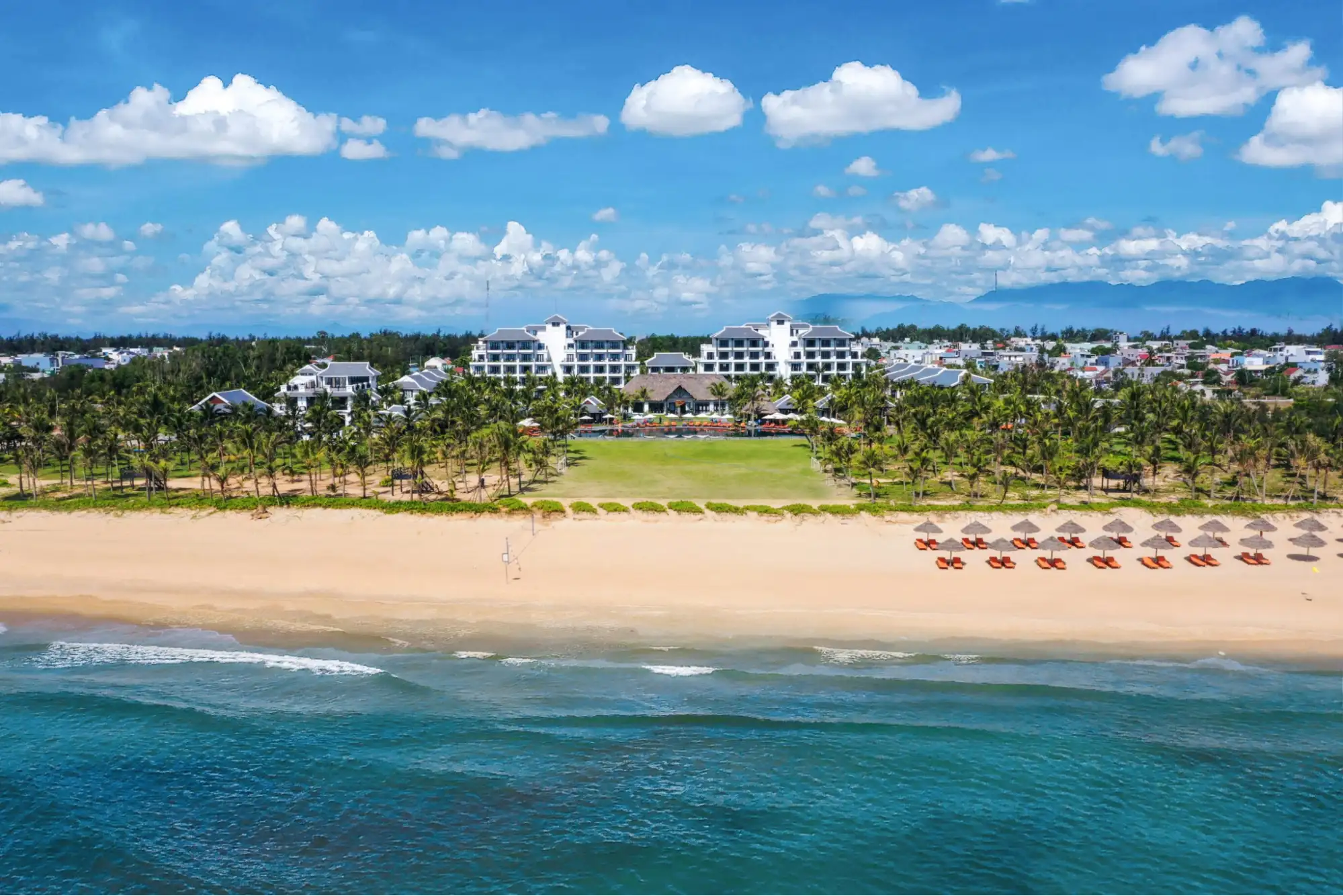
In central Vietnam, the choice is wider. Da Nang offers high-rise beachfront hotels with easy city access, while Hoi An is better for travelers who want a slower pace. Along Binh Minh Beach, a small number of boutique retreats such as Bliss Hoi An Beach Resort & Wellness combine beachfront living with spa and wellness programs, giving travelers a calmer alternative to staying inside the old town.
In the south, Phu Quoc and Con Dao both have a strong selection of resorts, from family-friendly properties to eco-luxury hideaways. Nha Trang remains the go-to choice for travelers who want a livelier coastal city.
Read more: Best area to stay in Hoi An, Vietnam: A complete guide for 2026 travelers
Travel tips for visiting beaches in Vietnam
A few practical notes can make a coastal trip much smoother.
- Most travelers fly into Hanoi, Da Nang or Ho Chi Minh City, then continue by domestic flight, train or private car. The Da Nang to Hoi An route is one of the most popular transfers in the country and is easy to arrange in advance, either through your hotel or a private transportation service.
- Be aware of beach safety. Red and yellow flags mark swimming zones, and during the rainy season some beaches in central Vietnam have strong currents. It is always worth asking locally before swimming far from shore.
- Respect for local culture goes a long way, especially in fishing villages. Modest clothing when walking through residential areas, polite greetings and a willingness to try local food are usually rewarded with warmth and recommendations you would not find online.
The best beach in Vietnam is not really a single place. It is wherever the kind of trip you want lines up with the kind of coast that delivers it. Dramatic karst islands in the north, long sandy bays in the center, tropical island resorts in the south. Each region has its own season, its own pace and its own version of the sea. For travelers drawn to a slower, wellness-focused stay, the calm shores of Binh Minh Beach in Hoi An are a fitting place to begin. Sunrise, quiet sand, fresh seafood and the option to step from your room straight onto the beach are simple ingredients, but they tend to be the ones travelers remember long after the trip is over.

Related Posts
TEST – n8n WordPress Automation

Hoi An Mid Autumn Festival 2026: 5 Things That Make It Different
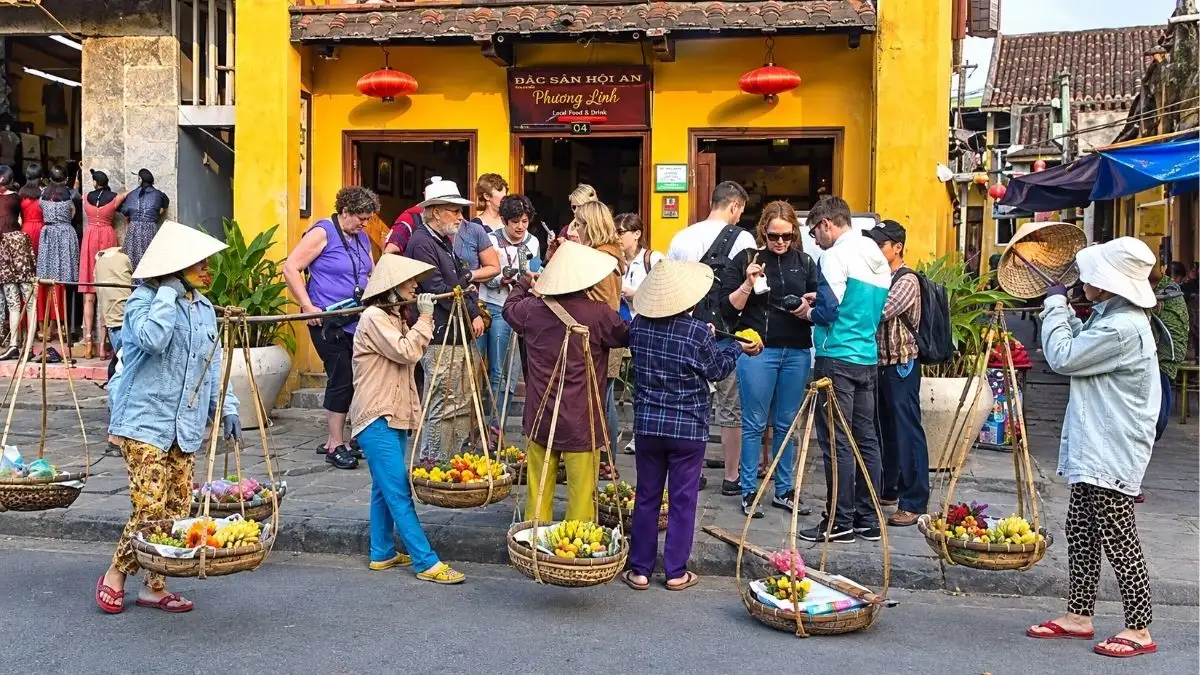
Hoi An Old Town Tourist Traps: What to Watch Out For

Guide to using the Grab app Vietnam when traveling to Hoi An

Teh Dar Show Hoi An: Inside Vietnam’s Bamboo Circus of the Central Highlands