

Ky Anh Tunnels history – Inside the 32km underground tillage the U.S. never cracked
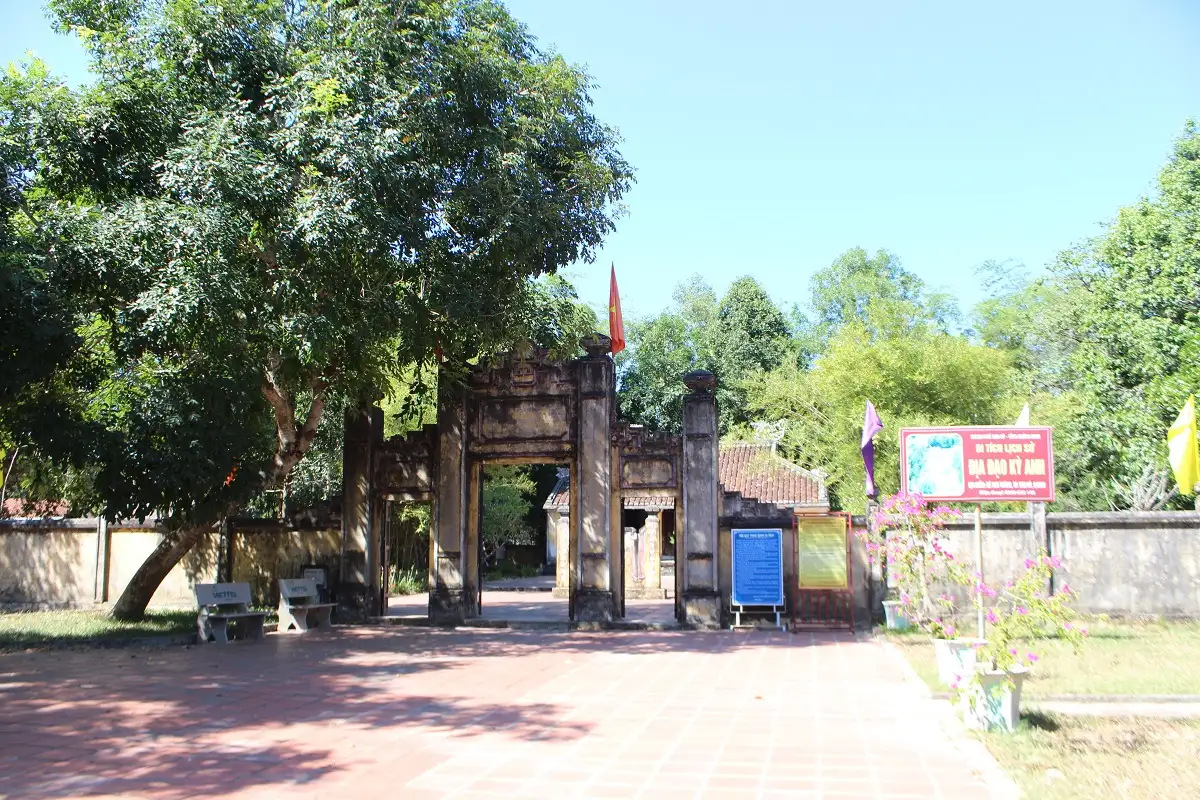
The Ky Anh Tunnels history begins with a number that sounds almost impossible: 32 kilometers of underground passages, dug entirely by hand between 1965 and 1967, hidden right beneath a working Vietnamese village. No bulldozers, no concrete, no blueprints – just farmers, guerrillas, and grandmothers digging at night with hoes and baskets.
Ky Anh Tunnels – Quick Facts
- Built: May 1965 – 1967, dug entirely by hand
- Length: ~32 km of underground passages
- Tunnel size: 0.5-0.8m wide, 0.8-1m tall
- Rank: One of Vietnam’s 3 largest resistance-war tunnel systems (with Cu Chi and Vinh Moc) (Source: vietnam.vn)
- National Relic status: 1997, under Decision No. 985
- Current address: Thach Tan hamlet, Ban Thach ward, Da Nang city (formerly listed under Quang Nam)
- Distance from Hoi An: ~50 km, 1-1.5 hour drive
Ky Anh Tunnels History: Inside the Underground Village
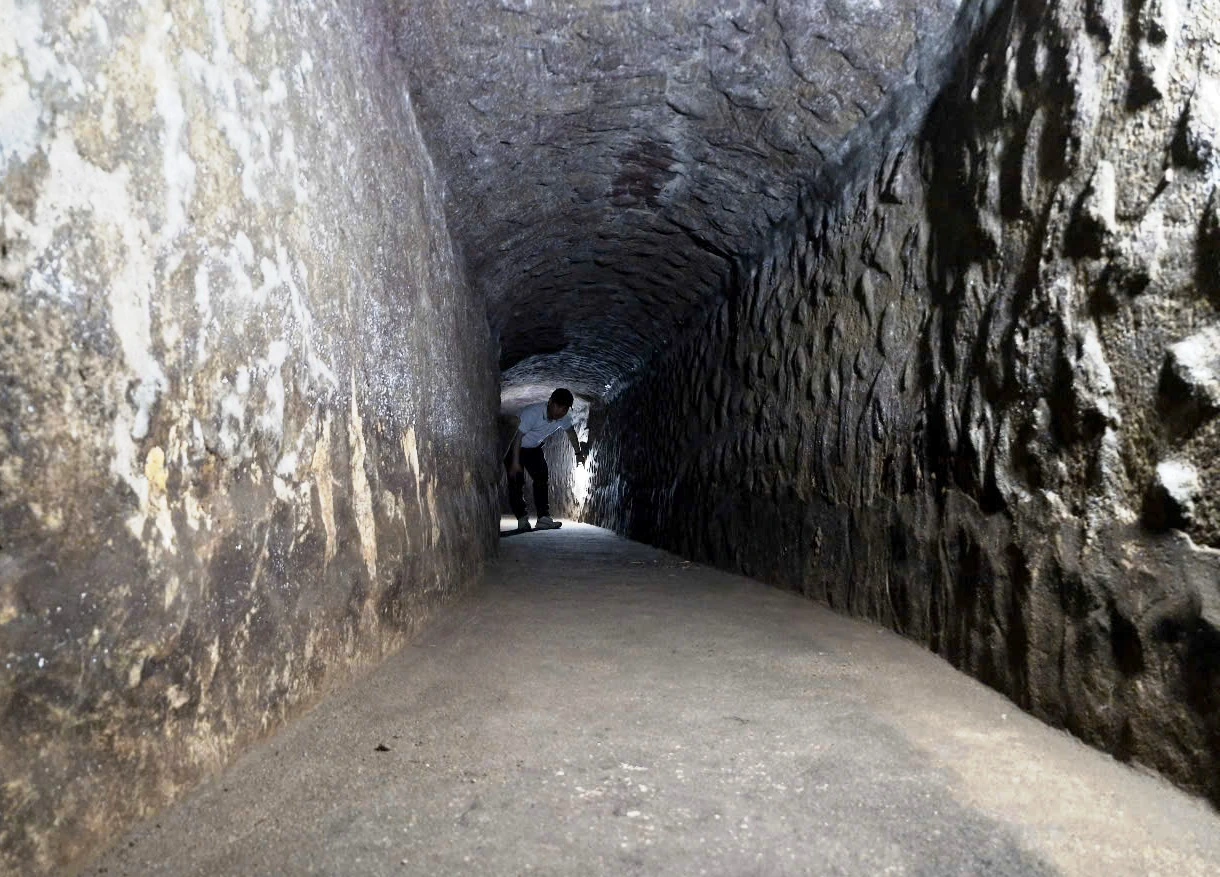
Most visitors expect a war relic. What they find is closer to an entire underground town. The tunnel network runs about 32 kilometers total, with corridors only 0.5 to 0.8 meters wide and 0.8 to 1 meter tall – narrow enough that adults must crouch or crawl through most sections (Source: hanoitimes.vn). Locals started digging in May 1965 and did not stop until the system was functionally complete in 1967, all while the war above ground was intensifying.
What makes this more than a curiosity is scale. Ky Anh ranks among the three largest tunnel systems built in Vietnam during the resistance war, alongside the far more famous Cu Chi Tunnels near Ho Chi Minh City and the Vinh Moc Tunnels in Quang Tri. Unlike those two sites, Ky Anh has stayed relatively unknown internationally, which is exactly why the tunnels still feel raw, quiet, and untouched by mass tourism when you walk through them today.
Read more: Ky Anh Tunnels – Vietnam’s hidden underground fortress
The tunnels were never just a hiding place. Villagers built entire functional rooms into the network: a command post, a medical clinic, food and weapons storage, bomb shelters, and firing positions, all connected by a maze designed to confuse anyone chasing the people who lived and fought inside it. Every meter of that maze was excavated by hand, at night, in total secrecy from neighbors who might unknowingly give it away.
The sand trick that made these tunnels almost impossible to destroy
The ground around Thach Tan village sits on loose coastal sand, the kind that should collapse the moment you dig a hole in it. Villagers solved this by tunneling straight through the soft sand layer until they reached a much harder clay stratum underneath, similar in density to laterite rock. Only then did they start carving out the actual tunnel network.
That single engineering decision is why the tunnels survived decades of bombing raids and even attempts to plow them under with heavy machinery. The compacted clay shell held its shape where sand alone never could have. It is a striking example of villagers with no formal engineering training solving a structural problem that modern construction crews would recognize as sound geotechnical logic.
This is also why walking through Ky Anh Tunnels feels different from a typical museum tour. You are not looking at a rebuilt exhibit – in many sections, you are moving through the same clay walls that people shaped by hand more than half a century ago, using tools no more advanced than a shovel and a woven basket to carry the excavated earth away without anyone noticing.
Ky Anh Tunnels Timeline: 1965 to National Relic Status
1965-1967: Digging Begins
Construction started in May 1965, led by ordinary residents of what was then Ky Anh commune – farmers, guerrilla fighters, and local women, working with nothing more than hoes, shovels, crowbars, and baskets. There was no single blueprint. The tunnel grew organically, branch by branch, as different sections of the village added their own connections into the wider network. By 1967, the core system was complete and already functioning as a covert base.
War Years: Command post, clinic, and bomb shelter
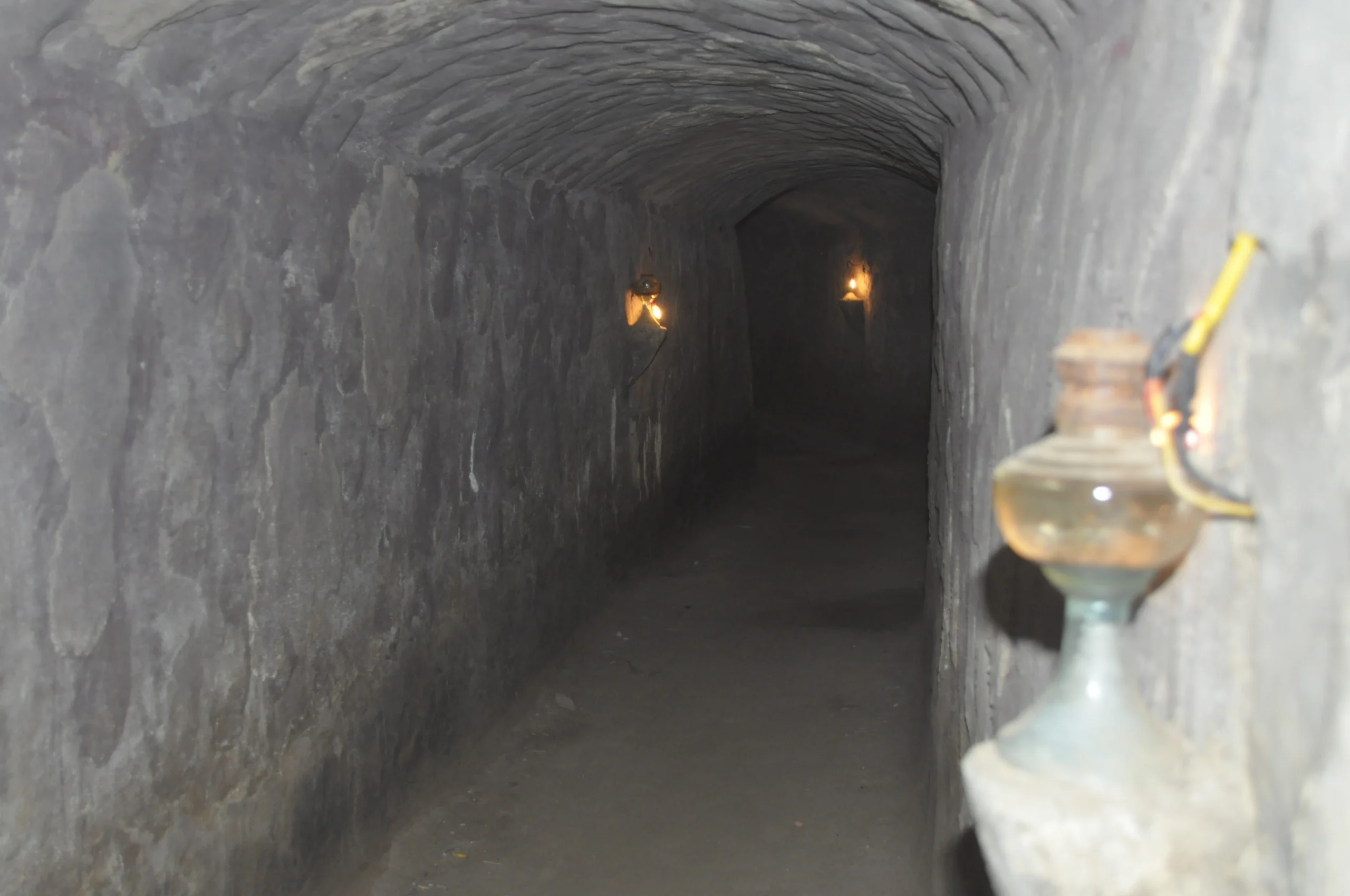
For the remainder of the war, Ky Anh Tunnels served a dual role that is rare among Vietnam’s tunnel systems: part civilian shelter, part military command structure. The network gave the local resistance a strategic headquarters, storage for food and weapons, a hidden medical clinic, and bomb shelters that let entire families disappear underground within minutes of an air raid warning. Camouflaged ventilation shafts kept air circulating without giving away the tunnel’s location above ground.
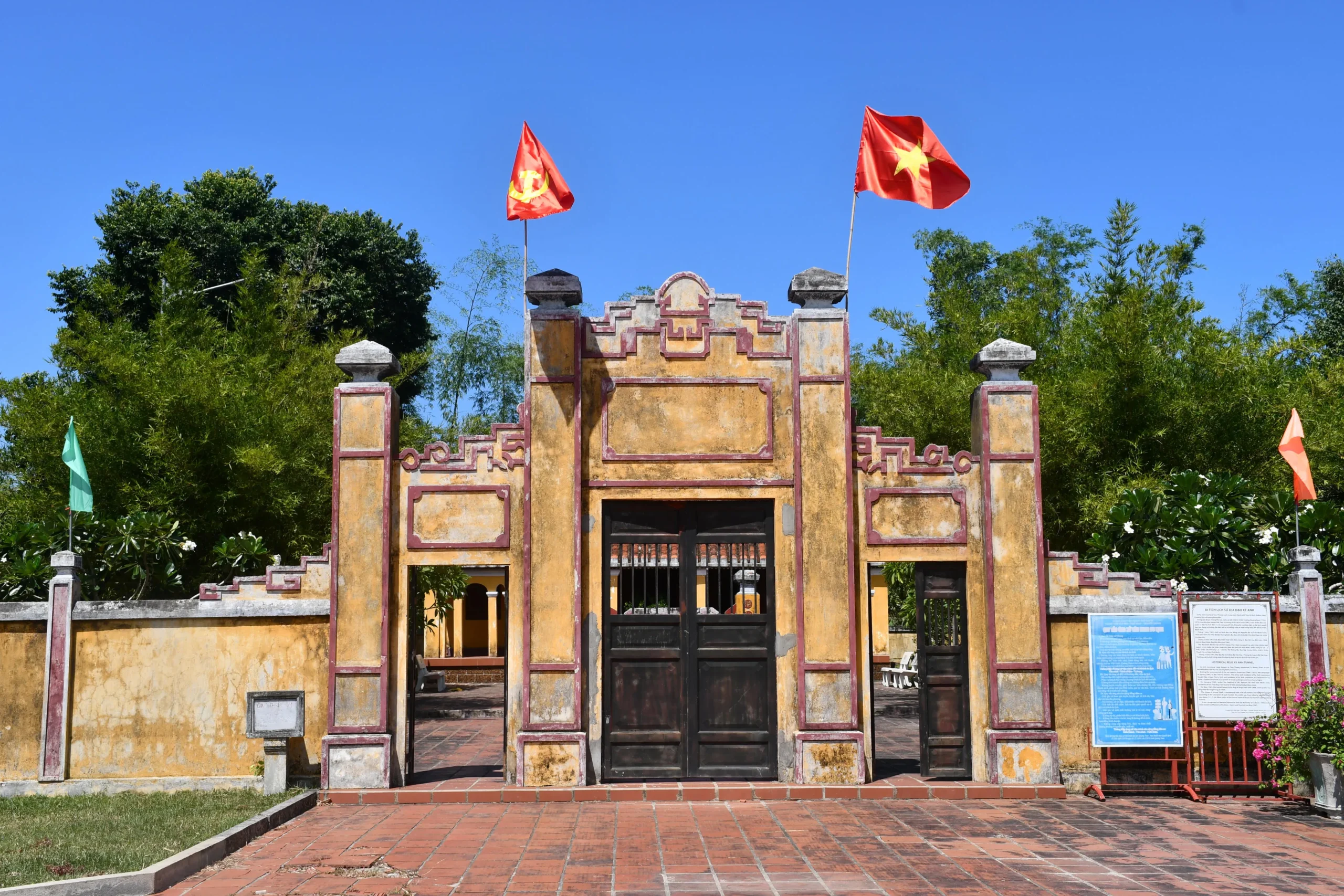
1994-1997: From hero village to National Historical Relic
In 1994, the local armed forces and residents of Ky Anh commune were formally honored with the title “Hero of the People’s Armed Forces” in recognition of their wartime resilience. Three years later, in 1997, the tunnel system was officially classified as a National Historical Relic under Decision No. 985, cementing its place as one of Vietnam’s protected wartime heritage sites rather than just a local landmark (Source: baodanang.vn)
Finding Ky Anh Tunnels after Vietnam’s 2025 merger
Following Vietnam’s 2025 administrative restructuring, Quang Nam province and the old Da Nang city were merged into a single, expanded Da Nang. The former Tam Thang commune – home to the tunnels – was consolidated with two neighboring wards to form what is now Ban Thach ward, Da Nang.
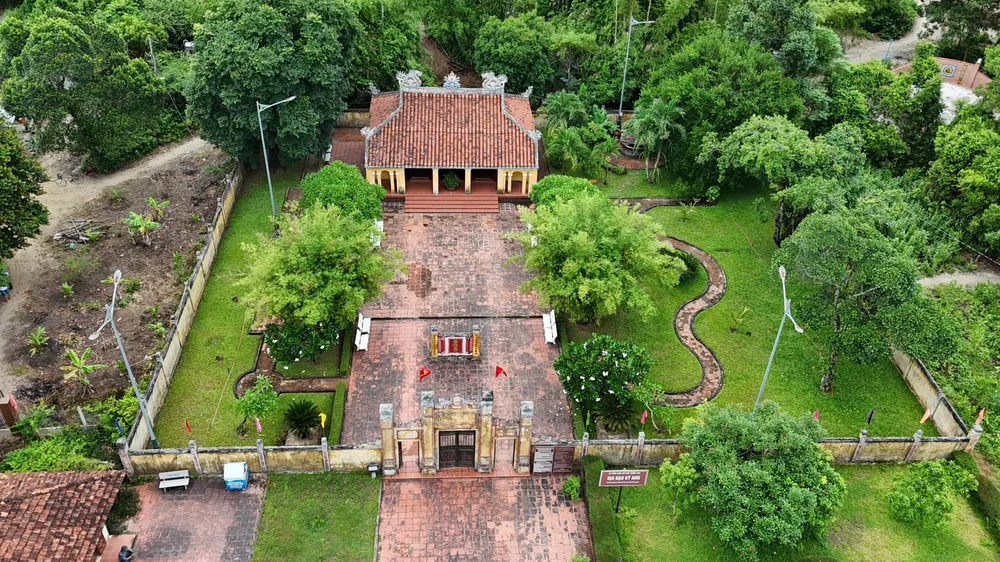
The tunnels themselves have not moved an inch. What has changed is only the paperwork: the current official address is Thach Tan hamlet, Ban Thach ward, Da Nang city. If your map app, an old blog post, or a taxi driver still refers to “Quang Nam” or “Tam Ky,” you are looking at outdated information rather than a different place – this is the same historical site, just under new provincial lines.
Between 2017 and 2021, the local authority also invested in visitor-facing infrastructure at the site: a reception building, restrooms, an exhibition house displaying wartime artifacts, a landscaped entrance path, a parking area, and restoration work on the 300-year-old Thach Tan communal house that marks the tunnel’s starting point (Source: vietnamplus.vn).
The 2026 Ky Anh Tunnels Festival (last updated)
In 2026, the local government launched the “Ky Anh Tunnels – Dam River Reed Marsh” Culture and Tourism Festival, themed “Ky Anh Tunnels – An Epic Beneath the Earth,” running from July 24 to July 30 at the tunnel site and the surrounding Dam River wetland.

The festival brought the tunnels’ history to life through more than a dozen cultural, sporting, and experiential activities: a reenactment of soldiers marching home to a village welcome meal, a double-kayak race along the Dam River, hands-on sessions in the traditional Thach Tan sedge-mat weaving craft, a floating lantern release event called “Illuminating the Dam River,” and Bai Choi folk singing performances that are themselves a recognized piece of intangible Vietnamese heritage.
Even outside festival dates, this signals something worth knowing: Ky Anh is no longer treated as a forgotten relic. Local authorities are actively investing in preserving and presenting its story, which means future editions of similar cultural events are likely, and each visit now comes with a little more context and infrastructure than the one before it.
What visitors say about Ky Anh Tunnels
Because Ky Anh remains far less commercialized than Cu Chi, most travelers who make the trip describe it in strikingly personal terms rather than the polished language of a major attraction. Reviewers frequently mention having the site almost entirely to themselves, which turns a short visit into something closer to a private history lesson than a queue-and-photo stop.

A recurring theme in traveler feedback is the contrast with better-known tunnel sites: visitors consistently note that Ky Anh feels more authentic and less staged, precisely because so few of its passages have been widened or reinforced for tourism. The narrow, low, unmodified corridors are frequently cited as the most memorable part of the experience – uncomfortable in the best possible way, because it is the closest most people will ever get to understanding how villagers actually lived underground.
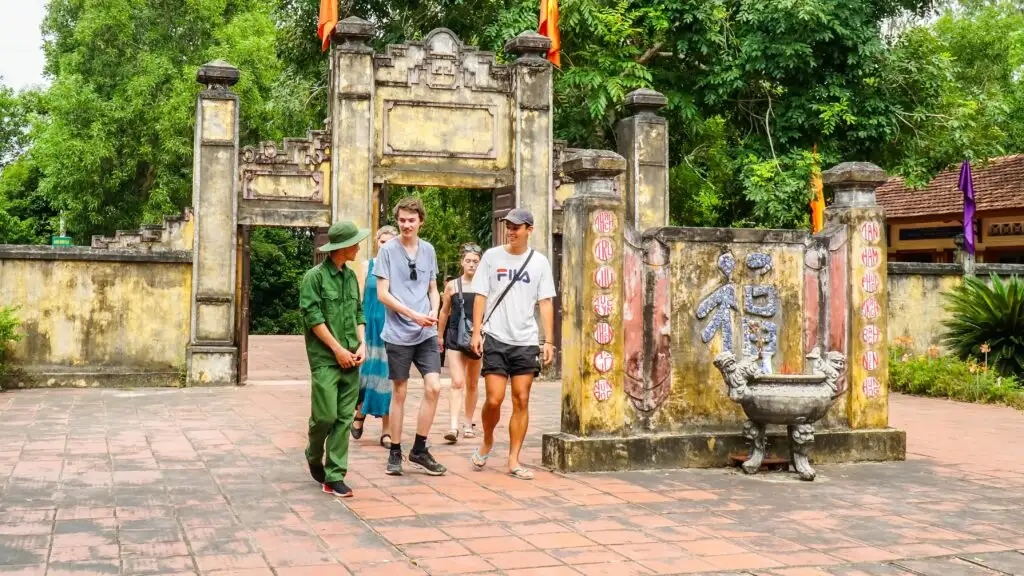
Guided visits also draw consistent praise, particularly when led by guides connected to the local community, who add firsthand family stories that are not written on any plaque. For travelers who prefer structure and context over wandering independently, this is generally flagged as the difference between an interesting stop and a genuinely moving one.
How to actually visit this piece of history
Ky Anh Tunnels sits roughly 50 kilometers from Hoi An, around a 1 to 1.5-hour drive, making it an easy half-day trip rather than a major expedition. Because the site rewards context – the sand-digging technique, the tunnel layout, the personal stories – most travelers get considerably more out of a guided visit than an independent one, especially since parts of the village-side map at the communal house are labeled in Vietnamese only.
If you want the full route breakdown, half-day and full-day itinerary options, and practical packing tips, For travelers who also want a side-by-side comparison with the Cu Chi and Vinh Moc tunnel systems, our earlier deep-dive on the Ky Anh Tunnels overview is worth a read.
Read more: Ky Anh Tunnels Tour – Explore Vietnam’s historic underground network
The most convenient way to experience it is through the Ky Anh Tunnels & Mother Thu Monument tour offered by Bliss Hoi An, which pairs the tunnel visit with the Mother Thu Monument – one of Southeast Asia’s largest memorials honoring Vietnamese mothers who lost their families in the wars for independence. The package includes transportation, a local guide, drinking water, and entry fees, so the only thing left to plan is showing up ready to crouch through some very old history.
Rest your feet where the story continues: Staying at Bliss Hoi An Beach Resort & Wellness
A morning spent bending through 1960s tunnels earns an afternoon on Binh Minh Beach. Bliss Hoi An Beach Resort & Wellness sits on 5 hectares of low-density tropical grounds directly on a private stretch of coastline, roughly an hour’s drive from Ky Anh Tunnels – close enough to combine both in one relaxed day trip from the resort.
After the narrow tunnel corridors, most guests head straight for open space, and the resort’s 55-meter infinity pool – longer than an Olympic lane – delivers exactly that, along with an outdoor jacuzzi and uninterrupted ocean views. For a slower reset, the Ngoc Linh Spa offers therapeutic massage inspired by Vietnam’s rare mountain ginseng, plus dry and wet saunas built to genuinely unwind tired legs after a day of crouching through history.
Hungry after the trip? The oceanview Binh Minh Restaurant serves fresh Asian and European cuisine right by the waves, and guests on the resort’s All-Inclusive package can eat and drink without limit for a flat daily rate – a genuinely rare offer among Hoi An beach resorts. Pair it with a sugarcane-rum cocktail at the Ocean Bar, made from cane grown locally in Quang Nam, and the contrast between a 1960s tunnel and a 2026 poolside cocktail becomes part of the story too.

FAQs About Ky Anh Tunnels History
When were Ky Anh Tunnels built?
→ Construction began in May 1965 and was largely complete by 1967, built entirely by hand by local farmers, guerrillas, and villagers.
How long are the Ky Anh Tunnels?
→ The full network stretches approximately 32 kilometers, with passages 0.5-0.8 meters wide and 0.8-1 meter tall, making it one of the three largest tunnel systems from Vietnam’s resistance war.
Where are Ky Anh Tunnels located today?
→ Following Vietnam’s 2025 administrative merger, the site’s current official address is Thach Tan hamlet, Ban Thach ward, Da Nang city – the same location previously listed under Quang Nam province.
Is Ky Anh different from Cu Chi Tunnels?
→ Yes. Ky Anh is far less commercialized, with narrower, largely unmodified original passages and a combined civilian-military history, while Cu Chi is significantly larger and built primarily for guerrilla military operations.
When is the next Ky Anh Tunnels Festival?
→ The 2026 edition ran from July 24 to 30. Follow local Da Nang tourism announcements or ask your Bliss Hoi An tour desk for updates on future editions.
Ready to trade tunnel crawling for beachfront calm? Book your stay at Bliss Hoi An Beach Resort & Wellness and let us arrange the tour, the transportation, and the ocean view that comes after.

Related Posts

8+ experiences in Tet Lunar New Year Hoi An worth trying

Hoi An to Phu Yen by road: 5 stops worth getting out of the car for
Hoi An to Quy Nhon: How to get there, routes and what to know
TEST – n8n CREATE 002

Gym Hoi An: Prices, Day Passes and Options for Travelers