


Hoi An Lunch: Where to Eat, What to Order, and How to Beat the Midday Crowds (2026 Guide)
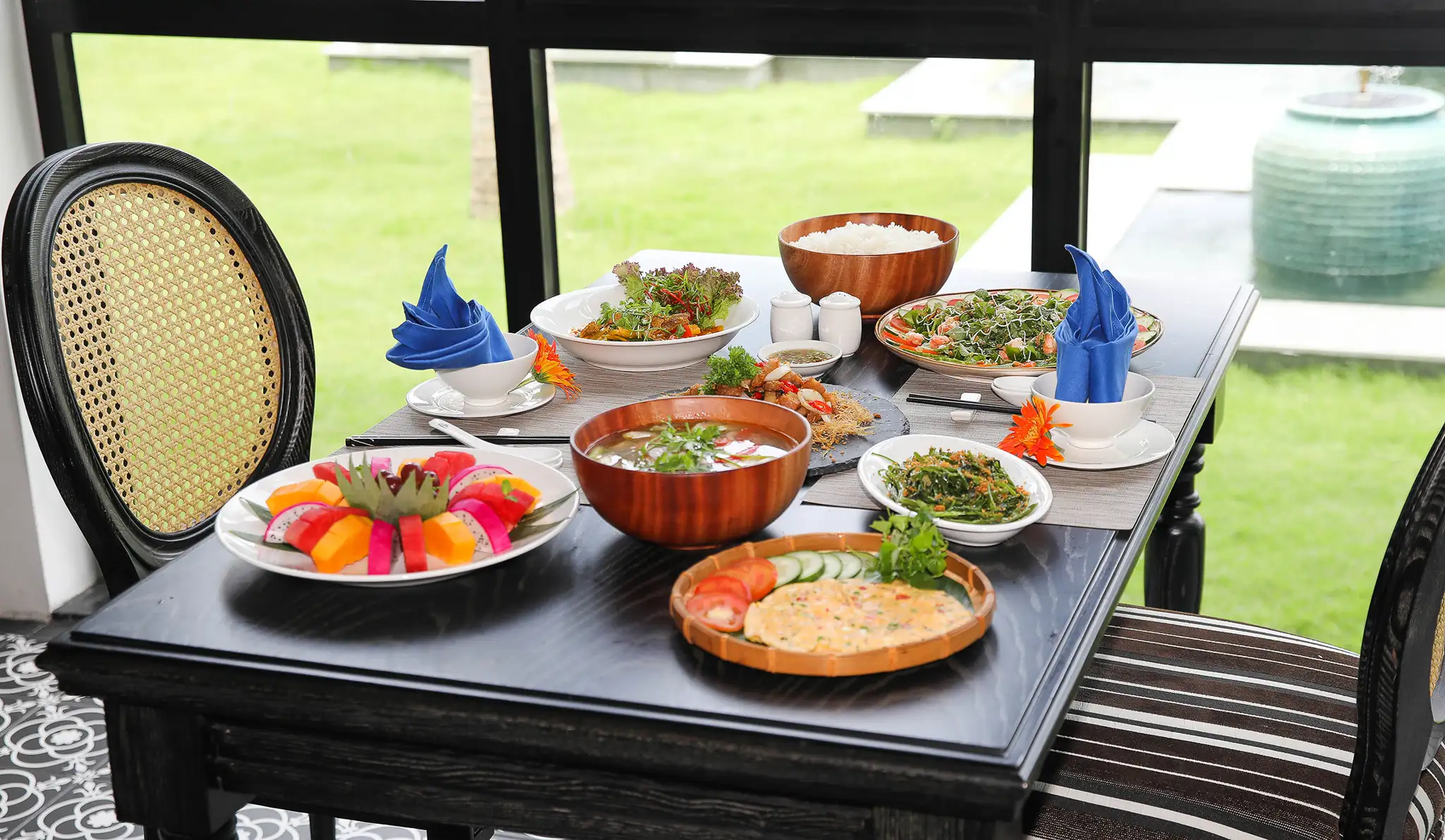
Hoi An lunch means one thing above all: timing. Eat between 11:30 AM and 1:30 PM in the Old Town and you’re competing with tour buses, closed kitchens on siesta break, and 33°C heat radiating off yellow walls with zero shade. Eat smart – earlier, later, or somewhere with air conditioning and a beach view – and lunch becomes the best meal of the day.
Where to eat lunch in Hoi An right now
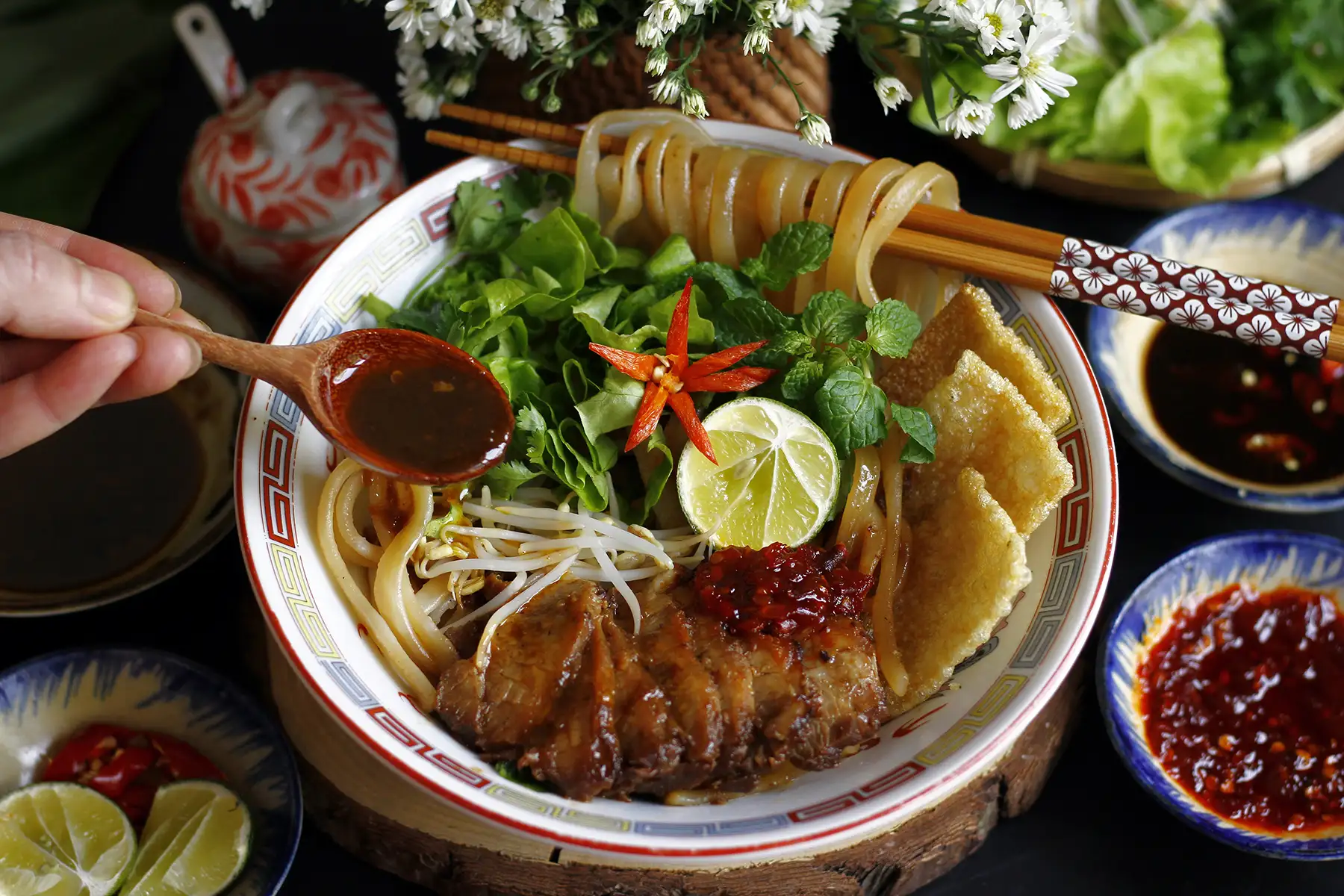
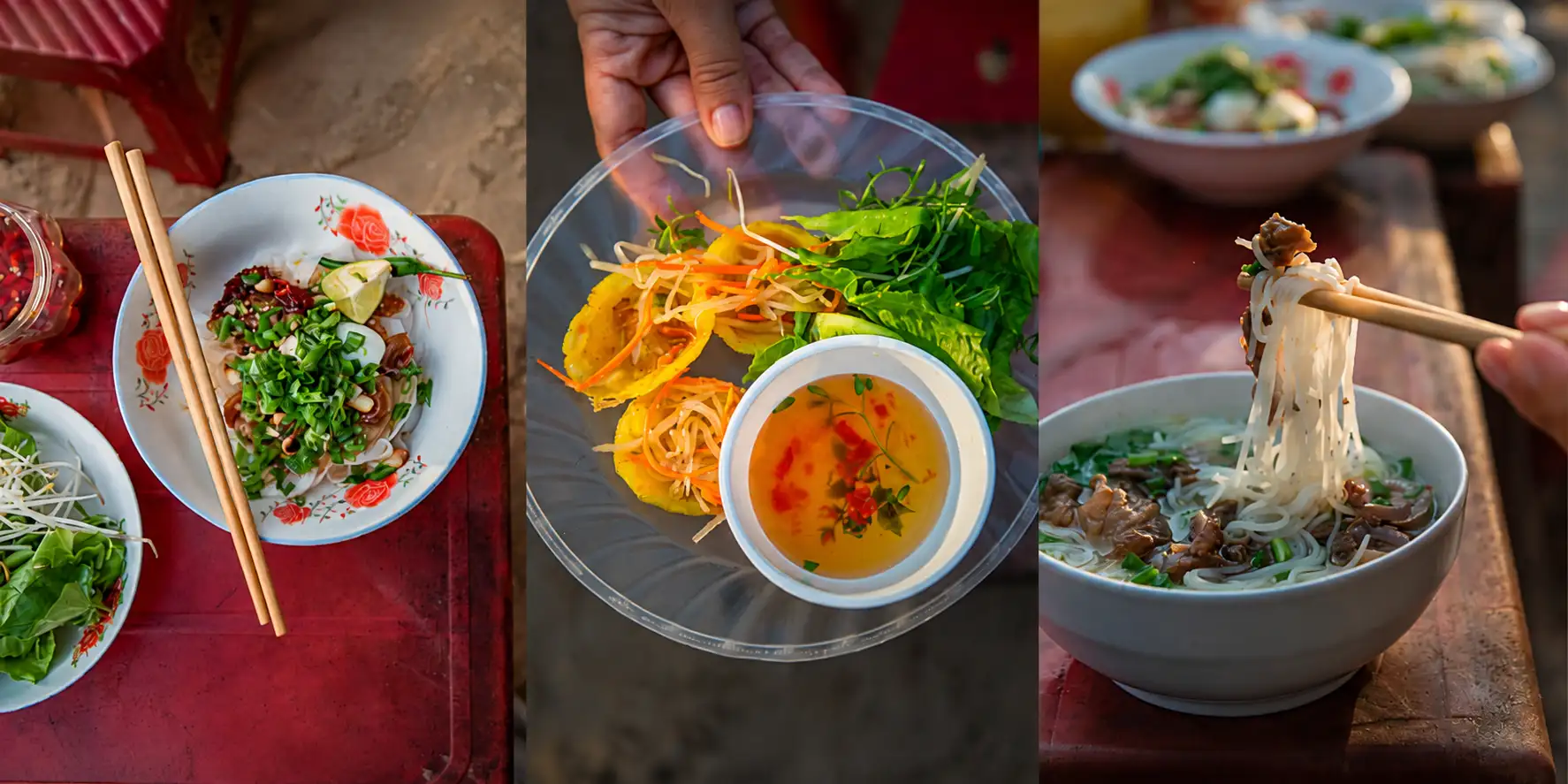
If you only have one lunch in Hoi An, spend it on cao lau. This is the dish the city is built around: thick rice noodles, slices of char siu-style pork, crispy croutons, and bitter greens, tossed in a broth so localized that the water supposedly has to come from a specific well in town. Order it at a plastic-stool stall on Tran Phu Street or a sit-down spot on Bach Dang, and you’ll pay roughly the same either way – the noodles taste identical, only the seating changes.
Right behind cao lau on the “order this first” list is white rose dumplings (banh bao vac), a Hoi An original found almost nowhere else in Vietnam. Steamed rice-flour parcels stuffed with minced shrimp, folded into a shape that genuinely resembles a rose, served with fried shallots and a light dipping sauce – it’s a dish built for lunch because it’s light enough not to wreck your afternoon. Pair it with a banh mi from a street stall for a two-dish lunch that costs less than a coffee back home.
For a sit-down option that doesn’t involve queueing, aim for a restaurant just outside the ticketed Old Town core rather than directly on Tran Phu or Nguyen Thai Hoc, where prices run higher purely for foot traffic. If banh mi is the goal specifically, there’s one stall that’s become a genuine lunch pilgrimage site for visiting foodies – our guide to Hoi An’s most famous sandwich stall covers exactly when to go and what to order so you don’t end up in the 40-minute midday line.
What to order: The dishes worth building lunch around
Beyond cao lau and white rose, Hoi An’s lunch menu has a handful of dishes that rarely make it onto generic “best restaurants” lists but are exactly what locals eat at midday. Mi Quang is one – a turmeric-yellow noodle dish with a shallow, intensely flavored broth (not a soup you drink, more a sauce you toss through), topped with shrimp, pork, a boiled quail egg, peanuts, and a single rice cracker for crunch. It’s heartier than cao lau, which makes it a smart choice if lunch is your main meal of the day.
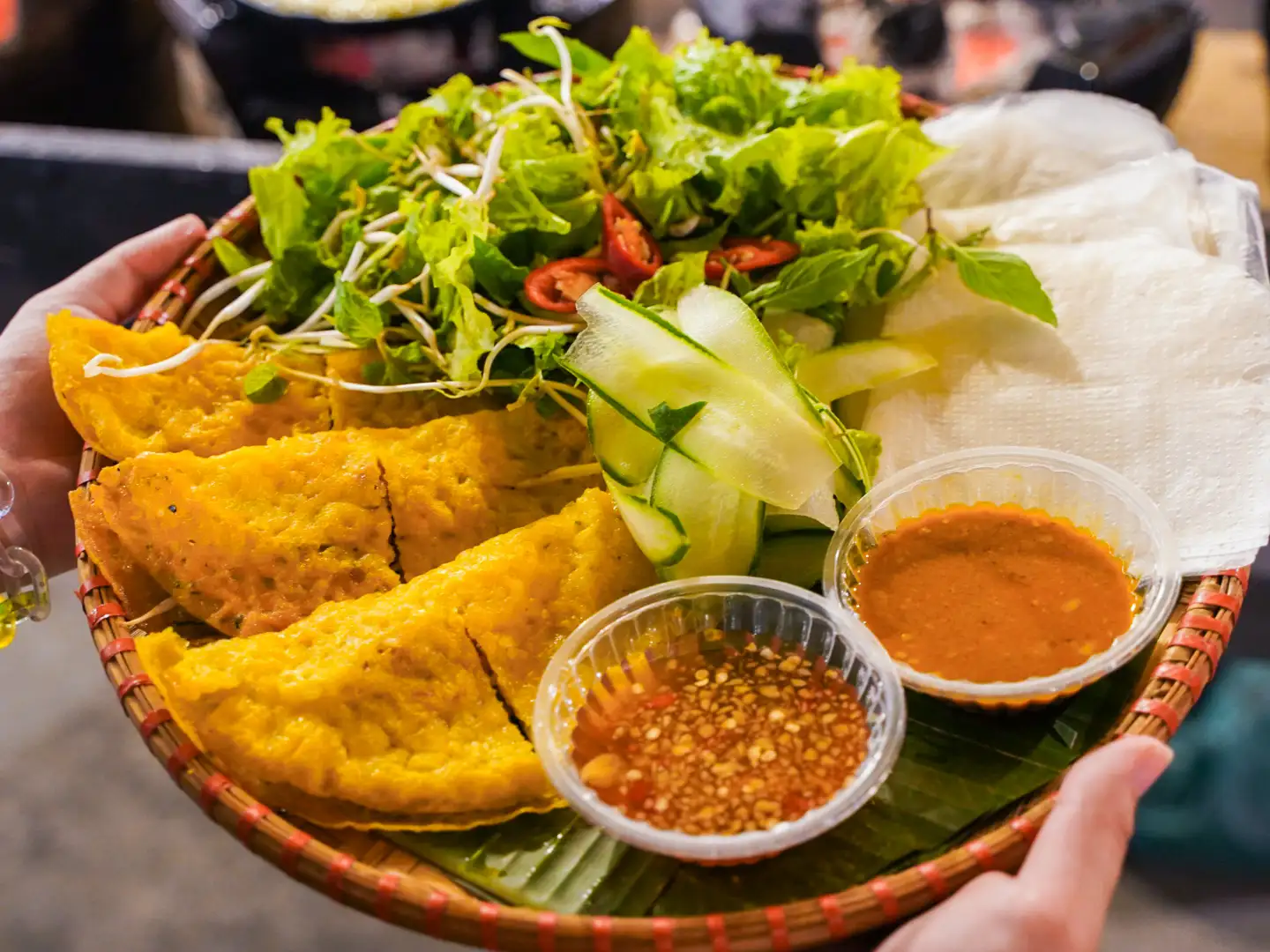
Banh xeo, the crispy Vietnamese pancake, is another lunchtime staple, best eaten hot off the pan and wrapped in rice paper with fresh herbs before dipping. Central Vietnam’s version is smaller and crispier than the southern style, and most stalls will let you build your own wrap at the table, which turns lunch into something closer to an activity than a meal.
If you want a lighter, cooler option for the hottest part of the day, chao ngheu – clam porridge – is worth seeking out specifically; it’s savory, easy on the stomach, and served by vendors who tend to open only during a narrow midday-into-afternoon window.
We’ve mapped out exactly where, when, and how locals eat that dish in a dedicated piece – see our full guide to Hoi An clam porridge for stall names and timing. To wash any of these down, skip the sugary bottled drinks and try mót, the herbal iced tea nearly everyone in the Old Town seems to be holding by early afternoon; we cover what’s actually in it in our guide to Hoi An’s herbal tea.
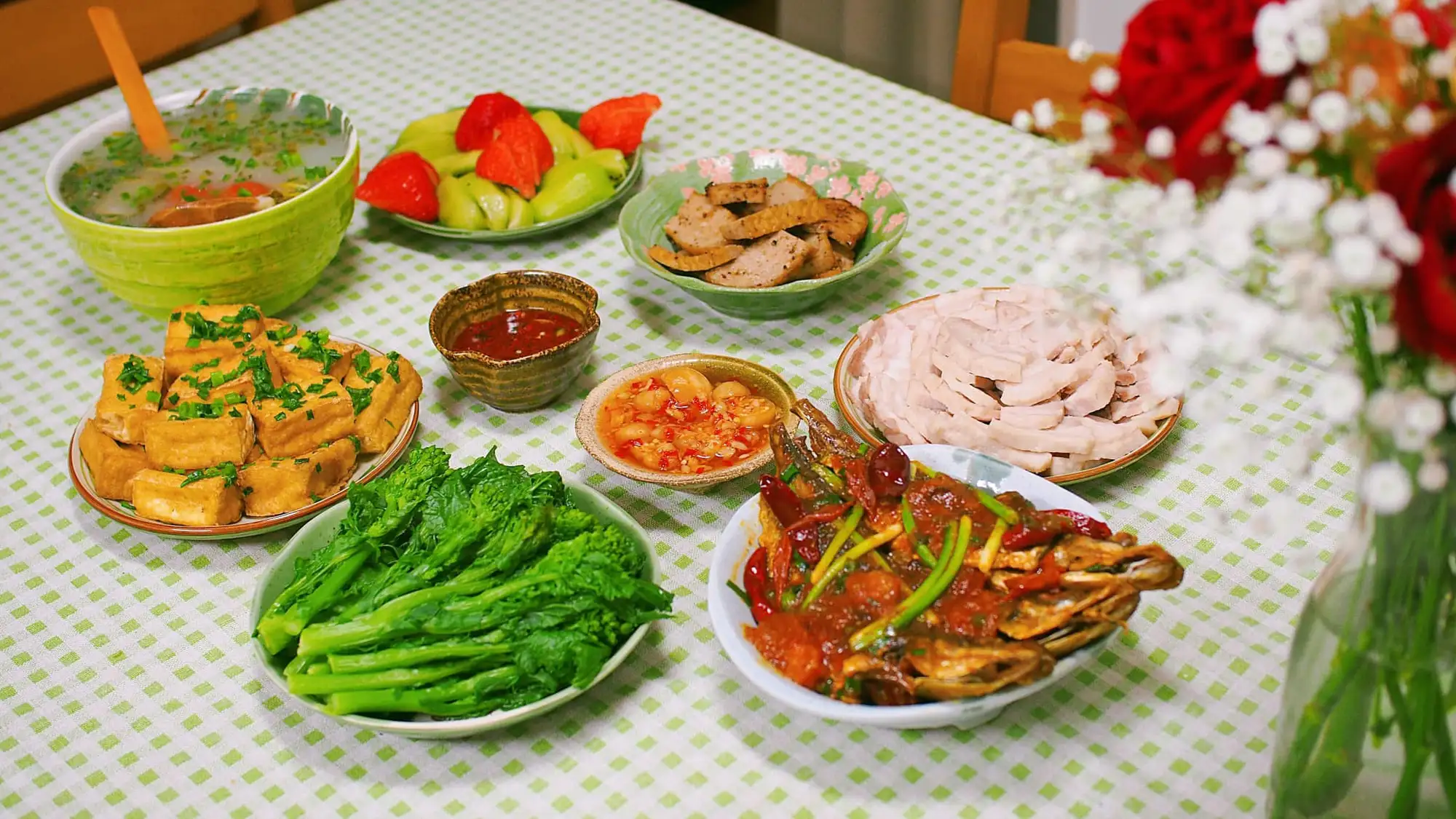
Vegetarian travelers are well covered too: com chay (vegetarian rice plates) are widely available, especially around the 1st and 15th of the lunar month when many local eateries switch their whole menu meat-free by tradition. Ask any restaurant near the market and they’ll point you toward a vegetarian stall without hesitation – it’s a normal, unremarkable request in Hoi An, not a special favor.
The Old Town lunch problem nobody warns you about
Here’s what most lunch guides skip: a large share of Old Town kitchens quietly slow down or close between roughly 12:00 and 1:30 PM, right when most tourists show up hungry. Staff eat their own lunch, prepare for the evening rush, or simply take the hottest hour off – it’s a long-standing local rhythm, not bad service. Show up at exactly noon expecting a table and you may find the good stalls have a line, the average ones have run out of the popular dishes, and the mediocre ones are the only tables open.
The Old Town itself compounds the problem. Streets like Tran Phu and the Japanese Covered Bridge area get genuinely packed at midday in the high season, and there’s very little shade – walking three blocks to find an open table in 33°C heat is a different experience than doing the same search at 9 AM. We go into exactly how crowded it gets and which hours to avoid in our honest guide to Hoi An’s crowd patterns, which pairs well with this one if you’re planning a full day in town.
The workaround is simple once you know it: eat lunch early (11:00–11:30 AM, before the rush hits) or late (2:00-2:30 PM, after it clears), or eat somewhere outside the ticketed zone entirely – including back at your hotel, where lunch is served on a predictable schedule with air conditioning and no queue. That second option is worth taking seriously if your morning already involves a lot of walking; a cool sit-down lunch by the water resets you for an afternoon of more sightseeing far better than standing in Old Town heat hunting for a free table.
How much lunch actually costs in Hoi An (2026)
Prices in Hoi An vary more than people expect, largely based on which street you’re standing on. A bowl of cao lau or mi quang at a local stall away from the main tourist strip typically runs on the lower end, while the same dish served on Tran Phu Street with river or bridge views costs noticeably more – you’re paying for the seat, not better noodles. Sit-down Vietnamese restaurants aimed at travelers land in the middle, and Western-leaning cafés and brunch spots in town run highest of all, particularly for anything involving imported ingredients like avocado or specialty coffee drinks.
| Lunch option | Typical setting | What you’re paying for |
| Street stall / plastic stools | Side streets, market area | Cheapest, fastest, most authentic |
| Sit-down local restaurant | Just outside Old Town core | Moderate, air-con, English menu |
| Old Town riverside restaurant | Tran Phu / Bach Dang view seats | Higher, mainly for the location |
| Café / brunch spot | Old Town side streets | Highest for Western-style dishes |
| Resort restaurant, set menu | Beachfront hotel | Fixed price, unlimited included in package stays |
For travelers staying at an all-inclusive beachfront property, lunch is often already paid for as part of the room package, which makes the comparison less about price and more about convenience – no cash, no menu translation, no walking in the heat to find a table. That’s the option we cover next.
Skip the crowds: Beachfront lunch at Bliss Hoi An
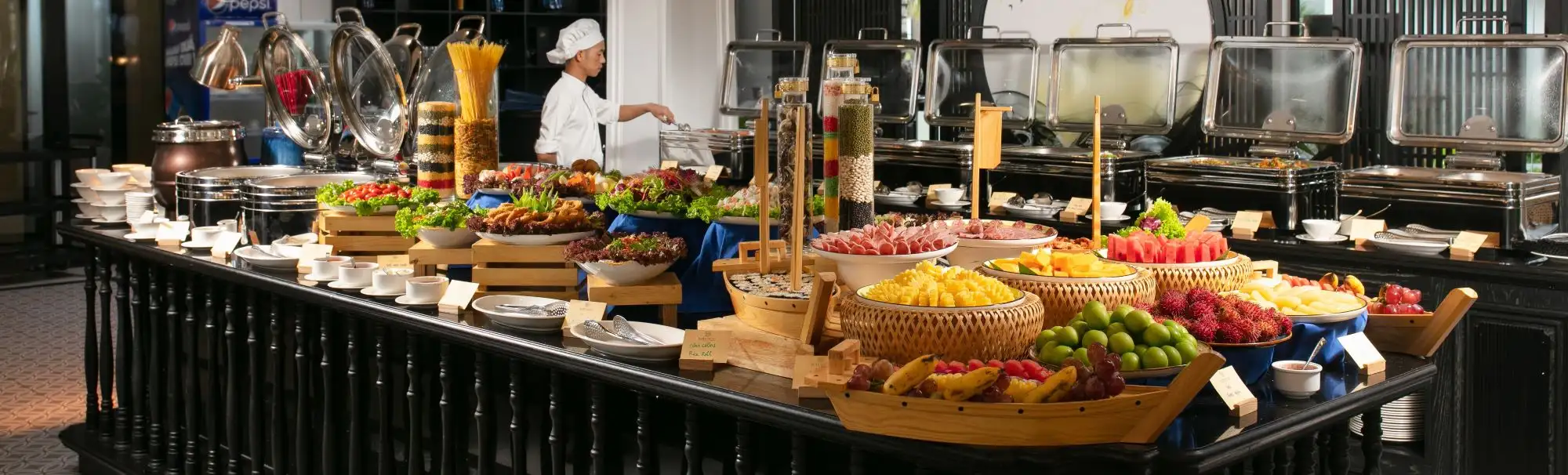
If Old Town lunch logistics sound like more hassle than you want on a beach holiday, there’s a straightforward alternative: eat where you’re staying. At Bliss Hoi An Beach Resort & Wellness, lunch is served at Binh Minh Restaurant & Terrace, an open-air, beachfront dining room done in black-and-white Indochine style, seating up to 120 guests indoors and 50 more on the terrace, open daily from 6:30 AM to 10:00 PM.
The kitchen runs a set-menu lunch spanning Asian, Western, and vegetarian dishes, so groups with different tastes and dietary needs can order separately from one table rather than compromising on a single restaurant choice.
Read more: Best Restaurants in Hoi An for Every Taste & Budget (2026 Guide)
The appeal isn’t just the food – it’s the setting. You’re eating with an open sea view and a breeze instead of a wall of parked motorbikes, and there’s no need to walk anywhere in the midday heat to find it. Guests staying on the resort’s all-inclusive package get set-menu lunch and dinner covered from check-in to check-out, on top of the breakfast buffet, plus light bites and drinks at the Pool Bar and beach access at Cham Beach Bar throughout the day – useful if your group wants to eat lunch, then head straight to a sun lounger without settling a bill first.
Guest reviews consistently point to the same details: fresh, generously portioned lunch and dinner service, a standout seafood BBQ day, and a breakfast buffet with real variety rather than the standard hotel spread. Multiple recent Tripadvisor reviewers specifically called out large lunch and dinner portions and the quality of the freshly prepared dishes as a highlight of their stay – the kind of feedback that matters more than any menu description, since it comes from travelers with no reason to exaggerate.
For anyone weighing a full holiday around Hoi An’s beach, food, and culture, it’s worth looking at how the resort’s packages tie meals, wellness, and Old Town shuttle access together rather than booking each piece separately – our complete Hoi An travel package guide breaks down what’s typically included and what to check before booking. If lunch by the water sounds like the reset your itinerary needs, you can check today’s all-inclusive dining package or go straight to reserve a beachfront table for lunch at Binh Minh Restaurant.
Getting there and practical lunch logistics
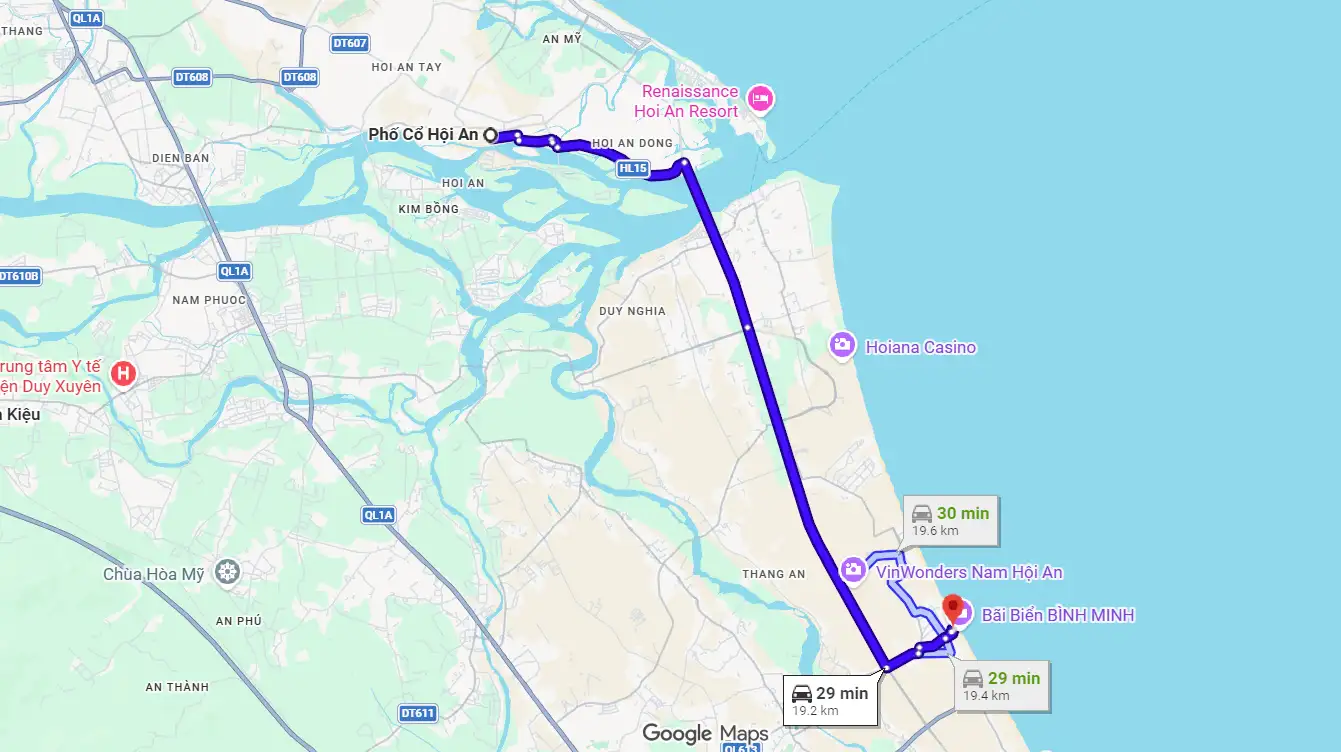
Bliss Hoi An sits on Binh Minh Beach, roughly 15 minutes drive south of the Old Town – close enough for a lunch-then-sightseeing day, far enough to feel genuinely quiet. The resort’s exact Google Maps location is worth saving before you land, since taxi and Grab drivers occasionally need the pin rather than the written address, particularly at night. Grab is the easiest way to get between the resort and town for a lunch trip, and fares are predictable enough to estimate in advance.
If you’re staying elsewhere and just want to eat lunch in Old Town without the timing headache, the practical fix is simple: arrive before 11:30 AM or after 2:00 PM, carry water, and pick a street one block back from the river if the front-row restaurants are full – the food quality difference is minimal, and you’ll get a table immediately. Cash in small denominations (Vietnamese dong) is still the norm at street stalls, though most sit-down restaurants now accept cards.
For day-trippers combining lunch with sightseeing, pairing an early lunch with a walk through the Old Town’s historic merchant houses works well before the afternoon heat sets in – our guide to Hoi An’s museums and merchant houses lays out a route that fits neatly around a late-morning meal.
Hoi An Lunch: Quick Answers
What time should I eat lunch in Hoi An?
→ Before 11:30 AM or after 2:00 PM avoids both the kitchen slowdown and the worst of the crowds and heat.
What’s the one dish I shouldn’t skip?
→ Cao lau, followed closely by white rose dumplings – both are Hoi An originals you won’t find quite the same way elsewhere in Vietnam.
Is street food safe for lunch?
→ Yes, at stalls with high turnover and freshly cooked food in front of you; avoid anything sitting out unrefrigerated for long stretches.
Do resort restaurants require a reservation for lunch?
→ It’s rarely required for hotel guests, but booking ahead is worth it in high season if you want terrace seating with a sea view.
Hungry for the next step? Book your stay and lock in lunch by the beach – no queueing, no heat, just a table with an ocean view whenever you’re ready to eat.

Related Posts
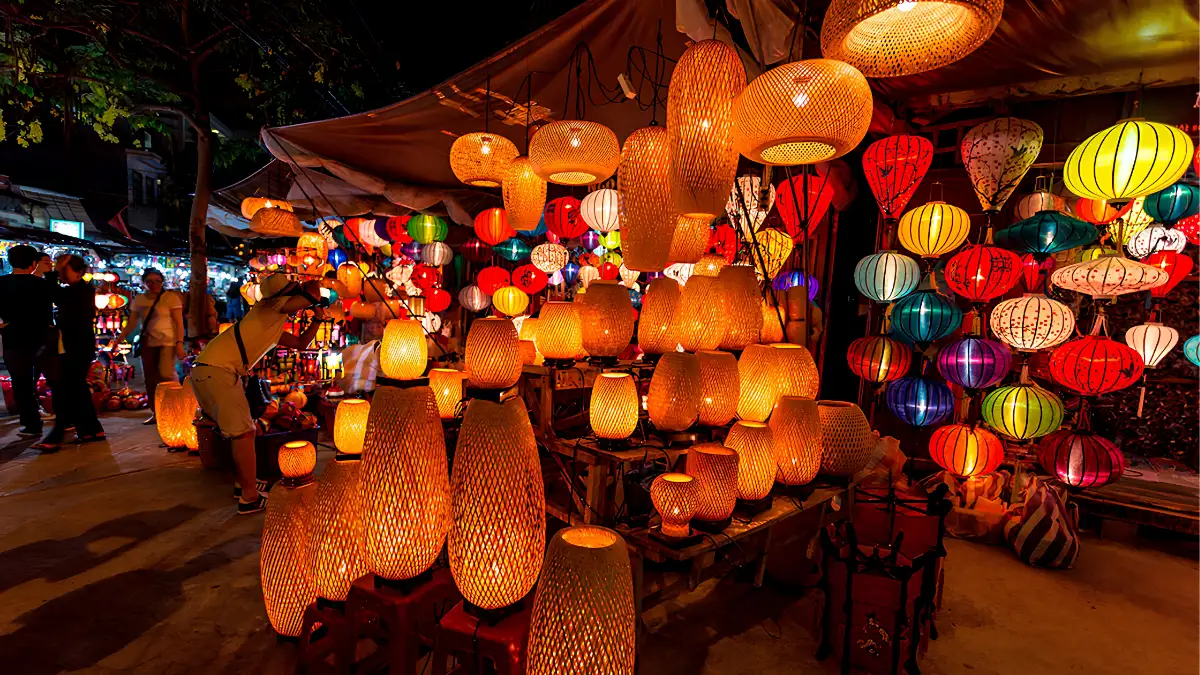
8+ experiences in Tet Lunar New Year Hoi An worth trying

Hoi An to Phu Yen by road: 5 stops worth getting out of the car for

Hoi An to Quy Nhon: How to get there, routes and what to know
TEST – n8n CREATE 002
Gym Hoi An: Prices, Day Passes and Options for Travelers