


The Hoi An Vietnam Museum Crawl: 2,000 Years of History, One Ticket, One Afternoon
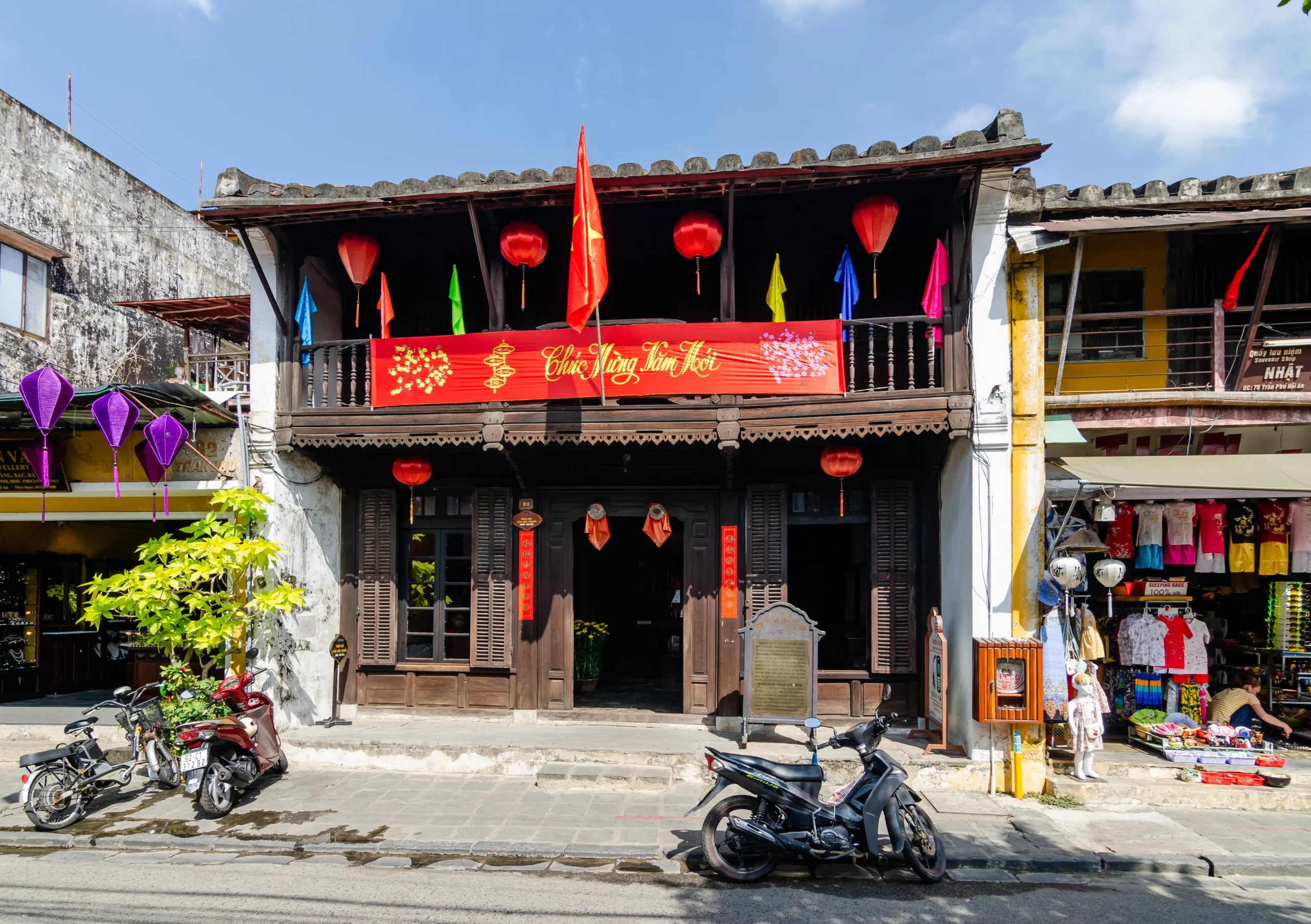
Hoi An Vietnam museums aren’t grand institutions – they’re centuries-old merchant houses a few steps apart, covered by a single ticket. Here’s how to walk through 2,000 years of history in one afternoon.
Hoi An is famous for its lantern-lit streets and riverside cafés, but tucked behind those yellow walls is another side of the town worth slowing down for. A Hoi An Vietnam museum visit lets you step out of the sun, into a cool wooden shophouse, and into centuries of trading history – shipwreck ceramics, Iron Age burial jars, and stories of merchants who sailed in from China, Japan, and beyond. If you only have a day or two in town, knowing which museums actually deserve your time (and your ticket) makes a real difference.
This guide walks through the most rewarding museums in Hoi An, what makes each one worth a stop, and the practical details – addresses, hours, and ticket prices – you’ll need to plan your visit. We’ll also share where to base yourself so the whole Ancient Town, museums included, stays an easy, unhurried outing rather than a rushed day trip.
Museum of Trade Ceramics – Where Hoi An’s Golden Trading Age Comes Alive
- Museum of Trade Ceramics – 80 Tran Phu Street, Minh An Ward, Hoi An
- Open daily 7:00 AM–9:00 PM (closed on the 15th of the lunar month)
Housed in a restored wooden shophouse on Tran Phu Street, the Museum of Trade Ceramics is where most visitors start, and for good reason. Hundreds of ceramic pieces recovered from shipwrecks near the Cham Islands are on display here, tracing Hoi An’s role as a bustling international port from roughly the ninth to the nineteenth century. Blue-and-white porcelain, delicate bowls, and trade goods from China, Japan, and beyond fill the shelves of this two-story building, giving a vivid sense of just how far Hoi An’s reach once extended.
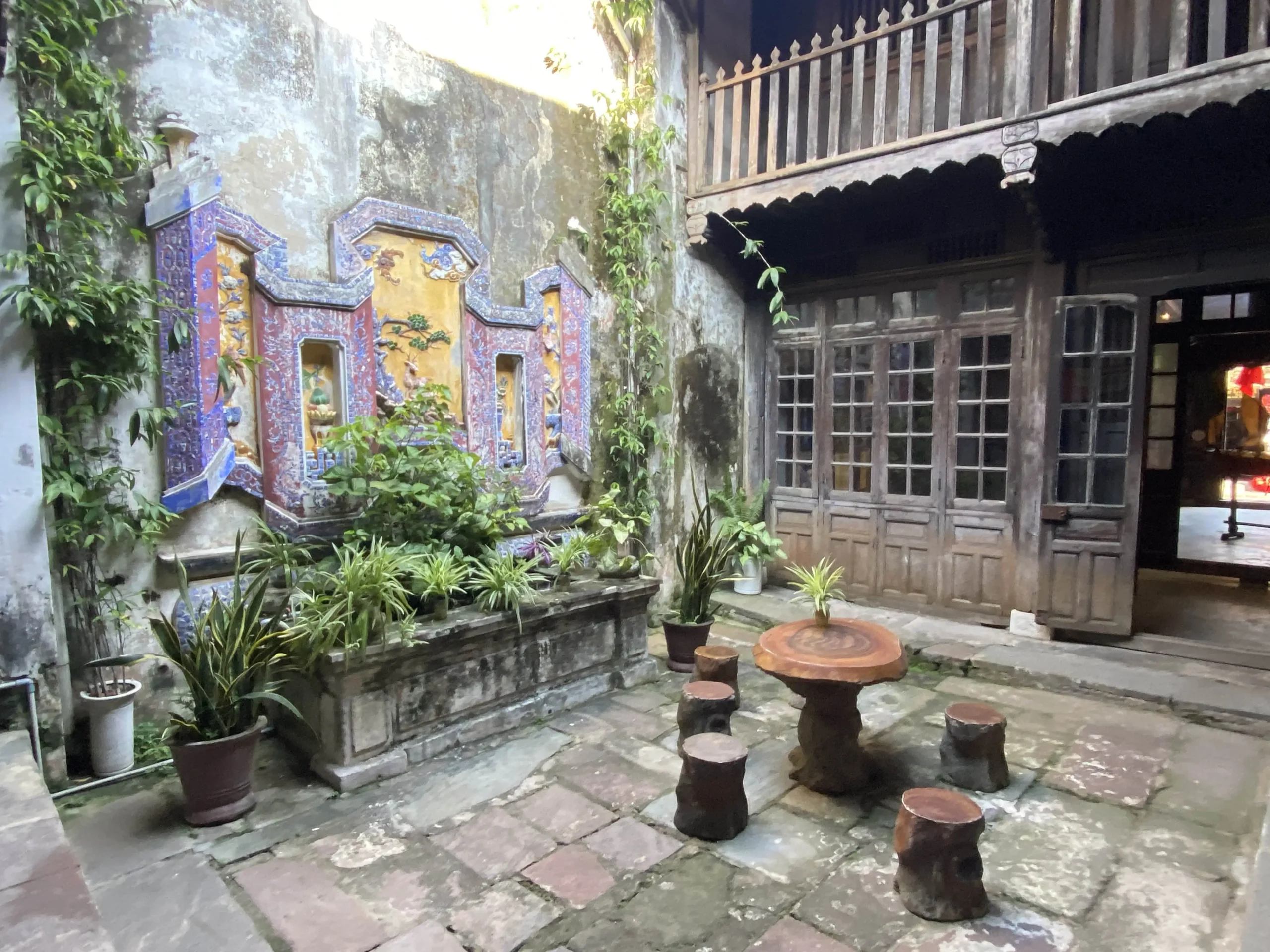
What makes this museum stand out isn’t only the objects themselves but the building they sit in. Natural light filters through timber beams onto rustic wooden display cases, and the layout still feels like a lived-in merchant’s house rather than a formal gallery. Photography is generally allowed as long as you skip the flash, which protects the older, more delicate ceramics from unnecessary wear. Many visitors linger here longer than expected simply because the atmosphere is so pleasant to sit and take in.
The museum sits at 80 Tran Phu Street and is typically open from around 7:00 AM to 9:00 PM, with longer hours than most of the other Ancient Town museums. Admission is included in the general Hoi An Ancient Town ticket, so there’s no separate fee if you’ve already purchased one. Pair this stop with a walk along Tran Phu Street itself, since several other heritage houses and shops sit within a few minutes’ walk in either direction.
Sa Huynh Culture Museum – Meeting Vietnam’s Ancient Iron Age Civilization
- Sa Huynh Culture Museum – 149 Tran Phu Street, Minh An Ward, Hoi An |
- Open daily 8:00 AM–5:00 PM
While the trading-era museums cover Hoi An’s more recent past, the Sa Huynh Culture Museum takes visitors back much further, to a civilization that flourished in central Vietnam roughly between 1000 BC and 200 AD. The collection here centers on burial jars, bronze and stone jewelry, and everyday tools unearthed from ancient Sa Huynh settlements around Quang Nam province. It’s a genuinely different experience from the trade-focused museums nearby, and it rewards visitors who enjoy archaeology and deep history.
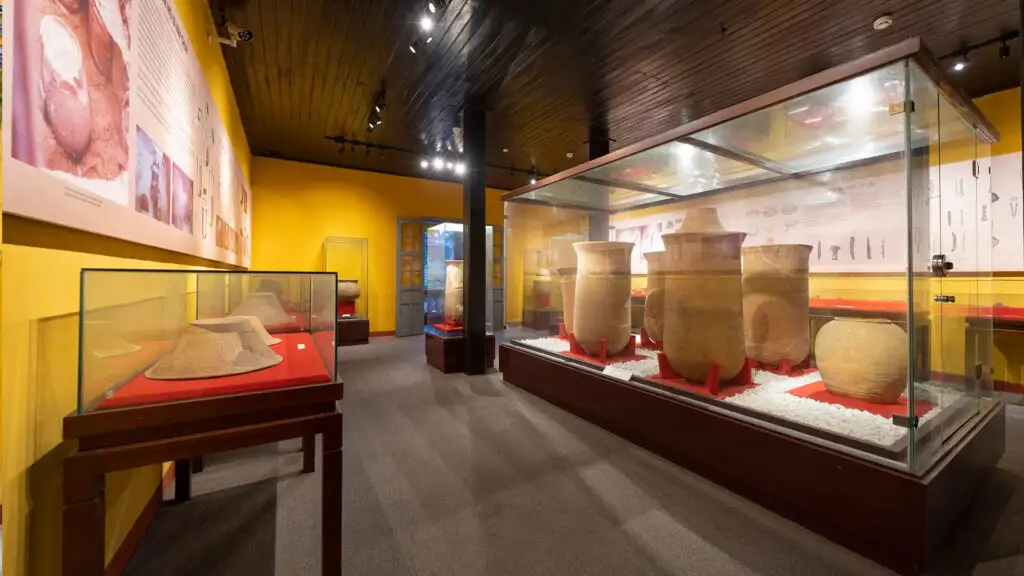
Inside, exhibits are arranged so you can trace how the Sa Huynh people lived, traded, and buried their dead, with English-language information panels making the context easy to follow even without a guide. One of the most memorable parts of a visit is simply walking to the back balcony, which opens onto a view of the An Hoi Bridge and the Thu Bon River – a nice pause point between exhibit rooms. The building itself, a traditional two-story house with a sunlit central courtyard, is worth appreciating on its own.
Located at 149 Tran Phu Street, the museum keeps similar hours to its neighbors, generally open daily from 8:00 AM to 5:00 PM. Like the Museum of Trade Ceramics, entry is bundled into the standard Ancient Town ticket rather than sold separately. Because it sits so close to the ceramics museum, most visitors comfortably combine both in a single morning without feeling rushed.
Hoi An Museum of History and Culture – The Full Story of the Ancient Port
- Hoi An Museum of History and Culture – 10B Tran Hung Dao Street, Minh An Ward, Hoi An
- Open daily, typically 7:00 AM–5:00 PM (hours may shift around lunar calendar dates)
For visitors who want the complete picture rather than a single era, the Hoi An Museum of History and Culture is the most comprehensive stop in town. Established in 1989 and later moved into a larger three-story building, it walks through the town’s development from the prehistoric Sa Huynh period, through the Champa kingdom, into the Dai Viet era, and up to more recent history. Original artifacts made of ceramic, bronze, iron, paper, and wood are organized chronologically, which makes it easy to follow the timeline even on a first visit.
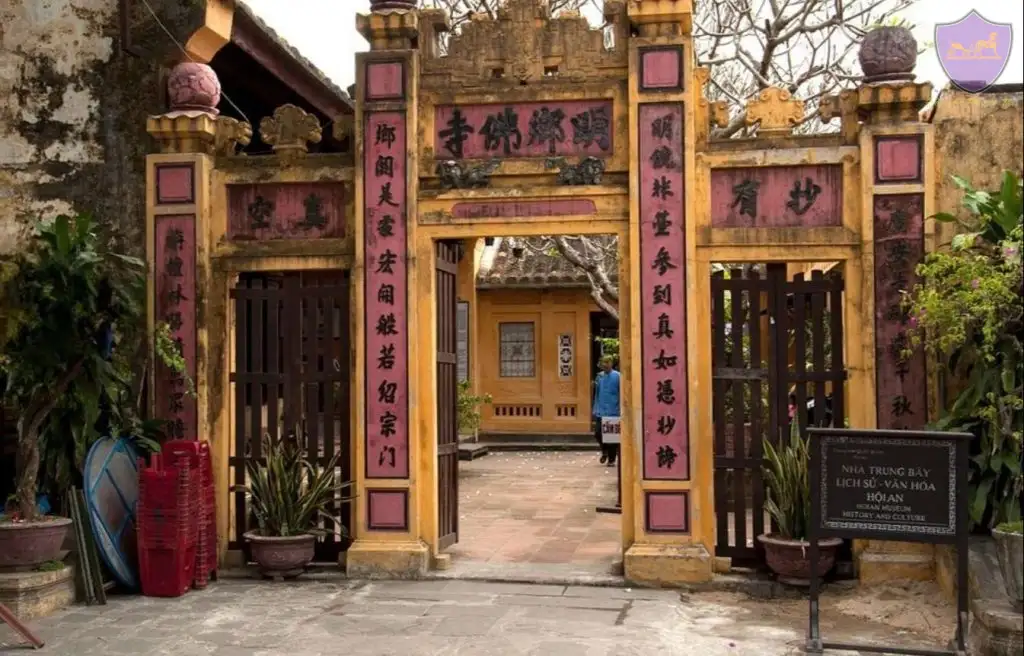
One of the more striking sections features Chu Dau and Bat Trang ceramics recovered from shipwrecks near the Cham Islands, connecting neatly with what you’ll have already seen at the Museum of Trade Ceramics if you visited earlier in the day. Upstairs, exhibits shift toward photographs and documents that trace the town’s more modern history, giving context to why Hoi An looks and feels the way it does today. It’s a quieter, less crowded museum than some of the others, which makes it a good choice if you’d rather explore at your own pace.
The museum is located at 10B Tran Hung Dao Street and generally keeps museum-standard hours, though it’s worth checking locally since schedules can shift around lunar calendar dates. As with the other government-run museums in the Ancient Town, entry is included in the combined heritage ticket. If your trip includes a stop at My Son Sanctuary, the timeline you build here will make that UNESCO site feel far more connected to what you’ve already learned in town.
Museum of Folklore – Traditional Crafts and Daily Life of Old Hoi An
- Museum of Folklore (Museum of Folk Culture) – 33 Nguyen Thai Hoc Street, Minh An Ward, Hoi An | Open daily 7:00 AM–9:00 PM (closed on the 15th of the lunar month)
If ceramics and archaeology aren’t quite your focus, the Museum of Folklore offers a different angle on the same town – one built around everyday life, craft traditions, and community customs rather than trade routes. Housed in the largest wooden two-story building in the Ancient Town, it covers traditional occupations like lantern making, carpentry, silkworm farming, and embroidery through detailed displays and life-sized models of boats and looms. It’s a good match for travelers heading out to Hoi An’s craft villages later in their trip, since it gives useful context before you get there.
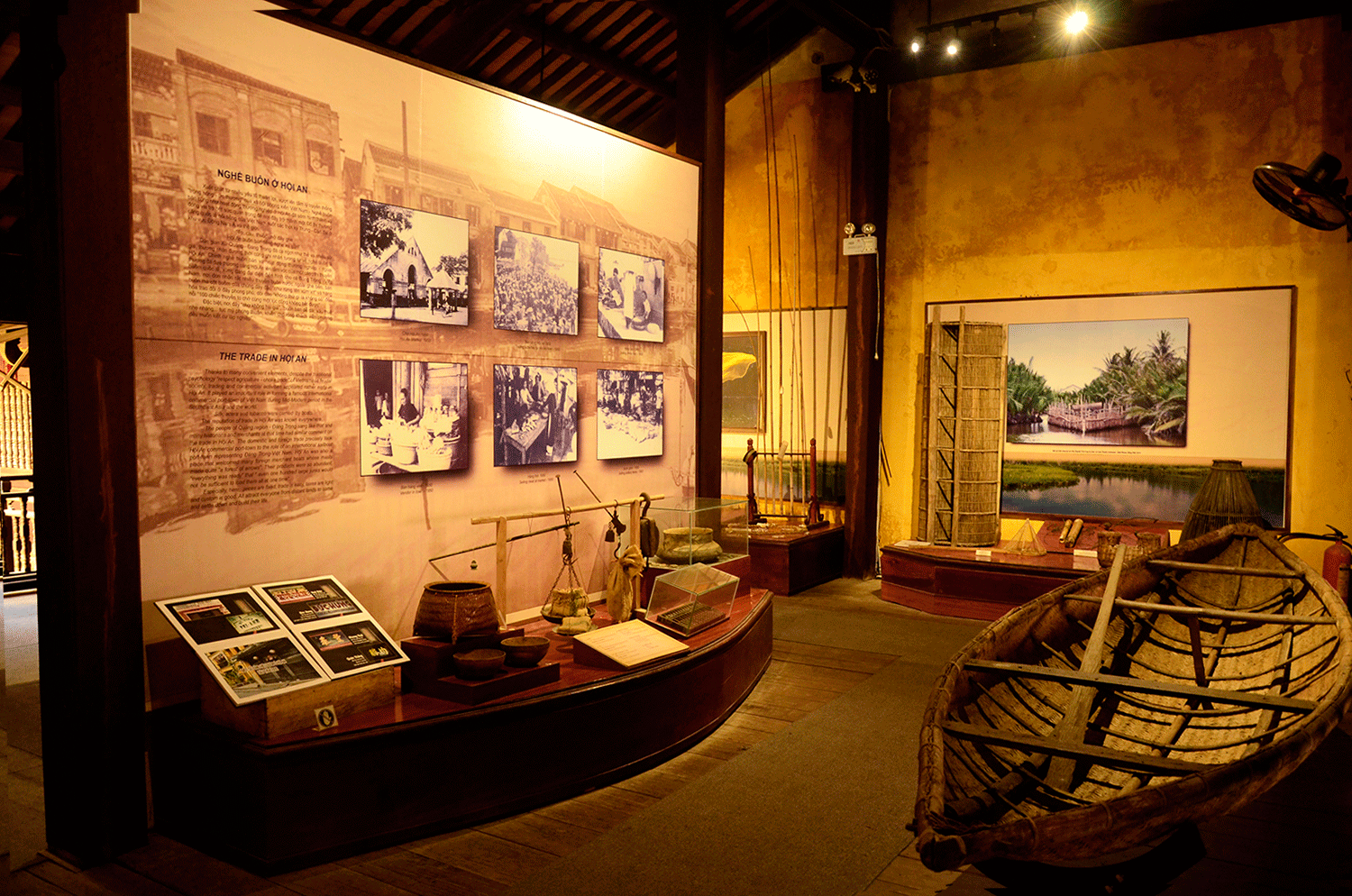
Upstairs, the museum shifts focus to local performing arts, festival costumes, and folk theater, rounding out the picture of daily life beyond just work and trade. The scale of the building itself is part of the appeal – stretching from Nguyen Thai Hoc Street through to the riverfront on Bach Dang, it’s spacious enough that exhibits rarely feel crowded even during busier tourist seasons. Families traveling with curious kids tend to enjoy this museum more than the others, thanks to the hands-on-feeling displays and model boats.
Located at 33 Nguyen Thai Hoc Street (with a second entrance near Bach Dang Street), the Museum of Folklore keeps similar extended hours to the Museum of Trade Ceramics, often open until around 9:00 PM. It’s included in the same combined Ancient Town ticket as the other sites on this list. If crafts and traditional villages interest you, it’s worth reading our guide on Quan Thang Ancient House, another well-preserved merchant home that pairs naturally with a folklore-focused museum day.
Precious Heritage Art Gallery Museum – A Photographer’s Tribute to Vietnam’s Ethnic Diversity
- Precious Heritage Art Gallery Museum – 26 Phan Boi Chau Street, Cam Chau Ward, Hoi An
- Open daily 8:00 AM–8:00 PM | Free admission
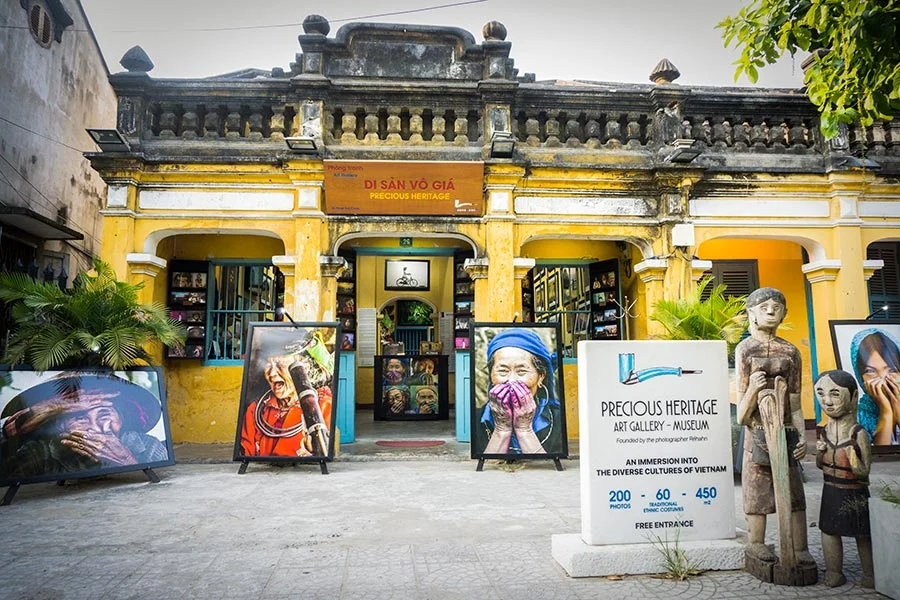
Not every worthwhile museum in Hoi An is government-run or centuries old. The Precious Heritage Art Gallery Museum, founded by French photographer Réhahn, is a more contemporary stop that documents Vietnam’s 54 recognized ethnic groups through large-scale portraits, traditional costumes, and personal stories collected over roughly a decade of travel across the country. It’s a striking contrast to the trade-history museums nearby, focused on people and living culture rather than artifacts behind glass.
Inside, visitors move through galleries of powerful portrait photography paired with authentic traditional dress from various ethnic communities, offering a window into parts of Vietnam that most travelers never get to see firsthand. The museum is set inside a quiet heritage home, which keeps the atmosphere intimate rather than overwhelming, and the storytelling approach makes it accessible even to visitors who don’t usually spend much time in galleries. Many travelers describe it as one of the more emotionally memorable stops in the Ancient Town.
Unlike most of the other museums on this list, entry here is free, and it’s not included in the standard combo ticket since it operates independently. It’s centrally located within the Ancient Town and easy to combine with a stroll toward the Japanese Covered Bridge afterward. If old merchant houses interest you as much as museums do, our guide to what to do in Hoi An covers several nearby heritage stops worth adding to the same walk.
Which Hoi An Museum Should You Visit First?
If your time is limited, it helps to know the shortlist before you even leave your hotel room. Most travelers who ask about a Hoi An Vietnam museum are really asking one thing: which two or three actually matter? The good news is that Hoi An’s best museums sit close together inside the Ancient Town, so seeing several in one morning is entirely realistic.
The Museum of Trade Ceramics and the Sa Huynh Culture Museum are usually the top picks for first-time visitors, since together they cover both Hoi An’s international trading era and its much older prehistoric roots. The Hoi An Museum of History and Culture rounds things out with the fullest timeline of the town, from early settlement to the twentieth century. If you have a bit more time, the Museum of Folklore and the Precious Heritage Art Gallery Museum add texture – one on traditional crafts, the other on Vietnam’s ethnic diversity through photography.
Nearly all of these sites are included in the single Hoi An Ancient Town ticket, so you rarely need to buy separate admission for each one. We’ll cover exactly how that ticket system works further down, but for now, treat these five museums as your core itinerary and build the rest of your day around them.
How to Buy Tickets and Plan Your Museum Day in Hoi An
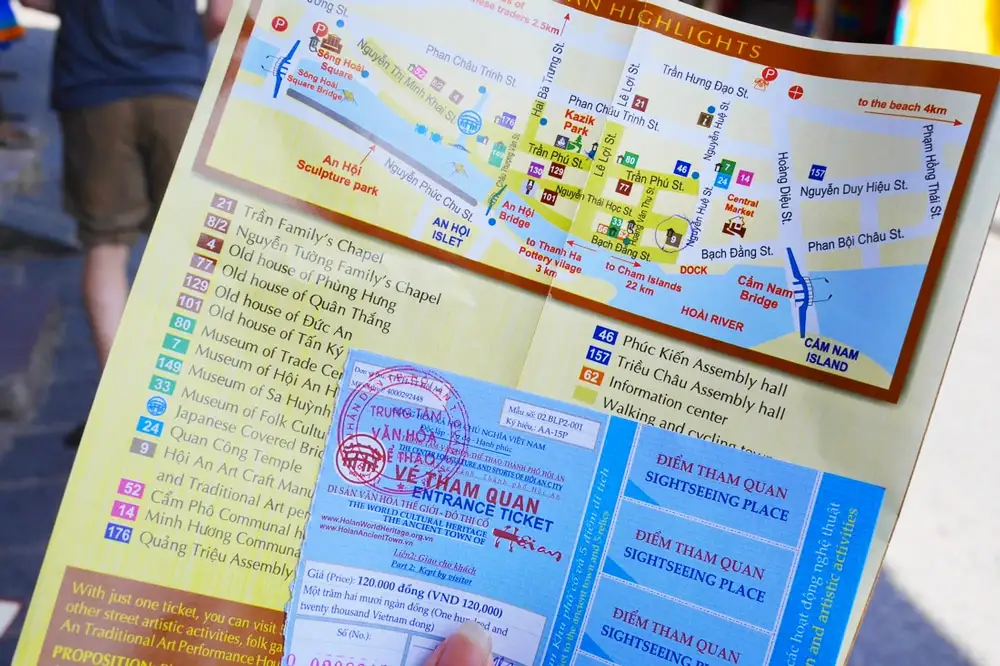
Once you know which museums you want to see, the ticket system itself is straightforward. Most of Hoi An’s government-run museums – the Museum of Trade Ceramics, Sa Huynh Culture Museum, Museum of Folklore, and the Hoi An Museum of History and Culture – are covered by a single combined Ancient Town ticket rather than individual admission fees. This ticket currently costs around 120,000 VND (roughly 5 USD) for international visitors and typically allows entry into a set number of sites within the heritage zone, so it’s worth checking the current terms locally before you set off.
You don’t need a ticket at all if you simply want to walk the streets, browse shops, or sit by the river – the fee only applies once you step inside a paid heritage site such as a museum, assembly hall, or historic house. Tickets are usually sold at designated booths around the edge of the Ancient Town, and staff at the entrance of each museum will check your ticket and mark off which sites you’ve already visited. This flexible system means you can spread your museum visits across a single morning or split them over two separate days without losing value.
For a full breakdown of how the combo ticket works, including which specific sites it covers and how the visitor counting system operates, our detailed Hoi An Old Town Tickets guide is worth reading before your trip. It’s also worth pairing your museum morning with a wider look at the Ancient Town itself – our Hoi An city tour 1-day guide lays out a full-day itinerary that slots museum visits in alongside food stops and craft villages.
Best Time to Visit the Hoi An Museums
Timing matters more than most visitors expect, mainly because of heat and crowd flow rather than the museums themselves. Early morning, roughly between 7:00 and 9:00 AM, is consistently the best window – the Ancient Town is still cool, tour groups haven’t arrived yet, and you’ll often have entire exhibit rooms to yourself. This is also the most comfortable time to walk between museums on foot, since the midday sun in central Vietnam can be intense, especially between May and August.
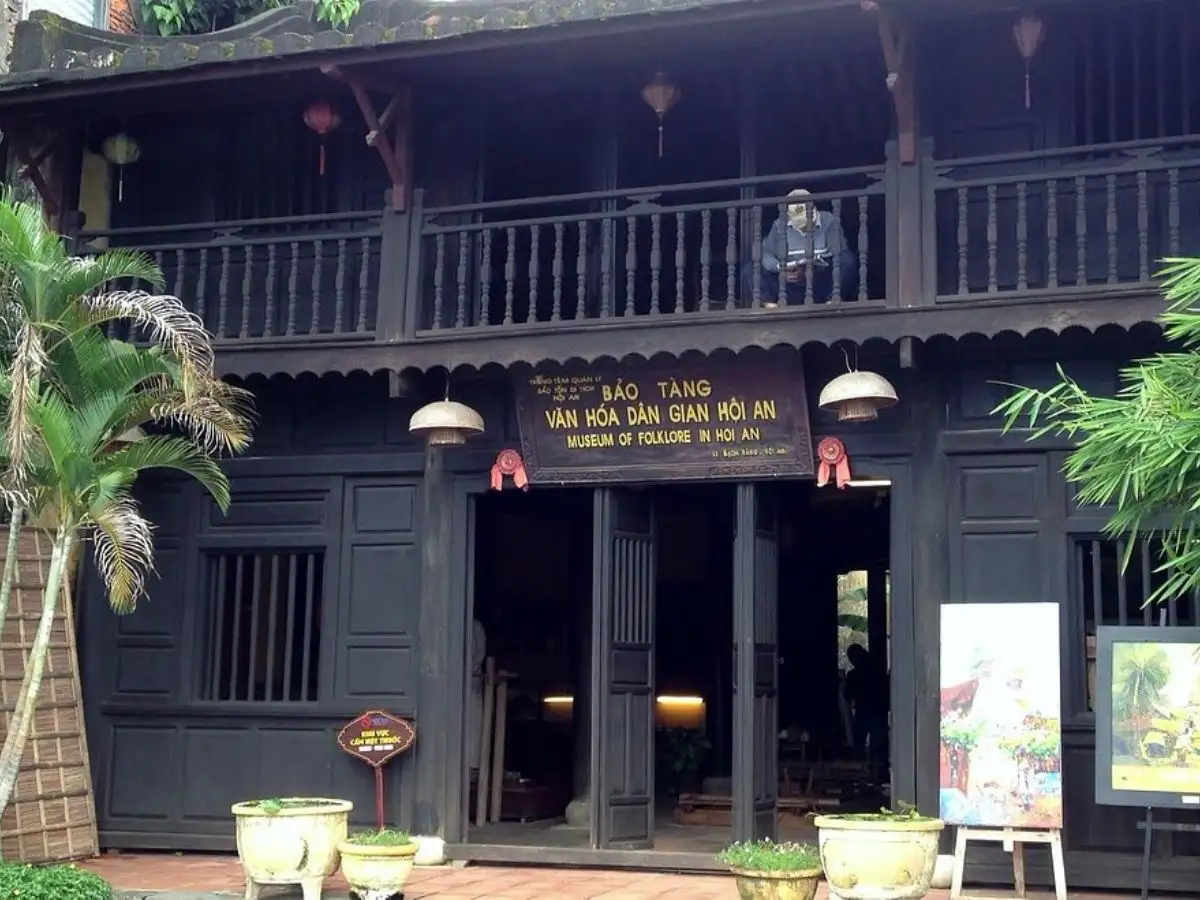
Late afternoon, from around 3:30 to 5:00 PM, is the next best option as crowds thin out ahead of sunset and the evening lantern displays. If you’re visiting during the rainy season, roughly September through December, museums actually become a smart fallback plan, since their indoor, wide, and sheltered spaces let you stay dry while still making the most of your day in town. A light raincoat or compact umbrella is worth packing regardless of season.
Seasonality also affects a few individual museum schedules, since some close on specific lunar calendar days each month, so it’s worth double-checking hours locally rather than relying solely on posted times online. If your visit happens to align with the monthly full moon, you can extend your day into an evening at the Hoi An Lantern Festival, which transforms the same streets you explored by day into a very different, glowing experience by night.
Where to Stay for Easy Access to Hoi An’s Museums and Ancient Town
A rewarding museum day depends partly on where you’re staying, since a long, tiring commute back and forth from the Ancient Town can wear down even the most enthusiastic traveler. Bliss Hoi An Beach Resort & Wellness sits along the pristine, private Binh Minh Beach, a peaceful setting that still keeps the Ancient Town’s museums, assembly halls, and heritage houses within easy reach via the resort’s daily shuttle service. It’s the kind of base that lets you spend your morning among centuries-old ceramics and burial jars, then spend your afternoon floating in a 55-meter infinity pool that looks out over the ocean.

The resort itself blends Indochine-style architecture with wide, comfortable rooms – all above 51 square meters – many with balconies that open onto beach and ocean views. After a morning of museum-hopping, guests often head straight to Ngoc Linh Spa, named after Vietnam’s prized Ngoc Linh ginseng, for a massage designed to ease the kind of travel fatigue that comes with a lot of walking and standing in exhibit rooms. Others prefer to unwind at Binh Minh Restaurant, where ocean views and Quang Nam sugarcane rum cocktails make for a relaxed end to a culture-heavy day.
Travelers who’ve stayed here consistently mention the same standout details in their Google and Tripadvisor reviews: a genuinely private beach with room to spread out, spacious and comfortable rooms, an excellent breakfast spread, and a team of local staff who go out of their way to help with everything from spa bookings to shuttle timing. That local knowledge is especially useful if you’re trying to plan an efficient museum day, since staff can help you time your Ancient Town visit around ticket queues and tour-bus crowds. If you’d like to build out a longer stay around your museum visits, our 4 days in Hoi An itinerary shows how to balance culture, beach time, and food across a longer trip.
Book your stay at Bliss Hoi An Beach Resort & Wellness to pair your museum-hopping mornings with private-beach afternoons, or check room availability to see current rates for your travel dates.
Frequently Asked Questions About Hoi An Museums
Do I need to buy separate tickets for each museum in Hoi An?
→ No. Most of the government-run museums – Trade Ceramics, Sa Huynh Culture, Folklore, and History and Culture – are included in a single combined Ancient Town ticket. Independent museums like Precious Heritage Art Gallery are free and don’t require this ticket at all.
How much time should I set aside for the Hoi An museums?
→ Plan for roughly half a day, around three to four hours, if you want to visit three or four museums without rushing. Each individual museum typically takes 30 to 60 minutes to walk through comfortably.
Which Hoi An museum is best for first-time visitors?
→ The Museum of Trade Ceramics is generally the strongest starting point, since it directly explains why Hoi An became such an important trading port in the first place, giving useful context for everything else you’ll see in town.
Are the museums in Hoi An suitable for children?
→ Yes, particularly the Museum of Folklore, which features life-sized model boats and looms that tend to hold kids’ attention better than glass display cases alone.
Is it worth visiting Hoi An museums if it’s raining?
→ Yes – museums are one of the best rainy-day activities in Hoi An, since their indoor, sheltered spaces let you keep exploring the town’s history without worrying about the weather.

Related Posts
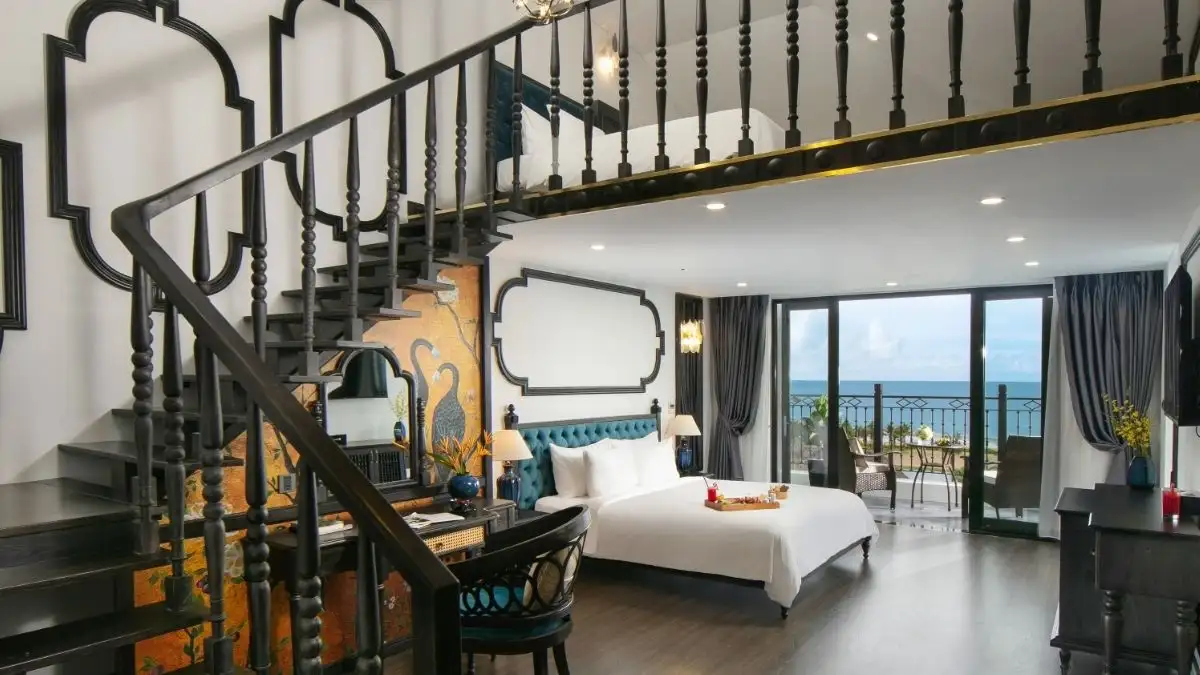
How much does it cost to travel Vietnam? A realistic Hoi An budget for a family of 4

Is Hoi An Flooded? How Central Vietnam Floods Can Affect Your Trip
Is Hoi An a safe choice for female solo travel Vietnam?
5+ criteria for choosing a year end meeting venue in Hoi An
What is National Day? Should you visit Hoi An on September 2nd?