


How to get from Da Nang Airport to Hoi An at Night: Complete Late-Arrival Guide (2026)
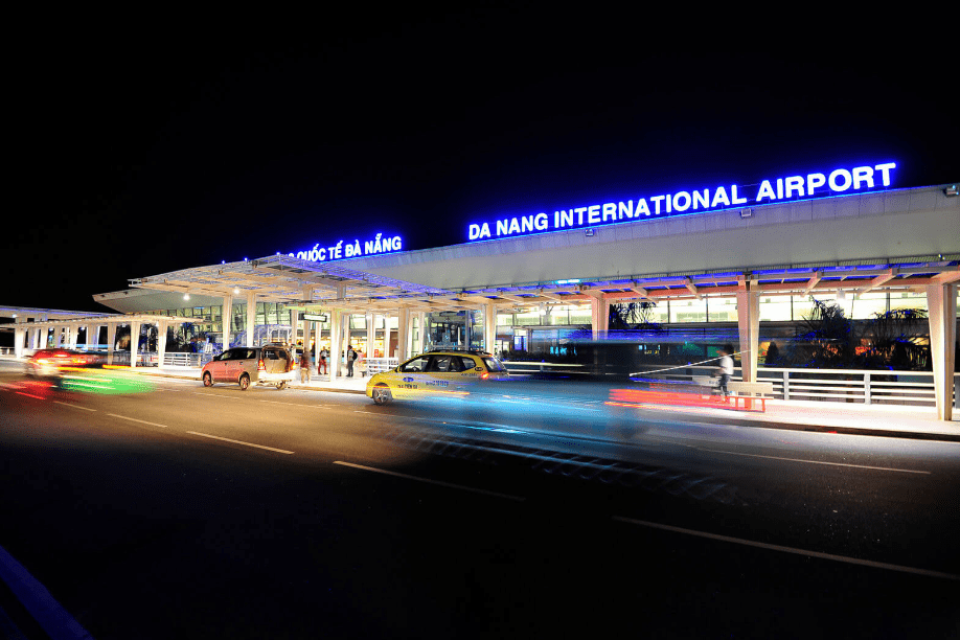
Landing in Da Nang after 9 PM? If you want to know how to get from Da Nang Airport to Hoi An at this time, here’s exactly which transport options still run, real 2026 prices, the scam to watch for, and the easiest way to skip the guesswork.
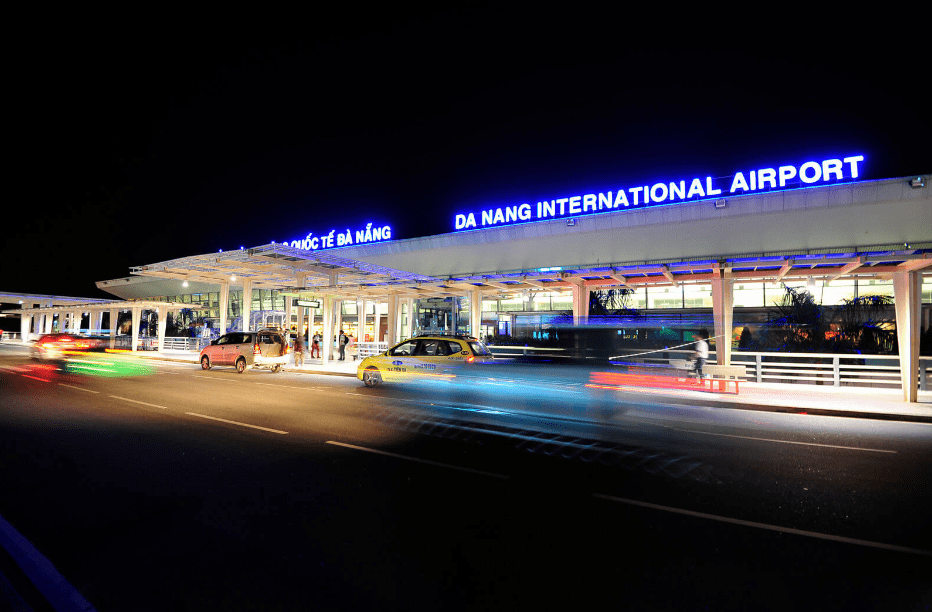
Landing in Da Nang after the sun goes down changes almost everything about getting to Hoi An. The shuttle buses that every daytime guide recommends have already stopped running, the crowd at the taxi rank looks thinner than you expected, and if this is your first trip to Vietnam, standing outside a quiet terminal at 11 PM trying to figure out who to trust is not how you pictured the start of your holiday.
It doesn’t need to be stressful, though – the options that remain are safe, well-documented, and used by thousands of travelers every month who land on the same late flights from Seoul, Incheon, Guangzhou, and beyond. This guide walks through exactly what’s still running, what a fair price looks like in 2026, the one scam pattern worth knowing before you land, and the single option that removes the guesswork entirely if you’d rather not think about any of it after a long flight.
What Transport Options Are Actually Running After Dark?
The first thing you should know is that not all transportation from Da Nang Airport to Hoi An operates at night. If your flight lands after around 9 PM, you can immediately rule out two options commonly mentioned in daytime guides: shared shuttles and public buses. Most shuttle services end their last trip in the evening, while local buses also stop operating around 6 PM and only resume the following morning.
This means that when arriving at the airport in the evening, you are effectively left with only three viable options: traditional taxis, Grab/Xanh SM, or a pre-booked private transfer. Each option has its own pros and cons, but all can get you to Hoi An in about 40-50 minutes, depending on traffic.

In terms of cost, the difference between these three options is not significant. A taxi ride from Da Nang Airport to Hoi An typically costs around 300,000 – 450,000 VND, depending on the company and fare method. Using Grab or Green SM, the common price is around 250,000 – 350,000 VND, although prices may increase slightly during peak demand or when fewer drivers are available at night. Meanwhile, private transfers usually cost 500,000 VND or more, but you don’t need to look for a ride after landing. The driver will track your flight, wait at the arrival area, and pick you up even if your flight is delayed.
The biggest difference between these three options isn’t the travel time, but the level of convenience and control. If you want to save money, Grab or a taxi are the sensible choices. Conversely, if you arrive after midnight, are traveling with family, or have a lot of luggage, booking a private car in advance will save you considerable time and avoid unnecessary hassles immediately after landing.
| Option | Runs at night? | Travel time | 2026 price range |
| Metered / fixed taxi | Yes, 24/7 | 40 – 50 min | 300,000 – 450,000 VND |
| GrabCar / Green SM | Yes, fewer drivers | 40 – 50 min | 250,000 – 350,000 VND |
| Pre-booked private transfer | Yes, by design | 40 – 45 min | 500,000 – 800,000+ VND |
| Shared shuttle | No – stops ~9 PM | Depend on | Depend on |
| Public local bus | No overnight service | Depend on | Depend on |
It’s worth noting that this table reflects what’s actually verifiable and consistent across multiple current sources, rather than the single-source numbers many competing guides simply repeat from each other.
Prices in Vietnam’s ride-hailing and taxi market shift a little with fuel costs and seasonal demand, so treat these as a realistic range to negotiate or compare against rather than an exact quote – but if a driver at midnight asks for anywhere close to double the top of this range, that’s your signal to walk to the next taxi in line or open the Grab app instead.
Taking a Taxi at Night: What to Expect and the Scam Worth Knowing
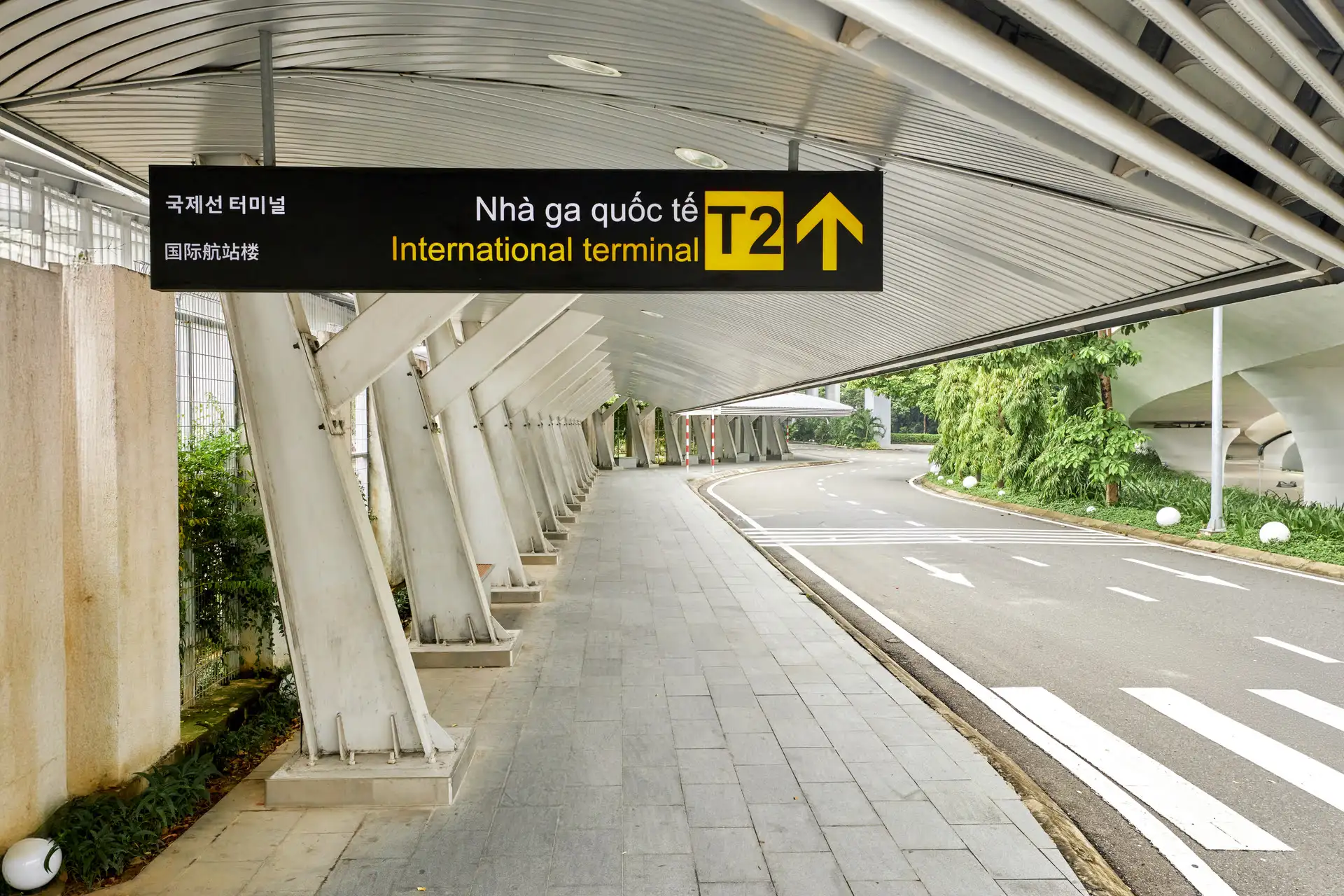
If you haven’t arranged transportation before your flight, a metered taxi is usually the easiest and most reliable way to get from Da Nang Airport to Hoi An at night. Taxi services operate 24 hours a day at both the domestic and international terminals, so even if your flight lands close to midnight, you’ll still find cars waiting outside the arrivals area.
The taxi rank is located just outside the terminal exit and is staffed around the clock. Compared with the daytime, there are naturally fewer taxis waiting after 10 PM, but it’s uncommon to wait long. In most cases, a car becomes available within a few minutes, making taxis one of the quickest transport options for late-night arrivals.
Choose a reputable taxi company
Not all taxis offer the same level of service, so it’s worth taking a few seconds to check the company before getting in. The two brands most frequently recommended by long-term residents and repeat visitors are Mai Linh (green taxis) and Vinasun (white taxis). Both have a long-established presence in central Vietnam and are generally considered reliable, with professional drivers and transparent pricing.
Some drivers may offer a fixed fare instead of using the meter, especially late at night. This isn’t necessarily a warning sign, as many airport trips to Hoi An are quoted at a flat rate. The important thing is to confirm the total price before the journey begins. As a general reference, a reasonable fare from Da Nang Airport to Hoi An is usually between 300,000 and 450,000 VND, depending on traffic, vehicle type and your exact destination.
A common trick to be aware of
Most taxi journeys from Da Nang Airport go smoothly, but there is one situation that has been mentioned repeatedly by international travelers in Vietnam travel groups and online forums. A driver may quote a relatively high fixed fare. If the passenger opens the Grab app to compare prices, the driver then shows a similar fare on their own phone as “proof” that the quote is reasonable. The problem is that the screen is sometimes displaying Grab’s premium service, such as GrabCar Plus or another higher-tier option, rather than the standard GrabCar that most travelers would normally book.
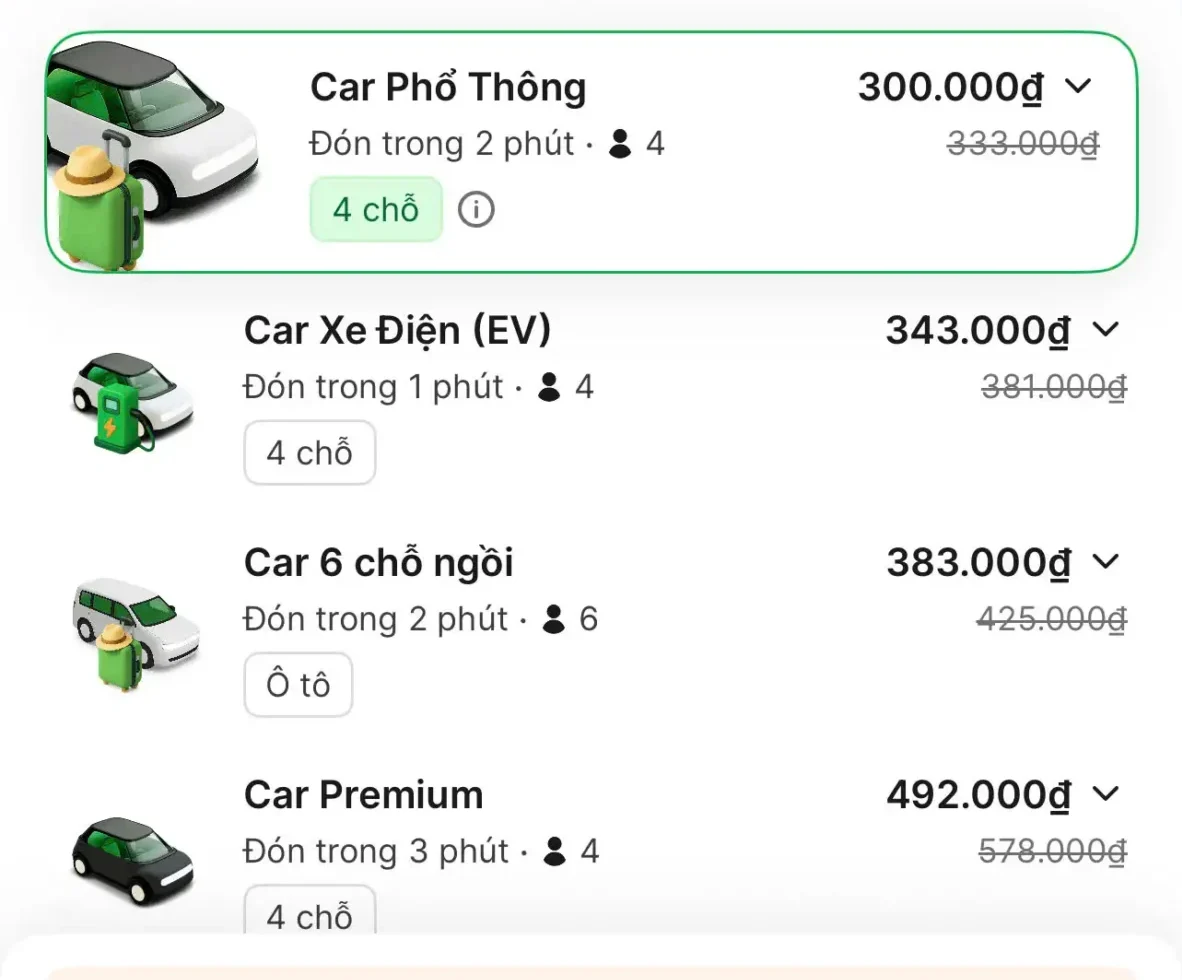
Because the prices appear to match, it’s easy to assume the quoted fare is fair. The simplest way to avoid this is to check the Grab fare on your own phone and compare it with the driver’s offer instead of relying on a screen shown by someone else. If the difference is significant, it’s usually better to choose another taxi or simply book through the app instead.
Consider using the official taxi counter

One useful tip that many first-time visitors overlook is the official taxi counter inside the arrivals hall. Instead of walking straight outside and choosing a taxi at the curb, you can arrange your ride before leaving the terminal.
At the counter, staff will tell you the fare in advance (or arrange a metered taxi, depending on the operator), issue a dispatch ticket and direct you to the correct vehicle. This removes the need to negotiate with drivers outside and can be especially reassuring if your pre-booked transfer has been cancelled or you’re arriving late at night after a long flight.
It’s also worth remembering that once you leave the arrivals area, returning inside can be inconvenient or, in some cases, not possible without re-entering through security-controlled access. If you think you’d prefer to use the official taxi counter, make that decision before walking out of the terminal.
Read more: Hoi An to An Bang Beach: How to get there easily & conveniently
Using Grab (or Green SM) After Dark
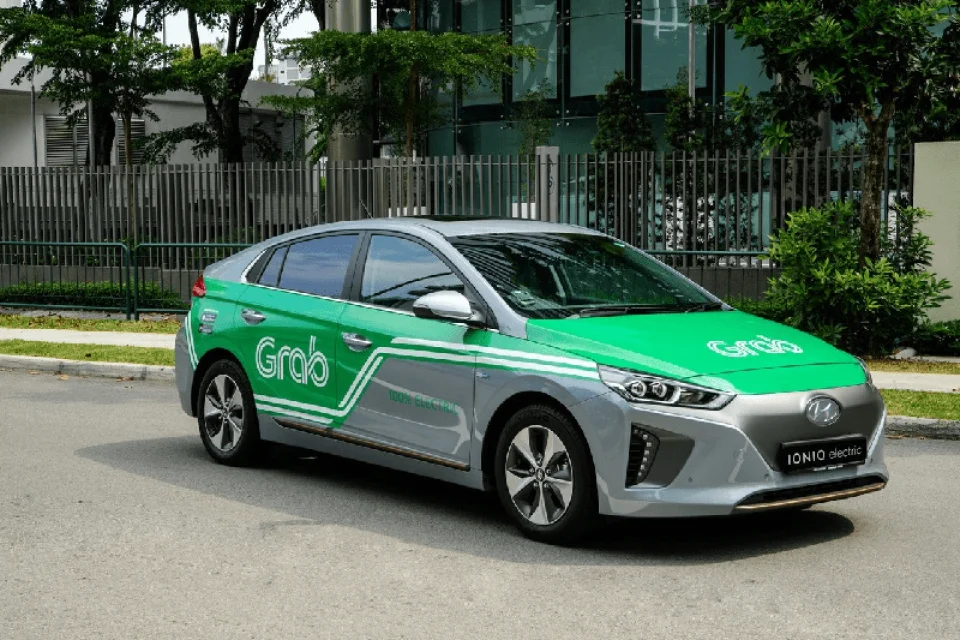
Grab does keep running through the night in Da Nang, and for a large share of independent travelers it remains the default choice precisely because the fare is fixed and visible before you ever get in the car, removing the negotiation step that makes late-night taxi pickups feel stressful to first-time visitors.
Green SM, the newer electric ride-hailing and taxi service operating in the same market, functions similarly and has built a reputation among both locals and repeat visitors for clean, quiet electric vehicles and transparent published fares, making it a genuinely comparable alternative to Grab rather than a distant second choice. Multiple current sources converge on the same core fact: both apps are available around the clock, but wait times noticeably lengthen after midnight simply because fewer drivers are actively online during those hours.

The detail that catches out the largest number of first-time late arrivals isn’t the app itself – it’s not having mobile data active the moment they clear immigration. Da Nang Airport’s free WiFi is reported inconsistently across recent guides, with some travelers noting it drops out or refuses to load booking apps reliably, which is a real problem if your plan was to connect, download Grab, and book a ride entirely from the arrivals hall.
The safer sequence, confirmed across several 2026 airport guides, is activating an eSIM before you even board your flight so that data is live the instant you land, rather than depending on either unreliable terminal WiFi or a SIM counter that may or may not still be staffed for a very late arrival; if you didn’t plan ahead, the SIM counters from Viettel, Mobifone, and Vinaphone in the arrivals hall are usually still your best bet, even though they’re priced a little higher than buying the same SIM in Hoi An town.
Once you do have the app open, a small additional wait is genuinely normal rather than a sign of anything’s wrong – 10 to 15 minutes isn’t unusual for a late-night pickup versus the two or three minutes you’d see midday, and prices can show a modest surge multiplier during these lower-availability windows.
Read more: Self-Drive Hanoi to Hoi An, Da Nang: A Realistic Road Trip Guide for Foreign Travelers (2026)
The Easiest Option for Late or Very Early Flights: Pre-Booked Private Transfer
If your flight lands well after midnight-or you’re catching an early-morning departure from Da Nang Airport-a pre-booked private transfer is often the most hassle-free choice. Instead of looking for a taxi or waiting for a Grab driver, you’ll be met in the arrivals hall by a driver holding a sign with your name. Most reputable transfer providers also monitor your flight status, so if your flight is delayed by an hour or two, your pickup time is automatically adjusted without you needing to make last-minute phone calls.
Another advantage is the certainty. The price is confirmed when you book, so there is no need to worry about taxi meters, surge pricing or negotiating a flat fare after a long flight. Once you leave the terminal, you simply get into the waiting vehicle and head straight to your accommodation. If you’re staying outside Hoi An Ancient Town – such as at one of the beach resorts – the driver can usually drop you directly at the hotel entrance.
Perhaps the biggest benefit, though, is peace of mind. After spending several hours on a flight, the last thing most travelers want is comparing ride-hailing prices, searching for mobile data or wondering whether another car will become available. By arranging everything before departure, you remove those decisions from the most tiring part of your journey. While solo travelers with light luggage may be happy to rely on taxis or Grab, a private transfer is often the smarter option for families, older travelers, groups with multiple suitcases, or anyone arriving close to – or after – midnight
A real example: how Bliss Hoi An handles late-night arrivals

Bliss Hoi An Beach Resort & Wellness is a prime example of a resort that has integrated airport shuttle services into some room categories, eliminating the need for guests to arrange their own transportation after landing. Guests staying in Beachside Bungalows or Two-Bedroom Pool Villas will receive a complimentary one-way airport transfer (pick-up or drop-off). This means you don’t need to book a taxi or private transfer for the journey between Da Nang Airport and the resort. Depending on traffic conditions, the journey usually takes about 40-50 minutes, so you should provide your flight information in advance so the resort can arrange a suitable pick-up time.
Read more: Bliss Hoi An transportation service
Another advantage is that the driver will monitor the flight status. If the flight is delayed or lands later than expected, the pick-up time will be adjusted accordingly, saving you the trouble of calling or finding alternative options as soon as you arrive at the airport. With flights landing after 11 PM or midnight, this significantly reduces the pressure compared to waiting outside the terminal for a Grab or negotiating taxi fares.
During their stay, guests also have access to a complimentary shuttle service to Hoi An Ancient Town according to the resort’s schedule. Because Bliss Hoi An is located on Binh Minh Beach, outside the restricted area of the ancient town, the shuttle can drop guests off directly at the lobby day or night. This is a significant advantage if you have a lot of luggage or arrive late, as you don’t have to walk with your suitcases from the drop-off point like with some hotels located in the ancient town.

Notably, room categories including airport transfer also come with many other benefits, offering greater value than booking the transfer service separately. Guests will receive a complimentary 30-minute foot massage per person, a complimentary in-room minibar (replenished daily), and evening turndown service. Depending on the specific promotion and booking time, the resort may also offer additional benefits such as room upgrades, resort service credits, or airport transfer discounts. Therefore, you should carefully check the included benefits before finalizing your booking to maximize the value of your stay.
Where You’ll Actually Be Dropped Off in Hoi An at Night
One detail that many travel guides don’t clearly mention is that not all hotels in Hoi An offer door-to-door pick-up, especially if you’re staying inside Hoi An Ancient Town. The ancient town has regulations restricting motorized vehicles on many streets in the center, so taxis, Grab, or airport shuttles usually only stop at designated points, leaving passengers to walk the rest of the way.
For many first-time visitors to Hoi An, especially those arriving late at night, this can sometimes be confusing. Many people think the driver has dropped them off at the wrong location or refused to drop them off at the hotel, when in reality they are simply complying with the ancient town’s traffic regulations. Knowing this beforehand will allow you to be more prepared and avoid worrying about the vehicle stopping a few minutes’ walk from your accommodation.

The good news is that this distance is usually not too far. At night, the Old Quarter is much quieter than during the day, the lighting is quite adequate, and the area is generally safe for tourists. In most cases, you only need to drag your suitcase for about 2-5 minutes to reach your hotel or homestay.
To make check-in smoother, you should inform your accommodation in advance of your expected arrival time. This is a common practice for hotels and homestays in the Old Quarter. Many will send staff to meet you at the drop-off point or direct the driver to the nearest location, saving you the trouble of finding your way at night. If you are staying at a beachfront resort or hotel outside the Old Quarter, such as Bliss Hoi An Beach Resort & Wellness, you almost don’t need to worry about this. A vehicle can take you directly to the resort’s main lobby regardless of whether check-in is at 10 PM or 1 AM. This is also one of the reasons many travelers choose to stay in coastal areas when arriving on late flights: transportation is simpler, you don’t have to drag luggage through pedestrian streets, and you can still use shuttle buses or taxis to explore the old town the next day after getting enough rest.
Travel Tip: If your flight lands after 11 PM and you have a lot of luggage or are traveling with young children, consider choosing a hotel that offers airport pick-up and drop-off or airport transfer. Dragging several suitcases through the cobblestone streets of the old town at midnight isn’t too difficult, but it’s certainly less comfortable than getting off right in front of your accommodation.
Why Arriving at Night Requires a Different Plan
Most guides on getting from Da Nang Airport to Hoi An assume you’re arriving during the day, when every transport option is available. In that situation, choosing how to travel is mostly a matter of balancing cost, convenience and comfort. However, that advice doesn’t always work for travelers landing late in the evening.
This is particularly relevant because many international flights from destinations such as South Korea, China, Singapore and Thailand arrive in Da Nang between 10 PM and 2 AM. By the time passengers clear immigration and collect their luggage, it can already be close to midnight. At that point, some of the transport options recommended in daytime guides are no longer available, while others operate differently than they do during the day.

For example, shared airport shuttles have usually finished their final departures, and public buses are no longer running. Ride-hailing services such as Grab and Xanh SM are still available, but with fewer drivers online, meaning longer waiting times and occasional surge pricing. There’s also one practical detail that many first-time visitors overlook: if you haven’t activated an eSIM or purchased a local SIM before arriving, you may not have mobile data to book a ride-hailing service immediately after leaving the terminal.
Another difference appears once you reach Hoi An. If you’re staying inside the Ancient Town, your taxi or private transfer may not be able to stop directly outside your accommodation because of the pedestrian-only streets. While this is a normal part of visiting Hoi An, it can come as a surprise if you’re arriving after a long flight with several suitcases.
Fortunately, none of these differences make traveling at night difficult or unsafe. Every week, thousands of visitors arrive in Da Nang after dark and continue to Hoi An without any problems. The key is simply knowing what to expect before you land. Once you understand which transport options are still available, prepare mobile data in advance if you plan to use Grab, and let your accommodation know your arrival time, the journey becomes just as straightforward as arriving during the day.
FAQ
Does the Hoi An Express shuttle run at night?
→ No. Shared shuttle services stop taking airport passengers in the early evening, generally around 9 PM, and don’t resume until the following morning.
Is it safe to take a taxi from Da Nang Airport alone at night?
→ Yes – metered taxis run 24/7 at both terminals and are a completely normal option for solo travelers arriving late. Stick to recognized companies like Mai Linh or Vinasun, and confirm the fare before the car pulls away.
What if my flight lands after midnight?
→ Taxis and ride-hailing apps are still running, just with fewer cars and slightly longer waits. For zero uncertainty, a pre-booked private transfer with automatic flight tracking – the kind some Hoi An resorts include free with certain room categories – is the most dependable choice, since the driver waits regardless of delay.
Can I use Grab without a local SIM card?
→ No, Grab and Xanh SM both require mobile data. If you haven’t set up an eSIM in advance, use the SIM counters in the arrivals hall if they’re still staffed, or take a taxi instead and sort out data the next morning.
Is the “driver shows me a Grab price on his phone” trick real?
→ Yes – this is a documented pattern at Da Nang Airport specifically. Drivers sometimes show a Grab “VIP” category price rather than the standard GrabCar fare to make an inflated quote look reasonable. Always check the standard fare yourself on your own device.
Does a night arrival cost more overall?
→ Metered taxi fares don’t officially change at night, though a flat-rate negotiation can drift higher if you’re not aware of the normal range. Ride-hailing apps may apply a modest surge during low-driver-availability hours, but it’s usually a small difference rather than a dramatic one.

Related Posts

How much should you budget for a corporate retreat?

What is a bridal party and how does it differ in Vietnamese Weddings?

How much does it cost to travel Vietnam? A realistic Hoi An budget for a family of 4

Is Hoi An Flooded? How Central Vietnam Floods Can Affect Your Trip

Is Hoi An a safe choice for female solo travel Vietnam?