

Best time to visit My Son Sanctuary: Weather, seasons & Travel tips
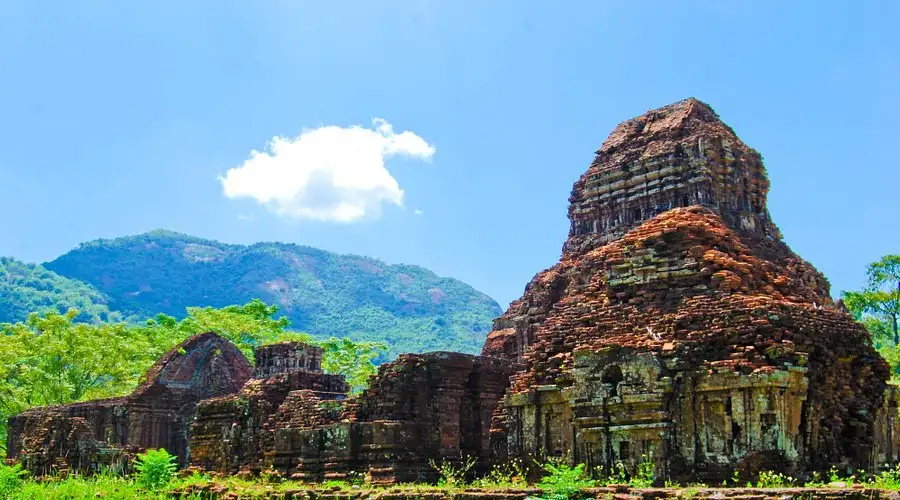
Planning a trip to My Son Sanctuary is not only about deciding how to get there. The real key to a rewarding experience lies in choosing the right time to visit. Because the temples sit in an open valley and require plenty of walking, weather conditions, seasonal changes, and daily crowd patterns can significantly affect how much you enjoy the journey. This guide breaks down everything you need to know about the best time to visit My Son Sanctuary, from seasonal weather trends to the hours you may want to avoid.
Overview of My Son Sanctuary climate
My Son Sanctuary is located in Central Vietnam, a region characterized by a tropical monsoon climate with plenty of sunshine, high temperatures, and a clear division between the dry and rainy seasons. Because most of the temple complex is outdoors, the weather has a direct impact on your visiting experience, from walking between ruins to how long you can comfortably stop for photos or listen to explanations from guides.
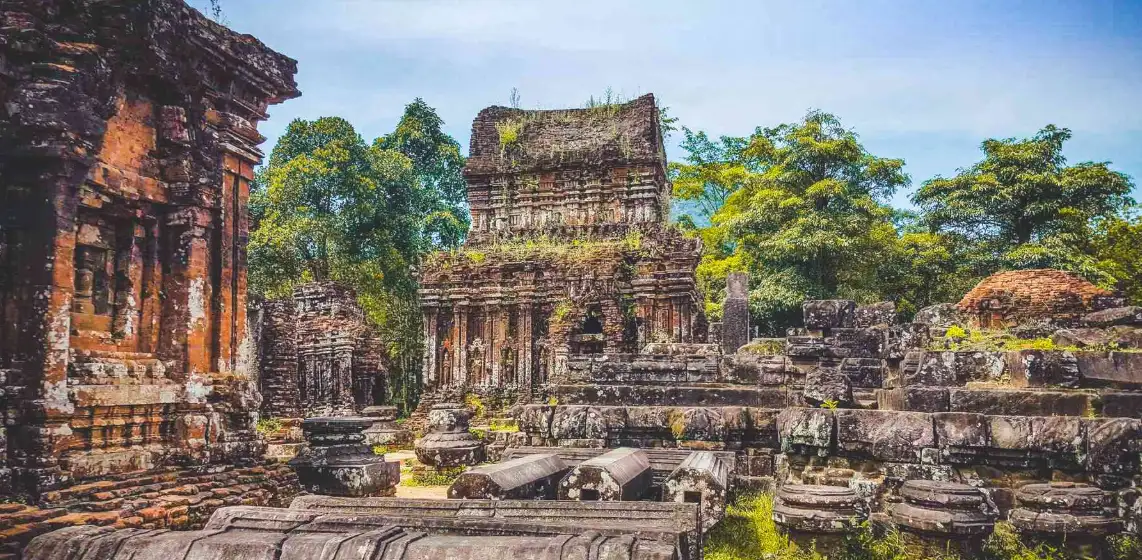
The average temperature during the year usually ranges between 25–33°C, but it can climb higher in the summer months, especially around midday. Combined with relatively high humidity, the heat may feel more intense if you plan to explore the site on foot. In general, the climate can be divided into two main periods. The dry season lasts from the beginning of the year through the summer, bringing less rain and more favorable conditions for sightseeing. In contrast, the rainy season typically arrives in the later months of the year, when heavy or prolonged showers can make pathways slippery and limit outdoor exploration.
Understanding this climate overview will make it easier to determine the best time to visit My Son Sanctuary, depending on whether you prioritize clear skies for photography or prefer fewer crowds.
Read more: My Son Sanctuary entrance fee 2026 – Ticket price, inclusions & Extra costs
My Son Sanctuary weather by season
Weather plays a major role in how comfortable your visit to My Son Sanctuary will be. The complex is spread across an open valley, walking distances are long, and shade is limited. Temperature, humidity, and rainfall therefore affect not only your stamina but also photography conditions and how much of the site you can realistically explore.
Central Vietnam typically experiences a dry season and a rainy season, each with very different characteristics.
Dry season (February – August)
This period usually sees the most stable weather and the lowest rainfall, which is why it is the preferred time for many travelers. From February to April, average daytime temperatures range from 22–30°C (72–86°F). Humidity is present but still manageable, and rain is relatively rare, often limited to brief showers if it happens at all. These months are widely considered the most comfortable for walking and extended exploration.

From May to August, temperatures climb significantly. Daytime highs commonly reach 32–38°C (90–100°F), sometimes even higher during heat waves. Rainfall remains low, often under 100 mm per month, but the strong sun and heat radiating from the brick structures can make the site feel more exhausting than expected. Midday visits in particular can become challenging.
Rainy season (September – January)
The rainy months bring cooler air but a much higher chance of wet conditions. Average temperatures usually sit between 20–28°C (68–82°F), which might sound comfortable. However, rainfall increases sharply, often reaching 300–600 mm per month, especially in October and November. Prolonged or heavy rain can create puddles, muddy sections, or minor flooding on some paths within the valley.
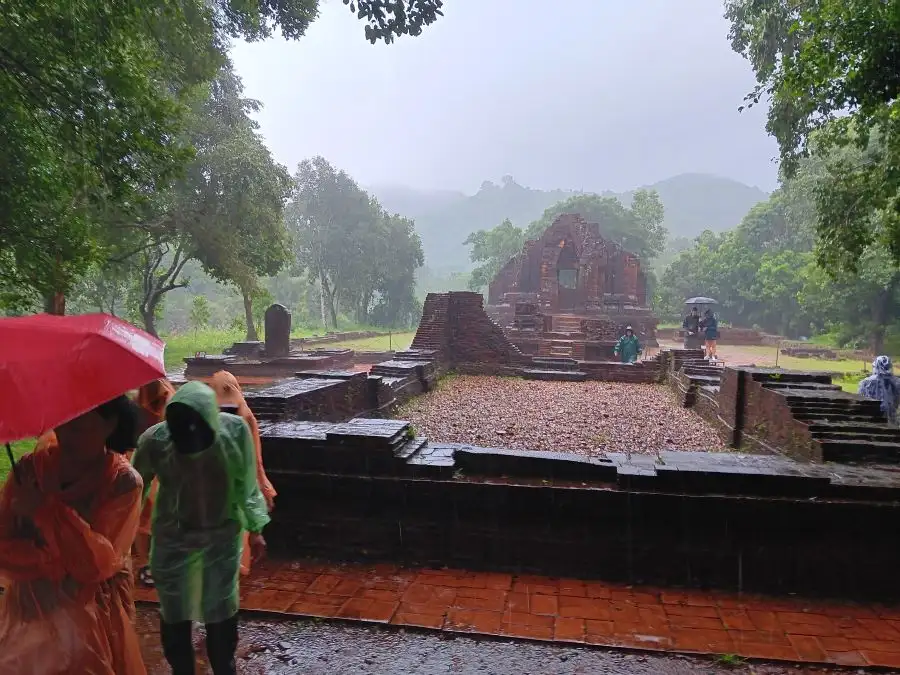
While showers can interrupt movement and photography, they also bring advantages: greener landscapes, dramatic clouds, and fewer tour groups. When the rain stops, the sanctuary can feel quiet and atmospheric.
Best time to visit My Son Sanctuary by month
If dividing the year into seasons still feels too general, looking at each month individually will help you better estimate the chance of rain, the intensity of the heat, as well as fluctuations in visitor numbers and tour prices. Since My Son Sanctuary is an outdoor archaeological site, these factors directly influence how long you can walk, take photos, or comfortably enjoy cultural performances.
The table below gives you a quick overview so you can choose the time that best matches both your budget and travel style.
| Month | Typical weather | Sightseeing Conditions | Estimated tour price level | Travel season |
| January | Cool, occasional light rain | Quite good, fewer visitors | Average, sometimes discounted | Off-peak |
| February | Drier, pleasant temperatures | Very good | Slightly higher due to international travelers | Shoulder to peak |
| March | Sunny, ideal temperature | Excellent | High | Peak |
| April | Warm, clear skies | Excellent but crowded | High | Peak |
| May | Getting hotter | Good if visiting early | Average | Shoulder |
| June | Hottest period, little rain | Fair | Slight discounts possible | Off-peak |
| July | Continued strong heat | Fair | Promotions often available | Off-peak |
| August | Hot with short showers | Moderate | Flexible / average | Shoulder |
| September | Start of heavier rains | Less favorable | Lower | Off-peak |
| October | Noticeable rainy season | Limited | Low | Off-peak |
| November | Rainy, cooler | Decent, very quiet | Low | Off-peak |
| December | Mild, possible scattered rain | Quite good | Average, may rise near holidays | Shoulder to peak |
In general, the period from February to April is widely considered the golden window thanks to comfortable temperatures, low rainfall, and beautiful natural light for exploring the Cham towers. However, this also means higher tour prices and larger crowds.
Meanwhile, the hotter or rainier months often come with better deals. If saving money matters more than perfect weather, and you are comfortable adjusting plans when necessary, these months can still offer a rewarding visit.
Read more: How to Get from My Son Sanctuary to Hoi An: Boat, Bus, or Private Car?
Best time of the day to visit My Son Sanctuary
Because My Son Sanctuary is an open-air archaeological site with limited shade, the hour you arrive can influence your experience just as much as the month you travel. Heat, humidity, and sunlight intensity change dramatically throughout the day, and they also behave differently between the dry and rainy seasons.
Instead of looking at fixed tour schedules, it is more helpful to understand which hours are truly the most comfortable depending on the time of year.
During the dry season (February – August)
In the dry months, sunshine is the biggest factor. Temperatures rise quickly after early morning, and by late morning the heat reflecting from the brick towers can make walking feel far more intense than the actual air temperature.
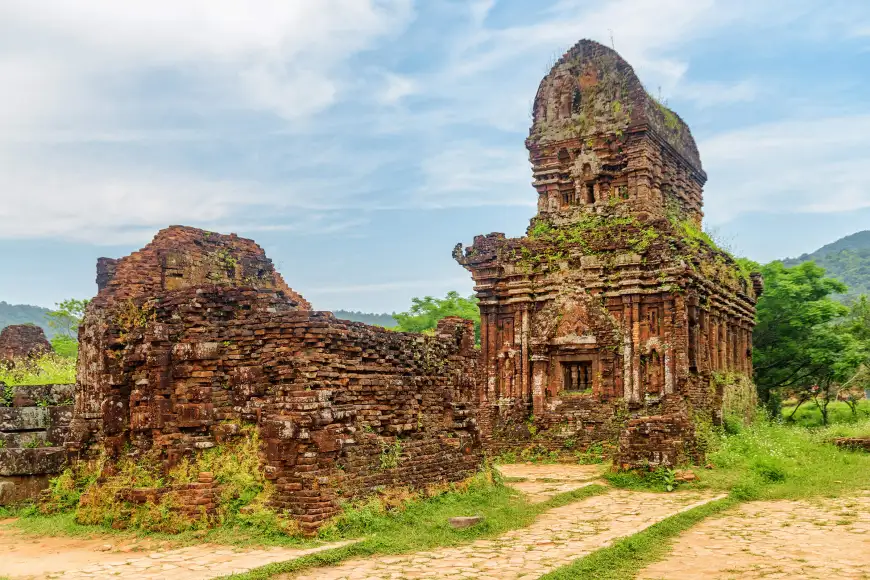
The most comfortable window is usually from opening time until around 9:00 AM. During these hours, the air is still relatively cool, you can walk longer distances between temple groups, and the light remains soft enough for photography. Many visitors find they can explore most of the sanctuary without feeling rushed or exhausted.
From about mid-morning onward, the environment becomes harsher. Shadows shrink, open areas feel exposed, and travelers often begin looking for rest stops sooner than expected. By midday, fatigue tends to reduce how much time people want to spend at each ruin.
For this reason, if you visit in the dry season, the earlier you arrive, the better the overall experience.
During the rainy season (September – January)
Weather in these months is less about heat and more about rainfall patterns. Showers can appear unexpectedly, but they often come in waves rather than lasting the entire day.
Morning still provides a safer bet. Visiting earlier improves your chances of exploring the temples before rain begins and allows more time flexibility if you need to pause or seek shelter.
Interestingly, when rain stops, the sanctuary can become incredibly atmospheric. Mist may linger around the hills, colors of the vegetation turn deeper green, and the ancient ruins feel quieter and more mysterious. Some travelers even prefer these moments to the bright sunshine of summer.
Later in the afternoon, however, you risk running out of time if weather delays your exploration.
Golden hours most travelers prefer
Across almost all months of the year, experienced guides and repeat visitors tend to agree that early morning remains the best choice. It offers cooler temperatures, lighter crowds, and better walking conditions.

If you are not a morning person, the second-best option is usually later in the afternoon on a dry day, when tour groups begin leaving and the sunlight becomes warmer. Still, this comes with the trade-off of having fewer total visiting hours.
After understanding when the weather and crowd levels are most favorable for visiting My Son Sanctuary, the next step is choosing the right tour so you can enjoy the site without worrying about logistics, transportation, or departure times.
Bliss Hoi An Beach Resort & Wellness is not only a peaceful beachfront retreat but also a convenient starting point for exploring nearby heritage attractions. If My Son Sanctuary is your priority, the My Son Sanctuary Tour offered by Bliss is a good choice. For travelers who want to see more in one day, the My Son Sanctuary & Marble Mountains tour combines ancient Champa architecture with dramatic limestone peaks and cave temples. The itinerary is carefully planned to match the most comfortable visiting periods, maximizing both sightseeing quality and photo opportunities.
With transportation arranged by Bliss, you won’t need to navigate long distances in extreme temperatures or worry about sudden weather changes. The team helps plan your visit based on seasonal conditions and daily visitor flows, making the entire journey smoother and far more enjoyable. Book your sightseeing tours with Bliss Hoi An now!
Worst time to visit My Son Sanctuary
Besides the ideal periods, there are also times of the year when visiting My Son Sanctuary can feel far less comfortable due to extreme heat, heavy rain, or large crowds. Because the complex sits in an open valley and most exploration happens outdoors, arriving at an unfavorable moment can leave you tired quickly and limit how much you truly enjoy the heritage site.
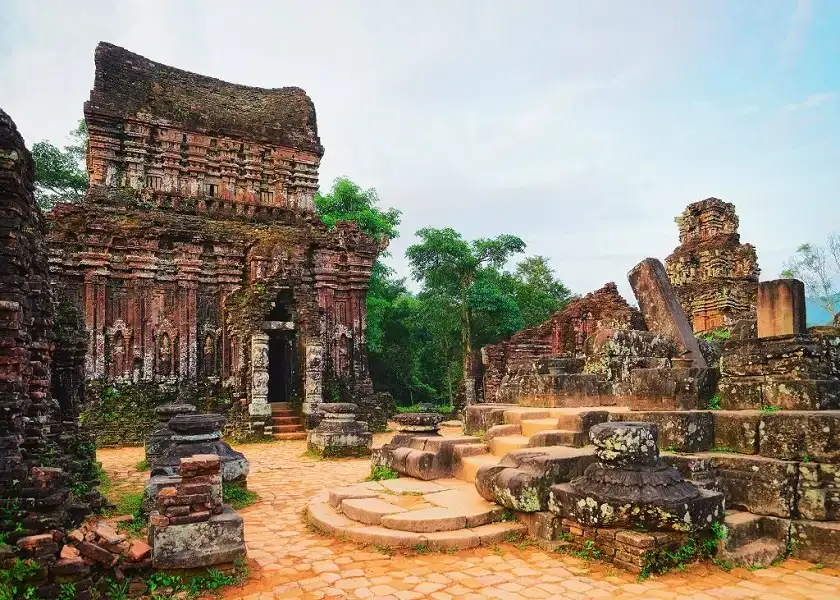
Peak heat in the dry season (usually May to July)
This is the hottest part of the year in Central Vietnam. The sun climbs high very quickly, and the ancient brick structures absorb and radiate heat, making the temperature feel much harsher while you walk between temple groups.
In particular, from around 10:30 AM until early afternoon is often considered the most uncomfortable window. Shade is minimal, the air can feel stifling, and many visitors begin to lose energy, sometimes deciding to shorten their route rather than continue exploring every section.
Travelers familiar with the conditions usually try to arrive as early as possible or wait until later in the day to avoid the intense midday heat.
Rainy and typhoon season (roughly October to December, sometimes into January)
During these months, rain can arrive suddenly and last for extended periods, especially from late morning onward. Heavy showers may make some paths in the valley slippery or partially flooded, which can limit access to certain temple areas.
Beyond mobility issues, rain makes it harder to pause for explanations, photography, or detailed observation of the architecture. The visit can feel interrupted rather than smooth and continuous.
Although the main temple clusters and cultural performance areas are usually still open, the scope of what you can comfortably explore may be smaller than originally planned.
Daily crowd peak
Even in good weather, there are hours that many visitors prefer to avoid simply because of congestion. The most common busy period is between about 10:00 AM and 1:00–1:30 PM, when numerous tour groups from Hoi An and Da Nang arrive at roughly the same time.
During this window, famous temple groups such as B, C, and D can become packed. You may need to wait for photos, struggle to find clear viewpoints, and background noise can make it harder to hear your guide. For travelers who value quiet moments and space to absorb the history, this is far from ideal.
Finding the best time to visit My Son Sanctuary can make a huge difference in your overall experience. The right season and the right hour help you avoid extreme heat, sudden rain, and heavy crowds, allowing more time to walk, take photos, and appreciate the ancient temples at a comfortable pace. With a bit of planning, your journey to this remarkable heritage site becomes smoother, more enjoyable, and far more memorable.

Related Posts

Teh Dar Show Hoi An: Inside Vietnam’s Bamboo Circus of the Central Highlands

How to get a Hoi An SIM Card: 3 Steps to stay connected
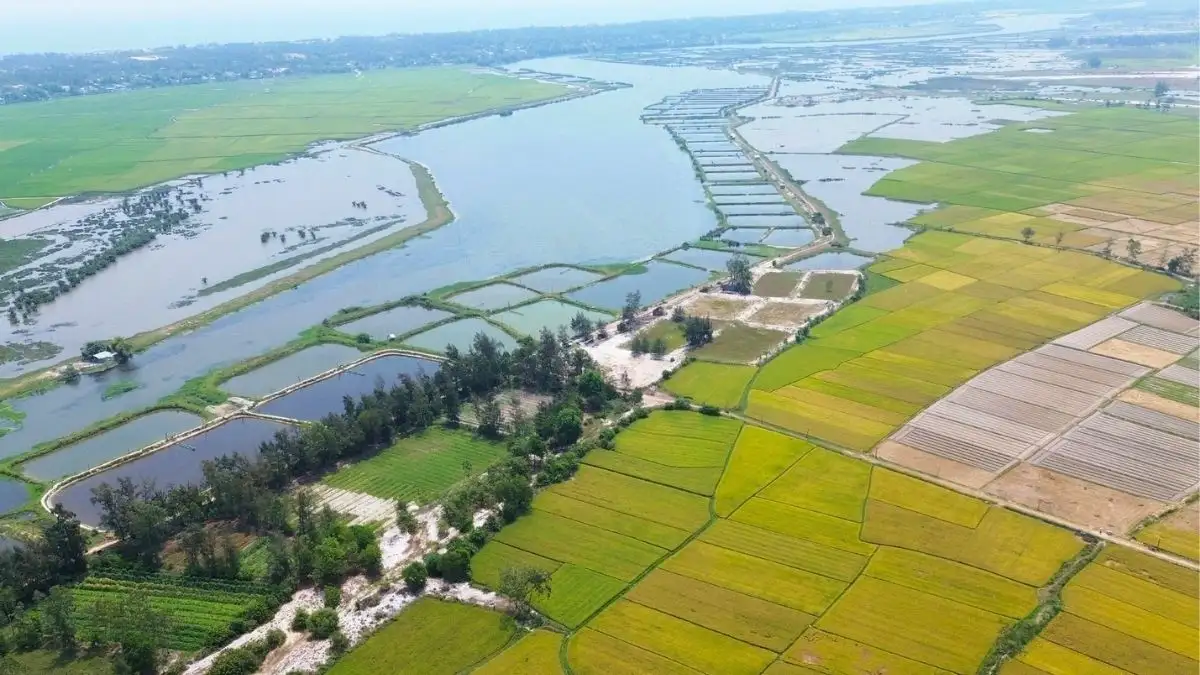
Truong Giang vs Thu Bon: Which river is better for a boat trip?

A month in Hoi An: What a long stay actually looks like
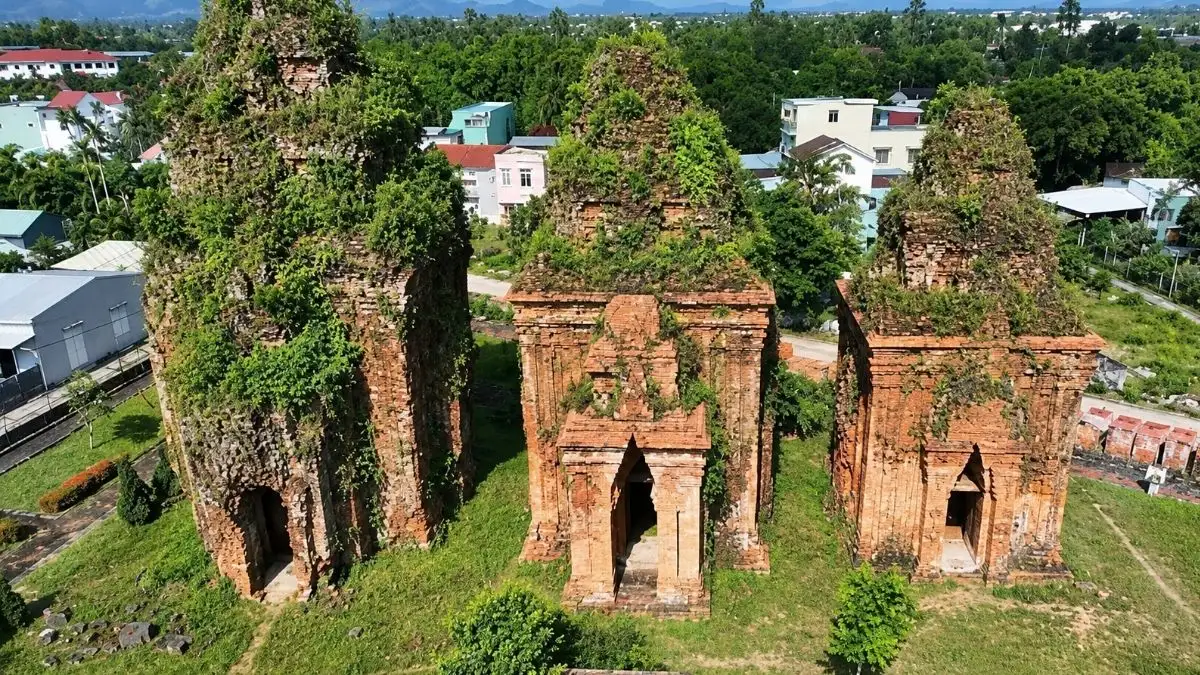
Khuong My Cham Towers: The 1,000-Year-Old Mystery Near Hoi An