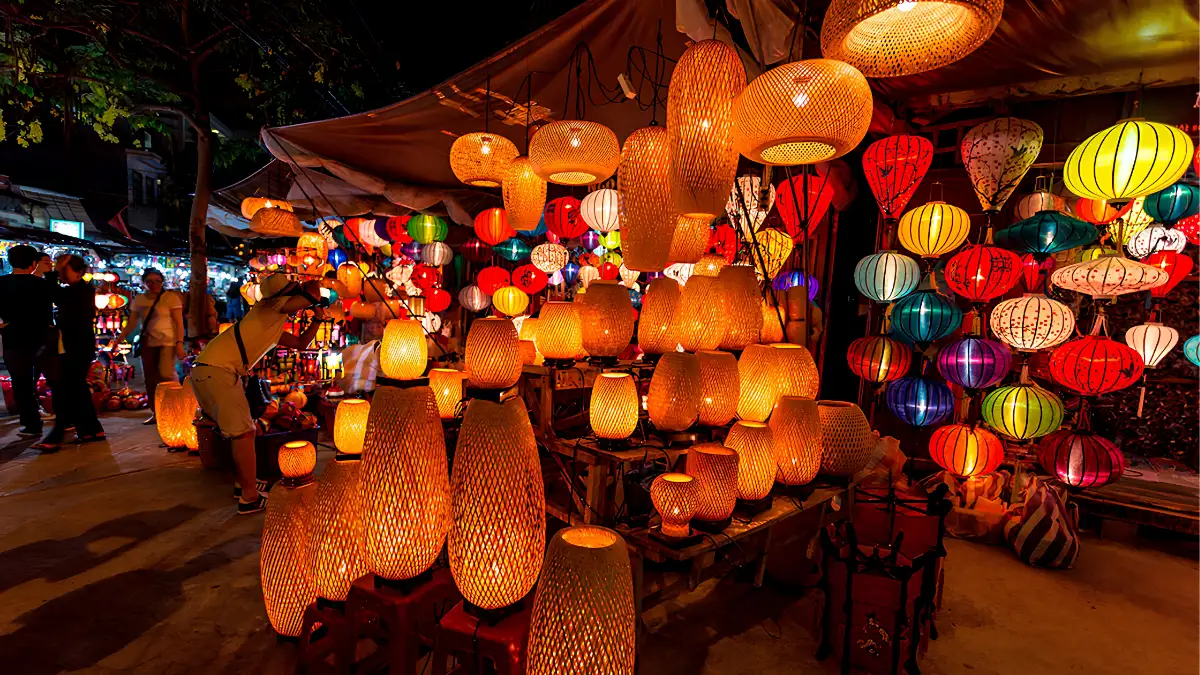


How Many Days for a Vietnam Trip? The Complete 2026 Guide for First-Time Travelers
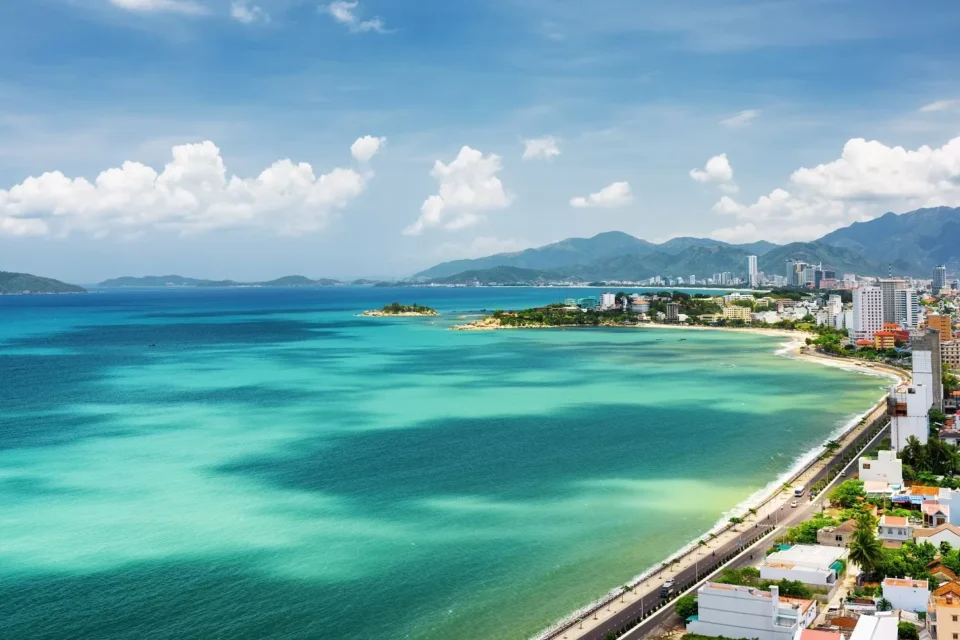
Most travelers need at least 10 to 14 days to explore Vietnam’s three regions comfortably, without rushing. If you only have 7 days, you can still enjoy one region fully – for example Hanoi and Ha Long Bay, or Hoi An and Da Nang.
Vietnam stretches more than 1,600 kilometers from north to south, and that length is exactly what makes trip planning so confusing for first-time visitors. Below, we break this down by trip length – 7, 10, 14, and 21 days – so you can pick the itinerary that actually matches the time you have. We’ll also explain why Hoi An, the historic town on the central coast, deserves more of your calendar than most guidebooks suggest.
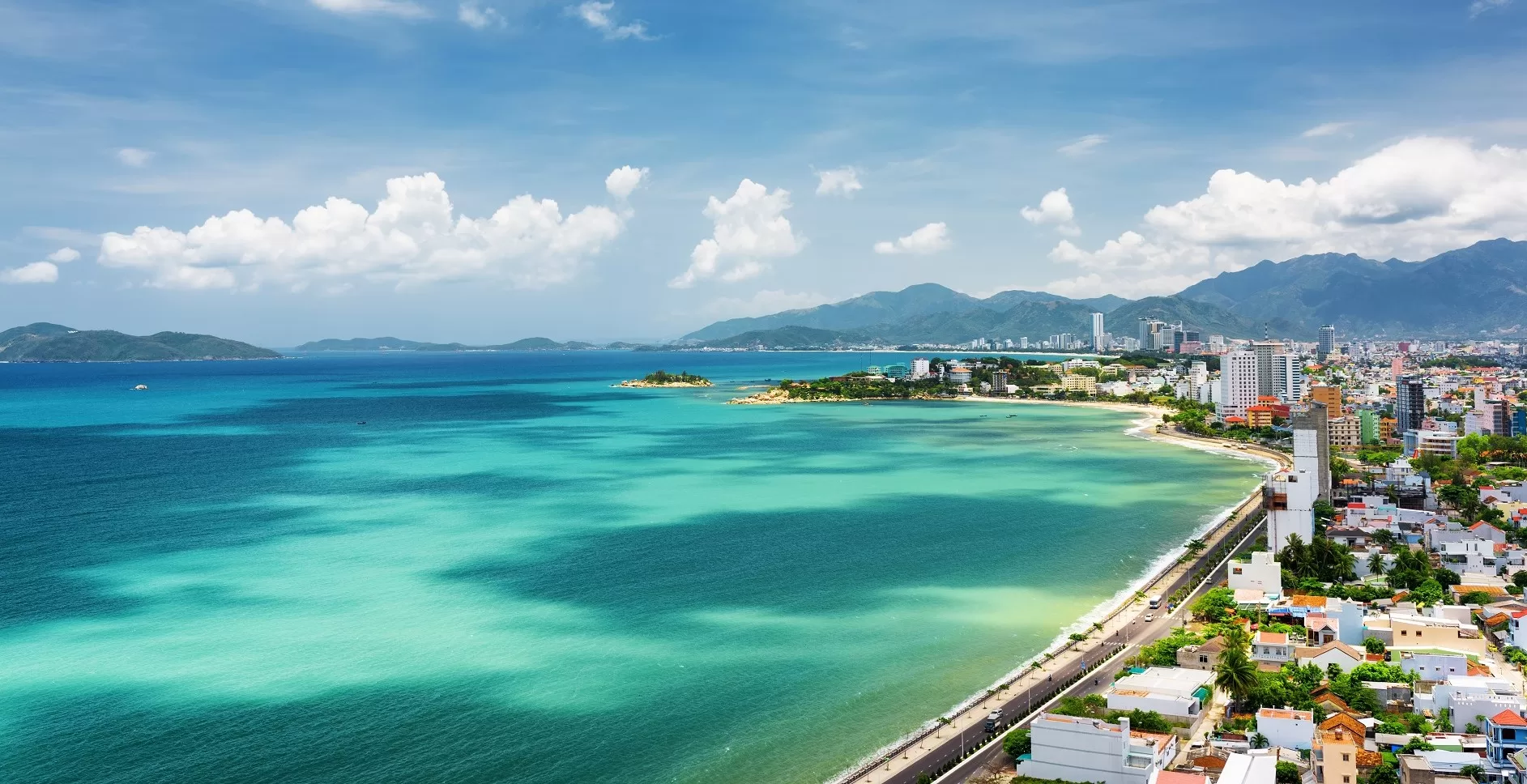
Quick Answer: How Many Days You Really Need, at a Glance
Most people searching for this question just want a fast, reliable number before they dive into details, so let’s start there. As a general rule of thumb, plan on roughly 3 to 4 days per major region (North, Central, South) if you want to travel comfortably rather than rushing between checkpoints. Add travel days between cities, since Vietnam’s internal flights, trains, and buses can eat up half a day even when distances look short on a map.
For a single-region trip, such as just Hanoi and Ha Long Bay, or just Hoi An and Da Nang, 4 to 6 days is genuinely enough to relax and go deep rather than wide. For a classic north-to-south journey covering Hanoi, Hoi An, and Ho Chi Minh City, most experienced travel planners recommend a minimum of 10 days, with 14 days being the sweet spot for a relaxed, well-paced trip. If you have three weeks or more, you can comfortably add Sapa, the Mekong Delta, Phu Quoc island, or a longer stay in a wellness-focused resort town like Hoi An.
Here is a simple reference table many readers find useful when comparing options:
| Trip Length | Realistic Coverage |
| 5-7 days | One region only (e.g., Central Vietnam: Hoi An + Da Nang) |
| 8-10 days | Two regions (e.g., Hanoi + Central Vietnam) |
| 11-14 days | Full North-to-South classic route |
| 15-21+ days | Full route plus Sapa, Mekong Delta, and island time |
As a general rule, plan on roughly 3 to 4 days per major region (North, Central, South) if you want to travel comfortably rather than rushing between checkpoints. Add travel days between cities, since Vietnam’s internal flights, trains, and buses can eat up half a day even when distances look short on a map.
Detailed Itineraries by Trip Length: 7, 10, 14, and 21 Days
The 7-Day Itinerary
Spend your first two days discovering the capital city of Vietnam, where centuries-old traditions blend with a vibrant modern atmosphere. Wander through the Old Quarter’s narrow streets, visit iconic landmarks such as Hoan Kiem Lake, the Temple of Literature, and the Ho Chi Minh Mausoleum, and enjoy local specialties like pho, bun cha, and egg coffee. If time allows, catch a traditional water puppet performance or explore one of Hanoi’s many museums to gain a deeper understanding of Vietnamese history and culture before heading south.
After Hanoi, travel to Ha Long Bay for an overnight cruise, one of Vietnam’s most memorable experiences. Most cruises include activities such as kayaking through hidden lagoons, exploring limestone caves, swimming, or visiting floating fishing villages while sailing past thousands of dramatic karst islands. Spending one night on the bay allows you to experience both the peaceful sunset and sunrise, making the journey far more rewarding than a rushed day trip from Hanoi.
Fly from Hanoi to Da Nang before taking a short transfer to Hoi An, where you’ll spend the final three days of your trip. Use one day to explore the UNESCO-listed Ancient Town, visiting its historic houses, Japanese Covered Bridge, riverside cafés, and colorful lantern-lit streets in the evening. Dedicate another day to relaxing at the beach or enjoying resort facilities, then spend your final day joining local experiences such as cycling through rice fields, taking a basket boat tour, visiting nearby fishing villages, or watching the Hoi An Memories Show before your departure. Three nights in Hoi An provide enough time to balance sightseeing with relaxation, creating a more enjoyable end to your Vietnam journey.
The 10-Day Itinerary
Ten days gives you enough time to experience Vietnam’s three distinct regions without feeling constantly rushed. A well-balanced itinerary typically begins with three nights in northern Vietnam, combining Hanoi’s rich history and street food culture with an overnight cruise through the spectacular limestone landscapes of Ha Long Bay. This introduction offers a blend of cultural landmarks, local cuisine, and one of the country’s most iconic natural wonders.
Continue your journey with four nights in central Vietnam, splitting your time between Hoi An and Da Nang. Explore Hoi An Ancient Town, relax on its nearby beaches, sample local specialties, and enjoy experiences such as cycling through the countryside, taking a basket boat tour, or watching the Hoi An Memories Show. Staying several nights also gives you the flexibility to enjoy a slower pace, whether that’s unwinding at a beachfront resort, visiting nearby attractions like My Son Sanctuary, or simply spending an afternoon by the pool.
Finish your trip with three nights in Ho Chi Minh City, Vietnam’s energetic commercial hub. Spend time exploring historical sites such as the War Remnants Museum, Ben Thanh Market, and the city’s French colonial architecture before taking a day trip to either the Cu Chi Tunnels or the Mekong Delta. With ten days, you’ll experience a balanced mix of history, culture, nature, local food, and relaxation, making it an ideal itinerary for first-time visitors who want a comprehensive introduction to Vietnam.

The 14-Day Itinerary
With two full weeks in Vietnam, you can enjoy a much more relaxed pace while experiencing the country’s most iconic destinations in greater depth. Rather than trying to fit in as many cities as possible, many experienced travelers recommend spending longer in each location. This approach reduces travel fatigue, leaves room for spontaneous discoveries, and allows you to appreciate each destination beyond its most famous attractions.
A well-balanced itinerary could include three nights in Hanoi to explore its cultural landmarks and vibrant food scene, followed by two nights in Ha Long Bay for an overnight cruise and leisurely activities such as kayaking or cave exploration. From there, spend five nights in Hoi An, giving yourself enough time to wander the Ancient Town, relax on quiet beaches, join a Vietnamese cooking class, cycle through the surrounding countryside, experience the Hoi An Memories Show, and enjoy a rejuvenating spa treatment. The additional days also make it easier to take things slowly, whether that’s spending an afternoon by the pool or discovering nearby villages at your own pace.
Conclude your journey with four nights in Ho Chi Minh City, using the extra time to explore the city’s museums, markets, cafés, and historic landmarks without rushing. A full-day excursion to the Mekong Delta offers a glimpse into life along Vietnam’s famous waterways, while history enthusiasts may also choose to visit the Cu Chi Tunnels. Fourteen days provides an excellent balance of sightseeing and relaxation, making it an ideal choice for travelers who want to experience Vietnam’s culture, landscapes, and hospitality without feeling like every day is packed with activities.

The 21-Day Itinerary
Three weeks gives you the freedom to experience Vietnam beyond its classic highlights. Instead of simply checking off the country’s most famous destinations, you can venture into its diverse mountain landscapes, coastal towns, and tropical islands while still allowing plenty of time to relax. The slower pace also makes long-distance travel much more enjoyable, as you’ll spend less time packing and moving between hotels.
A balanced 21-day itinerary could begin with four to five nights in northern Vietnam, including Hanoi, an overnight cruise in Ha Long Bay, and two or three days trekking through the rice terraces of Sapa. Continue with five or six nights in central Vietnam, where Hoi An serves as the perfect base for exploring the Ancient Town, relaxing on nearby beaches, visiting My Son Sanctuary, taking a cooking class, cycling through the countryside, and enjoying luxury resort experiences. The extended stay allows you to experience both the cultural charm of Hoi An and the slower rhythm of Vietnam’s central coast.
Finish your journey with around a week in southern Vietnam, combining Ho Chi Minh City with a day trip to the Mekong Delta before escaping to an island destination such as Phu Quoc or Con Dao. Spend your final days swimming, snorkeling, enjoying fresh seafood, or simply unwinding on quiet beaches before flying home. A 21-day itinerary offers the most complete introduction to Vietnam, combining bustling cities, UNESCO heritage sites, mountain scenery, tropical islands, and authentic local experiences in one unforgettable trip.
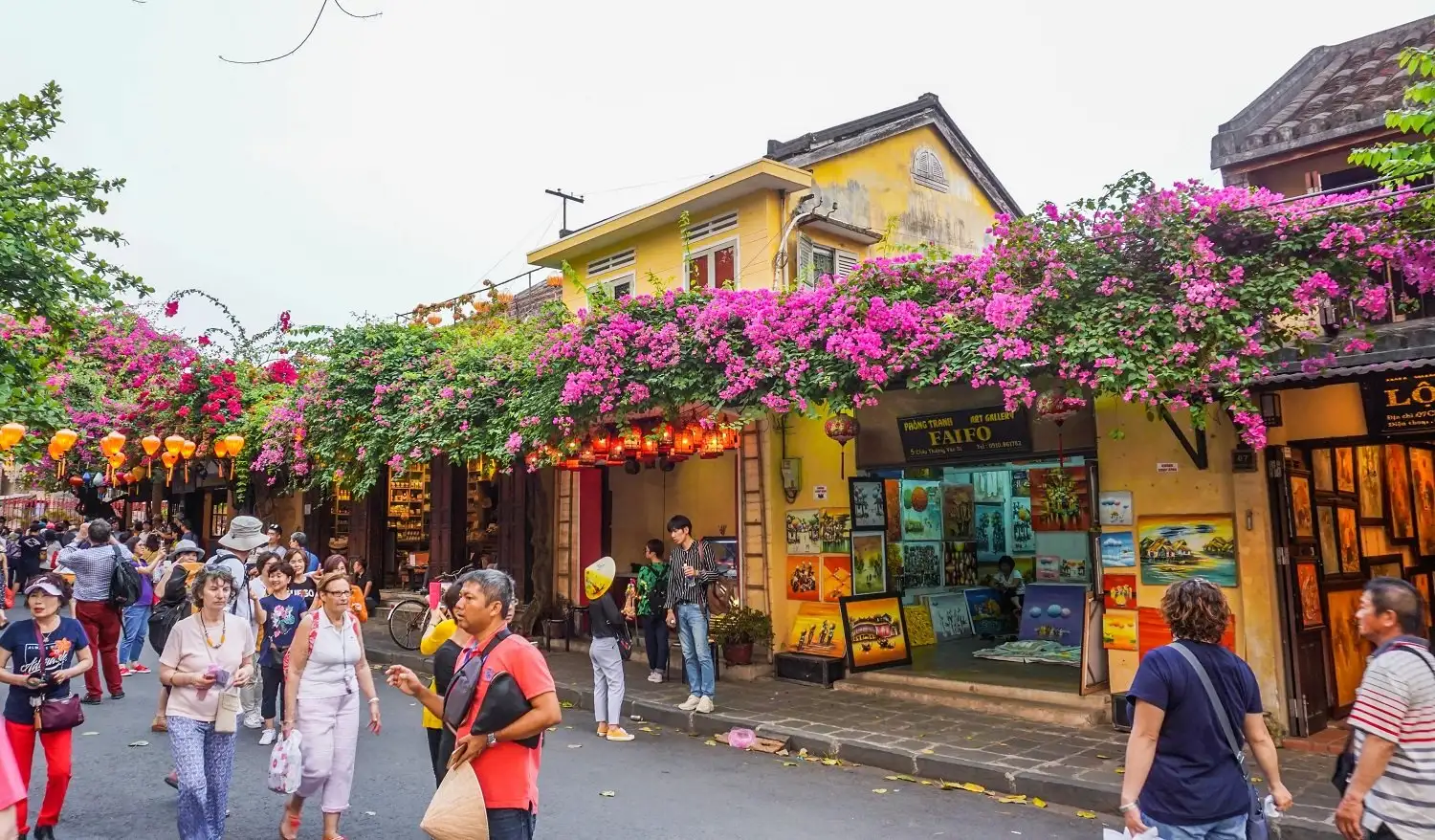
Hoi An – Why It Deserves More Days Than You Think
Frequent Vietnam travelers repeat one piece of advice often: don’t treat Hoi An as a quick photo-stop between Hanoi and Ho Chi Minh City. The ancient town’s lantern-lit streets are only one layer of what the area offers, and visitors who allocate just one night typically leave feeling like they only scratched the surface. Extending your stay to 3-5 nights lets you experience both the cultural core of the old town and the region’s quieter coastal side -something most short itineraries skip entirely.
One reason is geography many first-time visitors don’t realize until they arrive: Hoi An sits along a stretch of coastline with long, uncrowded, white-sand beaches away from the busier tourist strips of Da Nang. Binh Minh Beach, for example, has been treasured by locals since the 1990s for its calm, private atmosphere. Walking this shoreline early in the morning as local fishing boats return with the catch is the kind of authentic, unscripted experience that simply isn’t possible on a one-night stop.
The second reason is wellness. Central Vietnam, and Hoi An specifically, has become a destination in its own right for travelers who want their trip to actually restore their energy, combining spa treatments, yoga, healthy dining, and quiet natural surroundings.
Where to stay: Choosing the right base matters as much as deciding how many nights to stay. Bliss Hoi An Beach Resort & Wellness sits on a private stretch of the Binh Minh coastline, deliberately positioned away from the busiest part of town. With only 135 rooms and villas spread across 5 hectares of tropical grounds, the resort keeps building density low, feeling closer to a coconut-forest retreat than a typical high-rise beach hotel.
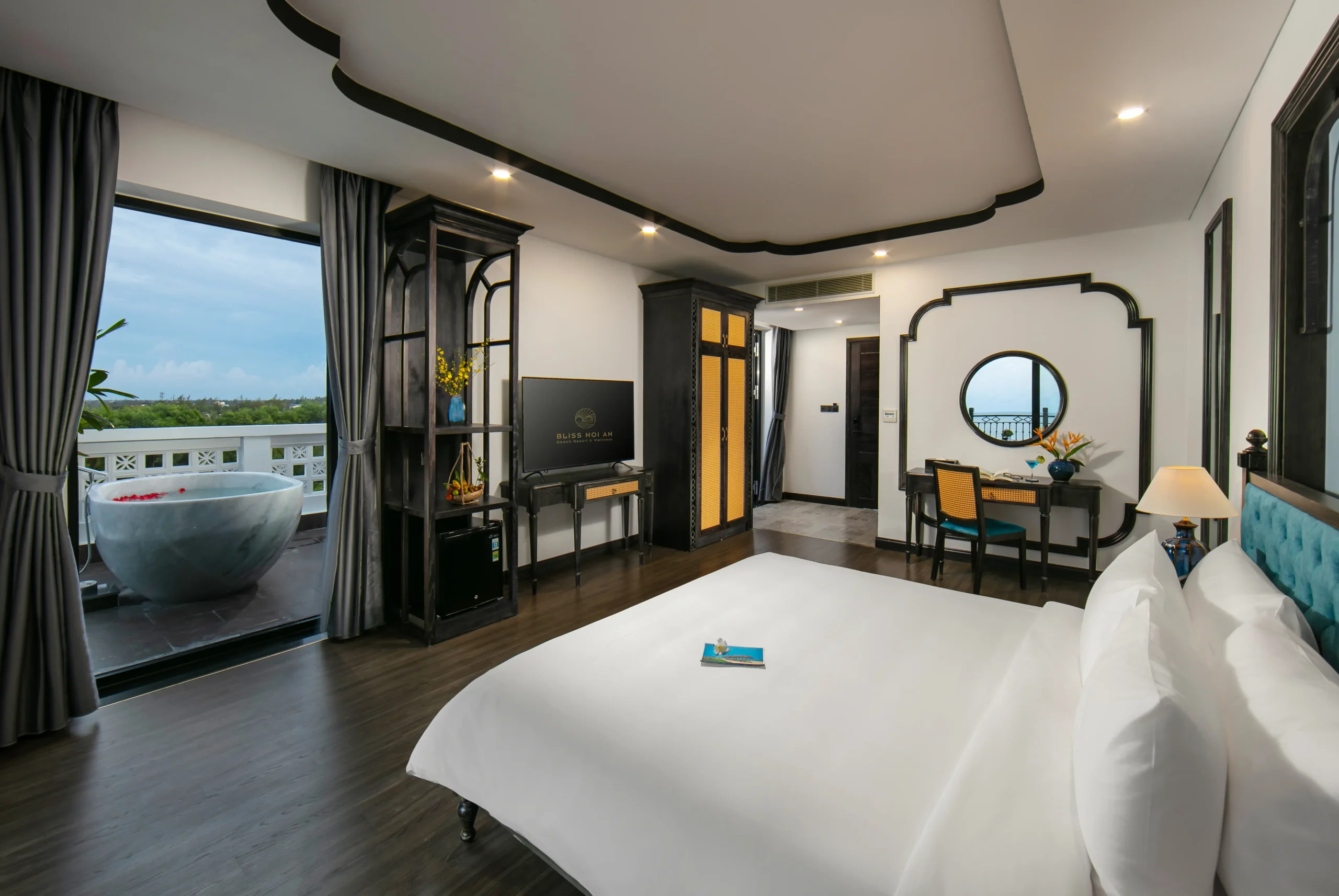
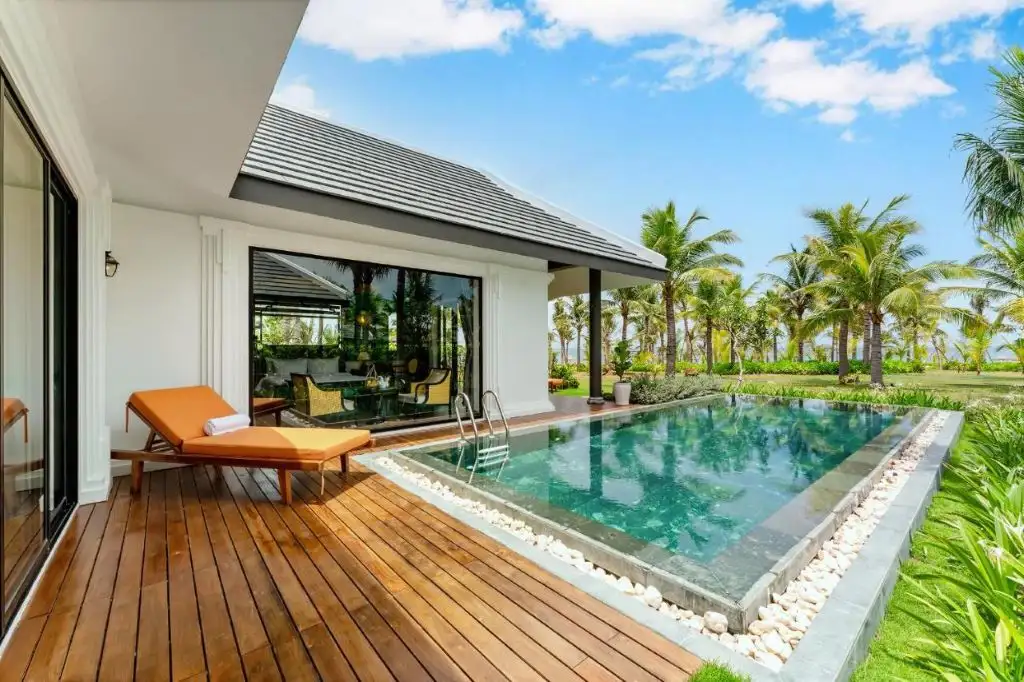
Every room starts above 51 square meters with wide balconies opening toward the sea. The architecture blends traditional Hoi An design – glossy dark wood columns, warm neutral tones – with a contemporary European sensibility. The resort’s 55-meter infinity pool sits directly beside the private beach, and the on-site Ngoc Linh Spa, named after Vietnam’s prized native ginseng, offers therapeutic treatments plus dry and wet saunas. Guests can also choose the resort’s all-inclusive package, which for a flat daily rate covers unlimited Asia-European dining and drinks, removing the need to plan meals mid-trip.
If your itinerary allows even one extra day in Hoi An, this is the kind of property where that day is genuinely well spent – whether that means a quiet morning by the pool, a spa afternoon, or reading on a private balcony with an ocean view.
Other Things to Consider When Planning
Which region to prioritize
Northern Vietnam, anchored by Hanoi, offers centuries-old temples, French colonial architecture, and access to Ha Long Bay’s limestone islands and Sapa’s misty rice terraces. It rewards travelers interested in history, trekking, and landscape photography, though it can be cooler and rainier for part of the year.
Central Vietnam, home to Hue, Da Nang, and Hoi An, is often described by returning visitors as the most underrated part of the country – where beach relaxation meets deep cultural immersion. Many travelers who initially planned two nights in Hoi An end up wishing they’d booked four or five.
Southern Vietnam, centered on the energetic Ho Chi Minh City, offers dense urban energy, war history sites, rooftop bars, and easy access to the green waterways of the Mekong Delta. It’s worth 3 to 4 days on its own, plus an extra day if you want to explore the Delta by boat.
Best time of year
Northern Vietnam is coolest and can be foggy or drizzly from December to February, while March-May and September-November are generally the best windows for Hanoi and Ha Long Bay. Central Vietnam, including Hoi An and Da Nang, has its driest, sunniest months from February through August, making this the most reliable stretch for beach days – while the rainy season (October-December) can bring heavy downpours and occasional storms. Southern Vietnam follows a simpler wet-and-dry pattern, with December-April being the most comfortable window for city walking and river excursions.

Personal factors that change your ideal length
Your travel pace is the biggest variable: if you prefer to see a handful of major sights per city and then relax, you’ll need fewer days than someone determined to visit every temple, market, and viewpoint. Visa rules and budget also shape your available days – it’s worth checking current Vietnam e-visa requirements well before your trip. Finally, consider what kind of trip you want to come home feeling like you had: itineraries that deliberately include 2-3 slower, resort-based days ideally in a wellness-focused destination like Hoi An tend to leave people feeling genuinely rested rather than needing a vacation from their vacation.
Practical planning tips
Book your longer-distance transport first – domestic flights between Hanoi, Da Nang, and Ho Chi Minh City, or overnight train routes – since these anchor points determine how your regional days get divided. Leave at least one buffer day unassigned, ideally near the middle of the trip, so a flight delay or extra-long market visit doesn’t throw off everything that follows. When booking accommodation, avoid changing hotels every single night; choosing one well-located resort as a base – such as Bliss Hoi An for your Central Vietnam stretch – and taking day trips from there is often more relaxing and no less efficient. Build your itinerary around 2-3 “anchor experiences” you genuinely care about, and let everything else flex around them.

Beyond region and season, a few personal factors matter just as much when deciding your ideal trip length, and it is worth being honest with yourself about these before booking flights. Your travel pace is the biggest variable: if you prefer to see a handful of major sights per city and then relax, you will need fewer days than someone determined to visit every temple, market, and viewpoint on every list. Neither approach is wrong, but mismatching your pace to your day count is the single most common planning mistake first-time visitors make.
Visa and entry requirements can also shape your available days, since processing times and permitted stay lengths vary by nationality, so it is worth checking current Vietnam e-visa rules well before your trip rather than assuming a fixed number of days on arrival. Budget plays a role too: longer trips naturally cost more in accommodation and internal transport, though Vietnam remains relatively affordable compared to many other Southeast Asian destinations, which is part of why 14-to-21-day trips are so common among international travelers. If budget is a concern, an all-inclusive stay can actually simplify cost planning for part of your trip, since a fixed daily rate covering meals and drinks removes a major source of unpredictable spending.
Finally, consider what kind of trip you actually want to come home feeling like you had. A trip packed with back-to-back sightseeing days can leave travelers feeling like they need a vacation from their vacation, while an itinerary that deliberately includes 2-3 slower, resort-based days – ideally in a wellness-focused destination like Hoi An – tends to leave people feeling genuinely rested. Building in that kind of pause is not “wasting” travel days; returning visitors frequently say it was the difference between a trip that exhausted them and one they still think about fondly months later.
Frequently Asked Questions About Vietnam Trip Length
Is 5 days enough for Vietnam?
→ Five days is enough to enjoy one region well, such as Hanoi and Ha Long Bay, or Hoi An and Da Nang, but it is not enough to responsibly cover the whole country. Trying to fit north, central, and south into 5 days usually means spending more time in transit than actually exploring.
What is the minimum number of days for a first-time visit?
→ Most travel experts recommend a minimum of 10 days for a satisfying first trip that covers Hanoi, Central Vietnam, and Ho Chi Minh City without feeling rushed. Anything shorter usually means choosing one or two regions rather than the full classic route.
How many days should I spend in Hoi An specifically?
→ While many itineraries allocate just one or two nights, 3 to 5 nights allows you to properly experience both the historic ancient town and the quieter coastal side of the region, including beach and wellness time. This is especially worthwhile if you are staying somewhere with strong on-site amenities, such as a private beach, spa, and infinity pool.
Can I see all of Vietnam in 2 weeks?
→ Fourteen days is genuinely enough to see the highlights of North, Central, and South Vietnam at a comfortable pace, including a few relaxed, non-sightseeing days. It will not cover every possible destination, such as Sapa or Phu Quoc, but it comfortably covers the classic route most first-time visitors are looking for.
Should I front-load or back-load my rest days?
→ Many experienced travelers place their most relaxing stretch, such as a multi-night resort stay in Hoi An, in the middle or toward the end of the trip, once initial jet lag has worn off and before the final push home. This timing tends to maximize how rested you feel both during the final days of sightseeing and on the flight home.
So, if you wonder how many days for a Vietnam trip? The answers is focus on planning your Vietnam trip length is really about matching your available days to the pace you actually want, not squeezing in the maximum number of cities possible. Whatever your final itinerary looks like, giving Central Vietnam – and Hoi An in particular – a proper multi-night stay is one adjustment that consistently improves how travelers feel about their trip afterward.
Ready to build in that well-deserved slower stretch? Book your stay at Bliss Hoi An Beach Resort & Wellness and start your Central Vietnam days with a private beach, an infinity pool, and a spa built around genuine rest.

Related Posts
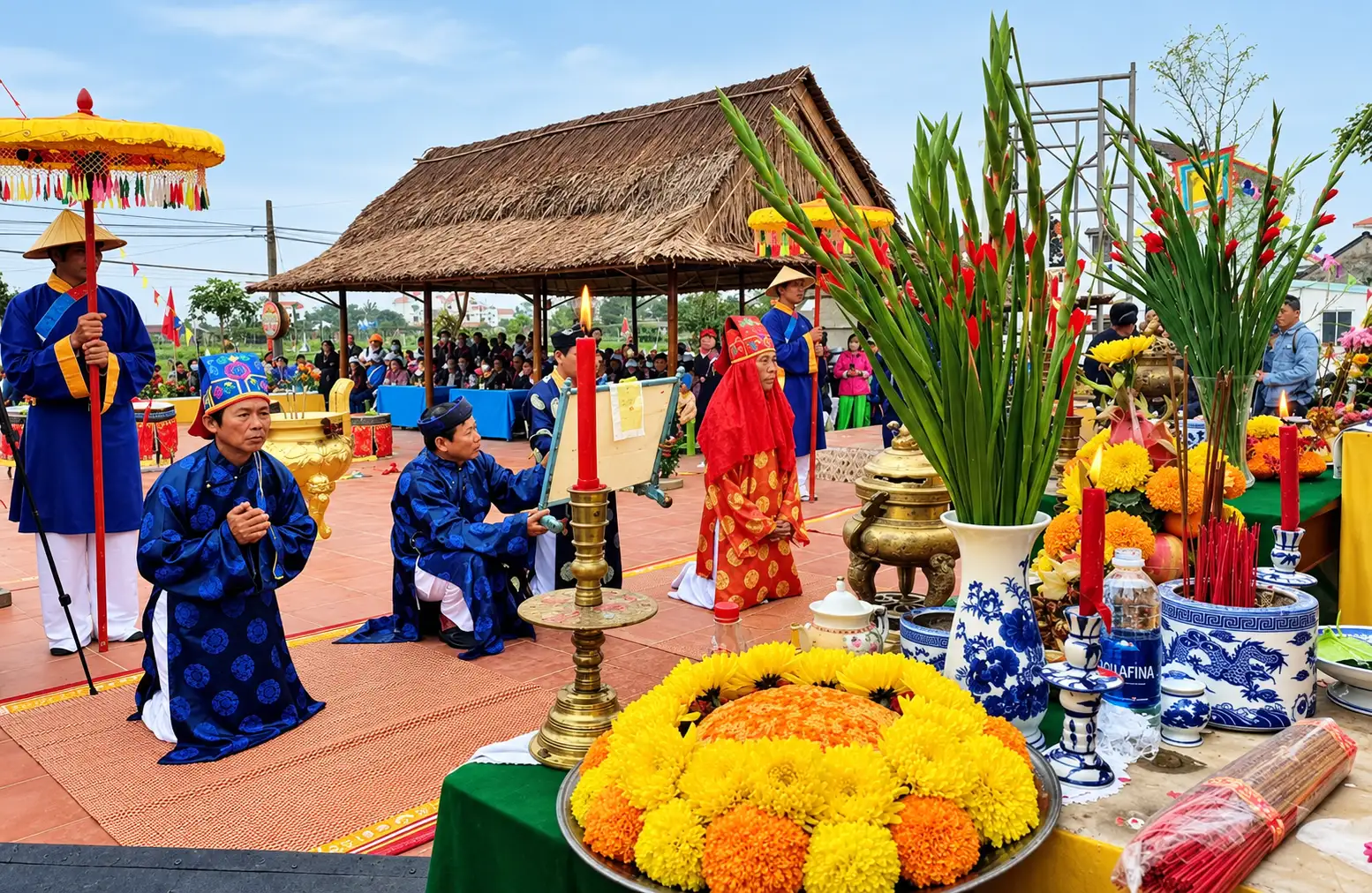
Cau Bong Festival in Hoi An: Inside Tra Que’s Agricultural New Year Tradition

Top 8 things to consider for a wedding in Hoi An with 20 guests

Best Beach Resort in Hoi An: Top 7 things to avoid when choosing to stay

4 Hoi An wedding packages compared: Which one is right for you?

5 mistakes to avoid when self-driving from Hoi An to Quang Ngai in a day