


Da Nang Station Guide – Trains and ticket information, nearby attractions to explore
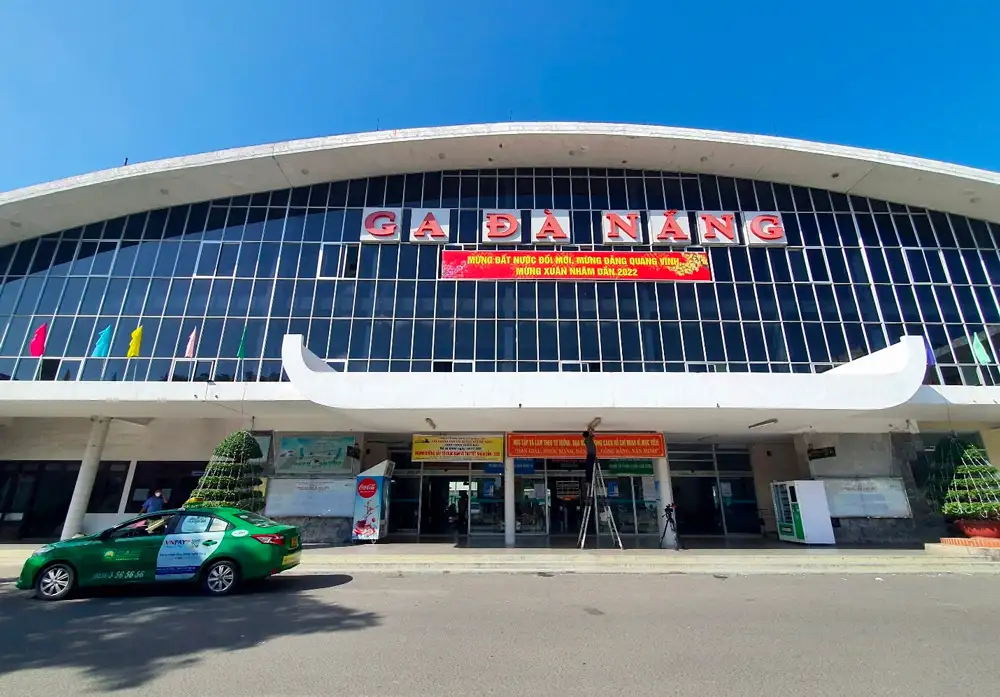
Da Nang Station is one of the most important railway hubs in central Vietnam, serving as a key stop on the North-South railway line. Whether you are arriving in the city for business, leisure, or connecting to other destinations, knowing essential information about the station can make your journey easier and more comfortable. From ticketing tips and train schedules to nearby attractions and transport options, this guide provides everything you need for a smooth experience at Da Nang Station.
Essential information before visiting Da Nang Railway Station
Da Nang Railway Station is one of the most important stops on the North-South railway line and a familiar transit point for visitors arriving in the coastal city. The area in front of the station is always bustling with nonstop traffic, yet the inside feels organized, easy to navigate, and reassuring for passengers preparing for their train journey. Before heading to the station, it’s helpful to know a few basic details to ensure a smooth and stress-free experience.
Location and how to get to Da Nang Railway Station
Da Nang Railway Station is located at 791 Hai Phong Street, Thanh Khe District, one of the city’s key central routes. Thanks to this prime location, travelers can easily reach the station using various modes of transport.
The distance from Da Nang International Airport to the station is only about 2.5-3 km, which takes around 8-12 minutes depending on traffic. If you depart from the Dragon Bridge – Bach Dang area, it’s just about 1.5 km away. For visitors traveling from Hoi An, the 28-30 km route usually takes 45-60 minutes. The road is straightforward and offers plenty of convenient stops along the way.
Because the station sits in a lively residential district, you will find numerous eateries, cafés, convenience shops, and small services nearby, ideal for resting or waiting for your train. It’s also a popular transit point for travelers coming from Hoi An and continuing by train to Hue, Hanoi, Nha Trang, Ho Chi Minh City, and other nearby provinces.
If you are staying at Bliss Hoi An Beach Resort & Wellness, the resort offers a transportation service with direct pickup and drop-off at Da Nang Railway Station. The private car is spacious, driven by professional drivers, and always arrives on time, helping you save time and avoid the hassle of finding transport, especially convenient for guests with lots of luggage or families traveling together. Simply make a booking in advance, and the car will pick you up at the resort and take you to the station quickly and comfortably.
Operating hours and train frequency
Da Nang Railway Station operates 24/7, serving North-South trains throughout the day and night. While the schedule may vary by season, trains generally arrive and depart continuously:
- Mornings often welcome trains arriving from Hanoi or Ho Chi Minh City.
- Afternoons and evenings are the busiest times for departures to major destinations such as Hanoi, Hue, Nha Trang, Quang Ngai, and Ho Chi Minh City.
- Late at night, sleeper trains operate for long-distance travelers, offering a comfortable option that saves both time and accommodation costs.
The digital screens in the main hall display real-time departure and arrival information, helping passengers track changes easily and avoid missing their train.
Read more: Da Nang Railway Station to Hoi An: Complete Travel Guide & Tips
The history and evolution of Da Nang Station
Da Nang Station is not only one of the key stops along the North-South Railway but also a landmark closely tied to the city’s growth over many decades. From its modest early days, the station has transformed into a symbolic transportation hub that reflects the dynamism and progress of Da Nang.
The station was established in the early 20th century as the North-South railway line gradually took shape, connecting Central Vietnam with Hanoi and Saigon. The first trains carrying passengers and goods into Da Nang helped boost trade, expand cultural exchange, and bring the city closer to major urban centers across the country.
Throughout its development, Da Nang Station has undergone multiple renovations and upgrades. Today, it features a more modern and organized appearance, while still retaining the familiar charm of a traditional Vietnamese railway station. The waiting hall has been expanded, digital information boards have been added, and signage has been improved to make navigation easier for travelers. Meanwhile, the tracks, cargo areas, and operational systems have been enhanced to meet the growing travel demands of locals and tourists alike.
More than just a point of arrival and departure, Da Nang Station carries the memories of countless journeys. Many people still recall the excitement of boarding their first long-distance train or the emotional reunions during holiday seasons. These simple, heartfelt moments have turned the station into a quiet witness to the stories of generations, stories that continue to reflect the warmth and resilience of Central Vietnam.
Understanding the layout and architecture of Da Nang Station
Da Nang Station is not as large as major stations in Hanoi or Ho Chi Minh City, but it is thoughtfully organized and easy to navigate. The station complex includes the main hall, ticket counters, waiting areas, cargo zones, and the rail system at the back. Although the daily passenger volume is steady, the station remains orderly even during peak hours thanks to its practical layout. Open spaces, wide corridors, and clearly defined walkways help passengers move comfortably, especially those visiting the station for the first time.
Exterior architecture: Simple yet easily recognizable
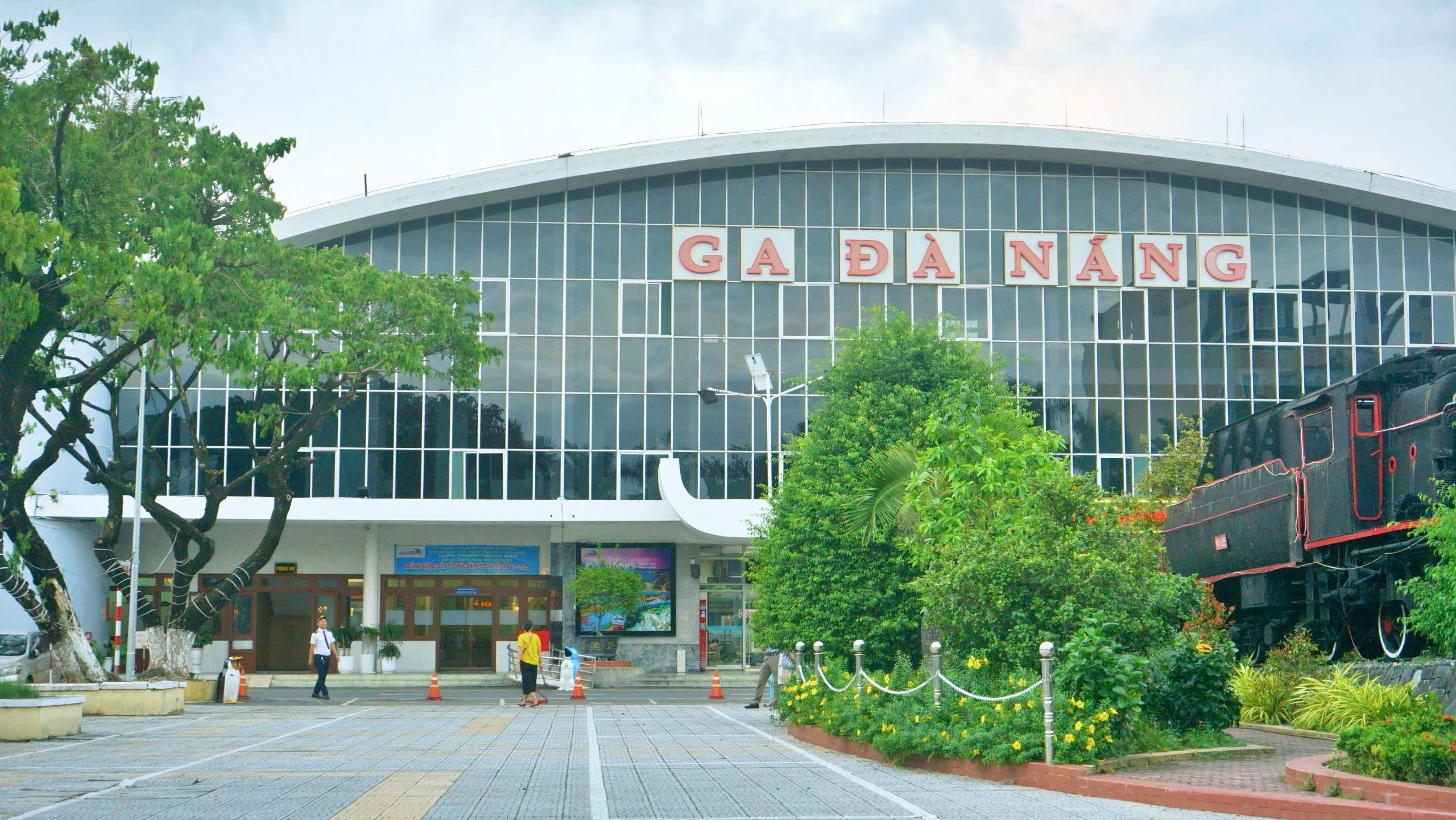
The exterior of Da Nang Station reflects the characteristic architectural style of mid-20th-century Vietnamese railway buildings, with square lines, flat roofing, and a broad façade. In front of the station is a spacious forecourt that allows taxis, private cars, and transfer vehicles to drop passengers off smoothly. While the façade is not overly decorative, it has strong visual recognition, highlighted by a large station sign and a structure that is well-maintained and consistently kept clean.
Interior layout: Bright, airy, and easy to move around
Inside, the main hall feels open and spacious, with high ceilings and large windows that bring in natural light. Digital boards displaying real-time train schedules make it easy for travelers to follow information. Ticket counters are located right at the entrance for quick access, while the waiting area is arranged in neat rows, offering simple yet comfortable seating. The interior design prioritizes clarity and functionality over ornamentation, ensuring that passengers can find what they need without confusion.
Rail tracks and operational infrastructure
The rail zone behind the station includes multiple tracks serving both passenger and cargo trains. Switching systems, storage areas, and technical facilities have been upgraded over the years to support increasing traffic. Boarding platforms are located directly behind the waiting hall, so passengers do not need to walk far when it is time to board. This efficient layout helps minimize congestion and keeps the flow of arrivals and departures smooth throughout the day.
Passenger amenities
While Da Nang Station is not a luxurious facility, it provides all essential amenities: restrooms, drink kiosks, small cafés, quick-service food stalls, mini-shops, and spacious waiting areas. These conveniences make the station comfortable for travelers during layovers, especially for night trains or long-distance journeys. Everything is arranged logically, ensuring passengers can easily find the services they need without wandering around.
Ticket booking guide at Da Nang Station
Before boarding a train, understanding how to buy tickets is essential to ensure a smooth journey. Da Nang Station offers multiple ways to purchase tickets, from buying directly at the counter to booking online, giving travelers flexibility to choose the method that suits their needs. The guide below will help you understand each step clearly, making it easier to prepare and select the best option for your trip.
Buying tickets directly at the station
Buying tickets directly at Da Nang Station is a traditional and convenient option for those who haven’t booked in advance or prefer to select their seat in person. Upon arrival, you will find the ticket counters located at the main entrance, easily recognizable with large signs. Before queuing, it’s recommended to have your ID card, citizen card, or passport ready for verification.
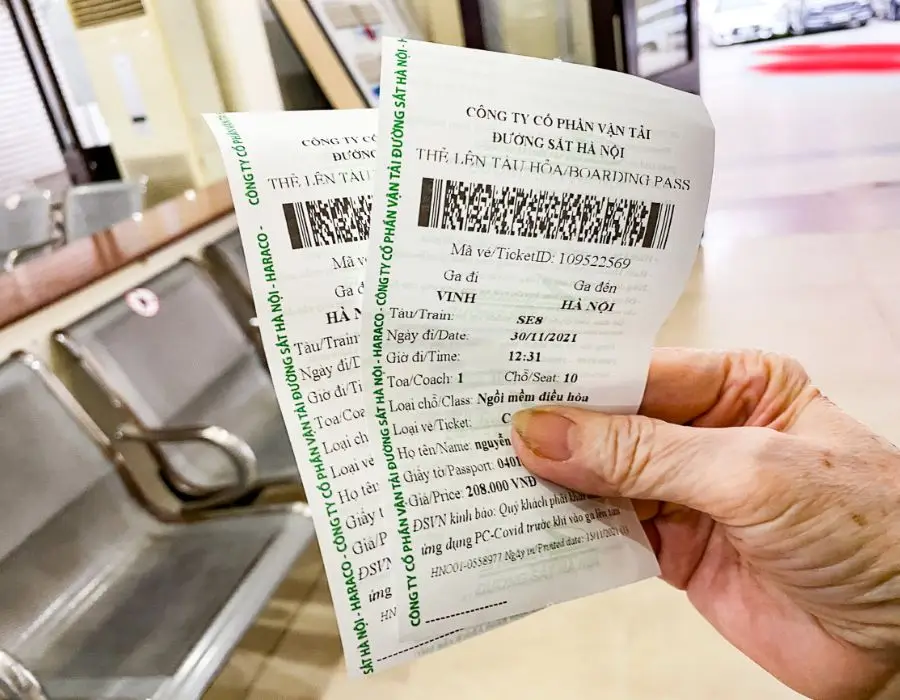
Station staff will assist you in selecting the train type, seat, or sleeper compartment according to your preference. After payment, you will receive a paper ticket containing all necessary information, including departure time, carriage number, seat number, and boarding instructions. During peak travel days or holiday seasons, it’s best to arrive 1-2 hours early to avoid long lines.
Buying tickets online
Online ticket booking has become increasingly popular as it saves time and allows you to choose seats in advance. You can access the official website of Vietnam Railways (dsvn.vn) or use reputable ticketing apps. On the platform, select your route, travel date, departure time, and seat or sleeper class according to your needs. Then provide your personal information, such as full name, phone number, and ID/passport number, to confirm the booking.
Payment can be made online via bank card, e-wallet, or other supported methods. Once completed, you will receive an e-ticket code via email or SMS. When boarding, simply present the e-ticket along with your ID for verification. Online booking is especially convenient during peak seasons, helping you avoid sold-out trains or long queues at the station.
Train Routes from Da Nang Station
Da Nang Station is one of the most important stops on the North-South railway line, with a wide variety of trains departing and stopping daily. Understanding the train routes from Da Nang helps travelers choose the most suitable trips, save time, and plan their schedules efficiently. Below is a summary of the main train routes from Da Nang Station, including train numbers, destinations, seat types, departure times, and approximate travel durations.
| Train Number | Route / Main Destination | Arrival time at Da Nang | Departure time from Da Nang |
| SE 21 | Da Nang → Hue → continuing south | 09:40 | 09:45 |
| SE 5 | Hanoi ↔ Da Nang (North → South) | 01:06 | 01:21 |
| SE 1 | Hanoi ↔ Da Nang | 01:06 | 01:21 |
| SE 7 | Hanoi ↔ Da Nang / continuing south | 11:05 | 11:25 |
| SE 3 | Hanoi ↔ Da Nang / southbound | 22:21 | 22:36 |
| SE 9 | Hanoi ↔ Da Nang / southbound | 07:35 | 07:50 |
| SE 6 | Saigon ↔ Da Nang (South → North) | 02:08 | 02:23 |
| SE 10 | Saigon ↔ Da Nang | 09:48 | 10:03 |
| SE 8 | Saigon ↔ Da Nang | 22:49 | 23:04 |
| SE 2 | Saigon ↔ Da Nang | 13:35 | 13:55 |
Notable tourist attractions around Da Nang Station
Da Nang Station is situated in the heart of the city, making it a convenient starting point to explore popular landmarks, enjoy leisure activities, and experience local culture. Here are some recommended nearby attractions, perfect for travelers with limited time or those who want a quick tour:
Dragon Bridge and Han River
Dragon Bridge is a modern symbol of Da Nang, featuring unique, winding architecture. The surrounding Han River area offers a picturesque setting ideal for strolling, photography, or enjoying a riverside coffee. On weekends, visitors can experience the spectacular fire and water show from the dragon’s mouth, making it an unforgettable attraction.
My Khe Beach
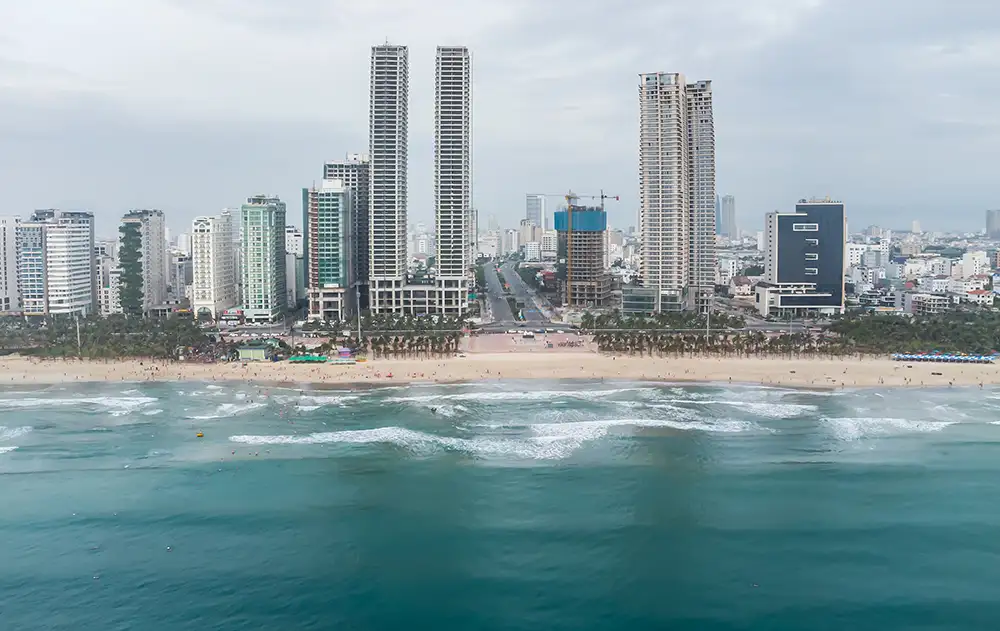
Famous for its soft white sand and clear blue waters, My Khe Beach provides a relaxing atmosphere. Visitors can swim, participate in water sports, or simply enjoy the fresh sea breeze. It’s a perfect spot to unwind after a long train journey.
Han Market
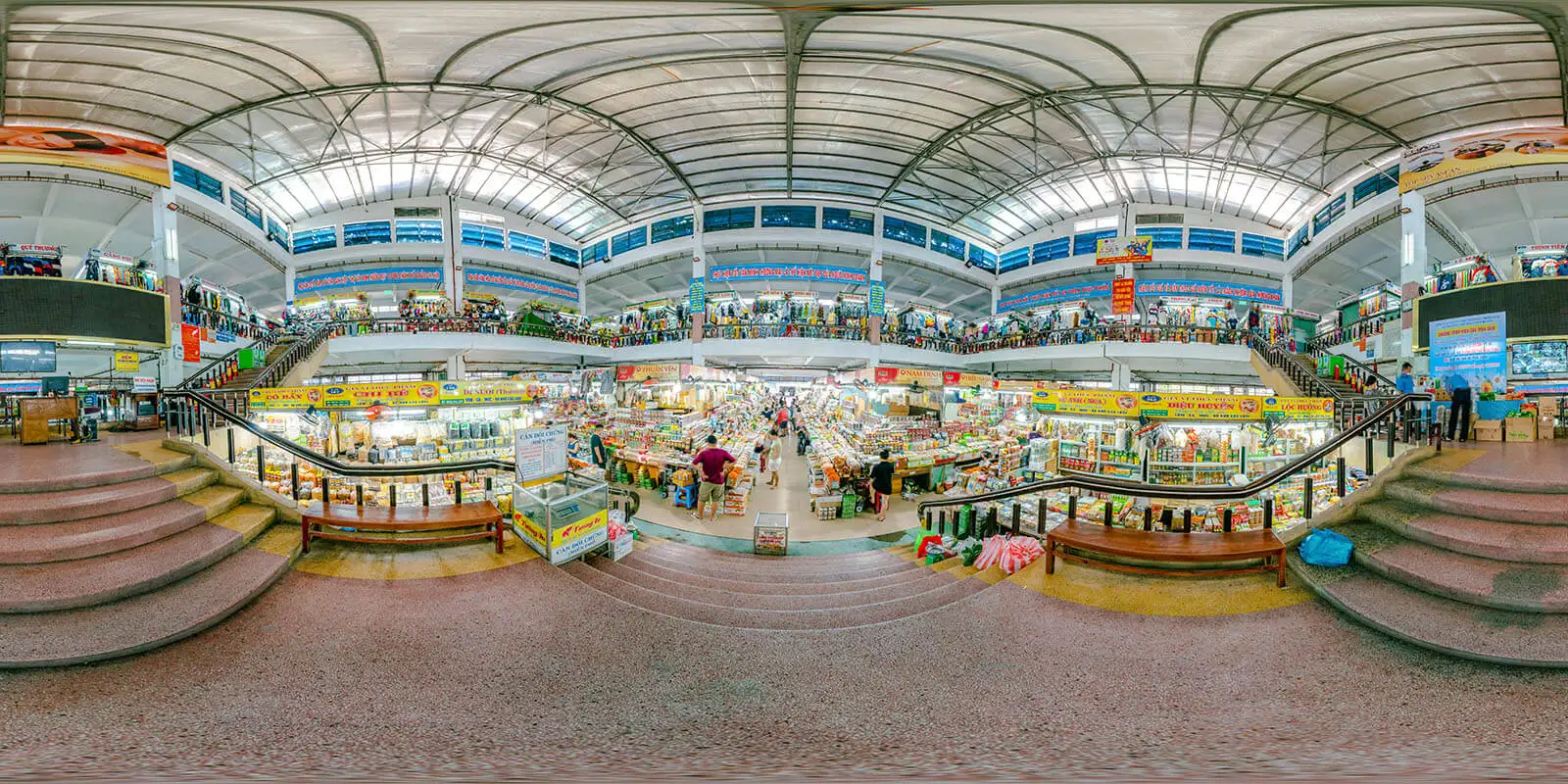
Han Market is bustling with vibrant stalls selling fresh fruits, seafood, souvenirs, and local delicacies. Beyond shopping, the market offers a glimpse into the daily life of Da Nang residents, from the lively calls of vendors to the energetic pace of the crowd, providing a rich cultural experience.
Cham Sculpture Museum
The Cham Sculpture Museum displays hundreds of precious Cham artifacts, including statues, bas-reliefs, and other ancient artworks. It’s a must-visit for history and culture enthusiasts. The peaceful and spacious environment allows visitors to learn and relax at the same time.
Asia Park
Asia Park combines thrilling rides, the Sun Wheel, the tallest Ferris wheel in Vietnam and family-friendly attractions. Visitors can enjoy adventurous rides, admire panoramic city views from the wheel, or explore colorful cultural zones, offering fun experiences for all ages.
Marble Mountains
The Marble Mountains offer a fascinating natural and cultural experience, featuring limestone peaks, mystical caves, and historic pagodas. Visitors can climb to the top for panoramic views of Da Nang, explore famous caves such as Huyen Khong and Am Phu, and admire intricate pagoda architecture, blending sightseeing with cultural discovery.
Read more: Top attractions in Da Nang – Discover the most must-visit destinations
Visiting Da Nang Station is more than just a transit experience, it’s an opportunity to explore the city conveniently and efficiently. By understanding train schedules, ticketing options, and nearby points of interest, travelers can save time and enjoy a seamless journey. Whether you are heading north, south, or simply exploring central Vietnam, Da Nang Station serves as the perfect starting point for your adventure.